
Diving at Contentin (Spain)
Spain presents a technically diverse underwater landscape, offering over 500 cataloged dive sites. This extensive network includes numerous wall dives, reef formations, and intricate cave systems, appealing to a broad spectrum of certified divers. Country's dive regions, from the Atlantic to the Mediterranean, mean varied environments and skill requirements. Planning here necessitates understanding these regional distinctions for optimal experience. Accessibility within Europe also makes it a practical choice for shorter dive trips.
Evening condition tracking at Contentin features an air temperature of 22°C. We have recorded wave heights measuring 0.3 m during this period. These figures outline the environmental parameters currently present.
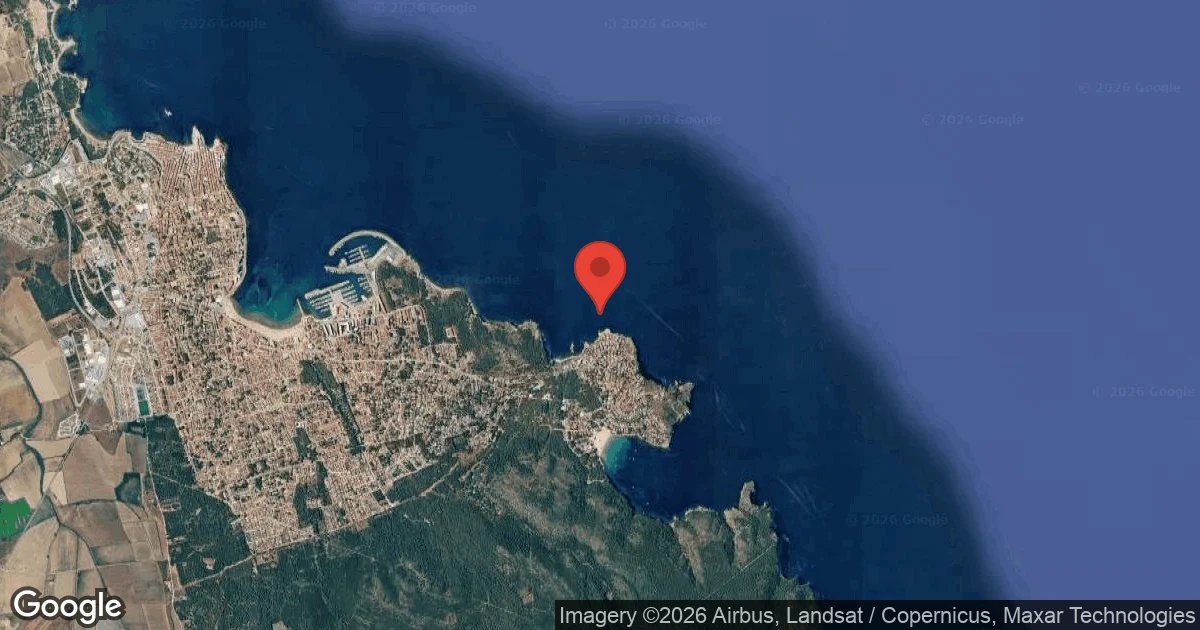
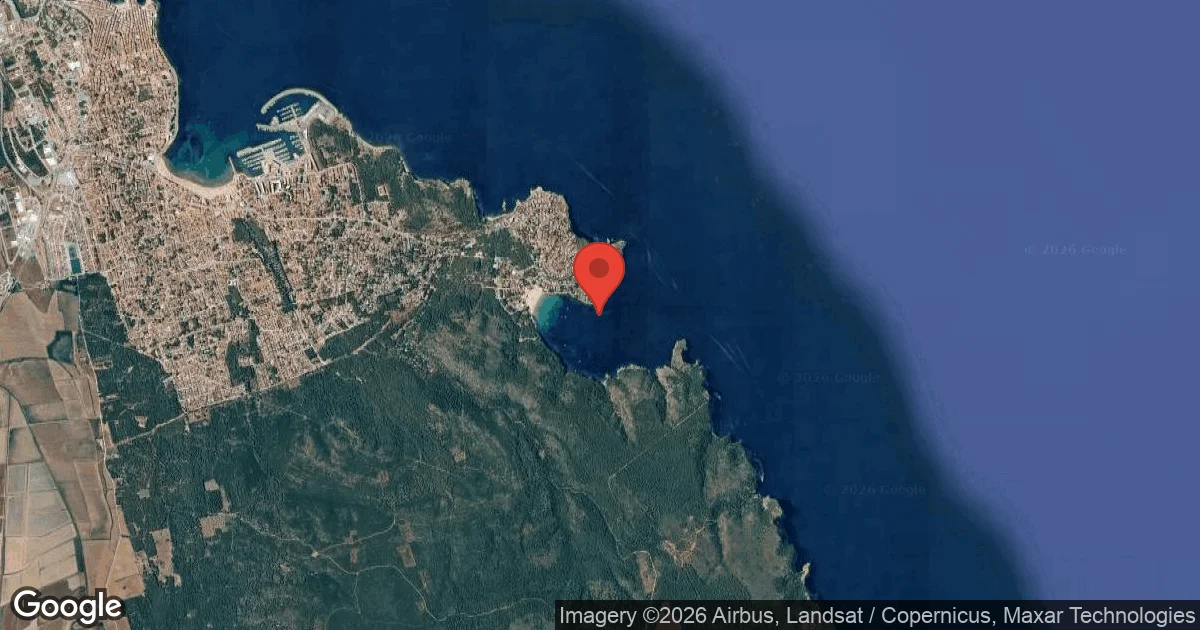
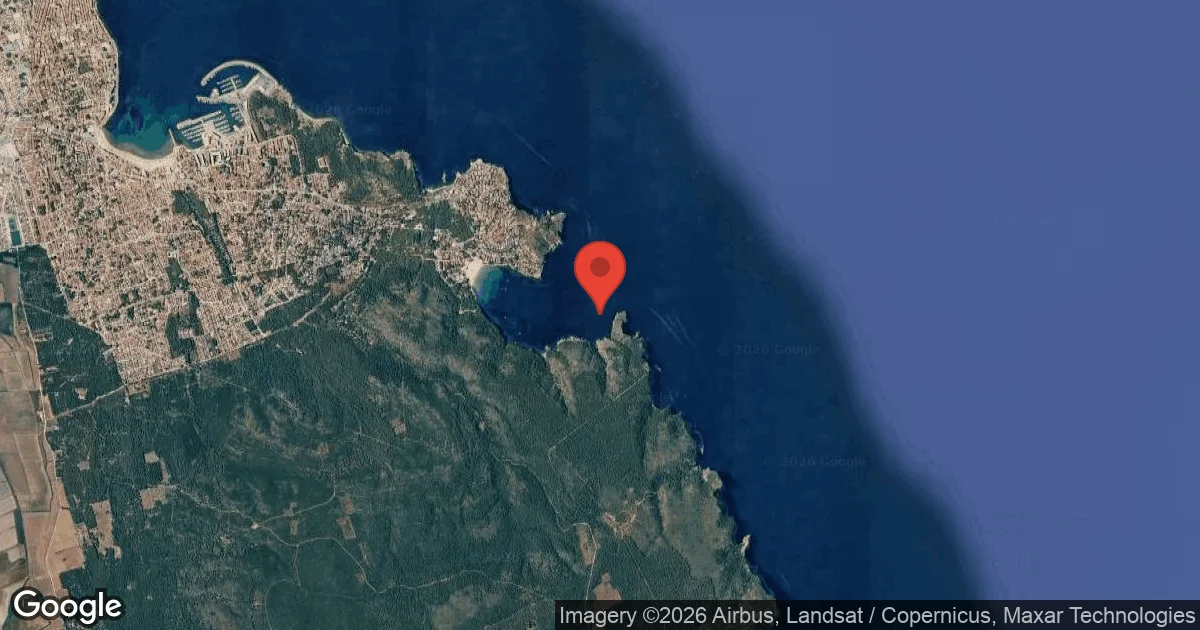
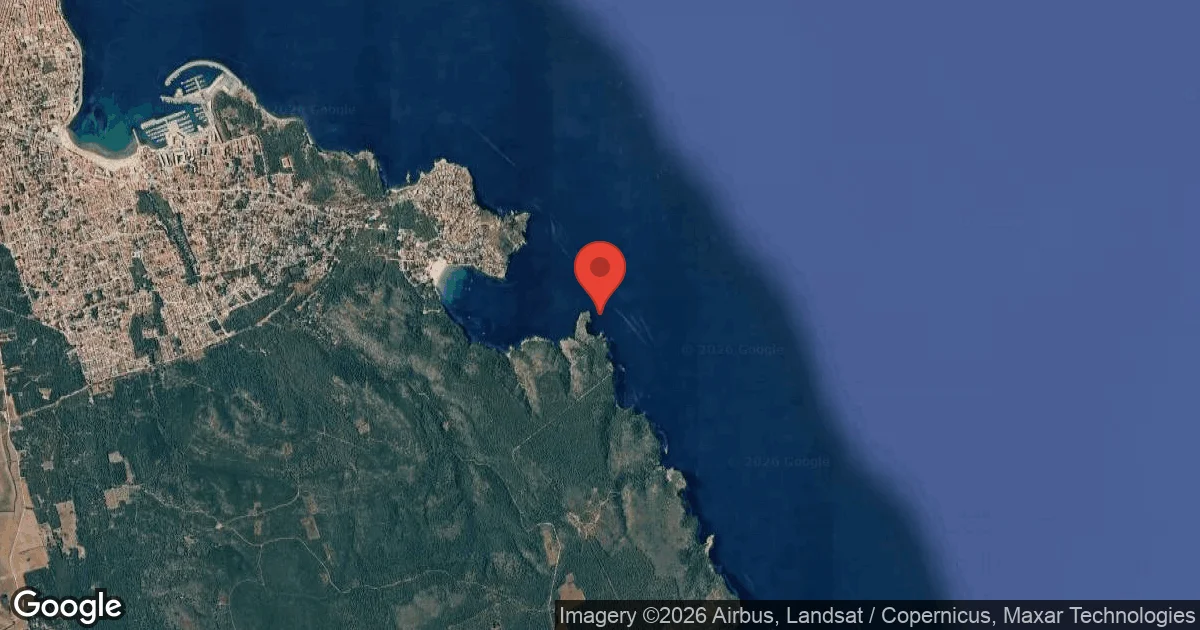
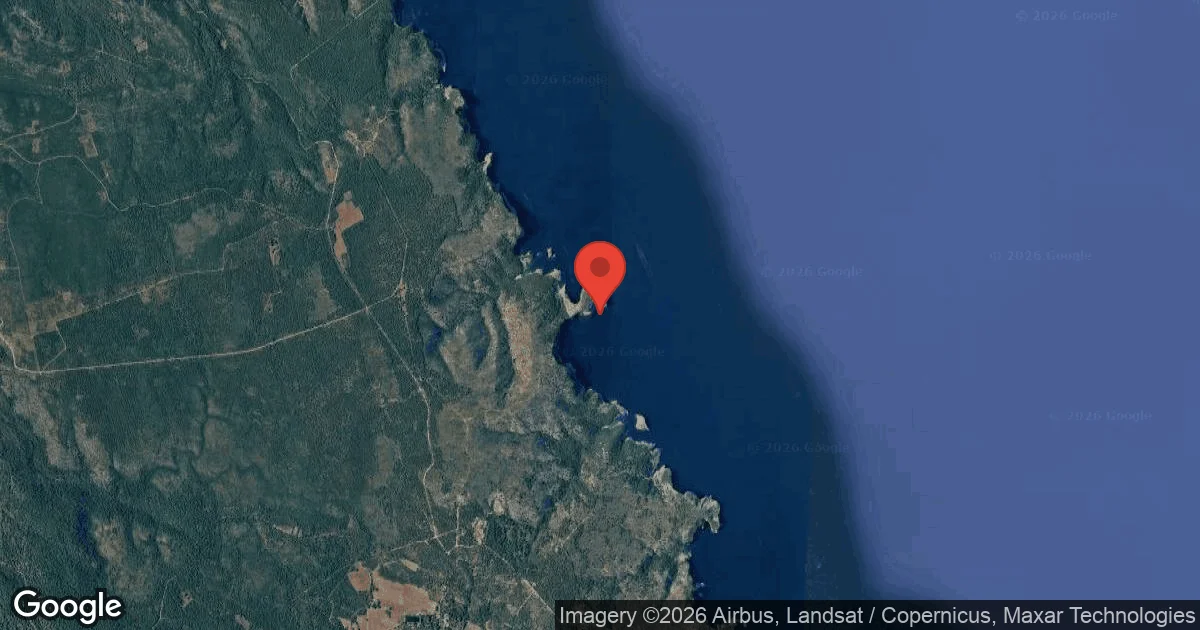
Dive Site Location & Key Facts
Dive Site Overview
Spain's underwater world, often overlooked by divers, holds considerable depth and diversity, spanning both the Atlantic Ocean and the Mediterranean Sea. Over 500 distinct sites have been identified, including a significant number of wall, reef, and cave dives, hinting at a long history of geological activity and marine habitation.
Many locations offer a rich blend of natural topography and, occasionally, compelling historical elements. For instance, Tenerife's El Peñón Wreck, intentionally sunken in 2006, provides an accessible wreck experience, with its front section at 18 m (59 ft) and deeper parts extending to 32 m (105 ft).
This makes it suitable for various certification levels. Its extensive coastline and island territories have fostered a wide array of dive opportunities, from exploring vibrant reef ecosystems to navigating dramatic underwater walls.
Varying environments ensure a different experience depending on the chosen destination, from the temperate Bay of Biscay to the warmer Canary Islands. Exploring these waters reveals how geological forces and human activity have shaped a varied subaquatic environment over time, attracting both recreational and technical divers seeking different challenges.
Understanding the historical context of Spain's maritime traditions also enriches the experience for those exploring its many submerged artifacts and natural wonders.
Conditions are Excellent
07:00 - 14:00
Optimal conditions expected
Current conditions near Contentin show 22° air, 24° sea temperature, 0.4 m waves, and 21 km/h wind. Forecast data is refreshed regularly to ensure accuracy.
Best Time to Dive
Planning a dive trip in Spain should prioritize regional climate patterns to maximize comfort and enjoyment. Divers will find the peak season for many areas, like the Costa Brava, extends from late May to early September. During these months, average air temperatures are considerably warmer, ranging from 18°C (64°F) in May to 26°C (79°F) in July and August, with minimal rainfall. This period generally provides the best surface conditions and calmest waters, with average wave heights around 0.7-0.8 meters. Outside this window, especially in cooler months, a thick wetsuit or dry suit becomes essential for comfortable diving, as many local dive centers may also operate on reduced schedules. Regions such as the Costa del Sol and the Canary Islands offer year-round diving, though prime conditions typically run from April to October. Even in winter, the Canary Islands are viable, though a 7mm wetsuit is usually preferred over the 5mm common in summer. For northern Bay of Biscay, July and August are the ideal months, often requiring more experience due to potential conditions outside this timeframe.
PEAK SEASON SCORE
Scores combine air & water temps, waves, wind & rainfall for overall conditions.
BEST MONTHS TO DIVE
Monthly records compiled from satellite and marine observation nodes over the last 3 years. Data provided by Open-Meteo and MET Norway.
Dive Experience & Conditions
Diving conditions across Spain fluctuate significantly with geographic location and seasonality, influencing the dynamic nature of each dive. Visibility often remains quite good, although local factors such as recent rainfall or tidal movements can introduce variability. Water temperatures are not consistently reported in our system data but can be inferred from regional characteristics mentioned in external sources, varying from cooler Atlantic currents to warmer Mediterranean and Canary Island waters. In summer, for example, a 5mm wetsuit is often sufficient in warmer southern regions, while a 7mm or dry suit is advisable for winter or northern dives. Currents can range from mild on sheltered reef dives to stronger in exposed wall dive areas or around certain islands, requiring divers to assess local reports. Dynamic environments like these require divers to stay informed about real-time conditions.
Dive Difficulty & Safety Guidelines
Diver skill and preparation are central to safely exploring Spain's diverse underwater environments. Many dive sites, including specific wrecks like El Peñón, accommodate certified divers of all levels, but some areas, particularly in the Bay of Biscay, may demand more experience.
Always carry appropriate certification for planned dives. Prior to any descent, check local conditions, including currents and visibility, with a reputable dive operator.
Dressel Divers, for example, is noted as an eco-friendly dive center, suggesting a commitment to responsible practices. While specific hazards aren't detailed in system data, general safe diving practices apply: plan your dive, dive your plan, and never dive alone.
Having comprehensive dive insurance, as widely recommended for Spain, provides an important safety net. Understanding specific requirements of each dive location will ensure a secure and enjoyable experience.
Recommended Equipment
Overhead / entanglement risk. Wreck penetration requires proper training.
- Dive Computer
- Primary & Backup Lights
- Wreck Reel
- Cutting Tool
This gear list is based on verified equipment signals for Contentin, Spain. Always confirm final gear choices with your dive operator, guide, or liveaboard.
Recommended Dive Suit
For many recreational divers, 3-5mm wetsuit provides a practical level of insulation in these conditions. A hood or vest is suggested for sensitive divers due to surface winds. Surface intervals may feel cooler. Divers who tend to get cold easily may prefer slightly thicker exposure protection.
At the moment, divers exploring Contentin will likely experience water temperatures near 24°C (75°F). Surface air temperatures are resting at 22°C (71°F).
Temperatures look set to gradually increase over the next several days. A warming trend is expected over the next few days.
Emergency & Medical Support
Essential information to help you plan your dive trip to Contentin.

Hyperbaric chambers are a critical part of dive safety infrastructure. Availability varies significantly by region, and not all dive areas have immediate access.
Before diving, it's recommended to:
- confirm nearest medical facilities
- check emergency procedures with local dive operators
- ensure dive insurance covers evacuation if required
Divers Alert Network
Diving emergency assistance available through DAN Europe.
+39 0642115685- 24/7 emergency hotline
- Diving medical assistance
- Evacuation coordination
Emergency contacts are provided for reference. Always verify local emergency services before diving.
Closest Listed Hyperbaric Chambers
Showing listed hyperbaric chamber facilities within 200 km of this dive site.
Distances are approximate straight-line distances and may not reflect emergency travel time.
Unitat de Medicina Hiperbàrica (UMH)
24/7 ListedPalamos (Girona), Spain•Approx. 30 km straight-line
Unitat de Medicina Hiperbàrica (UMH)
24/7 ListedInformation is provided for reference and planning purposes only. Dive Navigator does not verify operational status, staffing, availability, or quality of care at listed facilities. In an emergency, contact local emergency services, DAN, your dive operator, or the chamber directly. Do not travel to a facility without calling ahead.
UTH-CSI
24/7 ListedICU CapableSant Joan Despí, Spain•Approx. 124 km straight-line
UTH-CSI
24/7 ListedICU CapableInformation is provided for reference and planning purposes only. Dive Navigator does not verify operational status, staffing, availability, or quality of care at listed facilities. In an emergency, contact local emergency services, DAN, your dive operator, or the chamber directly. Do not travel to a facility without calling ahead.
Marine Life at Contentin
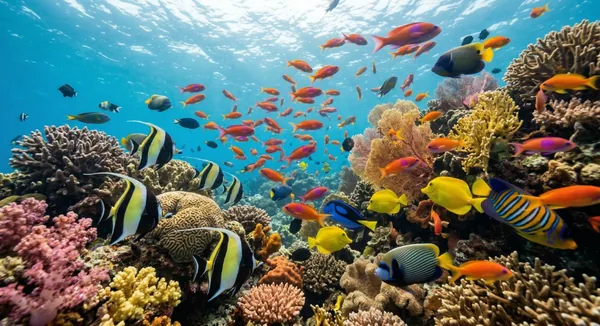
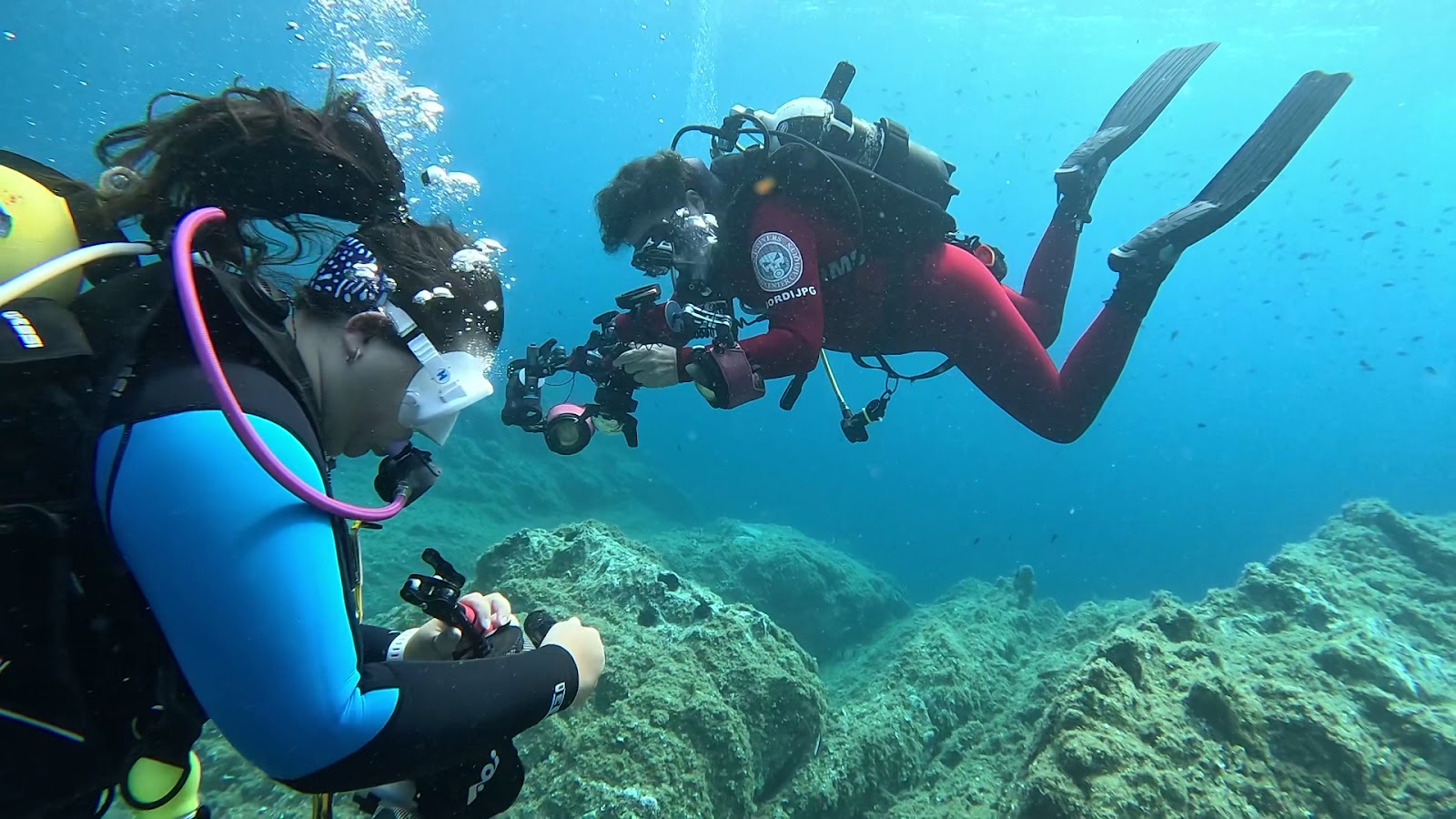
The marine life encountered when diving in Spain is as varied as its underwater topography, influenced by the Atlantic and Mediterranean environments. While specific species aren't detailed in available data, divers exploring reef dives can expect to see a range of temperate water fish and invertebrates.
Wall dives often attract pelagic species and provide opportunities to observe gorgonians and other sessile organisms. Within cave dives, unique ecosystems adapted to low light conditions might be present.
Diverse environments, including numerous wall, reef, and cave sites, mean marine encounters will differ significantly from one location to another. Seasonality can also influence the presence of migratory species.
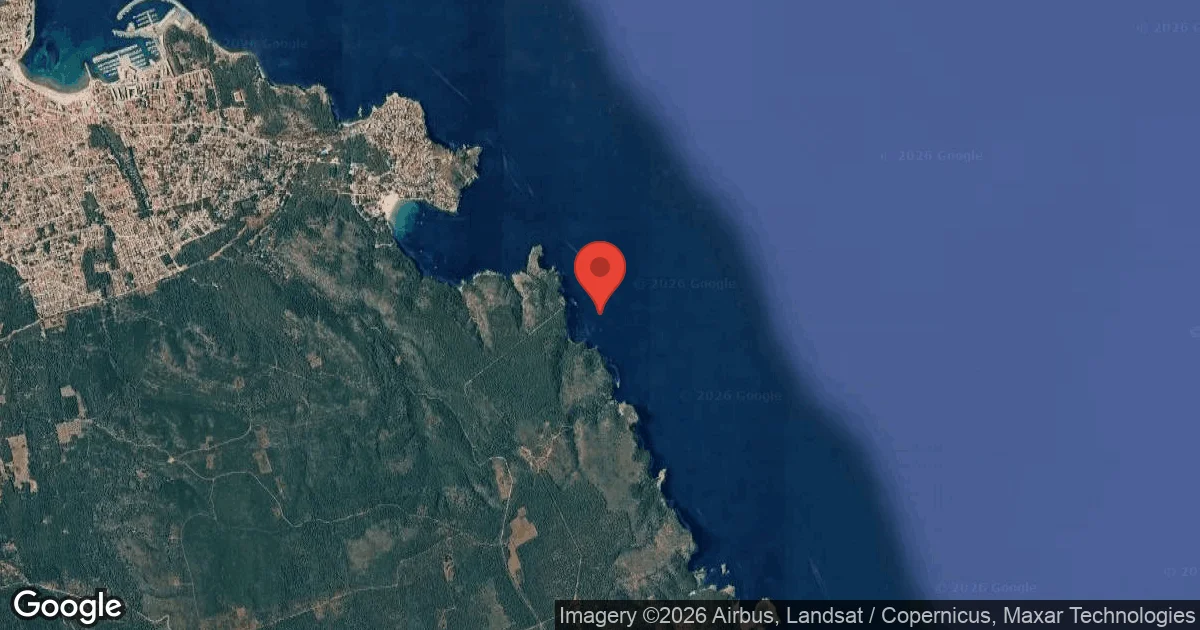
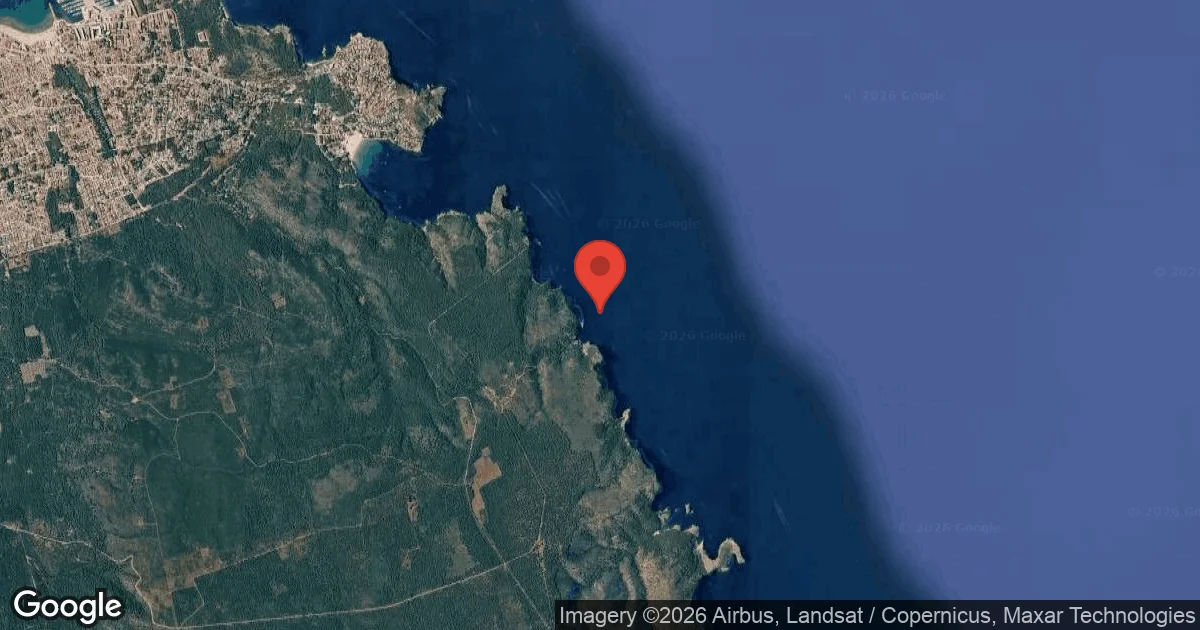
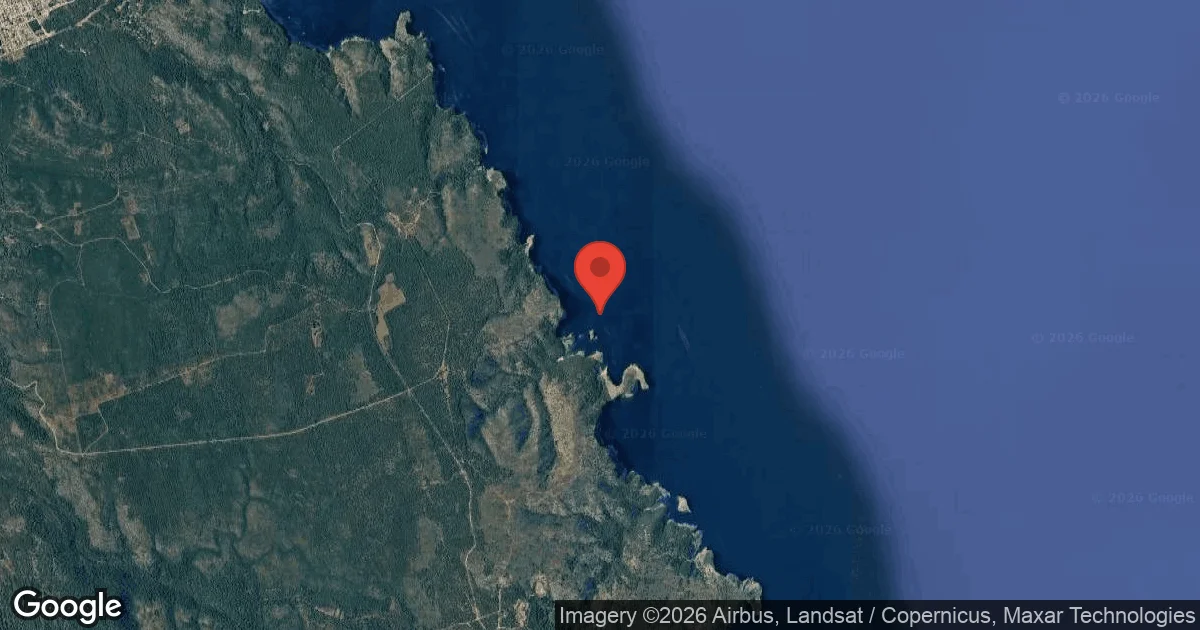
Dive Sites Near Contentin
View all dive sites in SpainDiscover more underwater gems in this area.
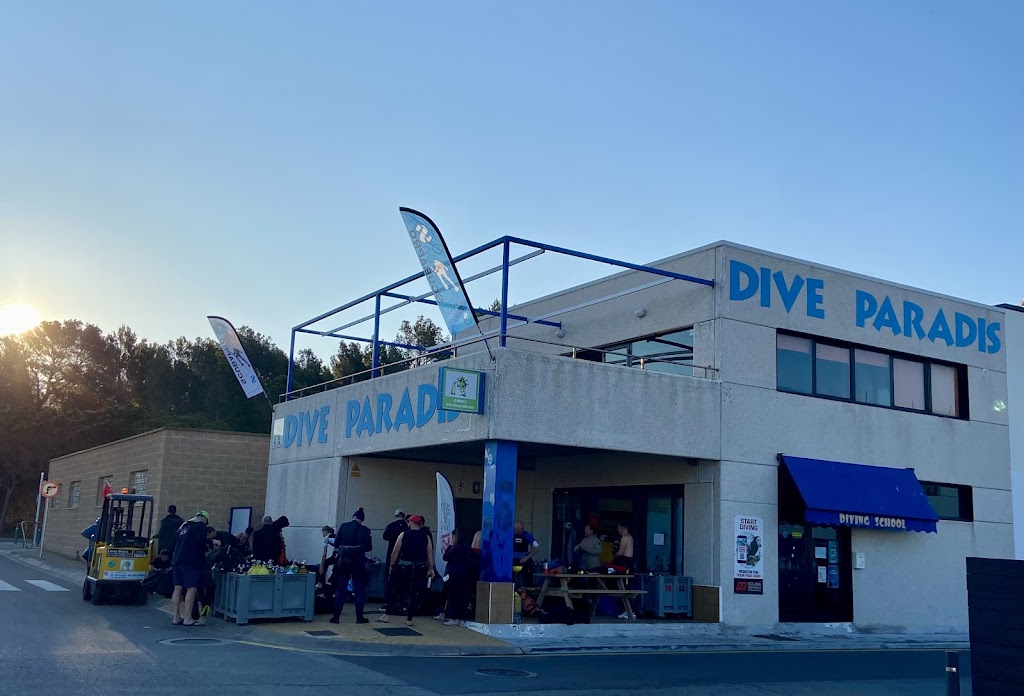
Dive Centers Near Contentin
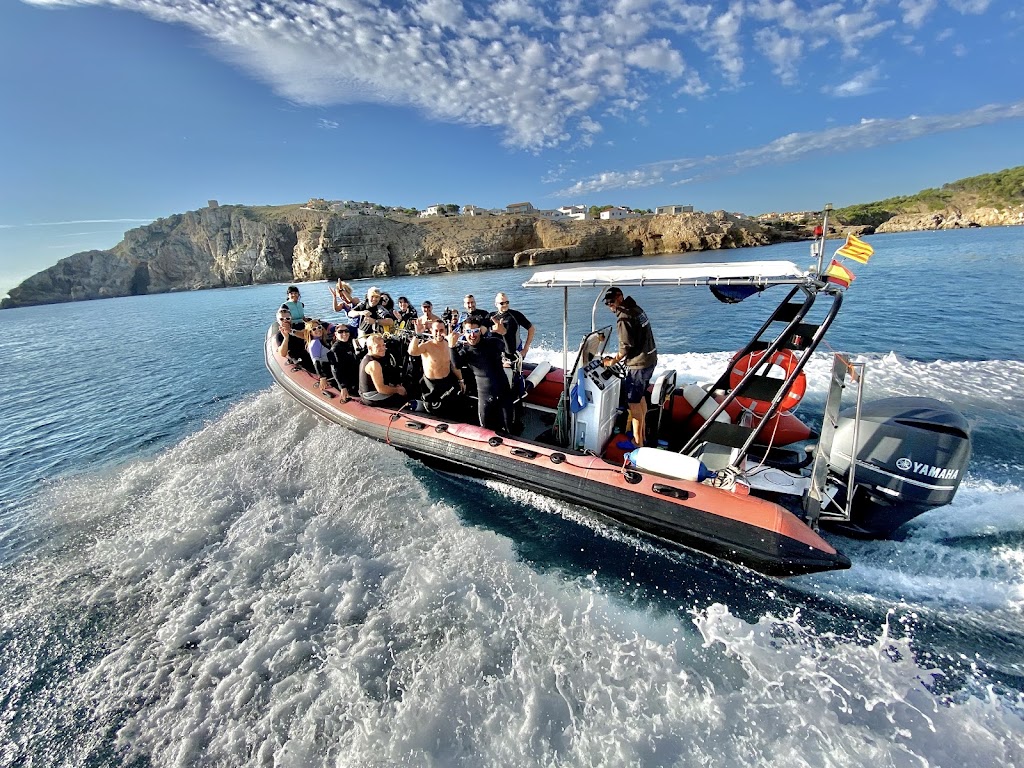
Today: 08:00 - 18:00

Nearest Airports
Nearest airports to help plan travel to this dive area.
Search Flights
Check available flights and routes on Expedia, using the nearby airports listed in this section.
Search Flights on ExpediaFrequently Asked Questions
What types of diving are available in Spain?
Spain offers a wide array of dive experiences, with over 500 cataloged sites. Divers can explore extensive wall dives, vibrant reef ecosystems, and challenging cave dives across both the Atlantic and Mediterranean coasts. This diversity caters to various preferences and skill levels.
Is Spain suitable for beginner divers?
Absolutely. Areas like the Costa del Sol, the Balearic Islands, and parts of the Canary Islands are well-regarded for beginner-friendly sites and Open Water Diver training. Many locations boast good visibility and manageable conditions, ideal for learning.
When is the best time to dive in Spain?
Optimal diving season varies regionally, but generally, late May to early September offers the warmest air temperatures and calmest surface conditions across many areas. Some regions, like the Costa del Sol and the Canary Islands, provide enjoyable diving year-round, with peak conditions from April to October.
What wetsuit thickness is recommended for diving in Spain?
Wetsuit recommendations depend heavily on the region and season. In warmer summer months and southern areas like the Canary Islands, a 5mm wetsuit is often sufficient. For colder periods, northern Atlantic coasts, or winter diving, a 7mm wetsuit or dry suit becomes necessary.
Are there any specific wreck dives of note?
Yes, one notable site is the El Peñón Wreck in Tenerife, intentionally sunken in 2006. Its depth ranges from 18 m (59 ft) at the bow to 32 m (105 ft) at the stern, making it accessible to a broad range of certified divers.
How do currents and visibility typically behave?
Diving conditions like currents and visibility vary depending on the specific site, season, and local weather. Generally, visibility can be quite good, but currents can range from mild in sheltered areas to stronger in more exposed locations, particularly around certain walls or offshore sites. Always consult local dive operators for current reports.
Planning to dive Contentin?
Send one inquiry and receive offers directly from the best verified local dive operators.
Conditions are Excellent
07:00 - 14:00
Optimal conditions expected
Current conditions near Contentin show 22° air, 24° sea temperature, 0.4 m waves, and 21 km/h wind. Forecast data is refreshed regularly to ensure accuracy.