
Diving at Punta del Ferro (Spain)
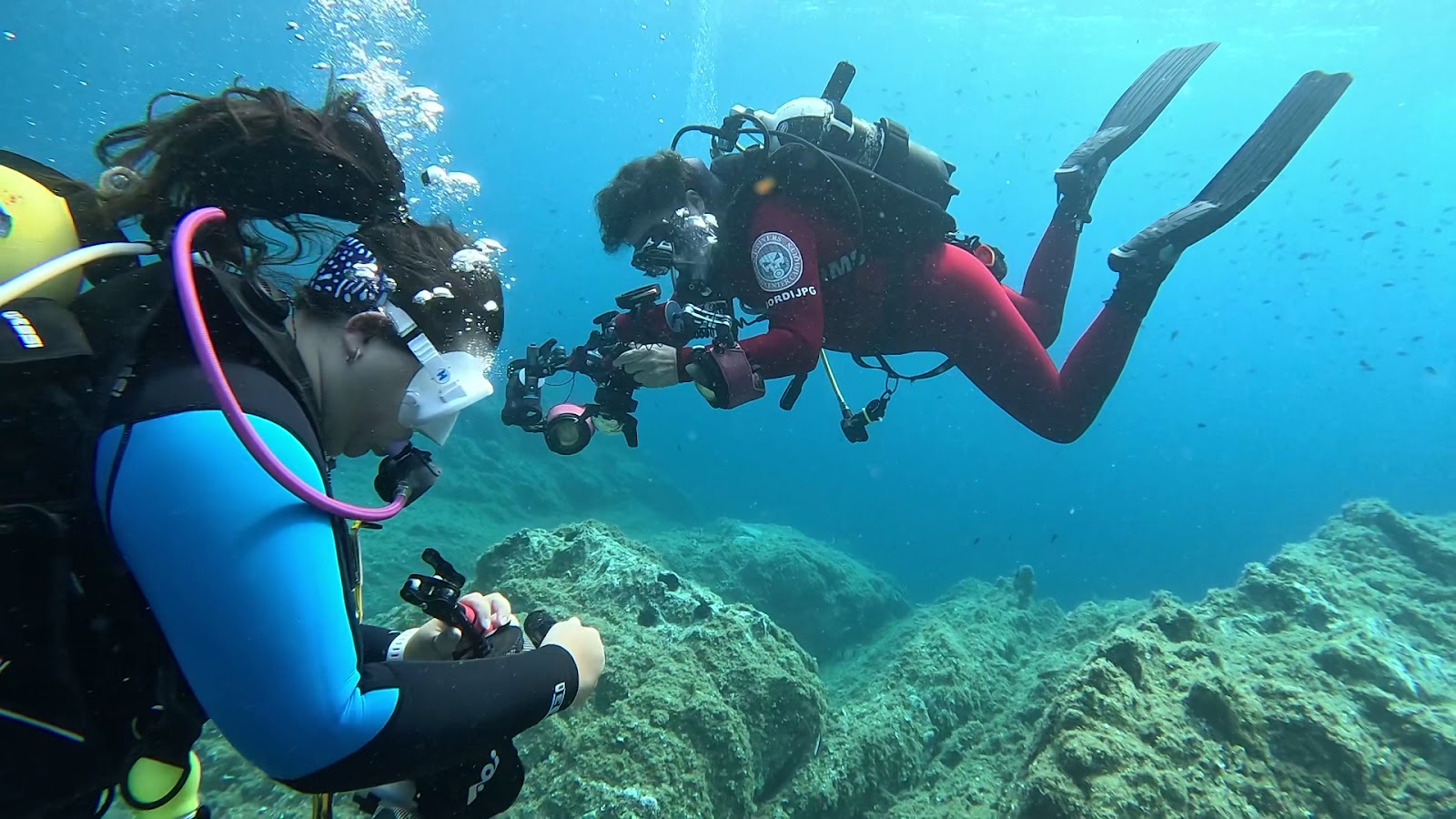
Descending into Punta del Hierro offers an encounter with El Hierro's dramatic underwater topography, a landscape forged by ancient lava flows. This site is a world of vertical cliffs, broad sandy platforms, and intriguing caverns. Divers here navigate the boundary of a marine reserve, finding a diverse terrain that promises sightings of both resident species and larger pelagic visitors. It's a dive that speaks to the raw, untamed beauty of the Canary Islands' volcanic depths.
Evening condition tracking at Punta del Ferro features an air temperature of 27.5°C. We have recorded wave heights measuring 0.8 m during this period. These figures outline the environmental parameters currently present.
Dive Site Location & Key Facts
Dive Site Overview
The underwater topography around Punta del Hierro, near La Restinga, is a direct continuation of the island's volcanic structure. The continental shelf here is notably short, often dropping sharply to depths exceeding 200 m (656 ft) within 300 m (984 ft) of the coast.
This creates a diverse environment of vertical walls, sloping verils, and expansive sandy platforms. Sites like El Rincón typically begin around 12 m (39 ft) and gently descend to 20 m (66 ft), featuring natural walls and small caves where divers might explore. La Herradura, on the other hand, involves a descent from about 8 m (26 ft) to a maximum depth of 35 m (115 ft) along a veril.
For those seeking more advanced conditions, El Bajón presents a mountainous massif with a vertical wall dropping to 80 m (262 ft), making it a challenging dive due to its exposure and profound depths. Many sites also feature "canyons" or "prisms" formed by lava, providing ample hiding spots and structural interest, some leading to shallower platforms.
Conditions are Excellent
07:00 - 14:00
Optimal conditions expected
Current conditions near Punta del Ferro show 28° air, 24° sea temperature, 0.4 m waves, and 14 km/h wind. Forecast data is refreshed regularly to ensure accuracy.
Best Time to Dive
Diving at Punta del Hierro is feasible year-round, with conditions generally rated as good. For warm air temperatures and minimal rain, the summer months from June to September are particularly favorable. During this period, average air temperatures comfortably range between 21.5°C (71°F) and 26°C (78.8°F), with monthly rainfall often barely exceeding 1 mm. This contrasts with winter, when air temperatures are cooler, averaging 10-14°C (50-57°F) between December and March, and rainfall is slightly higher, although still relatively low. Wave heights tend to be lower in summer, typically around 0.7-0.9 m (2.3-3 ft), while winter sees slightly choppier waters, often between 1.1-1.4 m (3.6-4.6 ft). Regardless of the season, the consistent "Good" dive scores indicate reliable conditions, making it a viable destination across the calendar.
PEAK SEASON SCORE
Scores combine air & water temps, waves, wind & rainfall for overall conditions.
BEST MONTHS TO DIVE
Monthly records compiled from satellite and marine observation nodes over the last 3 years. Data provided by Open-Meteo and MET Norway.
Dive Experience & Conditions
Upon entry, divers at Punta del Hierro often descend along natural walls or small hills that define the start of many sites. For instance, at El Rincón, the descent traces a wall from the dock, exploring small caves en route. Conditions here vary; some sites like El Puerto are known for their shallow depths, ideal for training or night dives. Other areas, such as La Herradura, present medium-easy difficulty largely due to localized currents, requiring attentive buoyancy and situational awareness. Deeper dives, like El Bajón, are significantly exposed to strong currents, demanding advanced experience. Visibility isn't consistently reported but is generally good for the region. Most dives benefit from buoy anchorages, preventing anchor damage to the fragile volcanic seabed. The area generally offers calm surface conditions for entry, though wind speeds averaging 20-25 km/h (12-15 mph) are common.
Dive Difficulty & Safety Guidelines
Divers exploring Punta del Hierro must be aware of potential currents, particularly at sites like La Herradura and the more exposed El Bajón, where strong water movement can significantly increase dive difficulty. Proper planning and communication with dive operators are essential, especially when venturing into deeper or more exposed areas. Within the Marine Reserve of El Hierro, strict guidelines apply: anchoring is forbidden, with all vessels required to use designated buoys.
Furthermore, only one boat carrying a maximum of 12 divers is permitted per anchorage, minimizing impact on the environment. Adhering to these regulations helps preserve the delicate marine ecosystem.
Always monitor your gauges closely, especially given the rapid drop-offs characteristic of the area's geology.
Recommended Equipment
Overhead environment. Do not enter beyond training and gas planning limits.
- Dive Computer
- Primary & Backup Lights
- Reel / Spool
- Cutting Tool
This gear list is based on verified equipment signals for Punta del Ferro, Spain. Always confirm final gear choices with your dive operator, guide, or liveaboard.
Recommended Dive Suit
Individual comfort in the water can vary significantly from diver to diver, even under the same conditions.
For most recreational dives, 3mm wetsuit should provide comfortable protection. A hood or vest is suggested for sensitive divers due to surface winds. Forecast conditions over the next few days suggest temperatures will remain relatively stable.
Water temperatures across the dive area at Punta del Ferro are presently estimated to be around 24°C (76°F). Surface air temperatures are resting at 28°C (82°F).
Due to technical issues with our weather providers, data hasn't been fetched for over 48 hours. The data above reflects the conditions at the time of the last successful fetch.
Emergency & Medical Support
Essential information to help you plan your dive trip to Punta del ferro.

Hyperbaric chambers are a critical part of dive safety infrastructure. Availability varies significantly by region, and not all dive areas have immediate access.
Before diving, it's recommended to:
- confirm nearest medical facilities
- check emergency procedures with local dive operators
- ensure dive insurance covers evacuation if required
Divers Alert Network
Diving emergency assistance available through DAN Europe.
+39 0642115685- 24/7 emergency hotline
- Diving medical assistance
- Evacuation coordination
Emergency contacts are provided for reference. Always verify local emergency services before diving.
Closest Listed Hyperbaric Chambers
Showing listed hyperbaric chamber facilities within 200 km of this dive site.
Distances are approximate straight-line distances and may not reflect emergency travel time.
Unitat de Medicina Hiperbàrica (UMH)
24/7 ListedPalamos (Girona), Spain•Approx. 30 km straight-line
Unitat de Medicina Hiperbàrica (UMH)
24/7 ListedInformation is provided for reference and planning purposes only. Dive Navigator does not verify operational status, staffing, availability, or quality of care at listed facilities. In an emergency, contact local emergency services, DAN, your dive operator, or the chamber directly. Do not travel to a facility without calling ahead.
UTH-CSI
24/7 ListedICU CapableSant Joan Despí, Spain•Approx. 124 km straight-line
UTH-CSI
24/7 ListedICU CapableInformation is provided for reference and planning purposes only. Dive Navigator does not verify operational status, staffing, availability, or quality of care at listed facilities. In an emergency, contact local emergency services, DAN, your dive operator, or the chamber directly. Do not travel to a facility without calling ahead.
Marine Life at Punta del Ferro
The waters around Punta del Hierro support a diverse community of marine life, with both resident and pelagic species making appearances. Divers frequently encounter viejas (parrotfish), trumpet fish, and green peje navigating the volcanic structures.
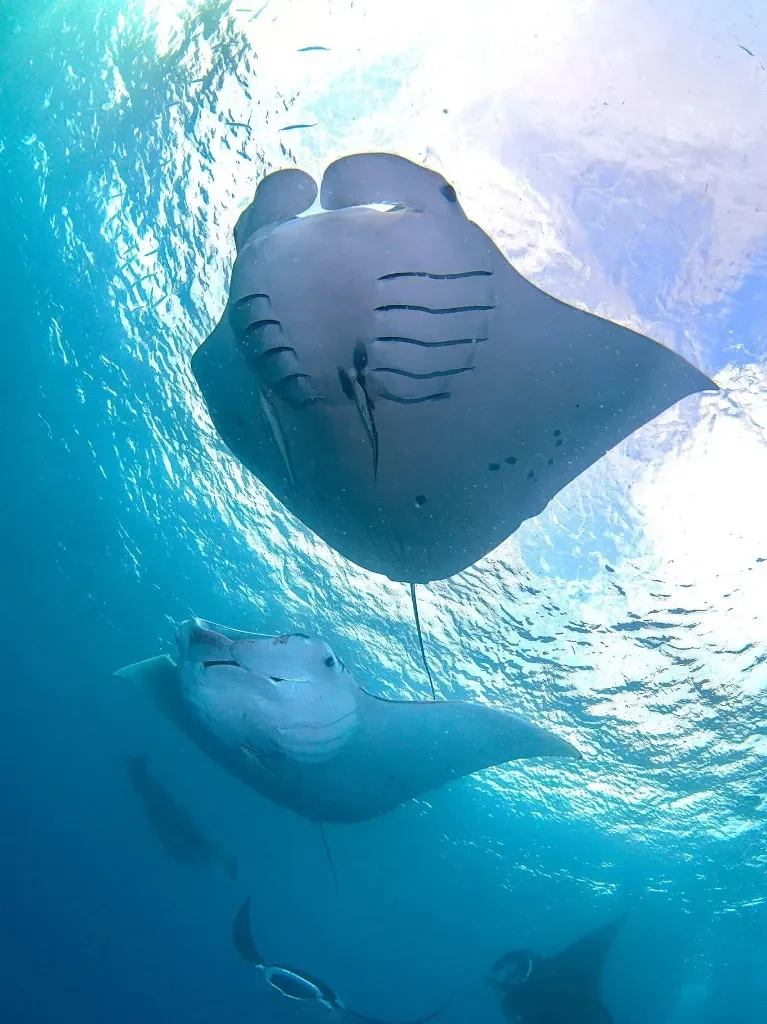
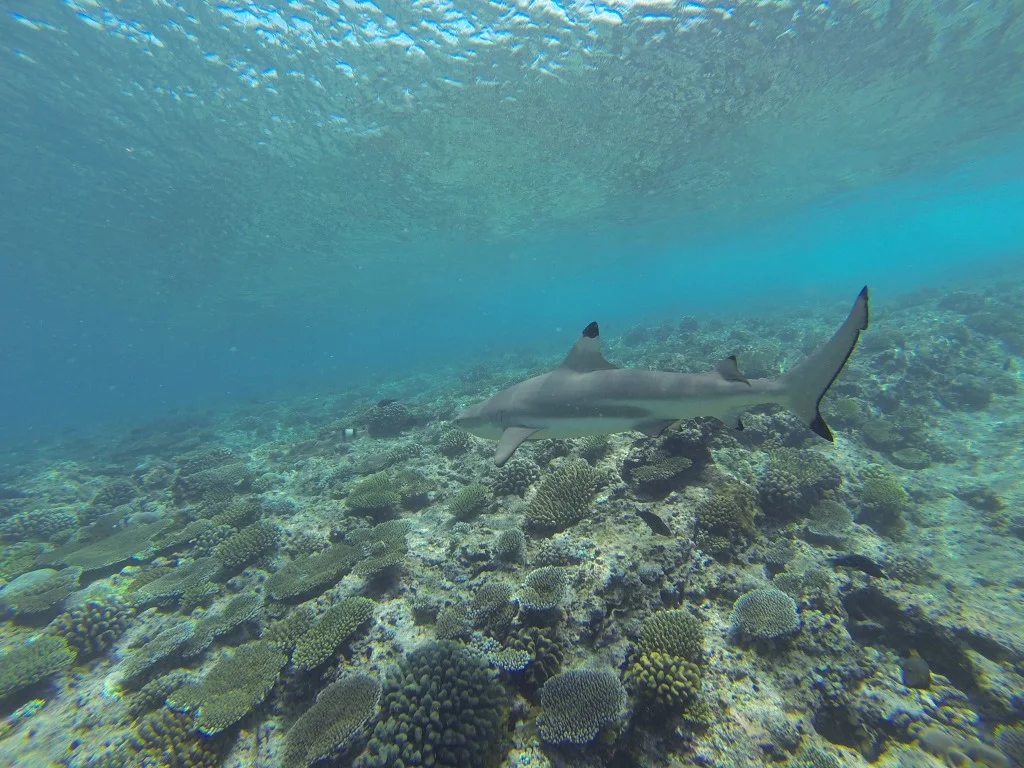
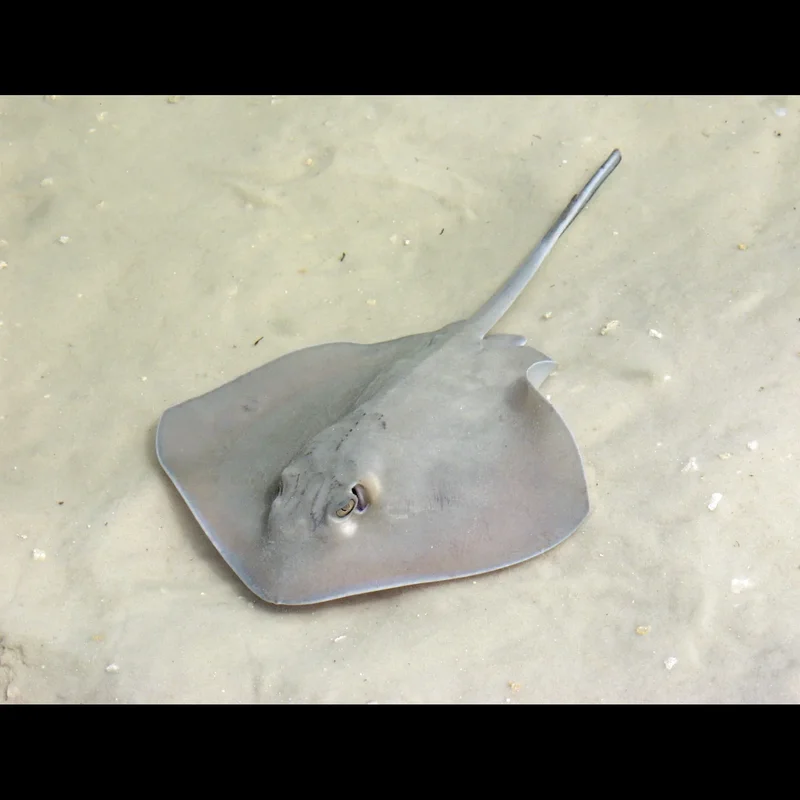
Observing large groupers is common, particularly in crevices and along walls. Rays are a highlight; impressive stingrays are often seen gliding over sandy platforms, and at some sites, you might spot angel sharks or manta rays.
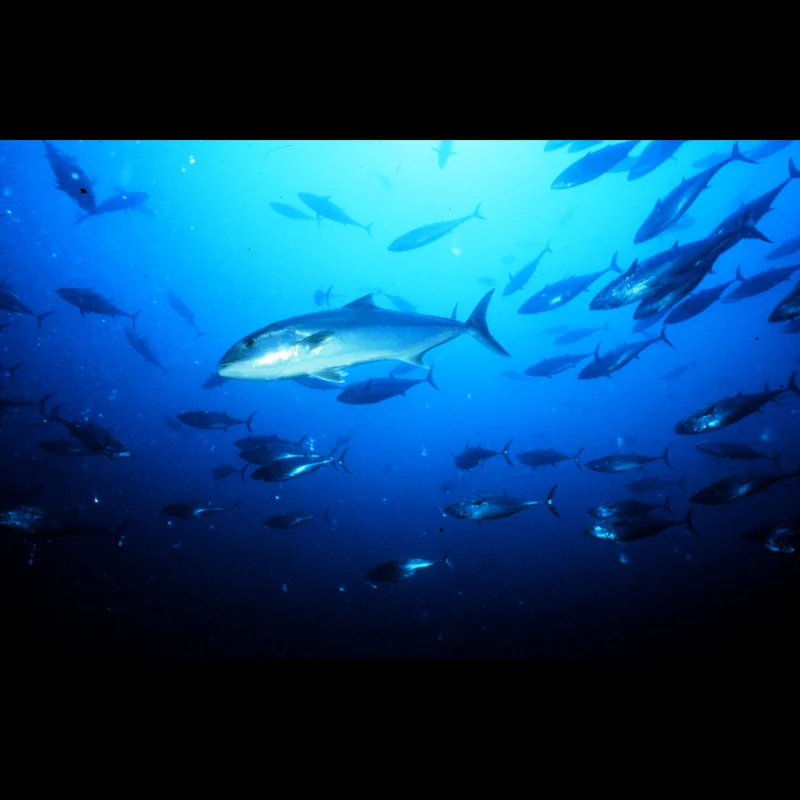
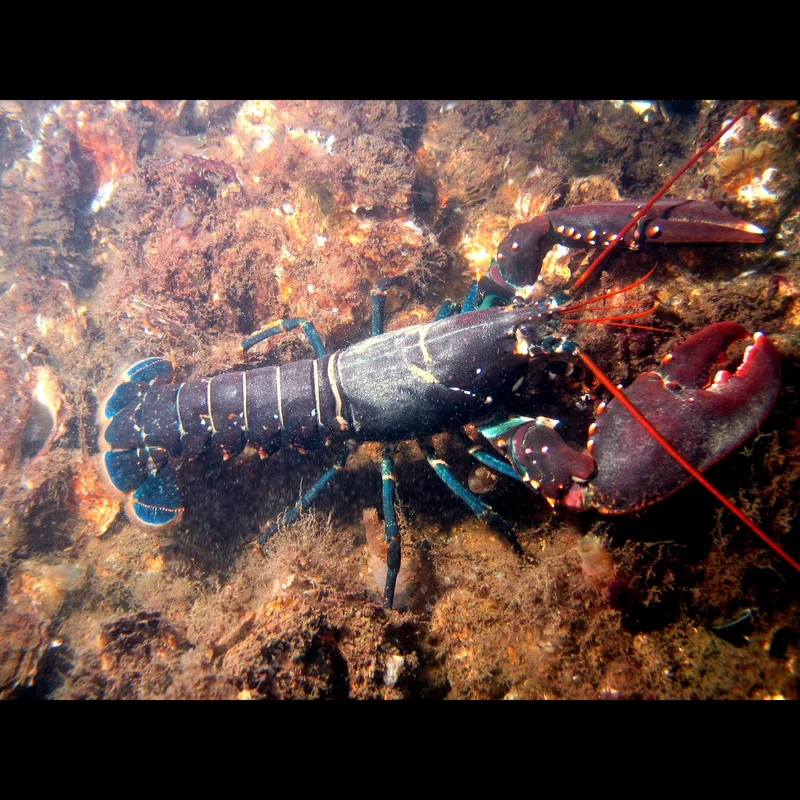
Night dives reveal lobsters and tamboriles (pufferfish) emerging from their daytime hiding spots. Schools of bicudas (barracudas) and medregales (amberjacks) are also present, adding to the dynamic underwater experience.
Dive Sites Near Punta del Ferro
View all dive sites in SpainDiscover more underwater gems in this area.
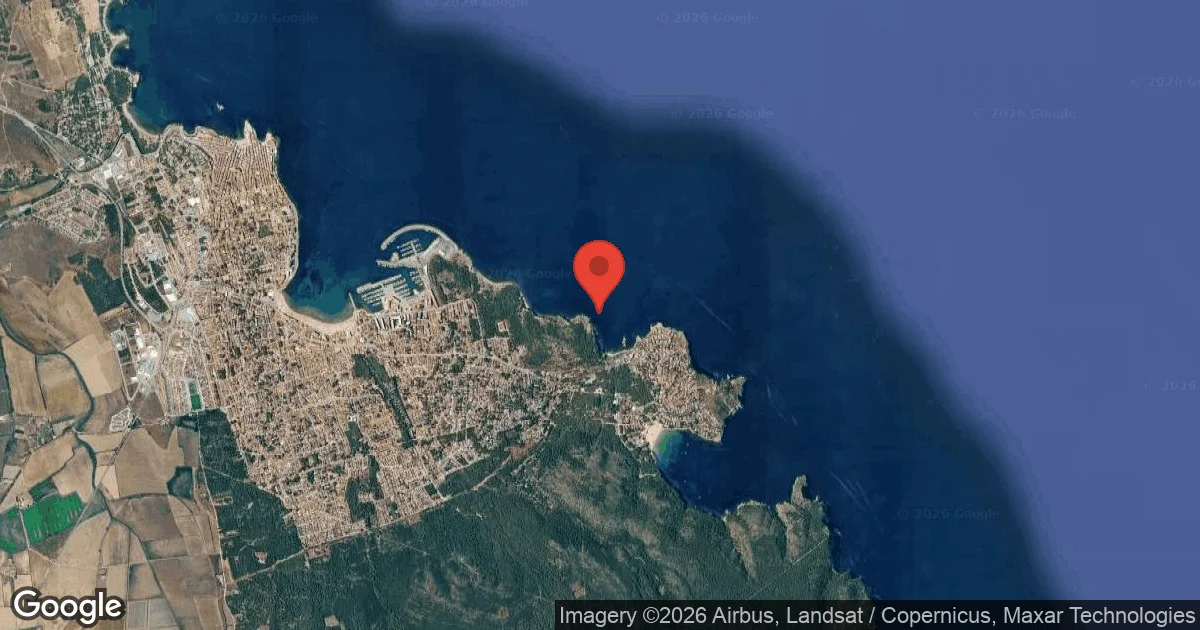
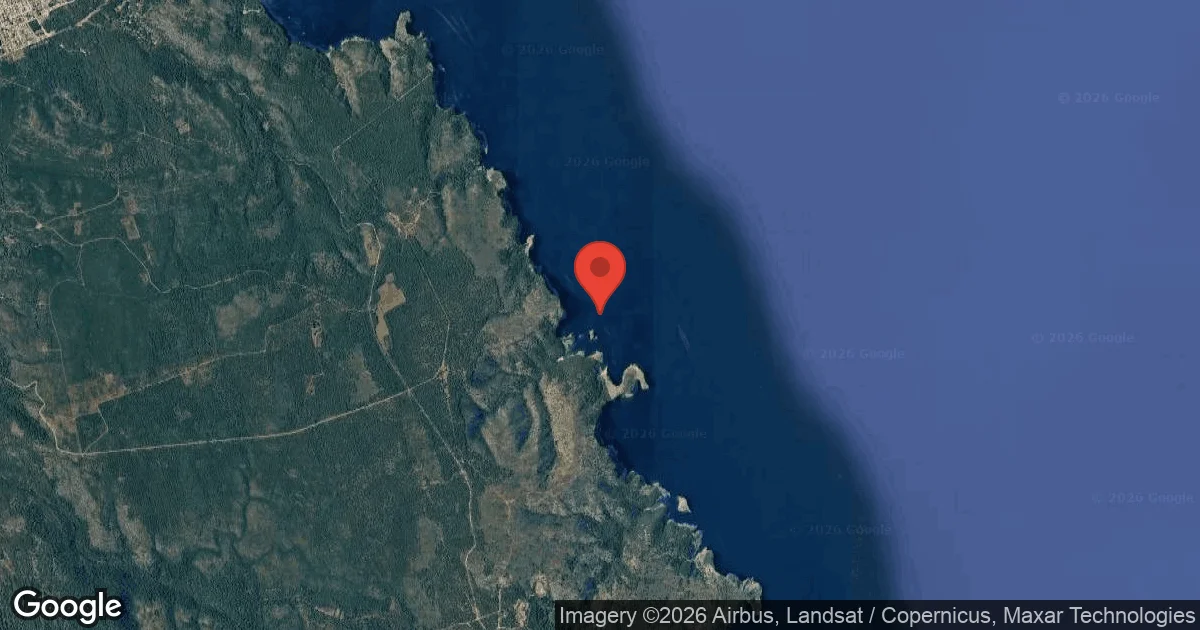
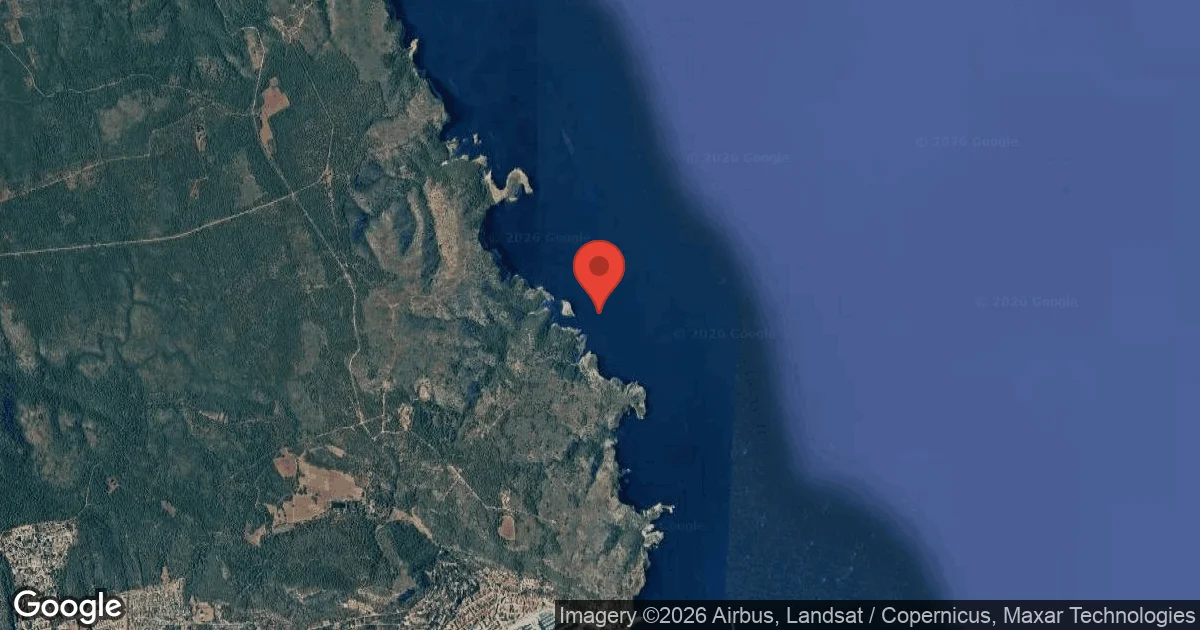
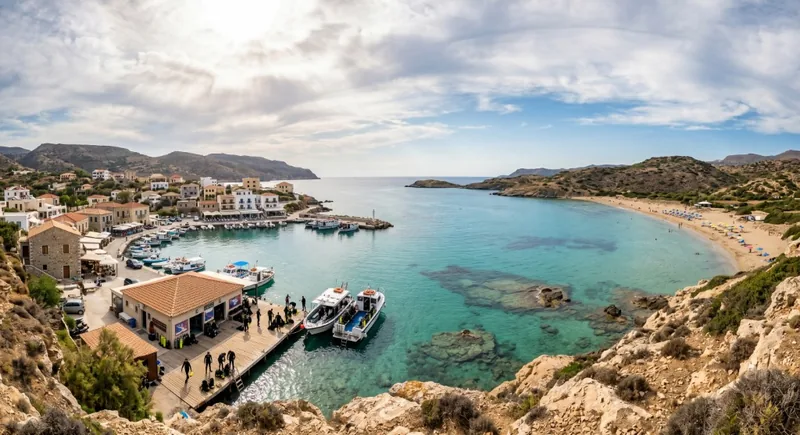
Dive Centers Near Punta del Ferro
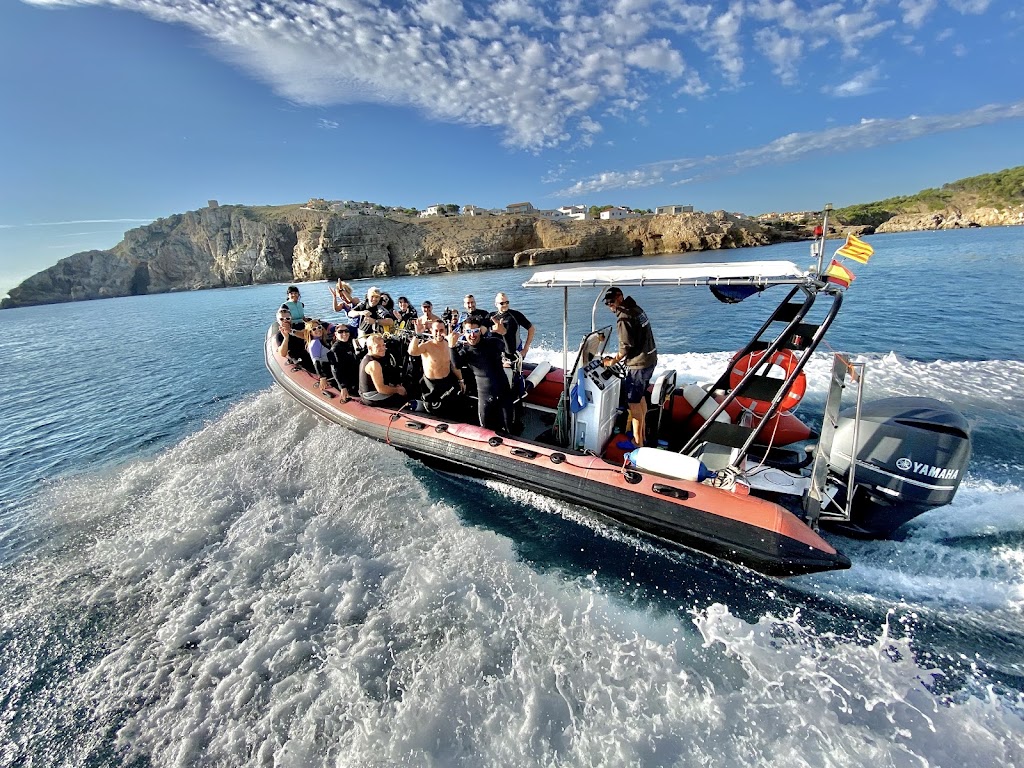
Today: 08:00 - 18:00

Nearest Airports
Nearest airports to help plan travel to this dive area.
Search Flights
Check available flights and routes on Expedia, using the nearby airports listed in this section.
Search Flights on ExpediaFrequently Asked Questions
What is the typical dive difficulty at Punta del Hierro?
Dive difficulty varies significantly by site. Some locations like El Rincón are considered easy, while El Puerto is also easy and shallow, ideal for beginners. However, sites like El Bajón are exposed to strong currents and considerable depths, classifying them as difficult and suitable for experienced divers.
What kind of underwater topography can I expect?
Punta del Hierro features a volcanic underwater landscape with dramatic formations. Expect to see vertical cliffs, sloping verils, broad sandy platforms, and numerous caves and canyons formed by ancient lava flows.
Are there any specific regulations for diving in this area?
Yes, Punta del Hierro is part of a Marine Reserve with strict rules. Anchoring is forbidden, and all boats must use designated mooring buoys. Only one boat with a maximum of 12 divers is permitted per anchorage to protect the environment.
What marine life is commonly seen here?
The site is rich in marine life, including parrotfish, trumpet fish, and large groupers. Divers often spot impressive stingrays over sandy bottoms, and there's a possibility of encountering angel sharks, manta rays, barracudas, and amberjacks. Night dives may reveal lobsters and pufferfish.
What are the common depths for dives?
Depths range widely across different sites. Shallow areas like El Puerto are ideal for training, while El Rincón goes down to around 20 m (66 ft). More advanced sites, such as El Bajón, feature walls that drop to 80 m (262 ft) or more.
Are strong currents a concern?
Currents can be a factor, particularly at certain sites. La Herradura may have medium-easy currents, while El Bajón is known for strong currents due to its exposed location. Divers should consult with local operators and plan accordingly for these conditions.
Is Punta del Hierro suitable for beginner divers?
Yes, certain sites like El Puerto and El Rincón are considered easy and have shallower depths, making them suitable for beginners, introductory dives, and night dives. However, many other sites cater to more experienced divers.
Planning to dive Punta del Ferro?
Send one inquiry and receive offers directly from the best verified local dive operators.
Conditions are Excellent
07:00 - 14:00
Optimal conditions expected
Current conditions near Punta del Ferro show 28° air, 24° sea temperature, 0.4 m waves, and 14 km/h wind. Forecast data is refreshed regularly to ensure accuracy.