
Diving at Cova de la Sal (Spain)
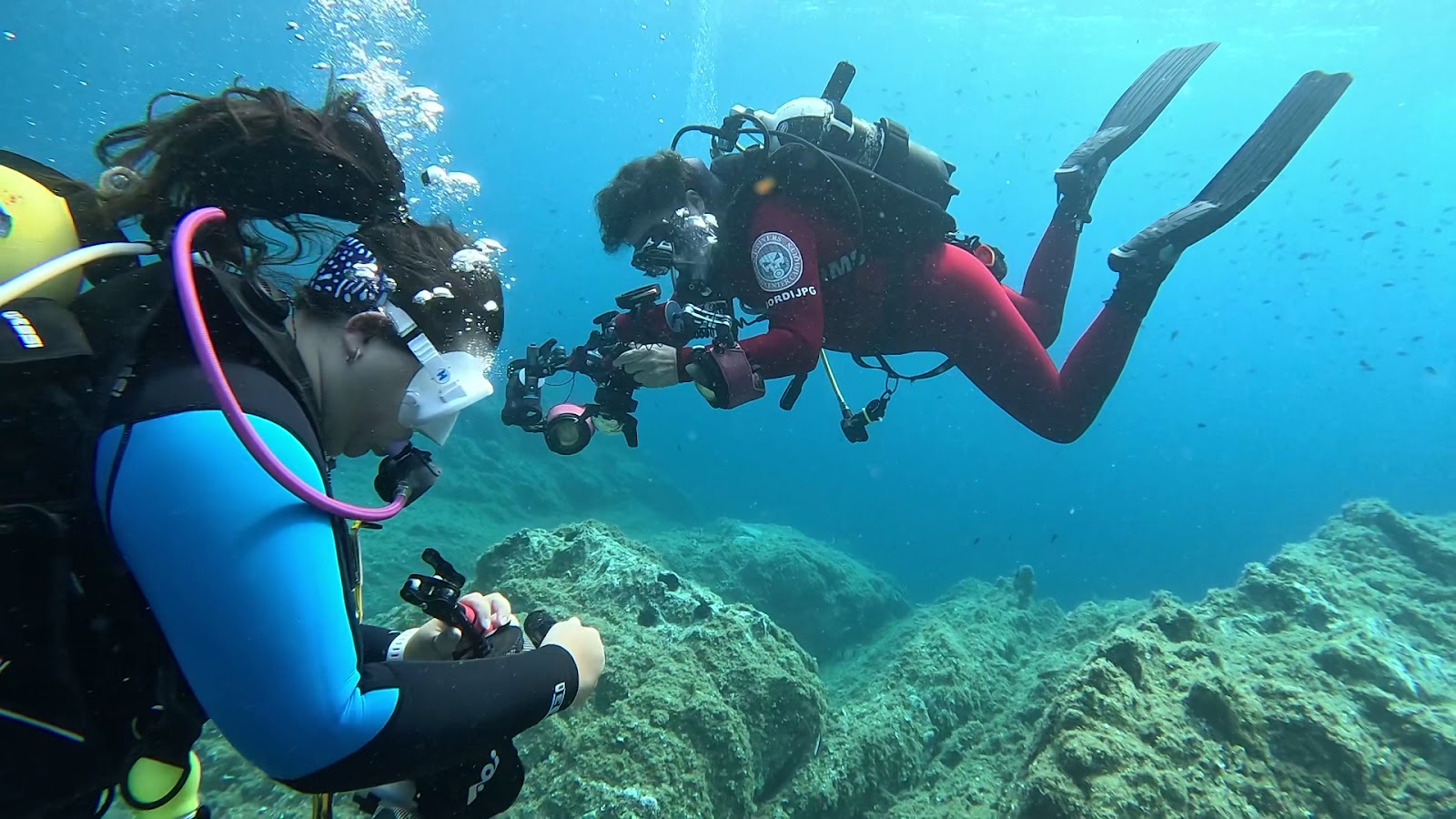
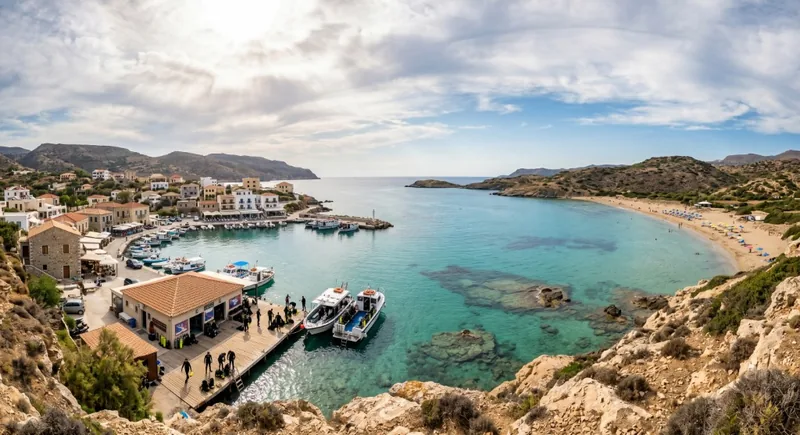
Protected from common strong winds like the tramuntana and levante, Cova de la Sal offers a calmer entry into Catalonia's underwater cave systems. This dive site, popular with kayakers and paddle boarders on the surface, provides a serene experience despite its cave designation. Divers can navigate the initial shallow wall, exploring its many nooks, before descending deeper into diverse rock formations. It's considered an easy dive, making it accessible for various skill levels, yet still demands attention to buoyancy and light use within its darker areas.
Tonight's objective overview for Cova de la Sal shows an air temperature of 19°C. The measured surface conditions include wave heights around 0.3 m. This environmental data is logged for the close of the day.
Dive Site Location & Key Facts
Dive Site Overview
Cova de la Sal stands out for its blend of shallow wall diving, expansive Posidonia meadows, and intriguing rock formations with hidden cavities, all within a single site. This l'Escala spot begins with a gentle descent along a wall, typically explored at depths of 6-8 m (20-26 ft), a habitat favored by juvenile wrasse, cuttlefish, and various nudibranchs seeking refuge.
Beyond this initial wall, the seafloor gradually slopes to a large Posidonia meadow, stretching between 12 and 18 m (39-59 ft). This seagrass serves as a vital ecosystem, often concealing octopus and other smaller creatures within its blades. Moving outwards, the dive follows a cliff line that leads to an underwater landscape characterized by substantial rock blocks.
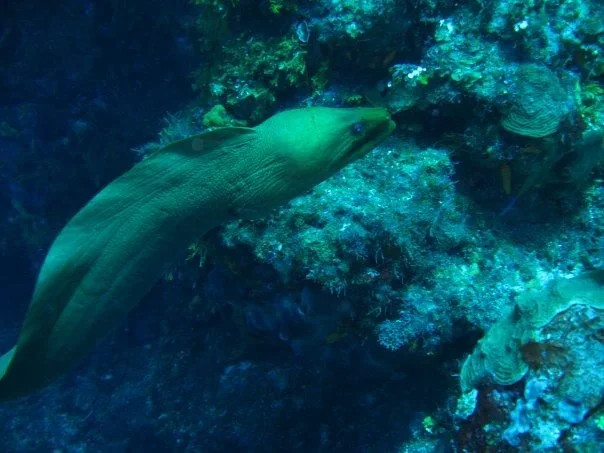
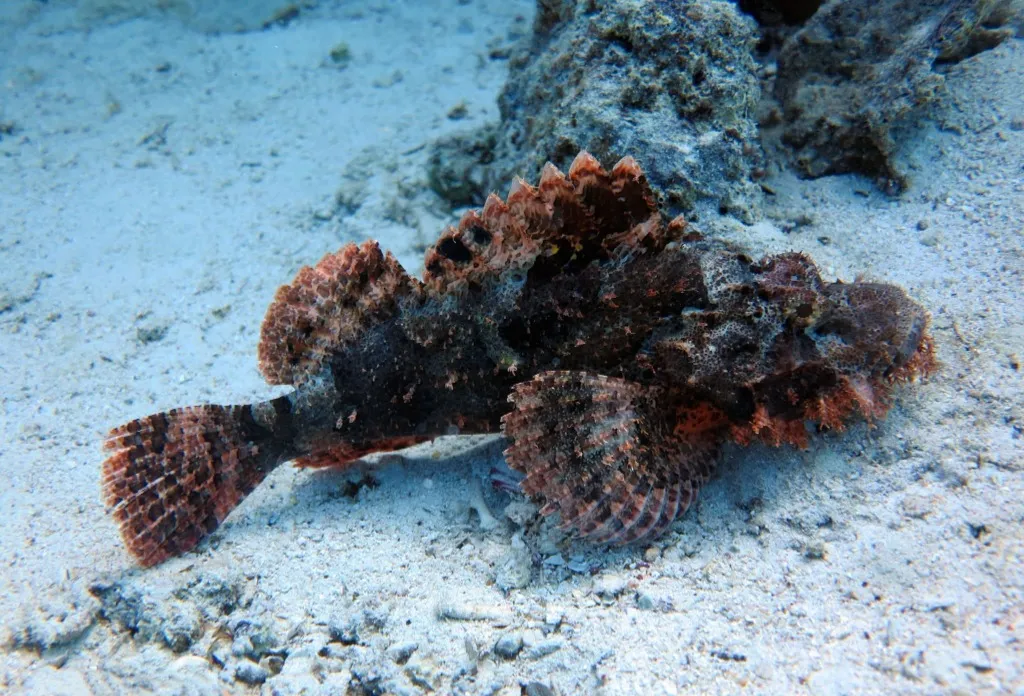
These formations are riddled with natural cavities, providing shelter for diverse coralligenous life, including lobsters, moray eels, scorpionfish, and groupers. While depths can extend to around 26 m (85 ft) in these areas, the general profile allows for extended bottom times.
The site's varied topography and marine habitats ensure a dynamic exploration, suitable for both macro photography within the wall crevices and wider shots across the Posidonia, making each dive a discovery.
Conditions are Excellent
07:00 - 14:00
Optimal conditions expected
Current conditions near Cova de la Sal show 19° air, 24° sea temperature, 0.5 m waves, and 19 km/h wind. Forecast data is refreshed regularly to ensure accuracy.
Best Time to Dive
Planning a dive at Cova de la Sal for optimal comfort often aligns with the warmer months, generally from May through October. During this period, average air temperatures range from a pleasant 18°C (64°F) in May, peaking around 26°C (79°F) in July and August, then gradually cooling to 18.5°C (65°F) by October. These higher air temperatures enhance the overall experience, particularly during surface intervals. Water temperatures are not consistently reported for this specific location, but tend to warm up considerably in the Mediterranean during summer. Minimal rainfall, typically around 1-2 mm per month from April to October, ensures clearer skies and less surface runoff, which can improve visibility. Wave heights are also generally lower, averaging between 0.7 m (2.3 ft) and 0.9 m (3.0 ft) from June to September, contributing to calmer surface conditions and easier boat access. Divers seeking a tranquil experience and longer bottom times will find these summer and early autumn months most rewarding.
PEAK SEASON SCORE
Scores combine air & water temps, waves, wind & rainfall for overall conditions.
BEST MONTHS TO DIVE
Monthly records compiled from satellite and marine observation nodes over the last 3 years. Data provided by Open-Meteo and MET Norway.
Dive Experience & Conditions
Descending into Cova de la Sal begins near a visible surface cave, often frequented by kayakers, offering a clear reference point. The initial part of your dive typically traces the shallow cliff face, where depths are manageable, often around 6 m (20 ft) to 8 m (26 ft). Here, the focus is on exploring small overhangs and crevices. As you continue your descent, the underwater landscape transitions into expansive Posidonia meadows, stretching across depths of 12 m (39 ft) to 18 m (59 ft). This provides a gentle drift or a slow cruise over the seagrass. Eventually, following the natural contour, you reach areas marked by large, scattered rock formations. These blocks, sometimes reaching 26 m (85 ft) deep, create a labyrinth of swim-throughs and cavities. The site is known for its calm conditions and protection from dominant winds, contributing to generally good visibility. Water movement is usually mild, making it a relaxed dive for various skill levels.
Dive Difficulty & Safety Guidelines
While considered an easy and calm dive suitable for all levels, divers at Cova de la Sal should still maintain standard safety protocols. Its sheltered location helps minimize current and wave concerns, making it less physically demanding.
However, exploring the deeper rock formations and especially any tighter cavities requires good buoyancy control to avoid damaging the delicate coralligenous life. An awareness of depth and bottom time is always important, particularly for those venturing to the maximum depths of around 26 meters.
Although the surface cave is accessible, divers should be properly trained for overhead environments before attempting to penetrate enclosed spaces. Sticking to established dive plans with a buddy and being mindful of air consumption ensures a safe and enjoyable experience for everyone.
Recommended Equipment
Overhead environment. Do not enter beyond training and gas planning limits.
- Dive Computer
- Primary & Backup Lights
- Reel / Spool
- Cutting Tool
This gear list is based on verified equipment signals for Cova de la Sal, Spain. Always confirm final gear choices with your dive operator, guide, or liveaboard.
Recommended Dive Suit
Comfort levels can also depend on how active a diver is during the dive.
The water around Cova de la Sal is currently holding at approximately 24°C (74°F), setting the tone for today's dives. Surface air temperatures are resting at 19°C (66°F). When water temperatures fall within this range, many divers dive comfortably with 3-5mm wetsuit. Surface intervals may feel cooler.
A warming trend is expected over the next few days. A warming trend is expected over the next few days.
Emergency & Medical Support
Essential information to help you plan your dive trip to Cova de la Sal.

Hyperbaric chambers are a critical part of dive safety infrastructure. Availability varies significantly by region, and not all dive areas have immediate access.
Before diving, it's recommended to:
- confirm nearest medical facilities
- check emergency procedures with local dive operators
- ensure dive insurance covers evacuation if required
Divers Alert Network
Diving emergency assistance available through DAN Europe.
+39 0642115685- 24/7 emergency hotline
- Diving medical assistance
- Evacuation coordination
Emergency contacts are provided for reference. Always verify local emergency services before diving.
Closest Listed Hyperbaric Chambers
Showing listed hyperbaric chamber facilities within 200 km of this dive site.
Distances are approximate straight-line distances and may not reflect emergency travel time.
Unitat de Medicina Hiperbàrica (UMH)
24/7 ListedPalamos (Girona), Spain•Approx. 29 km straight-line
Unitat de Medicina Hiperbàrica (UMH)
24/7 ListedInformation is provided for reference and planning purposes only. Dive Navigator does not verify operational status, staffing, availability, or quality of care at listed facilities. In an emergency, contact local emergency services, DAN, your dive operator, or the chamber directly. Do not travel to a facility without calling ahead.
UTH-CSI
24/7 ListedICU CapableSant Joan Despí, Spain•Approx. 124 km straight-line
UTH-CSI
24/7 ListedICU CapableInformation is provided for reference and planning purposes only. Dive Navigator does not verify operational status, staffing, availability, or quality of care at listed facilities. In an emergency, contact local emergency services, DAN, your dive operator, or the chamber directly. Do not travel to a facility without calling ahead.
Marine Life at Cova de la Sal
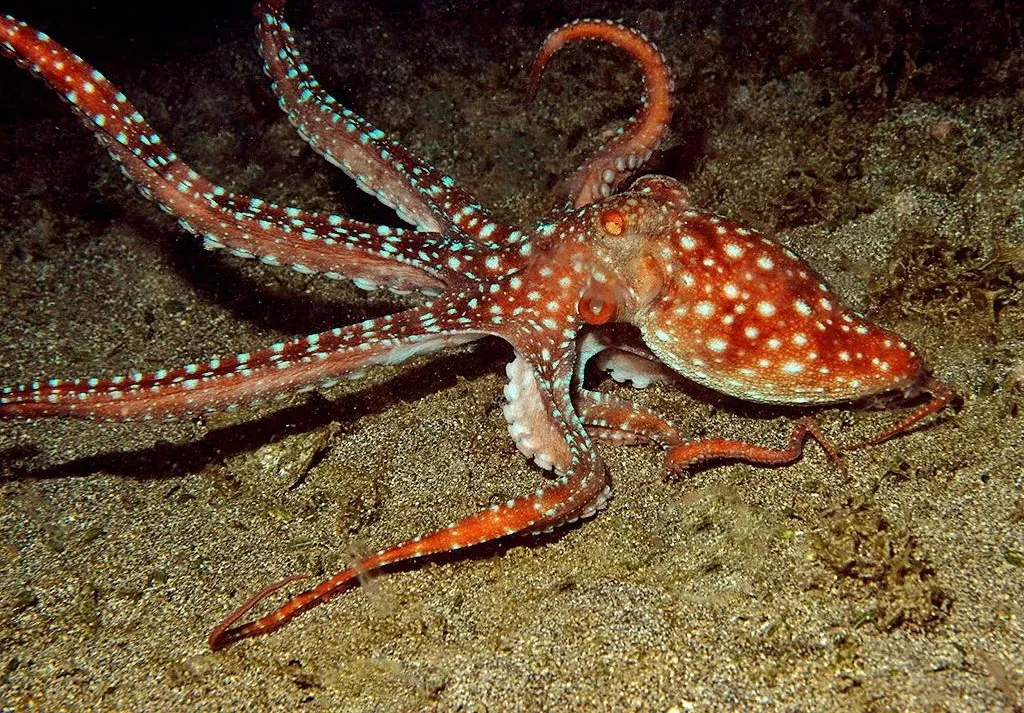
Upon entering Cova de la Sal, divers often first notice the juvenile wrasse darting around the shallower wall, alongside various colorful nudibranchs clinging to the rocky surfaces. As you move over the extensive Posidonia meadow, keep an eye out for cuttlefish, often camouflaged among the seagrass, and occasional octopuses tucked away.
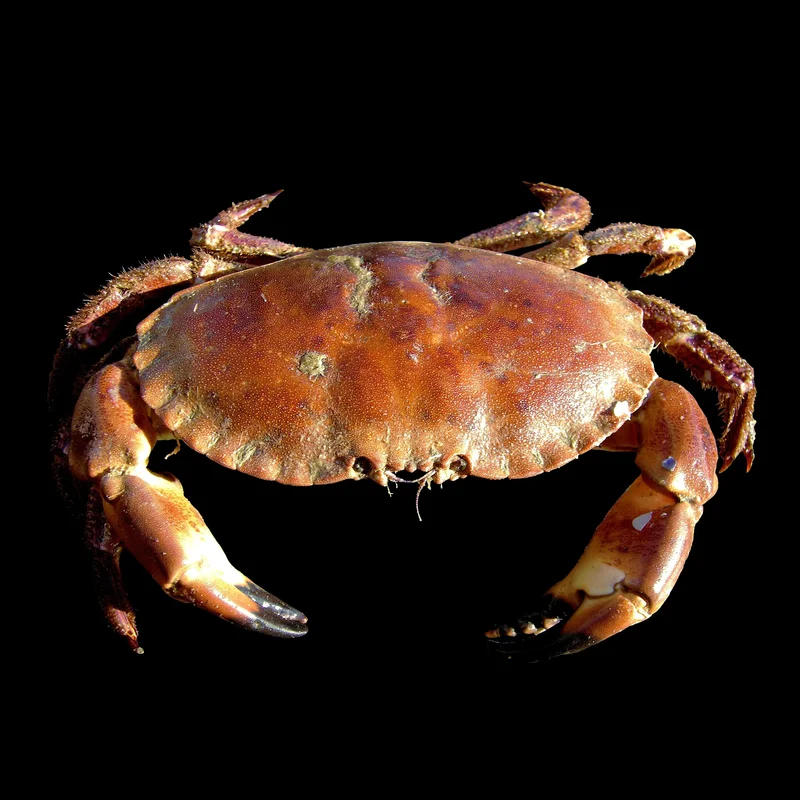
Within the numerous rock cavities and overhangs, the site truly comes alive with typical coralligenous inhabitants. Here, you'll spot moray eels peering from cracks, scorpionfish blending into the rock, and crabs scuttling across ledges.
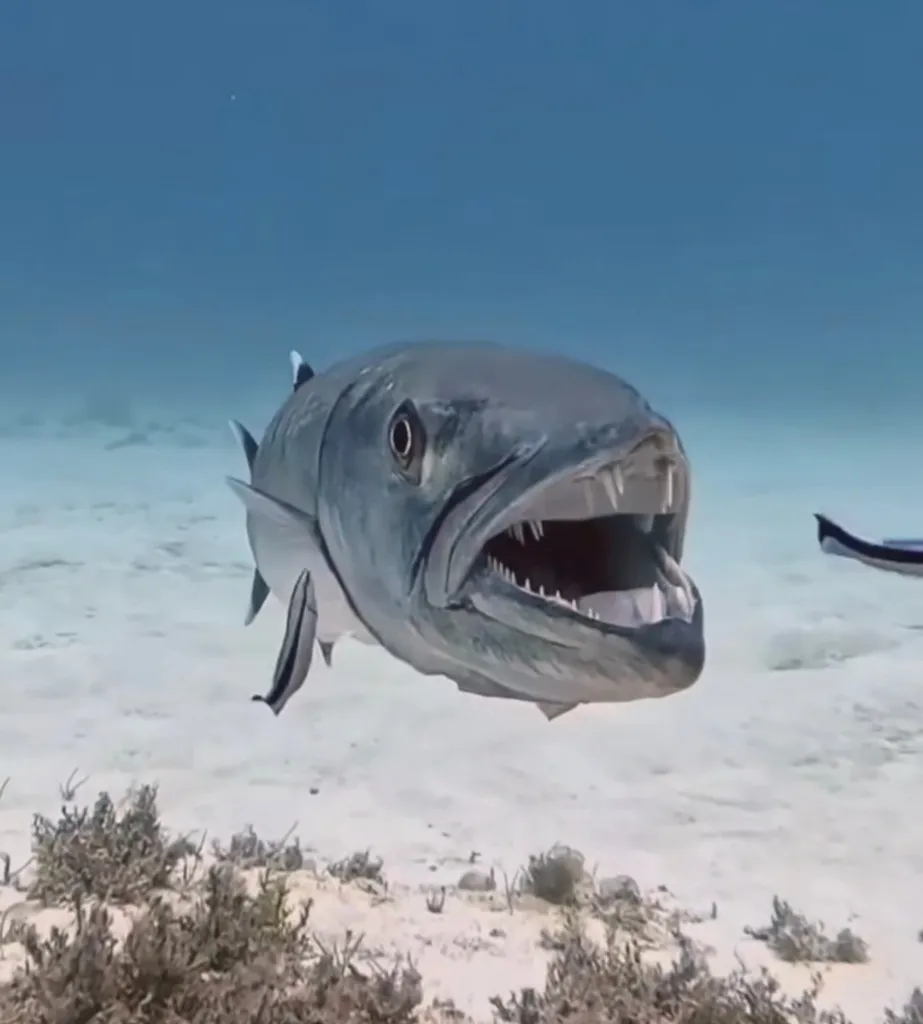
Groupers can be seen in deeper recesses. The site's rich biodiversity also includes a wide array of sponges and algae, adding texture and color to the underwater environment. On rare occasions, pelagic species like barracudas and kites might pass through the blue.
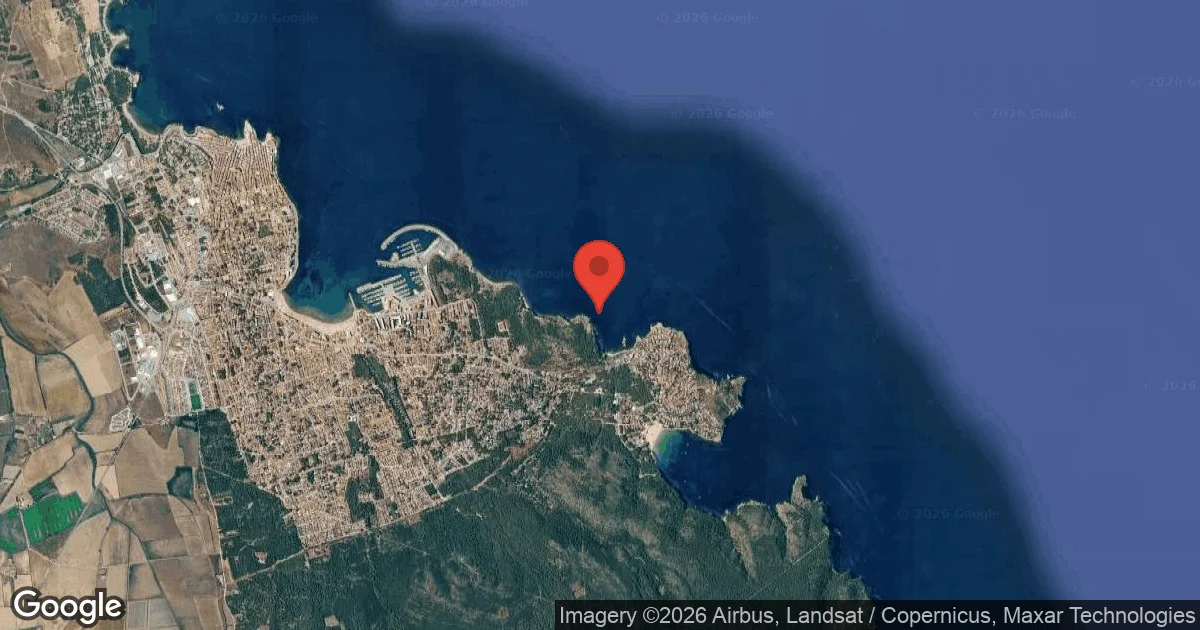
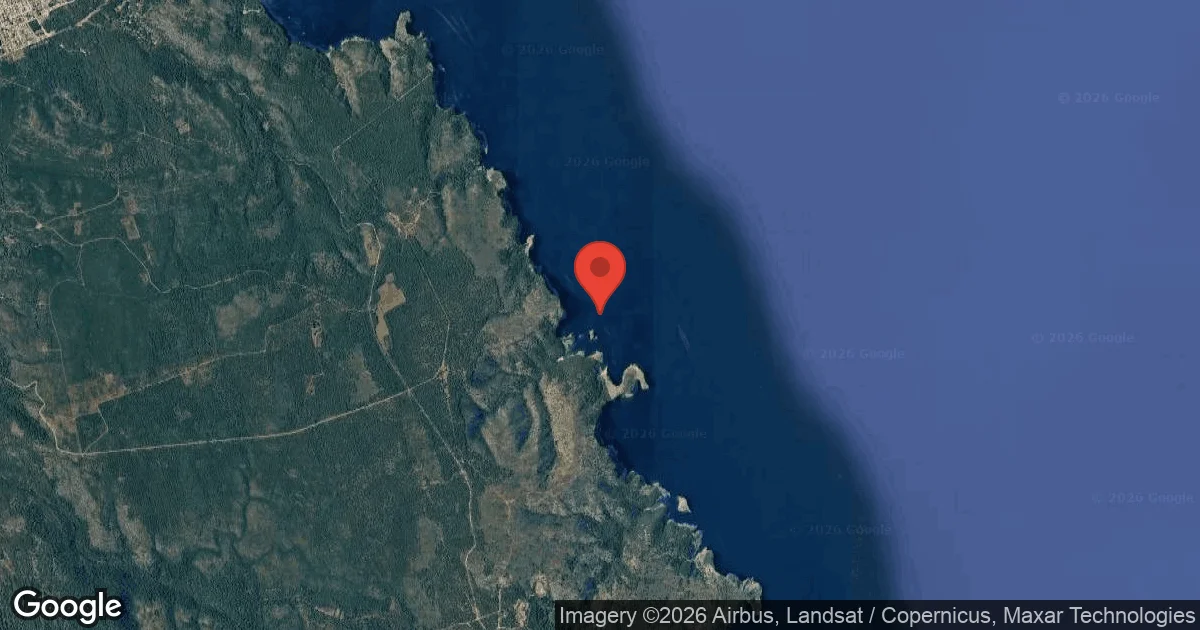
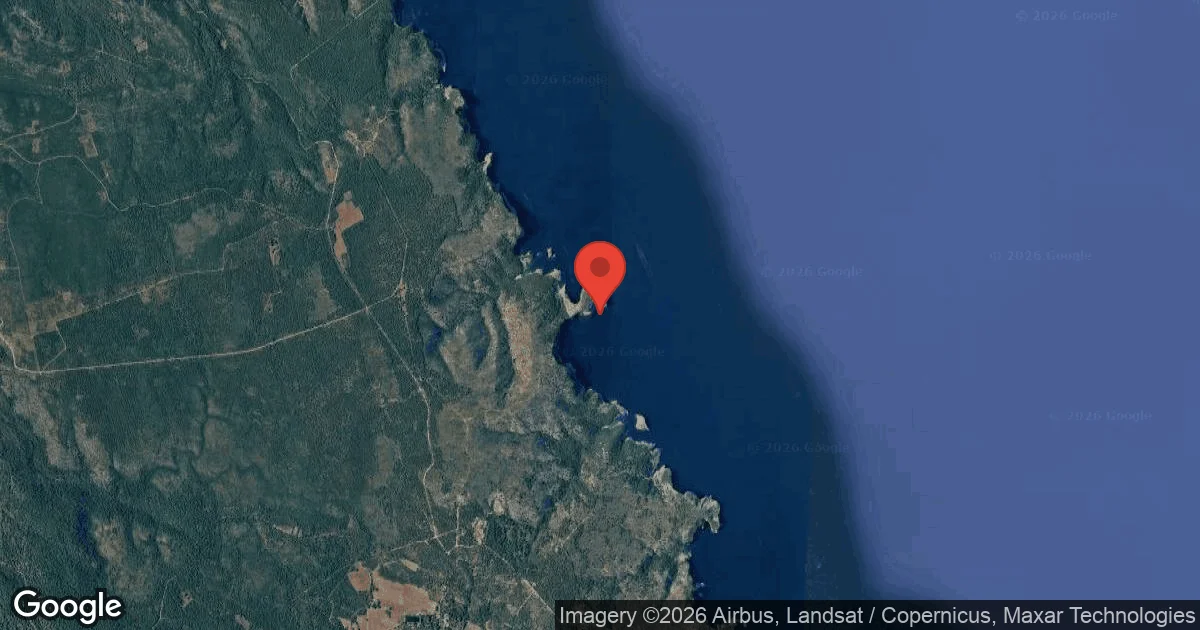
Dive Sites Near Cova de la Sal
View all dive sites in SpainDiscover more underwater gems in this area.
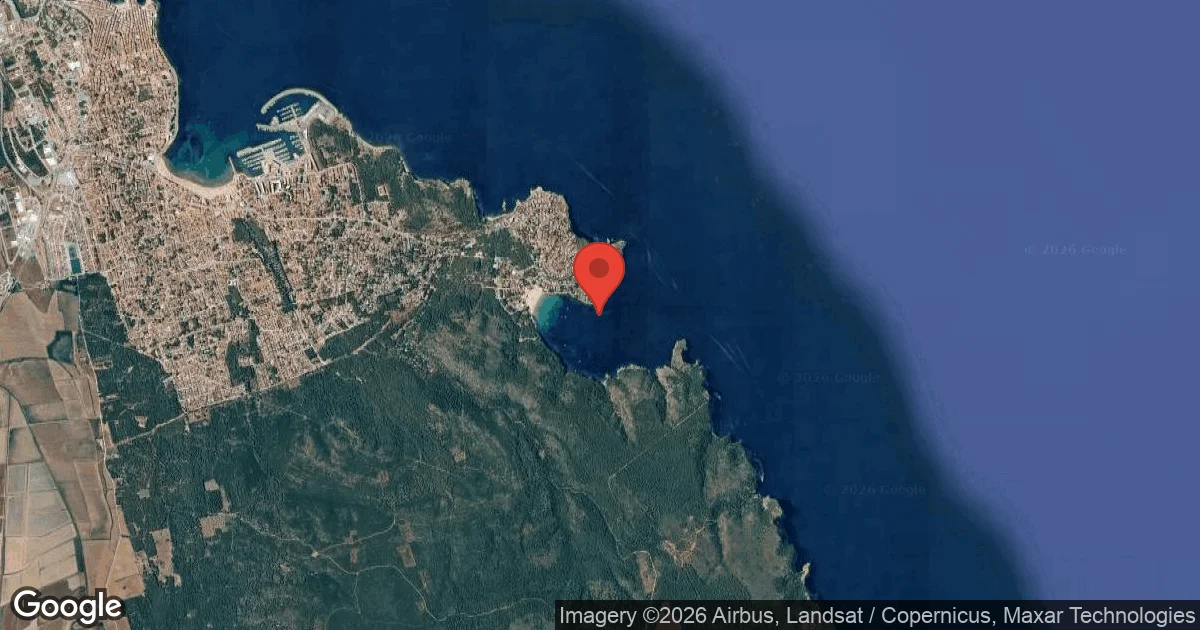
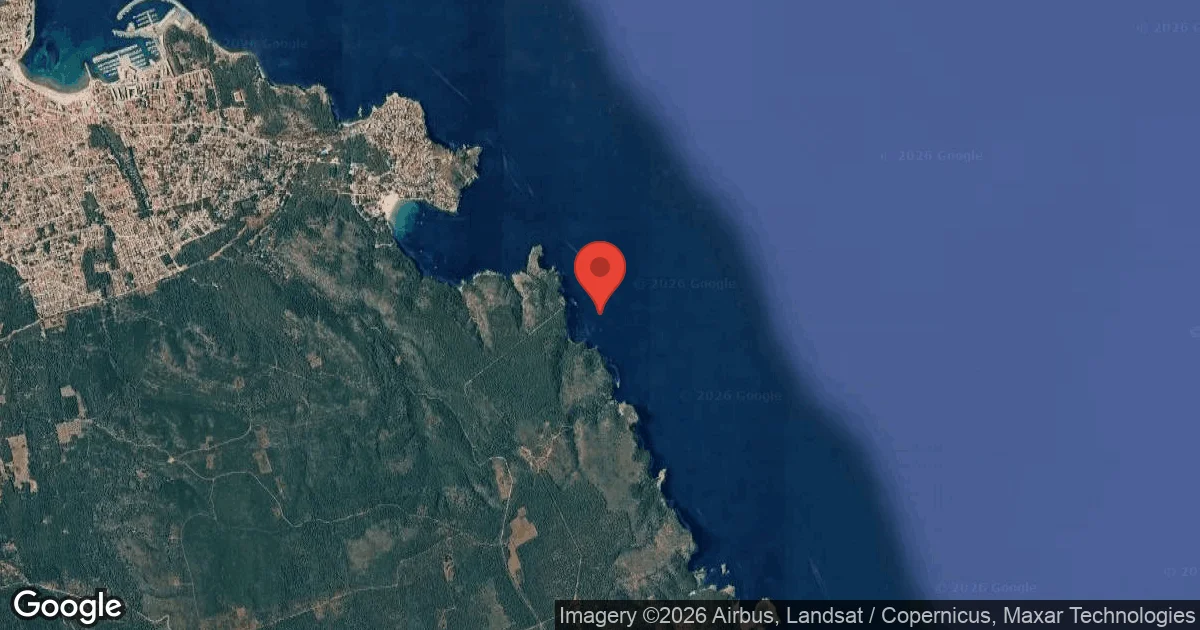
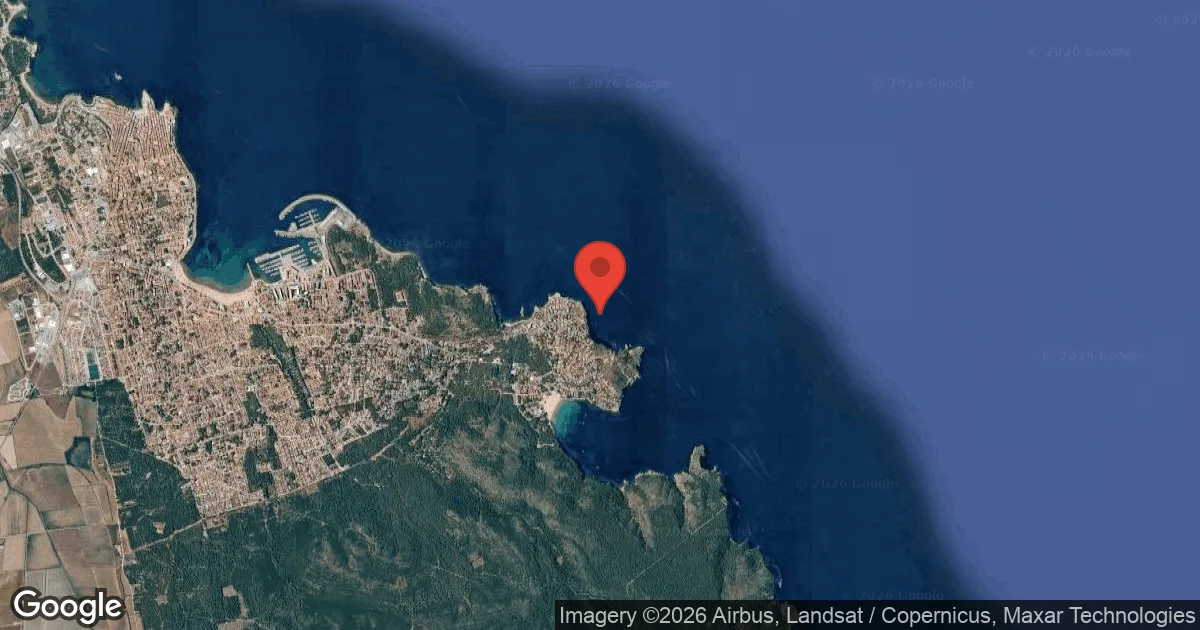
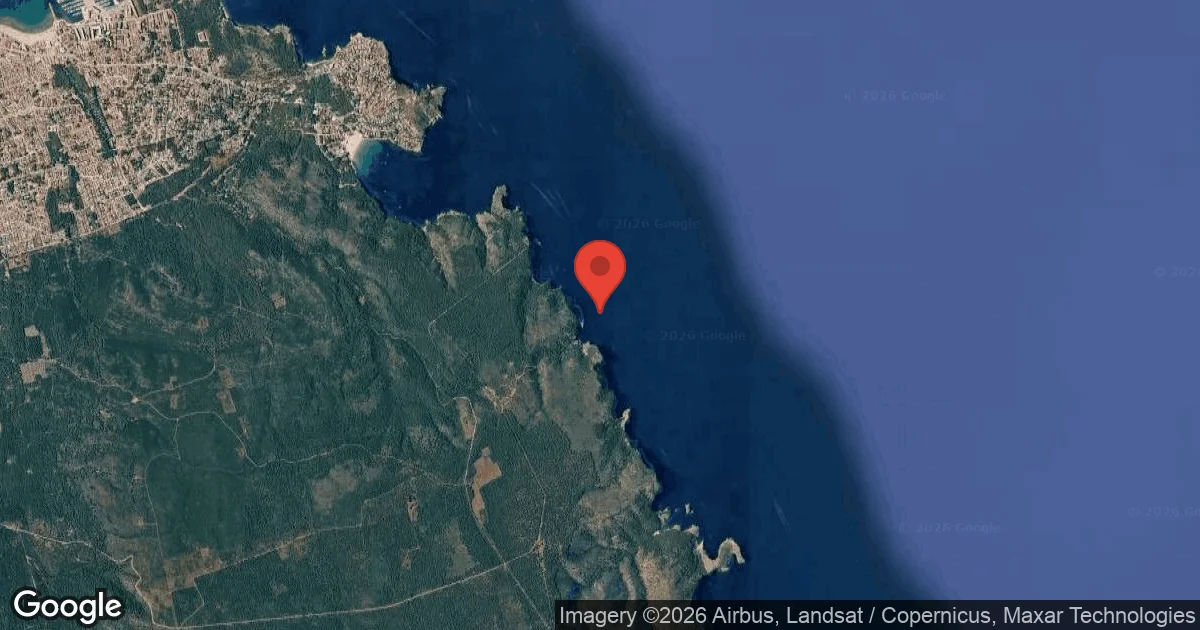
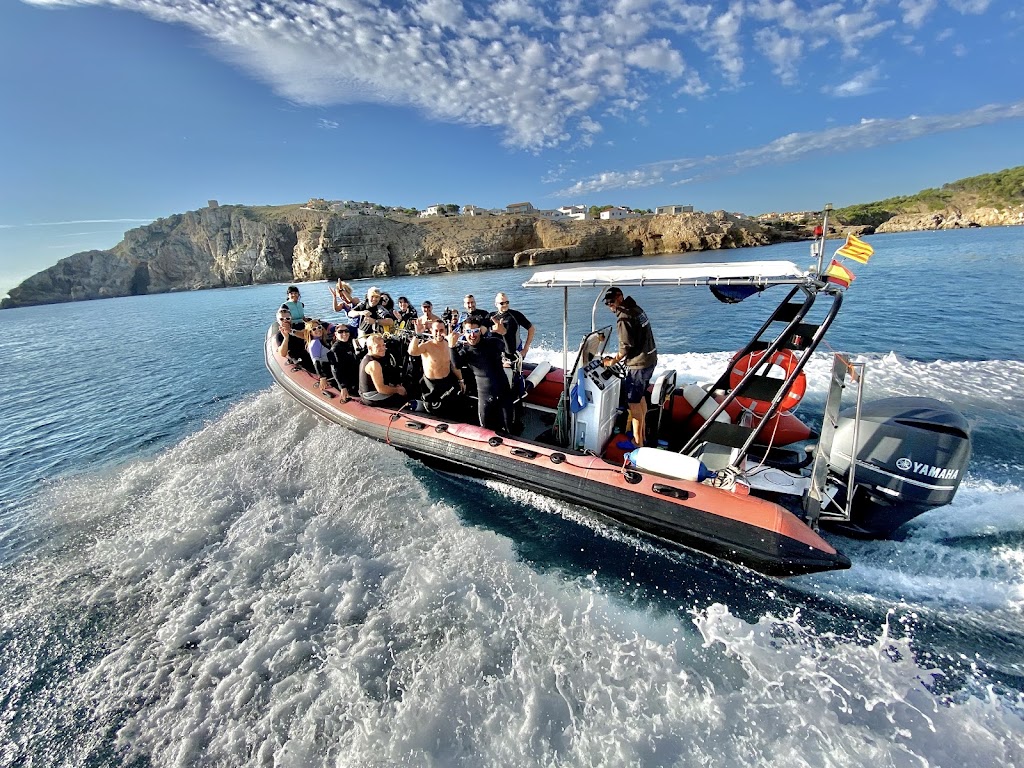
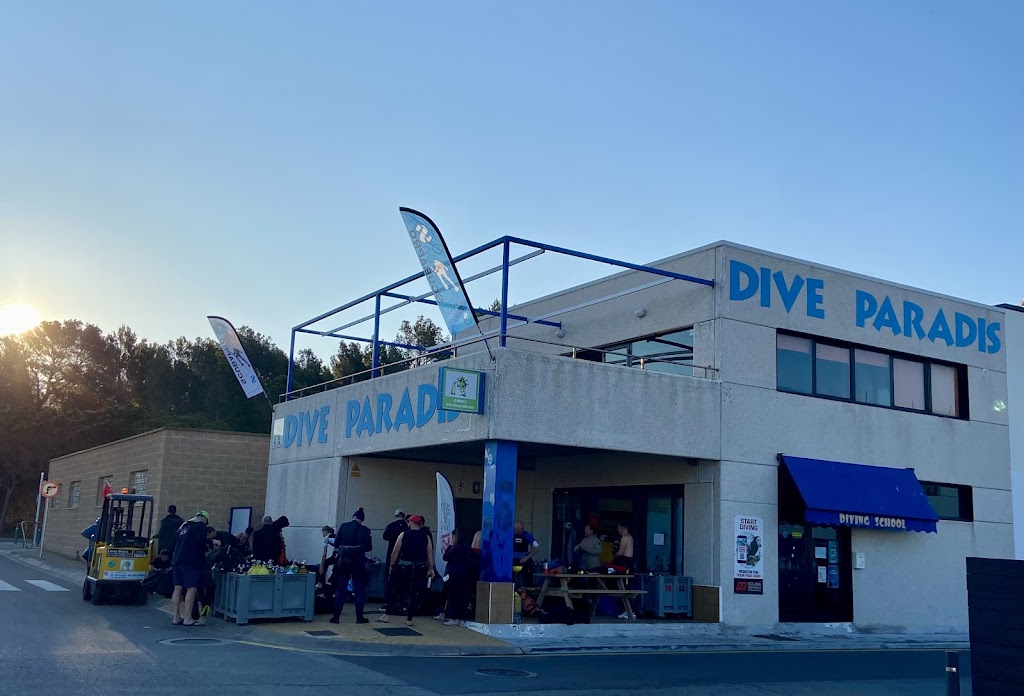
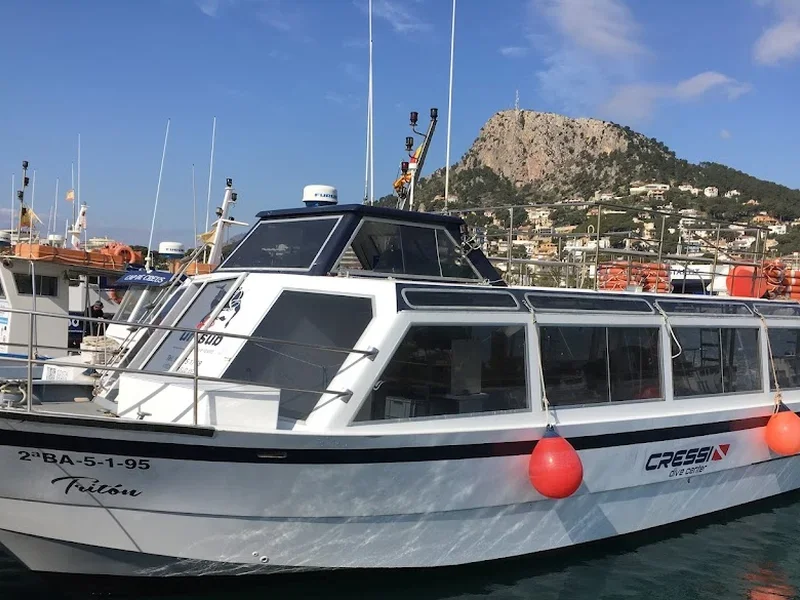
Dive Centers Near Cova de la Sal

Today: 08:00 - 18:00
Nearest Airports
Nearest airports to help plan travel to this dive area.
Search Flights
Check available flights and routes on Expedia, using the nearby airports listed in this section.
Search Flights on ExpediaFrequently Asked Questions
What is the typical depth range at Cova de la Sal?
The dive primarily ranges from a shallow 6 meters (20 feet) along the wall to around 26 meters (85 feet) in the deeper rock formations. The Posidonia meadows are generally found between 12 and 18 meters (39-59 feet).
Is Cova de la Sal suitable for beginner divers?
Yes, it is considered an easy and calm dive, suitable for all levels of certified divers. Its protected nature helps to minimize challenging conditions.
What marine life can I expect to see?
You'll frequently encounter juvenile wrasse, nudibranchs, cuttlefish, and octopus. The rocky areas also host moray eels, scorpionfish, groupers, lobsters, and various crabs, alongside a rich display of sponges and algae.
Are strong currents a concern at this site?
Cova de la Sal is well-protected from the prevalent tramuntana and levante winds. This usually results in calm conditions and mild water movement, making strong currents uncommon.
What are the typical water temperatures?
Specific water temperature data for Cova de la Sal is not consistently reported. However, Mediterranean waters generally warm up significantly during summer months, providing comfortable diving conditions.
Do I need any special equipment for diving Cova de la Sal?
While not strictly mandatory for an open water dive, a dive light is highly recommended. It helps illuminate the many cavities and overhangs, enhancing your view of the diverse marine life within them.
What distinguishes Cova de la Sal from other dive sites in the area?
Cova de la Sal is characterized by its combination of a shallow wall, an extensive Posidonia meadow, and intriguing deep rock formations with natural cavities. Its protected location and ease of access also contribute to its popularity.
How do surface conditions typically affect diving at Cova de la Sal?
The site's natural protection from dominant winds generally ensures calm surface conditions, especially during the warmer months when wave heights are lower. This contributes to easier entry and exit from the water.
Planning to dive Cova de la Sal?
Send one inquiry and receive offers directly from the best verified local dive operators.
Conditions are Excellent
07:00 - 14:00
Optimal conditions expected
Current conditions near Cova de la Sal show 19° air, 24° sea temperature, 0.5 m waves, and 19 km/h wind. Forecast data is refreshed regularly to ensure accuracy.