
Diving at Palma Wrecks (Spain)
An underwater ship graveyard near Palma, Mallorca, the Palma Wrecks comprise four significant vessels. These ships, predominantly cargo carriers, sank in the early 1980s and largely maintain good structural integrity. Functioning as an artificial reef system, the site appeals to divers eager to explore recent maritime casualties. It provides a tangible link to shipping history, encouraging examination of its submerged structures.
Evening condition tracking at Palma Wrecks features an air temperature of 20°C. We have recorded wave heights measuring 0.4 m during this period. These figures outline the environmental parameters currently present.
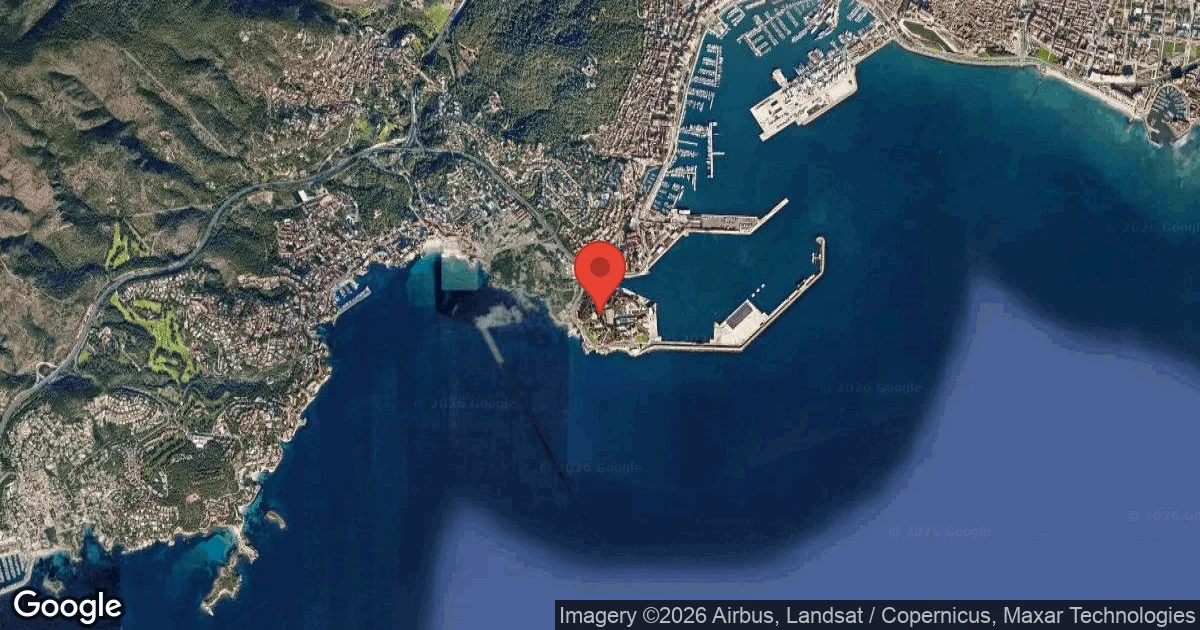
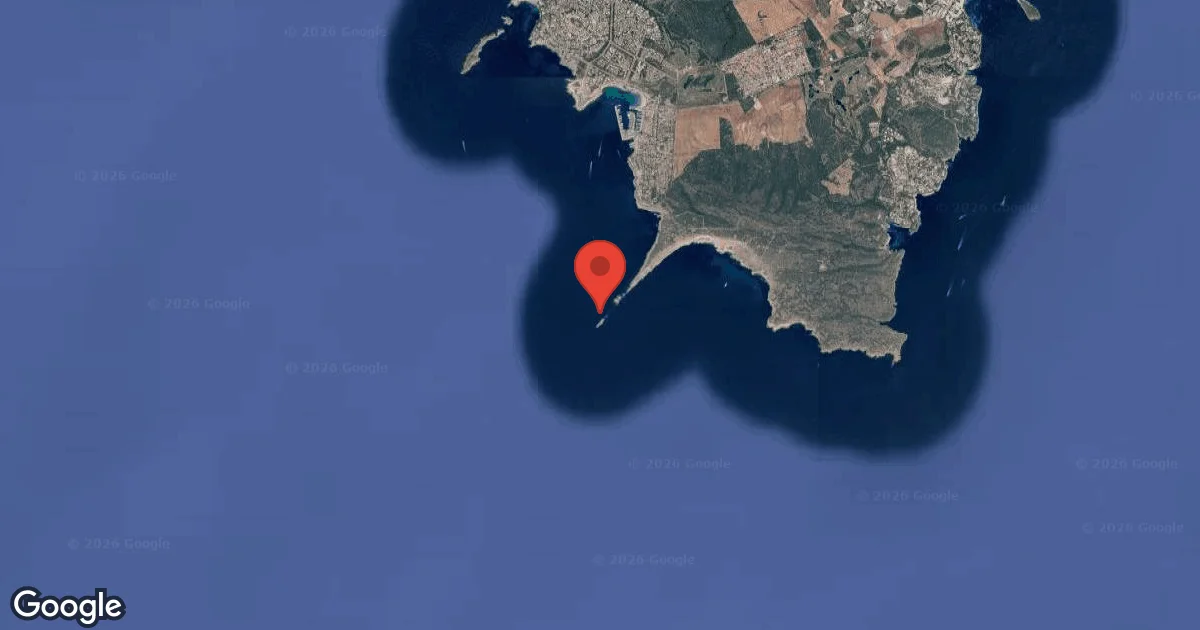
Dive Site Location & Key Facts
Dive Site Overview
Exploring the Palma Wrecks reveals a diverse collection of four submerged vessels, including two large cargo ships measuring approximately 40 m (131 ft) and 60 m (197 ft) in length, alongside two smaller wrecks, one being a sailing yacht. These structures typically lie at a maximum depth of around 28 m (92 ft) close to the port.
Due to their relatively recent sinking in the early 1980s, many ship sections remain remarkably intact and penetrable. Divers can explore various interior compartments: wheelhouses, passenger sleeping areas, engine rooms, and even some smokestacks and decks offer intriguing access.
Descents usually begin on a line, navigating blue water to reach the main wrecks. For example, the largest freighter’s bridge lies at about 20 m (66 ft), extending towards the site's maximum depth.
Planning a dive here often involves navigating several wrecks in a single outing, contingent on air consumption and diver experience, which can make for a dynamic and engaging exploration. These wrecks present a compelling target for advanced divers keen on maritime history.
Conditions are Excellent
07:00 - 14:00
Optimal conditions expected
Current conditions near Palma Wrecks show 20° air, 27° sea temperature, 0.4 m waves, and 26 km/h wind. Forecast data is refreshed regularly to ensure accuracy.
Best Time to Dive
Optimizing a dive trip to Palma Wrecks involves considering seasonal variations. The period from May to October typically offers the warmest waters, reaching highs around 26°C (79°F), alongside generally superior visibility. During these months, average air temperatures remain comfortable, ranging from 19°C (66°F) in May to highs of 26-27°C (79-81°F) in July and August, with minimal rainfall. Conversely, winter months bring water temperatures down to around 13°C (55°F). Air temperatures are cooler then, averaging 12-14°C (54-57°F) from January to March, and rainfall occurs slightly more often, though it's still generally low. Surface conditions are frequently calmer in the warmer half of the year, with average wave heights around 0.5-0.6 m, compared to 1.1-1.3 m during winter, impacting boat access and diver comfort.
PEAK SEASON SCORE
Scores combine air & water temps, waves, wind & rainfall for overall conditions.
BEST MONTHS TO DIVE
Monthly records compiled from satellite and marine observation nodes over the last 3 years. Data provided by Open-Meteo and MET Norway.
Dive Experience & Conditions
When descending onto these wrecks, divers enter a distinct blue water environment, with initial entry typically made along a line. Visibility at the site generally ranges from 10-20 m (33-66 ft), fluctuating with prevailing conditions. Regarded as a challenging dive, it necessitates advanced or deep diver certification due to maximum depths and the potential for prolonged stays below 20 meters. Currents are not consistently reported but can influence the experience. Divers should anticipate navigating shipping traffic near the port area. Exploring these sunken cargo ships often presents a spectacular atmosphere, with access to interior sections like engine rooms and control cockpits adding a unique engagement for experienced wreck enthusiasts.
Dive Difficulty & Safety Guidelines
Diving the Palma Wrecks demands advanced proficiency and careful planning. Key considerations include a blue water descent and the potential for significant shipping traffic near the port. Navigating the wrecks themselves requires caution, as sharp pieces of corroded steel protrude, posing a risk of damage to equipment or suits.
Penetrating wrecks demands appropriate training and strict adherence to overhead environment protocols. Furthermore, dive profiles often involve prolonged time at depths greater than 20 meters and maximum depths of up to 30 m (100 ft), emphasizing the need for proper gas planning and decompression awareness. Dive insurance, mandated by Spanish law, is essential for all participants.
Recommended Equipment
Overhead / entanglement risk. Wreck penetration requires proper training.
- Dive Computer
- DSMB
- Primary & Backup Lights
- Wreck Reel
- Cutting Tool
This gear list is based on verified equipment signals for Palma Wrecks, Spain. Always confirm final gear choices with your dive operator, guide, or liveaboard.
Recommended Dive Suit
A warming trend is expected over the next few days. A warming trend is expected over the next few days.
Even in warm destinations, extended dives can gradually draw heat away from the body.
Exposure protection such as 2-3mm shorty or light wetsuit is commonly used when diving in waters of this temperature. Surface intervals may feel cooler. The latest environmental readings for Palma Wrecks suggest water temperatures around 27°C (81°F). Surface air temperatures are resting at 20°C (68°F).
Emergency & Medical Support
Essential information to help you plan your dive trip to Palma Wrecks.

Hyperbaric chambers are a critical part of dive safety infrastructure. Availability varies significantly by region, and not all dive areas have immediate access.
Before diving, it's recommended to:
- confirm nearest medical facilities
- check emergency procedures with local dive operators
- ensure dive insurance covers evacuation if required
Divers Alert Network
Diving emergency assistance available through DAN Europe.
+39 0642115685- 24/7 emergency hotline
- Diving medical assistance
- Evacuation coordination
Emergency contacts are provided for reference. Always verify local emergency services before diving.
Closest Listed Hyperbaric Chambers
Showing listed hyperbaric chamber facilities within 200 km of this dive site.
Distances are approximate straight-line distances and may not reflect emergency travel time.
Underwater and Hyperbaric Medicine
Palma de Mallorca, Spain•Approx. 3 km straight-line
Underwater and Hyperbaric Medicine
Information is provided for reference and planning purposes only. Dive Navigator does not verify operational status, staffing, availability, or quality of care at listed facilities. In an emergency, contact local emergency services, DAN, your dive operator, or the chamber directly. Do not travel to a facility without calling ahead.
Marine Life at Palma Wrecks
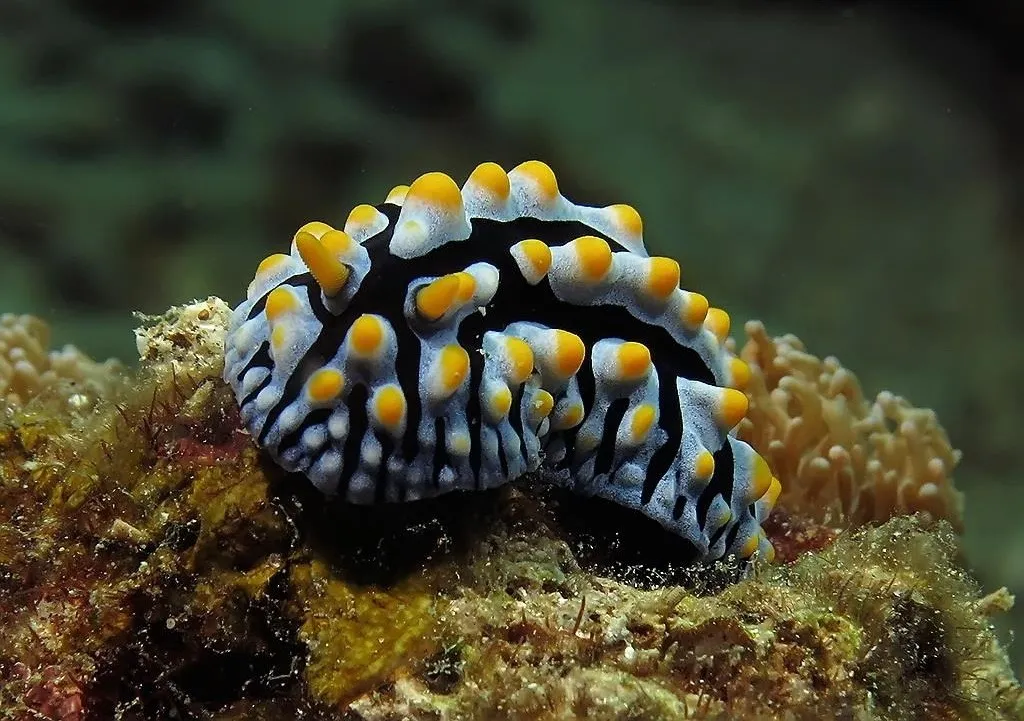
Approaching these artificial reefs, divers are often greeted by various marine life inhabiting the structures. Nudibranchs can be spotted on the surfaces of the wrecks, adding vibrant color.
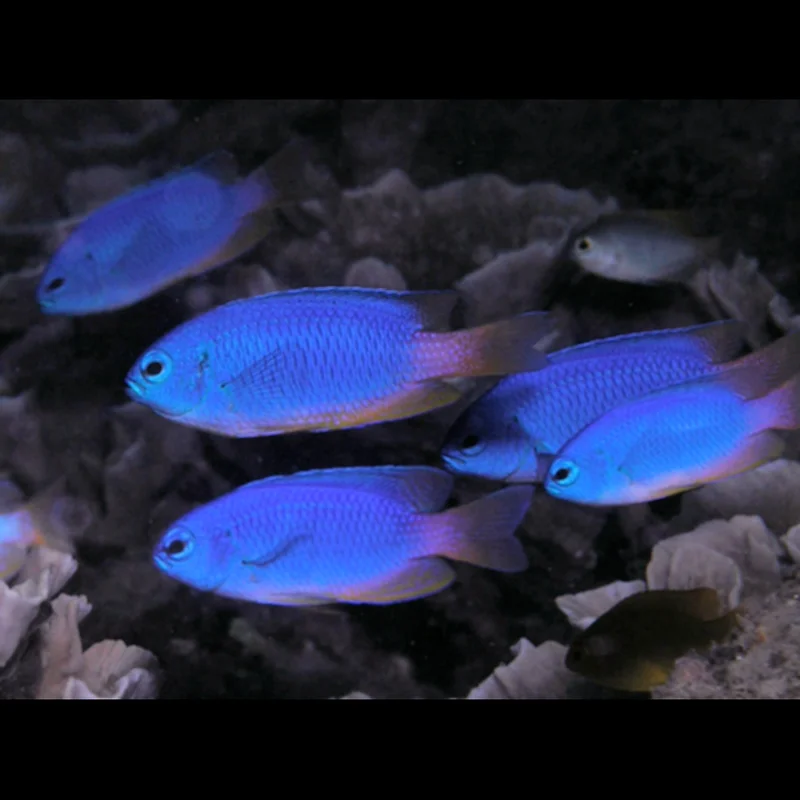
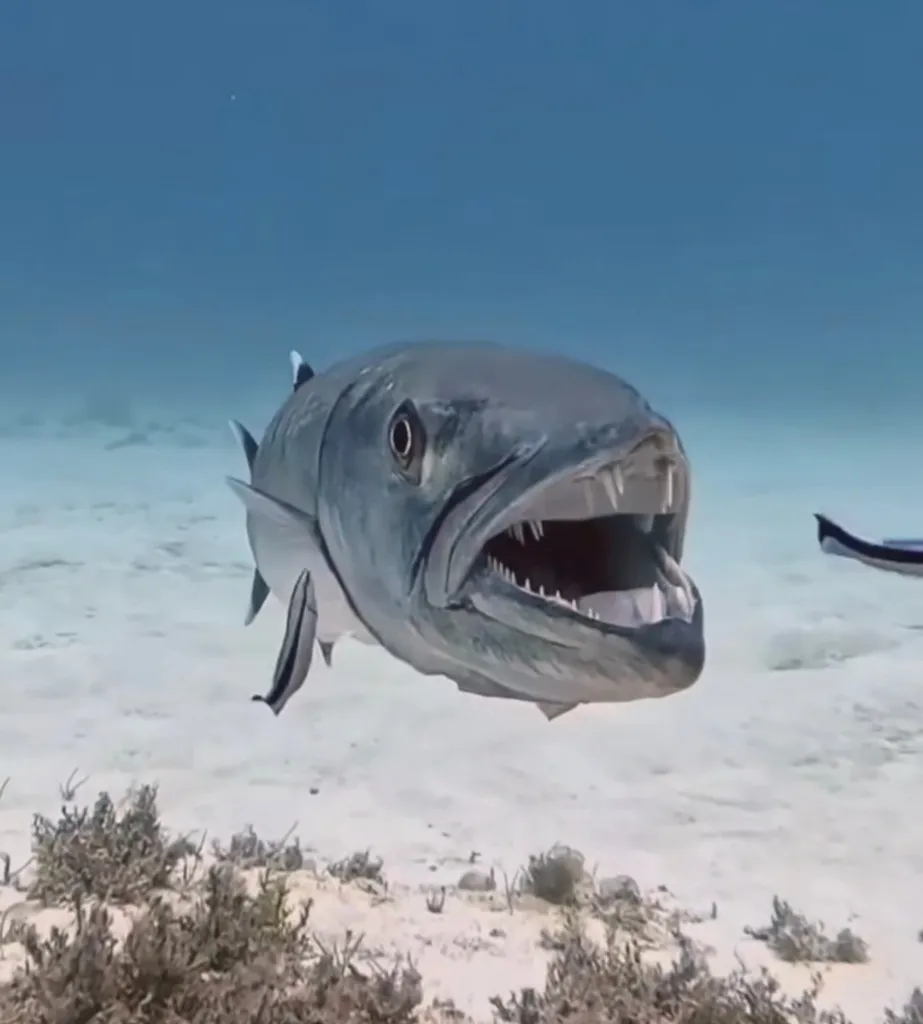
Barracudas are frequently seen patrolling deeper sections and along the ship outlines, occasionally in schools. Smaller damselfish also congregate around more sheltered areas of the sunken vessels.
A variety of large fish species are known to frequent the site, though specific types aren't consistently reported, contributing to a dynamic and engaging underwater landscape.
Dive Sites Near Palma Wrecks
View all dive sites in SpainDiscover more underwater gems in this area.
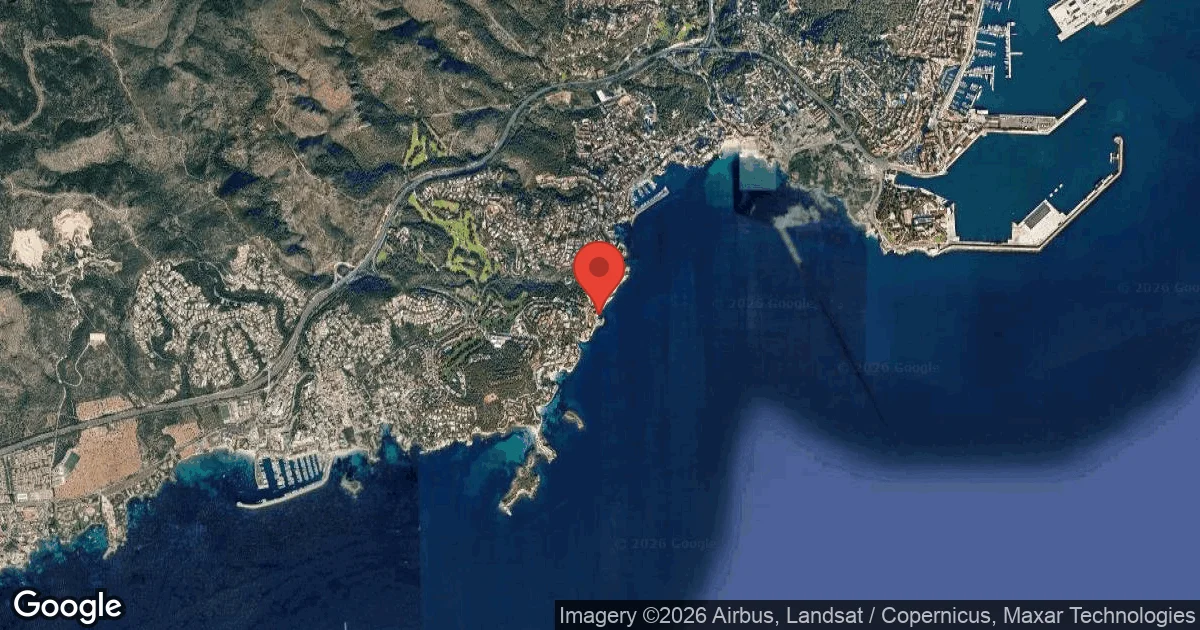
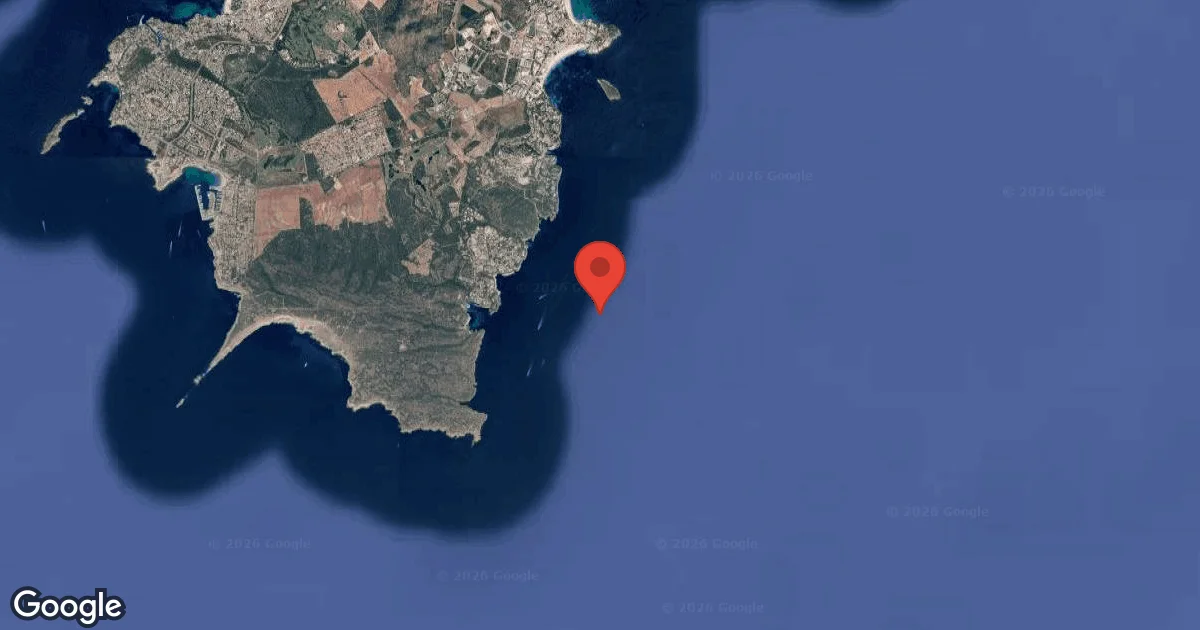
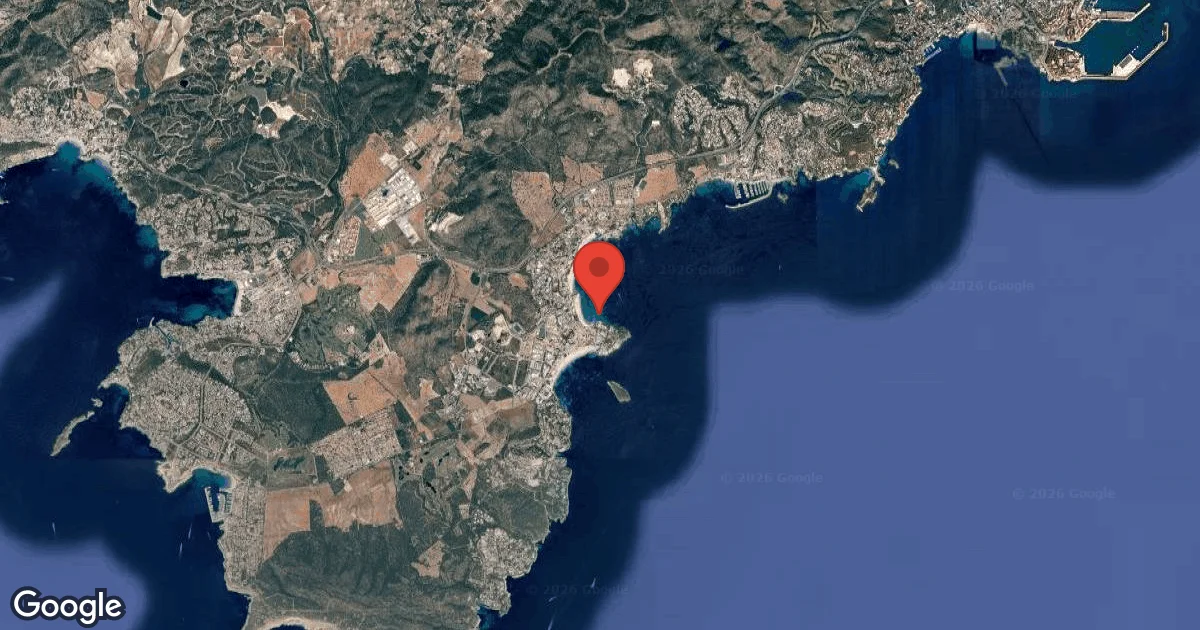
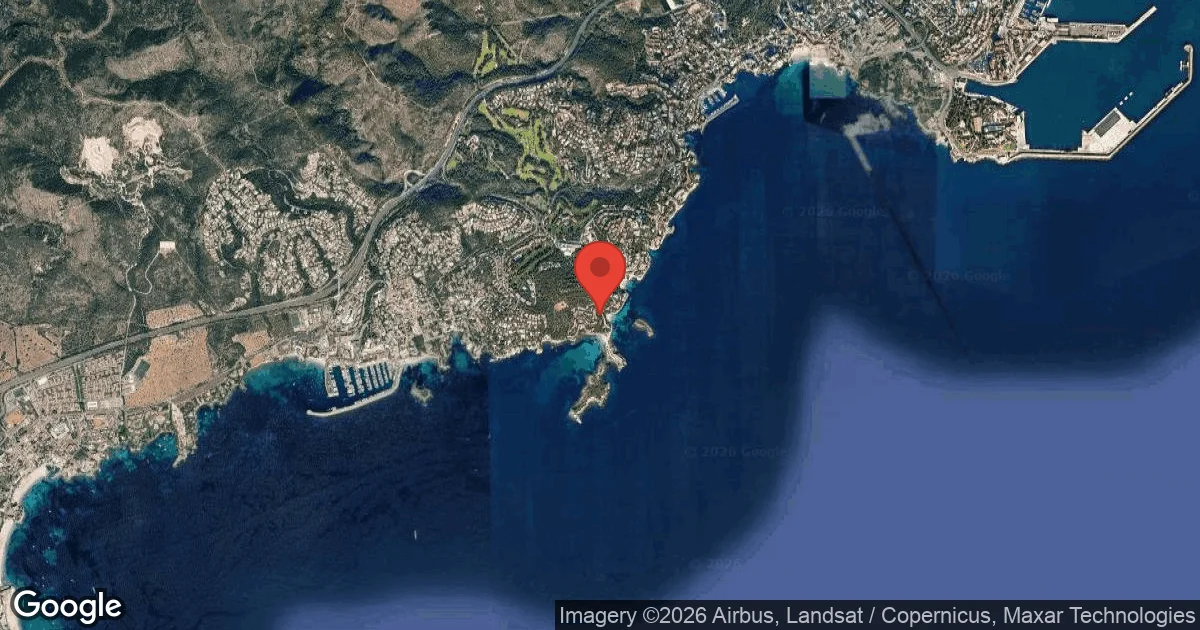
Dive Centers Near Palma Wrecks
Today: 10:00 - 17:00

Nearest Airports
Nearest airports to help plan travel to this dive area.
Search Flights
Check available flights and routes on Expedia, using the nearby airports listed in this section.
Search Flights on ExpediaFrequently Asked Questions
What certification level is required for Palma Wrecks?
The Palma Wrecks are an advanced dive site, recommended for Advanced or Deep certified divers. This is due to the maximum depth of 28-30 m (92-100 ft) and the potential for wreck penetration and shipping traffic.
How many wrecks are at the site?
The site consists of four main wrecks, including two large cargo ships (40 m/131 ft and 60 m/197 ft long) and two smaller vessels, one of which is a sailing yacht. These ships create an extensive area for exploration.
What is the maximum depth of the dive?
The maximum depth for diving the Palma Wrecks is around 28-30 m (92-100 ft). Divers should be prepared for prolonged bottom times at depths greater than 20 m (66 ft).
Can I penetrate the wrecks?
Yes, many parts of the ships are penetrable, including wheelhouses, engine rooms, and passenger areas. However, wreck penetration requires specific training and adherence to safety protocols due to the overhead environment and potential hazards.
What are the typical water temperatures?
Water temperatures range significantly throughout the year. During May to October, expect warmer waters around 26°C (79°F). In winter, temperatures can drop to approximately 13°C (55°F).
What marine life can be seen here?
Divers often encounter nudibranchs, barracudas, and small damselfish around the wrecks. The site also frequently hosts various large fish species, adding to the biological interest of the dive.
Are there any specific hazards to be aware of?
Key hazards include sharp, corroded steel parts on the wrecks that can damage equipment, potential shipping traffic near the port, and the inherent risks of deep diving and wreck penetration. Divers should be well-prepared and follow safety guidelines.
Planning to dive Palma Wrecks?
Send one inquiry and receive offers directly from the best verified local dive operators.
Conditions are Excellent
07:00 - 14:00
Optimal conditions expected
Current conditions near Palma Wrecks show 20° air, 27° sea temperature, 0.4 m waves, and 26 km/h wind. Forecast data is refreshed regularly to ensure accuracy.