
Diving at Piedras Altas (Spain)
For certified divers seeking a thrilling encounter, Piedras Altas delivers an advanced diving challenge off the coast of Almuñécar. This site demands efficient gas management and a keen awareness of conditions, rewarding those prepared with a dramatic underwater world. It's a dive that combines depth with significant currents, creating an immersive experience that will test and refine your skills.
Tonight's objective overview for Piedras Altas shows an air temperature of 25.5°C. The measured surface conditions include wave heights around 0.4 m. This environmental data is logged for the close of the day.
Dive Site Location & Key Facts
Dive Site Overview
Site structure unfolds around two prominent rock formations, creating a dramatic underwater landscape of steep walls, numerous crevices, and a secluded small cave. Exploring here means encountering a substantial drop-off, where extensive rock structures descend dramatically to beyond 40 m / 131 ft.
A typical dive profile often navigates the upper to mid-sections, generally in the 20-30 meter range, which teem with intricate formations. These formations serve as a crucial habitat where invertebrate diversity is particularly rich, with hidden corners revealing unexpected life. Boat access is mandatory, typically launching from nearby points like Marina del Este, setting the stage for an offshore adventure.
Rock dominates the seabed, providing a complex, rugged environment that supports a varied ecosystem, from micro-habitats to larger resident species. Descending into these deeper sections demands precise navigation and buoyancy control, as the site's exposed location to open sea conditions can introduce significant water movement, testing even experienced divers.
The sheer scale of the rock face offers extensive exploration for those comfortable with deeper profiles and managing potential currents.
Conditions are Moderate
Optimal conditions expected
Current conditions near Piedras Altas show 25° air, 24° sea temperature, 1.5 m waves, and 30 km/h wind. Forecast data is refreshed regularly to ensure accuracy.
Best Time to Dive
Planning a dive at Piedras Altas means considering the distinct seasonal shifts, though the site consistently earns a 'Good' dive score year-round. The period from May to October generally offers the warmest air temperatures, ranging from approximately 20°C to 29°C (68°F to 84°F), coupled with the lowest rainfall, often less than 1 mm per month. During these months, wave heights also tend to be minimal, averaging around 0.6 to 0.7 meters. Water temperatures are at their warmest, between 22-26°C / 72-79°F. Conversely, the cooler months from November to April see air temperatures between 13°C and 19°C (55°F to 66°F) and slightly increased rainfall, typically up to 5.5 mm. Water temperatures during this period are cooler, around 13-18°C / 55-64°F, which might necessitate thicker thermal protection. Visibility remains good throughout the year, ranging from 10-30 m / 33-98 ft, but currents can be strong regardless of the season.
PEAK SEASON SCORE
Scores combine air & water temps, waves, wind & rainfall for overall conditions.
BEST MONTHS TO DIVE
Monthly records compiled from satellite and marine observation nodes over the last 3 years. Data provided by Open-Meteo and MET Norway.
Dive Experience & Conditions
Descending into Piedras Altas offers an experience defined by a constant interplay of depth and significant currents. Divers frequently feel the water's pull, which makes controlled buoyancy and efficient finning absolutely crucial throughout the dive. Generally clear conditions offer visibility often ranging from 10 to 30 meters, providing expansive views of the substantial underwater structures. Water temperatures fluctuate widely; expect cooler winter temperatures around 13°C warming up to comfortable highs of 26°C in summer. Venturing to the lower formations, especially below 20 meters, brings unique invertebrate colonies into view. Look for distinctive 'dead man's hand coral' and 'cathedral sponges' swaying with the water movement, adding character to the deeper rock faces.
Dive Difficulty & Safety Guidelines
Approaching Piedras Altas demands a clear understanding of its advanced nature, primarily due to managing significant depth and strong currents simultaneously. Discussing prevailing current conditions with a dive center is essential before entering the water. Maximum operational depth extends beyond typical recreational limits, requiring appropriate deep diving certification.
Efficient gas management and a precise dive plan are crucial; bottom time can be limited, especially when diving on air. Carrying a Surface Marker Buoy (SMB) is strongly recommended for every diver, ensuring deployment during safety stops is possible.
Located within the Paraje Natural Acantilados de Maro-Cerro Gordo, a permit may be required for diving this protected area.
Recommended Equipment
Deep dive hazard. Increased narcosis and gas consumption risk.
- Dive Computer
- DSMB
- Primary & Backup Lights
This gear list is based on verified equipment signals for Piedras Altas, Spain. Always confirm final gear choices with your dive operator, guide, or liveaboard.
Recommended Dive Suit
Individual comfort in the water can vary significantly from diver to diver, even under the same conditions.
For most recreational dives, 3-5mm wetsuit should provide comfortable protection. Forecast conditions over the next few days suggest temperatures will remain relatively stable.
Current temperature readings suggest that the water at Piedras Altas is around 24°C (75°F). Surface air temperatures are resting at 25°C (78°F).
Emergency & Medical Support
Essential information to help you plan your dive trip to PIEDRAS ALTAS.

Hyperbaric chambers are a critical part of dive safety infrastructure. Availability varies significantly by region, and not all dive areas have immediate access.
Before diving, it's recommended to:
- confirm nearest medical facilities
- check emergency procedures with local dive operators
- ensure dive insurance covers evacuation if required
Divers Alert Network
Diving emergency assistance available through DAN Europe.
+39 0642115685- 24/7 emergency hotline
- Diving medical assistance
- Evacuation coordination
Emergency contacts are provided for reference. Always verify local emergency services before diving.
Marine Life at Piedras Altas
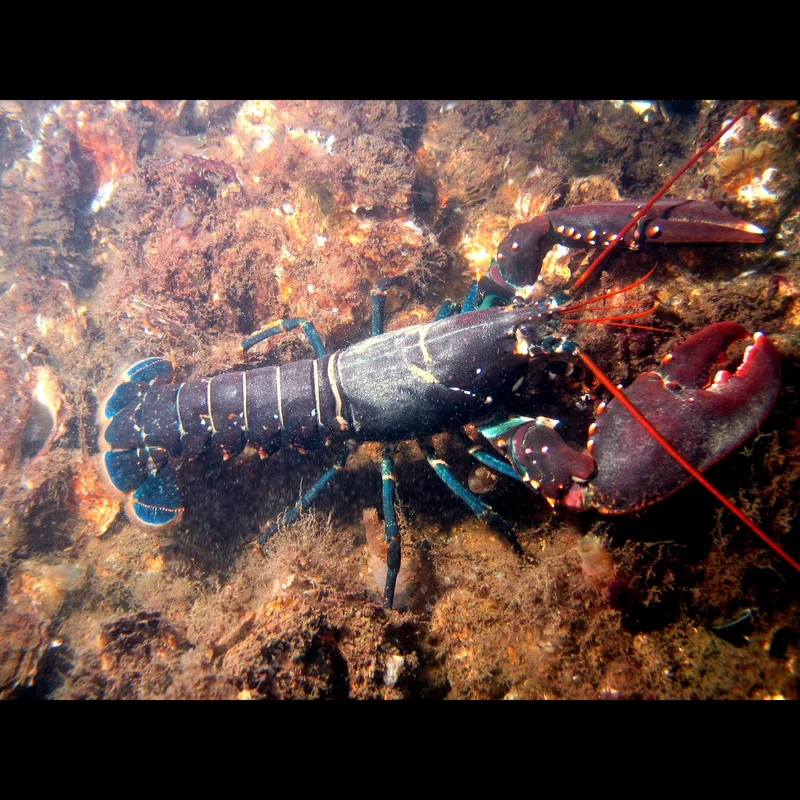
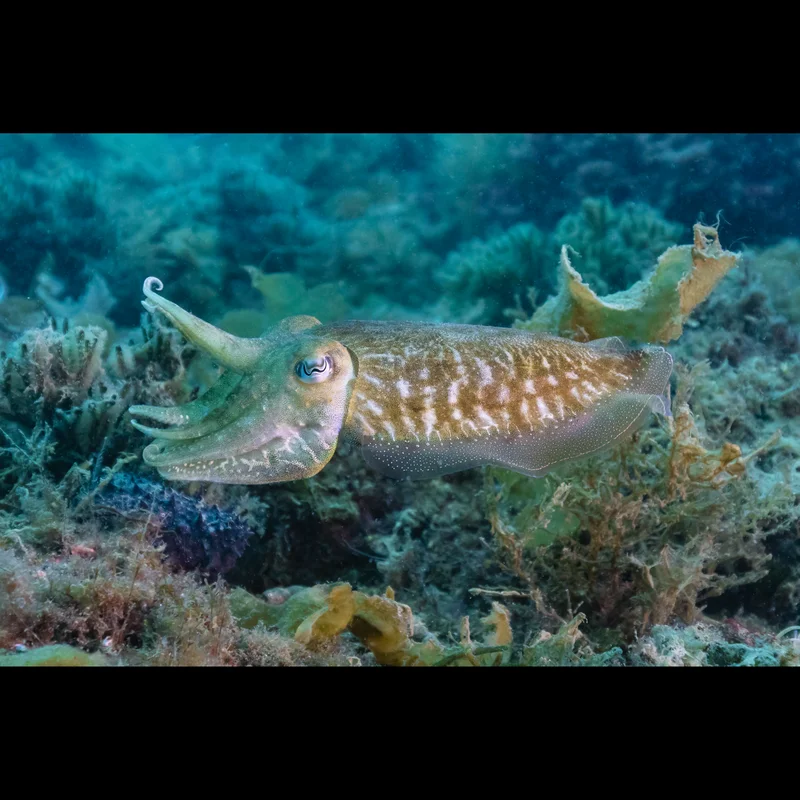
Piedras Altas' rugged underwater landscape creates a rich habitat for diverse marine species. Amongst the rock formations and within the small cave, divers frequently encounter lobsters and cuttlefish.
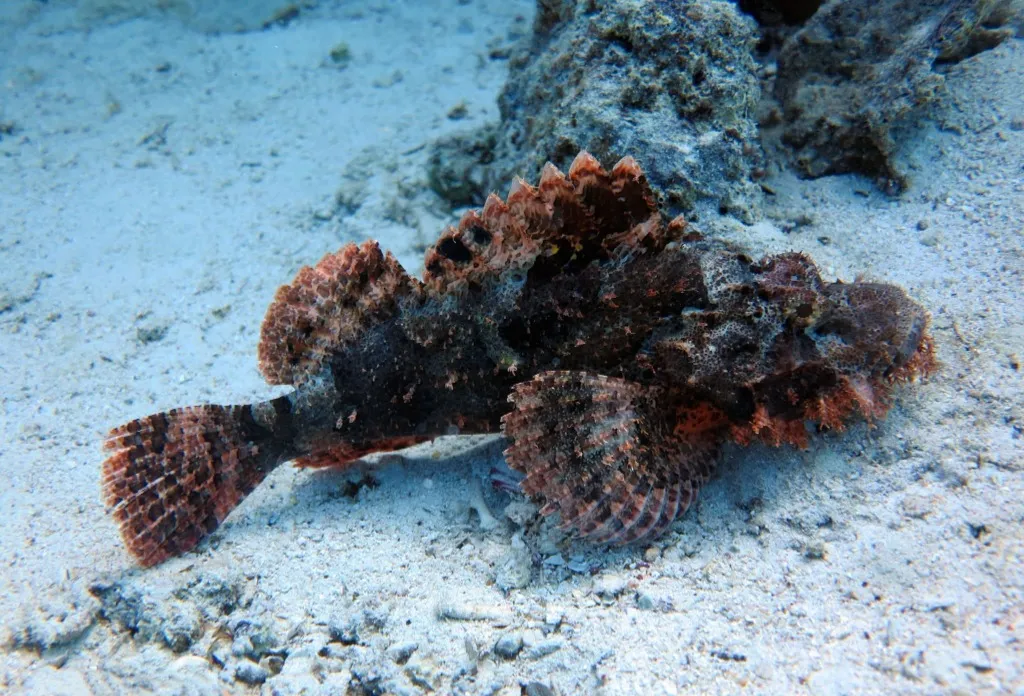
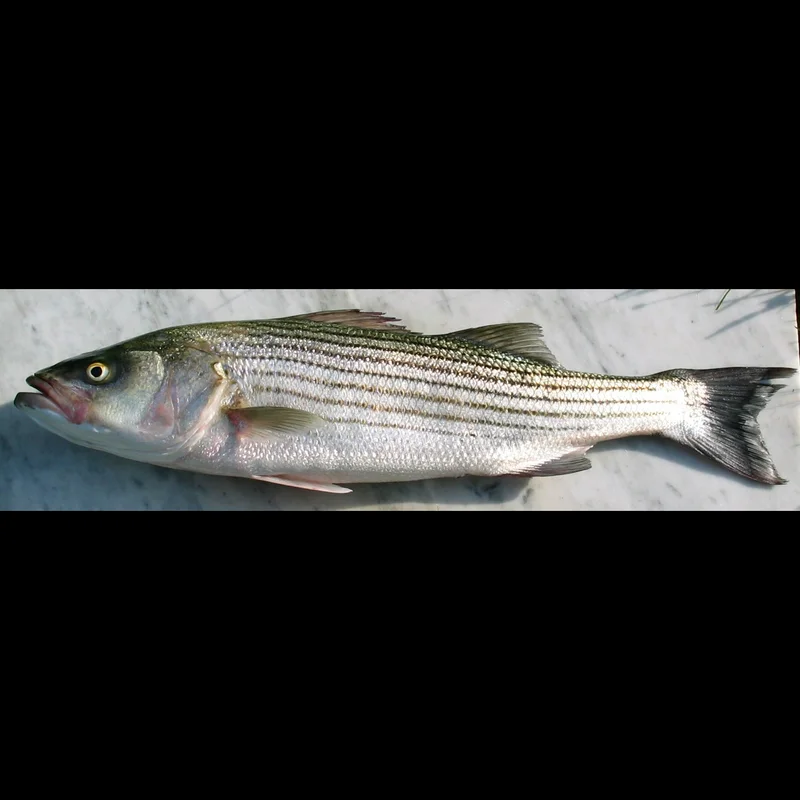
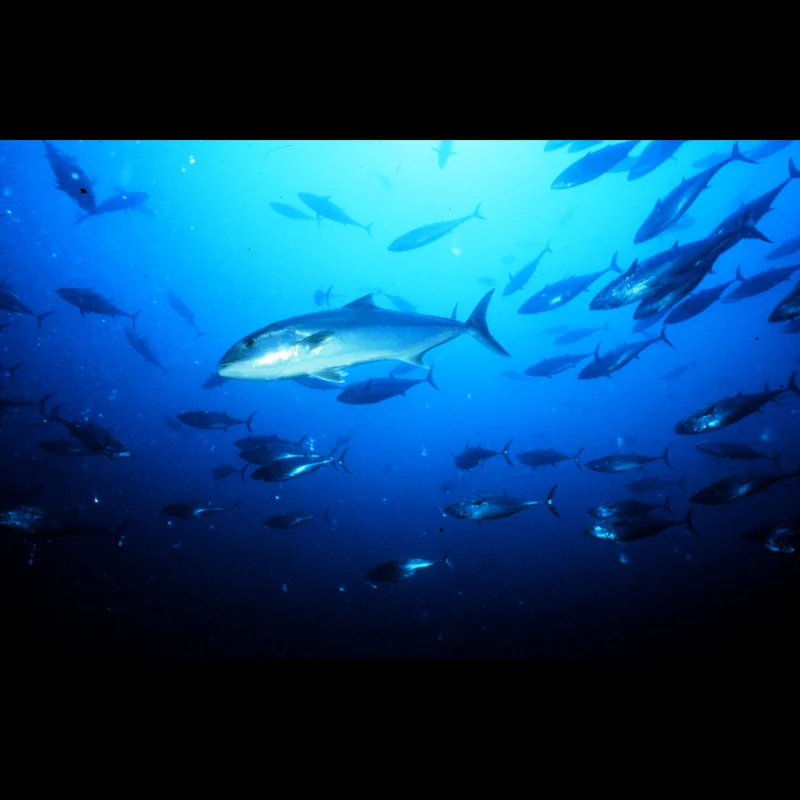
Look closely for well-camouflaged scorpionfish. Sightings of sea bass, amberjacks, and even tuna are possible, as this site serves as a pathway for pelagic species.
Deeper sections reveal fascinating invertebrate life. Observe vibrant Astroides Calycularis, a hard coral with white polyps, alongside colonies of 'dead man's hand coral' and 'cathedral sponges' that add distinctive texture to the rock walls.
Dive Sites Near Piedras Altas
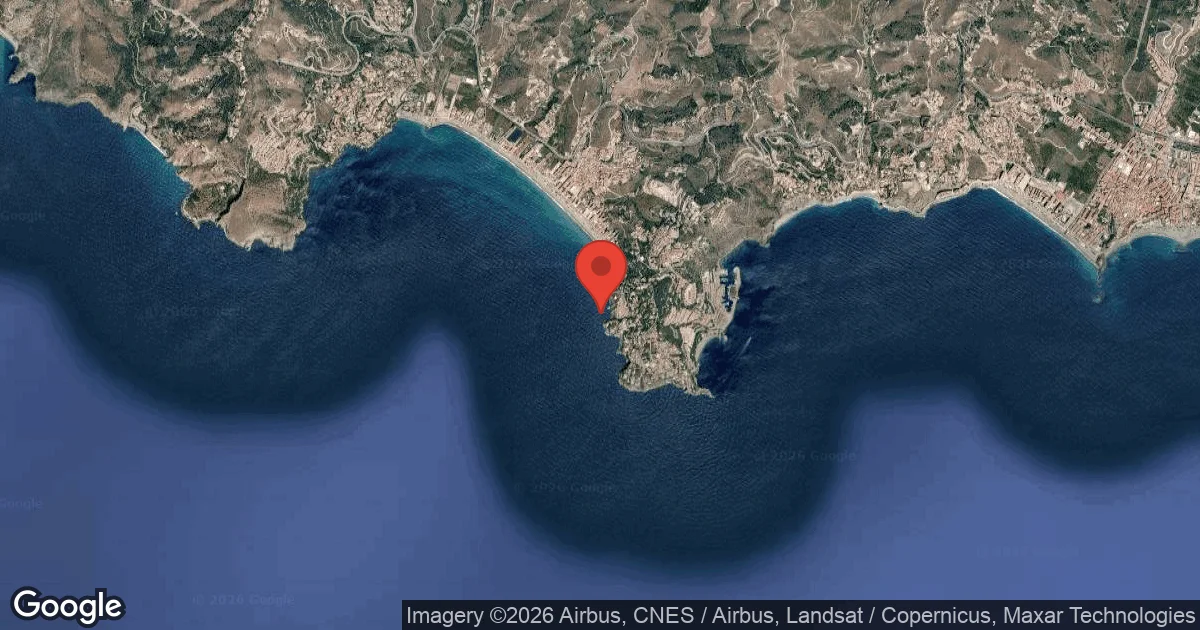
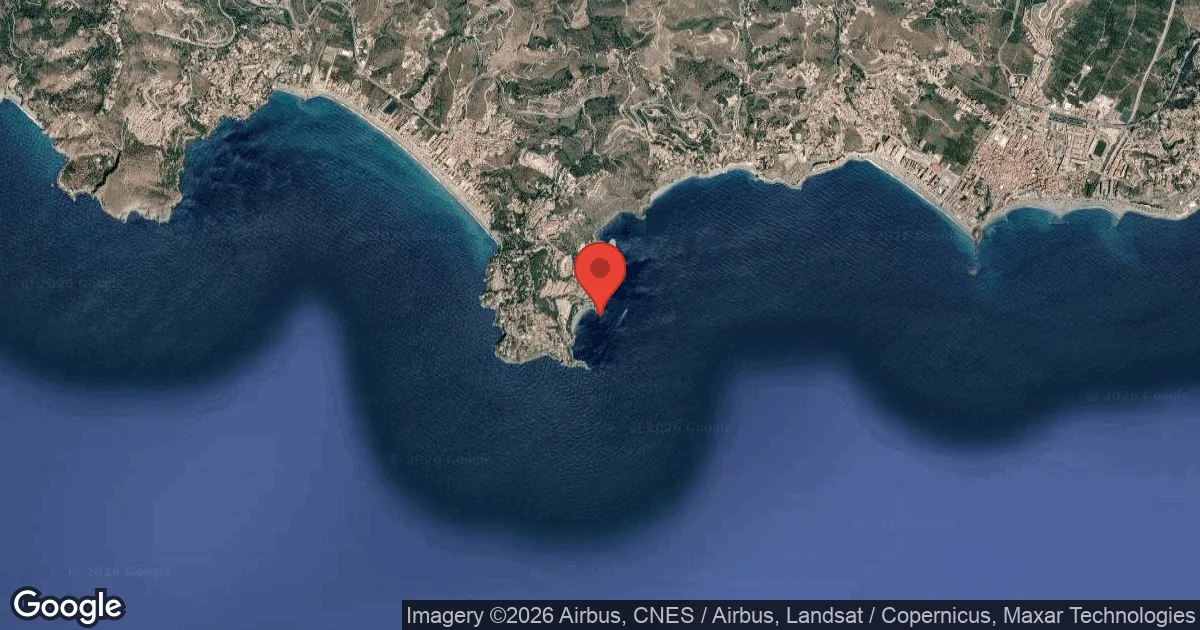
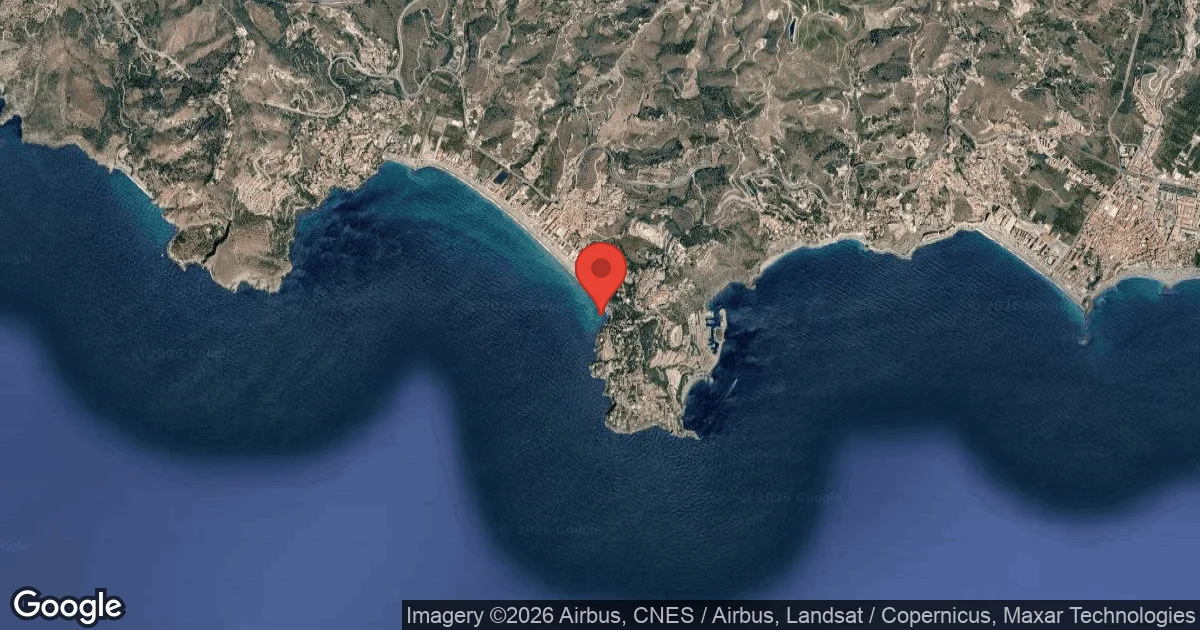
View all dive sites in SpainDiscover more underwater gems in this area.
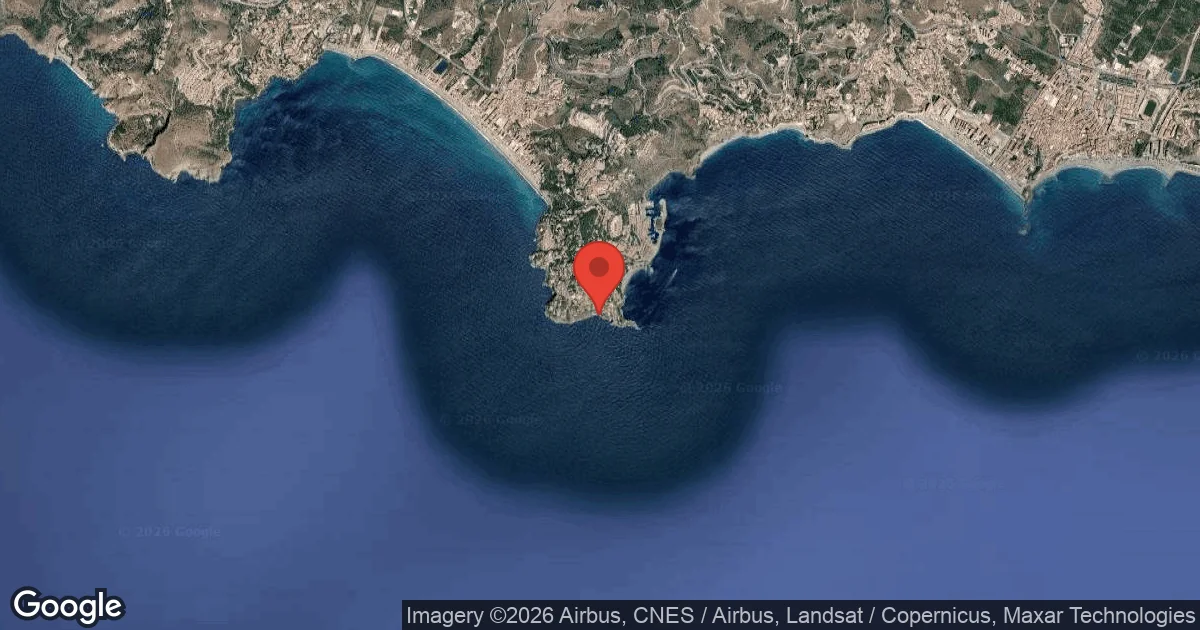
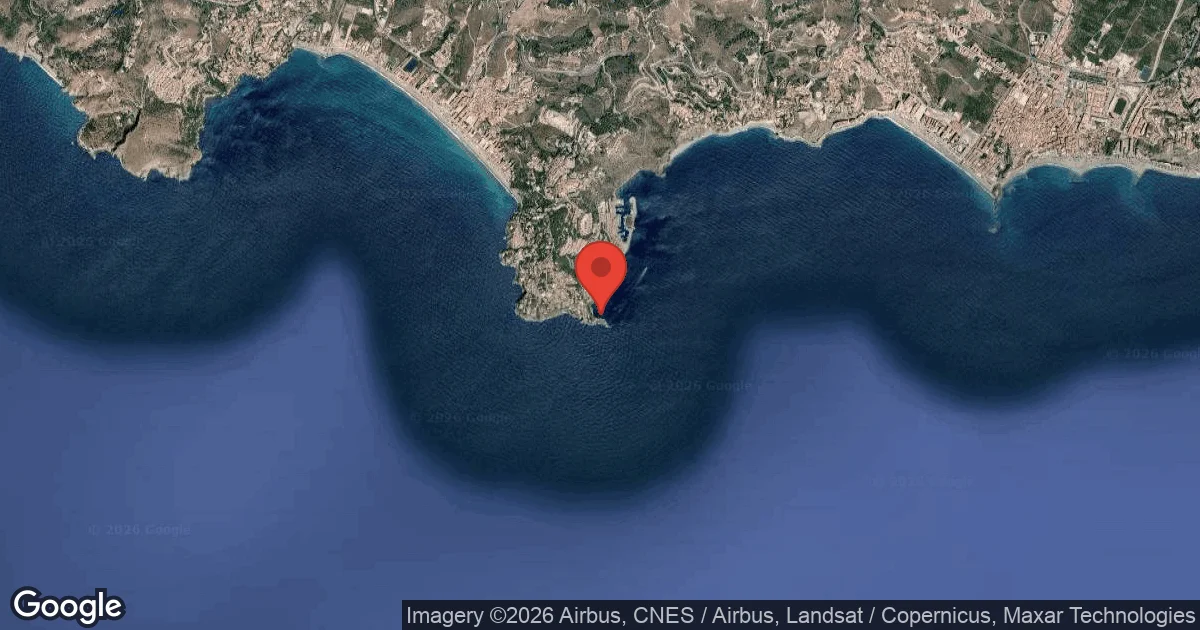
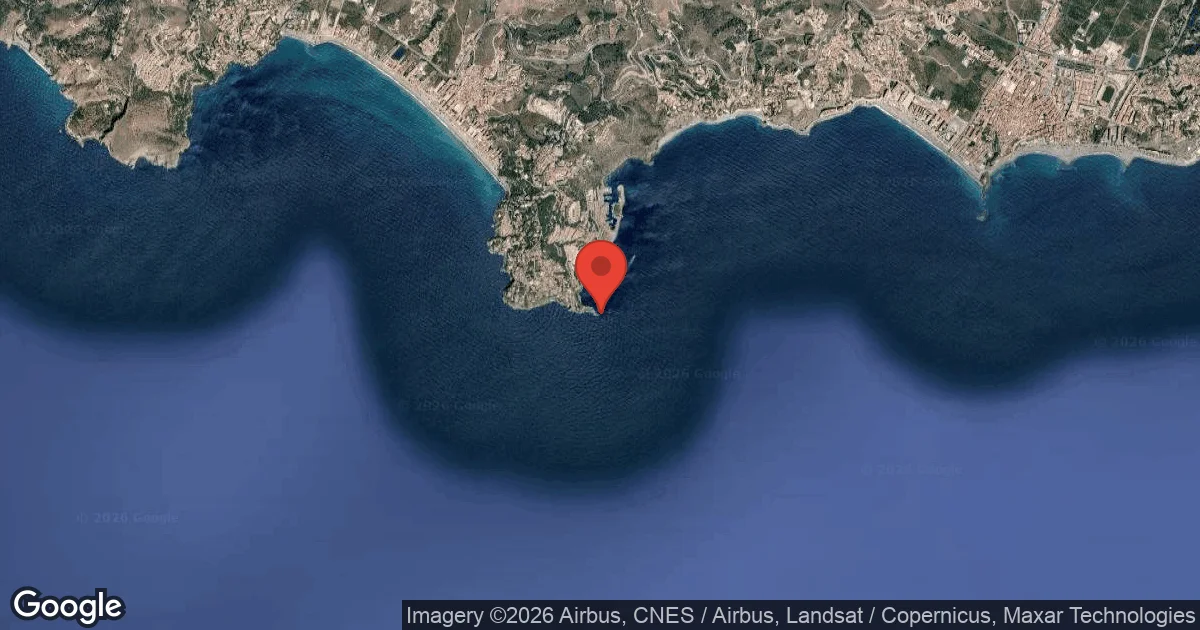
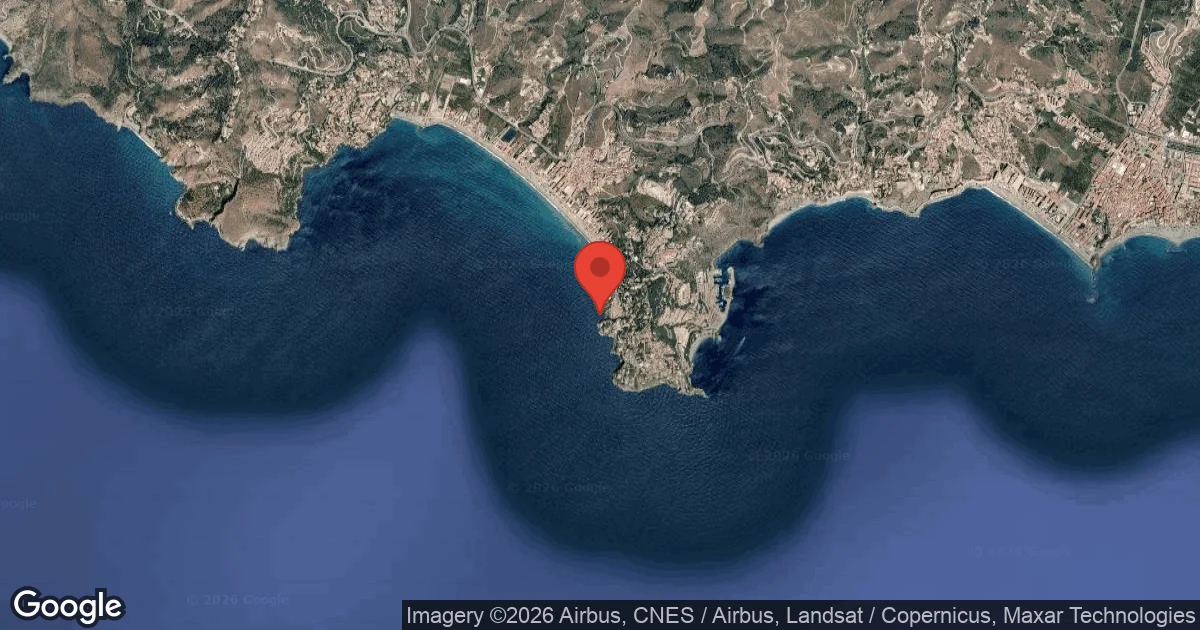
Dive Centers Near Piedras Altas

Nearest Airports
Nearest airports to help plan travel to this dive area.
Search Flights
Check available flights and routes on Expedia, using the nearby airports listed in this section.
Search Flights on ExpediaFrequently Asked Questions
What certification is required to dive Piedras Altas?
A minimum of Advanced Open Water (AOW) or a 2-star equivalent certification is required. Deep diving certification is also recommended, especially for exploring the sections beyond 30 meters, where the invertebrate diversity is most prominent.
Why is Nitrox recommended for Piedras Altas?
Nitrox is strongly advised to extend useful bottom time, particularly when diving below 20 meters. Given the depths and the need for efficient gas management in potentially strong currents, Nitrox enhances safety and provides more time for exploration.
What makes Piedras Altas an advanced dive site?
Its advanced rating stems from the combination of significant depths, which can reach 40 meters, and strong currents. Divers must be proficient in managing both factors simultaneously, alongside careful gas planning.
What unique marine life can be seen at Piedras Altas?
Beyond common Mediterranean species, the site is known for distinctive 'dead man's hand coral' and 'cathedral sponges' on its deeper rock formations. Pelagic sightings, such as sunfish during spring and summer, are also possible, particularly in the blue water column.
Is a permit needed to dive at Piedras Altas?
Yes, Piedras Altas is located within the Paraje Natural Acantilados de Maro-Cerro Gordo, a marine reserve. A permit may be required to dive in this protected area; confirm with your local dive center.
How does Piedras Altas compare to Punta de la Mona?
Both are advanced deep dives in the La Herradura area, notable for strong currents and depths exceeding 40 meters. Piedras Altas is distinguished by its 'dead man's hand coral' and cathedral sponges, whereas Punta de la Mona features extensive gorgonian-covered walls. Your dive center can advise which site best suits current conditions.
Planning to dive Piedras Altas?
Send one inquiry and receive offers directly from the best verified local dive operators.
Conditions are Moderate
Optimal conditions expected
Current conditions near Piedras Altas show 25° air, 24° sea temperature, 1.5 m waves, and 30 km/h wind. Forecast data is refreshed regularly to ensure accuracy.