
Diving at Cueva del Jarro (Spain)
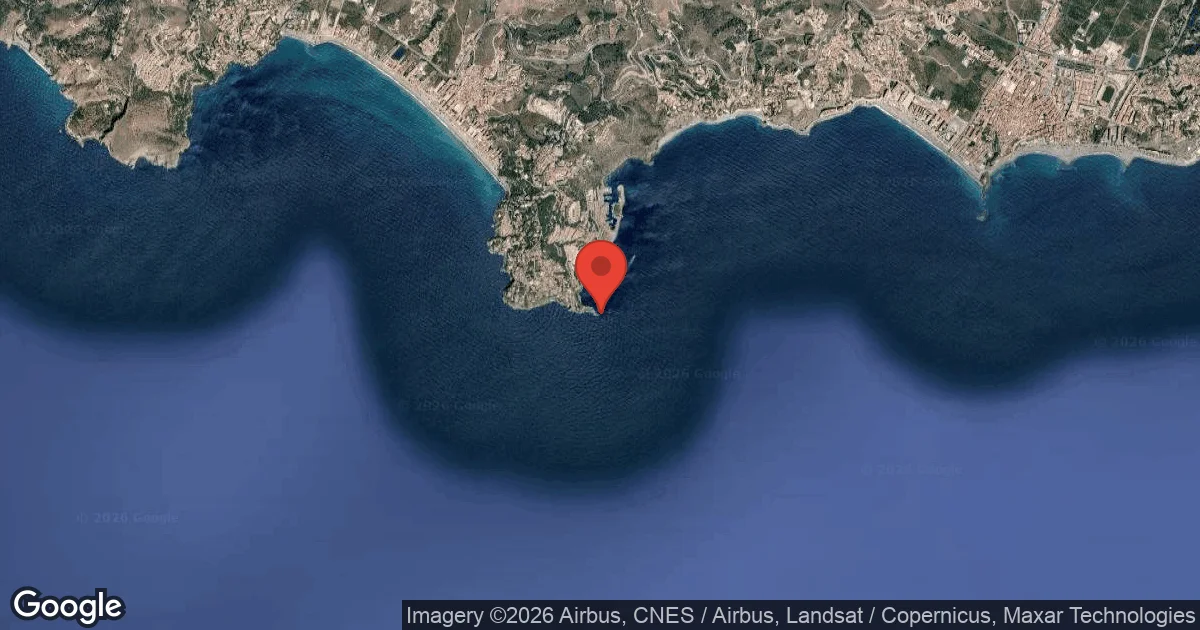
Cueva del Jarro offers a secluded dive experience within Spain's Costa Tropical, specifically near La Herradura. This site is distinguished by its cavern and wall topography, providing a quieter alternative to more frequented locations. It attracts divers looking to explore an underwater fissure in a cliff face that promises interesting light play and unique marine encounters.
As evening covers Cueva del Jarro, the local air temperature is measured at 20.5°C. The current wave height at the surface is recorded at 0.3 m. These late-day readings characterize the surface conditions for the night.
Dive Site Location & Key Facts
Dive Site Overview
While Cueva del Jarro doesn't have a long-standing historical narrative of discovery, its relative obscurity has preserved a tranquil underwater environment for divers. This dive site is well-regarded for its accessibility, allowing entry from either the shore or via a boat trip, typically a 25-minute journey from La Herradura or Marina del Este.
The area's limited currents make for a generally easy dive, suitable for a range of certification levels. Depths at Cueva del Jarro extend to about 18 m (59 ft) within the cavern and up to 25 m (82 ft) along the outer wall, providing a comprehensive recreational diving profile. Visibility is often impressive, ranging from 10 to 30 m (33 to 98 ft), with an average of 20 m (65 ft), enhancing the cavern's natural light effects.
While not known for large pelagic species, the site excels in supporting a diverse array of small and medium-sized marine life, making it an engaging spot for observant divers.
Conditions are Good
Optimal conditions expected
Current conditions near Cueva del Jarro show 21° air, 23° sea temperature, 1.4 m waves, and 27 km/h wind. Forecast data is refreshed regularly to ensure accuracy.
Best Time to Dive
Planning a dive at Cueva del Jarro is best undertaken with an eye toward comfortable conditions and optimal visibility. Summer months, particularly July and August, present ideal diving conditions with average air temperatures around 28.5°C (83°F) and minimal rainfall, averaging just 0.05-0.11 mm. During this period, water temperatures in the wider Marina del Este area typically range from 22-26°C (72-79°F), further enhancing comfort. Although the dive score remains consistently good (rated 7 or 8) throughout the entire year, spring and autumn also offer favorable conditions with slightly cooler air temperatures, such as 21°C (70°F) in October, yet still good visibility and manageable wave heights. Early morning or late afternoon dives are often recommended for spotting more marine life.
PEAK SEASON SCORE
Scores combine air & water temps, waves, wind & rainfall for overall conditions.
BEST MONTHS TO DIVE
Monthly records compiled from satellite and marine observation nodes over the last 3 years. Data provided by Open-Meteo and MET Norway.
Dive Experience & Conditions
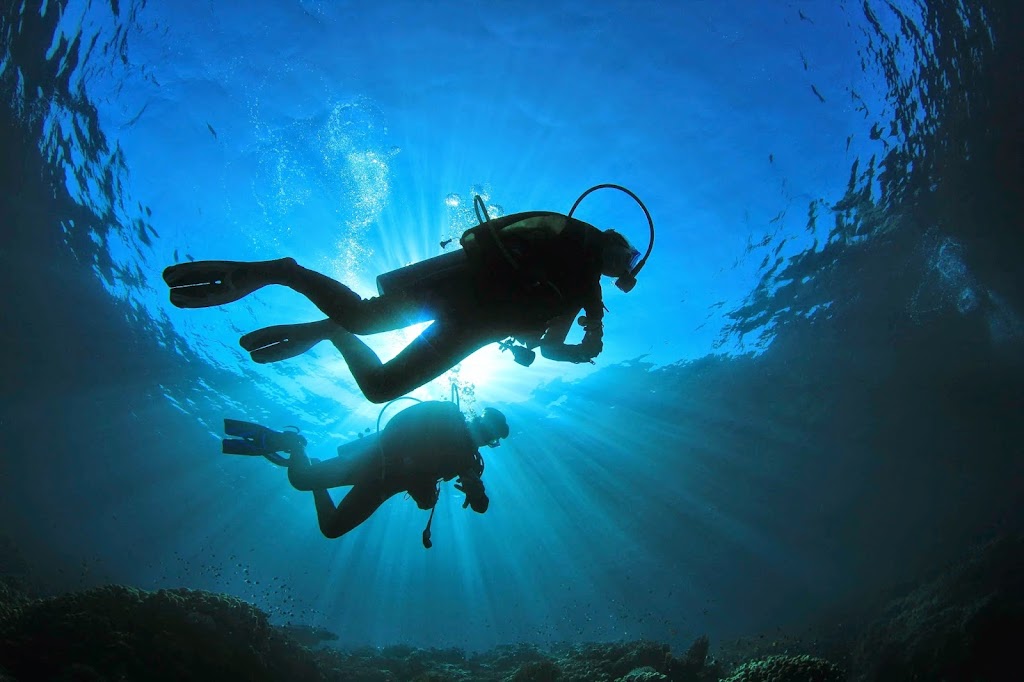
Cueva del Jarro is defined by a prominent, deep fissure within its cliff face, creating a distinctive and atmospheric dive environment. Divers have flexible access, opting for a convenient beach entry or a direct boat approach to specific areas for quicker access. Inside the cavern, sunlight filters through the entrance and smaller openings, generating dramatic backlight effects that shift with the time of day and water clarity. These visual spectacles are a highlight of the dive. Vibrant orange Astroides calycularis completely covers the surrounding walls, forming a rich tapestry of color. Recreational diving extends to about 18 m (59 ft) within the cavern, while adjacent wall dives can lead to maximum depths of 25 m, offering varied exploration opportunities. Conditions typically feature limited currents, which contributes to the site's reputation as an accessible and relatively easy dive suitable for various skill levels. Visibility frequently exceeds 20 m (65 ft), allowing for clear views of the intricate rock formations and the diverse resident fauna that find shelter here.
Dive Difficulty & Safety Guidelines
Diving at Cueva del Jarro requires adherence to standard safety protocols and an understanding of its specific characteristics. The site is suitable for PADI Open Water Divers and above, with courses like PADI Advanced Open Water Diver, PADI Boat Diver, and PADI Peak Performance Buoyancy enhancing the experience.
Awareness of pleasure boat traffic is crucial, as the area is frequented by other vessels; using a Surface Marker Buoy is highly recommended. Given the cavern environment, maintaining excellent buoyancy control prevents disturbing delicate corals and sediment.
Always dive within your training and comfort levels, and consider diving with local dive operators who are familiar with the site's nuances.
Recommended Equipment
Overhead environment. Do not enter beyond training and gas planning limits.
- Dive Computer
- DSMB
- Primary & Backup Lights
- Reel / Spool
- Cutting Tool
This gear list is based on verified equipment signals for Cueva del Jarro, Spain. Always confirm final gear choices with your dive operator, guide, or liveaboard.
Recommended Dive Suit
Subtle variations in currents or depth can sometimes influence perceived water temperature.
3-5mm wetsuit tends to perform well in water temperatures like those currently observed here. Surface intervals may feel cooler. Environmental models indicate a modest warming trend ahead. A warming trend is expected over the next few days.
Divers heading to Cueva del Jarro today should expect water temperatures around 23°C (73°F). Surface air temperatures are resting at 21°C (69°F).
Due to technical issues with our weather providers, live updates are temporarily delayed. The data above reflects the conditions at the time of the last successful fetch.
Emergency & Medical Support
Essential information to help you plan your dive trip to CUEVA DEL JARRO.

Hyperbaric chambers are a critical part of dive safety infrastructure. Availability varies significantly by region, and not all dive areas have immediate access.
Before diving, it's recommended to:
- confirm nearest medical facilities
- check emergency procedures with local dive operators
- ensure dive insurance covers evacuation if required
Divers Alert Network
Diving emergency assistance available through DAN Europe.
+39 0642115685- 24/7 emergency hotline
- Diving medical assistance
- Evacuation coordination
Emergency contacts are provided for reference. Always verify local emergency services before diving.
Marine Life at Cueva del Jarro
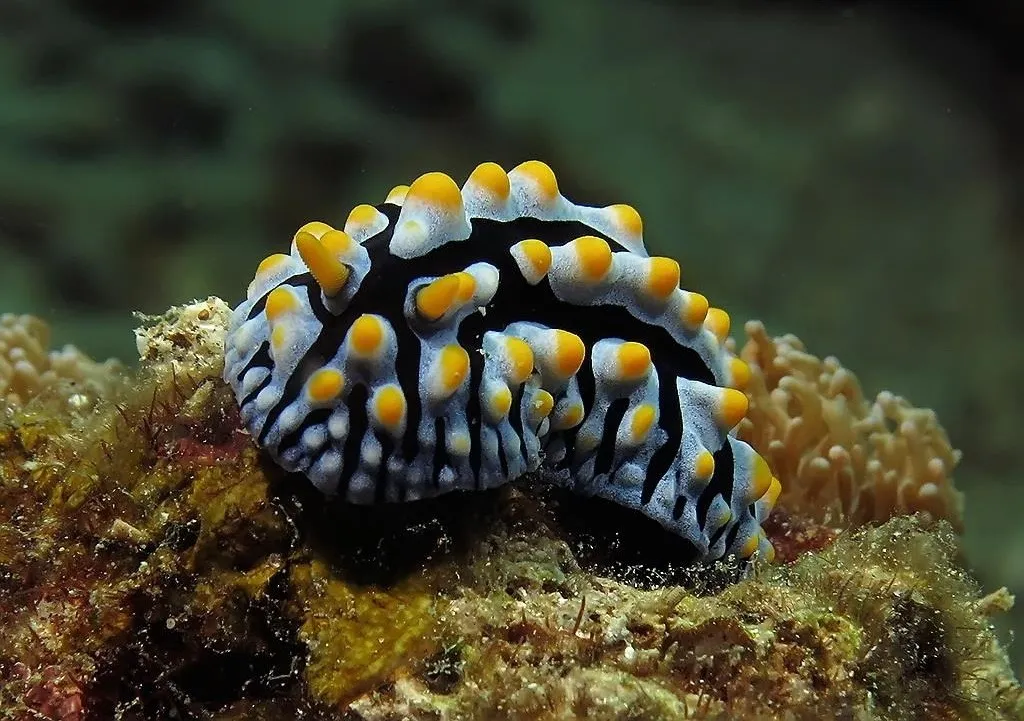
Entering the waters of Cueva del Jarro, you'll immediately notice the intricate small-scale life thriving on the cavern walls. The site is particularly rich in nudibranchs, often found in various colors and forms, alongside numerous small and medium-sized species.
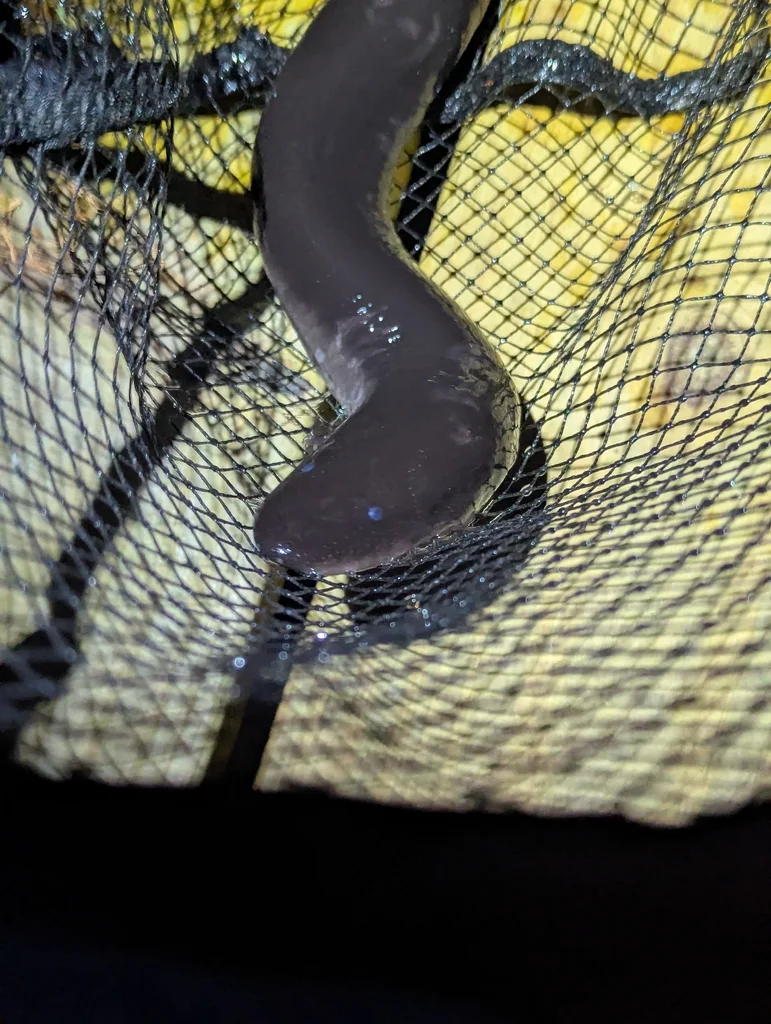
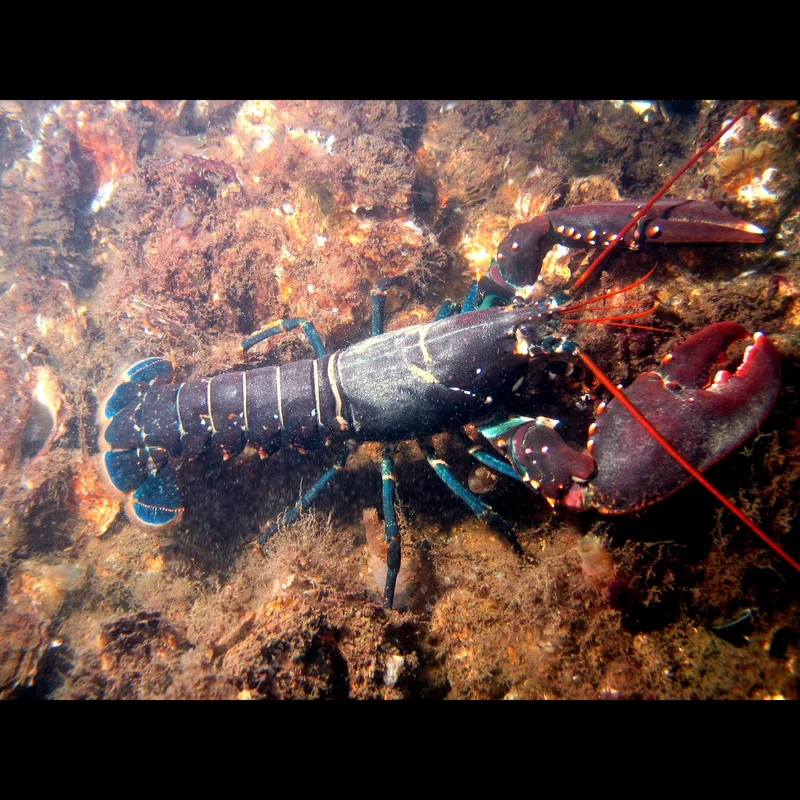
Within the cavern and along the surrounding wall, observant divers frequently spot octopus, conger eels, and occasionally a lobster. Stone fish are also resident here, blending into the rocky substrate.
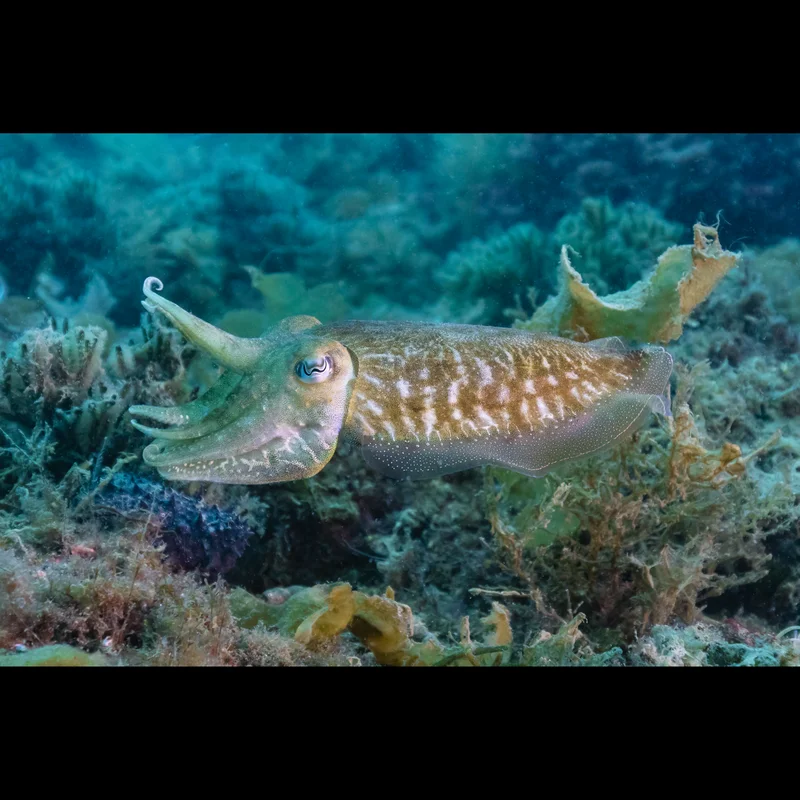
While large pelagics are not a common sighting, you're likely to encounter schools of bream and cuttlefish in the open water sections leading to the cavern.

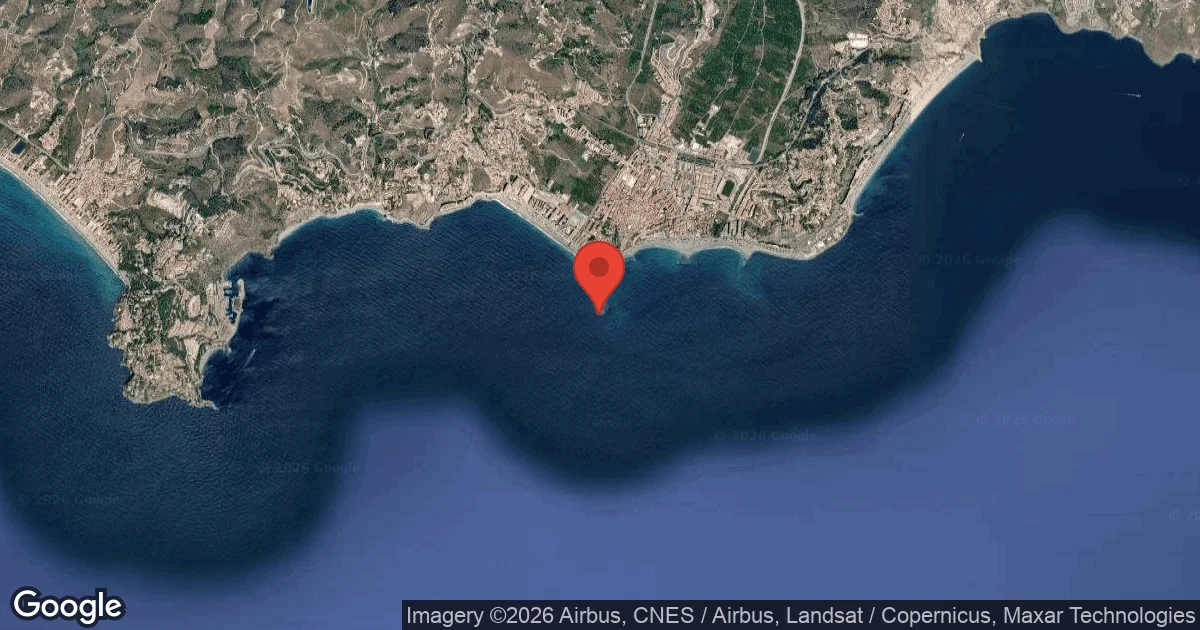
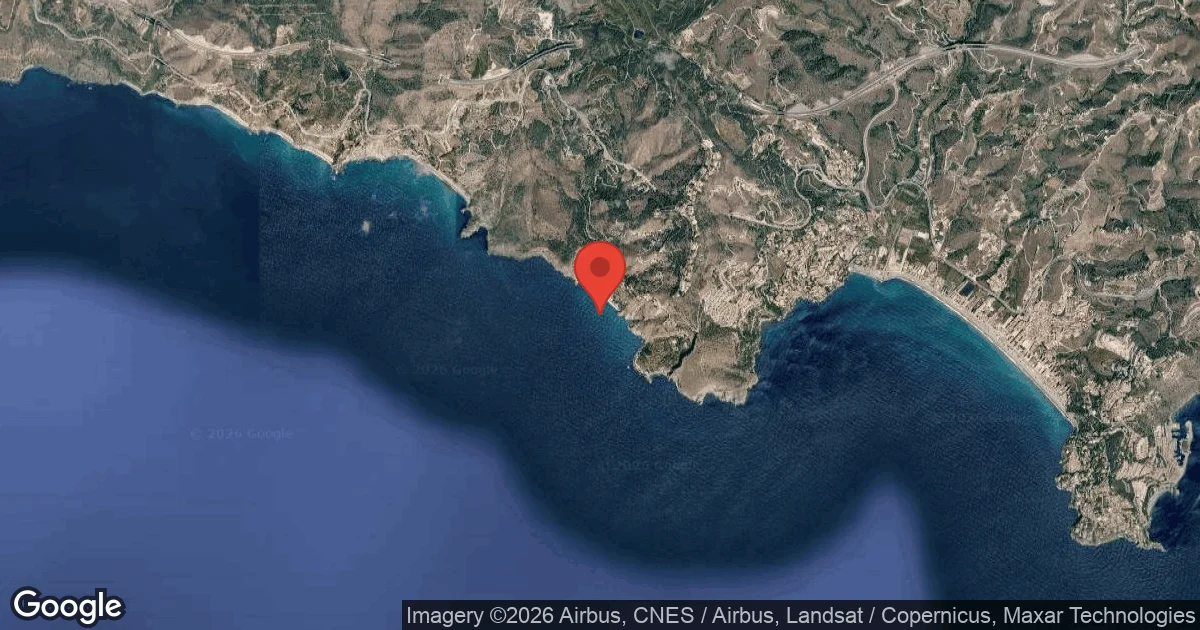
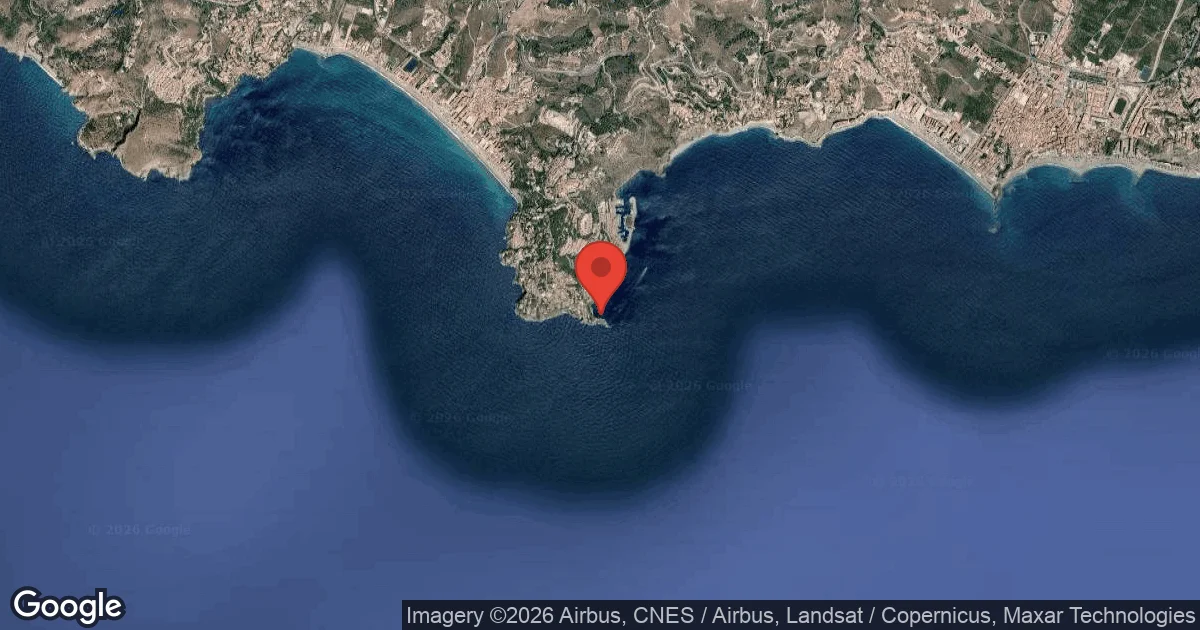
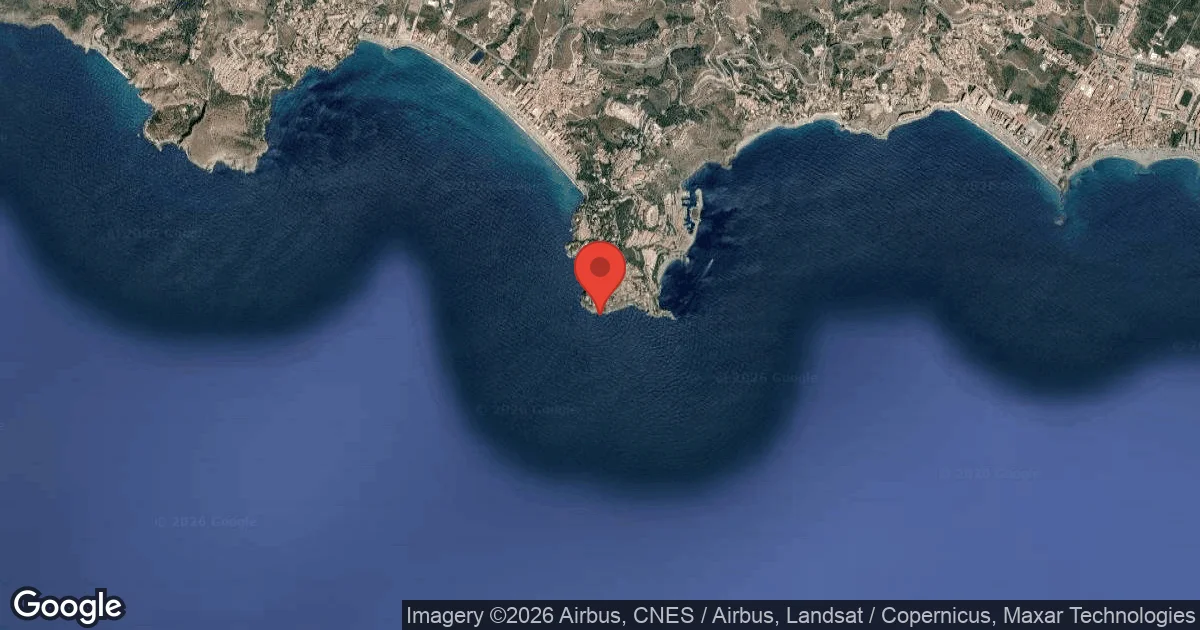
Dive Sites Near Cueva del Jarro
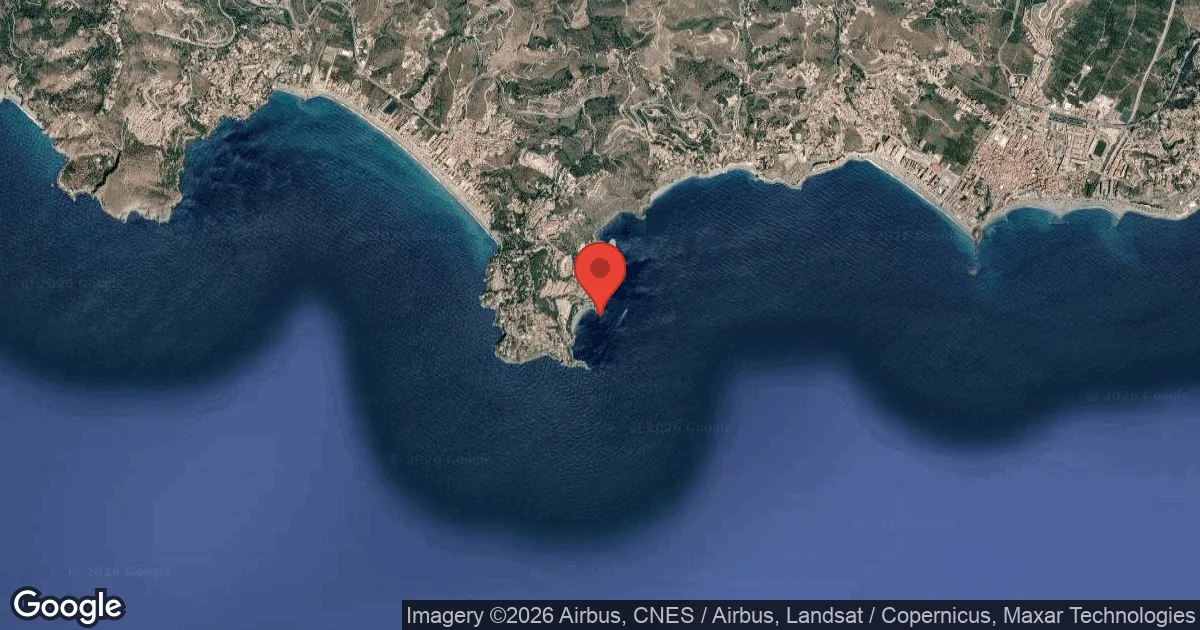
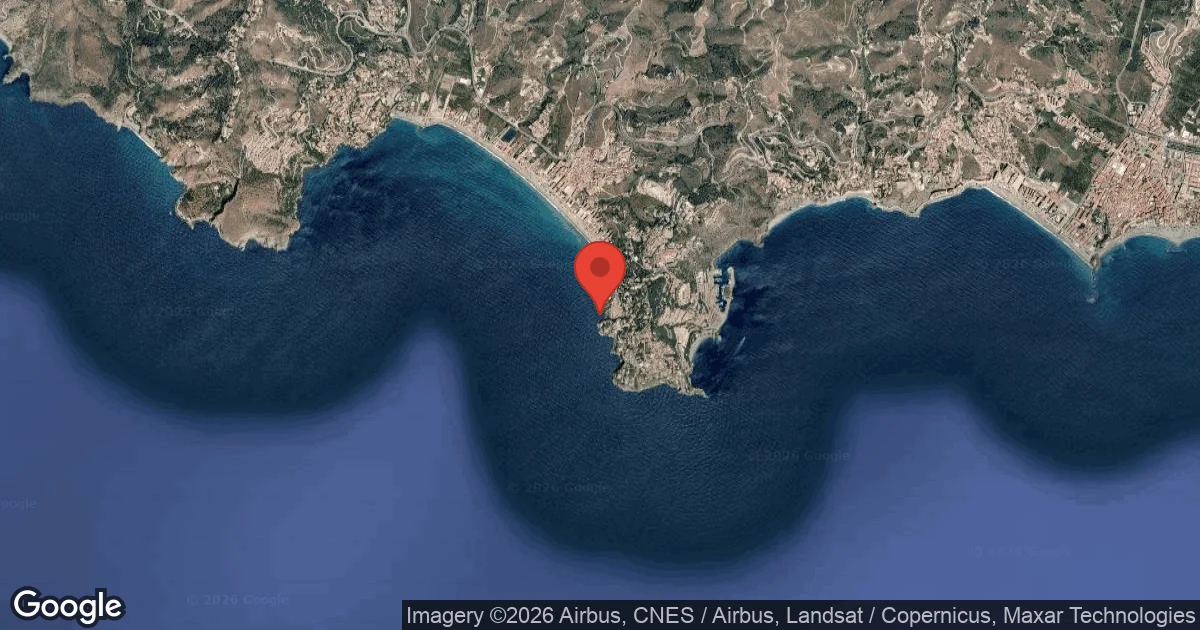
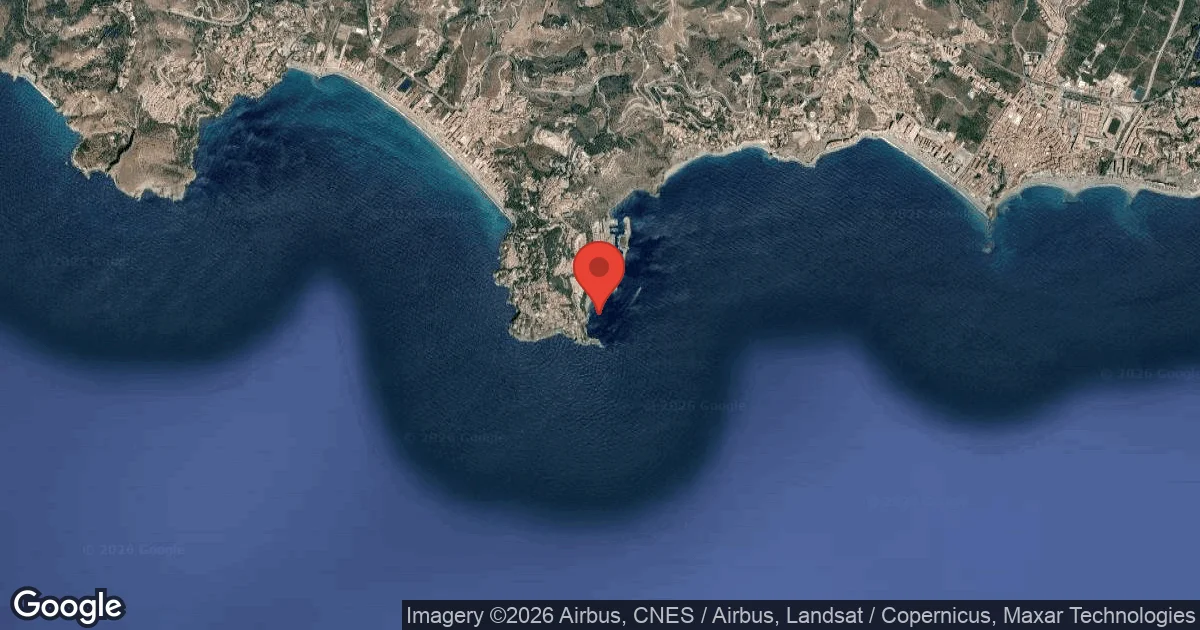
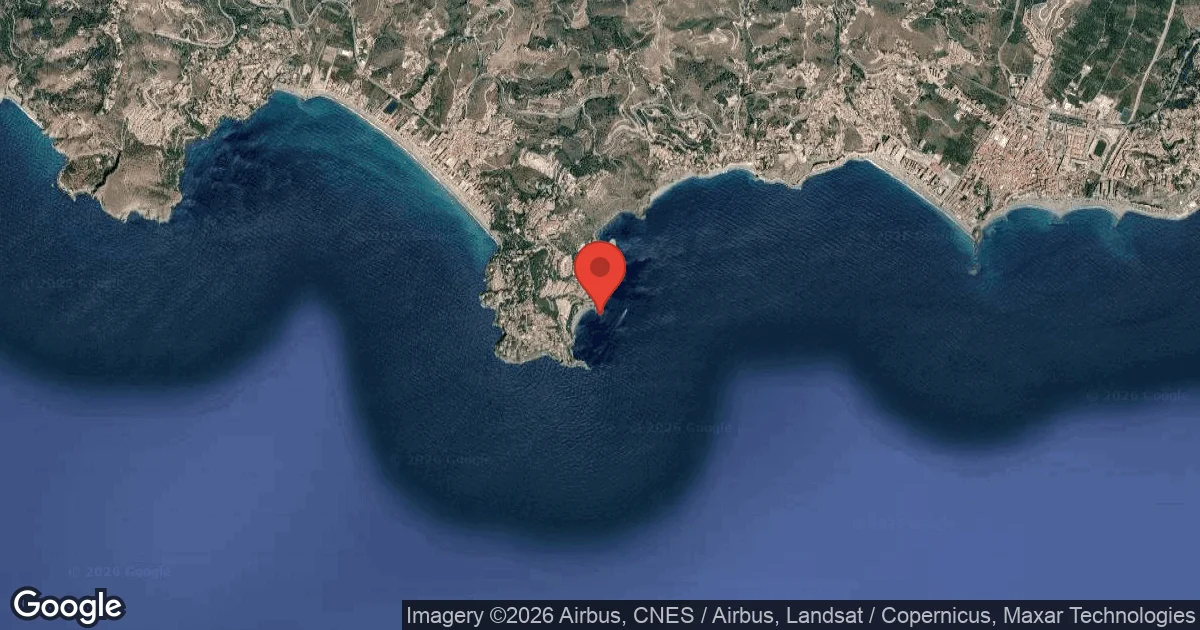
View all dive sites in SpainDiscover more underwater gems in this area.
Dive Centers Near Cueva del Jarro

Nearest Airports
Nearest airports to help plan travel to this dive area.
Search Flights
Check available flights and routes on Expedia, using the nearby airports listed in this section.
Search Flights on ExpediaFrequently Asked Questions
What is the maximum depth at Cueva del Jarro?
The maximum depth for recreational diving at Cueva del Jarro varies slightly by specific area, but the cavern itself typically reaches around 18 m (59 ft). Nearby wall sections can extend to 25 m (82 ft).
Are there strong currents at Cueva del Jarro?
No, currents at Cueva del Jarro are generally limited, which makes it an easy and comfortable dive site. This characteristic contributes to its suitability for various diver experience levels.
What kind of marine life can be seen?
Cueva del Jarro is known for small to medium-sized marine life. Divers can expect to see stone fish, bream, cuttlefish, moray eels, octopus, conger eels, and a variety of nudibranchs, alongside impressive Astroides calycularis corals.
What is the visibility like?
Visibility at Cueva del Jarro is usually very good, ranging from 10 to 30 m (33 to 98 ft). An average visibility of 20 m (65 ft) is frequently reported, especially during calmer conditions.
How do divers access the site?
Divers can access Cueva del Jarro either directly from the shore or by boat. Boat trips to the site typically take about 25 minutes from nearby marinas like La Herradura or Marina del Este.
What are the best months to dive Cueva del Jarro?
While Cueva del Jarro offers good diving conditions year-round, the summer months (June to September) are particularly favorable. Water temperatures are warmer, averaging 22-26°C (72-79°F), and rainfall is minimal, enhancing overall dive comfort and visibility.
Planning to dive Cueva del Jarro?
Send one inquiry and receive offers directly from the best verified local dive operators.
Conditions are Good
Optimal conditions expected
Current conditions near Cueva del Jarro show 21° air, 23° sea temperature, 1.4 m waves, and 27 km/h wind. Forecast data is refreshed regularly to ensure accuracy.