
Diving at Puerto Pajares (Spain)
Exploring the Barco de la Sal at Puerto Pajares offers a captivating experience, descending upon one of Andalusia's most remarkably preserved shipwrecks. This 50 m / 164 ft vessel, known locally as the 'salt ship,' rests largely intact, revealing its structure and history to advanced divers. It's a journey into a submerged past, rich with marine inhabitants that have made it their home.
As evening covers Puerto Pajares, the local air temperature is measured at 24.5°C. The current wave height at the surface is recorded at 0.9 m. These late-day readings characterize the surface conditions for the night.
Dive Site Location & Key Facts
Dive Site Overview
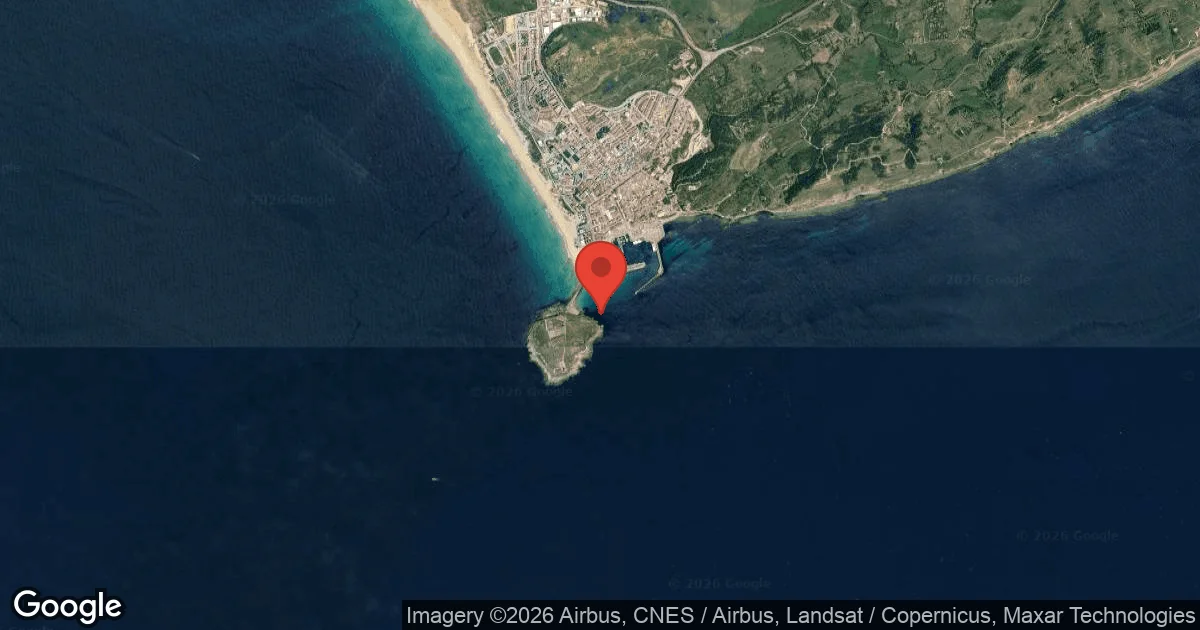
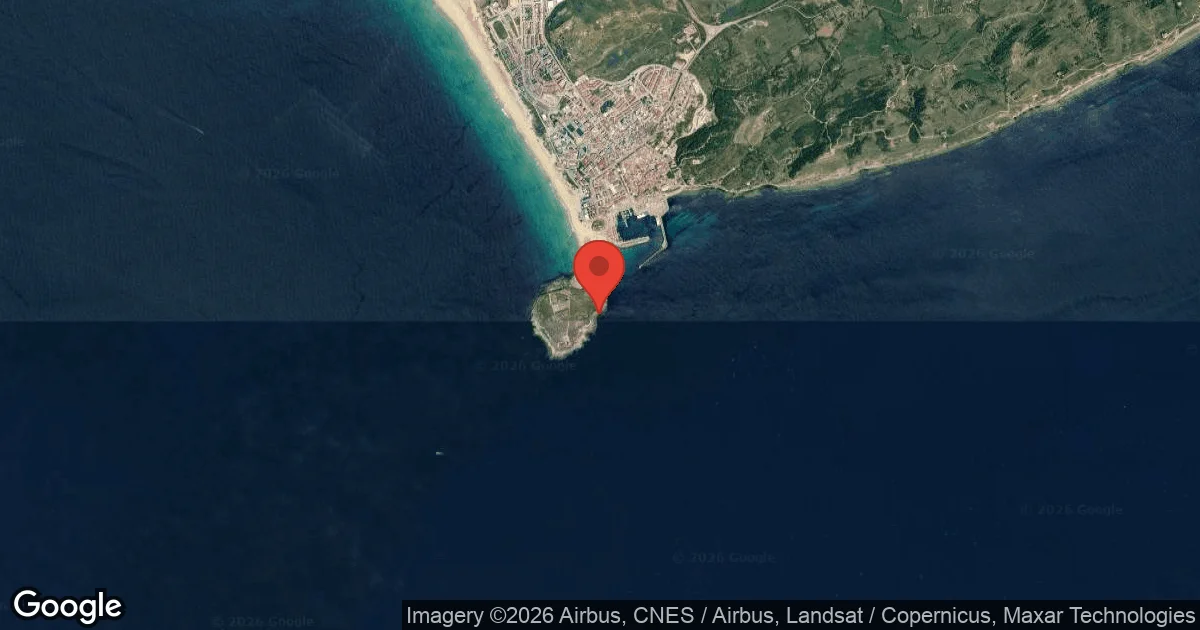
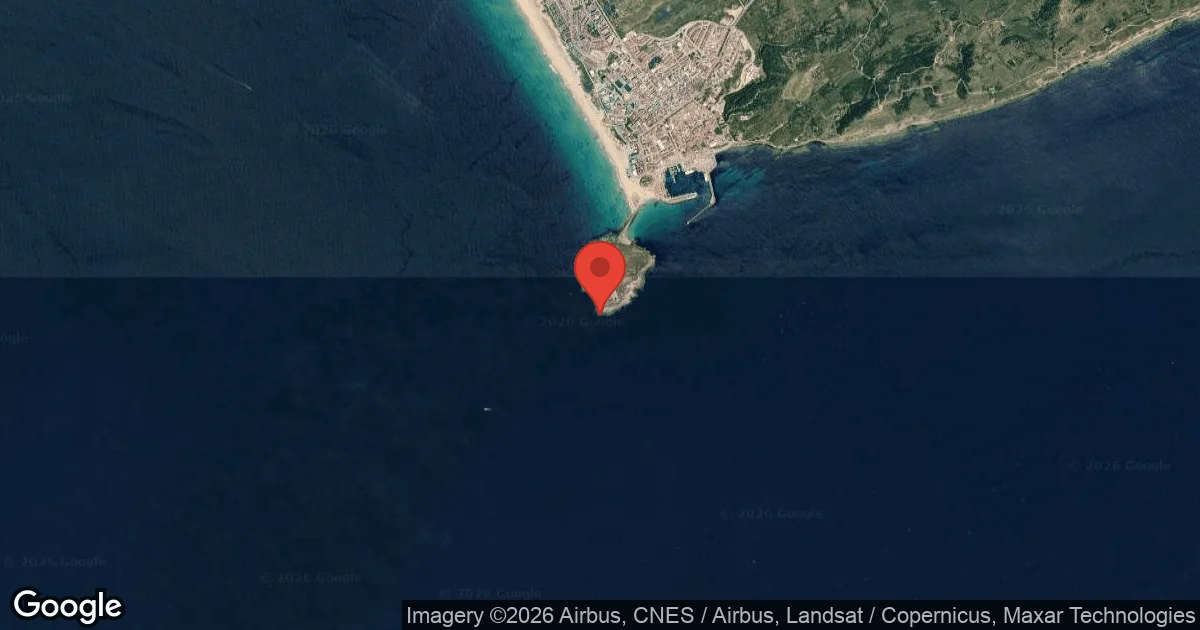
A central feature at Puerto Pajares is the 'Barco de la Sal,' a 50-meter-long (164 ft) cargo vessel launched in 1957. This vessel tragically sank in 1978 after an impact near Los Cabezos, settling close to the Pecio de las Gorgonias, directly opposite Playa de los Lances.
Resting prominently on its port side upon a sandy seabed, the ship is oriented from south to north. Divers typically encounter the main wreck structure at 28 m / 92 ft, with the site's deepest recorded points reaching approximately 32 meters. This vessel is considered one of Andalusia's most remarkably preserved shipwrecks, retaining much of its original form and appeal.
Its substantial size allows for extensive penetration and exploration, attracting divers with the necessary advanced training and wreck certification. Exploring the interior provides glimpses into the ship's operational past.
A visually engaging dive unfolds through the stark contrast between the expansive sandy bottom and the complex artificial reef created by the vessel's structure. Navigating various sections offers a tangible link to maritime history while providing ample opportunity to observe how marine ecosystems adapt to such environments.
This site stands as a significant point of interest for wreck enthusiasts seeking detailed underwater exploration.
Conditions are Moderate
High Wind Advisory (50km/h). Unsafe surface.
Current conditions near Puerto Pajares show 25° air, 22° sea temperature, 1.4 m waves, and 50 km/h wind. Forecast data is refreshed regularly to ensure accuracy.
Best Time to Dive
While Puerto Pajares offers diving opportunities throughout the year, the most favorable conditions typically emerge between April and September. During these months, the dive scores indicate good to very good conditions. Air temperatures notably warm up, averaging around 17°C / 63°F in April and peaking at 25.5°C / 78°F in August, making surface intervals more comfortable. Wave heights also tend to be calmer, frequently dropping below 1 meter, especially from May to September, compared to the larger swells seen in winter. Rainfall is minimal in summer, with July and August recording less than 0.2 mm. Conversely, the cooler months from January to March, and October, are rated as moderate diving periods. Air temperatures during these times range from 13-14.5°C / 55-58°F, and wave heights can increase to around 1.8-1.9 meters, potentially affecting boat entry and overall sea state. Planning for the warmer, drier, and calmer periods will enhance the overall dive experience at this wreck site.
PEAK SEASON SCORE
Scores combine air & water temps, waves, wind & rainfall for overall conditions.
BEST MONTHS TO DIVE
Monthly records compiled from satellite and marine observation nodes over the last 3 years. Data provided by Open-Meteo and MET Norway.
Dive Experience & Conditions
Accessing the Puerto Pajares wreck requires a boat entry, positioning divers directly over the site. Upon descent, explorers are greeted by the impressive form of the 'Barco de la Sal.' With the main wreck resting around 28 meters deep on a sandy seabed and the site's maximum reported depth reaching 32 meters, this dive specifically suits PADI Advanced Open Water certified divers or those with equivalent qualifications. Considering nitrox is a practical approach, given the depth profile, potentially allowing for more extended bottom times to fully appreciate the wreck's intricacies. Visibility varies with local conditions, generally offering clear observation of the vessel's preserved details and the marine ecosystems established within its structure. Divers should anticipate potentially variable currents, best assessed prior to entry. An immersive experience awaits, blending historical exploration with observing a thriving artificial reef.
Dive Difficulty & Safety Guidelines
Diving Puerto Pajares demands careful consideration of its depth; the wreck typically rests around 28 meters, with the site dropping to 32 meters. This depth profile necessitates at least an Advanced Open Water Diver certification. Using enriched air nitrox is frequently suggested to manage no-decompression limits and enhance safety, given the time needed to explore this intact wreck.
Divers must meticulously plan their dive, accounting for personal air consumption and bottom time in this deeper environment. Proper buoyancy control becomes essential, preventing disturbance to the wreck or stirring up the sandy bottom, which could reduce visibility.
Local dive operators will offer current-specific briefings. Adherence to safe diving practices is paramount for a rewarding, incident-free exploration of this significant underwater location.
Recommended Equipment
Deep dive hazard. Increased narcosis and gas consumption risk.
Overhead / entanglement risk. Wreck penetration requires proper training.
- Dive Computer
- DSMB
- Primary & Backup Lights
- Wreck Reel
- Cutting Tool
This gear list is based on verified equipment signals for Puerto Pajares, Spain. Always confirm final gear choices with your dive operator, guide, or liveaboard.
Recommended Dive Suit
Comfort levels can also depend on how active a diver is during the dive.
Divers exploring Puerto Pajares today will likely encounter water temperatures close to 22°C (72°F). Surface air temperatures are resting at 25°C (76°F). When water temperatures fall within this range, many divers dive comfortably with 3-5mm wetsuit. Consider warmer surface protection (like a boat coat) due to brisk winds.
Weather projections show fairly stable environmental conditions ahead.
Emergency & Medical Support
Essential information to help you plan your dive trip to Puerto Pajares.

Hyperbaric chambers are a critical part of dive safety infrastructure. Availability varies significantly by region, and not all dive areas have immediate access.
Before diving, it's recommended to:
- confirm nearest medical facilities
- check emergency procedures with local dive operators
- ensure dive insurance covers evacuation if required
Divers Alert Network
Diving emergency assistance available through DAN Europe.
+39 0642115685- 24/7 emergency hotline
- Diving medical assistance
- Evacuation coordination
Emergency contacts are provided for reference. Always verify local emergency services before diving.
Marine Life at Puerto Pajares
As a vibrant artificial reef, the 'Barco de la Sal' at Puerto Pajares draws in a notable variety and quantity of marine life. Its extensive, intact structure provides ample shelter and foraging grounds for numerous species.
While specific sightings vary, the area has been noted for creatures often associated with deeper wreck environments. Fish species frequently take refuge within the wreck's compartments.
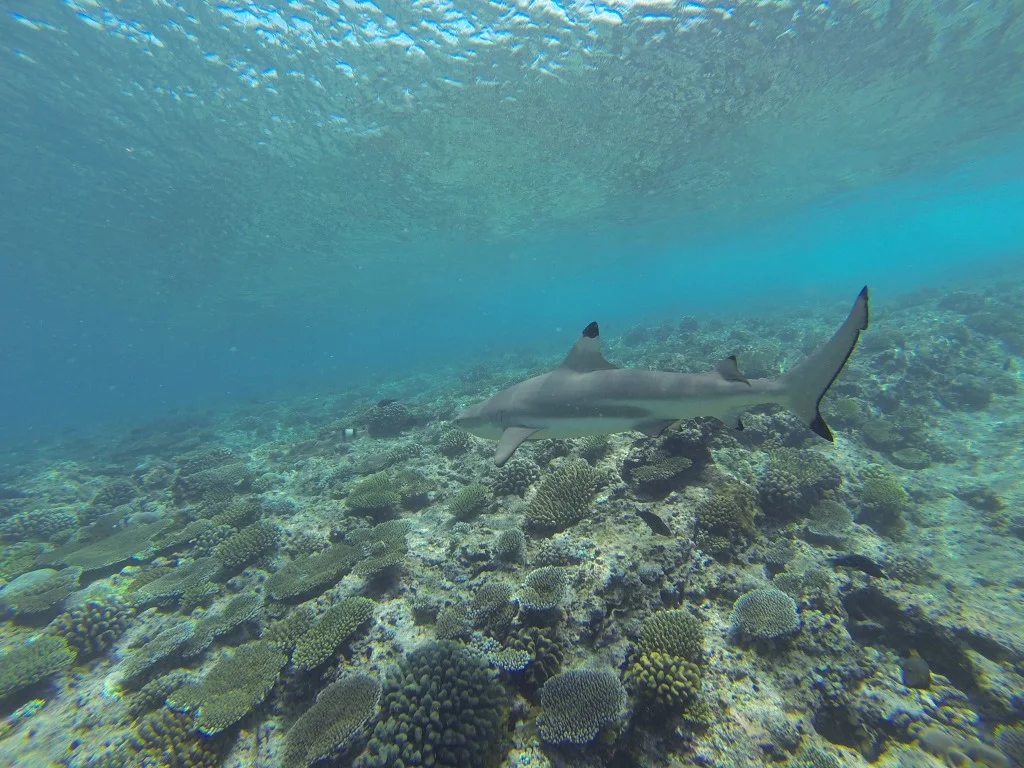
On occasion, larger pelagic species—including sharks, whales, dolphins, and turtles—have been observed in the broader area, contributing to the dynamic ecosystem surrounding this significant underwater landmark.

Dive Sites Near Puerto Pajares
View all dive sites in SpainDiscover more underwater gems in this area.
Dive Centers Near Puerto Pajares
Today: 09:00 - 18:30
Nearest Airports
Nearest airports to help plan travel to this dive area.
Search Flights
Check available flights and routes on Expedia, using the nearby airports listed in this section.
Search Flights on ExpediaFrequently Asked Questions
What makes Puerto Pajares a significant dive site?
Hosting the 'Barco de la Sal,' a 50-meter (164 ft) vessel sunk in 1978, it's considered one of Andalusia's best-preserved wrecks. Providing a fascinating glimpse into maritime history, it offers unique exploration opportunities.
What is the typical depth for diving the Puerto Pajares wreck?
Divers usually find the main wreck structure at around 28 meters, with the maximum reported site depth reaching 32 meters. Such depths make it a dive best suited for advanced certifications.
What level of diver certification is recommended for Puerto Pajares?
Due to its depth, the site is best suited for PADI Advanced Open Water Divers or those with equivalent training. Experience with deep dives is highly beneficial for this exploration.
Is Nitrox recommended for diving the 'Barco de la Sal'?
Yes, nitrox is often suggested for this dive given the wreck's depth. Using enriched air can help extend no-decompression limits, allowing for more time to explore the substantial wreck.
What marine life can divers expect to see at Puerto Pajares?
An artificial reef, the 'Barco de la Sal' attracts a variety of marine life that has colonized its structure. Sightings have included diverse fish species; occasionally, larger pelagics like sharks, dolphins, and turtles are observed nearby.
How is the dive site typically accessed?
Puerto Pajares is exclusively a boat entry dive site. Dive operators transport divers directly to the wreck's location.
When are the best months to dive Puerto Pajares?
Optimal conditions generally span from April through September, characterized by warmer air temperatures and calmer sea conditions. Favorable periods consistently receive higher dive scores.
Planning to dive Puerto Pajares?
Send one inquiry and receive offers directly from the best verified local dive operators.
Conditions are Moderate
High Wind Advisory (50km/h). Unsafe surface.
Current conditions near Puerto Pajares show 25° air, 22° sea temperature, 1.4 m waves, and 50 km/h wind. Forecast data is refreshed regularly to ensure accuracy.