
Diving at Pecio San Andrés (Spain)
Pecio San Andrés provides clear opportunities for divers interested in a historical wreck. A mid-19th century steamship rests at a maximum depth of 30 m / 98 ft, its structure largely colonized by astroids. While specific water temperatures aren't consistently reported, air temperatures during prime dive months typically range from 19-25°C / 66-77°F, supporting comfortable surface conditions. Boat access is the primary method for reaching this dive site.
Tonight's objective overview for Pecio San Andrés shows an air temperature of 21°C. The measured surface conditions include wave heights around 0.6 m. This environmental data is logged for the close of the day.
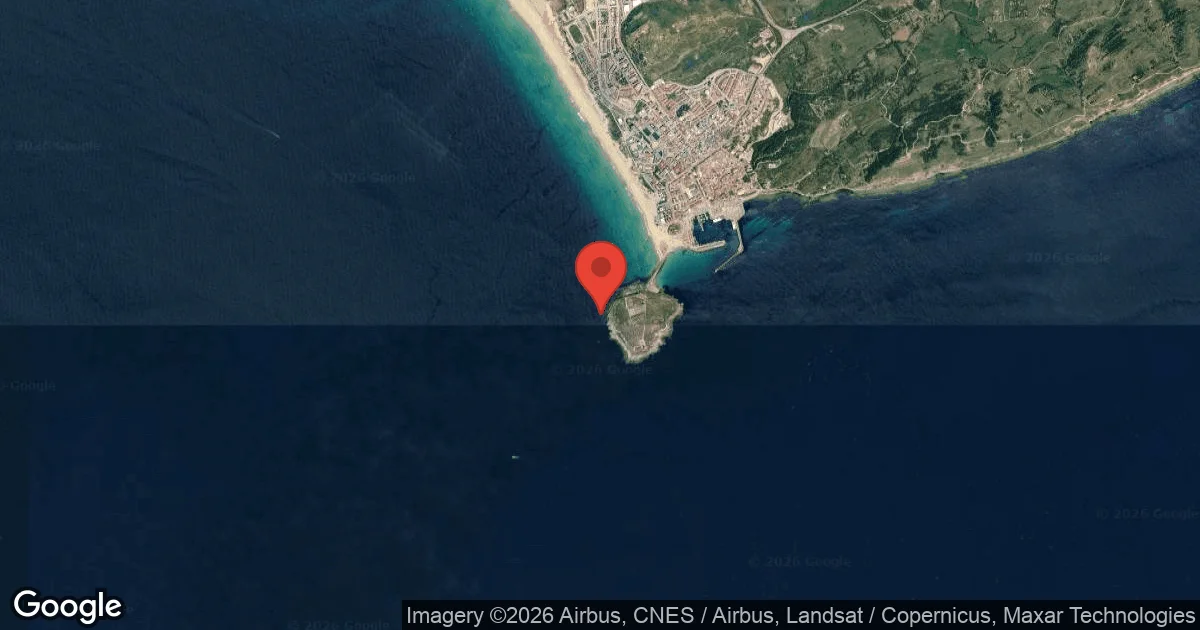
Dive Site Location & Key Facts
Dive Site Overview
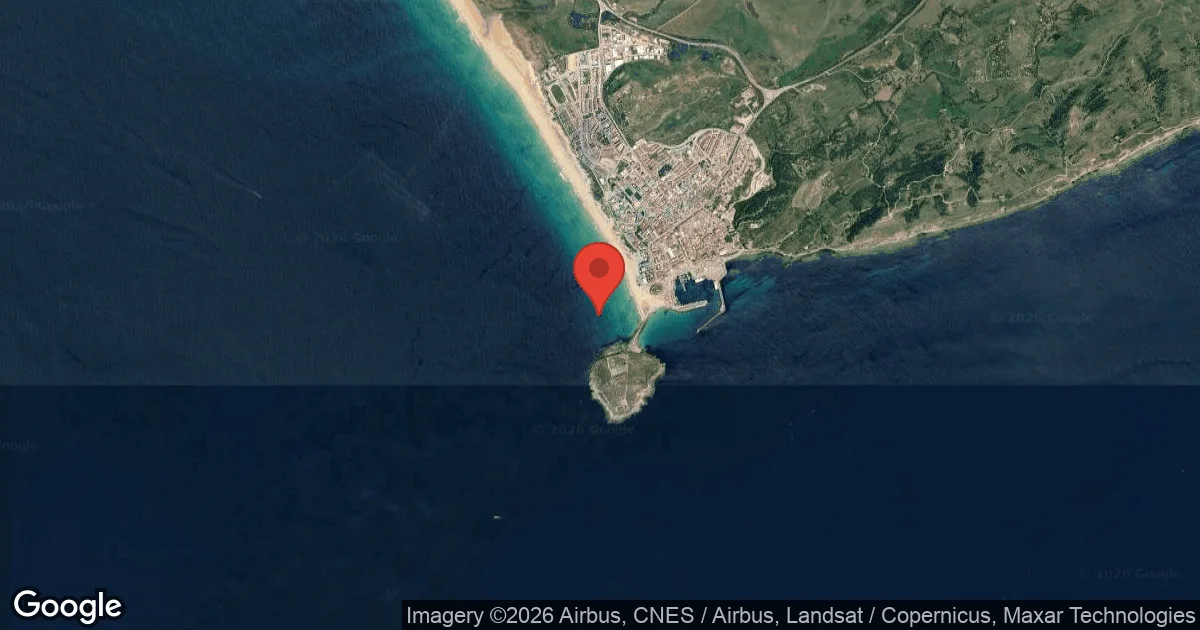
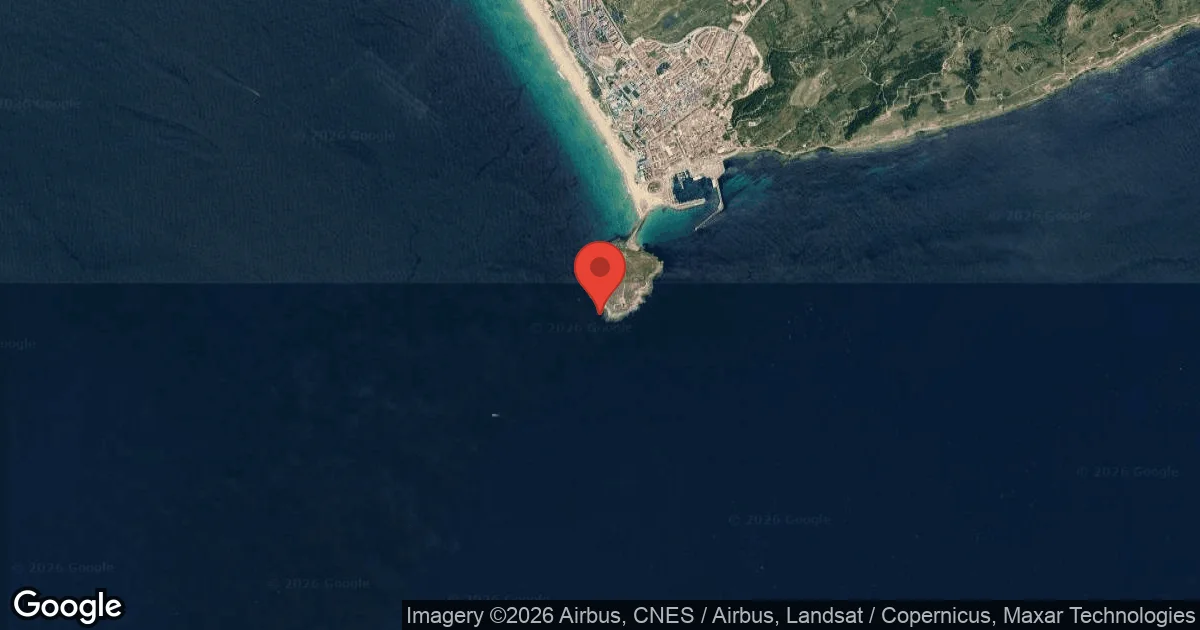
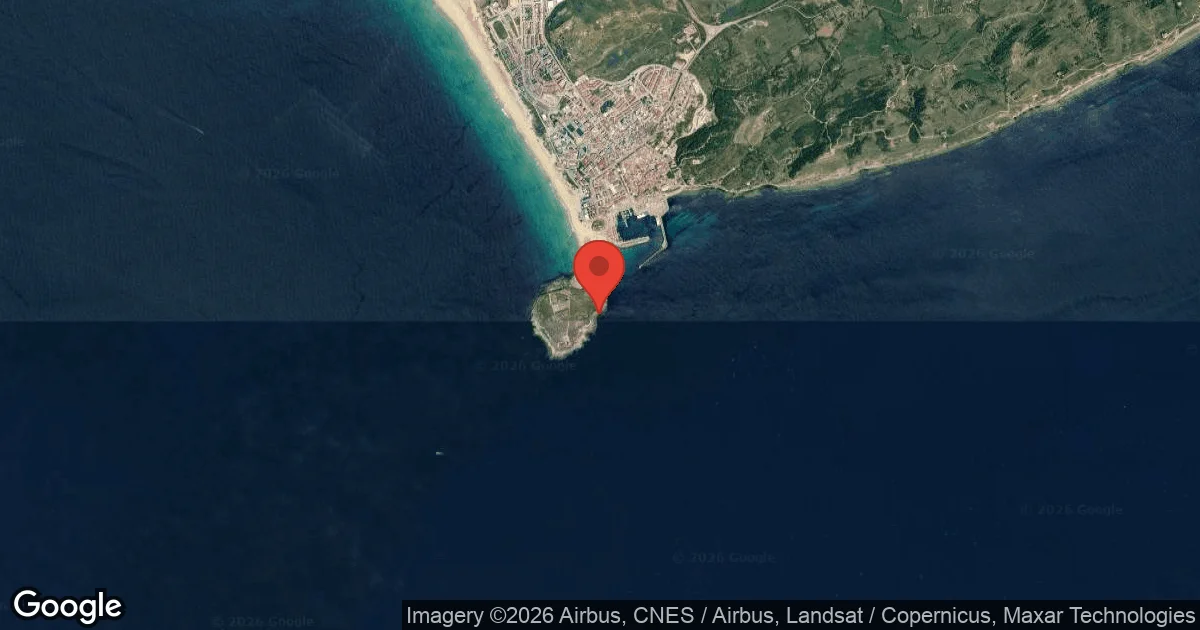
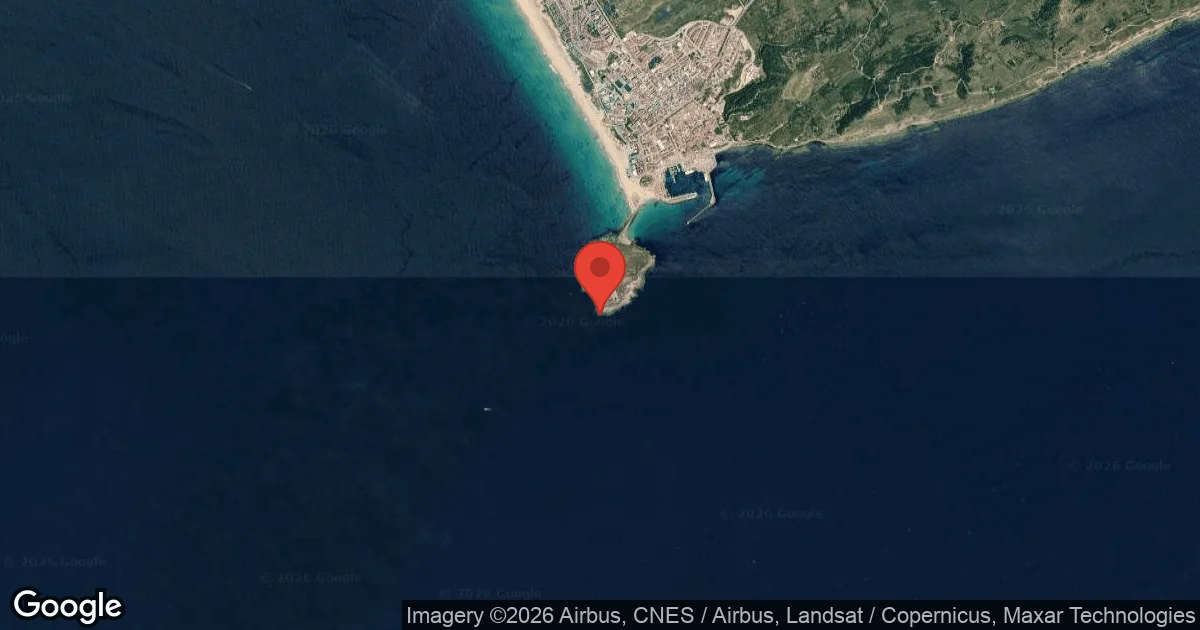
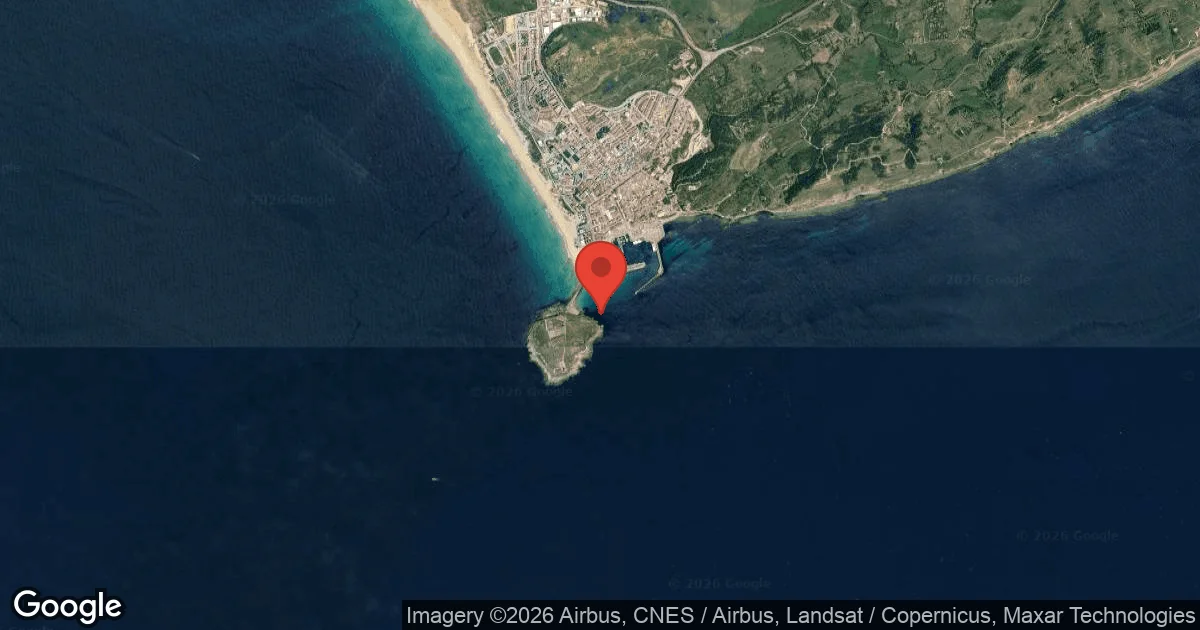
Submerged near the Island of Tarifa, the San Andrés steamship, built in England in 1853, lies as a testament to maritime history. Its final resting place was sealed by a collision with a freighter, leaving significant iron structures for divers to explore.
Descending, visitors will encounter remnants of the deck, alongside the two distinctive bushings that once propelled the vessel. Much of the hull displays numerous openings and holds, now serving as established habitats for a variety of marine species. These structural elements are not just historical artifacts; they form an integral, living reef.
Astroids have extensively colonized the wreck, creating a textured, biological overlay across its metal framework. From bow to stern, the site invites close inspection, with its maximum depth reaching 30 m / 98 ft.
Exploration requires appropriate certification, as its intricate nature provides ample opportunity for skilled navigation. Careful planning allows for thorough inspection of both the visible exterior and the fascinating internal architecture, which has evolved into a vibrant underwater ecosystem.
Conditions are Moderate
High Wind Advisory (51km/h). Unsafe surface.
Current conditions near Pecio San Andrés show 21° air, 22° sea temperature, 1.4 m waves, and 51 km/h wind. Forecast data is refreshed regularly to ensure accuracy.
Best Time to Dive
Diving Pecio San Andrés is generally favorable from April through September, with consistent 'Good' dive scores reported during these months. Air temperatures during this period are typically mild to warm, ranging from 17°C / 63°F in April to highs of 25-26°C / 77-79°F in July and August. Rain activity is notably low, often less than 1.5 mm, ensuring clearer surface conditions. While October sees a moderate dive score and increased rain (around 4.2 mm), November and December also present 'Good' scores, though with cooler air temperatures hovering between 13-16°C / 55-61°F. Divers can expect a more comfortable experience with better weather stability during the late spring and summer.
PEAK SEASON SCORE
Scores combine air & water temps, waves, wind & rainfall for overall conditions.
BEST MONTHS TO DIVE
Monthly records compiled from satellite and marine observation nodes over the last 3 years. Data provided by Open-Meteo and MET Norway.
Dive Experience & Conditions
Accessing Pecio San Andrés is exclusively by boat, usually a short ride from shore. Upon descent, divers encounter a substantial wreck structure, immediately inviting close inspection. A defining feature of the site involves the intricate network of openings and holes throughout the steamship's remains. These apertures are integral to the diver's experience, providing both sheltered areas for marine life and interesting swim-through possibilities for those with appropriate training and comfort levels. Conditions vary; local currents and recent weather significantly influence visibility, which can range from moderate to good. While water temperature isn't consistently reported, the site's depth places it below significant surface chop, offering calmer conditions around the wreck itself. Navigating around the historical ironwork requires proficient buoyancy control to fully appreciate the details and avoid disturbing the established marine inhabitants. Engaging with the wreck demands attentiveness to its structure and the surrounding environment.
Dive Difficulty & Safety Guidelines
When exploring Pecio San Andrés, divers should prioritize careful buoyancy control, particularly given the wreck's many holes and openings. This site is considered an overhead environment in certain sections, necessitating specific training and equipment for any penetration. Untrained divers should avoid entering confined spaces within the wreck structure.
Always consult with local dive operators regarding current conditions, as these can influence the dive's complexity. A well-maintained dive computer and a surface marker buoy are practical items for any diver here.
Recommended Equipment
Overhead / entanglement risk. Wreck penetration requires proper training.
- Dive Computer
- DSMB
- Primary & Backup Lights
- Wreck Reel
- Cutting Tool
This gear list is based on verified equipment signals for Pecio San Andrés, Spain. Always confirm final gear choices with your dive operator, guide, or liveaboard.
Recommended Dive Suit
For dives of average duration, 3-5mm wetsuit usually provides sufficient protection from heat loss. Consider warmer surface protection (like a boat coat) due to brisk winds. Surface intervals may feel cooler.
Current readings at Pecio San Andrés show water temperatures near 22°C (71°F). Surface air temperatures are resting at 21°C (70°F).
Environmental models indicate a modest warming trend ahead. A warming trend is expected over the next few days.
Emergency & Medical Support
Essential information to help you plan your dive trip to Pecio San Andrés.

Hyperbaric chambers are a critical part of dive safety infrastructure. Availability varies significantly by region, and not all dive areas have immediate access.
Before diving, it's recommended to:
- confirm nearest medical facilities
- check emergency procedures with local dive operators
- ensure dive insurance covers evacuation if required
Divers Alert Network
Diving emergency assistance available through DAN Europe.
+39 0642115685- 24/7 emergency hotline
- Diving medical assistance
- Evacuation coordination
Emergency contacts are provided for reference. Always verify local emergency services before diving.
Marine Life at Pecio San Andrés
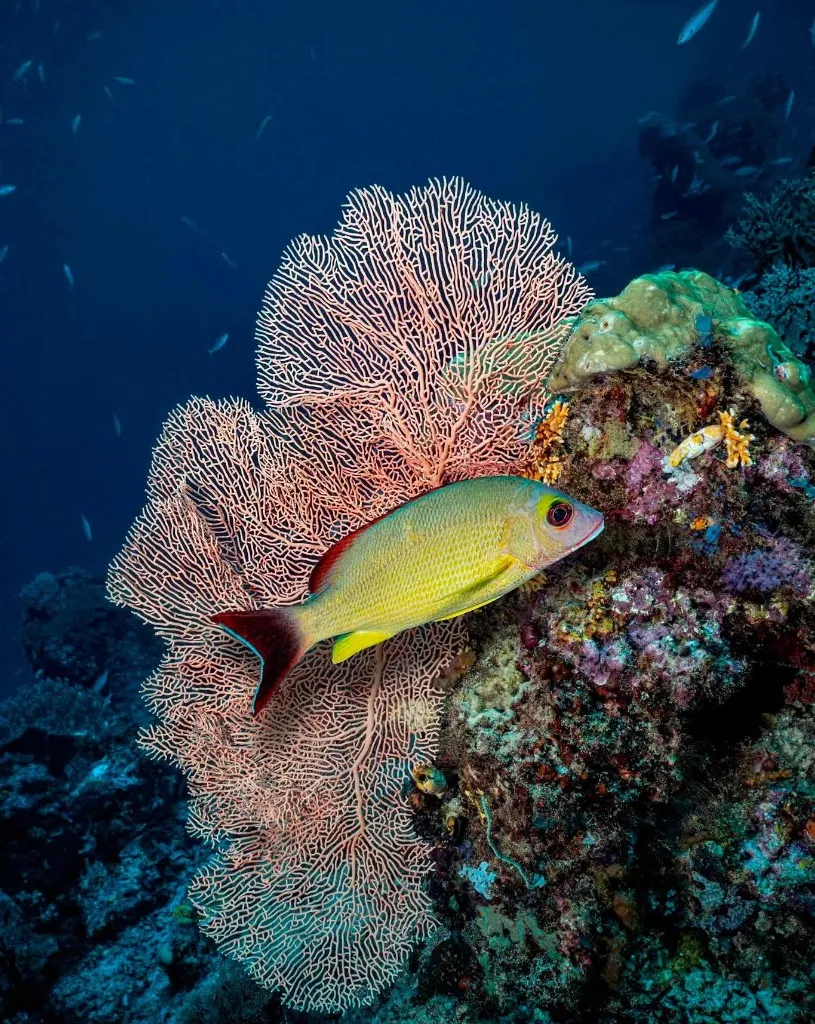
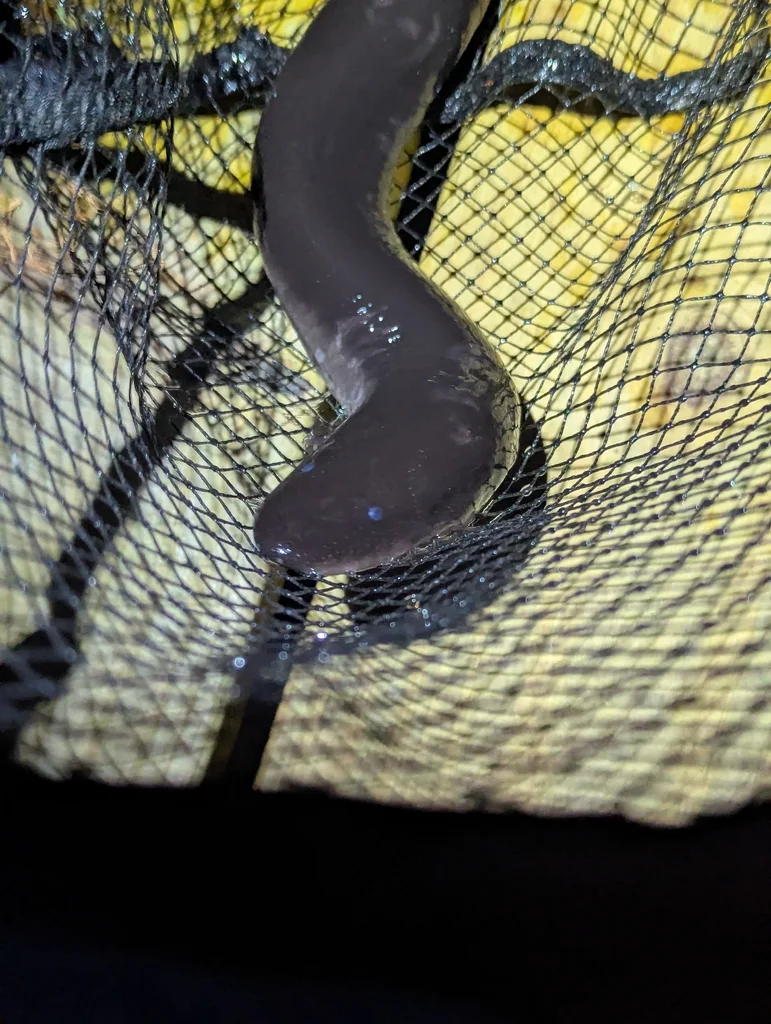
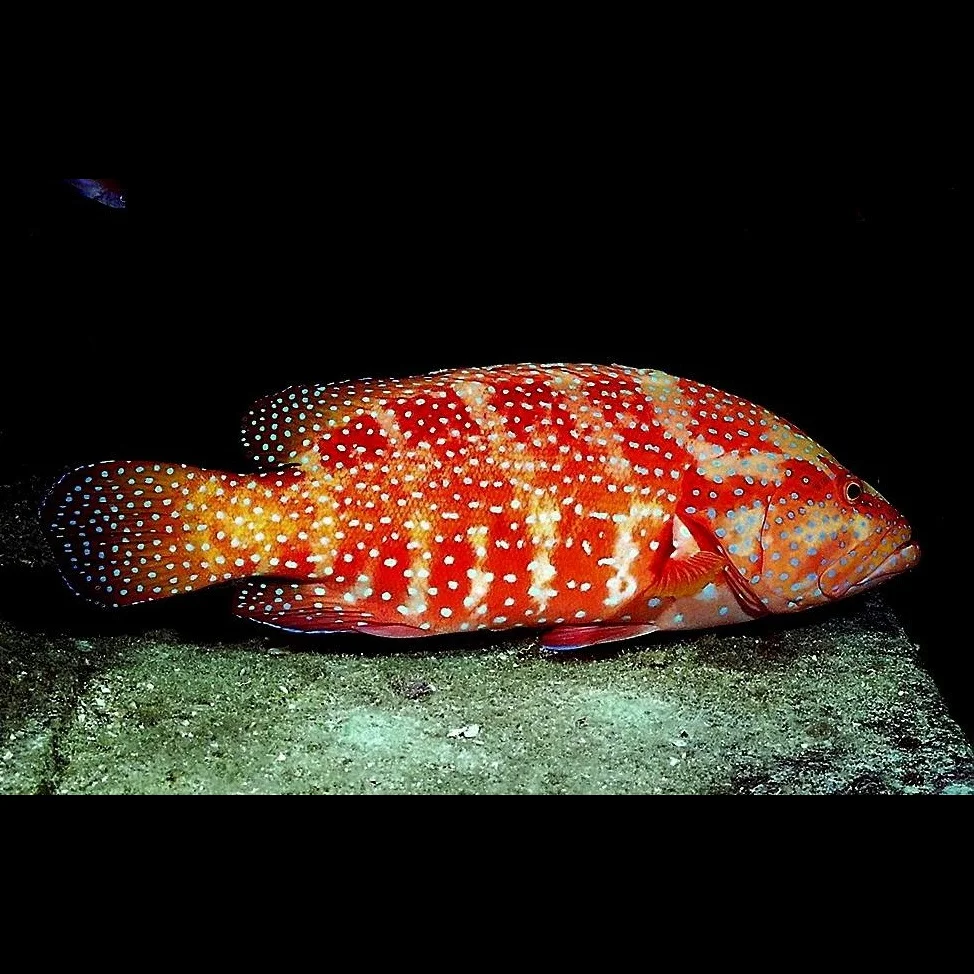
The underwater landscape of the San Andrés wreck is a vibrant habitat for diverse species, largely due to its thoroughly colonized structure. The wreck's numerous holes and openings frequently shelter groupers and conger eels.
Observant divers might also spot ocean sunfish engaging in cleaning behaviors at a designated station within the vicinity. Beyond larger inhabitants, the entire wreck is notably covered and integrated with astroids, adding texture and color to the sunken steamship's iron framework.

Dive Sites Near Pecio San Andrés
View all dive sites in SpainDiscover more underwater gems in this area.
Dive Centers Near Pecio San Andrés
Today: 09:00 - 18:30
Nearest Airports
Nearest airports to help plan travel to this dive area.
Search Flights
Check available flights and routes on Expedia, using the nearby airports listed in this section.
Search Flights on ExpediaFrequently Asked Questions
What is the maximum depth of Pecio San Andrés?
Pecio San Andrés reaches a maximum depth of 30 m / 98 ft. This makes it suitable for advanced open water divers or those with equivalent certification.
What kind of wreck is Pecio San Andrés?
It is the submerged remains of a mid-19th century steamship, built in England in 1853. Its structures include parts of the deck, hull openings, and remnants of its propulsion system.
What marine life can be seen on the wreck?
The wreck is extensively colonized by astroids, providing habitat for groupers and conger eels within its openings. Ocean sunfish have also been observed nearby at cleaning stations.
When is the best time to dive Pecio San Andrés?
Diving is generally favorable from April through September, offering consistent 'Good' dive scores and milder air temperatures. November and December can also provide good conditions, though cooler.
Are there any specific safety considerations for this wreck?
Divers must maintain careful buoyancy control due to the wreck's many holes and openings. Certain sections are considered overhead environments, requiring specific training for penetration. Untrained divers should avoid entering confined spaces.
How do local conditions affect diving at the site?
Visibility varies with local currents and recent weather patterns. While water temperature data isn't consistently reported, the depth generally places the wreck below significant surface chop, contributing to calmer conditions at the site.
Planning to dive Pecio San Andrés?
Send one inquiry and receive offers directly from the best verified local dive operators.
Conditions are Moderate
High Wind Advisory (51km/h). Unsafe surface.
Current conditions near Pecio San Andrés show 21° air, 22° sea temperature, 1.4 m waves, and 51 km/h wind. Forecast data is refreshed regularly to ensure accuracy.