
Diving at Las Calderas (Spain)
Scattered remains of an early 20th-century steamer, Las Calderas, offer a vibrant refuge for marine life. Divers navigating the wreckage frequently encounter lobsters and spider crabs nestled within crevices. Gorgonians and nudibranchs contribute to the colorful ecosystem, thriving on the sunken structure and its surrounding rocky seafloor. Historical artifacts transform into focal points for underwater biodiversity here.
Evening condition tracking at Las Calderas features an air temperature of 21°C. We have recorded wave heights measuring 0.3 m during this period. These figures outline the environmental parameters currently present.
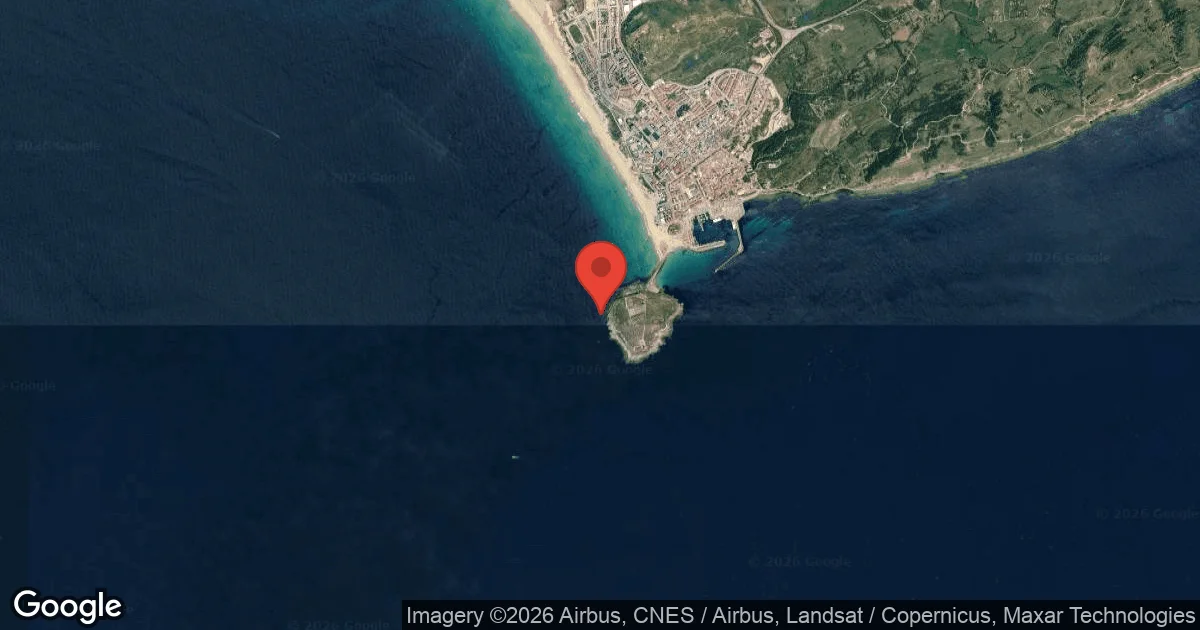
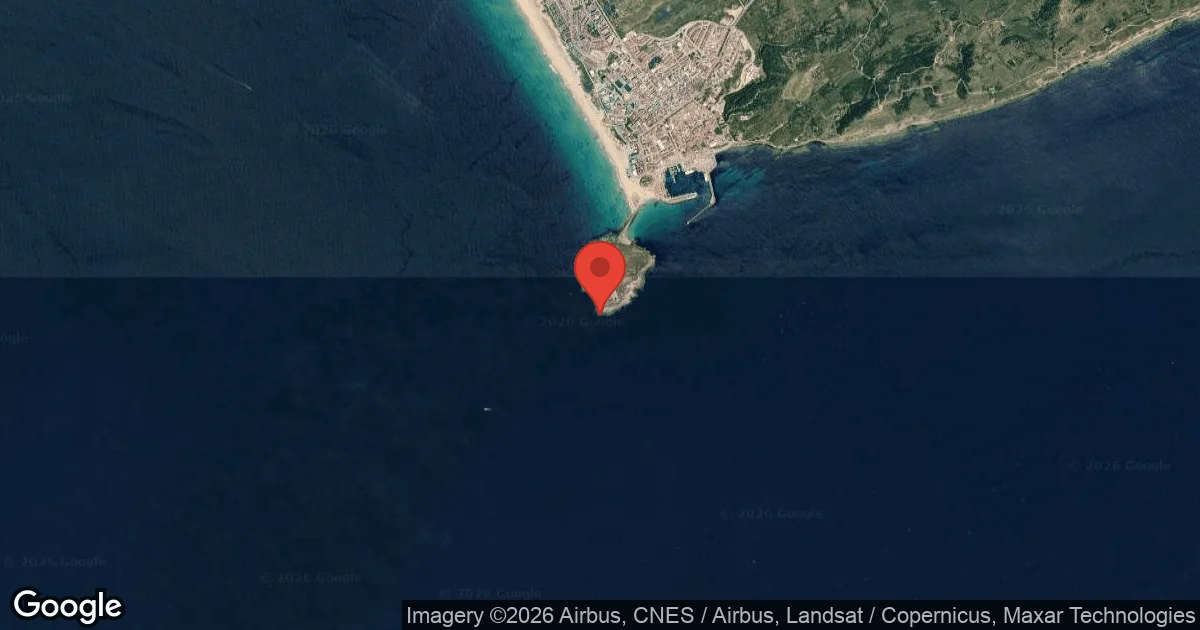
Dive Site Location & Key Facts
Dive Site Overview
Descend into a historical narrative at Las Calderas, exploring the skeletal remains of an early 20th-century steamer. Named for three prominent boilers, or 'calderas,' these features are clearly visible amongst the debris.
Wreck components are not consolidated; instead, they lie scattered over a considerable area, creating a dynamic environment for investigation. Divers trace the ship's history by navigating through its dispersed superstructure parts, experiencing a wide field of debris. Exploration reveals sections ranging from 5 to 23 m (16-75 ft), accommodating various certification levels.
Below, a diverse underwater topography awaits, featuring individual ship parts, natural rock corridors, and sandy expanses. Such varied conditions ensure both novice and experienced divers find engaging routes and features.
Expect distinct wall areas, a sandy bottom, and intricate rock formations, providing different exploration patterns. Marine life frequently seeks shelter within the numerous crevices and hidden corners of the scattered wreck, inviting closer inspection. Navigating these varied structures provides continuous interest.
Conditions are Moderate
High Wind Advisory (42km/h). Unsafe surface.
Current conditions near Las Calderas show 21° air, 22° sea temperature, 1.5 m waves, and 42 km/h wind. Forecast data is refreshed regularly to ensure accuracy.
Best Time to Dive
Diving conditions at Las Calderas typically show seasonal variations, offering prime opportunities from late spring through early autumn, then again in late autumn. Months like May through September often present the most favorable conditions, with average air temperatures ranging from 19°C (66°F) to 25.5°C (78°F). During this period, rainfall is minimal, often less than 1mm, and wave heights generally remain below 1 meter, contributing to better visibility and calmer seas. In contrast, early spring months like January to March, while still moderate, see higher average wave heights around 1.8-1.9 m (6-6.2 ft) and air temperatures in the 13-14°C (55-57°F) range, alongside slightly increased rainfall. Late autumn, particularly November and December, improves again with good dive scores, albeit with cooler air temperatures of 13-16°C (55-61°F) and moderate rainfall.
PEAK SEASON SCORE
Scores combine air & water temps, waves, wind & rainfall for overall conditions.
BEST MONTHS TO DIVE
Monthly records compiled from satellite and marine observation nodes over the last 3 years. Data provided by Open-Meteo and MET Norway.
Dive Experience & Conditions
As you begin your descent at Las Calderas, the initial view often reveals a sandy seafloor transitioning into rugged rocky formations. The prominent boilers, which give the site its name, emerge first, signaling the core of the wreck site. Divers then explore the surrounding, rather deteriorated remains of the early 20th-century steamboat, scattered across a wide area. The varied underwater configuration includes distinct wall areas, sandy bottoms, and natural rock corridors that allow for different routes and extended exploration. Maximum depth reaches around 23 m (75 ft), but divers can find engaging features and marine life across shallower sections, too. The site's diverse structure supports various exploration patterns, whether focusing on the wreck itself or the adjacent geological formations.
Dive Difficulty & Safety Guidelines
Navigating the scattered debris field of Las Calderas requires careful buoyancy control and awareness, especially around the older, deteriorating wreck components. While the site accommodates various skill levels, the nature of a dispersed wreck means attention to potential entanglement points is prudent. Given that some local dive points in this Atlantic zone may not have a Natural Park buoy, dive operators often use their boat's anchor.
This mandates precise boat handling and clear communication between the dive master and divers. Always maintain appropriate distances from the wreck structure to prevent disturbing sediment or encountering sharp edges.
Recommended Equipment
Overhead / entanglement risk. Wreck penetration requires proper training.
- Dive Computer
- DSMB
- Primary & Backup Lights
- Wreck Reel
- Cutting Tool
This gear list is based on verified equipment signals for Las Calderas, Spain. Always confirm final gear choices with your dive operator, guide, or liveaboard.
Recommended Dive Suit
In conditions like these, many divers prefer diving with 3-5mm wetsuit. Surface intervals may feel cooler.
Divers planning a dive at Las Calderas today will likely encounter water temperatures close to 22°C (72°F). Surface air temperatures are resting at 21°C (70°F).
Environmental models indicate a modest warming trend ahead. A warming trend is expected over the next few days.
Due to technical issues with our weather providers, data hasn't been fetched for over 48 hours. The data above reflects the conditions at the time of the last successful fetch.
Emergency & Medical Support
Essential information to help you plan your dive trip to Las Calderas.

Hyperbaric chambers are a critical part of dive safety infrastructure. Availability varies significantly by region, and not all dive areas have immediate access.
Before diving, it's recommended to:
- confirm nearest medical facilities
- check emergency procedures with local dive operators
- ensure dive insurance covers evacuation if required
Divers Alert Network
Diving emergency assistance available through DAN Europe.
+39 0642115685- 24/7 emergency hotline
- Diving medical assistance
- Evacuation coordination
Emergency contacts are provided for reference. Always verify local emergency services before diving.
Marine Life at Las Calderas
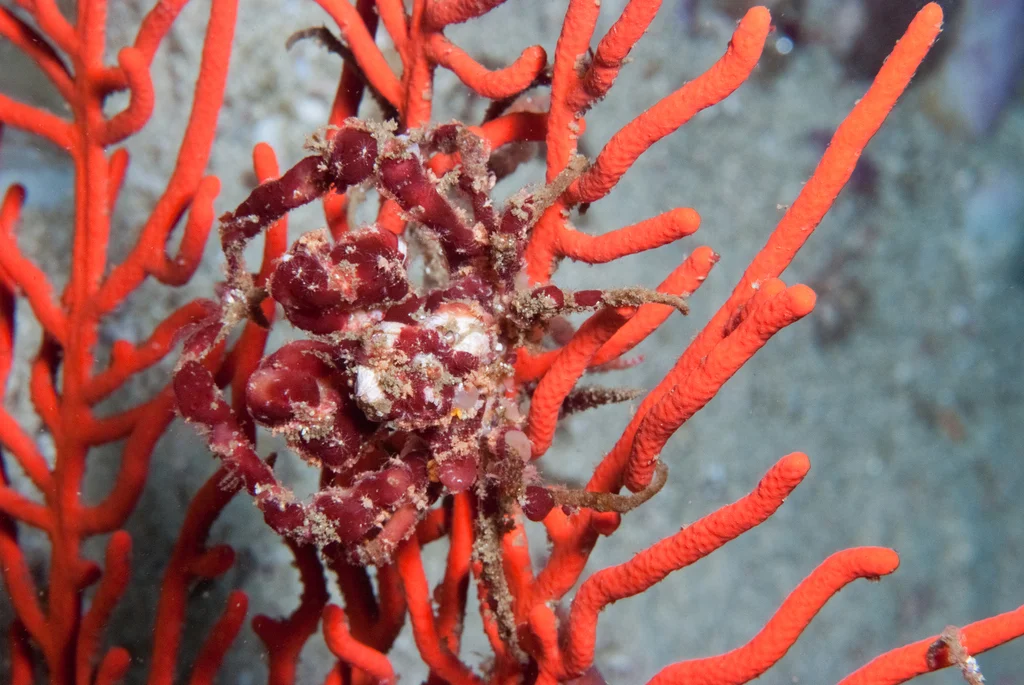
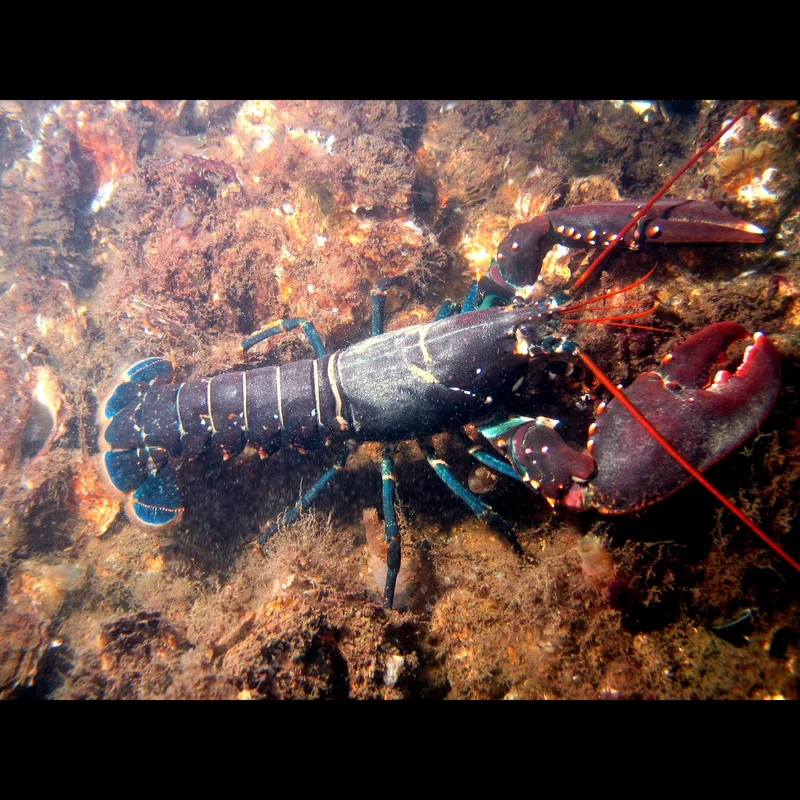
The underwater landscape at Las Calderas is largely defined by the historical wreck, which acts as an artificial reef, attracting diverse fauna. Here, lobsters and spider crabs often seek shelter within the collapsed metal framework and rocky crevices.
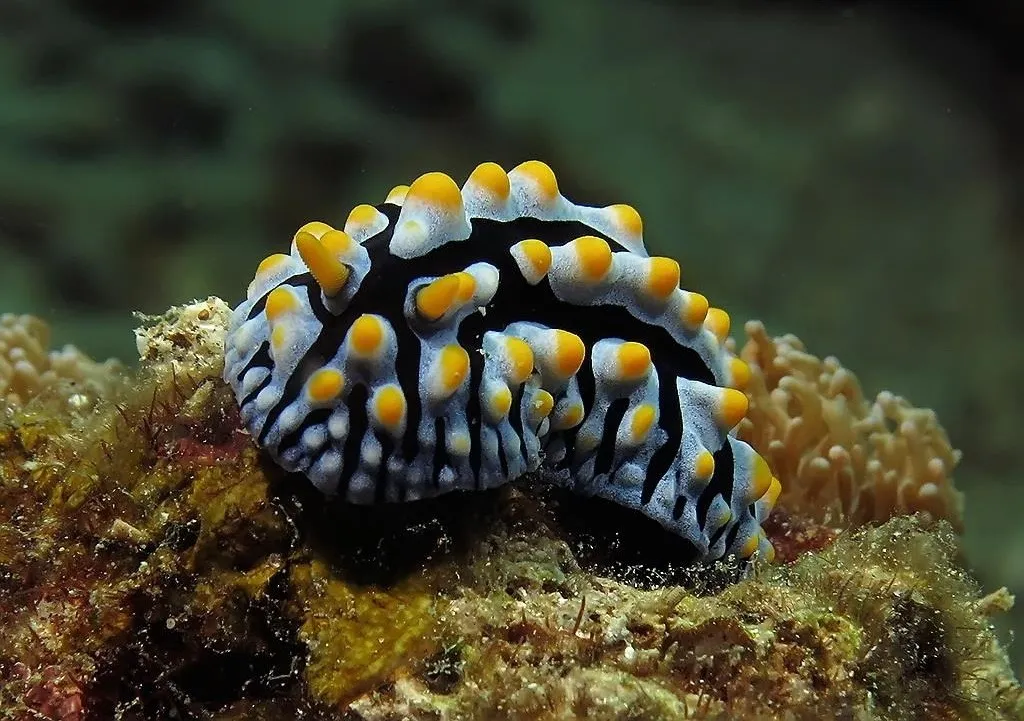
Patches of gorgonians provide a soft coral backdrop, while observant divers may spot various nudibranchs adhering to the wreck and surrounding hard surfaces. The steamboat's nooks and crannies are particularly rewarding for those looking to discover smaller, hidden creatures, adding an element of surprise to each dive.

Dive Sites Near Las Calderas
View all dive sites in SpainDiscover more underwater gems in this area.
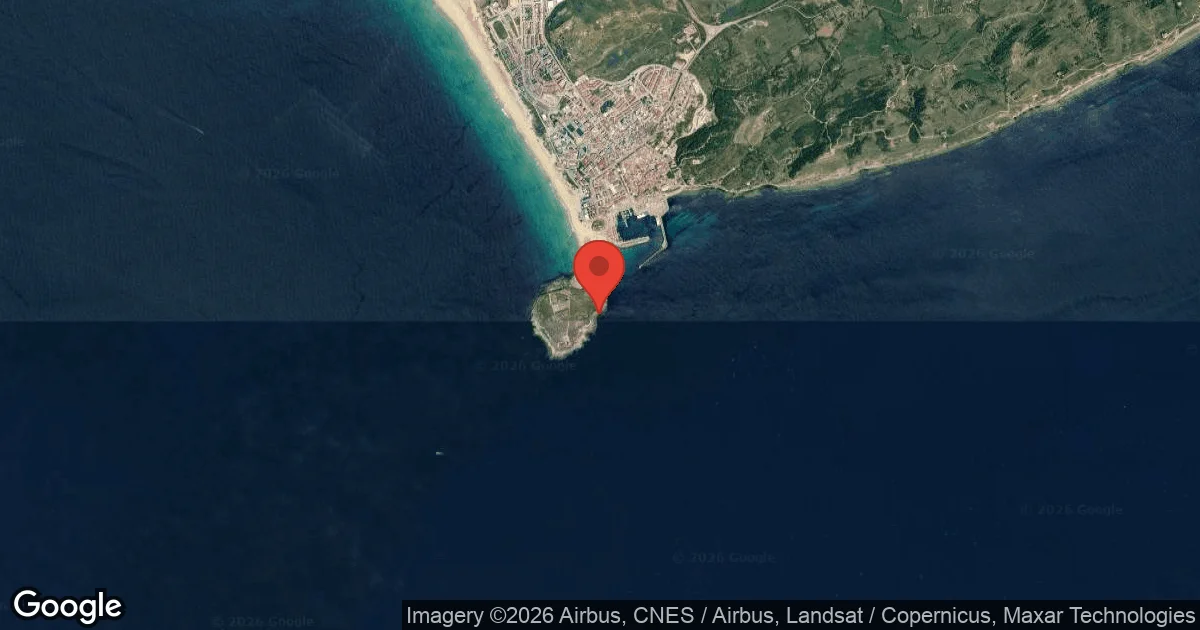
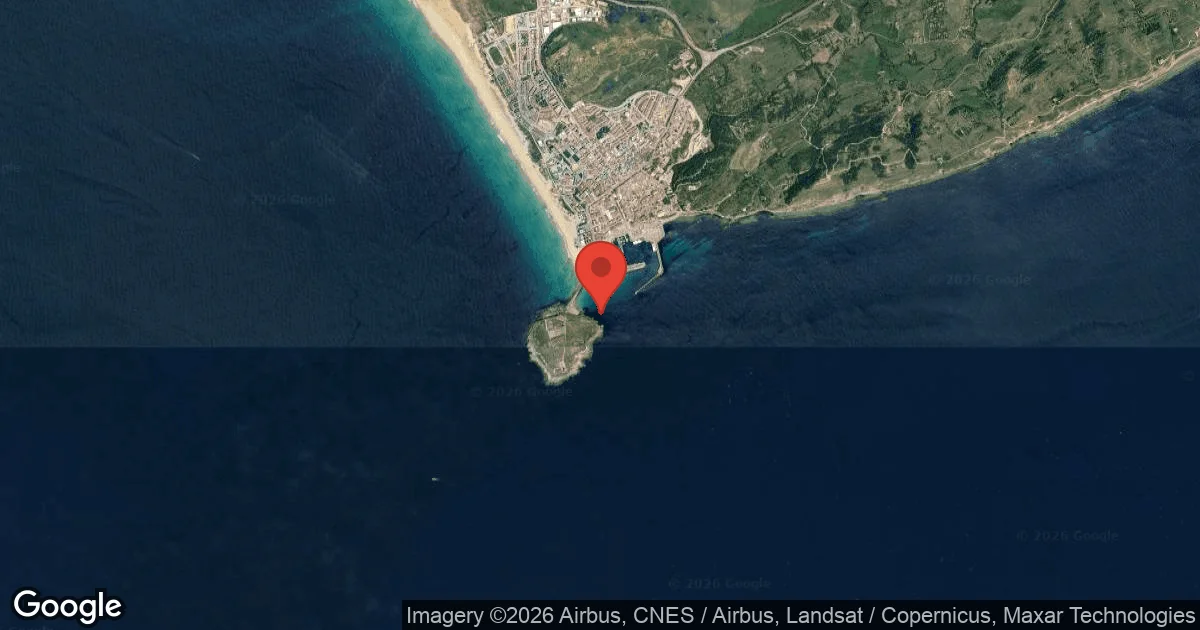
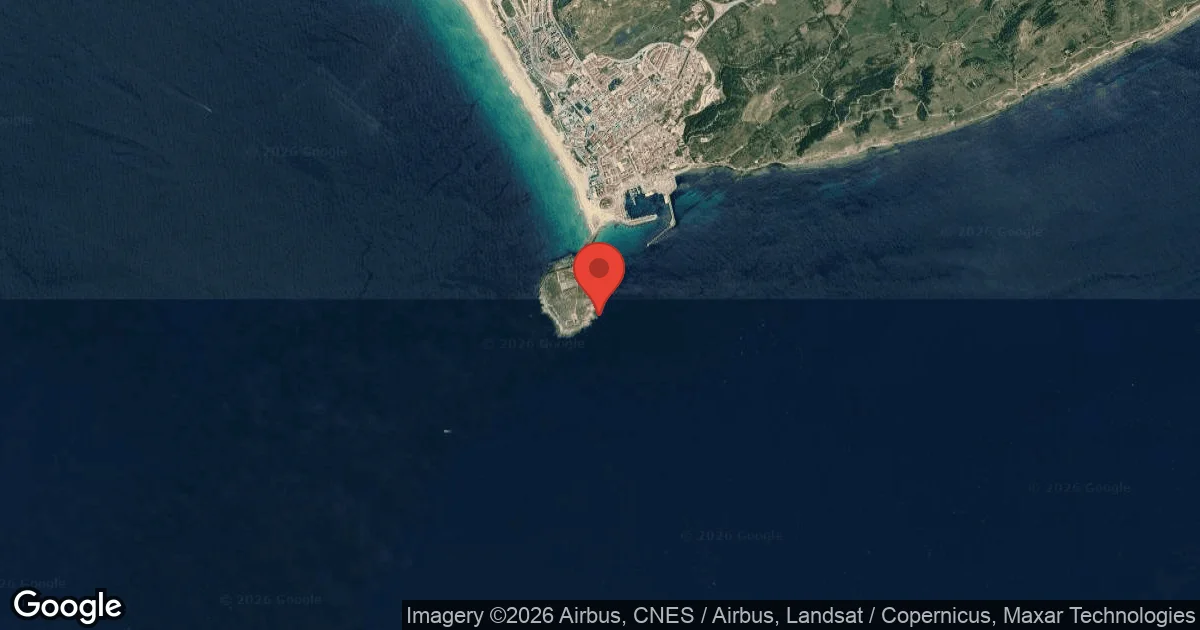
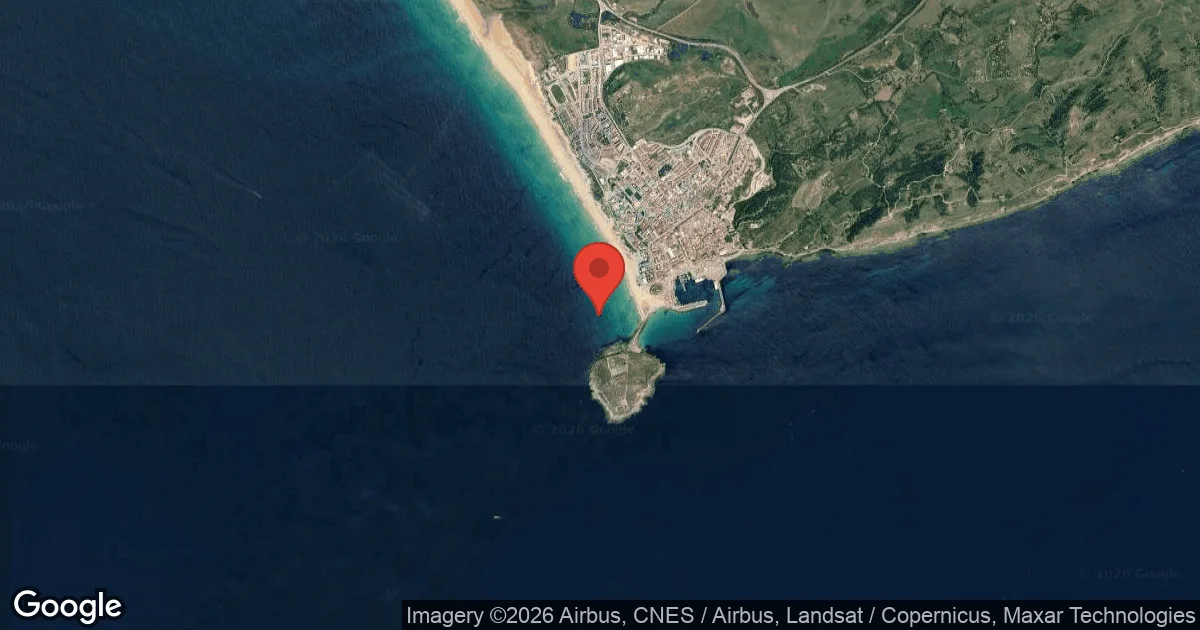
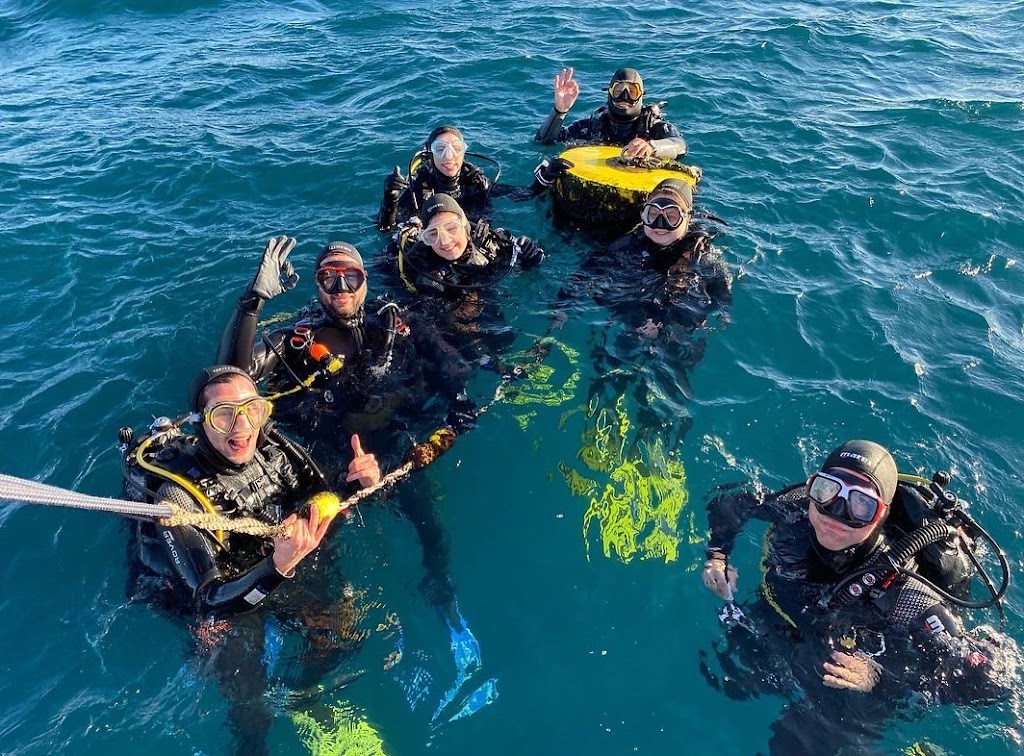
Dive Centers Near Las Calderas
Today: 09:00 - 18:30
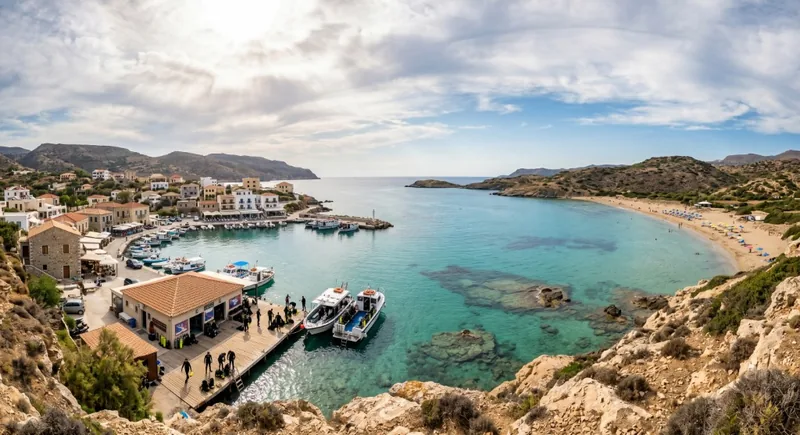
Nearest Airports
Nearest airports to help plan travel to this dive area.
Search Flights
Check available flights and routes on Expedia, using the nearby airports listed in this section.
Search Flights on ExpediaFrequently Asked Questions
What is the Las Calderas dive site?
Las Calderas is a dive site featuring the scattered remains of an early 20th-century steamboat. It gets its name from three large boilers, or 'calderas,' which are prominent features of the wreck. The site offers a combination of historical exploration and marine life observation.
What is the maximum depth at Las Calderas?
The dive site features a maximum depth of 23 meters (75 feet). However, the wreck's scattered parts and surrounding topography also offer shallower sections for exploration, with some areas starting at 5 meters (16 feet).
What marine life can be observed here?
Divers frequently encounter lobsters and spider crabs inhabiting the wreck's crevices. The site also hosts various gorgonians and nudibranchs, contributing to a vibrant ecosystem. Other general fish species found around the island of Tarifa may also be present.
Is Las Calderas suitable for beginner divers?
Yes, Las Calderas is suitable for both beginners and advanced divers. Its varied underwater configuration, including rock corridors and sandy bottoms, allows for different routes and accommodates various skill levels.
How is the dive site accessed?
Access to Las Calderas is typically by boat. Divers are usually transported by local dive operators to the site, as beach access is not commonly reported for this specific wreck.
When is the best time of year to dive Las Calderas?
The most favorable diving conditions generally occur from May through September, and again in November and December. During these periods, air temperatures are milder, rainfall is lower, and wave heights are typically more manageable, leading to improved underwater visibility.
What is the underwater topography like?
The underwater topography at Las Calderas consists of the scattered wreck components of the steamboat, including the three large boilers. These are set amidst natural formations such as wall areas, sandy bottoms, and rock corridors, creating a diverse environment for exploration.
Planning to dive Las Calderas?
Send one inquiry and receive offers directly from the best verified local dive operators.
Conditions are Moderate
High Wind Advisory (42km/h). Unsafe surface.
Current conditions near Las Calderas show 21° air, 22° sea temperature, 1.5 m waves, and 42 km/h wind. Forecast data is refreshed regularly to ensure accuracy.