
Diving at Kostervraket (Sweden)
Exploring Kostervraket, a significant historical wreck in Sweden, appeals specifically to certified advanced divers. With its maximum depth reaching 36 m (118 ft), this site requires proficiency in deep diving techniques. Wreck penetration skills are invaluable for appreciating its intact structure and cargo, making it a compelling challenge for those with specialized training.
Tonight's objective overview for Kostervraket shows an air temperature of 13°C. The measured surface conditions include wave heights around 0.9 m. This environmental data is logged for the close of the day.
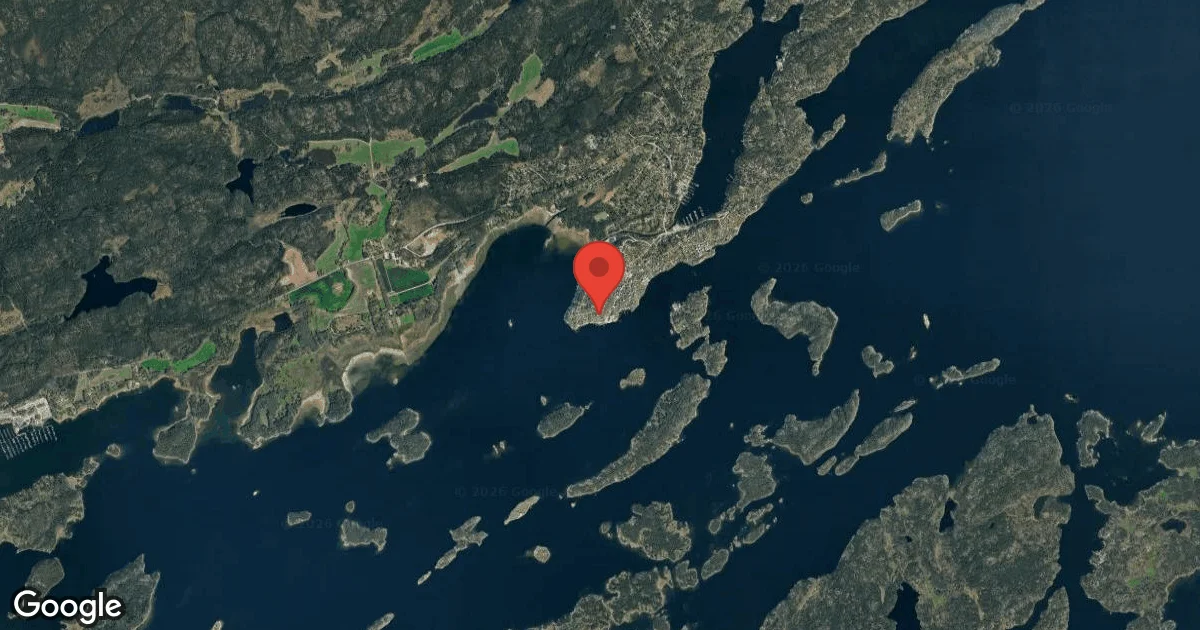
Dive Site Location & Key Facts
Dive Site Overview
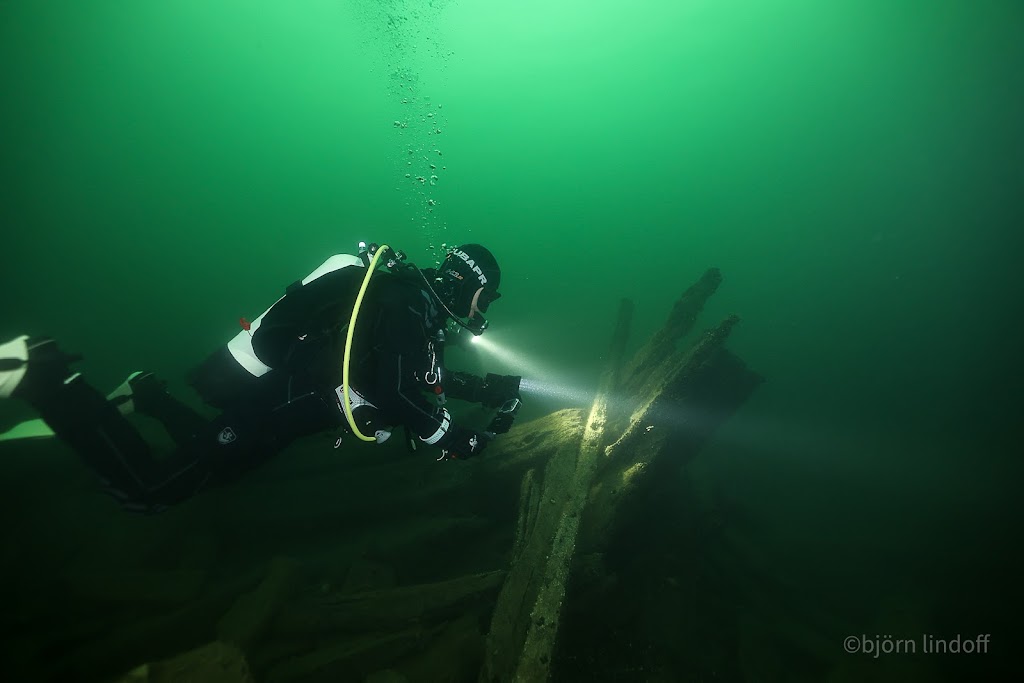
The Kostervraket wreck holds a captivating, if somewhat debated, history. Originally identified by HMS Koster while on a mission to locate a lost torpedo, later investigations suggest this to be the Concordia, a Galeas that foundered in 1754 during a storm.
This vessel was a typical mid-18th-century merchant ship, and its story remains largely unrecorded beyond the theories surrounding its demise. The wreck lies upright and remarkably hull-intact at approximately 35 m (115 ft) in Mysingen. Divers can observe various preserved cargo, including different types of seeds, barrels, bottles, and clay pipes, scattered around and within the structure.
Measuring 17 meters (56 ft) in length, the wreck rises about 5 meters (16 ft) from the seabed, offering substantial features to explore. An ongoing local discussion exists regarding the placement of a permanent mooring buoy, with municipalities sometimes deploying them while the Swedish Maritime Administration often removes them.
Conditions are Moderate
High Wind Advisory (45km/h). Unsafe surface.
Current conditions near Kostervraket show 13° air, 12° sea temperature, 1.2 m waves, and 45 km/h wind. Forecast data is refreshed regularly to ensure accuracy.
Best Time to Dive
Divers seeking optimal conditions for Kostervraket generally find the late spring and early summer months most rewarding. May and June stand out with 'Excellent' dive scores, benefiting from milder air temperatures averaging around 10.5°C (51°F) in May and 16°C (61°F) in June. Rainfall during these months is also relatively low, with about 1.1 mm in May and 1.9 mm in June, contributing to more stable surface conditions. Other months from March through November consistently offer 'Good' dive scores, although air temperatures drop significantly outside of summer, reaching lows of -1.5°C (35°F) in February. Expect cooler water temperatures characteristic of northern European diving throughout the year, necessitating appropriate thermal protection.
PEAK SEASON SCORE
Scores combine air & water temps, waves, wind & rainfall for overall conditions.
BEST MONTHS TO DIVE
Monthly records compiled from satellite and marine observation nodes over the last 3 years. Data provided by Open-Meteo and MET Norway.
Dive Experience & Conditions
Accessing this dive site is exclusively by boat, typically involving a short ride to the coordinates 58.95036, 18.15285. Water conditions at Kostervraket are brackish, which is common in many Swedish coastal areas, and can influence visibility depending on recent weather and currents. The wreck itself rests at a maximum depth of 36 m (118 ft), with its hull largely intact around 35 m (115 ft). Surface conditions can be impacted by wind, which varies, with average speeds generally below 20 km/h (12 mph) during peak dive seasons, influencing wave height. Divers should anticipate cold water and be prepared for limited light penetration at depth.
Dive Difficulty & Safety Guidelines
Approaching any deep wreck dive like Kostervraket requires careful preparation and adherence to established safety protocols. Divers should hold at least PADI Deep Diver and PADI Wreck Diver certifications to safely manage the depths and potential overhead environments found within the wreck. Prudent dive planning includes assessing currents, which are not consistently reported but can vary depending on local conditions.
While no specific hazards are routinely detailed for this site, the typical risks associated with cold water, low visibility, and penetration diving always apply. Maintaining proper buoyancy control is critical to protect the fragile historical artifacts and the wreck's structure.
Within the broader Kosterhavet National Park, there are ongoing discussions and proposals for diving bans in specific areas, primarily to protect deep-water eye coral reefs at 80-120 meters, though these proposals are not directly tied to Kostervraket's recreational dive depth.
Recommended Equipment
Deep dive hazard. Increased narcosis and gas consumption risk.
Overhead / entanglement risk. Wreck penetration requires proper training.
- Dive Computer
- DSMB
- Primary & Backup Lights
- Wreck Reel
- Cutting Tool
This gear list is based on verified equipment signals for Kostervraket, Sweden. Always confirm final gear choices with your dive operator, guide, or liveaboard.
Recommended Dive Suit
A warming trend is expected over the next few days. A warming trend is expected over the next few days.
Factors such as dive duration, depth, and activity level can influence how warm a diver feels underwater. Stronger winds may also make surface intervals feel cooler than usual. Surface intervals may feel noticeably cooler once you exit the water.
7mm wetsuit or semidry typically balances flexibility and thermal protection in these temperatures. Consider warmer surface protection (like a boat coat) due to brisk winds. A thermal robe or jacket is recommended between dives. Divers preparing to enter the water at Kostervraket will likely find temperatures around 12°C (54°F) today. Surface air temperatures are resting at 13°C (56°F).
Emergency & Medical Support
Essential information to help you plan your dive trip to Kostervraket.

Hyperbaric chambers are a critical part of dive safety infrastructure. Availability varies significantly by region, and not all dive areas have immediate access.
Before diving, it's recommended to:
- confirm nearest medical facilities
- check emergency procedures with local dive operators
- ensure dive insurance covers evacuation if required
Divers Alert Network
Diving emergency assistance available through DAN Europe.
+39 0642115685- 24/7 emergency hotline
- Diving medical assistance
- Evacuation coordination
Emergency contacts are provided for reference. Always verify local emergency services before diving.
Closest Listed Hyperbaric Chambers
Showing listed hyperbaric chamber facilities within 200 km of this dive site.
Distances are approximate straight-line distances and may not reflect emergency travel time.
Karolinska Univeristy Hospital, Solna
ICU CapableStockholm, Sweden•Approx. 45 km straight-line
Karolinska Univeristy Hospital, Solna
ICU CapableInformation is provided for reference and planning purposes only. Dive Navigator does not verify operational status, staffing, availability, or quality of care at listed facilities. In an emergency, contact local emergency services, DAN, your dive operator, or the chamber directly. Do not travel to a facility without calling ahead.
Marine Life at Kostervraket
Around the Kostervraket wreck, divers typically notice how the aged timber and metal provide a stable substrate for various cold-water invertebrates. The structure offers shelter and a home for smaller fish species adapted to the brackish environment.
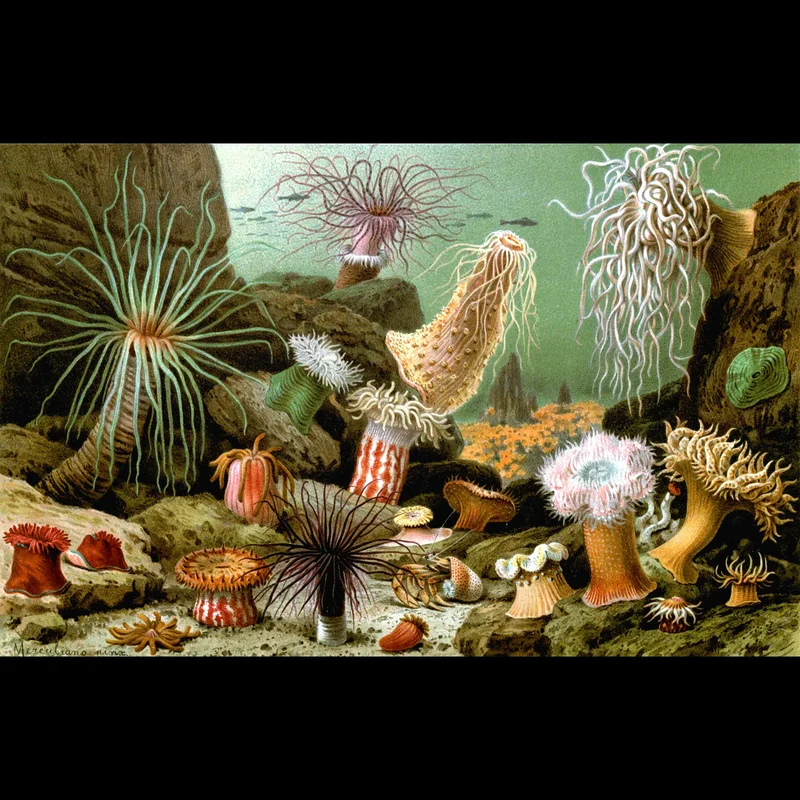
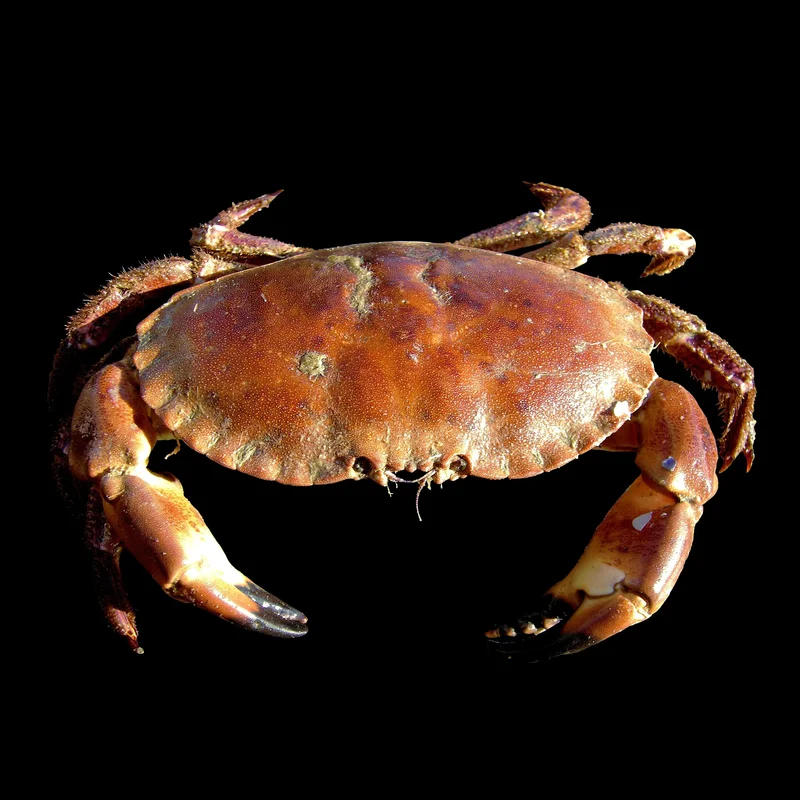
While specific, vibrant marine life highlights are not consistently reported for this particular wreck, the allure lies more in the historical preservation of the Concordia and its cargo. Observant divers might spot various crabs, anemones, and other macro-life clinging to the wreck's surfaces, thriving in this artificial reef environment.
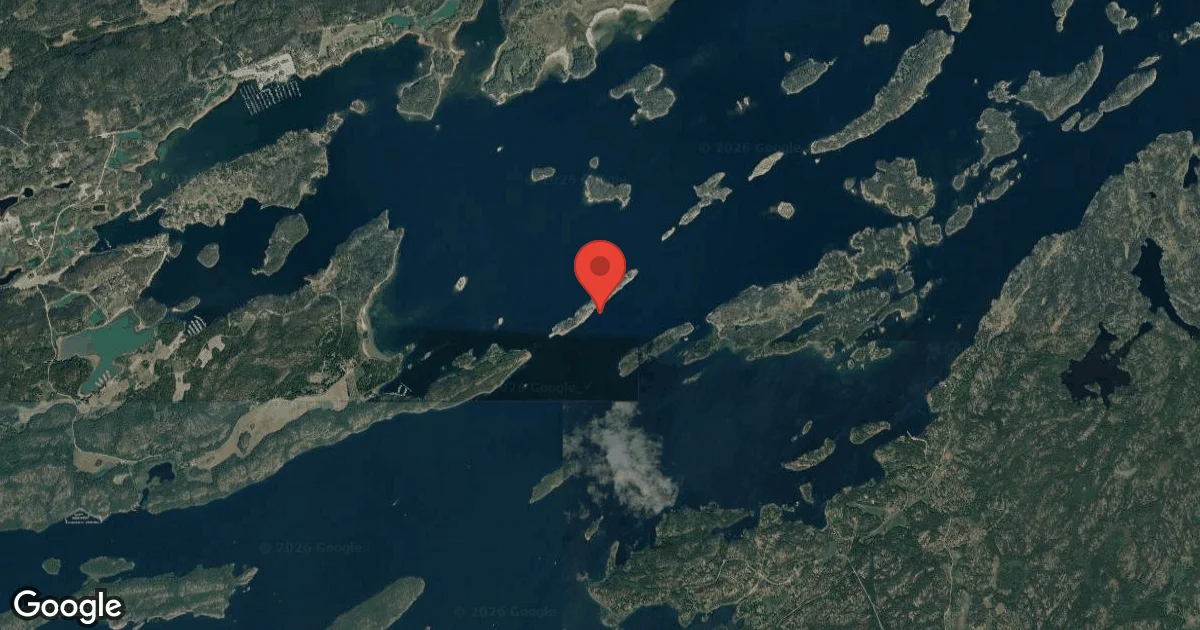
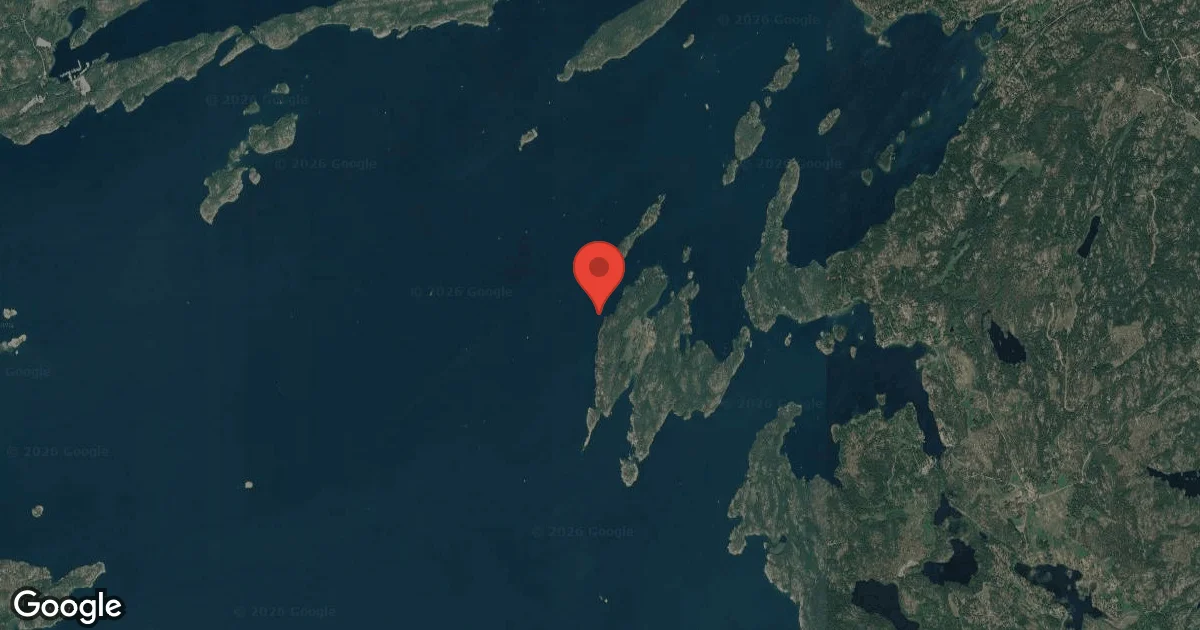
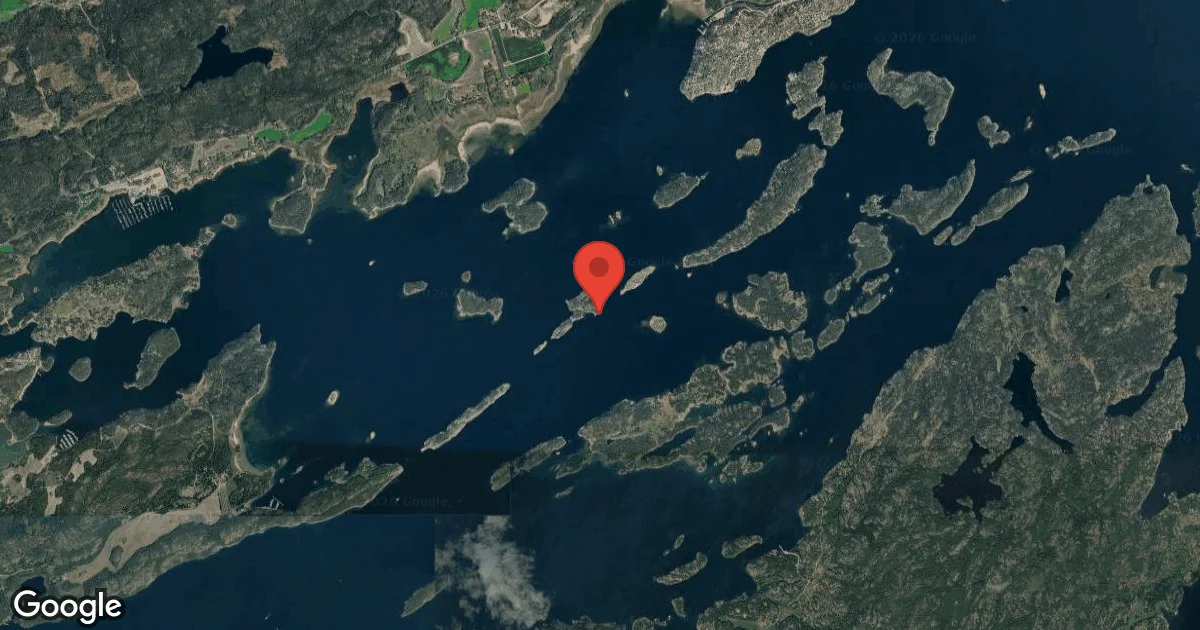
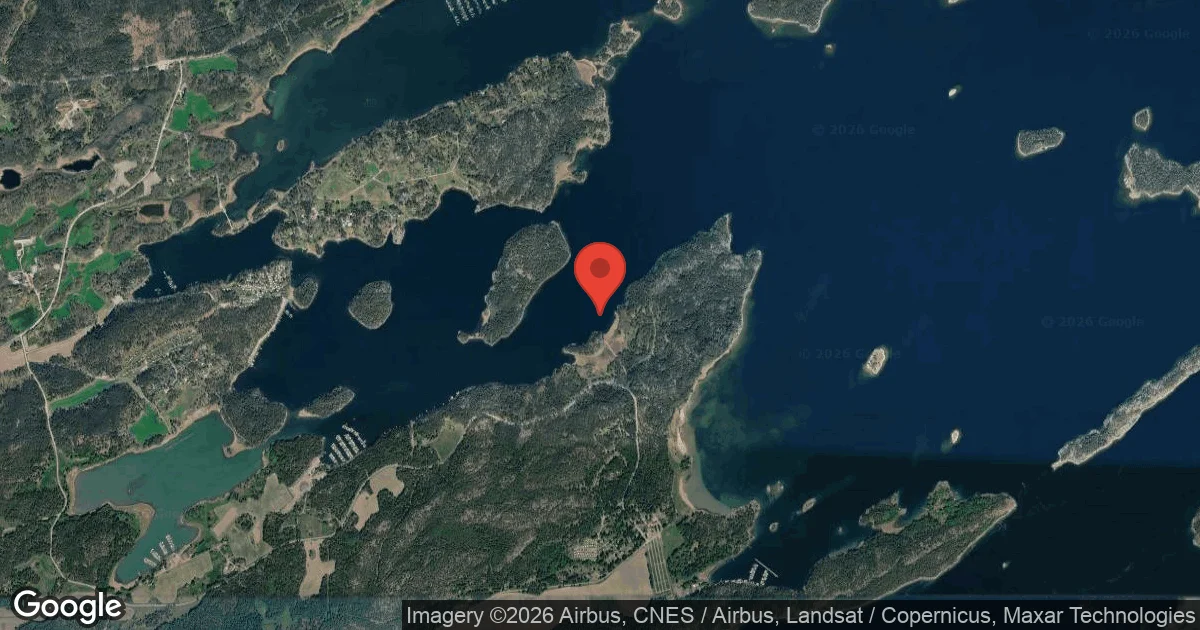
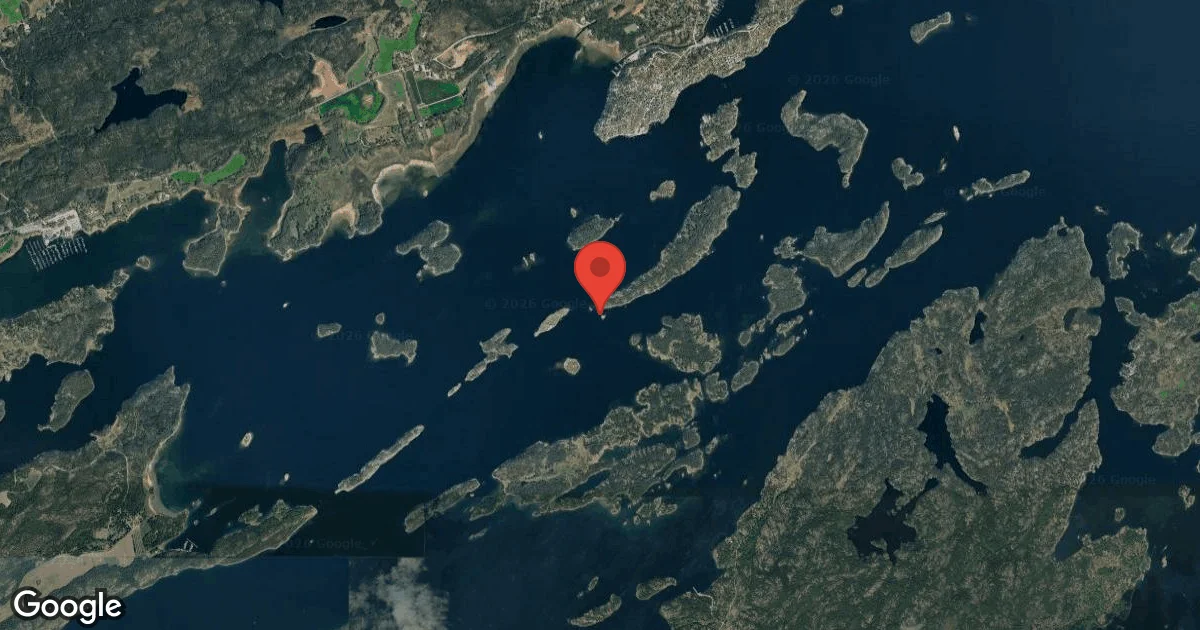
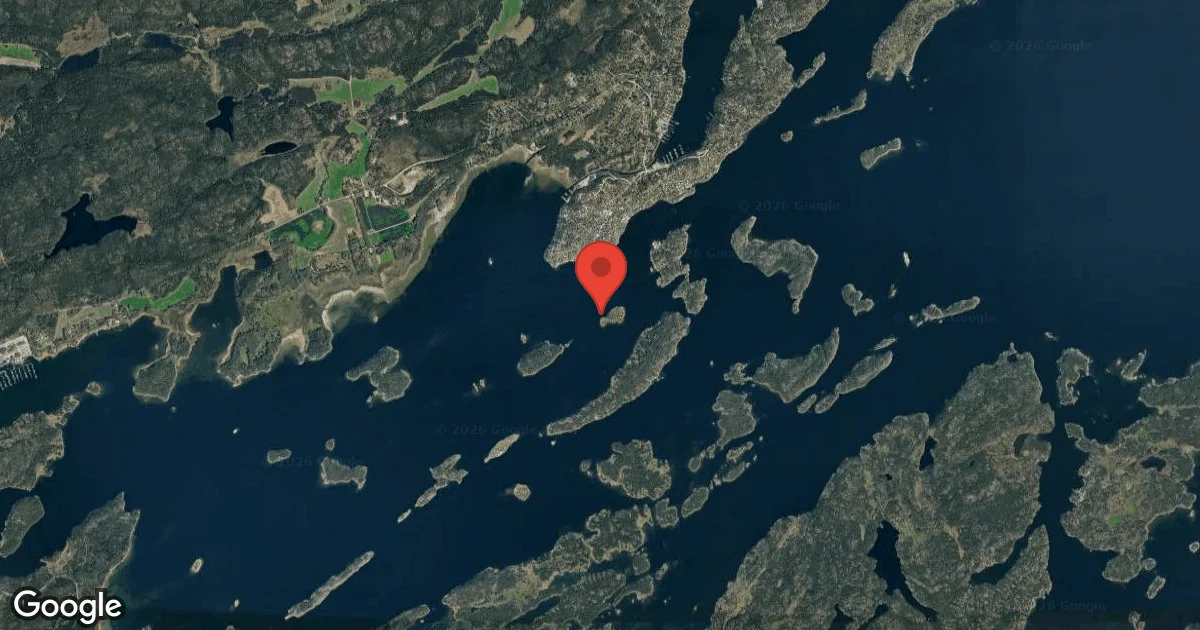
Dive Sites Near Kostervraket
View all dive sites in SwedenDiscover more underwater gems in this area.
Dive Centers Near Kostervraket
Today: Closed
Nearest Airports
Nearest airports to help plan travel to this dive area.
Search Flights
Check available flights and routes on Expedia, using the nearby airports listed in this section.
Search Flights on ExpediaFrequently Asked Questions
What kind of vessel is Kostervraket?
Kostervraket is believed to be the Concordia, a Galeas (a type of merchant ship) from the mid-1700s. It is thought to have sunk during a storm in 1754.
How deep is the Kostervraket wreck?
The wreck is situated at a maximum depth of 36 meters (118 feet). Its hull remains largely intact at approximately 35 meters (115 feet) on the seabed.
What historical items can divers observe at the site?
Divers exploring the wreck can find preserved cargo such as barrels, bottles, clay pipes, and various types of seeds. These artifacts offer a unique glimpse into 18th-century maritime trade.
When is the optimal time to dive Kostervraket?
The best months for diving are typically May and June, offering 'Excellent' dive scores due to milder air temperatures and lower rainfall. Diving is possible from March through November, with 'Good' conditions overall.
What type of training is recommended for this dive?
Given the depth and nature of the site, PADI Deep Diver and PADI Wreck Diver certifications are strongly recommended. This specialized training ensures divers have the skills to safely explore the wreck.
What are the typical water conditions at Kostervraket?
The water is brackish and cold, characteristic of Scandinavian diving. Visibility can vary, and divers should be prepared for cool temperatures requiring appropriate thermal protection, such as a drysuit.
What is the situation with mooring buoys at the wreck?
There is an ongoing dispute regarding a permanent mooring buoy. Local municipalities sometimes install them, but the Swedish Maritime Administration has been known to remove them, creating an inconsistent situation for divers.
Planning to dive Kostervraket?
Send one inquiry and receive offers directly from the best verified local dive operators.
Conditions are Moderate
High Wind Advisory (45km/h). Unsafe surface.
Current conditions near Kostervraket show 13° air, 12° sea temperature, 1.2 m waves, and 45 km/h wind. Forecast data is refreshed regularly to ensure accuracy.