
Diving at Betty Blue (Sweden)
Reaching Betty Blue typically involves a shore entry, providing direct access to the water from a well-equipped coastal spot. You'll gear up at a sturdy wooden terrace, often used for grilling, making the preparation straightforward. From here, a leisurely swim to the right along the 13-meter depth contour will lead you to the wreck within about ten minutes, easing into the dive experience.
Evening condition tracking at Betty Blue features an air temperature of 12.5°C. We have recorded wave heights measuring 0.6 m during this period. These figures outline the environmental parameters currently present.
Dive Site Location & Key Facts
Dive Site Overview
This dive site holds a history rooted in its past as a cluster of small boat jetties, where local fishers once found waters teeming with herring. Today, the area features a developed wooden terrace and a designated grill spot, serving as a practical base for divers to gear up and a tranquil vantage point for observing sailboats.
The main attraction, the Betty Blue wreck, is a 6-meter (20 ft) sailboat, reported abandoned in Haninge between 2013 and 2014, eventually sinking on its natural buoy. This vessel rests upright, still secured by its original line, and is now notably adorned with small blue mussels, creating a nascent ecosystem.
Diving here offers a maximum depth of around 25 m / 82 ft, primarily in brackish water, presenting a distinct exploration opportunity for those interested in local maritime history and the unique ecological adaptations found in such environments. The approach involves a straightforward shore entry followed by a short fin kick, making it accessible for a range of certified divers.
Conditions are Moderate
Optimal conditions expected
Current conditions near Betty Blue show 13° air, 16° sea temperature, 1.0 m waves, and 32 km/h wind. Forecast data is refreshed regularly to ensure accuracy.
Best Time to Dive
Optimal diving conditions at Betty Blue span from March through September, when dive scores are consistently rated as 'Excellent'. During these months, average air temperatures range from 2.5°C (36°F) in March, gradually climbing to 17.5°C (64°F) in July, before settling around 14.5°C (58°F) in September. Rainfall is generally lower in this period, with monthly averages between 1.0 mm and 3.0 mm, reducing surface runoff and potentially improving visibility. Colder months, from October to February, still rate 'Good' for diving, but air temperatures can drop below freezing, averaging from 8°C (46°F) down to -2°C (36°F), necessitating appropriate cold-water gear.
PEAK SEASON SCORE
Scores combine air & water temps, waves, wind & rainfall for overall conditions.
BEST MONTHS TO DIVE
Monthly records compiled from satellite and marine observation nodes over the last 3 years. Data provided by Open-Meteo and MET Norway.
Dive Experience & Conditions
The dive begins with a comfortable shore entry from the wooden terrace, transitioning into the brackish water that characterizes this coastal environment. Divers typically navigate along the 13-meter (43 ft) depth contour, a leisurely swim of about ten minutes, to precisely locate the Betty Blue wreck. This sailing boat rests neatly upright, still anchored by its original line, a sight often described as well-preserved and stable. Visibility in these brackish waters can vary, influenced by local conditions, seasonal runoff, and plankton blooms, so divers should be prepared for changing clarity. Depths at the site reach approximately 25 meters / 82 feet, offering a decent profile for recreational divers to thoroughly explore the wreck and its immediate surrounding ecosystem.
Dive Difficulty & Safety Guidelines
Diving in Sweden's cooler brackish waters necessitates specific considerations to ensure both safety and comfort. Always plan your dive according to your certification and experience level, especially given the potential for varied visibility and lower water temperatures. It's prudent to consult with local dive professionals before heading out; they can offer current insights into site conditions, including any temporary environmental changes.
Given the potential for colder water, proper thermal protection, such as a drysuit or thick wetsuit, is crucial to prevent hypothermia during extended bottom times. Always dive with a buddy, and carry appropriate navigation tools for underwater orientation.
Additionally, be mindful of boat traffic, especially near the surface, as the area is frequented by sailboats.
Recommended Equipment
Overhead / entanglement risk. Wreck penetration requires proper training.
- Dive Computer
- DSMB
- Primary & Backup Lights
- Wreck Reel
- Cutting Tool
- Hard-soled Dive Boots
This gear list is based on verified equipment signals for Betty Blue, Sweden. Always confirm final gear choices with your dive operator, guide, or liveaboard.
Recommended Dive Suit
For many recreational divers, 5-7mm wetsuit provides a practical level of insulation in these conditions. A hood or vest is suggested for sensitive divers due to surface winds. A thermal robe or jacket is recommended between dives. Divers who tend to get cold easily may prefer slightly thicker exposure protection.
At the moment, divers exploring Betty Blue will likely experience water temperatures near 16°C (62°F). Surface air temperatures are resting at 13°C (55°F).
Temperatures look set to gradually increase over the next several days. A warming trend is expected over the next few days.
Emergency & Medical Support
Essential information to help you plan your dive trip to Betty Blue.

Hyperbaric chambers are a critical part of dive safety infrastructure. Availability varies significantly by region, and not all dive areas have immediate access.
Before diving, it's recommended to:
- confirm nearest medical facilities
- check emergency procedures with local dive operators
- ensure dive insurance covers evacuation if required
Divers Alert Network
Diving emergency assistance available through DAN Europe.
+39 0642115685- 24/7 emergency hotline
- Diving medical assistance
- Evacuation coordination
Emergency contacts are provided for reference. Always verify local emergency services before diving.
Closest Listed Hyperbaric Chambers
Showing listed hyperbaric chamber facilities within 200 km of this dive site.
Distances are approximate straight-line distances and may not reflect emergency travel time.
Karolinska Univeristy Hospital, Solna
ICU CapableStockholm, Sweden•Approx. 32 km straight-line
Karolinska Univeristy Hospital, Solna
ICU CapableInformation is provided for reference and planning purposes only. Dive Navigator does not verify operational status, staffing, availability, or quality of care at listed facilities. In an emergency, contact local emergency services, DAN, your dive operator, or the chamber directly. Do not travel to a facility without calling ahead.
Marine Life at Betty Blue
Initially, your attention might be drawn to the smaller marine life inhabiting the wreck itself. The Betty Blue is noticeably covered in small blue mussels, providing a microhabitat.
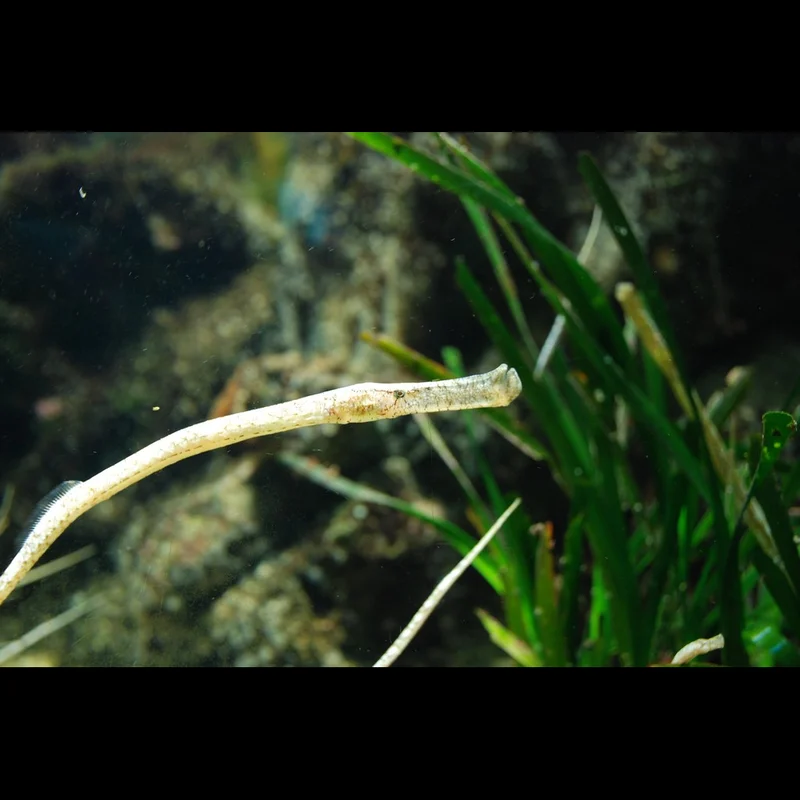
Near the reedy shallows, especially depending on the season, the area swarms with life; expect to encounter bladderwrack, sago pondweed, and other mussels. Bottom patrols reveal diverse flatfish like turbot and flounder, alongside sticklebacks, gobies, and pipefish.
Night dives offer a chance to spot ruffe, which are known to sleep with their eyes open, while autumn brings an abundance of mysid shrimp and common prawns.

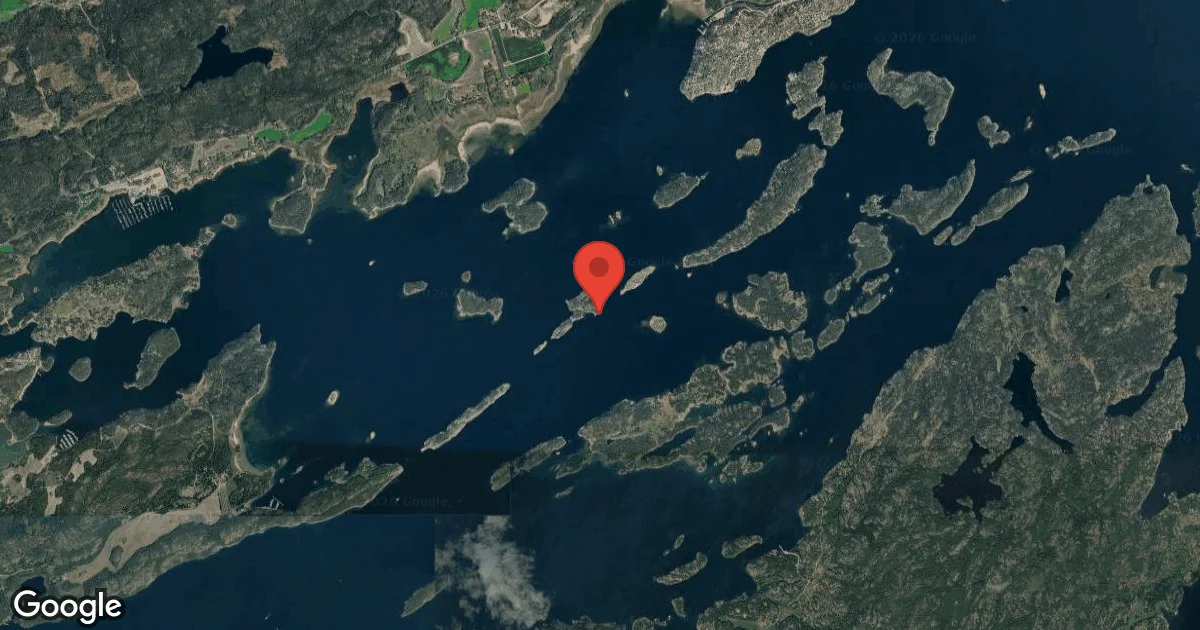
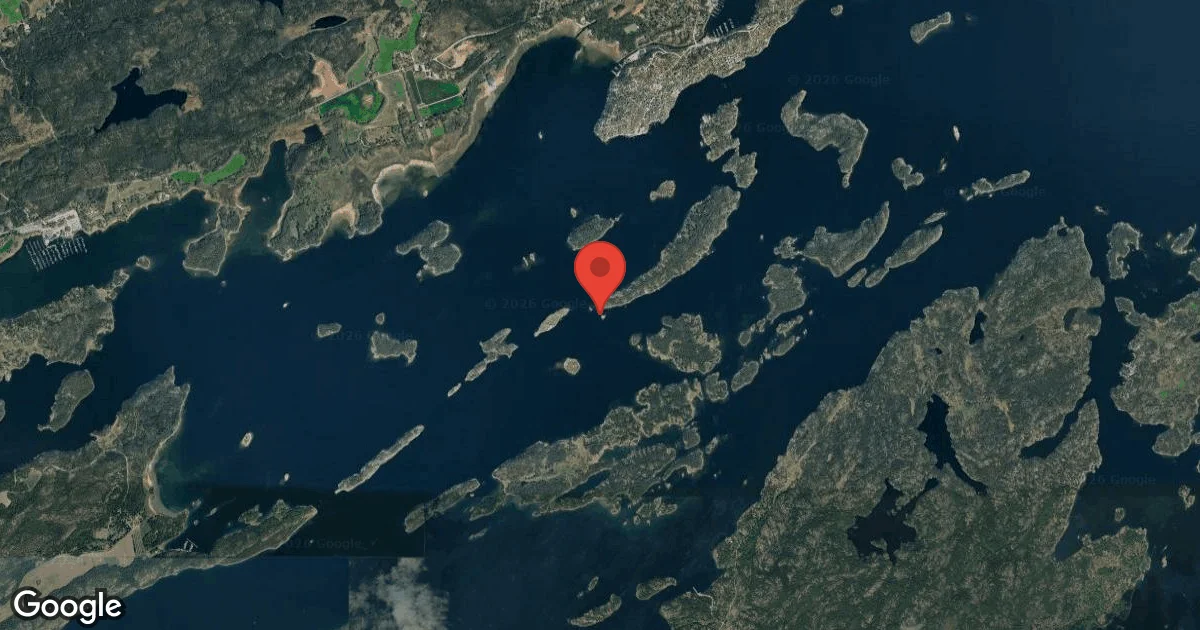
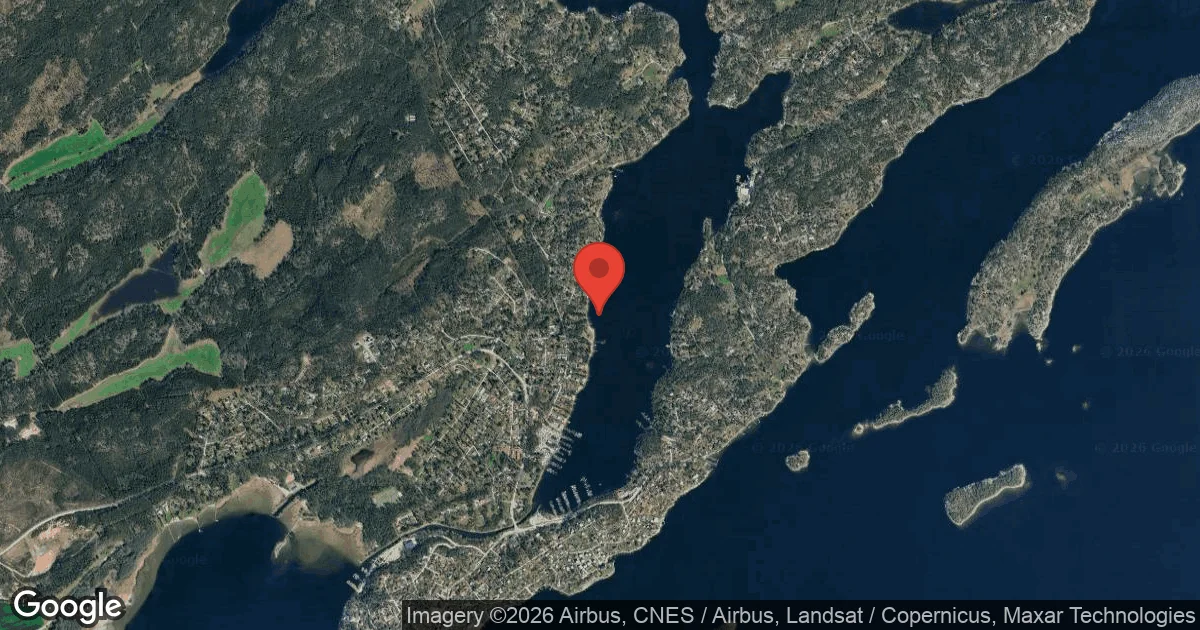
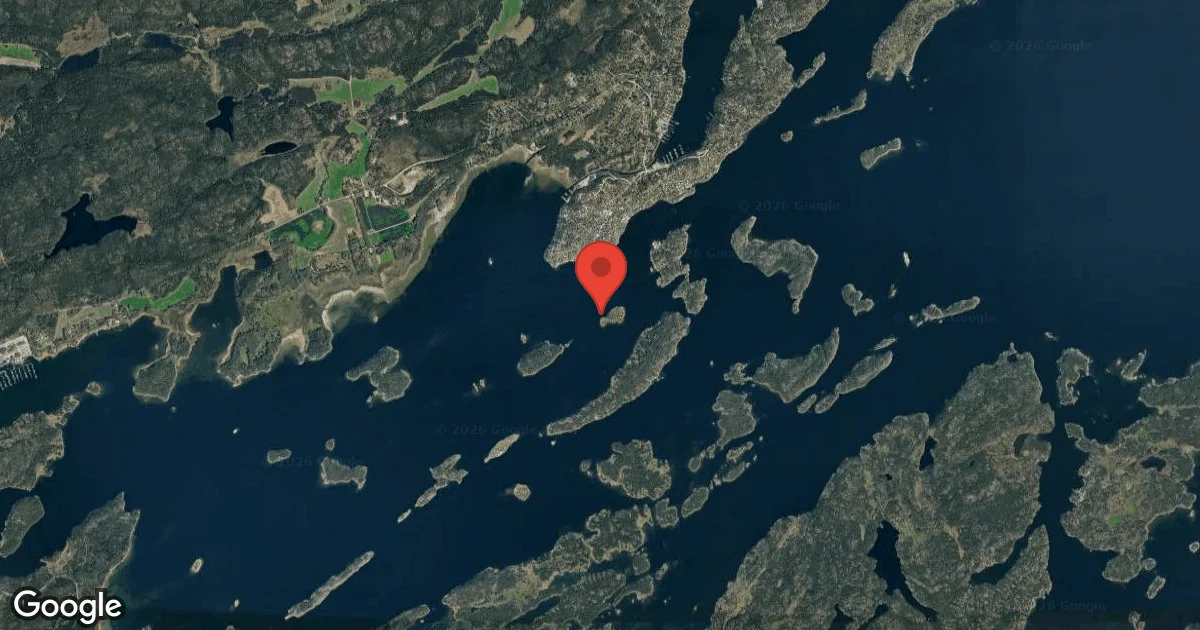
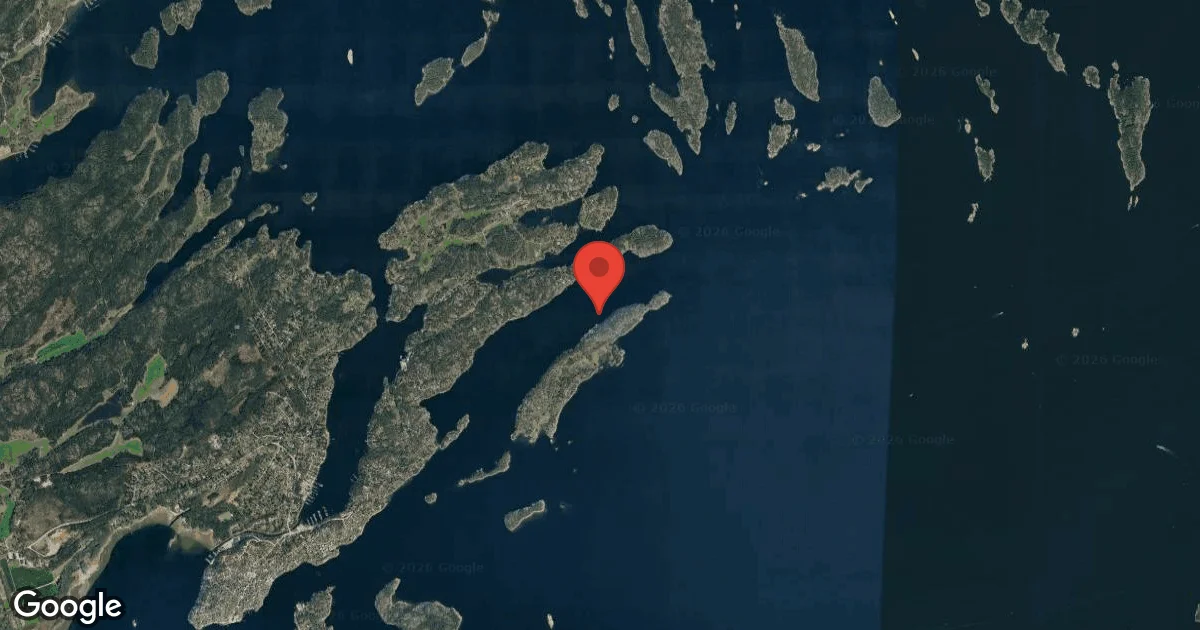
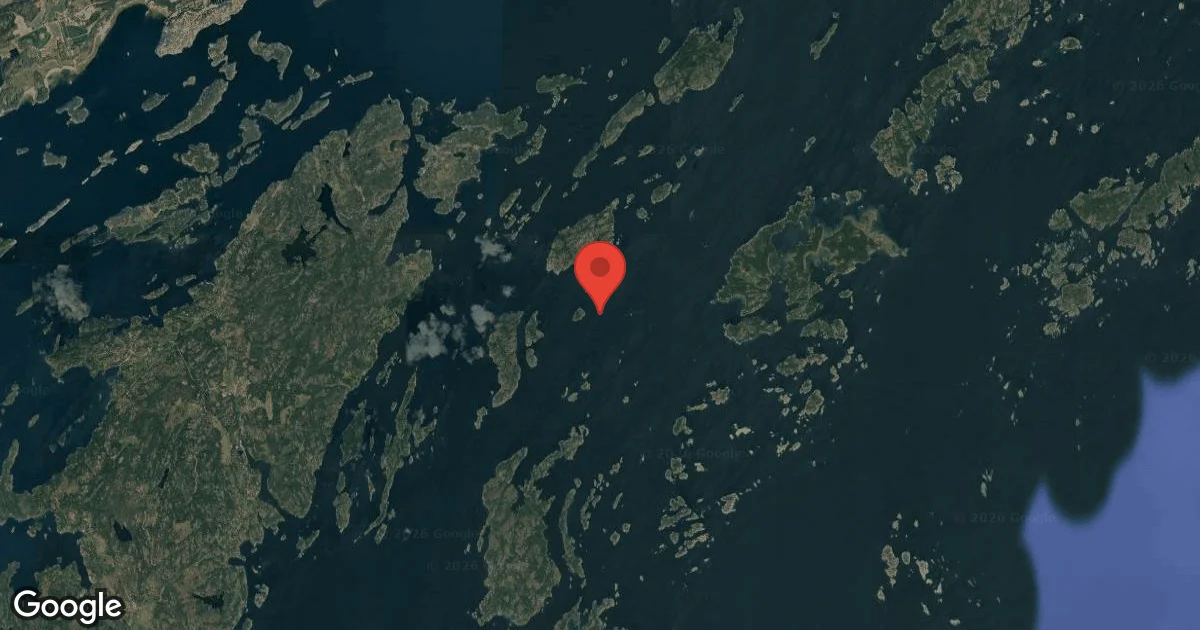
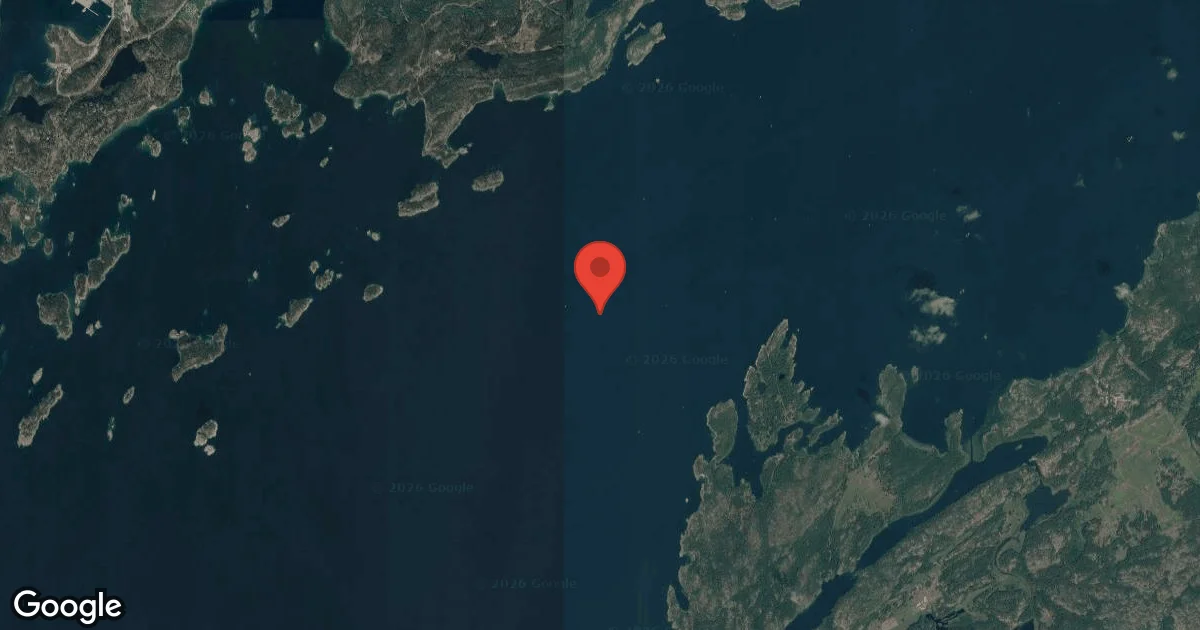
Dive Sites Near Betty Blue
View all dive sites in SwedenDiscover more underwater gems in this area.
Dive Centers Near Betty Blue
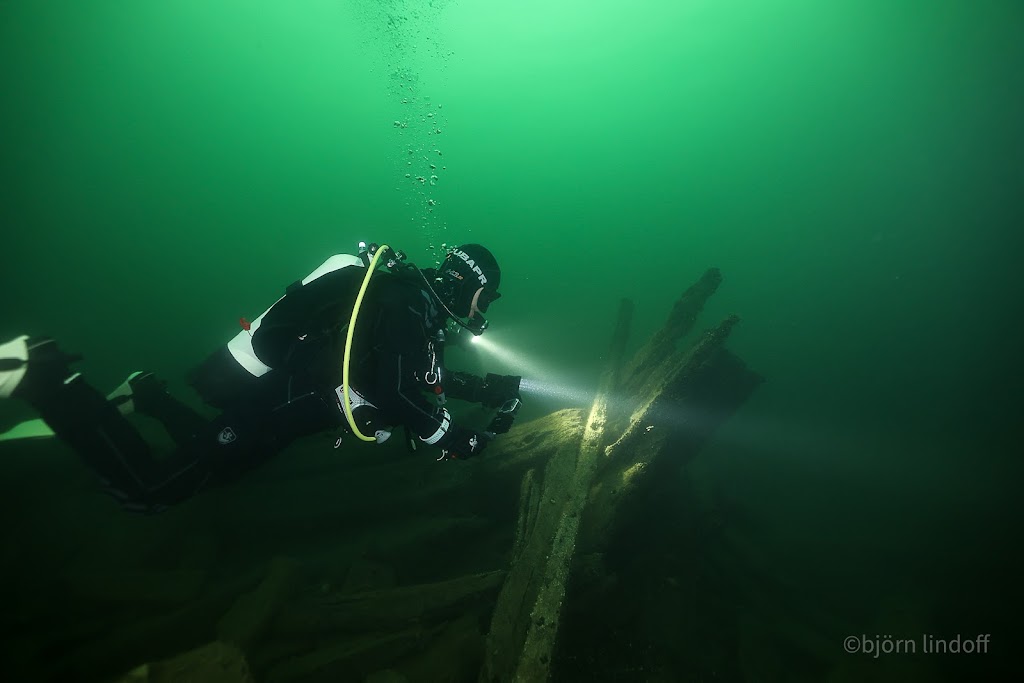
Today: Closed
Nearest Airports
Nearest airports to help plan travel to this dive area.
Search Flights
Check available flights and routes on Expedia, using the nearby airports listed in this section.
Search Flights on ExpediaFrequently Asked Questions
What type of dive is Betty Blue?
Betty Blue is primarily a wreck dive, offering exploration of a 6-meter (20 ft) sailboat. It also features elements of a beach dive, with a convenient shore entry from a terraced area.
What is the maximum depth at Betty Blue?
The maximum depth reported for diving at Betty Blue is approximately 25 meters / 82 feet. Divers will typically follow a 13-meter contour to reach the wreck.
What are the water conditions like at Betty Blue?
The water at Betty Blue is brackish, meaning it's a mix of fresh and saltwater. Water temperatures are not consistently reported but are expected to be cool, especially outside of peak summer months.
What marine life can be seen around the wreck?
The wreck itself hosts small blue mussels. Nearby, divers can observe bladderwrack, sago pondweed, various mussels, sticklebacks, gobies, pipefish, and several types of flatfish like turbot and flounder, depending on the season.
Is the Betty Blue wreck intact?
Yes, the Betty Blue sailboat is reported to be standing upright and remains anchored by its original line. This offers a relatively well-preserved wreck for divers to explore.
What's the best entry method for this dive site?
Betty Blue is a shore entry dive site. It features a built-up wooden terrace and grill area, making it a comfortable spot to prepare for your dive before entering the water.
Planning to dive Betty Blue?
Send one inquiry and receive offers directly from the best verified local dive operators.
Conditions are Moderate
Optimal conditions expected
Current conditions near Betty Blue show 13° air, 16° sea temperature, 1.0 m waves, and 32 km/h wind. Forecast data is refreshed regularly to ensure accuracy.