
Diving at Riksäpplet (Sweden)
Conditions at Riksäpplet, a historic 17th-century warship wreck near Dalarö, Sweden, exhibit variable visibility, typically ranging from fair to as low as 1-2 m (3-7 ft). Algae blooms can significantly impact underwater clarity, demanding close attention to dive planning. Experiencing this well-preserved timber wreck offers a distinct cold-water diving challenge.
Evening condition tracking at Riksäpplet features an air temperature of 16.5°C. We have recorded wave heights measuring 0.7 m during this period. These figures outline the environmental parameters currently present.
Dive Site Location & Key Facts
Dive Site Overview
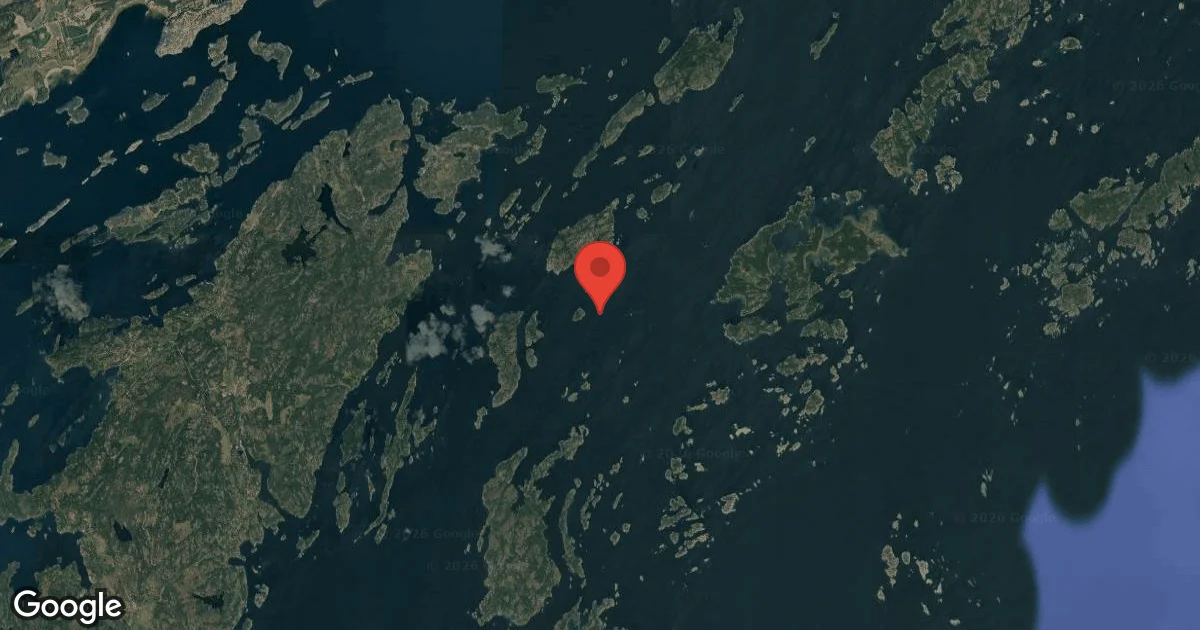
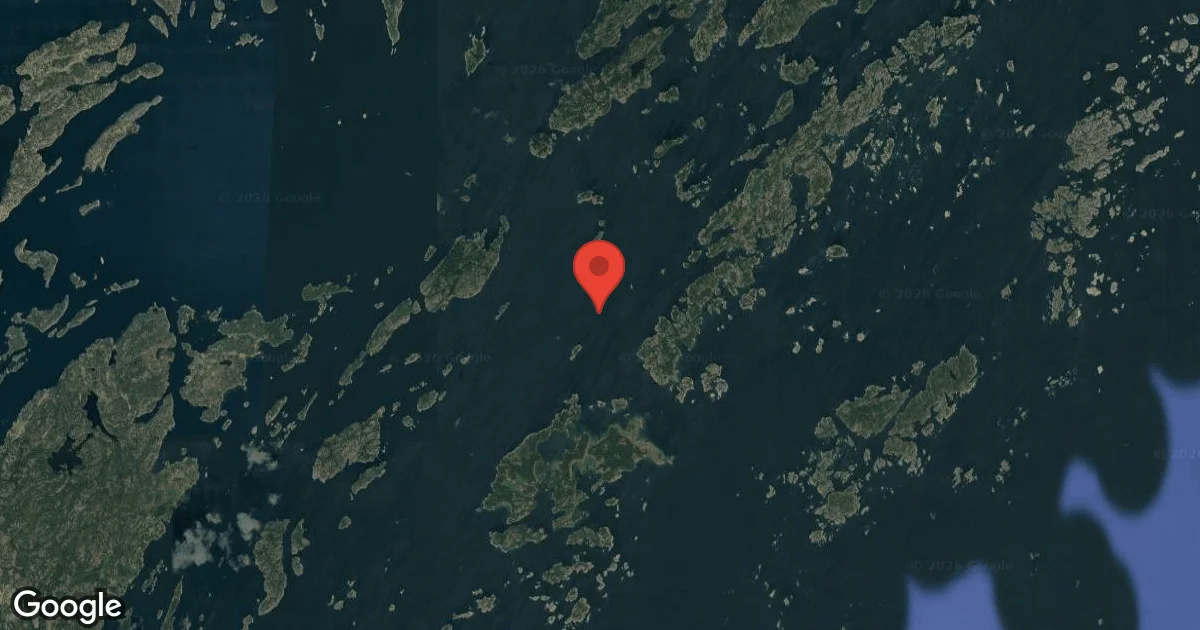
A tangible link to Sweden's naval history, Riksäpplet rests at approximately 14-15 m (46-49 ft) near Aspön in the Stockholm archipelago. Launched in 1661, the warship found its end on June 6, 1676.
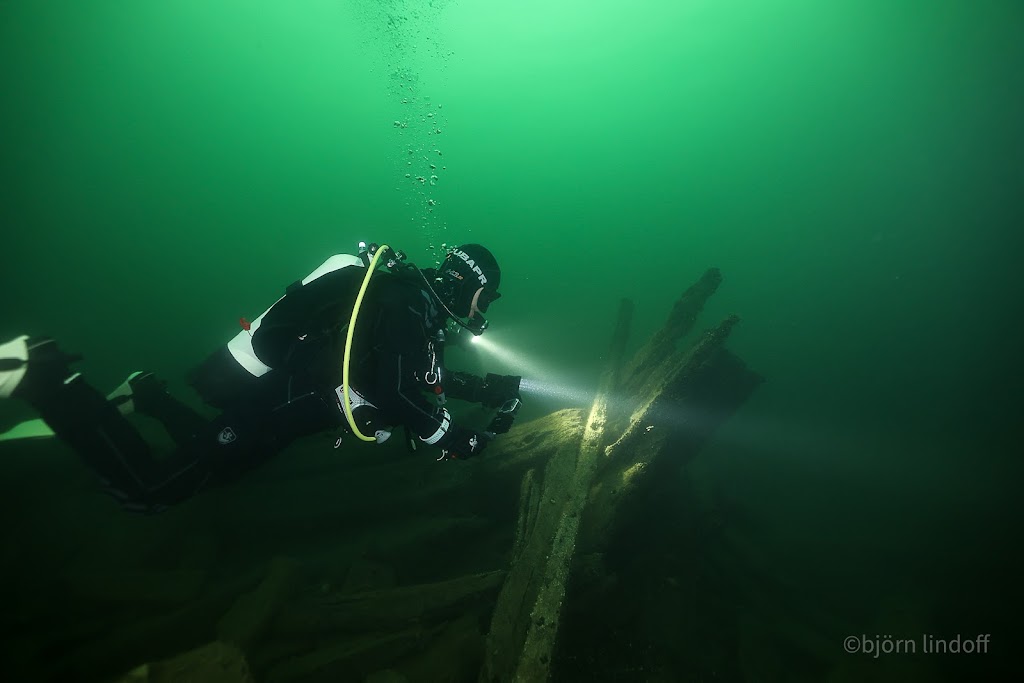
Following the Battle of Öland, the vessel retreated to Dalarö, where a severe storm blew up and sent it to the bottom near an island now named Äpplet after the ship. Its appeal comes from the wooden hull and scattered artifacts still on the seabed, outlining the original size and structure of this heavily armed, 47 m (154 ft) vessel. Baltic shipwrecks often benefit from excellent preservation due to lower salinity and oxygen content.
Riksäpplet, however, isn't as pristine as some others, largely due to a destructive 1921 salvage operation that recovered valuable timber. Nevertheless, the site presents an exceptional opportunity for an archaeological dive.
Brackish water naturally protects timber wrecks from shipworm, a common destroyer in saltier environments, significantly contributing to their longevity. Descending to max depth requires planning a reverse dive profile, adding another layer to the dive.
Conditions are Moderate
High Wind Advisory (51km/h). Unsafe surface.
Current conditions near Riksäpplet show 17° air, 16° sea temperature, 1.1 m waves, and 51 km/h wind. Forecast data is refreshed regularly to ensure accuracy.
Best Time to Dive
Optimal visibility for diving Riksäpplet presents a clear contrast to peak summer months, with the best conditions typically occurring from September to November and again from March to May. During July and early August, algae blooms can significantly reduce visibility, making these periods less ideal despite air temperatures ranging from 16.5-18°C (62-64°F) and average rainfall of 2.51-3.03 mm. Conversely, the recommended periods offer improved clarity. From March to May, air temperatures gradually increase from 3°C (37°F) to 10.5°C (51°F), with minimal rainfall, generally between 1.00-1.36 mm. As autumn progresses, from September to November, air temperatures cool from 15°C (59°F) down to 3°C (37°F), accompanied by slightly higher average rainfall of 1.78-2.51 mm. Planning your trip during these windows will enhance the experience of exploring this historic site.
PEAK SEASON SCORE
Scores combine air & water temps, waves, wind & rainfall for overall conditions.
BEST MONTHS TO DIVE
Monthly records compiled from satellite and marine observation nodes over the last 3 years. Data provided by Open-Meteo and MET Norway.
Dive Experience & Conditions
Exploring Riksäpplet demands meticulous buoyancy control and comfort in cold, low-light conditions. Divers should expect water temperatures necessitating proper thermal protection. Many cold-water Baltic wreck dives begin here, as operators often use Riksäpplet to confirm divers' environmental proficiency before progressing to deeper sites. Visibility fluctuates considerably, ranging from what might be considered good to as little as 1-2 m (3-7 ft), varying significantly based on recent weather and seasonal factors. While within recreational depth limits, the wreck's historical significance and the requirement for careful observation mean it suits experienced divers. With a relatively compact footprint, the site can feel crowded with more than 8-10 divers, suggesting smaller groups enhance the overall experience.
Dive Difficulty & Safety Guidelines
Diving Riksäpplet requires specific certifications and careful planning, as it's primarily accessible to experienced divers under suitable conditions. Given the site's nature as a historical shipwreck in cold, potentially low-visibility water, maintaining excellent buoyancy control is paramount to prevent disturbing the wreck and to ensure diver safety. Guide briefings often emphasize precise buoyancy and comfort in dark environments.
While no specific hazards are reported, the inherent challenges of wreck diving, such as potential entanglement points or confined spaces, although not explicitly noted here, necessitate a cautious approach. Divers should always follow the dive plan provided by local operators and remain aware of their depth and bottom time, especially when performing reverse dive profiles. Appropriate certification for cold-water wreck diving is highly recommended.
Recommended Equipment
Overhead / entanglement risk. Wreck penetration requires proper training.
- Dive Computer
- DSMB
- Primary & Backup Lights
- Wreck Reel
- Cutting Tool
This gear list is based on verified equipment signals for Riksäpplet, Sweden. Always confirm final gear choices with your dive operator, guide, or liveaboard.
Recommended Dive Suit
For many recreational divers, 5-7mm wetsuit provides a practical level of insulation in these conditions. A hood or vest is suggested for sensitive divers due to surface winds. A thermal robe or jacket is recommended between dives. Divers who tend to get cold easily may prefer slightly thicker exposure protection.
At the moment, divers exploring Riksäpplet will likely experience water temperatures near 16°C (62°F). Surface air temperatures are resting at 17°C (62°F).
Current forecasts indicate relatively stable conditions for the coming days.
Emergency & Medical Support
Essential information to help you plan your dive trip to Riksäpplet.

Hyperbaric chambers are a critical part of dive safety infrastructure. Availability varies significantly by region, and not all dive areas have immediate access.
Before diving, it's recommended to:
- confirm nearest medical facilities
- check emergency procedures with local dive operators
- ensure dive insurance covers evacuation if required
Divers Alert Network
Diving emergency assistance available through DAN Europe.
+39 0642115685- 24/7 emergency hotline
- Diving medical assistance
- Evacuation coordination
Emergency contacts are provided for reference. Always verify local emergency services before diving.
Closest Listed Hyperbaric Chambers
Showing listed hyperbaric chamber facilities within 200 km of this dive site.
Distances are approximate straight-line distances and may not reflect emergency travel time.
Karolinska Univeristy Hospital, Solna
ICU CapableStockholm, Sweden•Approx. 34 km straight-line
Karolinska Univeristy Hospital, Solna
ICU CapableInformation is provided for reference and planning purposes only. Dive Navigator does not verify operational status, staffing, availability, or quality of care at listed facilities. In an emergency, contact local emergency services, DAN, your dive operator, or the chamber directly. Do not travel to a facility without calling ahead.
Marine Life at Riksäpplet
An exploration of Riksäpplet reveals a landscape where the wreck takes precedence over typical marine life. Divers come to appreciate the historical structure of the 17th-century warship.
Its wooden hull and scattered artifacts form an archaeological site, providing shelter and substrate for local, hardier aquatic species. Low salinity and oxygen levels, characteristic of the Baltic Sea, create conditions inhibiting typical marine growth found in saltier oceans.
These factors also contribute to the wreck's remarkable preservation. Such an environment keeps the timber largely free from destructive shipworms, allowing divers to observe the ship's original construction more clearly.
Dive Sites Near Riksäpplet
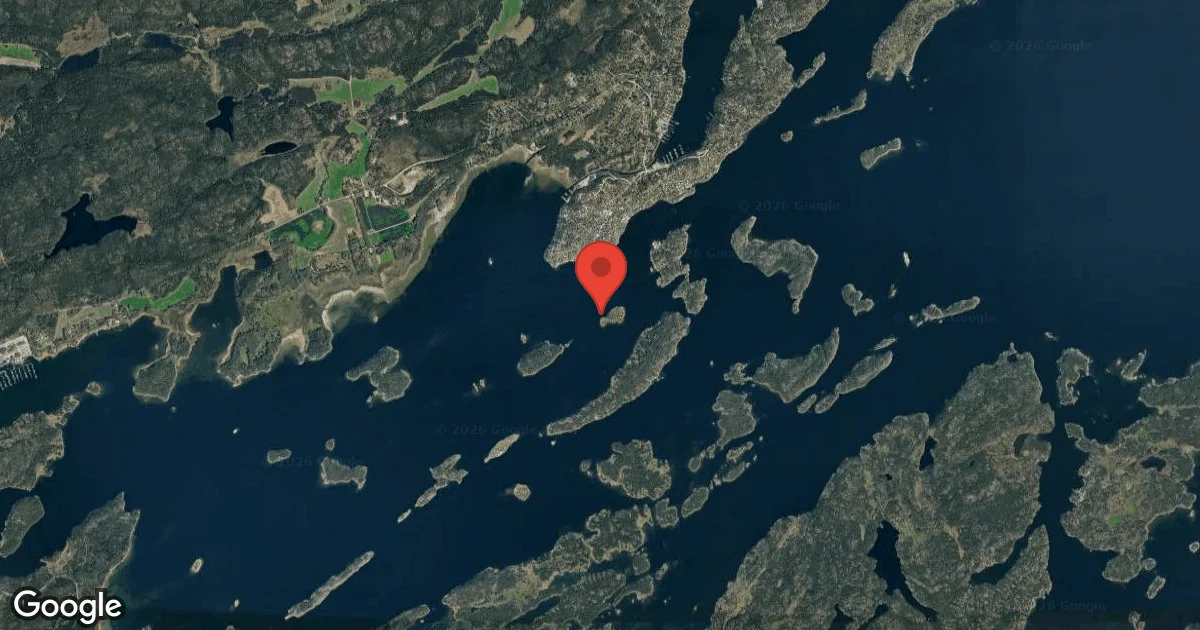
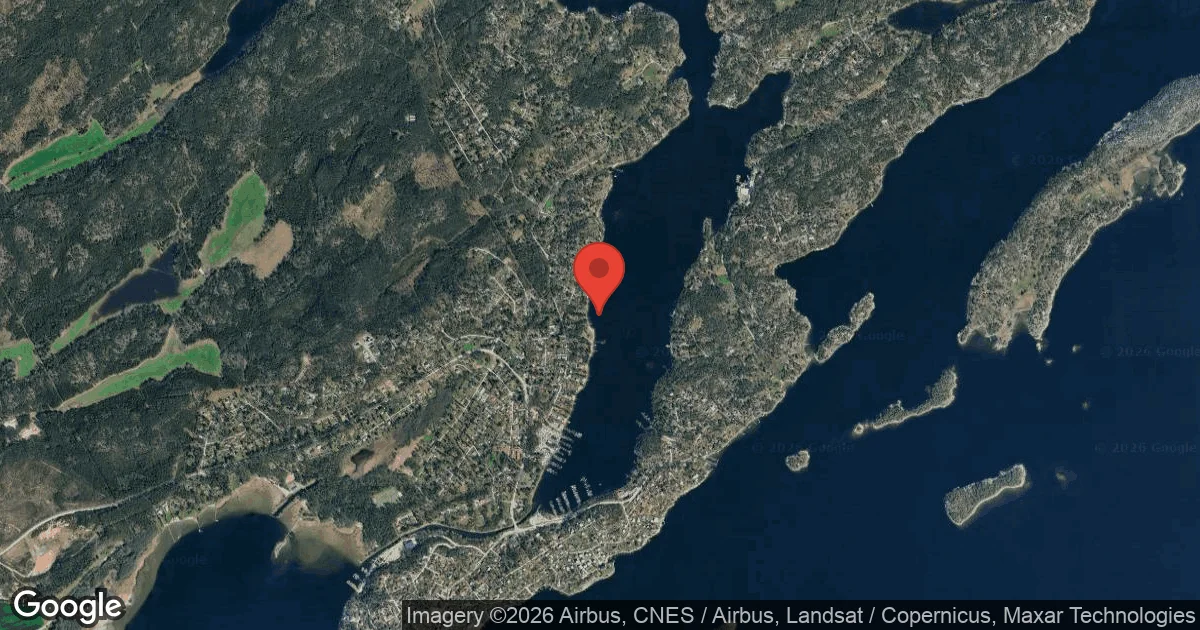
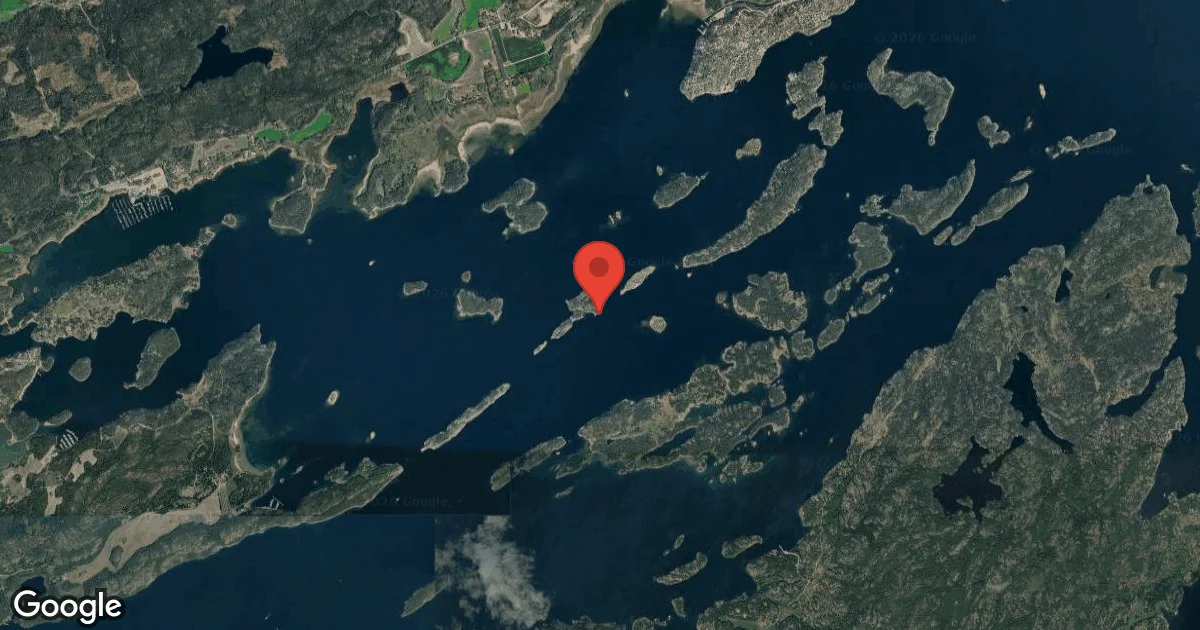
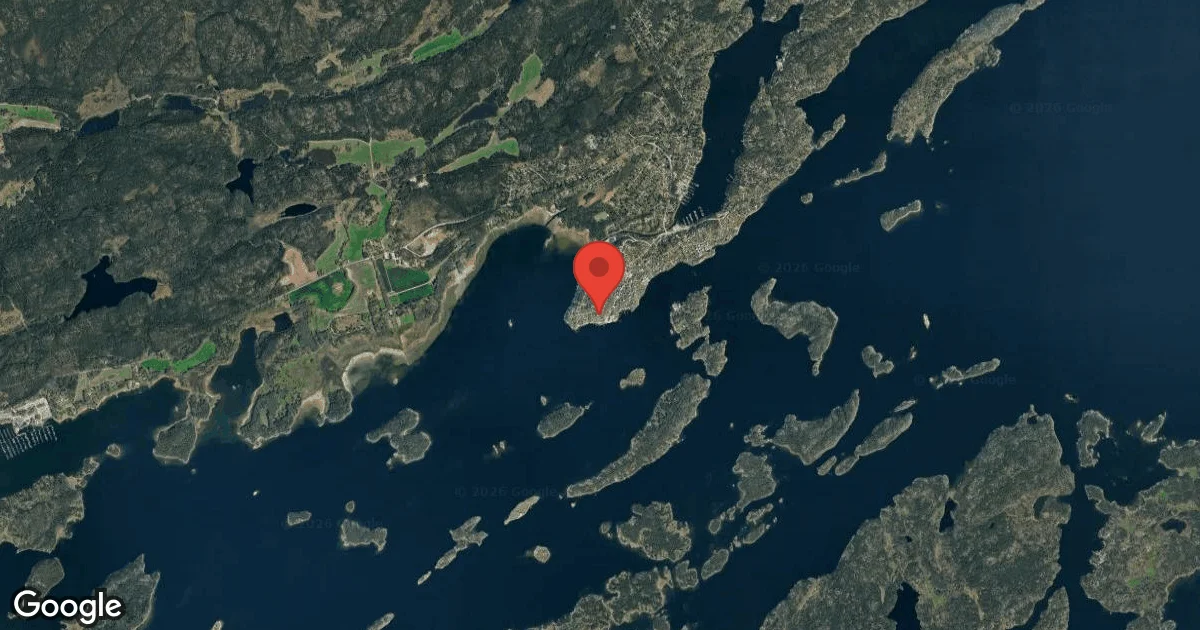
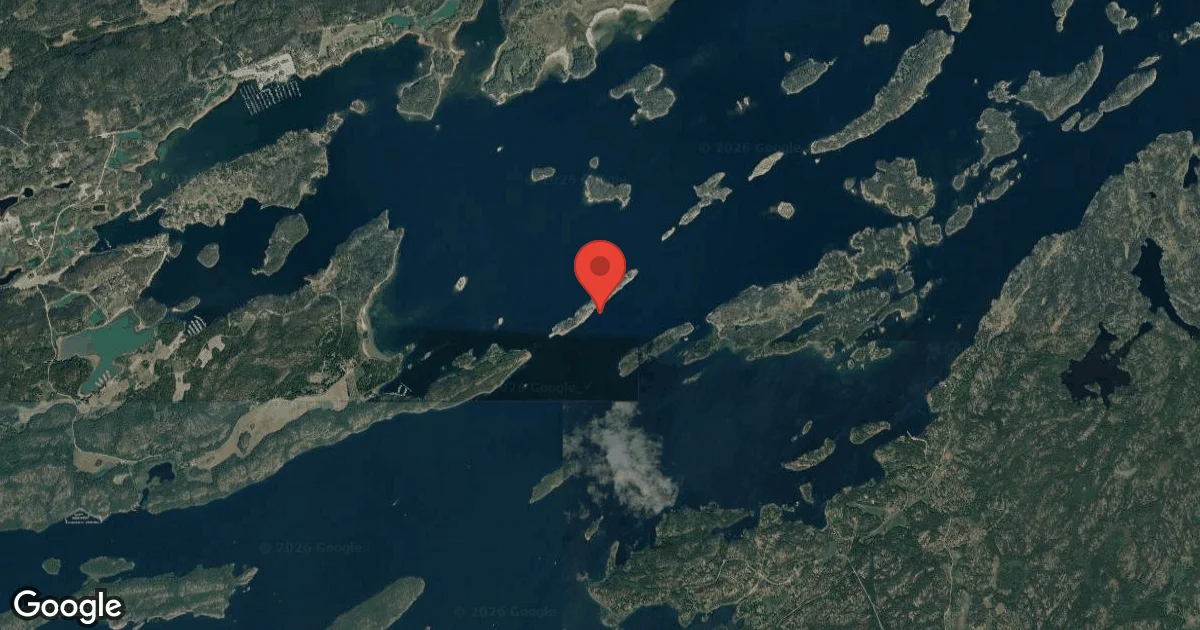
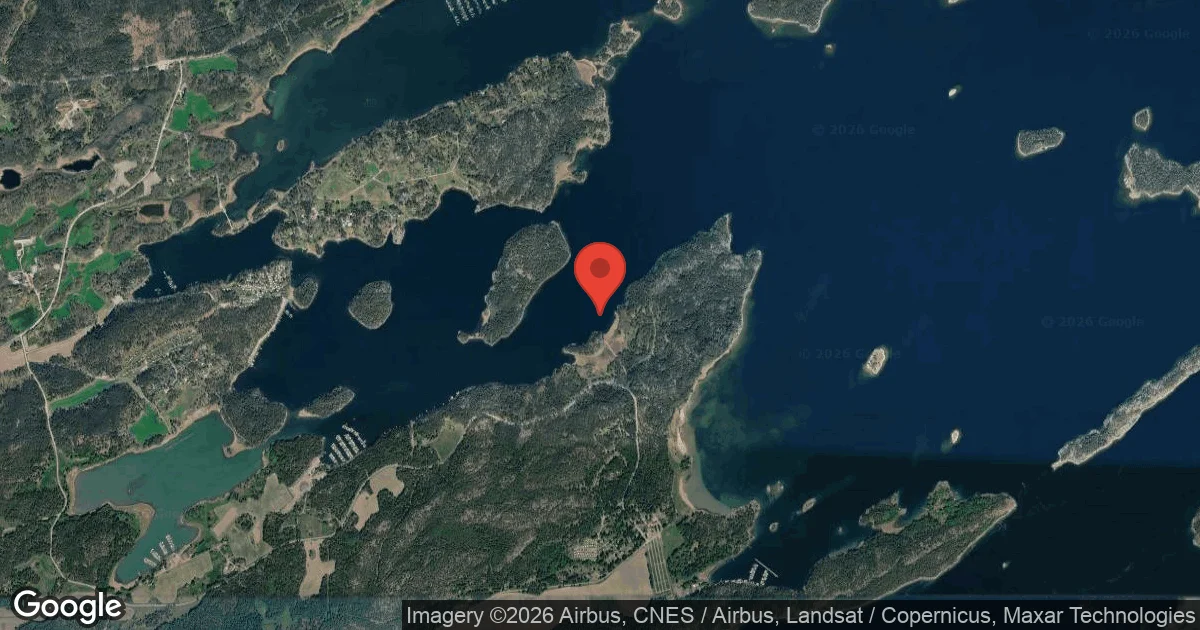
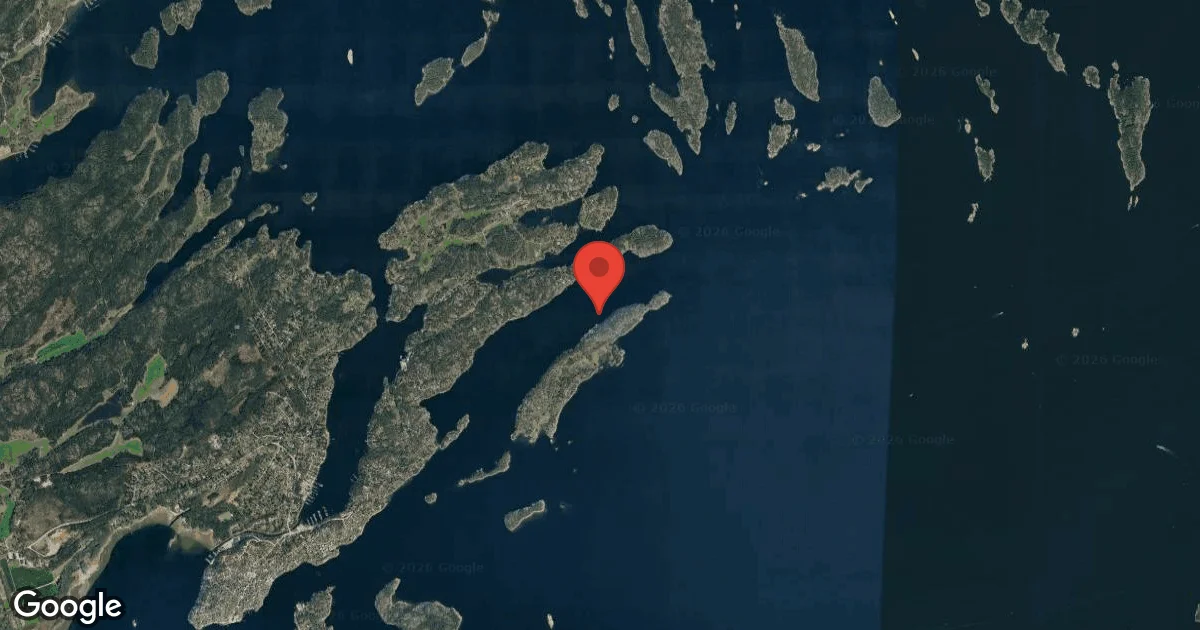
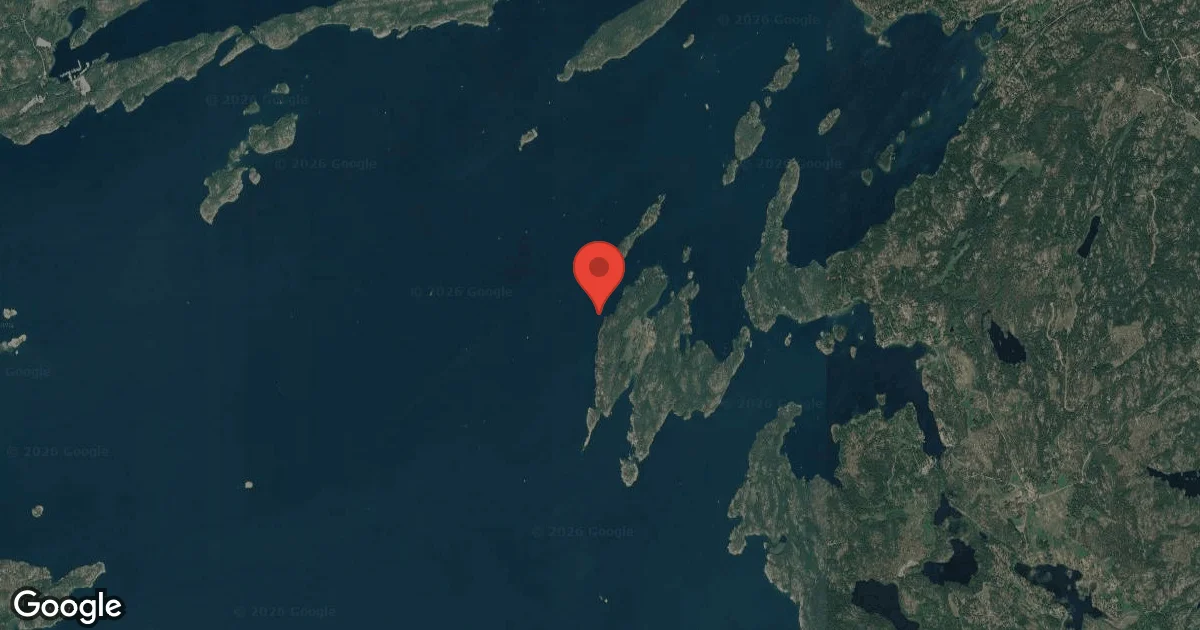
View all dive sites in SwedenDiscover more underwater gems in this area.
Dive Centers Near Riksäpplet
Today: Closed
Nearest Airports
Nearest airports to help plan travel to this dive area.
Search Flights
Check available flights and routes on Expedia, using the nearby airports listed in this section.
Search Flights on ExpediaFrequently Asked Questions
What is the Riksäpplet?
Riksäpplet is a 17th-century Swedish warship that sank in 1676. It lies near Dalarö in the Stockholm archipelago and is now a popular dive site.
When did the Riksäpplet sink?
The Riksäpplet sank on June 6, 1676. It was lost during a storm while anchored near Dalarö after retreating from battle due to illness on board.
What is the depth of the Riksäpplet wreck?
The Riksäpplet wreck rests at a maximum depth of approximately 14-15 m (46-49 ft). This shallow depth often requires divers to plan a reverse dive profile.
What are the typical visibility conditions at Riksäpplet?
Visibility at Riksäpplet can vary significantly, ranging from relatively good for its depth to as low as 1-2 m (3-7 ft). Algae blooms, especially in summer, can greatly reduce clarity.
Why are Baltic shipwrecks often well-preserved?
Baltic shipwrecks, including Riksäpplet, are unusually well-preserved primarily due to the low salinity and low oxygen content of the brackish water. These conditions prevent the wood-boring shipworms and extensive marine growth that typically degrade wrecks in saltier oceans.
Who can dive the Riksäpplet wreck?
The Riksäpplet wreck is generally accessible to experienced divers under suitable conditions. Proper diving certification and thorough planning are typically required to explore this historical site safely.
When is the best time for visibility at Riksäpplet?
For optimal visibility, the best times to dive Riksäpplet are during the periods of September to November and March to May. Algae blooms in July and early August can significantly impair visibility.
Planning to dive Riksäpplet?
Send one inquiry and receive offers directly from the best verified local dive operators.
Conditions are Moderate
High Wind Advisory (51km/h). Unsafe surface.
Current conditions near Riksäpplet show 17° air, 16° sea temperature, 1.1 m waves, and 51 km/h wind. Forecast data is refreshed regularly to ensure accuracy.