
Diving at Anna-Maria (Sweden)
Descending on the Anna-Maria reveals a remarkably preserved 17th-century flute ship, settled upright on the Baltic seabed. This wreck dive explores depths topping out in the high teens and reaching a maximum of 22 meters / 72 feet. It's an accessible recreational dive, typically allowing for no-decompression limits while exploring the hull structure and surrounding debris field.
Evening condition tracking at Anna-Maria features an air temperature of 16.5°C. We have recorded wave heights measuring 0.7 m during this period. These figures outline the environmental parameters currently present.
Dive Site Location & Key Facts
Dive Site Overview
Tracing its origins back to Amsterdam in 1694, this historical flute ship, later named Anna-Maria, became a Swedish merchant vessel. In 1709, while laden with planks, iron, and copper, she was en route to Portugal when an exceptionally harsh winter trapped her in ice at the Swedish port of Dalarö.
A galley fire, reportedly left unguarded, led to the ship's demise, causing her to sink through the ice to a maximum depth of 22 meters / 72 feet. This 38-meter / 125-foot long wreck has been known to divers since the 1960s, though its true identity was only confirmed in the 1990s through dendro-dating and extensive archive research. The hull remains remarkably intact, offering a direct glimpse into 17th-century shipbuilding practices.
Only the stern section shows significant burn damage from the fire, with portions of its original cargo still visible within the hold. Exploring this site appeals primarily to divers interested in historical wreck exploration and maritime archaeology, rather than those seeking vibrant reef ecosystems or extensive marine diversity.
Conditions are Moderate
High Wind Advisory (47km/h). Unsafe surface.
Current conditions near Anna-Maria show 17° air, 16° sea temperature, 1.1 m waves, and 47 km/h wind. Forecast data is refreshed regularly to ensure accuracy.
Best Time to Dive
While diving at the Anna-Maria is feasible year-round, conditions vary significantly and impact the dive experience. The peak season for optimal dive scores, rated 'Excellent,' spans from April through August, offering the most comfortable surface conditions. During these months, air temperatures are considerably milder, typically ranging from approximately 5°C / 41°F in April to a pleasant 17.5°C / 64°F in July, accompanied by moderate rainfall between 1.01 mm and 3.04 mm. The rest of the year generally offers 'Good' dive scores, but divers should prepare for much colder conditions. Air temperatures can drop below freezing, such as -2°C / 36°F in February, and precipitation tends to be higher in autumn, peaking around 2.5 mm in October. Water temperatures also remain cold throughout the year, but the warmer air temperatures during peak season enhance diver comfort and overall logistics.
PEAK SEASON SCORE
Scores combine air & water temps, waves, wind & rainfall for overall conditions.
BEST MONTHS TO DIVE
Monthly records compiled from satellite and marine observation nodes over the last 3 years. Data provided by Open-Meteo and MET Norway.
Dive Experience & Conditions
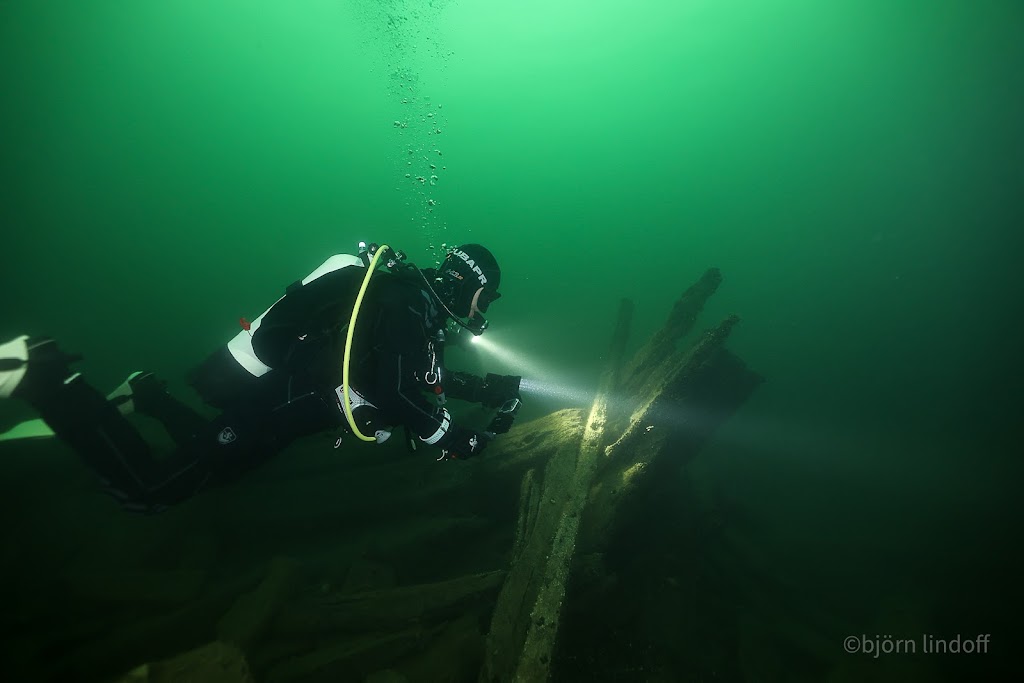
Upon entering the brackish Baltic waters, divers immediately encounter dark, tannin-stained conditions, resulting in consistently low ambient light. This environment necessitates a good primary light source for clear visibility and effective navigation around the wreck. The preserved, workmanlike profile of the Anna-Maria is a direct testament to the cold water and low salinity environment, which has protected its wooden structure for centuries. Divers typically undertake a no-decompression wreck tour, exploring the largely intact hull structure and the surrounding debris field, which includes scattered cargo and ship parts. Significant sediment is present on the wreck and seabed, so proper fin control and careful movement are essential to avoid silt-outs, ensuring the site remains clear and enjoyable for all divers. Managing buoyancy is a key skill here, allowing for close inspection without disturbing the delicate historical context.
Dive Difficulty & Safety Guidelines
Careful buoyancy management is crucial when diving the Anna-Maria to prevent disturbing the significant sediment present on and around the wreck. Inadvertent contact can quickly reduce visibility for all divers and potentially cause irreversible damage to this delicate historical site. Given the cold, dark, and brackish water conditions, divers should be adequately trained and proficient in wreck environments.
The PADI Wreck Diver specialty is highly recommended to safely navigate and appreciate the ship's structure, understanding potential overhead environments and entanglement risks. Always plan your dive conservatively, staying well within recreational depth limits typical for this site.
Furthermore, ensuring you have a reliable primary light source and a backup light is paramount for effective communication and safe navigation in the low ambient light conditions.
Recommended Equipment
Overhead / entanglement risk. Wreck penetration requires proper training.
- Dive Computer
- DSMB
- Primary & Backup Lights
- Wreck Reel
- Cutting Tool
This gear list is based on verified equipment signals for Anna-Maria, Sweden. Always confirm final gear choices with your dive operator, guide, or liveaboard.
Recommended Dive Suit
The latest conditions reported around Anna-Maria place the water temperature close to 16°C (62°F). Surface air temperatures are resting at 17°C (62°F).
5-7mm wetsuit is generally considered suitable for water temperatures like this. A hood or vest is suggested for sensitive divers due to surface winds. A thermal robe or jacket is recommended between dives.
Conditions in the coming days are expected to stay within a similar temperature range.
Emergency & Medical Support
Essential information to help you plan your dive trip to Anna-Maria.

Hyperbaric chambers are a critical part of dive safety infrastructure. Availability varies significantly by region, and not all dive areas have immediate access.
Before diving, it's recommended to:
- confirm nearest medical facilities
- check emergency procedures with local dive operators
- ensure dive insurance covers evacuation if required
Divers Alert Network
Diving emergency assistance available through DAN Europe.
+39 0642115685- 24/7 emergency hotline
- Diving medical assistance
- Evacuation coordination
Emergency contacts are provided for reference. Always verify local emergency services before diving.
Closest Listed Hyperbaric Chambers
Showing listed hyperbaric chamber facilities within 200 km of this dive site.
Distances are approximate straight-line distances and may not reflect emergency travel time.
Karolinska Univeristy Hospital, Solna
ICU CapableStockholm, Sweden•Approx. 33 km straight-line
Karolinska Univeristy Hospital, Solna
ICU CapableInformation is provided for reference and planning purposes only. Dive Navigator does not verify operational status, staffing, availability, or quality of care at listed facilities. In an emergency, contact local emergency services, DAN, your dive operator, or the chamber directly. Do not travel to a facility without calling ahead.
Marine Life at Anna-Maria
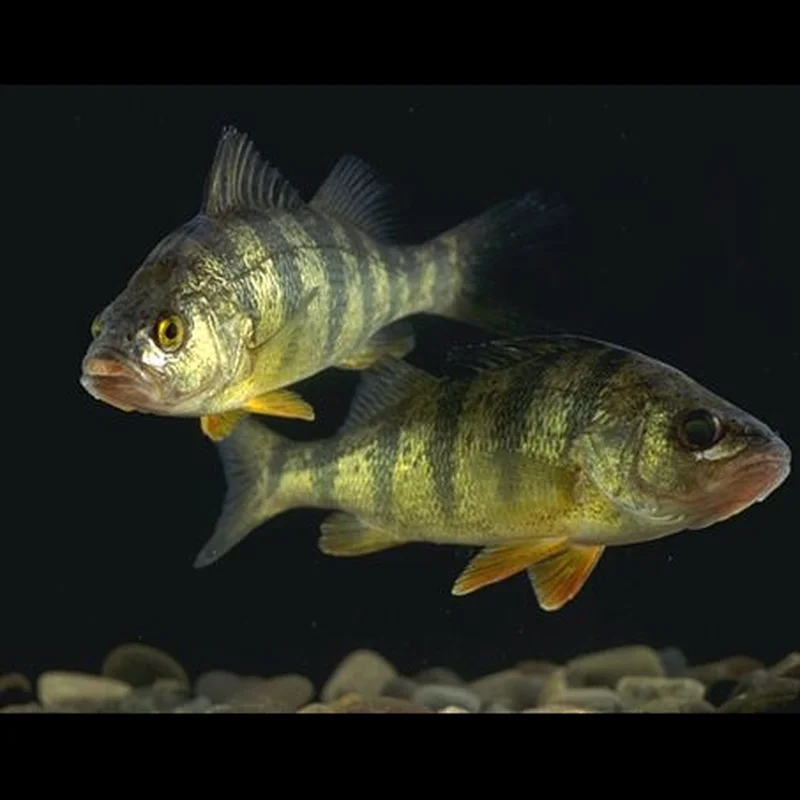
Despite the darker Baltic conditions, the Anna-Maria wreck supports a range of marine life. Divers frequently observe perch, cod, mysid shrimp, gobies, and flatfish around the structure.
Inside the wreck, large catfish and eels are known to reside. Notably, colonies of ear jellyfish polyps can be found on the bow, contributing to the site's unique ecosystem, with many marine species seeking shelter within the wreck's confines.

Dive Sites Near Anna-Maria
View all dive sites in SwedenDiscover more underwater gems in this area.
Dive Centers Near Anna-Maria
Today: Closed
Nearest Airports
Nearest airports to help plan travel to this dive area.
Search Flights
Check available flights and routes on Expedia, using the nearby airports listed in this section.
Search Flights on ExpediaFrequently Asked Questions
What kind of wreck is the Anna-Maria?
The Anna-Maria is a 17th-century flute ship, a type of cargo vessel. It was built in Amsterdam in 1694 and sank in 1709 after catching fire while anchored in the Swedish port of Dalarö.
How deep is the Anna-Maria wreck?
The wreck rests on a seabed beginning in the high teens, with its deepest point around 22 meters or just over 70 feet. This depth range is well within recreational diving limits.
Is the Anna-Maria wreck intact?
Yes, the hull is largely in one piece and well-preserved, though the stern section shows signs of the fire that caused its sinking. Parts of its original cargo, including planks, iron, and copper, are still visible.
What are the typical water conditions for diving the Anna-Maria?
Expect dark, tannin-stained, brackish water with low ambient light. The water is cold, a characteristic of Baltic Sea dives, emphasizing the need for appropriate thermal protection like a drysuit.
What marine life can be seen at the Anna-Maria wreck?
The wreck attracts various species, including perch, cod, flatfish, and gobies. Divers often spot shrimp and can find large catfish and eels residing within the wreck itself, along with ear jellyfish polyps on the bow.
What specific dive skills or certifications are recommended for this site?
Solid buoyancy control is essential due to the prevalent sediment. The PADI Wreck Diver specialty is recommended to safely and effectively explore the ship's structure and navigate wreck environments.
Planning to dive Anna-Maria?
Send one inquiry and receive offers directly from the best verified local dive operators.
Conditions are Moderate
High Wind Advisory (47km/h). Unsafe surface.
Current conditions near Anna-Maria show 17° air, 16° sea temperature, 1.1 m waves, and 47 km/h wind. Forecast data is refreshed regularly to ensure accuracy.