
Diving at Ingrid Horn (Sweden)
A German steamship, the S/S Ingrid Horn, sank south of Dalarö, Sweden, on July 31, 1917. Measuring 89 meters (292 ft) long, this iron-hulled vessel was carrying iron ore from Sweden to Germany when it collided with the Swedish steamer "Bergsvik" in heavy fog. A rapid sinking claimed 21 lives, with only one survivor, leaving an underwater legacy.
As evening covers Ingrid Horn, the local air temperature is measured at 15°C. The current wave height at the surface is recorded at 0.7 m. These late-day readings characterize the surface conditions for the night.
Dive Site Location & Key Facts
Dive Site Overview
For experienced divers, exploring the historical S/S Ingrid Horn wreck offers a compelling dive in the brackish waters near Dalarö, Sweden. Measuring 89 meters (292 ft) long with a full iron hull, the steamship rests on the seabed after its tragic sinking.
Laden with iron ore, the vessel went down following a collision with the Swedish steamer "Bergsvik" in dense fog on July 31, 1917. Insufficient kerosene for its navigation lanterns is believed to have contributed to the fatal accident. Extensive dive surveys and sonar data, particularly from around 2009, reveal the wreck's remarkably preserved state.
Reaching a maximum depth of 40 m (131 ft), it remains accessible for advanced recreational and technical divers. Much of the ship's integrity persists, providing numerous opportunities for detailed exploration.
Boat entry is the standard approach to this site, establishing it as a dedicated wreck dive. Conditions typically involve cold water and potentially variable visibility, which necessitates careful planning and suitable thermal protection.
Conditions are Moderate
High Wind Advisory (48km/h). Unsafe surface.
Current conditions near Ingrid Horn show 15° air, 16° sea temperature, 1.1 m waves, and 48 km/h wind. Forecast data is refreshed regularly to ensure accuracy.
Best Time to Dive
Optimizing for the best possible visibility defines the ideal time to dive the Ingrid Horn, as brackish environments can cause clarity to vary. Excellent dive conditions usually prevail from April through August. Air temperatures are milder during these months, ranging from 5.5°C (42°F) in April to 18°C (64°F) in July, a notable contrast to colder winter periods. Moderate rainfall during this peak season, with July averaging 3.0 mm (0.12 in) per day, might influence water clarity. As autumn progresses into September and October, dive scores remain good, although air temperatures cool significantly, dropping to 8.5°C (47°F) by October. Wind speeds generally stay consistent throughout much of the year, so monitoring local conditions for calm seas remains advisable.
PEAK SEASON SCORE
Scores combine air & water temps, waves, wind & rainfall for overall conditions.
BEST MONTHS TO DIVE
Monthly records compiled from satellite and marine observation nodes over the last 3 years. Data provided by Open-Meteo and MET Norway.
Dive Experience & Conditions
Encountering the Ingrid Horn wreck means navigating a challenging brackish water environment, where visibility varies and often demands good lighting. Upon descent, divers typically find the imposing 89-meter steamship within the 25-30 m (82-98 ft) depth range. The structure extends deeper, reaching a maximum depth of 40 m (131 ft). Moving along its iron hull, the vessel's sheer scale, along with preserved construction details and remnants of its iron ore cargo, become apparent. Exploring various sections of the ship offers a tangible connection to its maritime history. Since this is a boat-entry dive, careful planning for surface support and reliable navigation are crucial for successful, safe exploration.
Dive Difficulty & Safety Guidelines
Approaching the Ingrid Horn wreck demands strict adherence to specific safety guidelines, prioritizing technical wreck diving principles. Due to the maximum depth of 40 m (131 ft) and inherent enclosed spaces, specialized training like Tec 40/45/50 comes highly recommended. Divers should only attempt penetration with appropriate training, equipment, and redundant air sources, considering potential entanglement hazards and restricted exits.
Brackish water conditions sometimes contribute to reduced visibility; this necessitates excellent buoyancy control and navigation skills. Always dive with a reliable computer.
Deploy a Surface Marker Buoy (SMB) upon ascent to signal your position to surface support, particularly since entry is exclusively by boat.
Recommended Equipment
Deep dive hazard. Increased narcosis and gas consumption risk.
Overhead / entanglement risk. Wreck penetration requires proper training.
- Dive Computer
- DSMB
- Primary & Backup Lights
- Wreck Reel
- Cutting Tool
This gear list is based on verified equipment signals for Ingrid Horn, Sweden. Always confirm final gear choices with your dive operator, guide, or liveaboard.
Recommended Dive Suit
Divers planning relaxed exploration may appreciate the warmth of 5-7mm wetsuit. Consider warmer surface protection (like a boat coat) due to brisk winds. A thermal robe or jacket is recommended between dives. Divers often notice that perceived temperature can feel cooler during deeper or longer dives.
The waters surrounding Ingrid Horn are currently maintaining temperatures close to 16°C (62°F). Surface air temperatures are resting at 15°C (59°F).
Weather projections show fairly stable environmental conditions ahead.
Emergency & Medical Support
Essential information to help you plan your dive trip to Ingrid Horn.

Hyperbaric chambers are a critical part of dive safety infrastructure. Availability varies significantly by region, and not all dive areas have immediate access.
Before diving, it's recommended to:
- confirm nearest medical facilities
- check emergency procedures with local dive operators
- ensure dive insurance covers evacuation if required
Divers Alert Network
Diving emergency assistance available through DAN Europe.
+39 0642115685- 24/7 emergency hotline
- Diving medical assistance
- Evacuation coordination
Emergency contacts are provided for reference. Always verify local emergency services before diving.
Closest Listed Hyperbaric Chambers
Showing listed hyperbaric chamber facilities within 200 km of this dive site.
Distances are approximate straight-line distances and may not reflect emergency travel time.
Karolinska Univeristy Hospital, Solna
ICU CapableStockholm, Sweden•Approx. 34 km straight-line
Karolinska Univeristy Hospital, Solna
ICU CapableInformation is provided for reference and planning purposes only. Dive Navigator does not verify operational status, staffing, availability, or quality of care at listed facilities. In an emergency, contact local emergency services, DAN, your dive operator, or the chamber directly. Do not travel to a facility without calling ahead.
Marine Life at Ingrid Horn
At the Ingrid Horn, the wreck itself immediately stands out, forming a complex artificial reef within the Baltic Sea's brackish environment. While prominent marine life isn't consistently reported specifically for this site, its structure offers a habitat for smaller, hardier species common to cold-water wrecks.
Encrusting organisms colonize metal surfaces, creating a living layer over the ship’s remains. Divers often observe various crustaceans, small fish, and anemones finding shelter and sustenance within the ship's framework. This wreck serves as a focal point for ecological activity in an otherwise sandy or silty seabed.

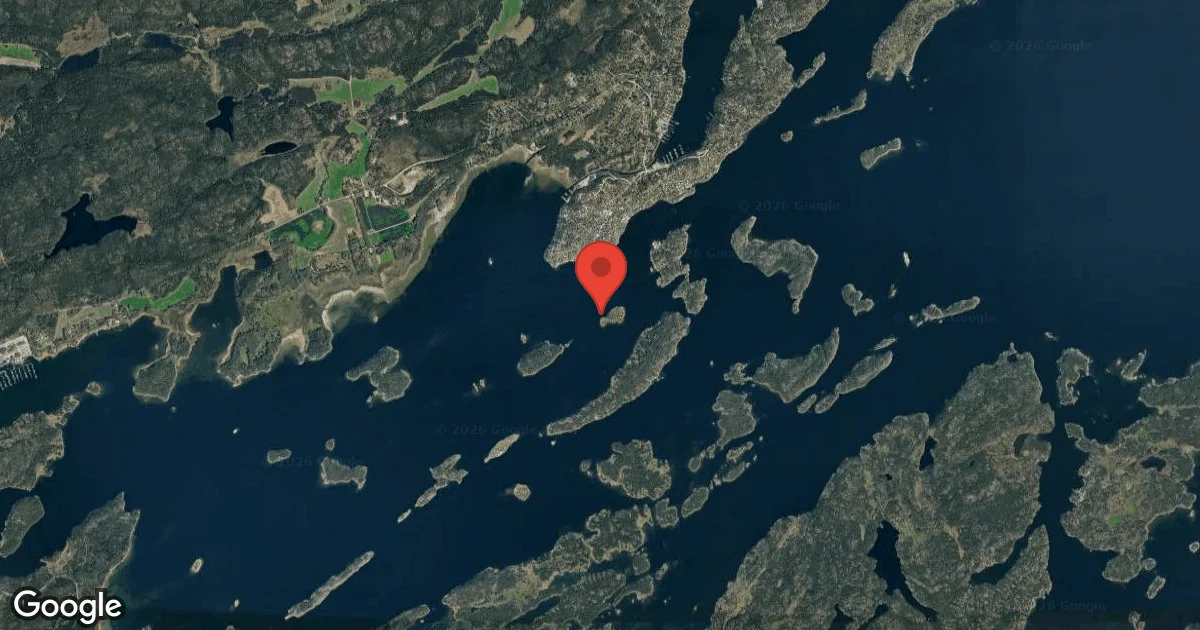
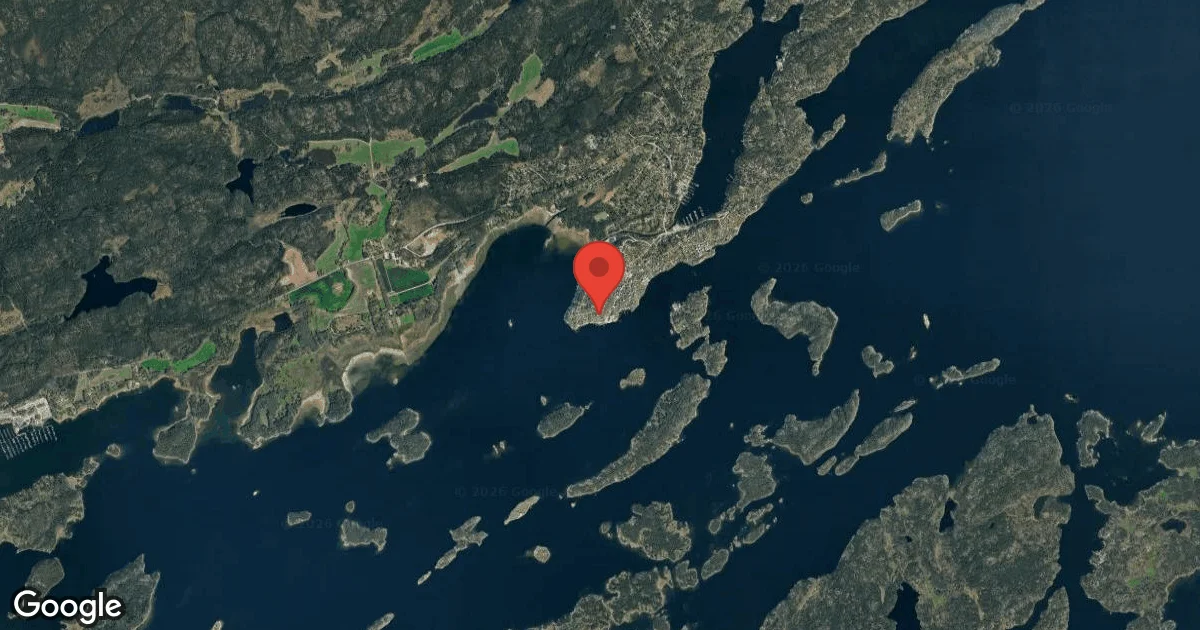
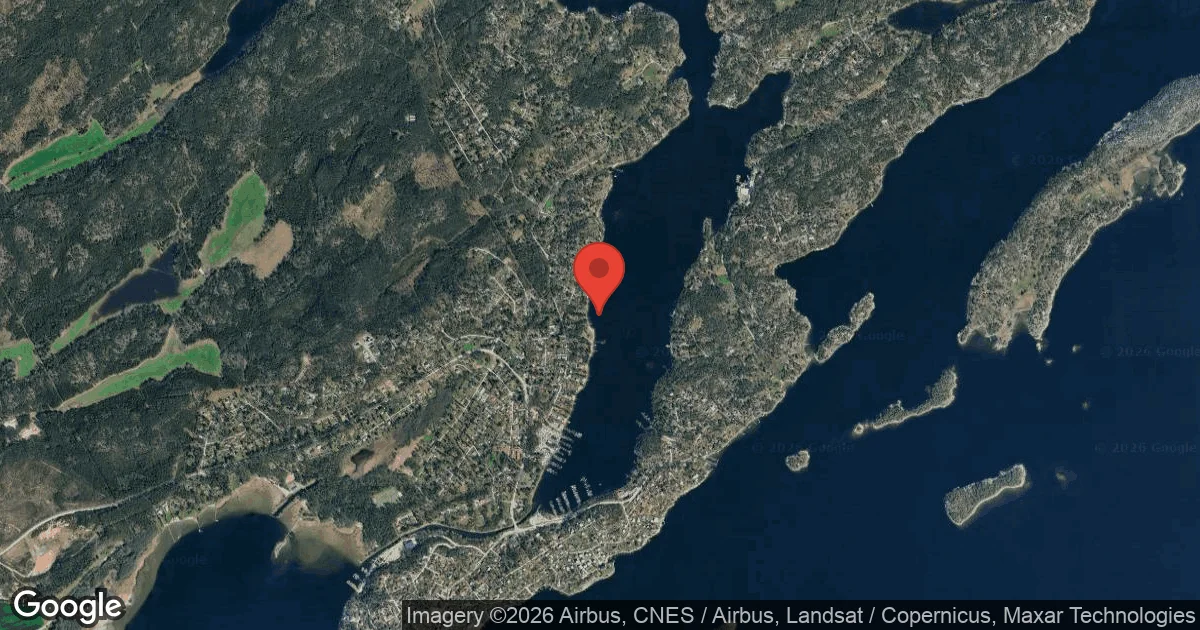
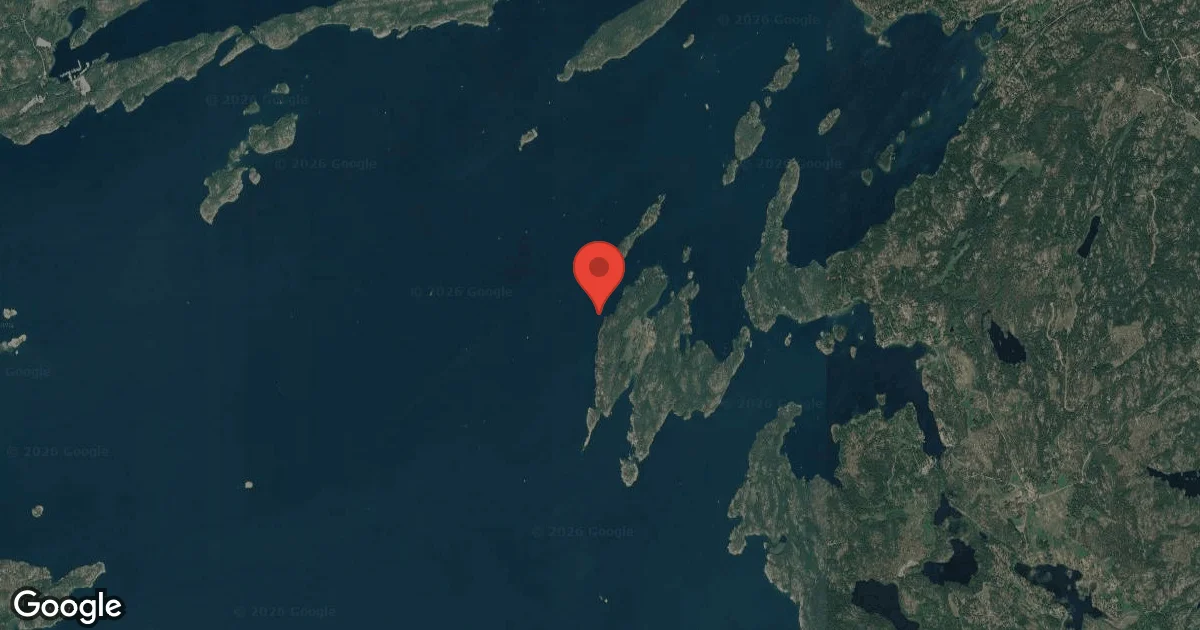
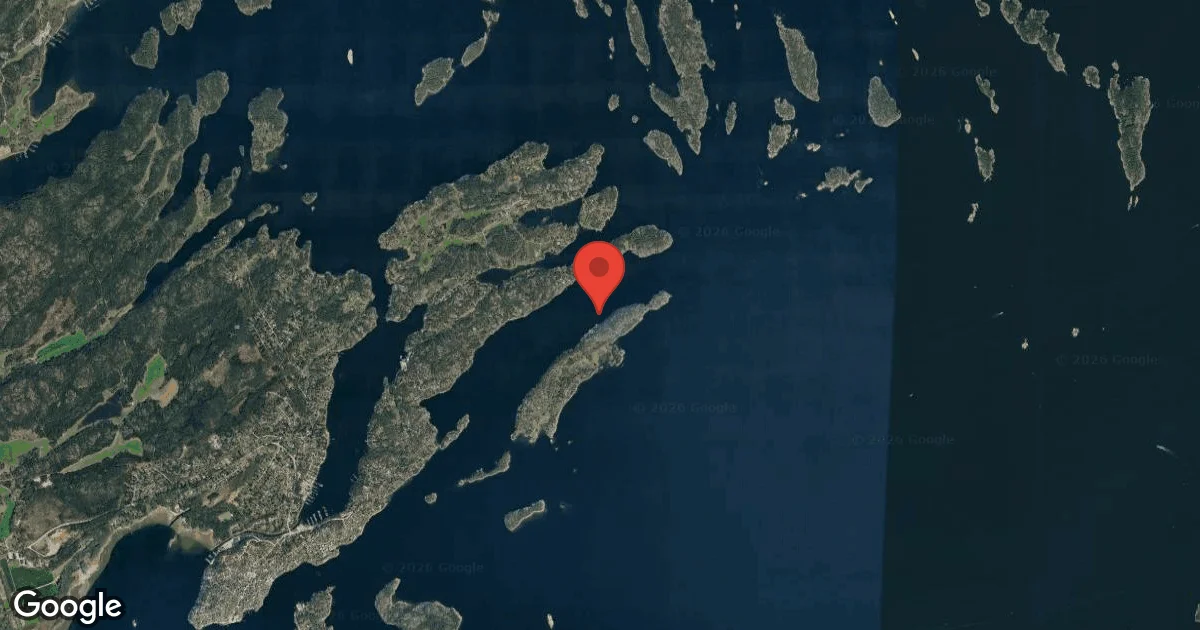
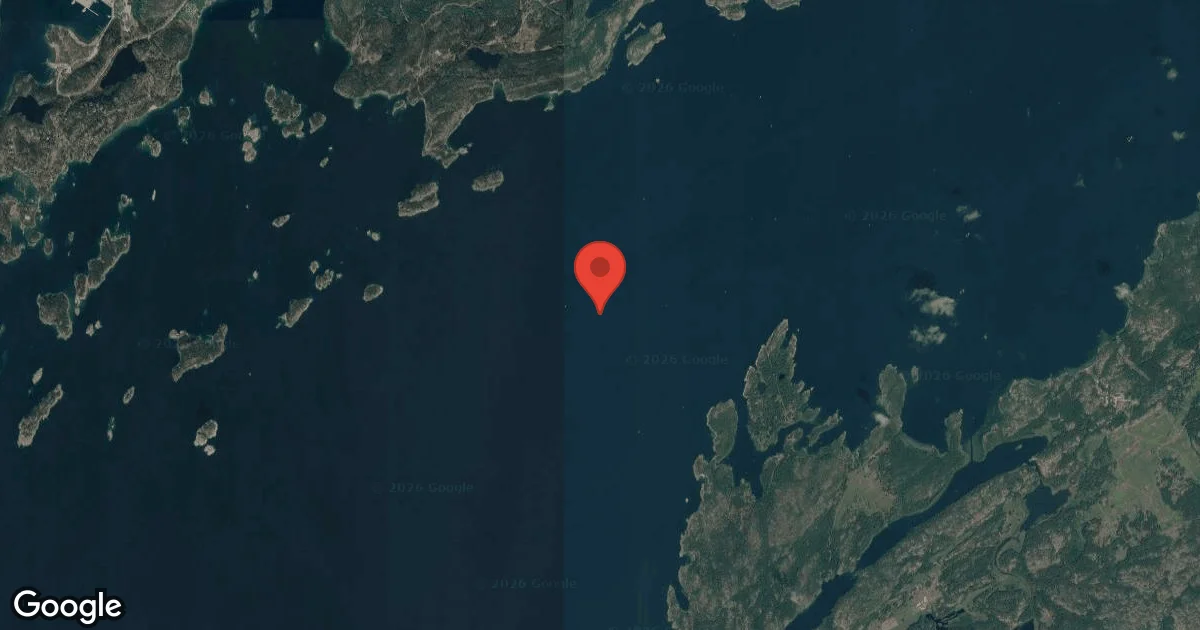
Dive Sites Near Ingrid Horn
View all dive sites in SwedenDiscover more underwater gems in this area.
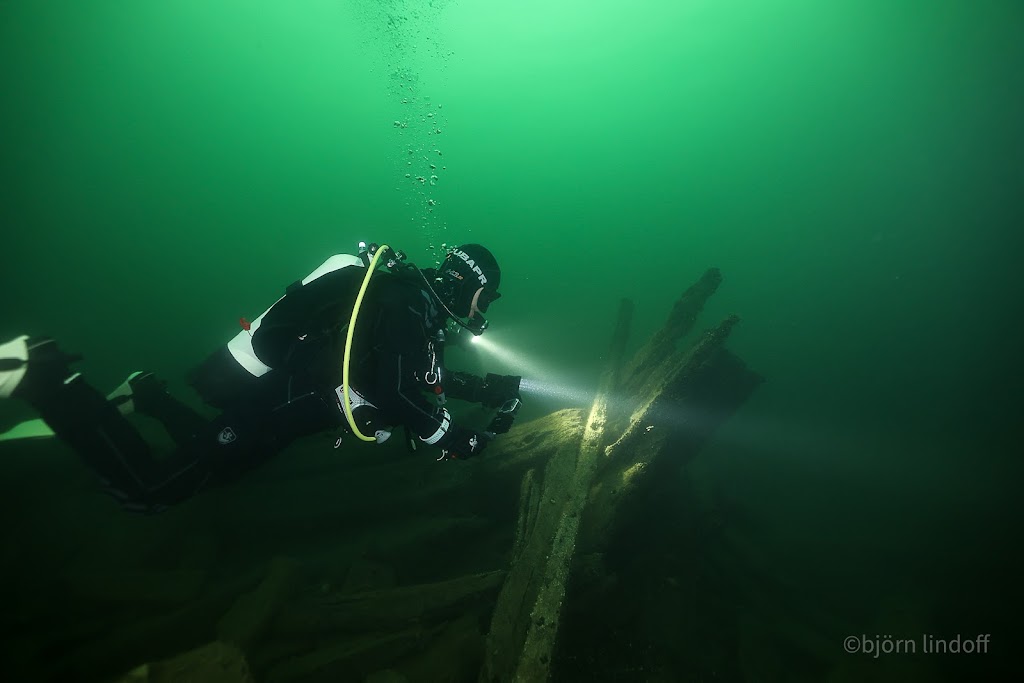
Dive Centers Near Ingrid Horn
Today: Closed
Nearest Airports
Nearest airports to help plan travel to this dive area.
Search Flights
Check available flights and routes on Expedia, using the nearby airports listed in this section.
Search Flights on ExpediaFrequently Asked Questions
What caused the sinking of the S/S Ingrid Horn?
S/S Ingrid Horn sank on July 31, 1917, following a collision with the Swedish steamer "Bergsvik" in dense fog. Believed to have had insufficient kerosene for its navigation lanterns, this likely contributed to the fatal accident by leaving them dim or unlit.
What is the maximum depth of the Ingrid Horn wreck?
S/S Ingrid Horn's wreck rests at a maximum depth of 40 m (131 ft). Divers typically encounter the main structure in shallower sections, around 25-30 m (82-98 ft).
What type of training is recommended for diving this site?
Specialized training, such as Tec 40/45/50, comes recommended due to the wreck's depth and inherent complexities of wreck diving. Such training ensures divers possess the necessary skills and experience for safe exploration.
Is the Ingrid Horn wreck accessible from shore?
No, access to the S/S Ingrid Horn wreck is exclusively by boat. Divers need to arrange boat transport to reach the dive site near Dalarö.
What are the water conditions like at the Ingrid Horn?
Water conditions at Ingrid Horn are brackish, typical of the Baltic Sea. Varying visibility is common, and generally cold water temperatures necessitate appropriate thermal protection.
What was the cargo of the S/S Ingrid Horn?
At the time of its sinking, the S/S Ingrid Horn was loaded with iron ore. The vessel was en route from Sweden to Germany when the collision occurred.
Planning to dive Ingrid Horn?
Send one inquiry and receive offers directly from the best verified local dive operators.
Conditions are Moderate
High Wind Advisory (48km/h). Unsafe surface.
Current conditions near Ingrid Horn show 15° air, 16° sea temperature, 1.1 m waves, and 48 km/h wind. Forecast data is refreshed regularly to ensure accuracy.