
Diving at Victor (Sweden)
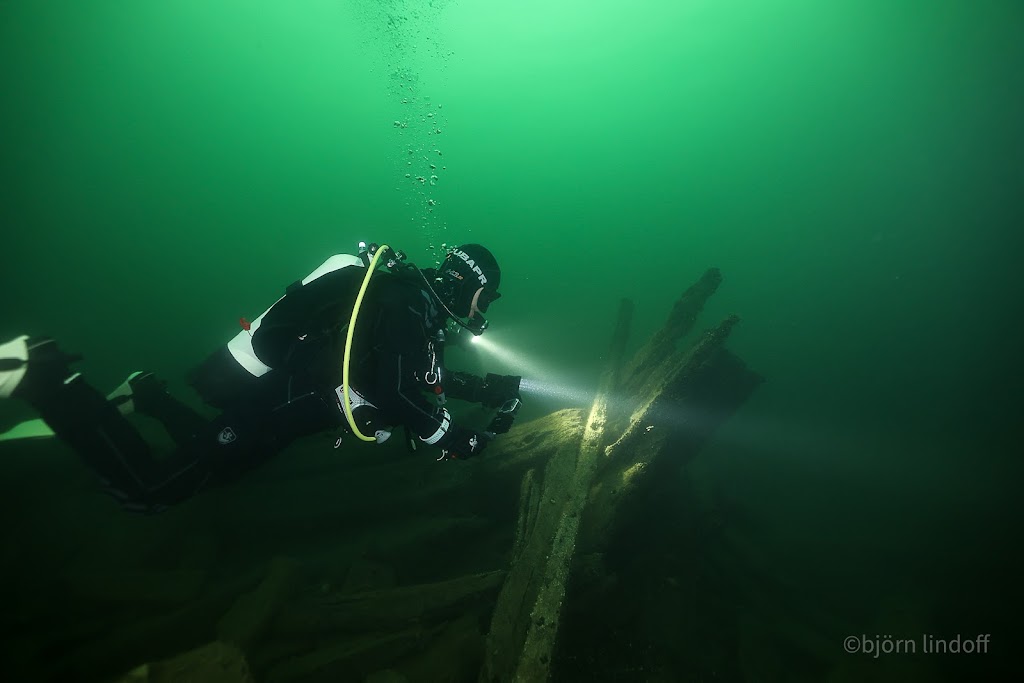
Diving in Swedish waters, particularly around the site known as Victor, involves an encounter with remnants of maritime history. While specific details of the wreck are not consistently reported, such dives offer a tangible connection to past seafaring eras. Exploring this wreck allows divers to reflect on the stories embedded in its submerged structure, highlighting the rich and often turbulent history of northern European navigation. It's an opportunity to experience an underwater museum.
Tonight's objective overview for Victor shows an air temperature of 16°C. The measured surface conditions include wave heights around 0.8 m. This environmental data is logged for the close of the day.
Dive Site Location & Key Facts
Dive Site Overview
A designated wreck site defines the underwater topography at Victor, characteristic of a sunken vessel in cold, northern waters. Divers typically navigate along the exterior hull, observing the ship's general outline as it settles on the seabed.
Depending on the wreck's integrity, structures like the bow, stern, and superstructure may be distinguishable, each presenting unique features for exploration. Sedimentation patterns or the growth of cold-water organisms often cover various parts, altering the original contours. Careful buoyancy control is essential to avoid disturbing the silty bottom, which can quickly reduce visibility.
Wreck depths can range significantly, but are often accessible within typical recreational limits, potentially reaching up to 30 m (100 ft) or deeper. Internal penetration, if possible, demands specialized training due to overhead environments and potential entanglement hazards.
Beyond the wreck itself, the surrounding seabed is generally flat, offering limited topographical variation. Conditions can influence how much of the wreck is observable on any given day, from currents that clear sediment to wave action affecting surface conditions before descent. An artificial reef, the site creates microhabitats within its various compartments and crevices.
Conditions are Good
High Wind Advisory (41km/h). Unsafe surface.
Current conditions near Victor show 16° air, 16° sea temperature, 1.1 m waves, and 41 km/h wind. Forecast data is refreshed regularly to ensure accuracy.
Best Time to Dive
Optimizing a dive trip to Victor, particularly for visibility, often aligns with the transition months or the peak of the warmer season. May and June historically present the highest dive scores, marked by relatively lower wave heights and moderate wind speeds. During these months, average air temperatures climb to 10.5-15.5°C (51-60°F), making surface intervals more comfortable. Rain averages are also comparatively low then, reducing run-off that can impact clarity. While specific water temperatures are not consistently reported for Victor, they are expected to be cold, typical for Swedish waters, requiring appropriate thermal protection year-round. Conversely, months like January and February experience air temperatures below freezing, around -1.5°C (35°F), alongside higher wave activity, which generally detracts from optimal diving conditions. Peak summer months, July and August, still offer good dive scores, with air temperatures averaging 18°C (64°F) and 16.5°C (62°F) respectively, despite slightly increased rainfall. Planning during periods of calmer weather, irrespective of the season, is crucial for improving underwater visibility and overall dive safety.
PEAK SEASON SCORE
Scores combine air & water temps, waves, wind & rainfall for overall conditions.
BEST MONTHS TO DIVE
Monthly records compiled from satellite and marine observation nodes over the last 3 years. Data provided by Open-Meteo and MET Norway.
Dive Experience & Conditions
At Victor, divers typically navigate through, or around, historical structures, a direct consequence of its wreck designation. Dive profiles at this wreck site vary, with parts potentially reaching considerable depths, while other sections may lie shallower. Divers should anticipate a cold-water environment, with thermoclines possibly encountered during descent, indicative of varying water layers. Current strength is not consistently reported, but divers should be prepared for potential moderate water movement, especially around prominent wreck features. Visibility at the site can be influenced by local weather patterns, organic particulate matter, and sediment disturbance, leading to variable conditions. A typical dive might involve exploring the ship's deck, observing machinery or cargo hold openings, if present and accessible. Overall experience is dictated by the wreck's preservation status and ambient underwater conditions, which can range from clear days allowing extensive views to more challenging, silty encounters. Penetration diving, if pursued, requires advanced certification and meticulous planning due to inherent overhead environment risks.
Dive Difficulty & Safety Guidelines
Safety protocols for a wreck dive like Victor prioritize understanding and mitigating specific hazards. Primary hazards associated with wreck diving include potential entanglement with fishing lines or structural debris, and risks of overhead environments if entering enclosed spaces. Strong currents, while not consistently reported for Victor, can emerge unexpectedly, demanding careful attention to positioning and dive planning.
Cold water temperatures necessitate proper thermal protection to prevent hypothermia, making dry suits and appropriate undergarments essential. Divers should maintain excellent buoyancy control to avoid silting out the wreck, which severely impacts visibility for themselves and others.
It's crucial to dive with a reliable buddy, carry appropriate cutting tools, and have a dive light even during day dives, given the potential for darker interior sections or limited ambient light. Respecting the wreck as a historical site and avoiding disturbance or removal of artifacts is also a key guideline.
Recommended Equipment
Overhead / entanglement risk. Wreck penetration requires proper training.
- Dive Computer
- DSMB
- Primary & Backup Lights
- Wreck Reel
- Cutting Tool
This gear list is based on verified equipment signals for Victor, Sweden. Always confirm final gear choices with your dive operator, guide, or liveaboard.
Recommended Dive Suit
For dives of average duration, 5-7mm wetsuit usually provides sufficient protection from heat loss. A hood or vest is suggested for sensitive divers due to surface winds. A thermal robe or jacket is recommended between dives.
Current readings at Victor show water temperatures near 16°C (61°F). Surface air temperatures are resting at 16°C (61°F).
Weather projections show fairly stable environmental conditions ahead.
Due to technical issues with our weather providers, data hasn't been fetched for over 48 hours. The data above reflects the conditions at the time of the last successful fetch.
Emergency & Medical Support
Essential information to help you plan your dive trip to Victor.

Hyperbaric chambers are a critical part of dive safety infrastructure. Availability varies significantly by region, and not all dive areas have immediate access.
Before diving, it's recommended to:
- confirm nearest medical facilities
- check emergency procedures with local dive operators
- ensure dive insurance covers evacuation if required
Divers Alert Network
Diving emergency assistance available through DAN Europe.
+39 0642115685- 24/7 emergency hotline
- Diving medical assistance
- Evacuation coordination
Emergency contacts are provided for reference. Always verify local emergency services before diving.
Closest Listed Hyperbaric Chambers
Showing listed hyperbaric chamber facilities within 200 km of this dive site.
Distances are approximate straight-line distances and may not reflect emergency travel time.
Karolinska Univeristy Hospital, Solna
ICU CapableStockholm, Sweden•Approx. 38 km straight-line
Karolinska Univeristy Hospital, Solna
ICU CapableInformation is provided for reference and planning purposes only. Dive Navigator does not verify operational status, staffing, availability, or quality of care at listed facilities. In an emergency, contact local emergency services, DAN, your dive operator, or the chamber directly. Do not travel to a facility without calling ahead.
Marine Life at Victor
Emerging life on the wreck structures at Victor often captures a diver's immediate attention. Cold-water species adapted to these conditions commonly colonize the metal surfaces, forming encrusting layers or swaying gently in the currents.
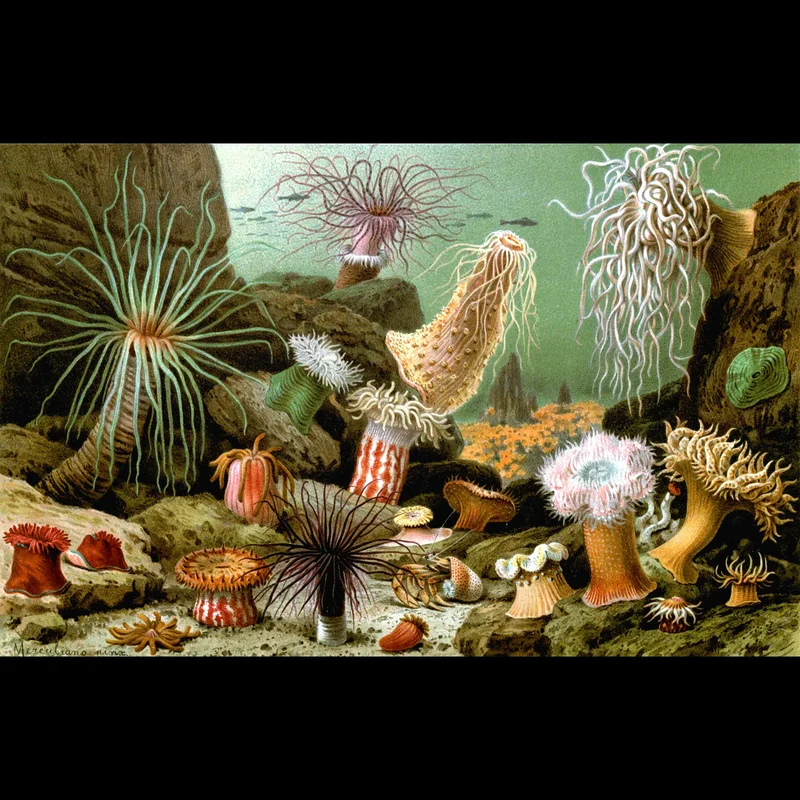
Divers might observe various types of anemones, sponges, and hydroids clinging to the hull, providing texture and color against the muted backdrop. Depending on the site's depth and light penetration, schools of smaller fish can sometimes be seen darting amongst the wreckage.
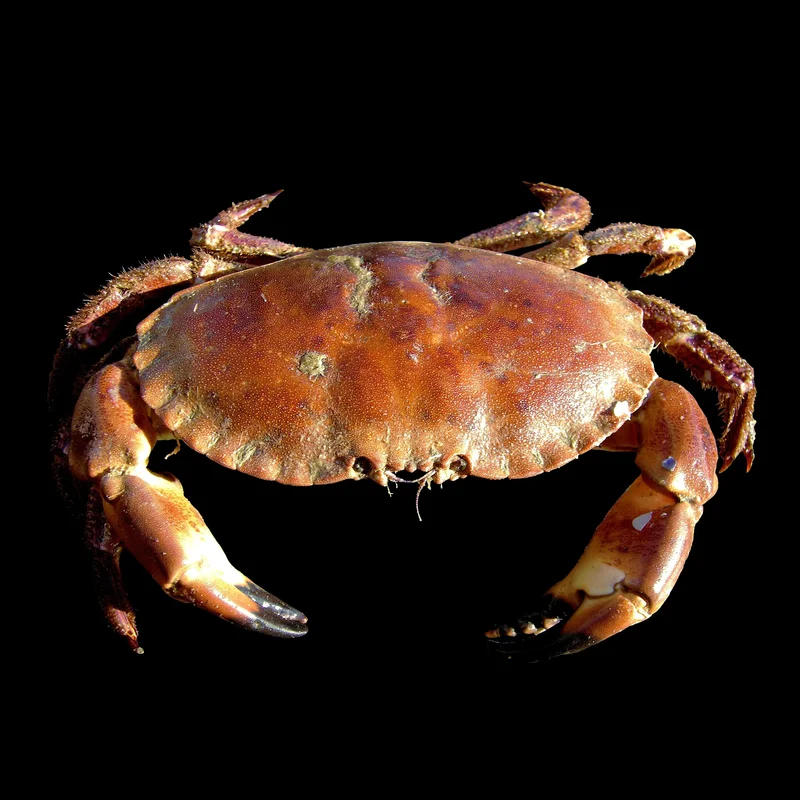
Crab species or other benthic invertebrates might also be discovered hidden within crevices or walking across the sediment-covered decks. These organisms transform the wreck from a static monument into a dynamic, albeit subtle, underwater ecosystem.
Dive Sites Near Victor
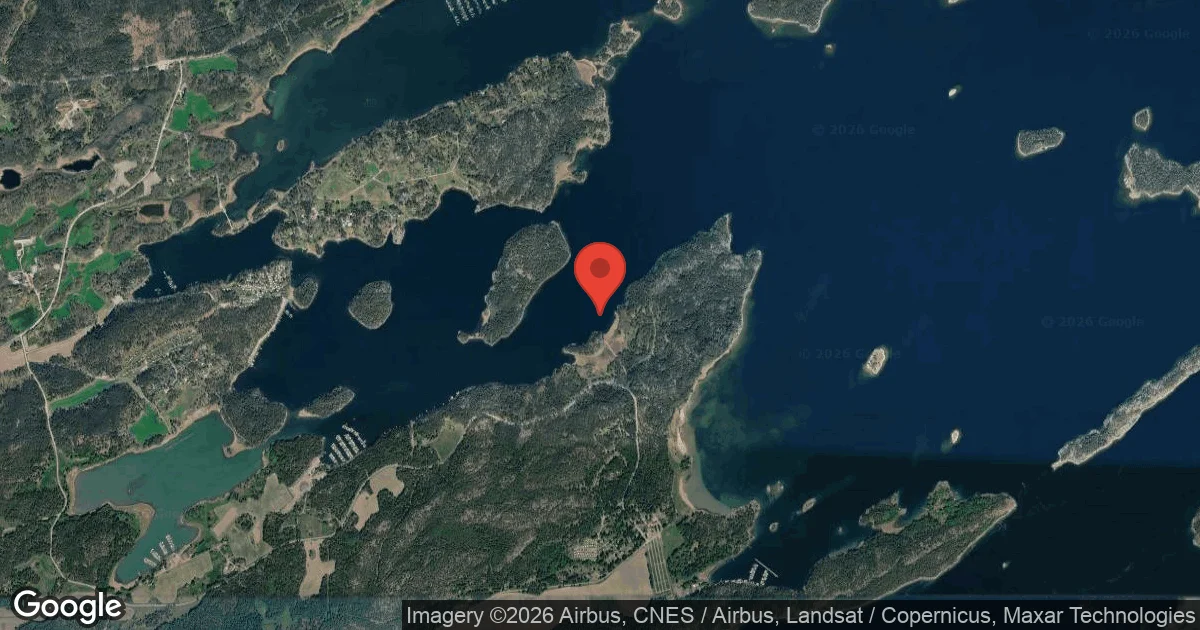
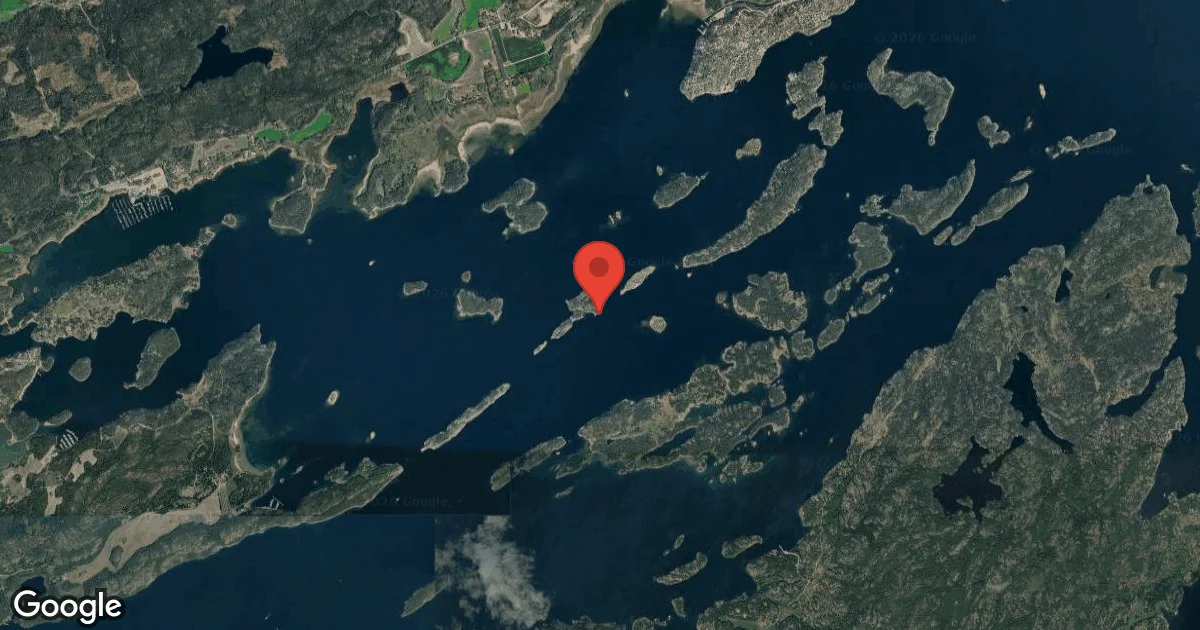
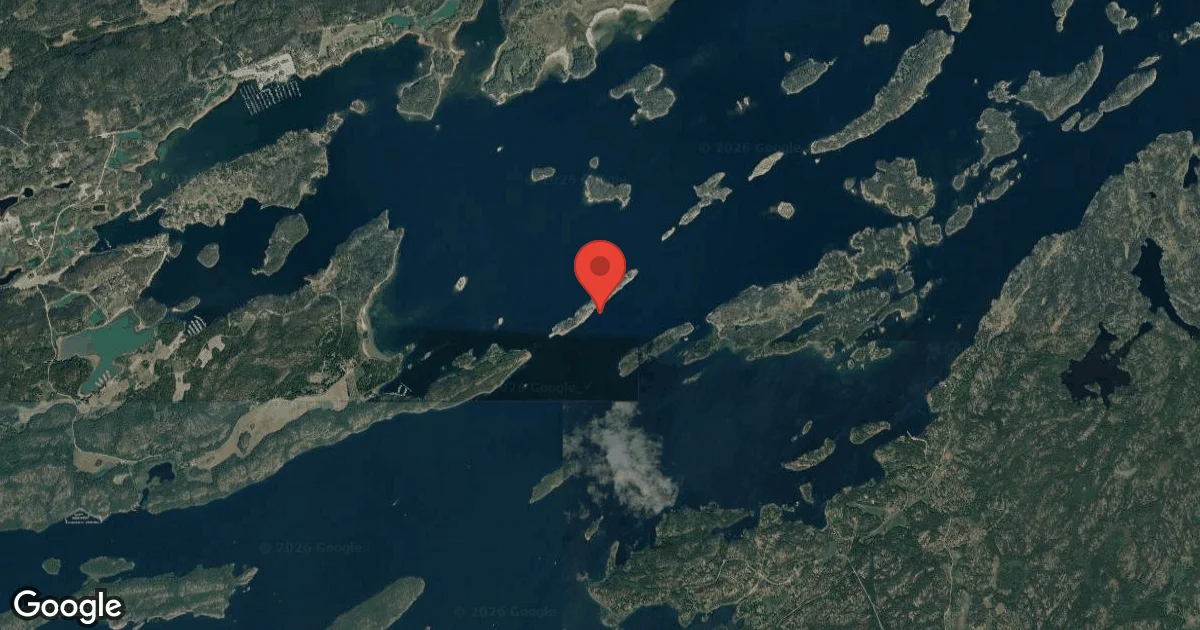
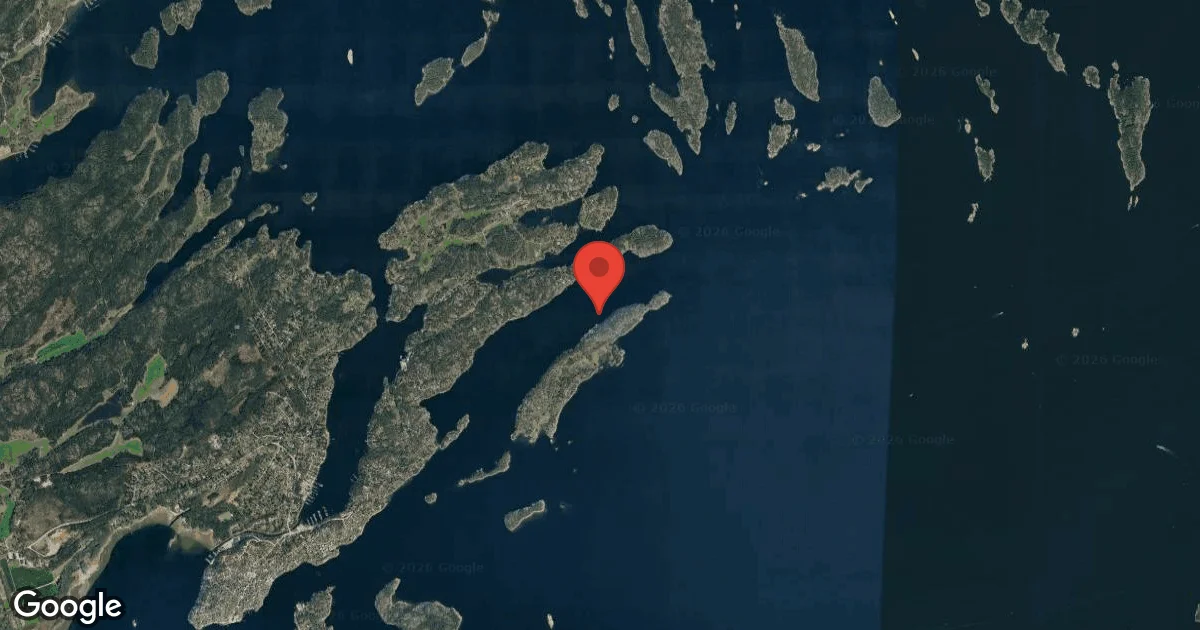
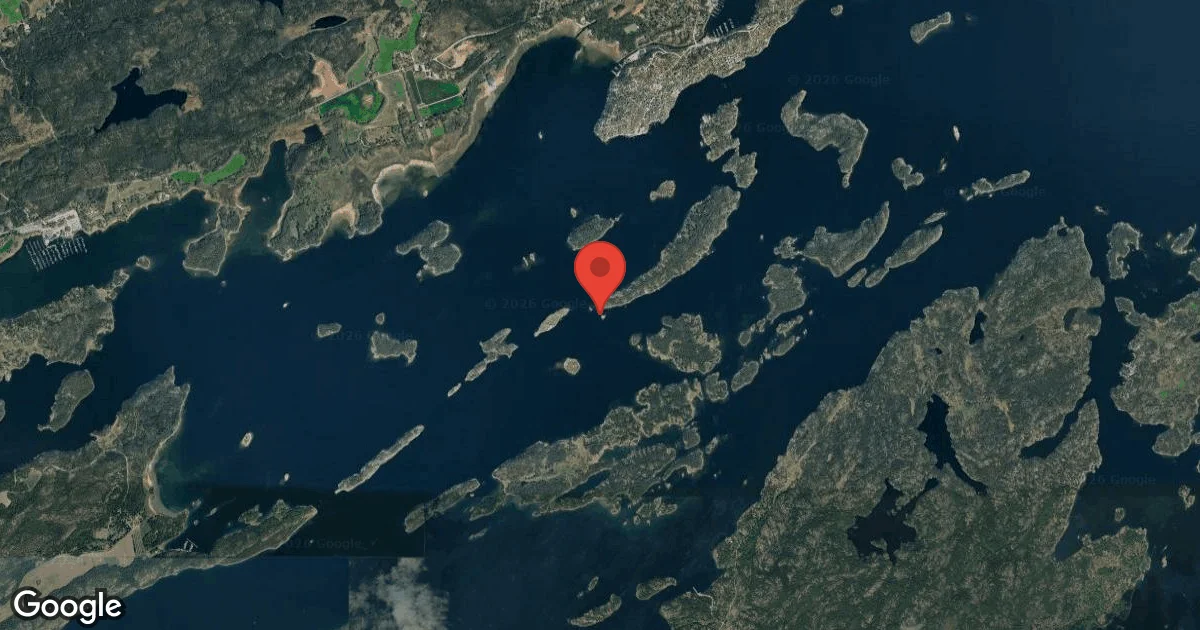
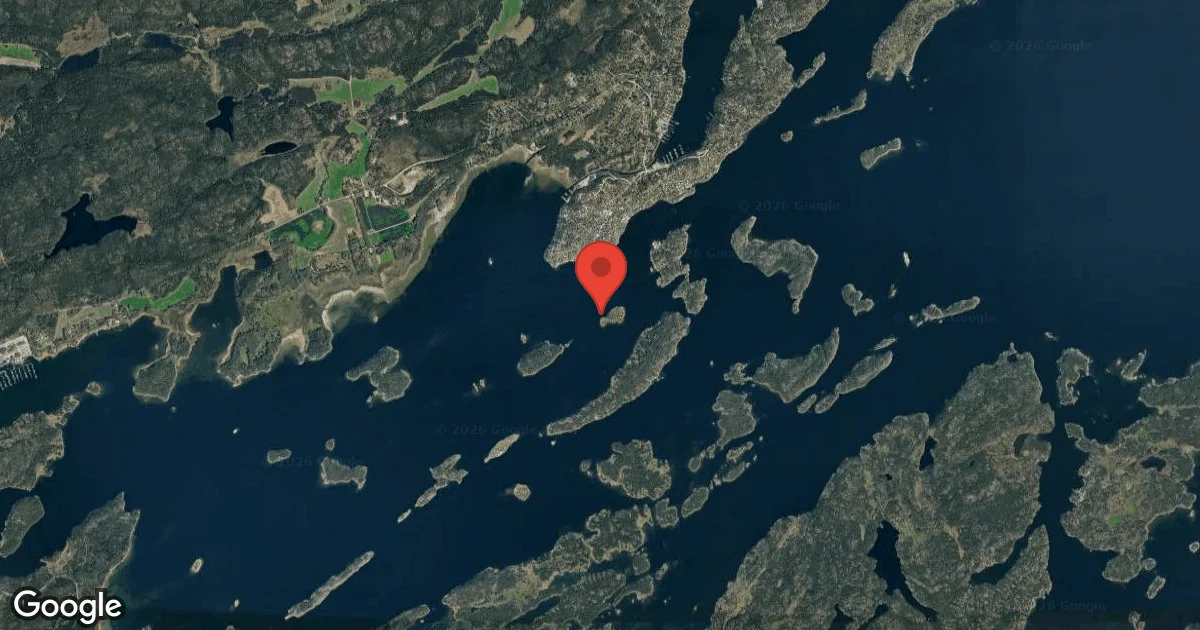
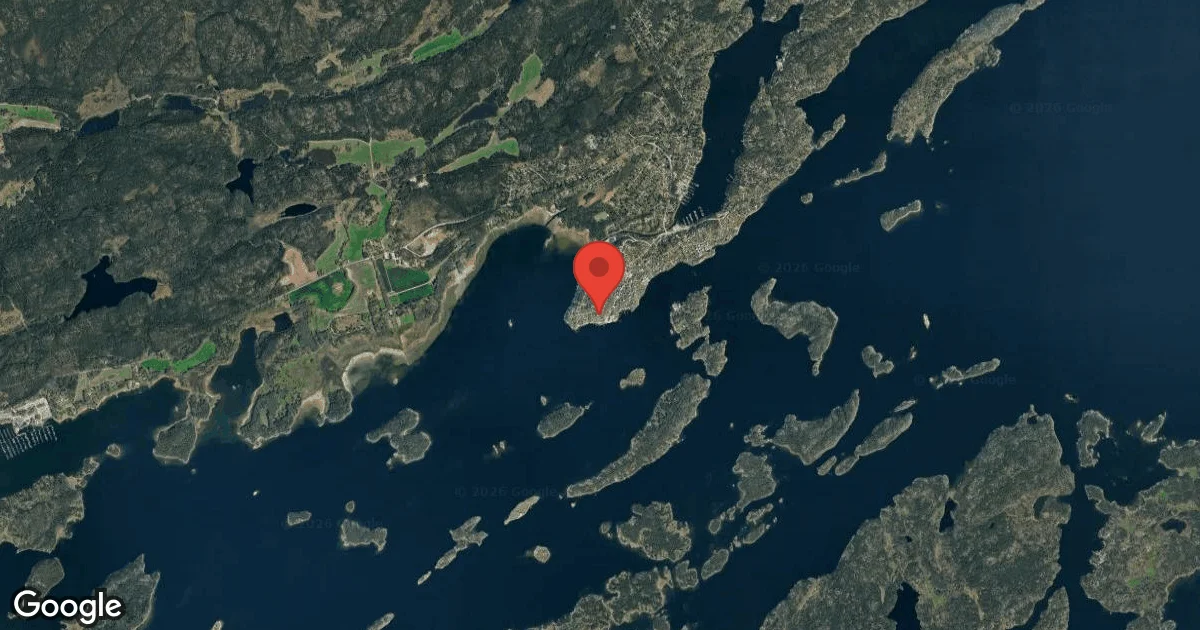
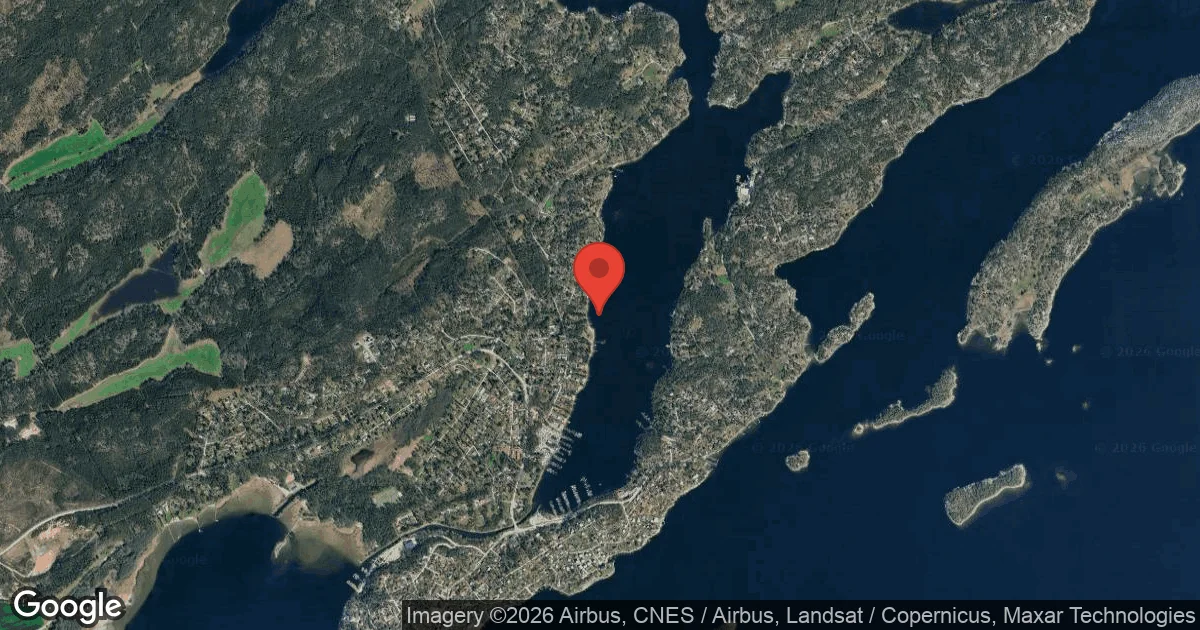
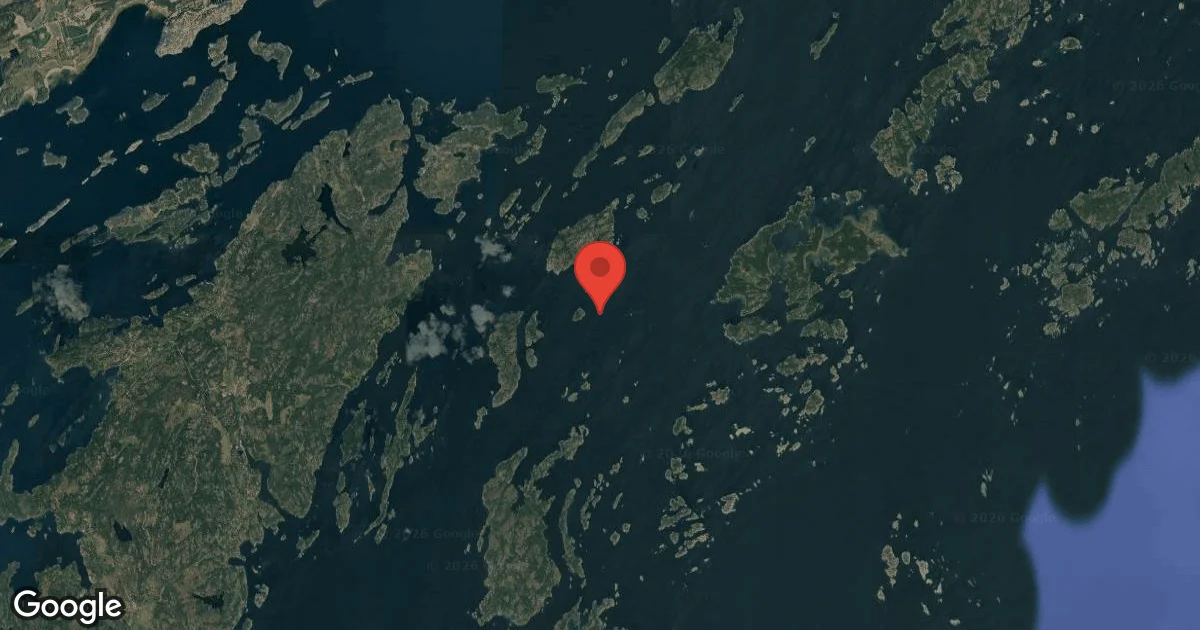
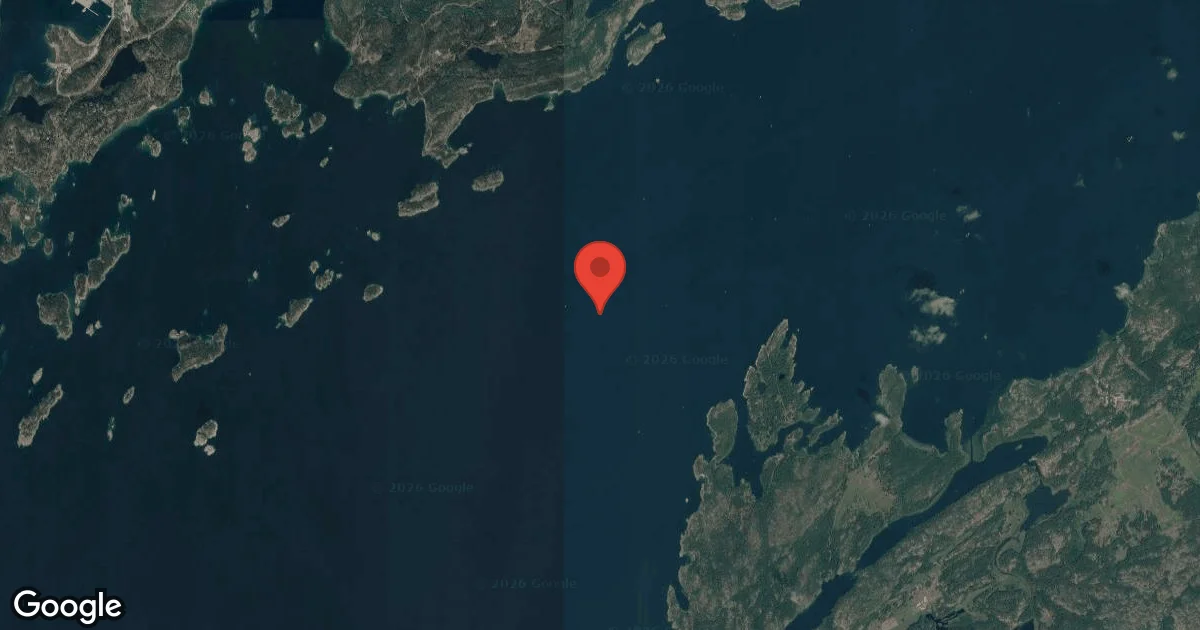
View all dive sites in SwedenDiscover more underwater gems in this area.
Dive Centers Near Victor
Today: Closed
Nearest Airports
Nearest airports to help plan travel to this dive area.
Search Flights
Check available flights and routes on Expedia, using the nearby airports listed in this section.
Search Flights on ExpediaFrequently Asked Questions
Is Victor suitable for beginner divers?
Wreck diving, especially in cold water, often presents additional challenges. It is generally recommended for certified divers with experience in cold water and good buoyancy control. Specific wreck penetration requires advanced training.
What's the typical water visibility?
Visibility at Victor can vary significantly, influenced by local weather, currents, and sediment disturbance. It's best to check recent dive reports or consult local dive operators for current conditions.
Are there any specific currents to be aware of?
While current strength is not consistently reported for this specific site, divers in Swedish waters should always be prepared for potential moderate currents. Always assess conditions before and during your dive.
What kind of marine life can I expect to see?
Marine life typically found on cold-water wrecks includes various encrusting organisms like anemones and sponges. Divers may also spot cold-water fish, crabs, and other invertebrates adapting to the wreck as a habitat.
Is wreck penetration allowed at Victor?
Any form of wreck penetration demands specialized training, such as wreck diver certification, due to the inherent risks of overhead environments. Always confirm local regulations and the wreck's stability before considering entry.
What thermal protection is recommended for diving at Victor?
Given the consistently cold water temperatures in Sweden, a dry suit with appropriate thermal undergarments is highly recommended. This ensures comfort and safety throughout your dive.
Planning to dive Victor?
Send one inquiry and receive offers directly from the best verified local dive operators.
Conditions are Good
High Wind Advisory (41km/h). Unsafe surface.
Current conditions near Victor show 16° air, 16° sea temperature, 1.1 m waves, and 41 km/h wind. Forecast data is refreshed regularly to ensure accuracy.