
Diving at Jutholmsvraket (Sweden)
Exploring Jutholmsvraket offers a tangible connection to centuries of Baltic Sea seafaring. This underwater site provides a unique sensory journey through a preserved oak shipwreck, an enduring relic lying within the brackish waters. It's a cold-water dive, demanding specific equipment, yet rewards with a distinct atmosphere. Visibility can vary, shaping how details of this ancient vessel emerge from the depths.
Starting the day at Jutholmsvraket, the ambient air temperature is recorded at 13.5°C. Ongoing monitoring shows wave heights measuring 0.7 m. This data represents the current surface conditions for early activities.
Dive Site Location & Key Facts
Dive Site Overview
Jutholmsvraket, a significant oak shipwreck located in Sweden, stands as a testament to the region's rich maritime past. Measuring 25 m (82 ft) in length and 5 m (16 ft) wide, this vessel settled to a maximum depth of 12 m (39 ft).
It gained notoriety in the 1960s when intensive marine archaeological excavations began, leading to the recovery of numerous artifacts. Many items from Jutholmsvraket are now exhibited in museums focusing on Baltic Sea wrecks, highlighting its importance. Despite early recovery efforts, divers still find plenty to explore today, including intricate shipbuilding details.
The area surrounding the main wreck also contains scattered glass shards, ceramic pieces, and other remnants from centuries of navigation in the channel between Jutholmen and Dalarö. This fascinating site, now a permanent fixture of the underwater landscape, draws those interested in hands-on history.
The extensive research conducted decades ago means that while some major finds were removed, the fundamental structure and much of the immediate environment tell a compelling story. It's an opportunity to observe how historical vessels were constructed and imagine the lives of those who sailed them.
Conditions are Moderate
High Wind Advisory (44km/h). Unsafe surface.
Current conditions near Jutholmsvraket show 13° air, 16° sea temperature, 1.1 m waves, and 44 km/h wind. Forecast data is refreshed regularly to ensure accuracy.
Best Time to Dive
Planning your dive to Jutholmsvraket is best undertaken during the warmer months, specifically from May through August, when conditions are most favorable for a comfortable experience. During this period, the air temperature rises considerably, ranging from approximately 10.5°C (51°F) in May to a peak of 18°C (64°F) in July, before gently declining to around 16.5°C (62°F) in August. These months also see lower average rainfall, with figures typically between 1.0 to 3.0 mm, which helps maintain better surface conditions. Dive scores are consistently rated 'Excellent' across these four months, indicating optimal general conditions for visiting the site. While diving is possible outside this window, the colder air temperatures and potentially choppier surface conditions may make for a less enjoyable day, even with appropriate drysuit gear.
PEAK SEASON SCORE
Scores combine air & water temps, waves, wind & rainfall for overall conditions.
BEST MONTHS TO DIVE
Monthly records compiled from satellite and marine observation nodes over the last 3 years. Data provided by Open-Meteo and MET Norway.
Dive Experience & Conditions
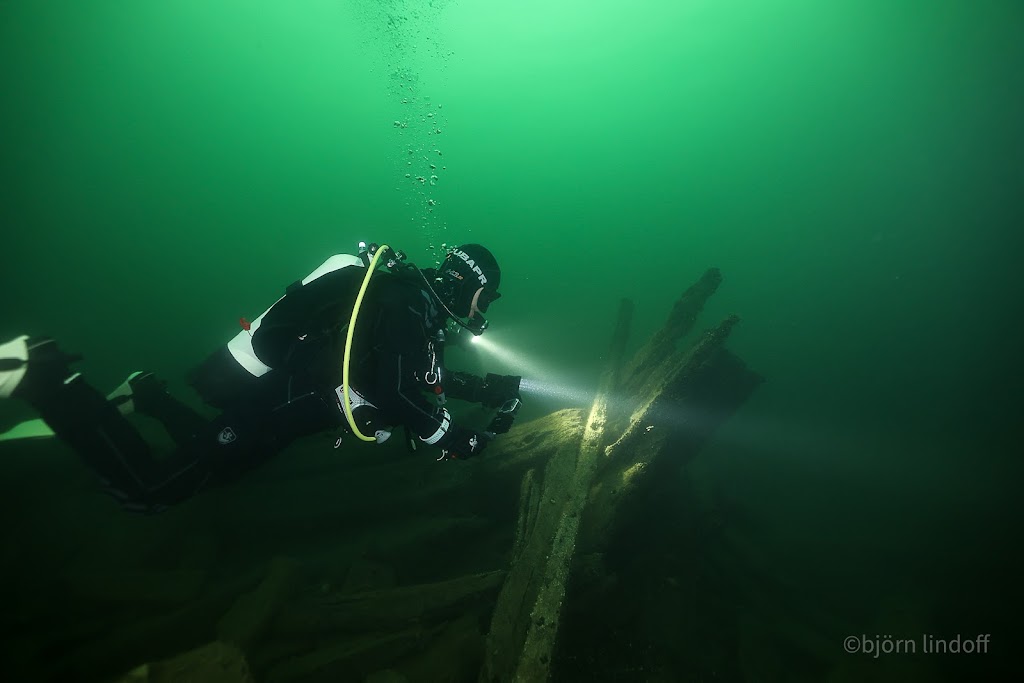
Descending towards Jutholmsvraket, divers will quickly encounter the primary structure of this ancient oak ship. The wreck rests at a relatively shallow maximum depth of 12 m (39 ft), making it accessible for various certification levels. Upon reaching the bottom, the well-preserved hull and its internal components become visible, offering insights into historical shipbuilding techniques. While much has been archaeologically recovered, observant divers can still spot many intriguing shipbuilding details and loose artifacts scattered within and around the vessel. The surrounding seafloor, part of a busy historical shipping lane, holds debris like glass shards and ceramics, silent witnesses to past voyages. This brackish water environment means unique visibility characteristics that can shift with local conditions, sometimes offering clear views and at other times presenting a more atmospheric, diffused light.
Dive Difficulty & Safety Guidelines
Approaching Jutholmsvraket demands careful planning, particularly regarding entry and equipment. Entry to this site is exclusively by boat, requiring coordination with a local dive operator. Given the brackish water and often cool temperatures, even in summer, a drysuit is a highly recommended piece of equipment to ensure thermal comfort throughout the dive.
Divers should also carry a torch to illuminate the wreck's details and any darker sections, enhancing the experience of exploring historical components. Maintaining excellent buoyancy control is crucial, not only for personal safety but also to protect the fragile historical artifacts and the integrity of the wreck structure.
Adhering to responsible wreck diving practices helps preserve this valuable piece of maritime heritage for future exploration.
Recommended Equipment
Overhead / entanglement risk. Wreck penetration requires proper training.
- Dive Computer
- DSMB
- Primary & Backup Lights
- Wreck Reel
- Cutting Tool
This gear list is based on verified equipment signals for Jutholmsvraket, Sweden. Always confirm final gear choices with your dive operator, guide, or liveaboard.
Recommended Dive Suit
Divers who spend more time observing marine life often prefer slightly warmer gear.
The water around Jutholmsvraket is currently holding at approximately 16°C (61°F), setting the tone for today's dives. Surface air temperatures are resting at 13°C (56°F). Water temperatures in this range are often well suited to diving with 5-7mm wetsuit. Consider warmer surface protection (like a boat coat) due to brisk winds. A thermal robe or jacket is recommended between dives.
A warming trend is expected over the next few days. A warming trend is expected over the next few days.
Emergency & Medical Support
Essential information to help you plan your dive trip to Jutholmsvraket.

Hyperbaric chambers are a critical part of dive safety infrastructure. Availability varies significantly by region, and not all dive areas have immediate access.
Before diving, it's recommended to:
- confirm nearest medical facilities
- check emergency procedures with local dive operators
- ensure dive insurance covers evacuation if required
Divers Alert Network
Diving emergency assistance available through DAN Europe.
+39 0642115685- 24/7 emergency hotline
- Diving medical assistance
- Evacuation coordination
Emergency contacts are provided for reference. Always verify local emergency services before diving.
Closest Listed Hyperbaric Chambers
Showing listed hyperbaric chamber facilities within 200 km of this dive site.
Distances are approximate straight-line distances and may not reflect emergency travel time.
Karolinska Univeristy Hospital, Solna
ICU CapableStockholm, Sweden•Approx. 33 km straight-line
Karolinska Univeristy Hospital, Solna
ICU CapableInformation is provided for reference and planning purposes only. Dive Navigator does not verify operational status, staffing, availability, or quality of care at listed facilities. In an emergency, contact local emergency services, DAN, your dive operator, or the chamber directly. Do not travel to a facility without calling ahead.
Marine Life at Jutholmsvraket
While some general regional reports mention larger marine animals such as sharks, whales, dolphins, and turtles, consistent site-specific sightings of these at Jutholmsvraket are not commonly reported for this brackish Baltic Sea environment. Instead, the marine life highlights at the wreck more typically involve smaller, resilient species that thrive in cooler, less saline waters.
Divers can expect to observe various invertebrates and fish adapted to this unique ecosystem, often found sheltering within the wreck's wooden structure. These smaller creatures contribute to the wreck's ongoing story, making it a dynamic habitat.
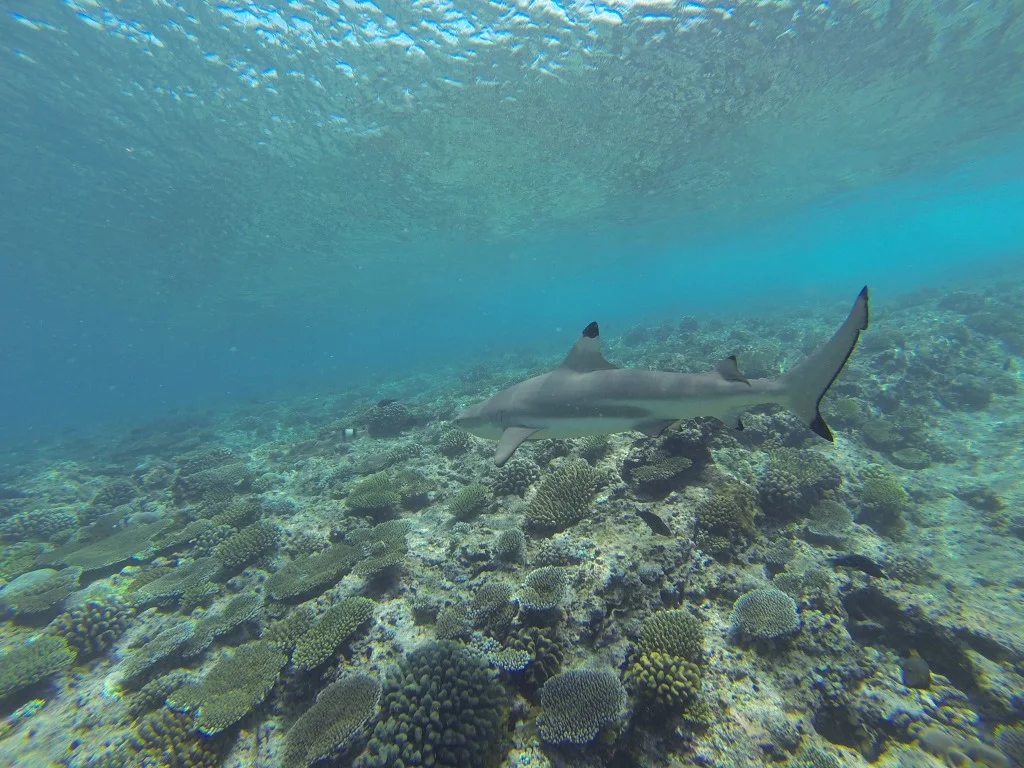
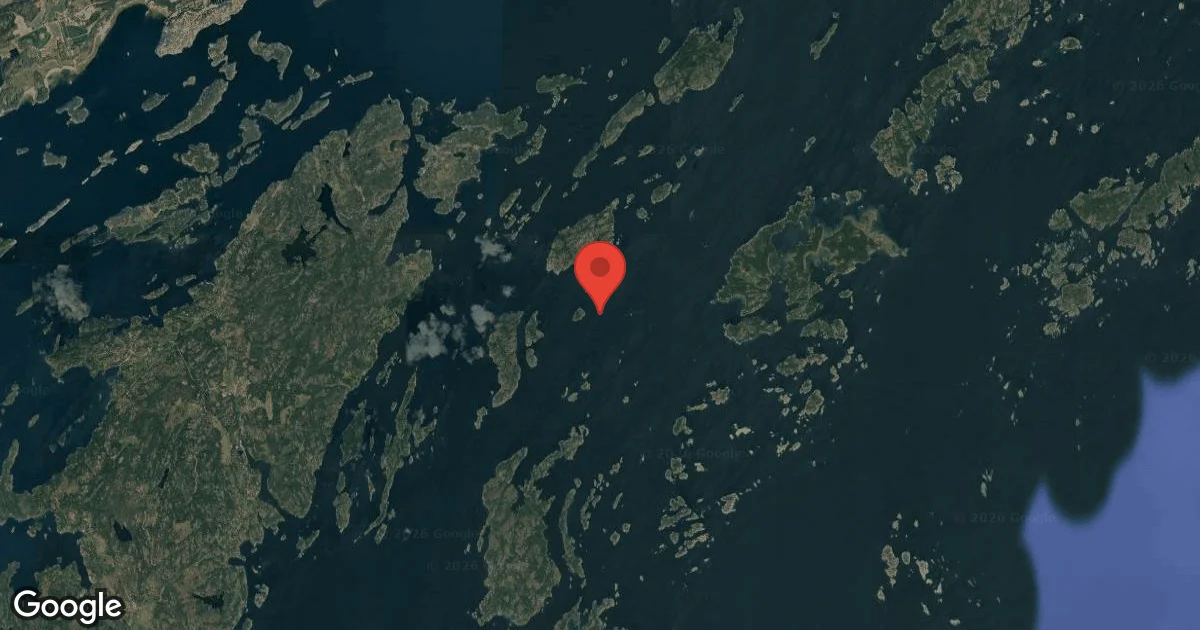
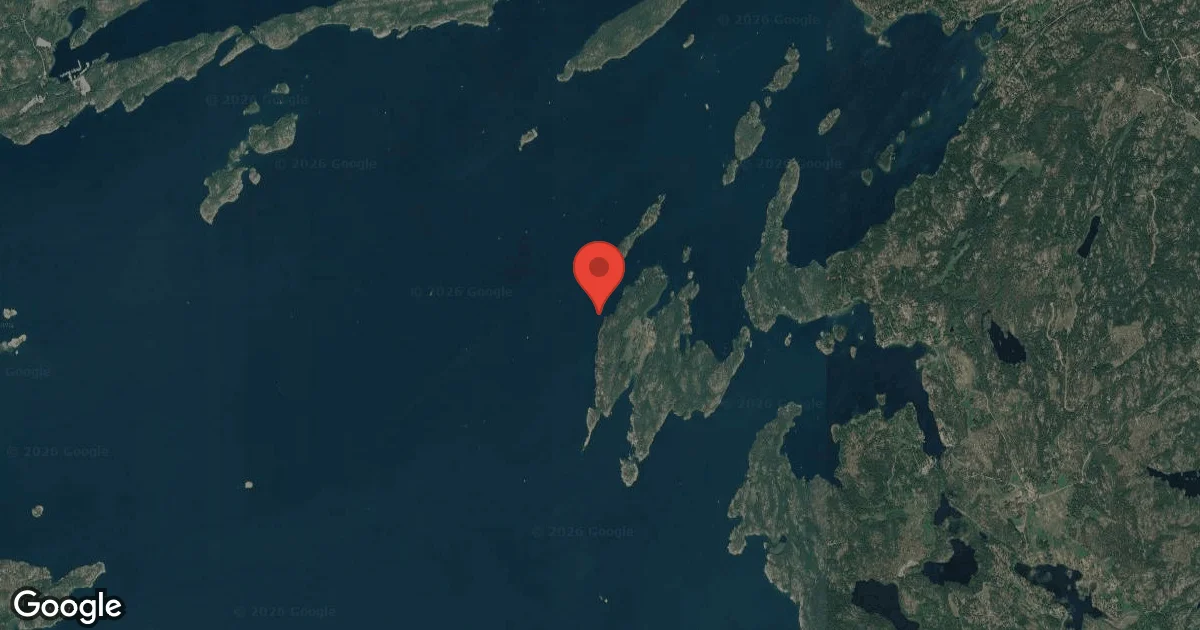
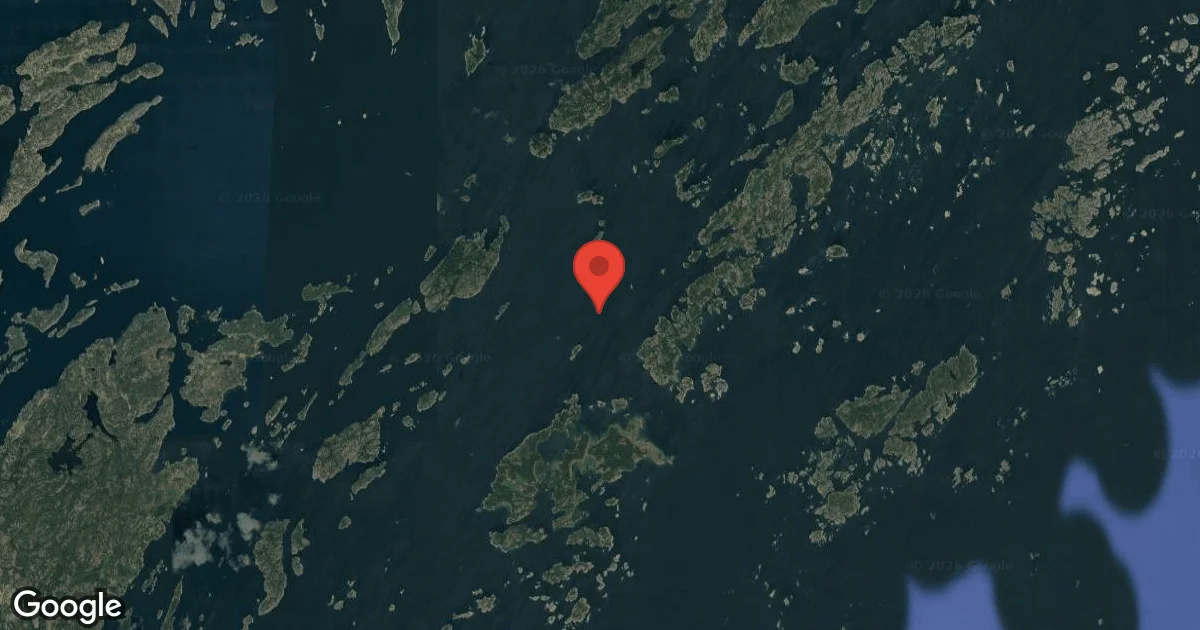
Dive Sites Near Jutholmsvraket
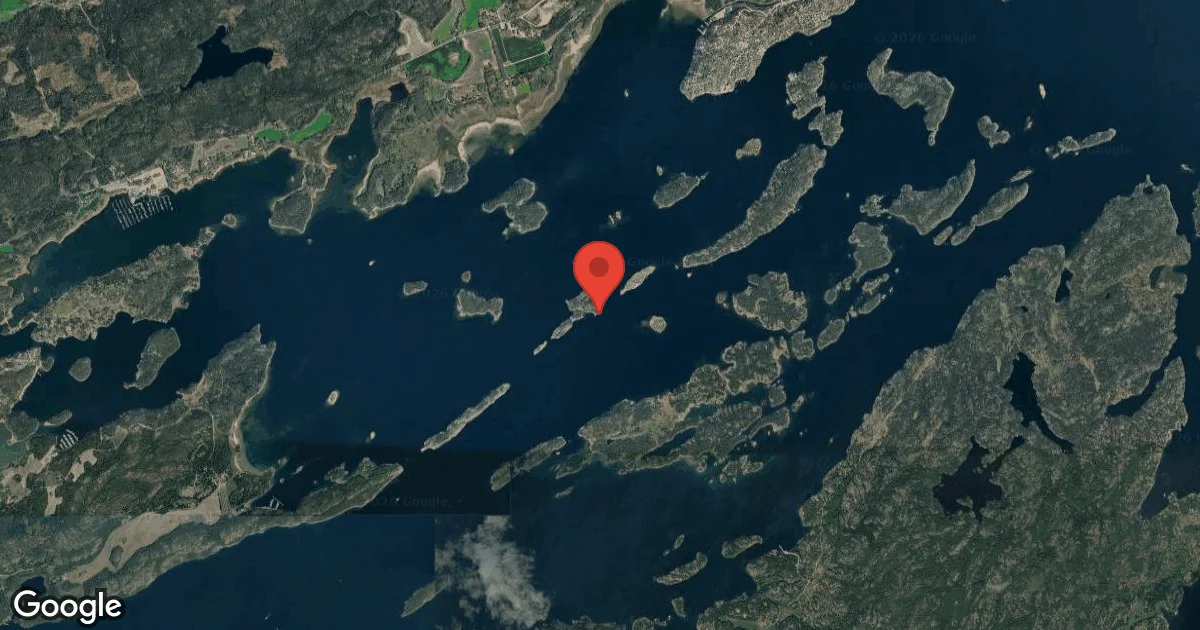
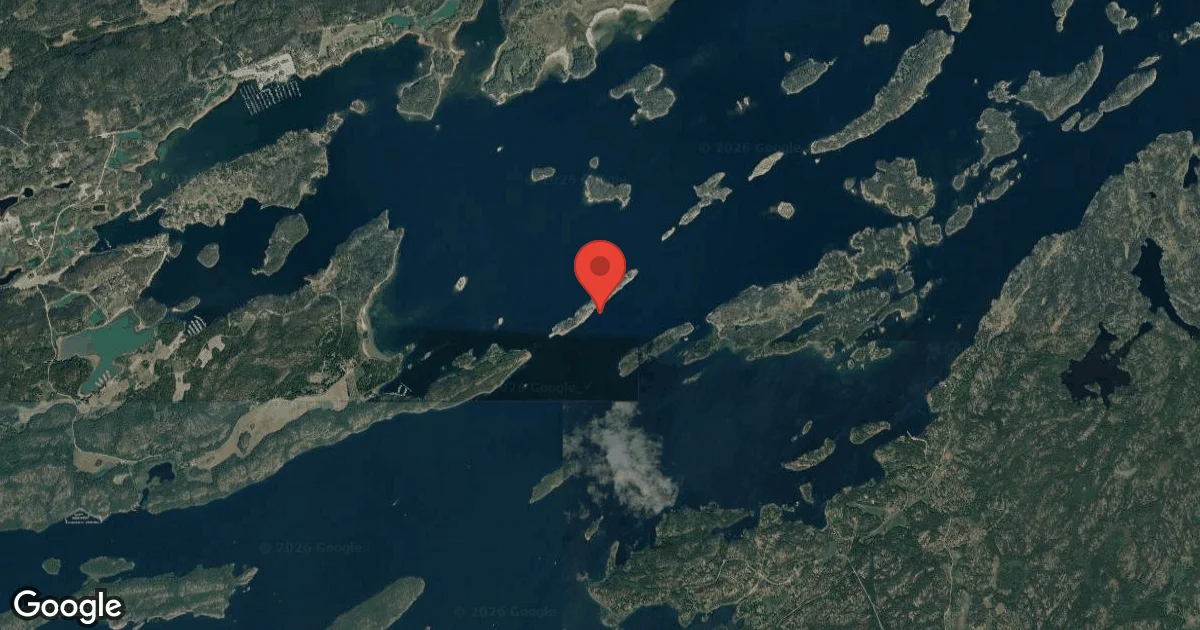
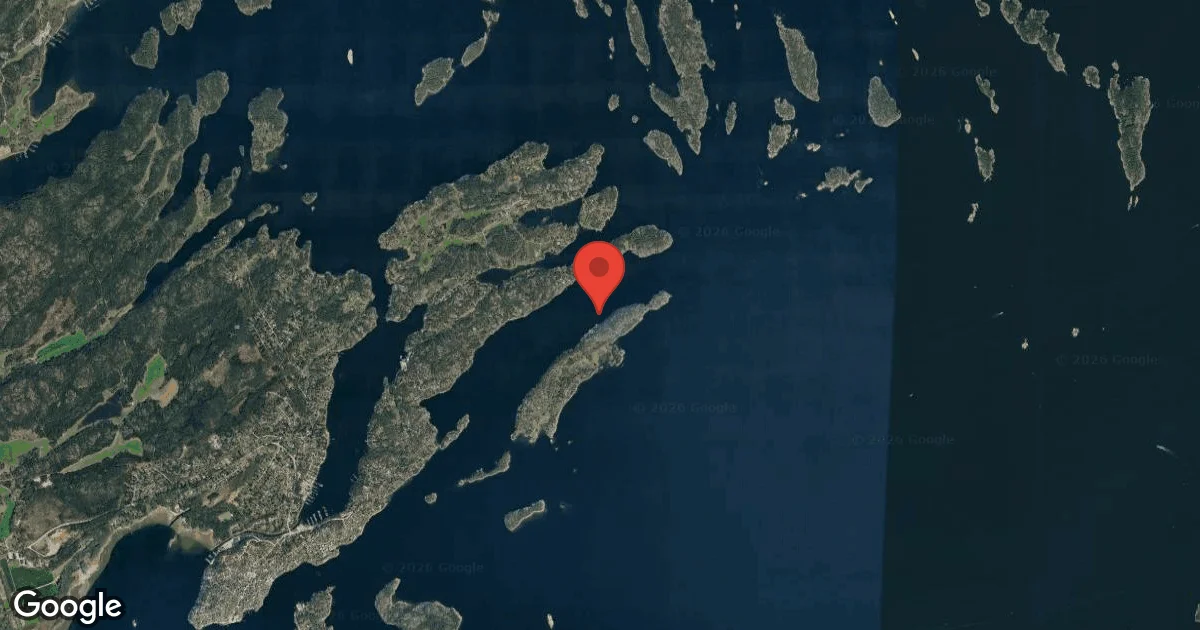
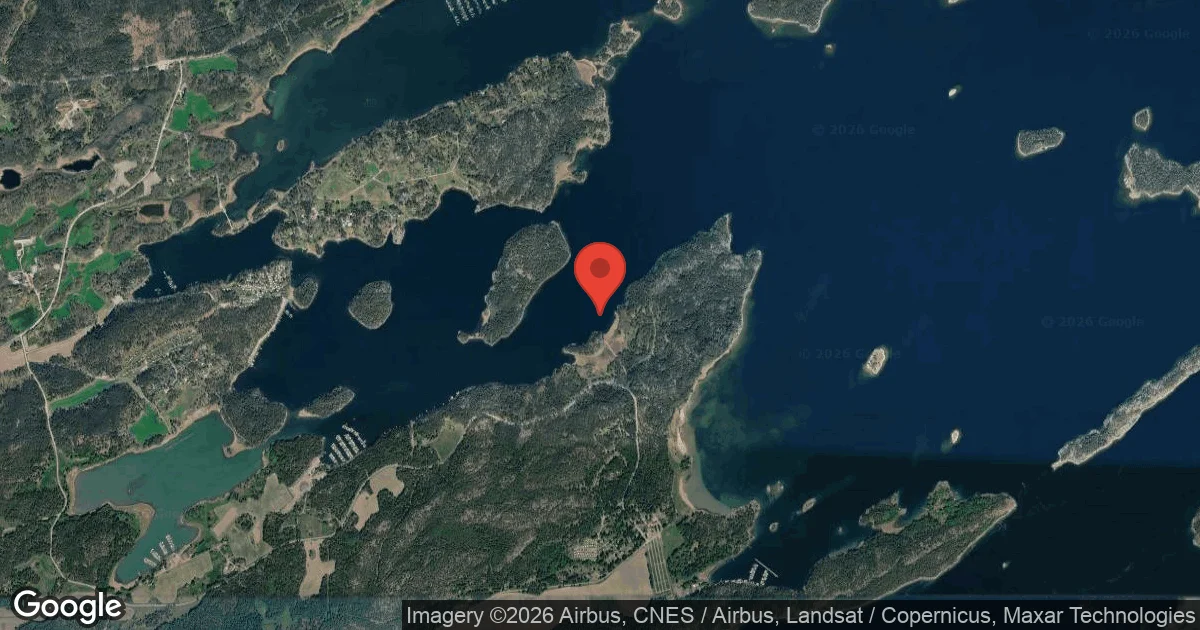
View all dive sites in SwedenDiscover more underwater gems in this area.
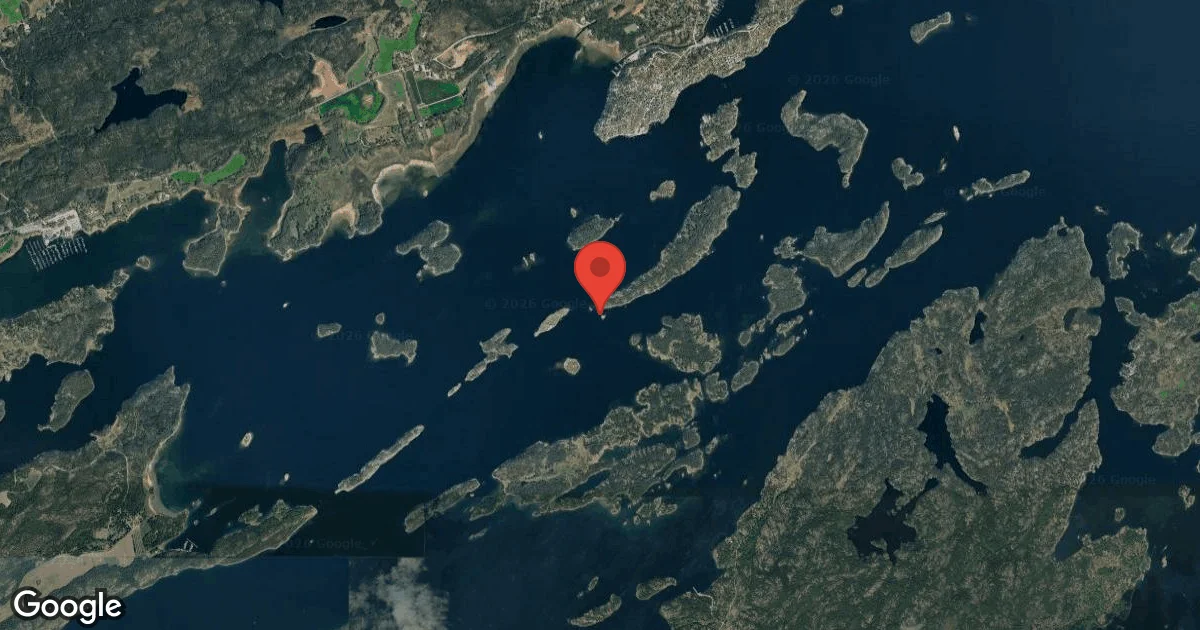
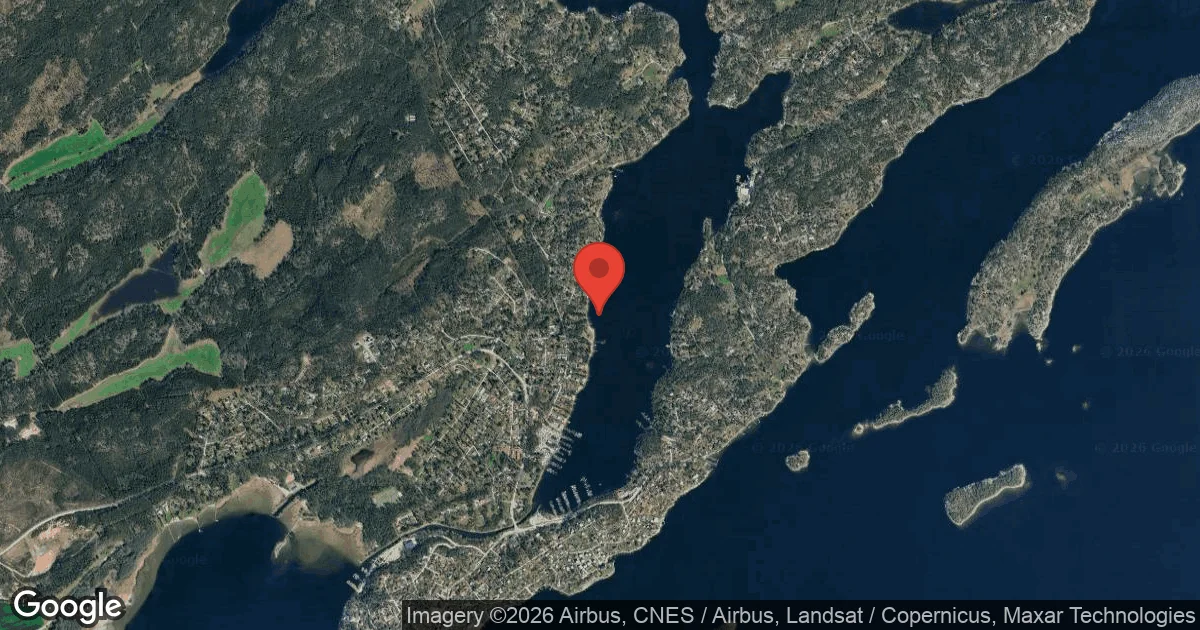
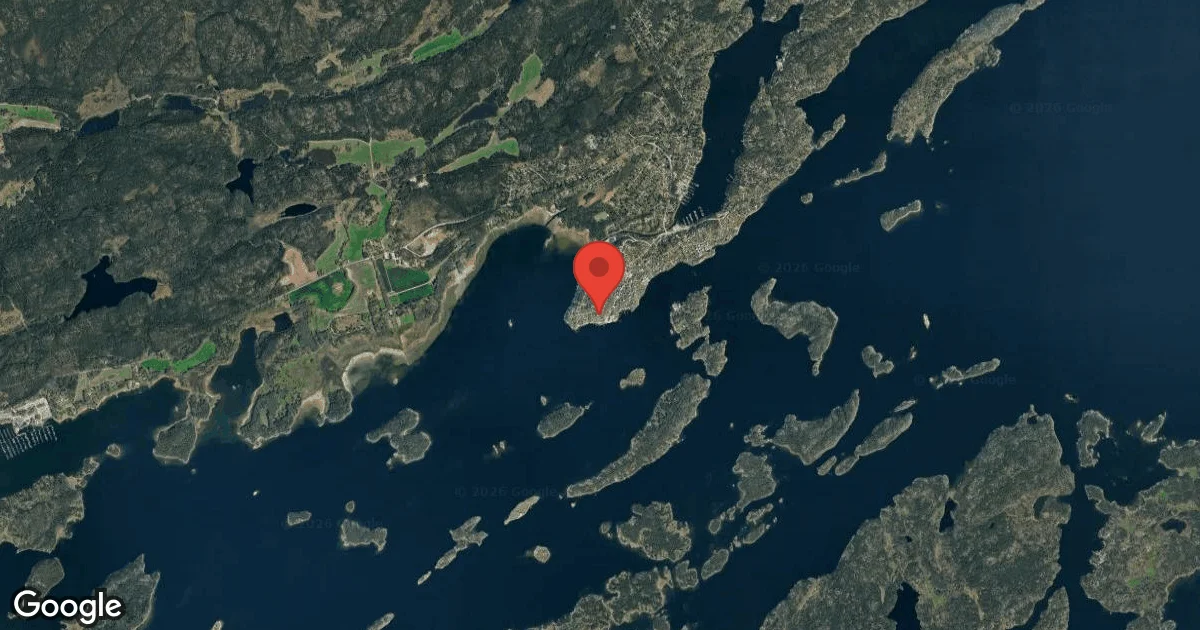
Dive Centers Near Jutholmsvraket
Today: Closed
Nearest Airports
Nearest airports to help plan travel to this dive area.
Search Flights
Check available flights and routes on Expedia, using the nearby airports listed in this section.
Search Flights on ExpediaFrequently Asked Questions
What is the maximum depth of Jutholmsvraket?
The wreck lies at a maximum depth of 12 meters (39 feet), making it accessible for recreational divers across various certification levels.
What kind of vessel is Jutholmsvraket?
It's an oak shipwreck, approximately 25 meters (82 feet) long and 5 meters (16 feet) wide, offering insights into historical shipbuilding techniques.
Is Jutholmsvraket suitable for beginners?
Its relatively shallow depth makes it accessible for many divers. However, specialized training like PADI Peak Performance Buoyancy is beneficial for wreck exploration and protecting the site.
What historical significance does the wreck hold?
Jutholmsvraket has undergone intensive marine archaeological excavations since the 1960s, with many recovered artifacts displayed in museums. It represents centuries of seafaring history in the Baltic region.
What kind of water conditions can be expected?
The dive site features brackish water, typical of the Baltic Sea. Water temperatures are generally cool, necessitating appropriate thermal protection like a drysuit for comfort.
Can you access the wreck from shore?
No, entry to Jutholmsvraket is exclusively by boat. Divers must arrange transport with a local dive operator to reach the site.
Are there many artifacts left to see on the wreck?
While major finds were recovered during archaeological digs, divers can still observe intricate shipbuilding details and scattered loose artifacts like glass shards and ceramics around the wreck and on the surrounding seafloor.
Planning to dive Jutholmsvraket?
Send one inquiry and receive offers directly from the best verified local dive operators.
Conditions are Moderate
High Wind Advisory (44km/h). Unsafe surface.
Current conditions near Jutholmsvraket show 13° air, 16° sea temperature, 1.1 m waves, and 44 km/h wind. Forecast data is refreshed regularly to ensure accuracy.