
Diving at Sappemeer (Sweden)
Divers approaching the Sappemeer wreck should immediately recognize its distinctive strong list. This characteristic presents both an intriguing navigational challenge and a significant hazard, especially for those considering internal penetration. The wreck, a Swedish cargo vessel, rests in open water, buoyed for easier access, yet its angled structure demands heightened awareness from all divers. Planning your dive around its orientation is key for a safe and rewarding exploration.
Tonight's objective overview for Sappemeer shows an air temperature of 12°C. The measured surface conditions include wave heights around 1.3 m. This environmental data is logged for the close of the day.
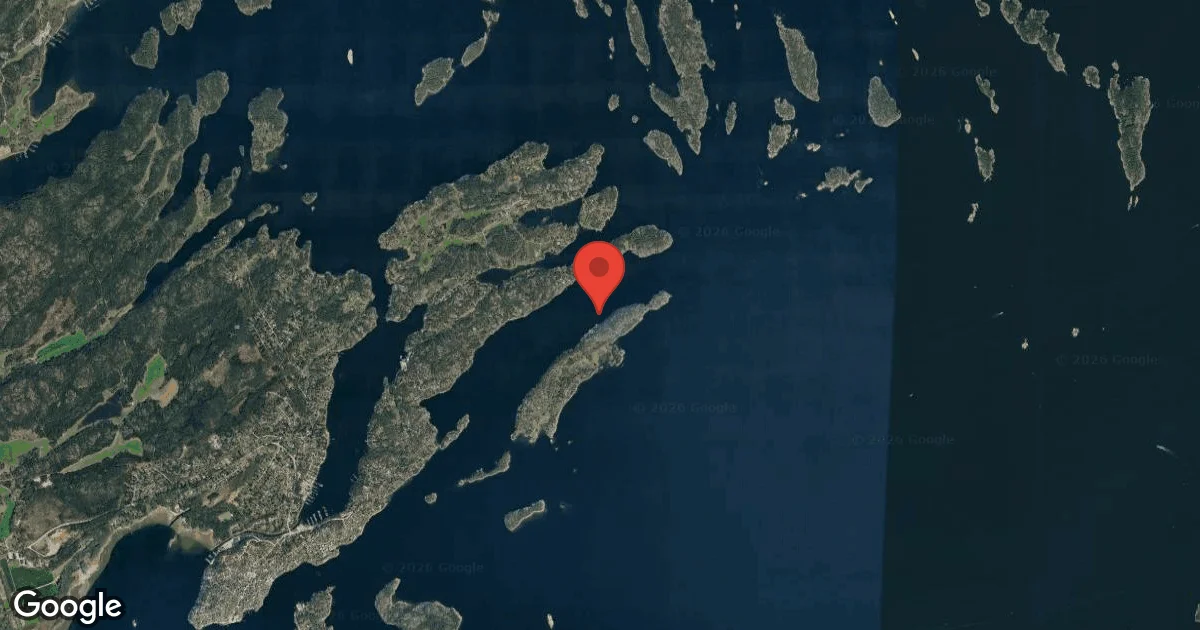
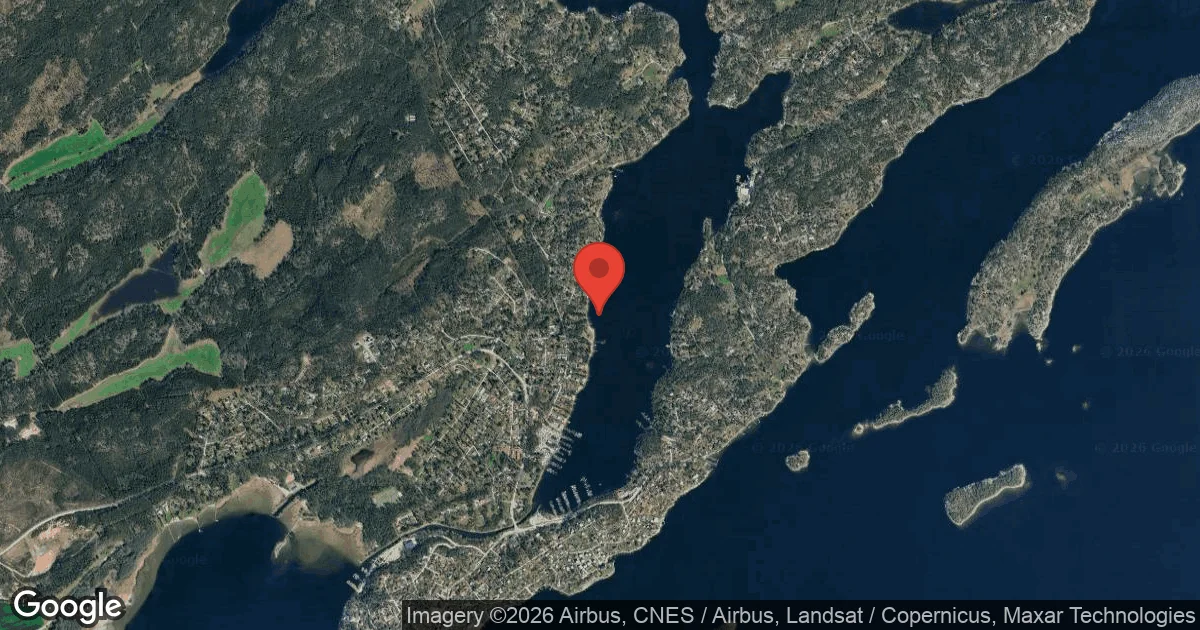
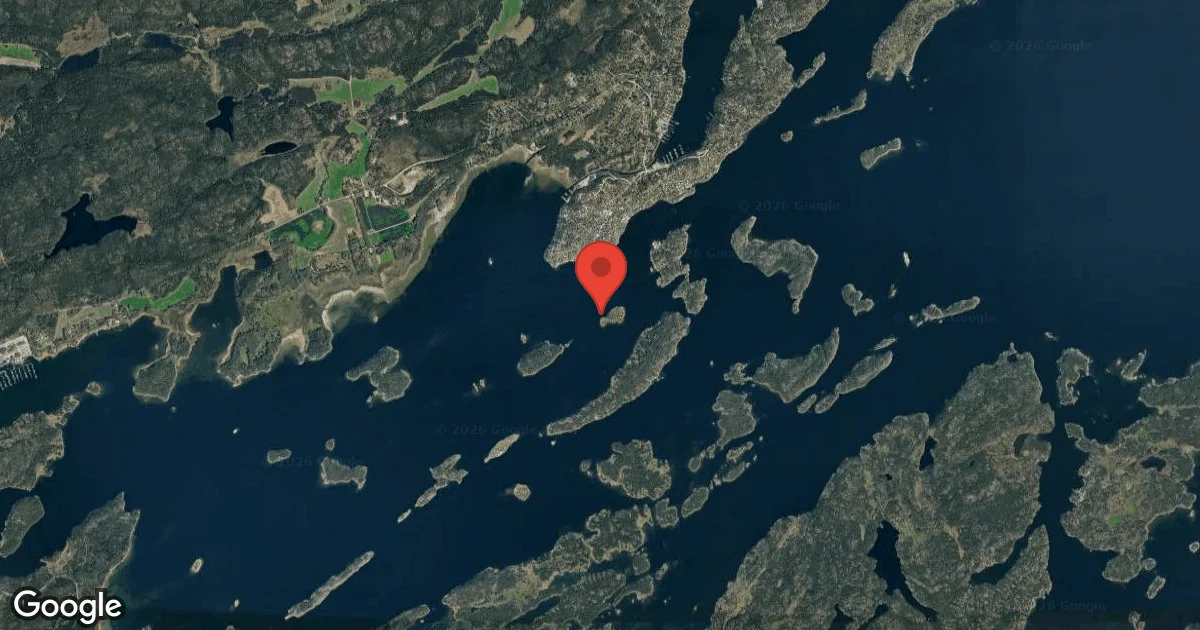
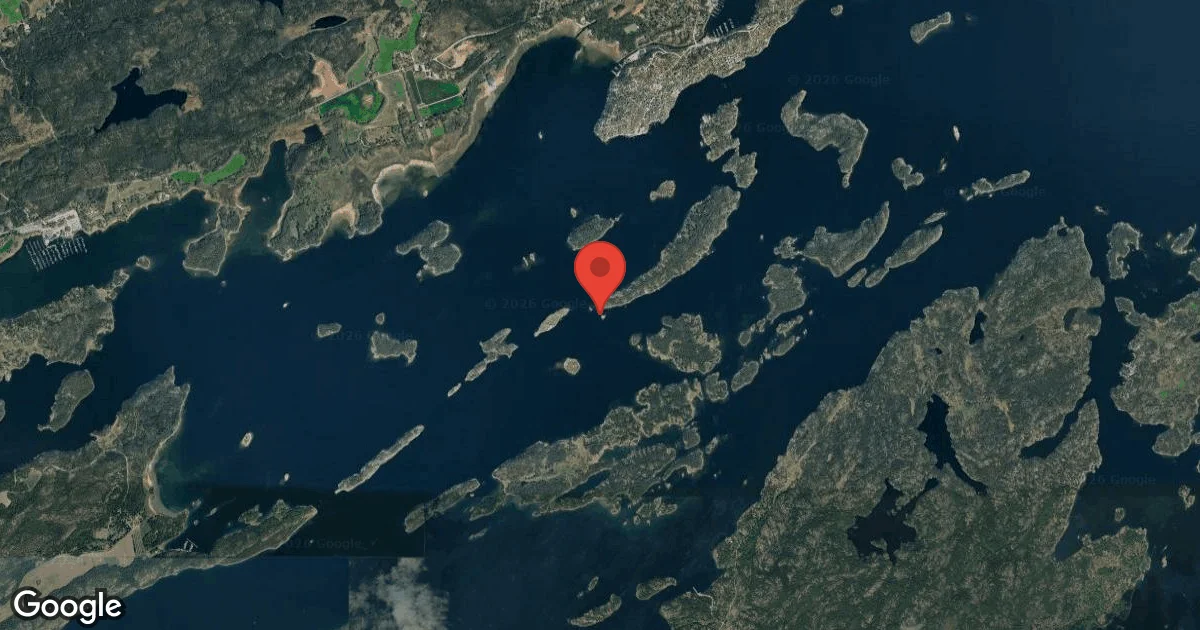
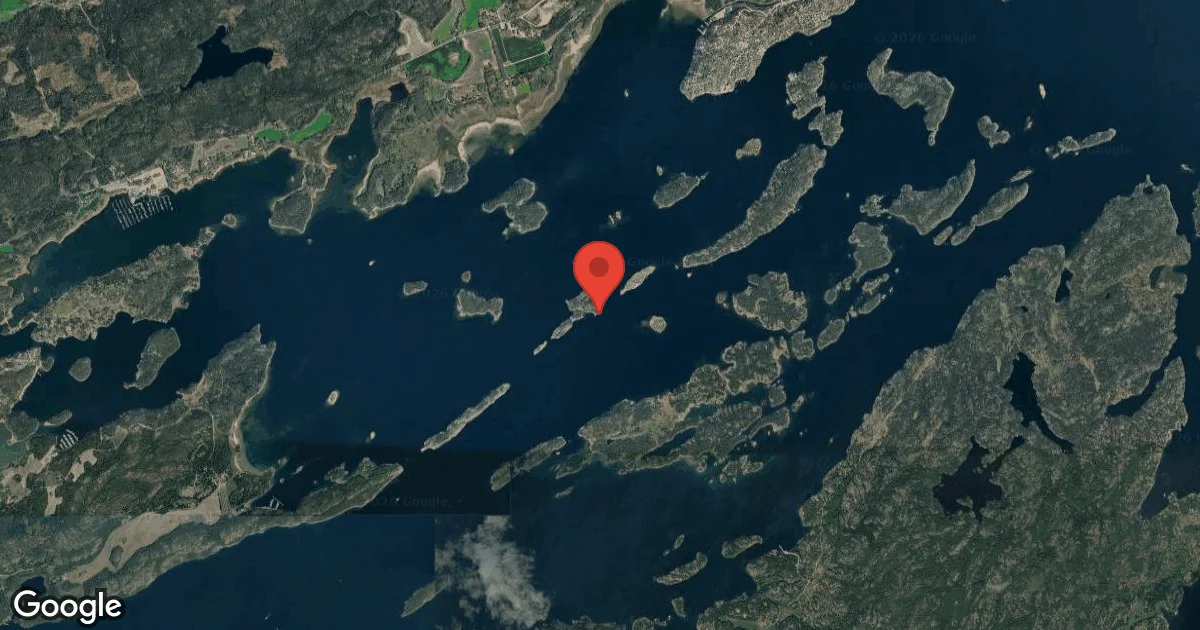
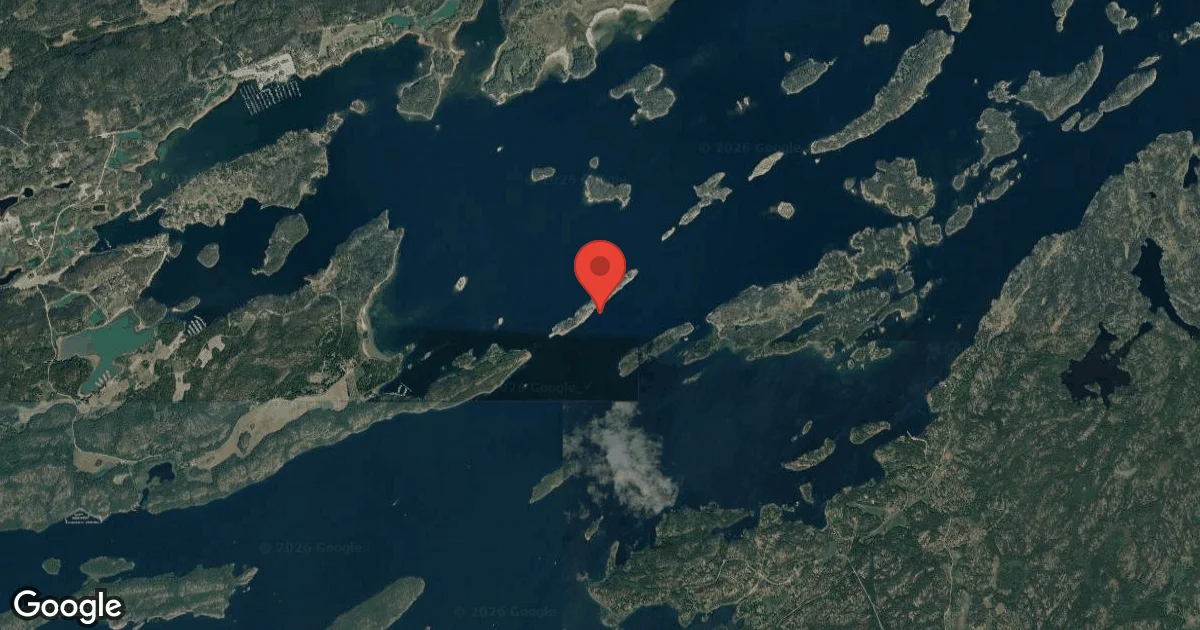
Dive Site Location & Key Facts
Dive Site Overview
The Sappemeer wreck presents a compelling example of a well-preserved cargo vessel, offering diverse exploration opportunities for certified divers. This Swedish steel cargo ship, constructed in 1961 in Defzijl, Holland, began its working life as a motor-driven coaster, distinguished by its two masts.
It measured 51.2 meters (168 feet) in length and 8.4 meters (27.6 feet) in width, with a gross tonnage of 491. On November 7, 1969, while laden with 650 tons of limestone, its journey tragically concluded near Rödkläpparna, east of Biskopsön, in Stockholm's southern archipelago.
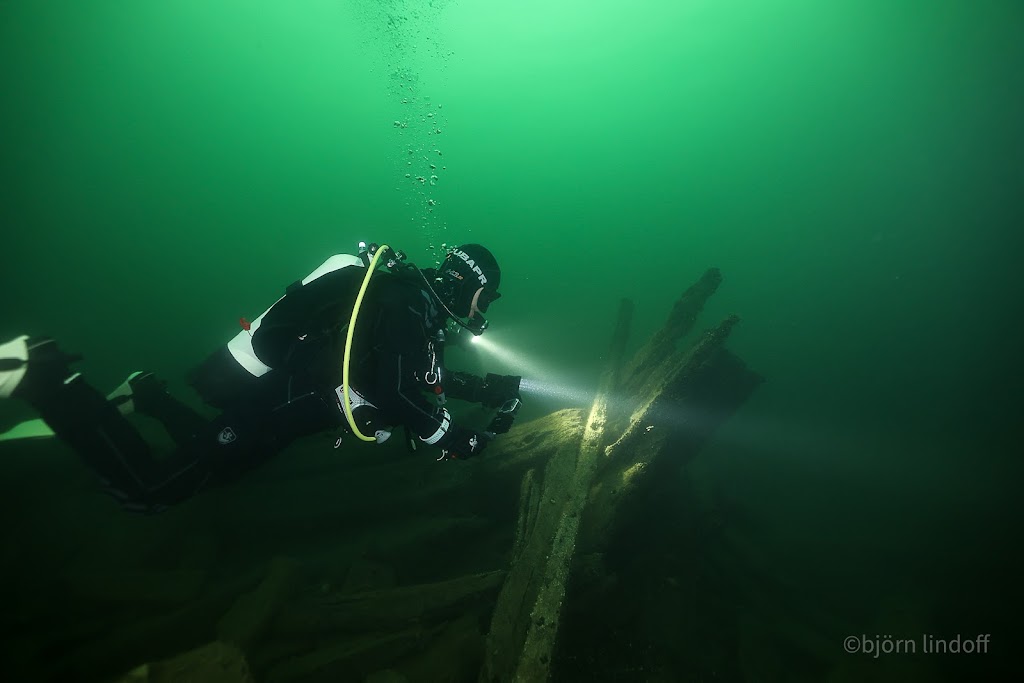
Today, the 50-meter (164-foot) long vessel rests upright in open water, clearly marked by a buoy, simplifying navigation for dive boats. Its maximum depth reaches approximately 23-24 meters (75-78 feet), making it accessible for Advanced Open Water divers.
A defining characteristic of the Sappemeer is its pronounced list, which adds a unique dimension to underwater navigation and exploration. Divers can experience the wreck's interior through various penetration points; the cargo holds are often an initial point of interest, along with the engine room and cabins.
Even the bridge area allows for entry, providing a comprehensive view of the ship's functional spaces and a sense of its final moments.
Conditions are Poor
High Wind Advisory (51km/h). Unsafe surface.
Current conditions near Sappemeer show 12° air, 14° sea temperature, 1.6 m waves, and 51 km/h wind. Forecast data is refreshed regularly to ensure accuracy.
Best Time to Dive
Planning a dive at Sappemeer is best during the months of May through September, when conditions are generally more favorable. During this period, the dive score typically registers as 'Good,' with May and June often showing the highest scores. Air temperatures are considerably milder, ranging from 8°C (46°F) in May to a peak of 16°C (61°F) in August, creating a more comfortable surface experience. Rainfall averages remain relatively low, typically between 0.86 mm and 2.09 mm monthly. Wind speeds are also at their lowest, ranging from approximately 29 km/h (18 mph) to 32 km/h (20 mph), which often correlates with calmer wave conditions, usually below 0.9 meters (3 feet). Water temperature data isn't consistently reported for this specific location, so divers should prepare for cold water irrespective of the air temperature.
PEAK SEASON SCORE
Scores combine air & water temps, waves, wind & rainfall for overall conditions.
BEST MONTHS TO DIVE
Monthly records compiled from satellite and marine observation nodes over the last 3 years. Data provided by Open-Meteo and MET Norway.
Dive Experience & Conditions
Accessing the Sappemeer wreck requires a boat entry, as it lies in open water. Visibility around the wreck can be quite good, often ranging from 15-20 meters (49-66 feet), allowing divers to appreciate significant portions of the 50-meter (164-foot) long vessel. The wreck itself has a pronounced list, or strong tilt, which becomes immediately apparent upon descent. Divers will find the maximum depth around 23-24 meters (75-78 feet), making it accessible for Advanced Open Water certified divers. While the water is brackish, typical of the Baltic region, currents are generally limited, providing a stable environment for exploration. The possibility of navigating through the cargo, engine rooms, and cabins offers an engaging experience.
Dive Difficulty & Safety Guidelines
Diving the Sappemeer wreck demands careful adherence to safety protocols, particularly due to its significant list and penetration opportunities. Divers considering entering the wreck's interior—such as the cargo hold, engine room, or cabins—should possess PADI Wreck Diver certification and be proficient in advanced navigation techniques. The strong tilt of the vessel can disorient divers, making thorough planning and consistent buddy checks crucial.
While there are no specific hazards listed for entanglement, the nature of a sunken vessel always implies potential risks from loose debris or structural elements. Maintaining proper buoyancy control is essential to prevent disturbing silt and ensure clear exit paths within the enclosed spaces. Always carry a reliable torch and a surface marker buoy.
Recommended Equipment
Overhead / entanglement risk. Wreck penetration requires proper training.
- Dive Computer
- DSMB
- Primary & Backup Lights
- Wreck Reel
- Cutting Tool
This gear list is based on verified equipment signals for Sappemeer, Sweden. Always confirm final gear choices with your dive operator, guide, or liveaboard.
Recommended Dive Suit
7mm wetsuit or semidry is frequently recommended by dive operators for conditions like these. Consider warmer surface protection (like a boat coat) due to brisk winds. A thermal robe or jacket is recommended between dives. Water conditions at Sappemeer are currently measured at approximately 14°C (57°F). Surface air temperatures are resting at 12°C (54°F).
Forecast trends indicate little change in overall diving conditions during the next few days.
Even small thermoclines can occasionally cause noticeable changes in water temperature.
Emergency & Medical Support
Essential information to help you plan your dive trip to Sappemeer.

Hyperbaric chambers are a critical part of dive safety infrastructure. Availability varies significantly by region, and not all dive areas have immediate access.
Before diving, it's recommended to:
- confirm nearest medical facilities
- check emergency procedures with local dive operators
- ensure dive insurance covers evacuation if required
Divers Alert Network
Diving emergency assistance available through DAN Europe.
+39 0642115685- 24/7 emergency hotline
- Diving medical assistance
- Evacuation coordination
Emergency contacts are provided for reference. Always verify local emergency services before diving.
Closest Listed Hyperbaric Chambers
Showing listed hyperbaric chamber facilities within 200 km of this dive site.
Distances are approximate straight-line distances and may not reflect emergency travel time.
Karolinska Univeristy Hospital, Solna
ICU CapableStockholm, Sweden•Approx. 51 km straight-line
Karolinska Univeristy Hospital, Solna
ICU CapableInformation is provided for reference and planning purposes only. Dive Navigator does not verify operational status, staffing, availability, or quality of care at listed facilities. In an emergency, contact local emergency services, DAN, your dive operator, or the chamber directly. Do not travel to a facility without calling ahead.
Marine Life at Sappemeer
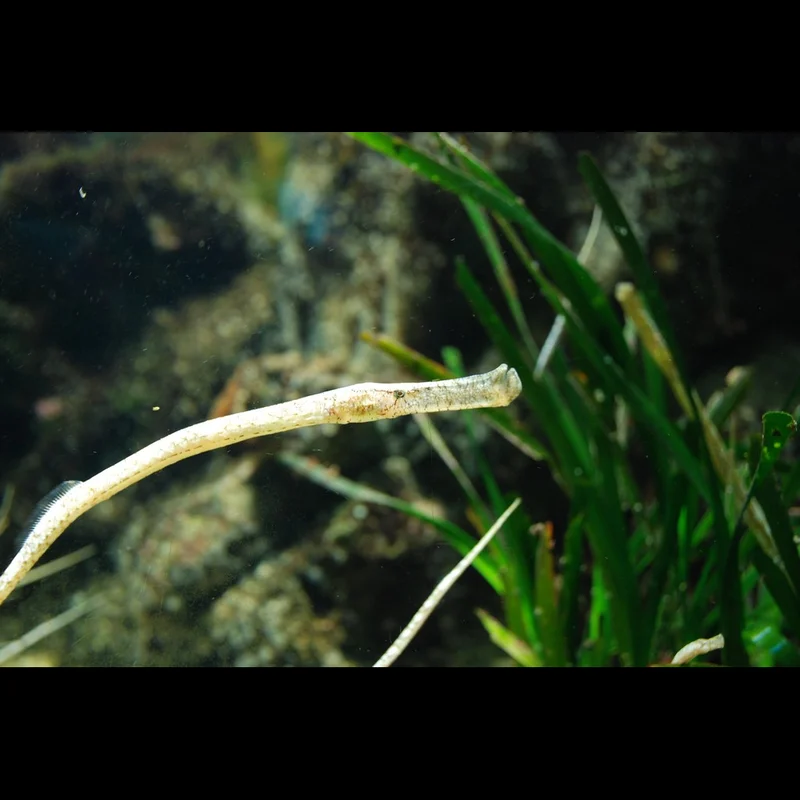
When descending upon the Sappemeer wreck, divers are likely to first notice the subtle, elongated forms of pipefish camouflaged against the wreck's structure. These intriguing creatures often blend seamlessly with the marine growth that has begun to colonize the sunken vessel.
While the brackish environment limits the diversity seen in some other regions, observant divers can still find smaller invertebrates and fish species adapted to these conditions. Patches of algae and other plant life provide shelter and foraging grounds, adding texture to the steel wreckage.
Dive Sites Near Sappemeer
View all dive sites in SwedenDiscover more underwater gems in this area.
Dive Centers Near Sappemeer
Today: Closed
Nearest Airports
Nearest airports to help plan travel to this dive area.
Search Flights
Check available flights and routes on Expedia, using the nearby airports listed in this section.
Search Flights on ExpediaFrequently Asked Questions
What type of vessel was the Sappemeer?
The Sappemeer was a Swedish steel cargo ship, specifically a motor-driven coaster, built in Holland in 1961. It had two masts and was carrying 650 tons of limestone when it sank.
Where is the Sappemeer wreck located?
The wreck is situated in open water near Rödkläpparna, east of Biskopsön, within Stockholm's southern archipelago in Sweden. It is buoyed, making it easier to locate.
What is the maximum depth of the Sappemeer wreck?
The wreck rests at a maximum depth of approximately 23-24 meters (75-78 feet). This depth makes it accessible for divers with an Advanced Open Water certification.
Is wreck penetration possible at Sappemeer?
Yes, penetration is possible in various sections of the wreck, including the cargo hold, engine room, and cabins. Divers can even access some interior spaces from the bridge area.
What is the typical visibility at the Sappemeer dive site?
Visibility at the Sappemeer wreck can be quite good, often reported to be between 15-20 meters (49-66 feet). This allows for extensive views of the 50-meter long vessel.
What marine life can be seen at Sappemeer?
Divers may observe pipefish, which are known to inhabit the wreck. The brackish water environment also supports various smaller fish and invertebrate species adapted to the Baltic Sea.
Planning to dive Sappemeer?
Send one inquiry and receive offers directly from the best verified local dive operators.
Conditions are Poor
High Wind Advisory (51km/h). Unsafe surface.
Current conditions near Sappemeer show 12° air, 14° sea temperature, 1.6 m waves, and 51 km/h wind. Forecast data is refreshed regularly to ensure accuracy.