
Diving at Simpson & Pantari (Sweden)
Simpson & Pantari offers a distinct exploration of historical shipwrecks within Sweden's brackish waters. This site contrasts cold, northern diving conditions with the tangible remnants of maritime history. It provides a unique blend of wreck discovery and observation of marine life adapted to this specific environment. Divers can engage with two distinct vessels.
Evening condition tracking at Simpson & Pantari features an air temperature of 14.5°C. We have recorded wave heights measuring 1 m during this period. These figures outline the environmental parameters currently present.
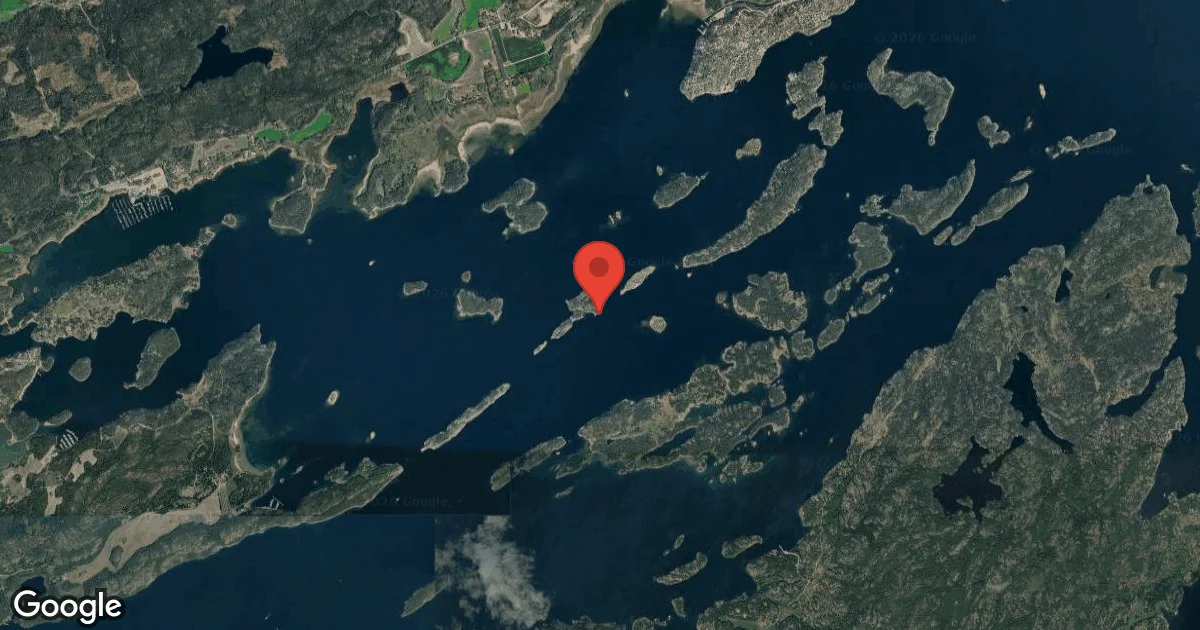
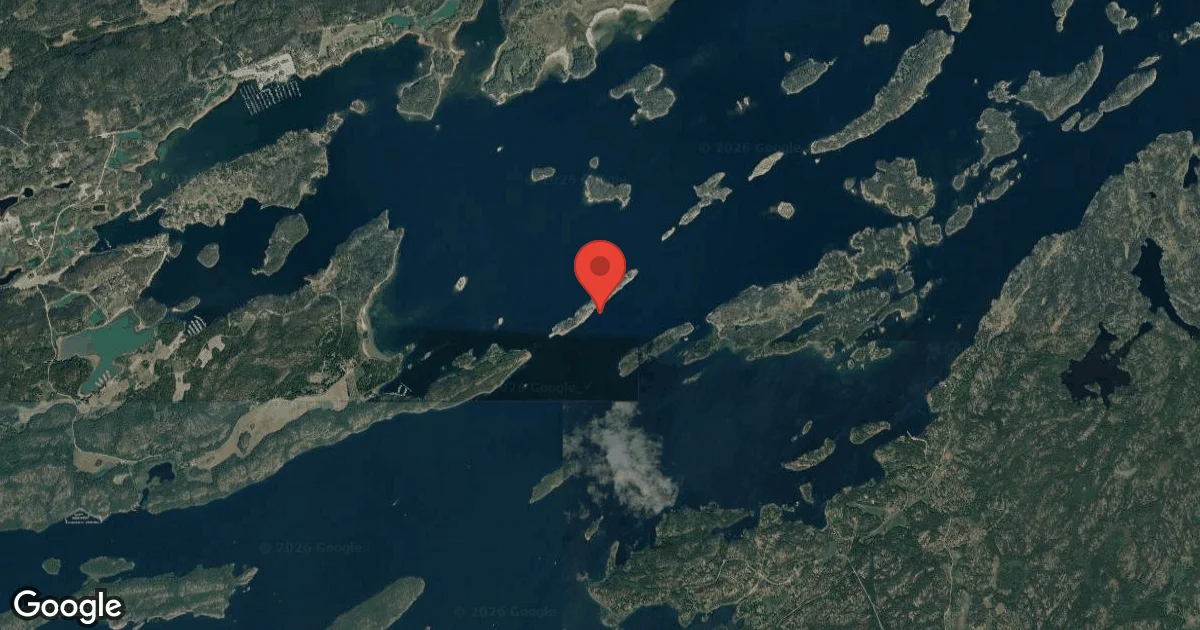
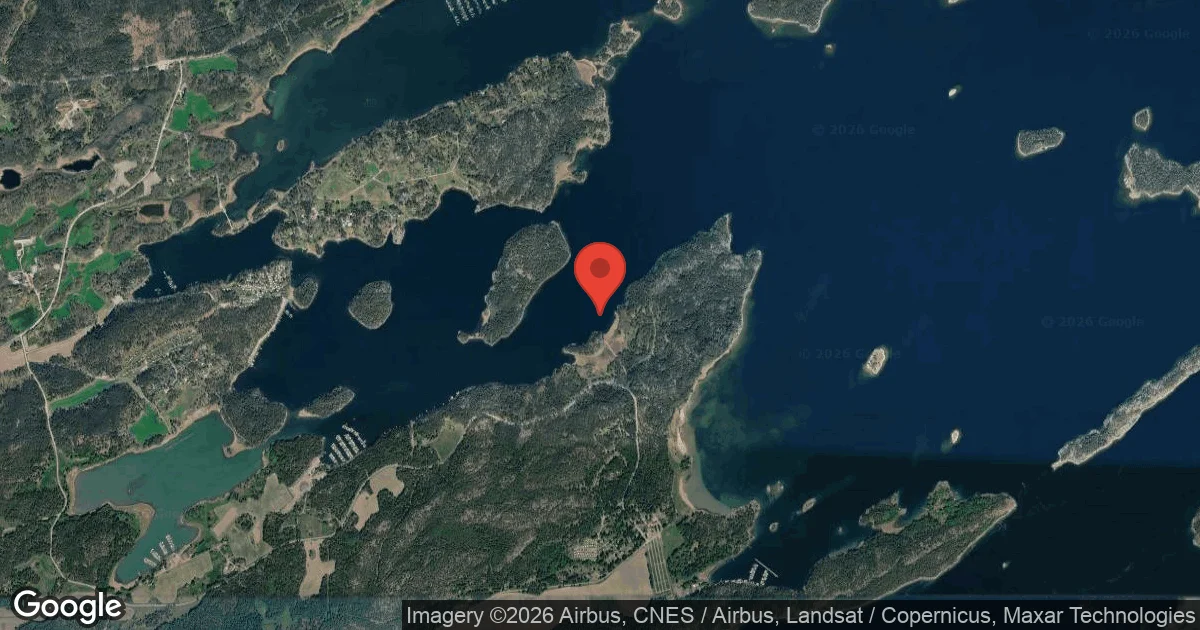
Dive Site Location & Key Facts
Dive Site Overview
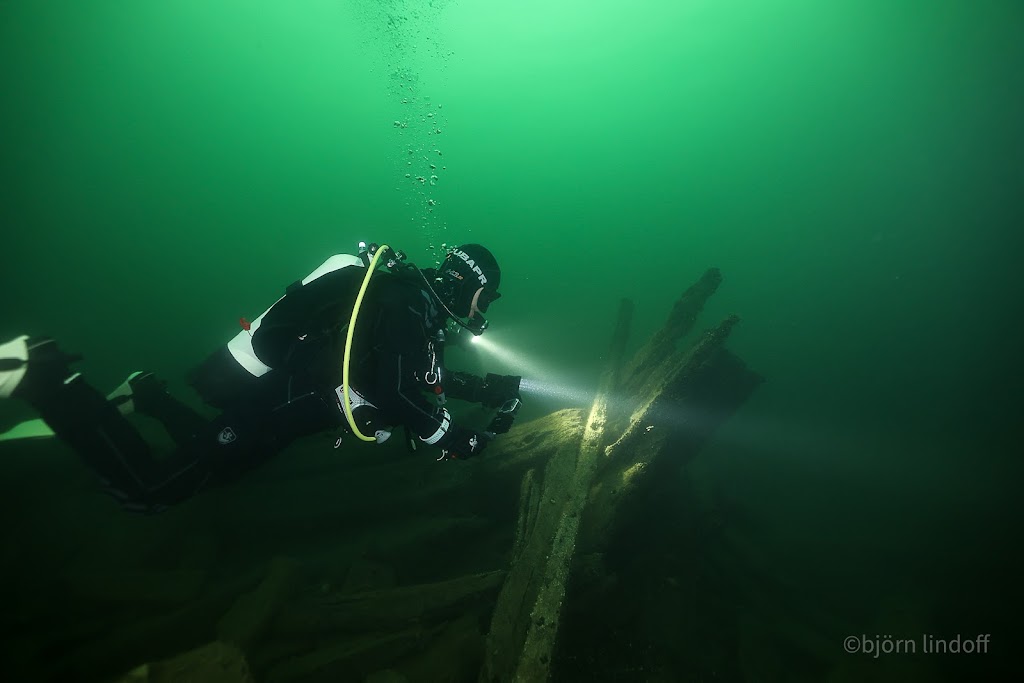
Simpson & Pantari introduces two distinct wrecks: the motor barge Simpson and the wooden koster Pantari. Simpson, an old motor barge that once transported ore from the Utö mine, sank in 1936 after misjudging the distance to a skerry.
No lives were lost in the incident. Its bow rests at a shallower 7 m (23 ft), while its stern descends to 20 m (66 ft) and sits atop an older, unspecified wreck. The Simpson wreck measures 25 m (82 ft) long, 5 m (16 ft) high, and 7 m (23 ft) wide.
At the time of sinking, it carried 7 tons of cokes slag, 65 tons of macadam, and 1 ton of general cargo. Pantari, a wooden koster, sank earlier in 1924 after grounding on Slottgrynnan in Nämndöfjärden, now lying at a maximum depth of 24 m (79 ft).
This koster offers a rewarding 'nature dive' experience, characterized by multiple ledges and intriguing natural formations at various depths. Both sites are accessible via boat entry, with the overall dive area reaching a maximum depth of 35 m (114 ft), catering to a range of recreational diving interests.
Conditions are Moderate
High Wind Advisory (48km/h). Unsafe surface.
Current conditions near Simpson & Pantari show 15° air, 15° sea temperature, 1.4 m waves, and 48 km/h wind. Forecast data is refreshed regularly to ensure accuracy.
Best Time to Dive
Planning a dive at Simpson & Pantari benefits from understanding the seasonal climate shifts in Sweden. The "Good" dive score, indicative of favorable conditions, spans from February through November, with May to September generally offering the most pleasant experience. Air temperatures during these prime months typically range from 8°C (46°F) in May to highs around 16°C (61°F) in July and August. During this period, wave heights are often lower, averaging between 0.53 and 0.7 meters, and wind speeds tend to be calmer, particularly in May at around 28.79 km/h (17.89 mph). Water temperature isn't consistently reported in available data, but divers should anticipate cold, brackish conditions throughout the year. Rainfall tends to be moderate during these months, ensuring generally clearer surface conditions for boat access.
PEAK SEASON SCORE
Scores combine air & water temps, waves, wind & rainfall for overall conditions.
BEST MONTHS TO DIVE
Monthly records compiled from satellite and marine observation nodes over the last 3 years. Data provided by Open-Meteo and MET Norway.
Dive Experience & Conditions
Beginning the descent at Simpson & Pantari, divers will encounter the bow of the Simpson motor barge at just 7 m (23 ft). From there, the wreck slopes gradually, leading down to the stern resting at 20 m (66 ft), which adds a dynamic profile to the dive. The nearby wooden koster Pantari is found at a consistent 24 m (79 ft) depth, offering a distinct experience with its surrounding natural ledges. Visibility in these brackish waters typically ranges from good to moderate, varying depending on recent weather and currents. Currents are generally mild, but conditions can fluctuate. Divers should anticipate cold water and plan accordingly; the use of drysuits and hoods is practically essential for comfort and safety. This site offers distinct wreck diving challenges alongside opportunities for macro marine life observation on the surrounding natural features.
Dive Difficulty & Safety Guidelines
Diving at Simpson & Pantari requires careful adherence to cold water and wreck diving safety protocols, as site-specific hazards aren't consistently reported beyond the wrecks themselves. Given the cold, brackish water, maintaining proper thermal protection, such as a drysuit and hood, is critical to prevent hypothermia.
These wrecks, while at recreational depths, still demand advanced planning, especially for any potential penetration, which should only be attempted by appropriately certified and experienced wreck divers. Carrying a dive computer and a Surface Marker Buoy (SMB) is standard practice.
Always check local conditions and follow guidance from your dive operator, ensuring an understanding of boat entry and exit procedures for a safe experience. Respect for the historical integrity of these sunken vessels is paramount; avoid disturbing any artifacts.
Recommended Equipment
Overhead / entanglement risk. Wreck penetration requires proper training.
- Dive Computer
- Primary & Backup Lights
- Wreck Reel
- Cutting Tool
This gear list is based on verified equipment signals for Simpson & Pantari, Sweden. Always confirm final gear choices with your dive operator, guide, or liveaboard.
Recommended Dive Suit
Forecast trends indicate similar diving conditions over the next few days.
Factors such as dive duration, depth, and activity level can influence how warm a diver feels underwater. Stronger winds may also make surface intervals feel cooler than usual. Surface intervals may feel noticeably cooler once you exit the water.
5-7mm wetsuit typically balances flexibility and thermal protection in these temperatures. Consider warmer surface protection (like a boat coat) due to brisk winds. A thermal robe or jacket is recommended between dives. The latest environmental readings for Simpson & Pantari suggest water temperatures around 15°C (60°F). Surface air temperatures are resting at 15°C (58°F).
Emergency & Medical Support
Essential information to help you plan your dive trip to Simpson & Pantari.

Hyperbaric chambers are a critical part of dive safety infrastructure. Availability varies significantly by region, and not all dive areas have immediate access.
Before diving, it's recommended to:
- confirm nearest medical facilities
- check emergency procedures with local dive operators
- ensure dive insurance covers evacuation if required
Divers Alert Network
Diving emergency assistance available through DAN Europe.
+39 0642115685- 24/7 emergency hotline
- Diving medical assistance
- Evacuation coordination
Emergency contacts are provided for reference. Always verify local emergency services before diving.
Closest Listed Hyperbaric Chambers
Showing listed hyperbaric chamber facilities within 200 km of this dive site.
Distances are approximate straight-line distances and may not reflect emergency travel time.
Karolinska Univeristy Hospital, Solna
ICU CapableStockholm, Sweden•Approx. 43 km straight-line
Karolinska Univeristy Hospital, Solna
ICU CapableInformation is provided for reference and planning purposes only. Dive Navigator does not verify operational status, staffing, availability, or quality of care at listed facilities. In an emergency, contact local emergency services, DAN, your dive operator, or the chamber directly. Do not travel to a facility without calling ahead.
Marine Life at Simpson & Pantari
Around Simpson & Pantari, brackish underwater landscapes and artificial structures support a variety of species. Divers frequently observe cod, which often shelter within or near the wrecks.
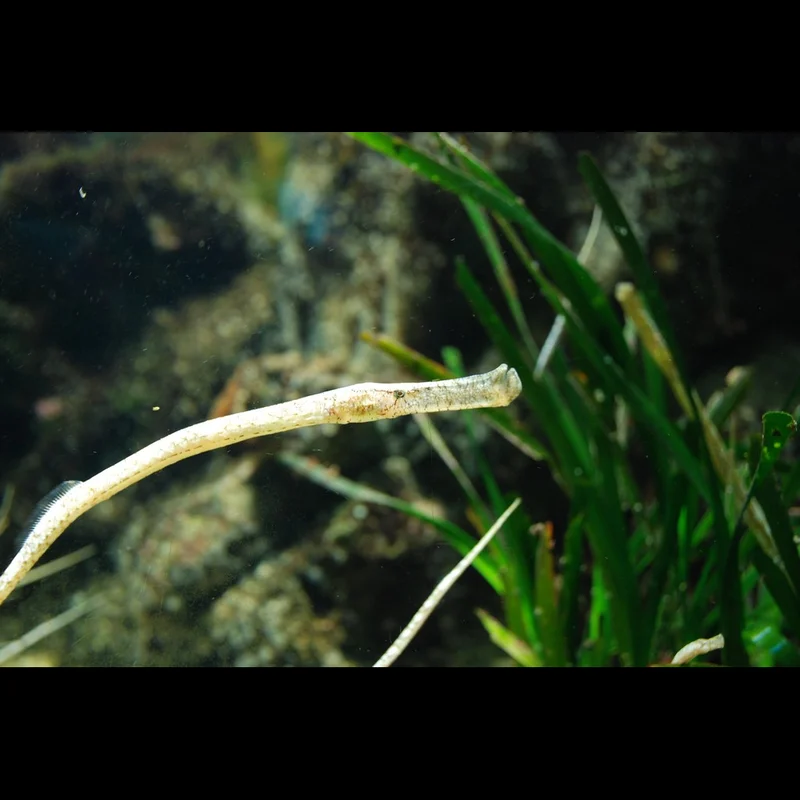
Close inspection may reveal smaller, more elusive creatures like pipefish and seven-spined gobies, often camouflaged against the wrecks or natural ledges. Baltic shrimp are common, scuttling across surfaces.
Bullheads or sculpins, locally known as 'simpor,' are a notable presence, often found near Pantari's natural formations. Attentive divers will find these sites reward time spent exploring their unique ecosystem.
Dive Sites Near Simpson & Pantari
View all dive sites in SwedenDiscover more underwater gems in this area.
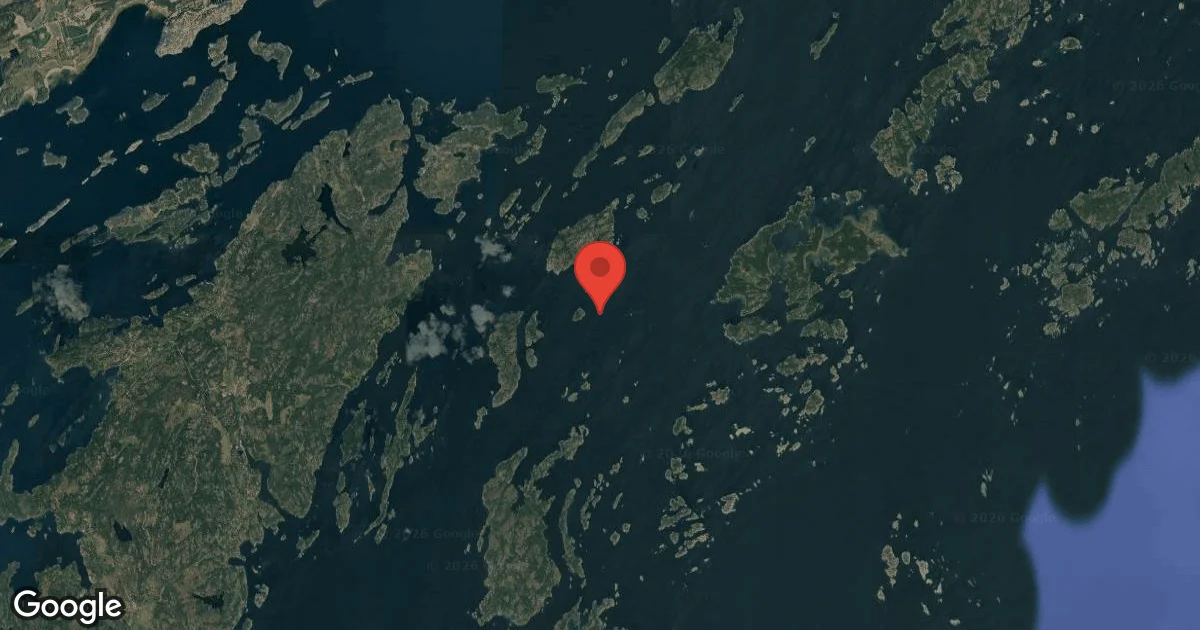
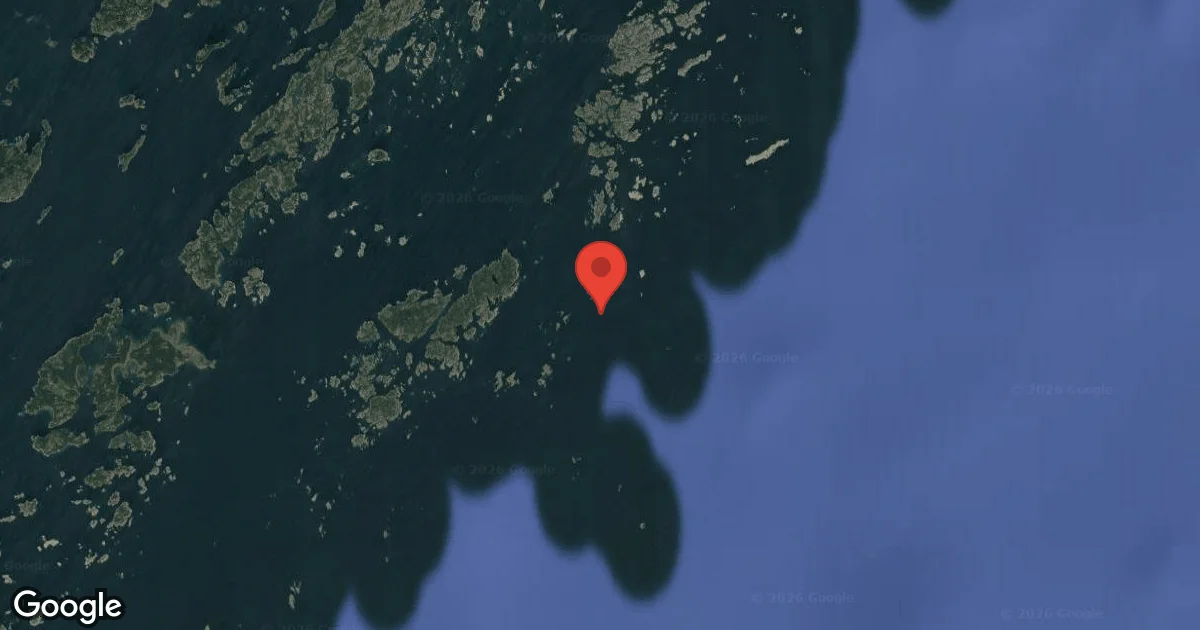
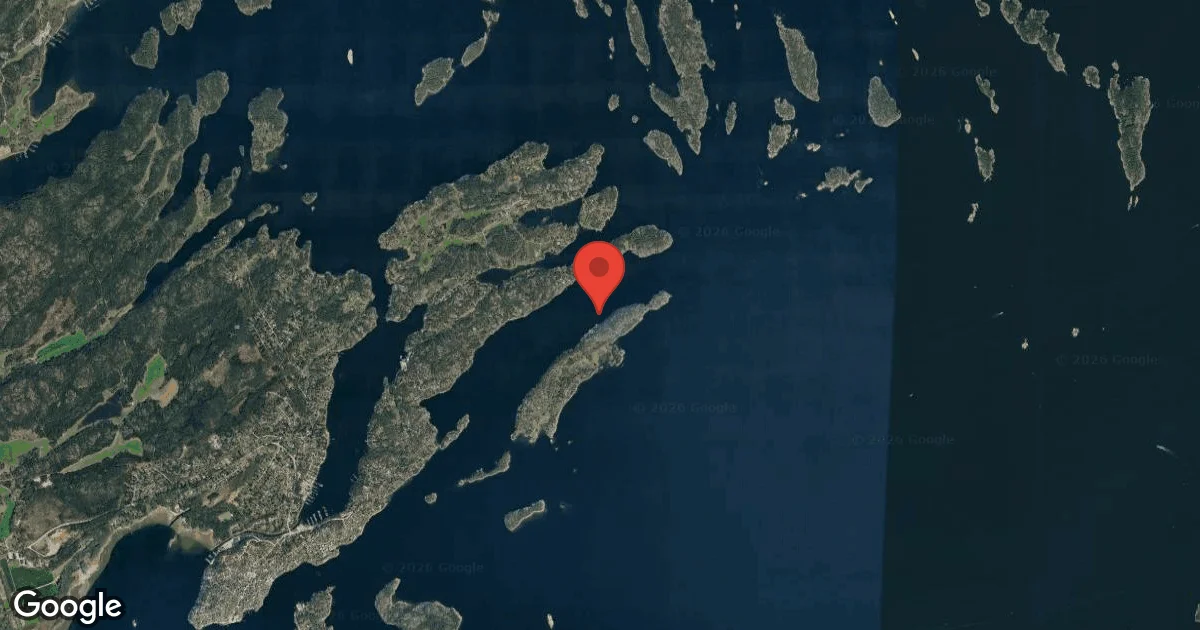
Dive Centers Near Simpson & Pantari
Today: Closed
Nearest Airports
Nearest airports to help plan travel to this dive area.
Search Flights
Check available flights and routes on Expedia, using the nearby airports listed in this section.
Search Flights on ExpediaFrequently Asked Questions
What kind of dive site is Simpson & Pantari?
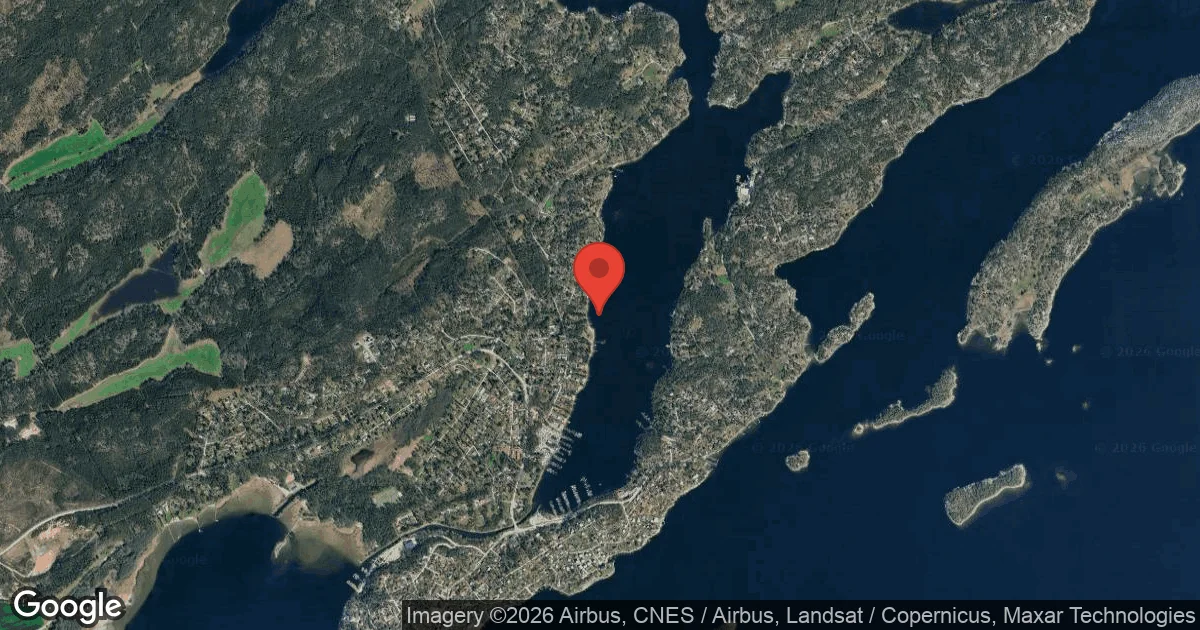
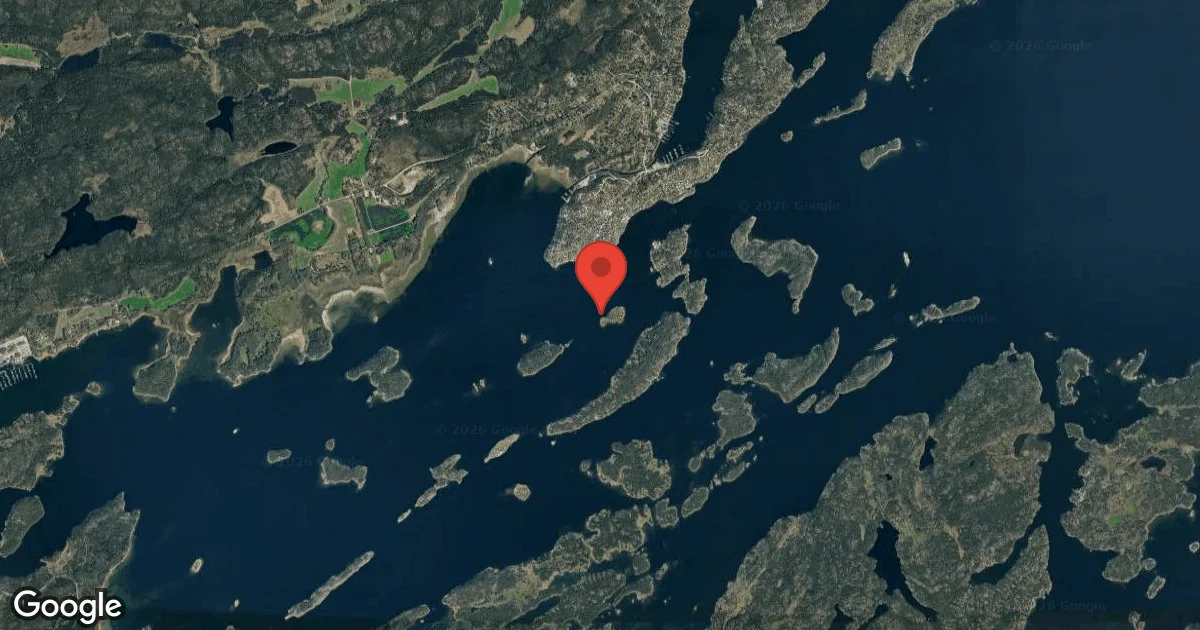
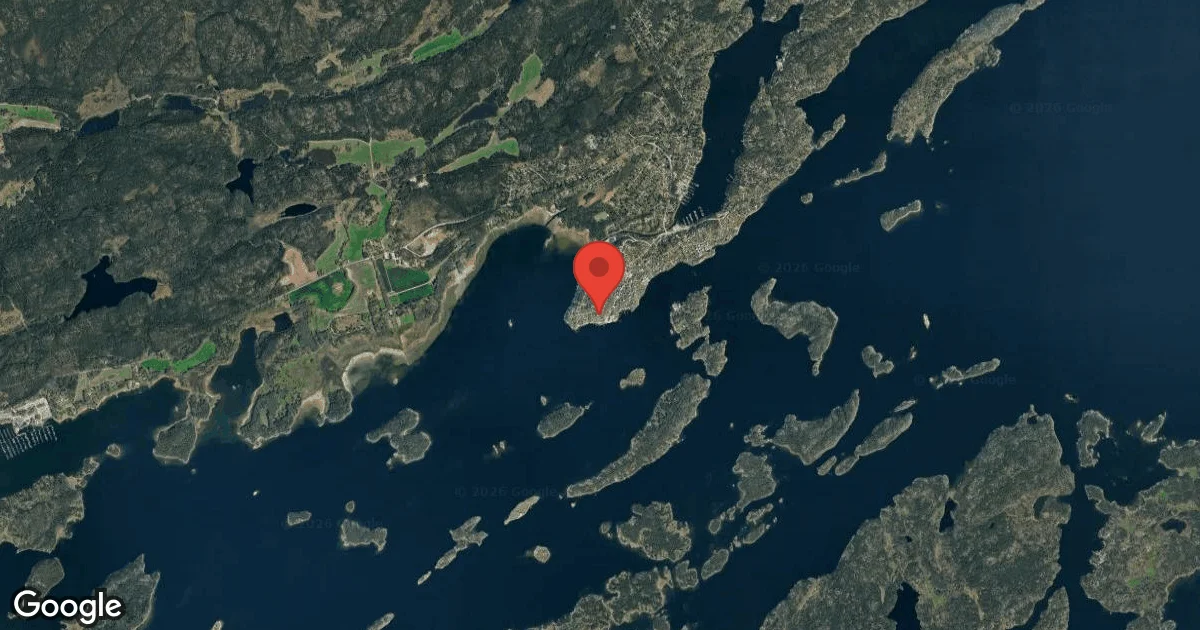
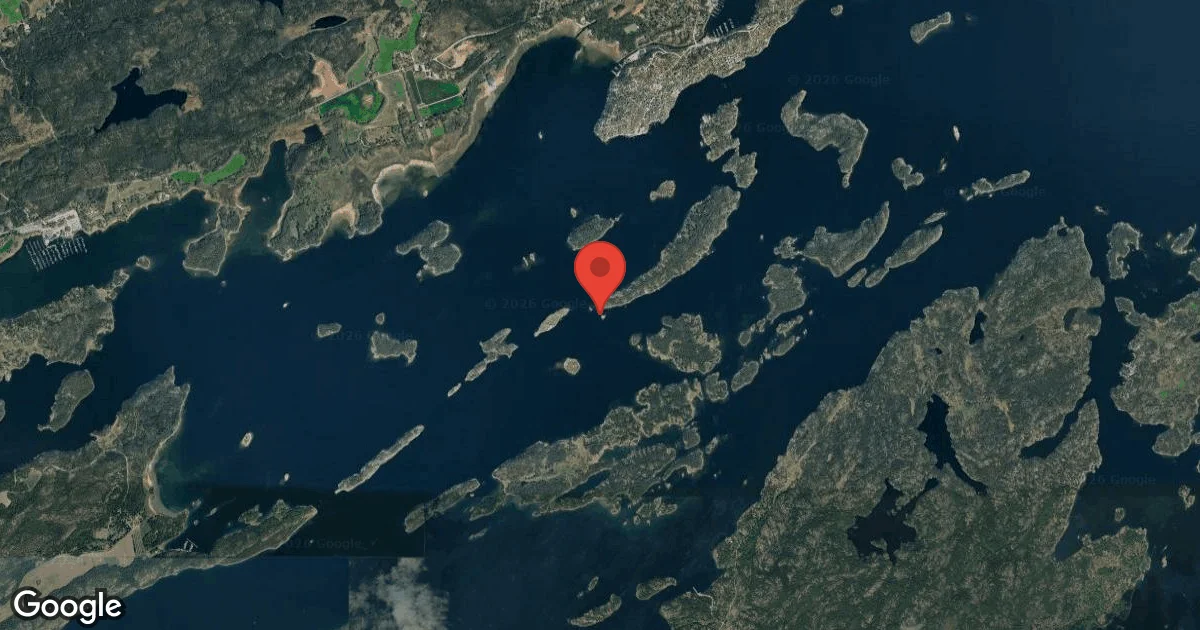
This site features two historical shipwrecks, Simpson and Pantari, offering both wreck diving and a 'nature dive' experience with surrounding natural ledges. It's located in the brackish waters near Stockholm, Sweden, and is accessed by boat.
What are the maximum depths at this dive site?
Simpson's bow rests at 7 m (23 ft), with its stern descending to 20 m (66 ft). Pantari's wreck lies at 24 m (79 ft). Dive areas can extend to 35 m (114 ft), though prominent wreck features are shallower.
What marine life can I expect to see?
Divers may encounter cod, smaller pipefish, and seven-spined gobies. Baltic shrimp are also common, along with 'simpor' (bullheads or sculpins) often observed near the Pantari wreck and its natural ledges.
What is the best time of year to dive Simpson & Pantari?
The period from May to September generally offers the best diving conditions, with milder air temperatures and calmer surface conditions. However, the site is considered 'Good' for diving from February through November, depending on specific weather.
What training is recommended for these dives?
PADI Open Water Diver certification is a minimum requirement. PADI Advanced Open Water Diver, PADI Wreck Diver, and PADI Peak Performance Buoyancy courses are highly recommended to enhance safety and enjoyment at these sites.
What essential equipment should I bring?
Due to the cold, brackish water, a drysuit and hood are strongly recommended for thermal protection. A dive computer, Surface Marker Buoy (SMB), and a torch for wreck exploration are also considered essential gear.
Are the wrecks intact enough to explore inside?
While external exploration is readily available, any internal wreck penetration should only be attempted by divers with specific wreck diving training and appropriate equipment due to potential silting and overhead environments.
Planning to dive Simpson & Pantari?
Send one inquiry and receive offers directly from the best verified local dive operators.
Conditions are Moderate
High Wind Advisory (48km/h). Unsafe surface.
Current conditions near Simpson & Pantari show 15° air, 15° sea temperature, 1.4 m waves, and 48 km/h wind. Forecast data is refreshed regularly to ensure accuracy.