
Diving at Bodekull (Sweden)
Discover the Bodekull shipwreck, a remarkably preserved 17th-century vessel resting upright in Sweden’s brackish Baltic Sea. Identified as the Bodekull, this 20-meter ship offers a rare glimpse into maritime past, largely protected from decay by its unique environment. It lies as a marine cultural reserve, a solemn monument to 17th-century seafaring.
As evening covers Bodekull, the local air temperature is measured at 12.5°C. The current wave height at the surface is recorded at 0.8 m. These late-day readings characterize the surface conditions for the night.
Dive Site Location & Key Facts
Dive Site Overview
The Bodekull, a 17th-century Swedish naval vessel, represents a profound wreck diving experience near Dalarö, southeast of Stockholm. Sunk in October 1678 while transporting flour, this 20-meter / 66-foot ship settled upright and remains remarkably intact.
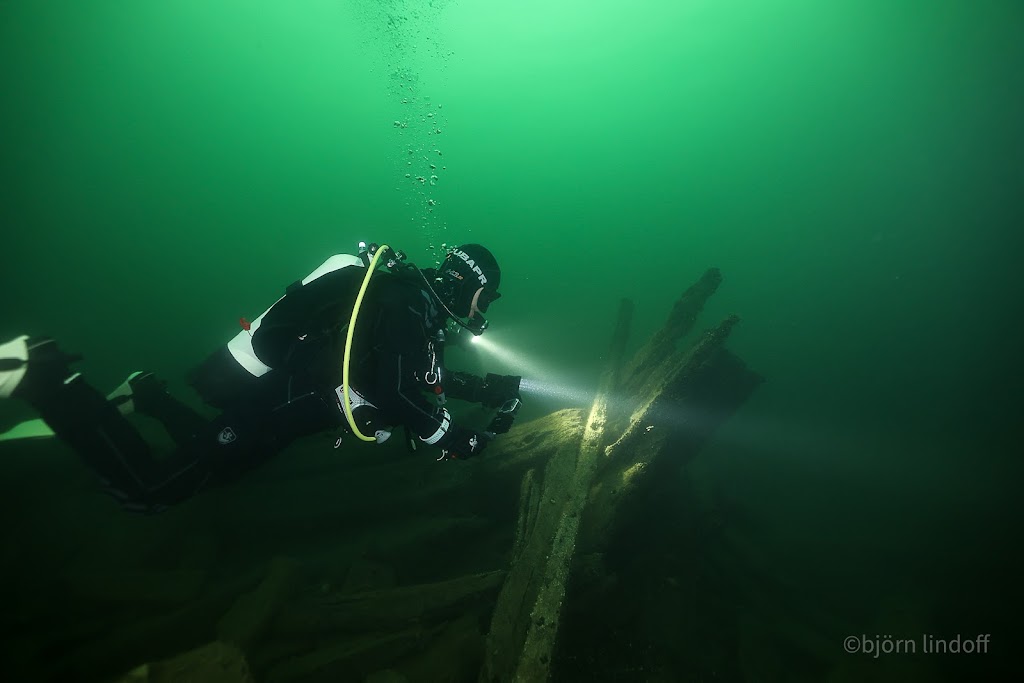
Divers encounter a true maritime time capsule; two of its three masts still stand in their original positions, a striking sight for a vessel of this era, providing a tangible link to seafaring history. Low salinity in the Baltic plays a crucial role in its exceptional preservation, effectively deterring shipworms that typically devastate wooden wrecks. This natural protection has allowed for centuries of stability.
Relics and artifacts continue to be discovered during archaeological surveys, providing continuous scientific interest and shedding light on 17th-century maritime life. Resting at a maximum depth of 33 meters / 108 feet, the site is considered an advanced deep dive, requiring appropriate training and experience.
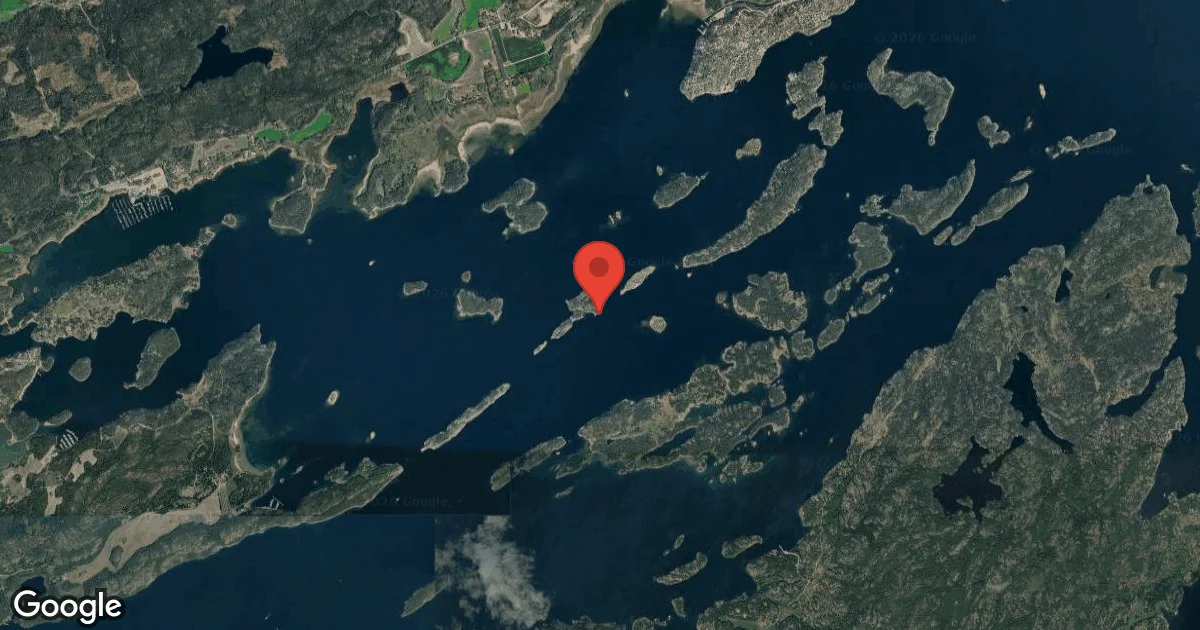
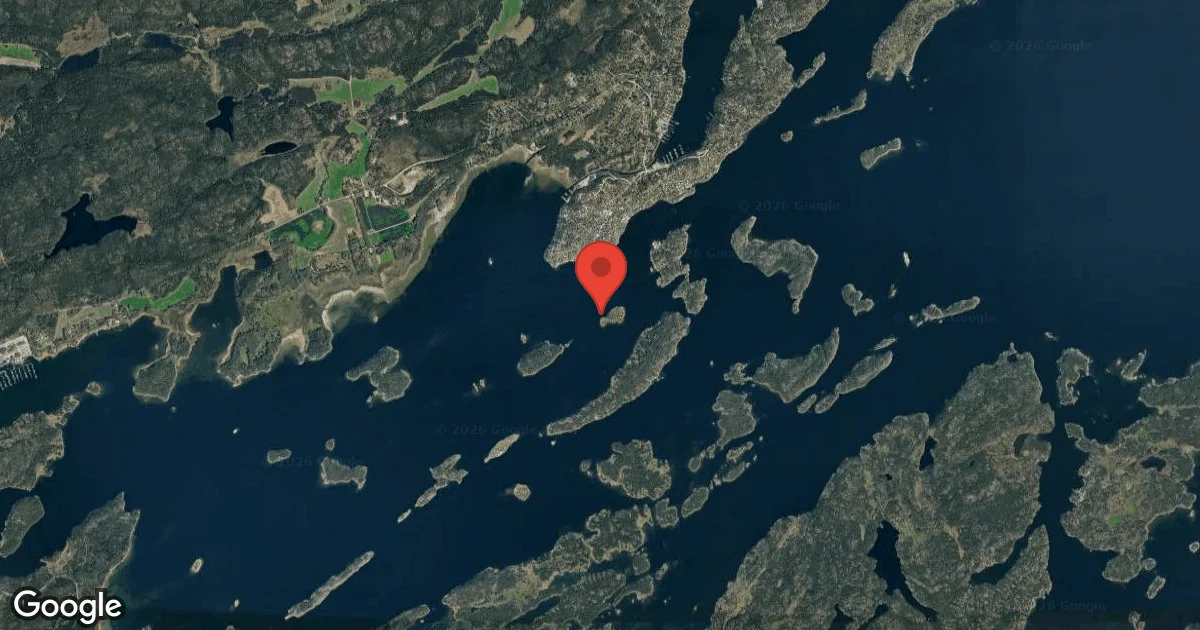
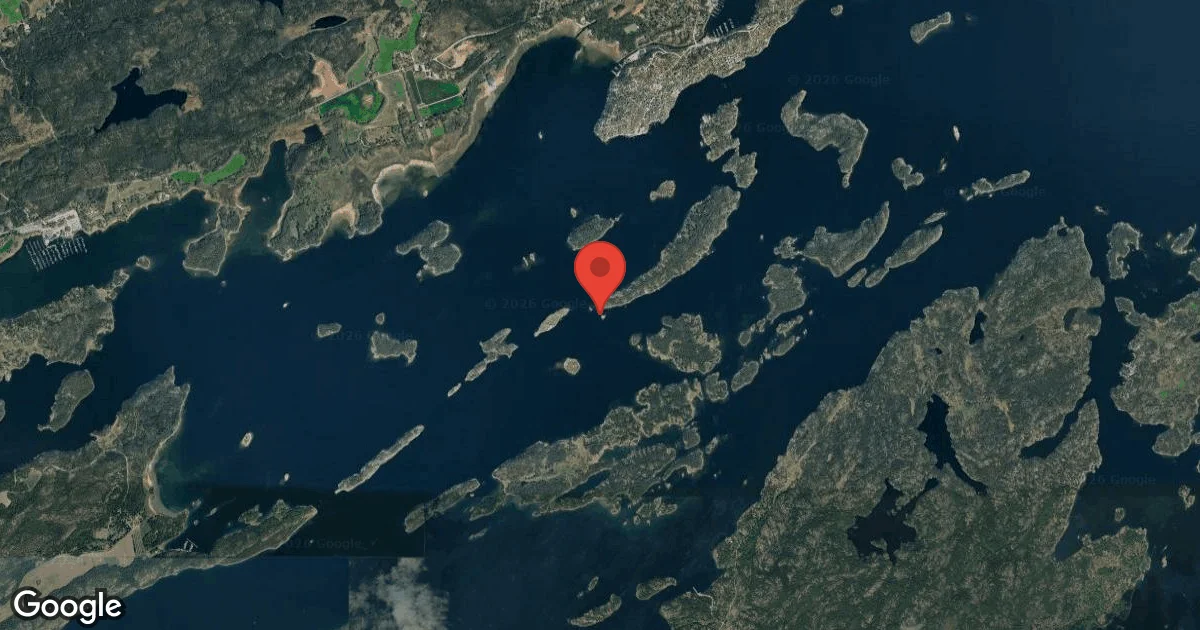
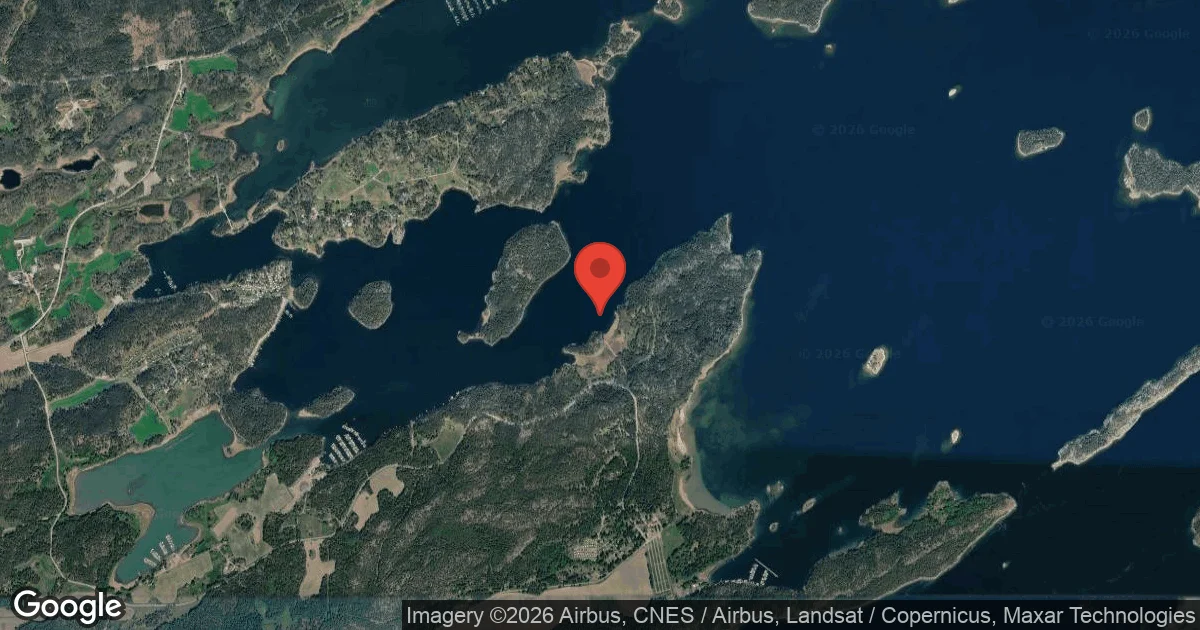
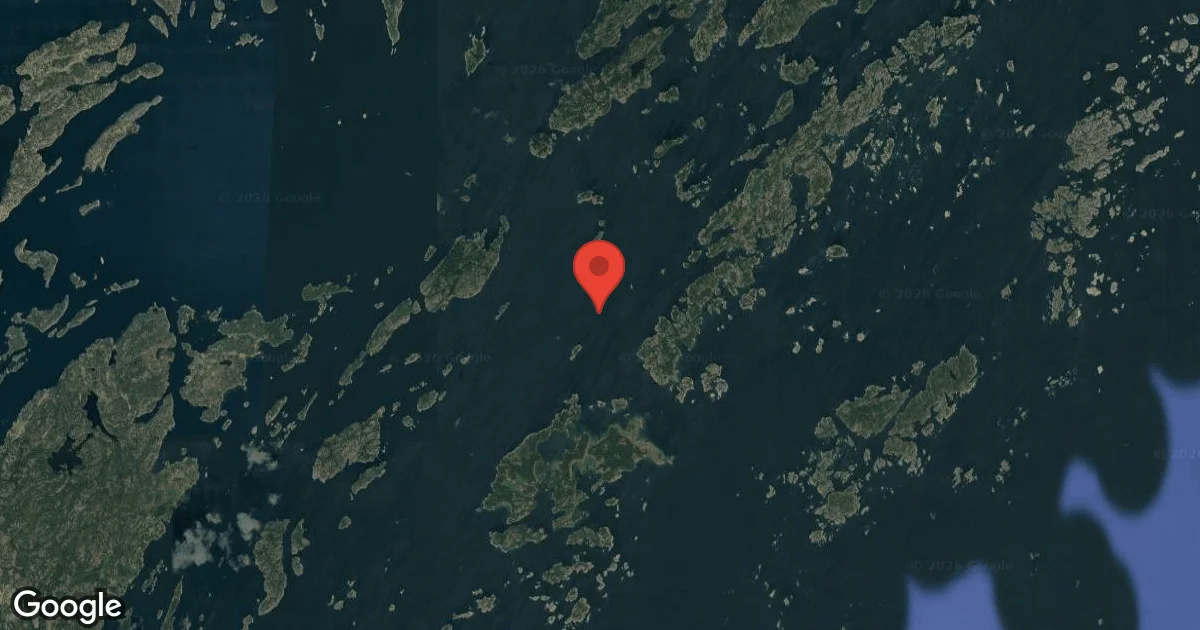
Previously known as the Dalarö wreck until its identification in 2017, the vessel lies close to Edesön and is clearly marked by a yellow buoy, signifying its protected status as a marine cultural reserve.
Conditions are Moderate
Optimal conditions expected
Current conditions near Bodekull show 13° air, 17° sea temperature, 1.2 m waves, and 39 km/h wind. Forecast data is refreshed regularly to ensure accuracy.
Best Time to Dive
May through September typically offer optimal conditions for diving Bodekull, aligning with Sweden's warmer months. During this period, overall visibility might improve with less particulate matter stirred by currents or rough weather. Recorded air temperatures in May and June average around 11-16°C / 52-61°F, often accompanied by lower average rainfall, enhancing surface comfort for preparations and boat travel. While specific water temperature data isn't consistently reported for this site, these months generally provide the most pleasant above-water experience. Wave heights are lower during these times, contributing to calmer water entries and exits. Dive scores remain 'Good' year-round, but 'Excellent' scores in May and June suggest a slight edge in overall conditions. Expect some rainfall throughout the year; July shows slightly higher averages at 3.2mm.
PEAK SEASON SCORE
Scores combine air & water temps, waves, wind & rainfall for overall conditions.
BEST MONTHS TO DIVE
Monthly records compiled from satellite and marine observation nodes over the last 3 years. Data provided by Open-Meteo and MET Norway.
Dive Experience & Conditions
Accessing the Bodekull wreck invariably requires a boat entry, as it lies offshore near Edesön, marked by its protective buoy. Divers planning an expedition here should be prepared for typical Baltic Sea conditions, characterized by brackish water. Unique low salinity is paramount to the wreck's exceptional preservation, though it means divers experience different buoyancy characteristics compared to freshwater or full saltwater. Specific water temperature averages for the site are not consistently reported, but conditions over 30 meters down are generally cool to cold, necessitating appropriate thermal protection. Currents are not always strong but can vary based on local weather and tidal influences. Moderate visibility is common, which, combined with the advanced depth, makes effective torch use essential for appreciating the ship's intricate details and navigating its structure.
Dive Difficulty & Safety Guidelines
Ongoing plundering poses a primary concern for the Bodekull wreck, a widespread issue affecting historic wrecks across the Baltic Sea. Designated a Marine Cultural Reserve, the site features explicit signage warning against interference. Despite protected status, items have previously been removed, disturbed, or damaged, including parts of a pistol frame.
Sweden's coastguard actively monitors the wreck, and local residents are alerted to report suspicious activities. It's crucial for all divers to respect its historical significance and legal protection.
Any removal or disturbance of artifacts is strictly illegal; responsible diving involves observation and photography only, ensuring preservation of this irreplaceable piece of history for future generations.
Recommended Equipment
Deep dive hazard. Increased narcosis and gas consumption risk.
Overhead / entanglement risk. Wreck penetration requires proper training.
- Dive Computer
- DSMB
- Primary & Backup Lights
- Wreck Reel
- Cutting Tool
This gear list is based on verified equipment signals for Bodekull, Sweden. Always confirm final gear choices with your dive operator, guide, or liveaboard.
Recommended Dive Suit
Current diving conditions indicate water temperatures around 17°C (62°F) at Bodekull. Surface air temperatures are resting at 13°C (55°F).
Forecasts suggest rising temperatures later this week. A warming trend is expected over the next few days.
Most divers exploring waters at this temperature rely on 5-7mm wetsuit for effective insulation. Consider warmer surface protection (like a boat coat) due to brisk winds. A thermal robe or jacket is recommended between dives. Water temperature is only one factor influencing overall comfort during a dive. Stronger winds may also make surface intervals feel cooler than usual. Surface intervals may feel noticeably cooler once you exit the water.
Emergency & Medical Support
Essential information to help you plan your dive trip to Bodekull.

Hyperbaric chambers are a critical part of dive safety infrastructure. Availability varies significantly by region, and not all dive areas have immediate access.
Before diving, it's recommended to:
- confirm nearest medical facilities
- check emergency procedures with local dive operators
- ensure dive insurance covers evacuation if required
Divers Alert Network
Diving emergency assistance available through DAN Europe.
+39 0642115685- 24/7 emergency hotline
- Diving medical assistance
- Evacuation coordination
Emergency contacts are provided for reference. Always verify local emergency services before diving.
Closest Listed Hyperbaric Chambers
Showing listed hyperbaric chamber facilities within 200 km of this dive site.
Distances are approximate straight-line distances and may not reflect emergency travel time.
Karolinska Univeristy Hospital, Solna
ICU CapableStockholm, Sweden•Approx. 33 km straight-line
Karolinska Univeristy Hospital, Solna
ICU CapableInformation is provided for reference and planning purposes only. Dive Navigator does not verify operational status, staffing, availability, or quality of care at listed facilities. In an emergency, contact local emergency services, DAN, your dive operator, or the chamber directly. Do not travel to a facility without calling ahead.
Marine Life at Bodekull
Marine life at Bodekull is shaped by the wreck itself, which acts as a vibrant artificial reef within the Baltic's brackish waters. Its stunningly preserved 17th-century hull and standing masts provide a dramatic structure dominating the seafloor.
The low-salinity environment of the Baltic Sea, crucial for protecting the wooden ship from shipworms, also influences the types of species found here. While specific biodiversity reports are limited, the wreck offers essential shelter and substrate for local Baltic species. Pockets of interest form around the ancient timber and discovered relics, creating microhabitats.
Dive Sites Near Bodekull
View all dive sites in SwedenDiscover more underwater gems in this area.
Dive Centers Near Bodekull
Today: Closed
Nearest Airports
Nearest airports to help plan travel to this dive area.
Search Flights
Check available flights and routes on Expedia, using the nearby airports listed in this section.
Search Flights on ExpediaFrequently Asked Questions
What is the Bodekull wreck?
A 17th-century Swedish naval vessel, the Bodekull, sank in 1678. It's a remarkably preserved wooden shipwreck, initially known as the Dalarö wreck until its identification in 2017. Lying upright on the seabed, it provides a rare historical dive experience.
Why is the Bodekull shipwreck so well preserved?
Exceptional preservation results from the Baltic Sea's unique brackish, low-salinity water. Low salinity naturally deters shipworms, marine organisms that typically consume wooden wrecks in saltwater. Such conditions allow the Bodekull to remain largely intact over centuries.
What is the depth of the Bodekull wreck?
Resting at a maximum depth of approximately 33 meters (around 108 feet), the Bodekull wreck is considered an advanced deep dive. Its considerable depth necessitates appropriate certification and experience for safe exploration.
Is the Bodekull wreck protected?
Yes, designated a Marine Cultural Reserve, the Bodekull wreck is marked with clear signage. Removing or disturbing any artifacts is illegal; Sweden's coastguard actively monitors the site to prevent plundering.
What are the biggest challenges or hazards when diving Bodekull?
Beyond the challenges of deep, cold, and brackish water, illegal plundering is a primary hazard. Divers must also be aware of the site's remote location requiring boat access and variable visibility conditions.
What type of training is recommended for diving this site?
Given the depth and nature of the dive, PADI Deep Diver certification is recommended. Wreck Diver training would also be highly beneficial for navigating the structure safely and appreciating historical significance.
What kind of artifacts might divers see?
A time capsule, the wreck still contains relics from its 1678 sinking. While specific items vary and some have been lost to plundering, divers can expect to see parts of the ship's structure, remnants of its cargo, and historical objects integrated into the wreck environment.
Planning to dive Bodekull?
Send one inquiry and receive offers directly from the best verified local dive operators.
Conditions are Moderate
Optimal conditions expected
Current conditions near Bodekull show 13° air, 17° sea temperature, 1.2 m waves, and 39 km/h wind. Forecast data is refreshed regularly to ensure accuracy.