
Diving at Tyr (Sweden)
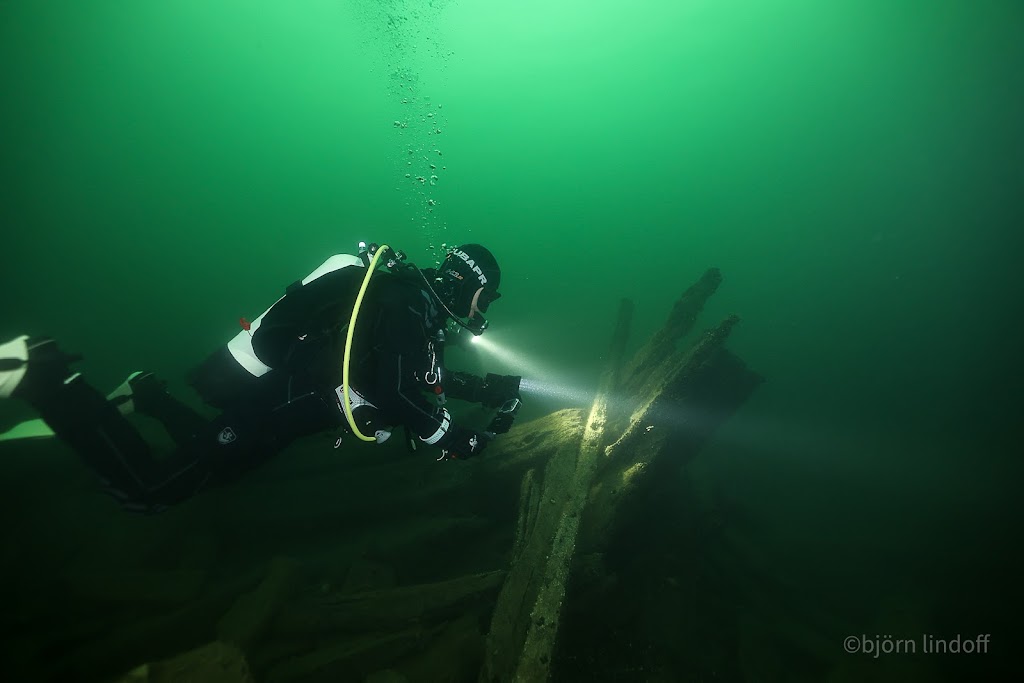
Off Ornö in the Stockholm archipelago, the Tyr wreck presents generally good visibility for divers exploring its structure. This former tugboat, which sank in 2001, rests keel-upright on the seabed. Its position provides a clear outline for navigation. Divers can appreciate the intact details from a distance, with typical underwater conditions supporting an observable environment in these brackish waters. The accessible structure makes for a compelling subject.
Tonight's objective overview for Tyr shows an air temperature of 14°C. The measured surface conditions include wave heights around 0.9 m. This environmental data is logged for the close of the day.
Dive Site Location & Key Facts
Dive Site Overview
Tyr, once a tugboat repurposed for private enjoyment, now lies as a compelling wreck off Ornö, Sweden. Its final journey ended abruptly in a harsh winter storm in 2001.
The vessel broke free from its mooring, froze, and disappeared beneath the ice before being located via sonar. This historical tugboat currently rests keel-upright at a maximum depth of 35 m (114 ft), with its wheelhouse found at approximately 31 m (101 ft). An engaging dive for certified individuals, it offers a tangible connection to the region's maritime past.
Access to the site is exclusively by boat, making planning with local dive operators essential. Descending, divers will find the structure largely intact, an environment typical of many Baltic wrecks.
Water conditions here are brackish, contributing to the site's preservation over the years. Wreck integrity allows for exploration of external features and potential penetration for those with appropriate training and equipment.
Its depth range necessitates careful dive planning and adherence to deep diving protocols. PADI Advanced Open Water, Deep Diver, and Wreck Diver certifications are particularly relevant for those planning to explore Tyr fully. Offering a poignant glimpse into maritime history, Tyr is preserved by the cold, dark waters, and challenges divers with its unique conditions.
Conditions are Moderate
Optimal conditions expected
Current conditions near Tyr show 14° air, 15° sea temperature, 1.6 m waves, and 39 km/h wind. Forecast data is refreshed regularly to ensure accuracy.
Best Time to Dive
Optimal diving conditions for Tyr typically emerge during the late spring and summer months, presenting a clear contrast to the harsher winter environment that claimed the vessel. May stands out with an "Excellent" dive score (9/10), when average air temperatures rise to around 8°C (46°F) and rain is at its lowest average of 0.75 mm. While air temperatures generally range from 8°C (46°F) in May to 16°C (61°F) in August, water temperatures in this brackish environment will remain considerably cooler. Wave heights are also at their lowest from May through September, typically below 0.7 m (2.3 ft), leading to calmer surface conditions for boat entry. Wind speeds are comparatively lower during these months, improving surface comfort. October, while still offering a "Good" dive score, sees increasing wind speeds of 36.1 km/h (22.4 mph) and higher average rainfall, indicating a shift towards less favorable conditions. Divers should prepare for cold water year-round, regardless of air temperature, and prioritize periods with less surface chop for a smoother boat ride and entry.
PEAK SEASON SCORE
Scores combine air & water temps, waves, wind & rainfall for overall conditions.
BEST MONTHS TO DIVE
Monthly records compiled from satellite and marine observation nodes over the last 3 years. Data provided by Open-Meteo and MET Norway.
Dive Experience & Conditions
Descending into the brackish waters of Tyr, divers can expect a distinct sensory experience, characterized by the cool embrace of the Baltic and the imposing silhouette of the tugboat. Visibility at the site is generally good, allowing a clear view of the keel-upright wreck as it emerges from deeper sections. Tyr's structural integrity permits external observation of its features, including the wheelhouse at 31 meters (101 ft) and the hull extending to the seafloor at 34 meters (111 ft). Robust thermal protection is required in this environment; drysuits and hoods are essential to maintain comfort during the dive. Without strong currents, divers can focus on exploration, carefully navigating around the structure. Stillness underwater, broken only by the sound of regulators, contributes to a contemplative atmosphere around this sunken vessel. Exploring the deck and superstructure involves deep diving practices, so experience with cold, dark water environments and deep dive planning is advisable.
Dive Difficulty & Safety Guidelines
Diving Tyr presents specific challenges that require careful planning and adherence to established safety protocols. Its maximum recreational depth places it firmly within advanced and deep diving territory. Certification levels such as PADI Advanced Open Water, Deep Diver, and Wreck Diver are not merely suggestions; they represent critical training for managing the environment.
Surface access is exclusively by boat, which means reliable boat operation and communication are paramount. The brackish, cold water of the Baltic Sea demands appropriate thermal protection, making a drysuit with a hood and gloves indispensable.
Conditions can shift, so a Surface Marker Buoy (SMB) is crucial for safe ascent and signaling to the boat. As with any wreck, entanglement hazards exist, and penetration should only be attempted by divers with specialized training, proper equipment, and a well-rehearsed plan. Divers must monitor bottom time and decompression limits rigorously.
Recommended Equipment
Deep dive hazard. Increased narcosis and gas consumption risk.
Overhead / entanglement risk. Wreck penetration requires proper training.
- Dive Computer
- DSMB
- Primary & Backup Lights
- Wreck Reel
- Cutting Tool
This gear list is based on verified equipment signals for Tyr, Sweden. Always confirm final gear choices with your dive operator, guide, or liveaboard.
Recommended Dive Suit
Forecast models show minimal temperature variation in the coming days.
Thermal protection such as 7mm wetsuit or semidry is commonly used in similar temperatures. Consider warmer surface protection (like a boat coat) due to brisk winds. A thermal robe or jacket is recommended between dives.
Current dive conditions indicate that water temperatures around Tyr are sitting at roughly 15°C (59°F). Surface air temperatures are resting at 14°C (58°F).
Due to technical issues with our weather providers, data hasn't been fetched for over 48 hours. The data above reflects the conditions at the time of the last successful fetch.
Emergency & Medical Support
Essential information to help you plan your dive trip to Tyr.

Hyperbaric chambers are a critical part of dive safety infrastructure. Availability varies significantly by region, and not all dive areas have immediate access.
Before diving, it's recommended to:
- confirm nearest medical facilities
- check emergency procedures with local dive operators
- ensure dive insurance covers evacuation if required
Divers Alert Network
Diving emergency assistance available through DAN Europe.
+39 0642115685- 24/7 emergency hotline
- Diving medical assistance
- Evacuation coordination
Emergency contacts are provided for reference. Always verify local emergency services before diving.
Closest Listed Hyperbaric Chambers
Showing listed hyperbaric chamber facilities within 200 km of this dive site.
Distances are approximate straight-line distances and may not reflect emergency travel time.
Karolinska Univeristy Hospital, Solna
ICU CapableStockholm, Sweden•Approx. 42 km straight-line
Karolinska Univeristy Hospital, Solna
ICU CapableInformation is provided for reference and planning purposes only. Dive Navigator does not verify operational status, staffing, availability, or quality of care at listed facilities. In an emergency, contact local emergency services, DAN, your dive operator, or the chamber directly. Do not travel to a facility without calling ahead.
Marine Life at Tyr
The cold, brackish environment surrounding the Tyr wreck supports a specific range of marine life adapted to these unique Baltic Sea conditions. While not as biodiverse as tropical reefs, divers may still encounter various species of fish, crabs, and invertebrates that have colonized the wreck's structure over two decades.
Small schools of fish often shelter within its hull, and observant divers might spot flatfish camouflaged against the seabed. General regional sightings mention sharks, whales, dolphins, and turtles, though encountering these larger pelagic species directly at the wreck site is less common due to its specific characteristics.
The primary attraction here is the wreck itself, but the life that has made it home adds another layer of interest to the dive.

Dive Sites Near Tyr
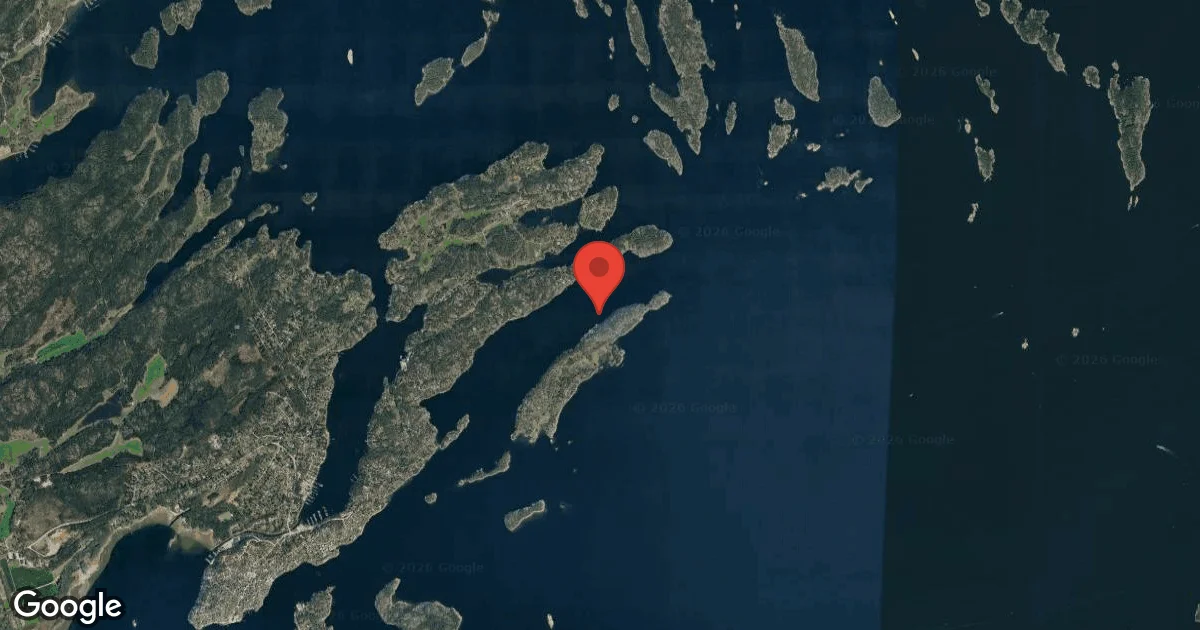
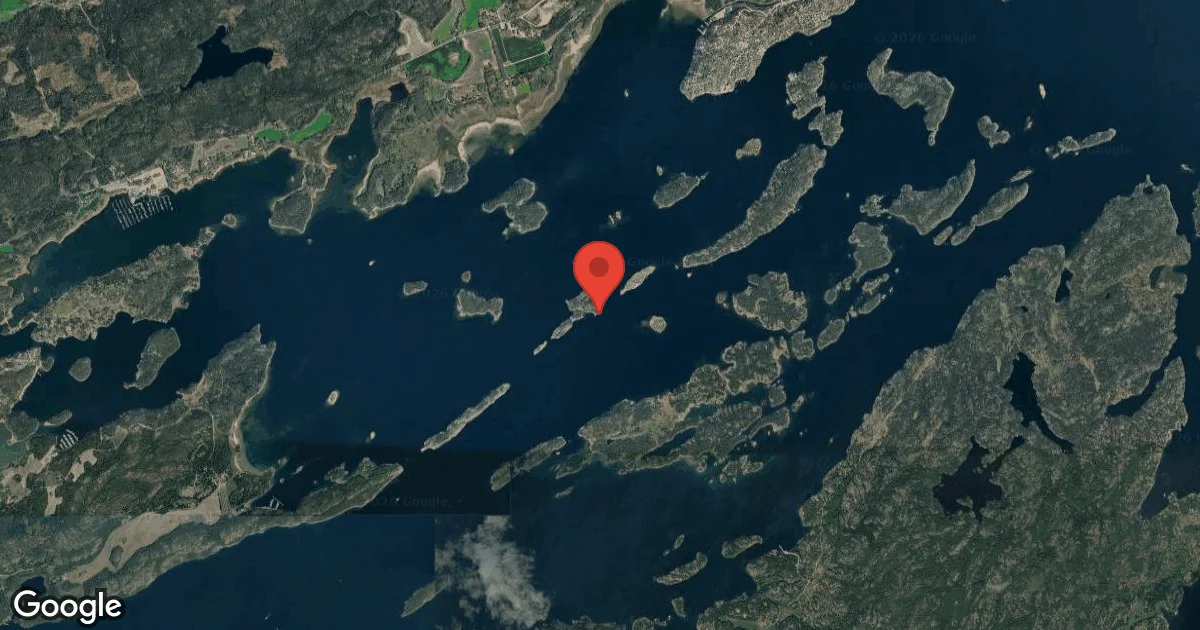
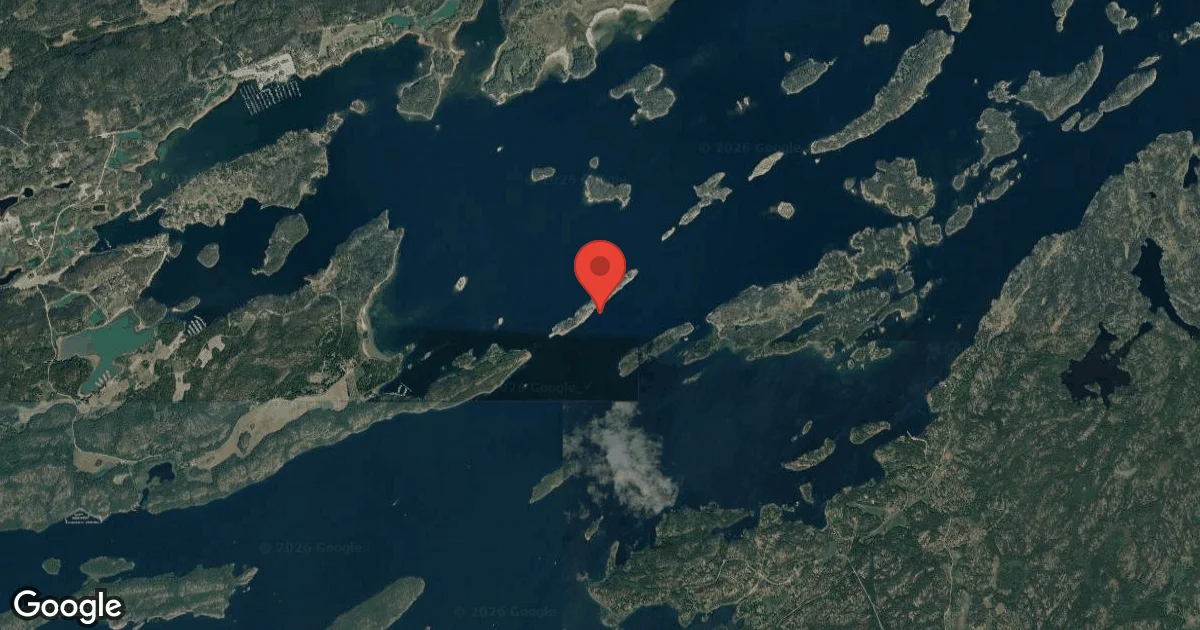
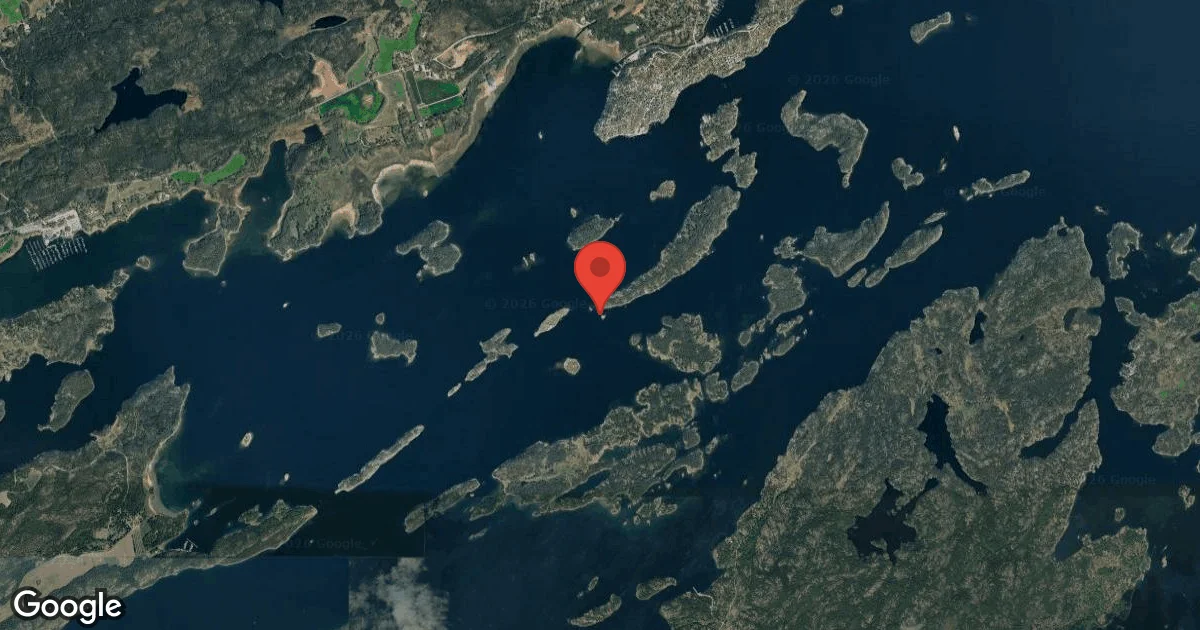
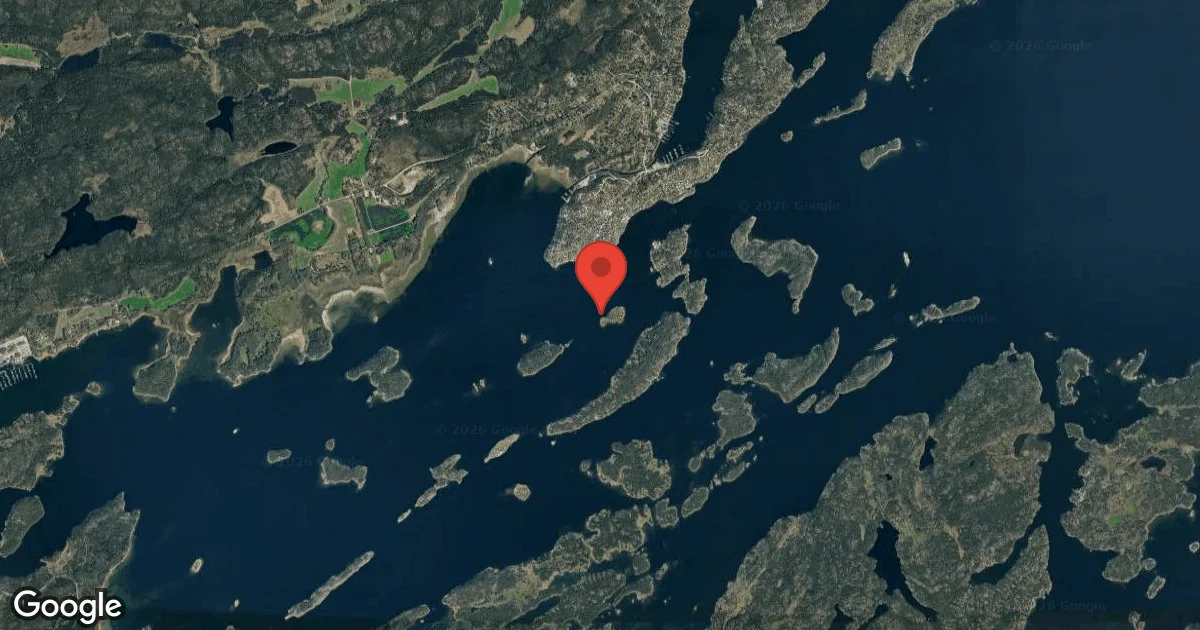
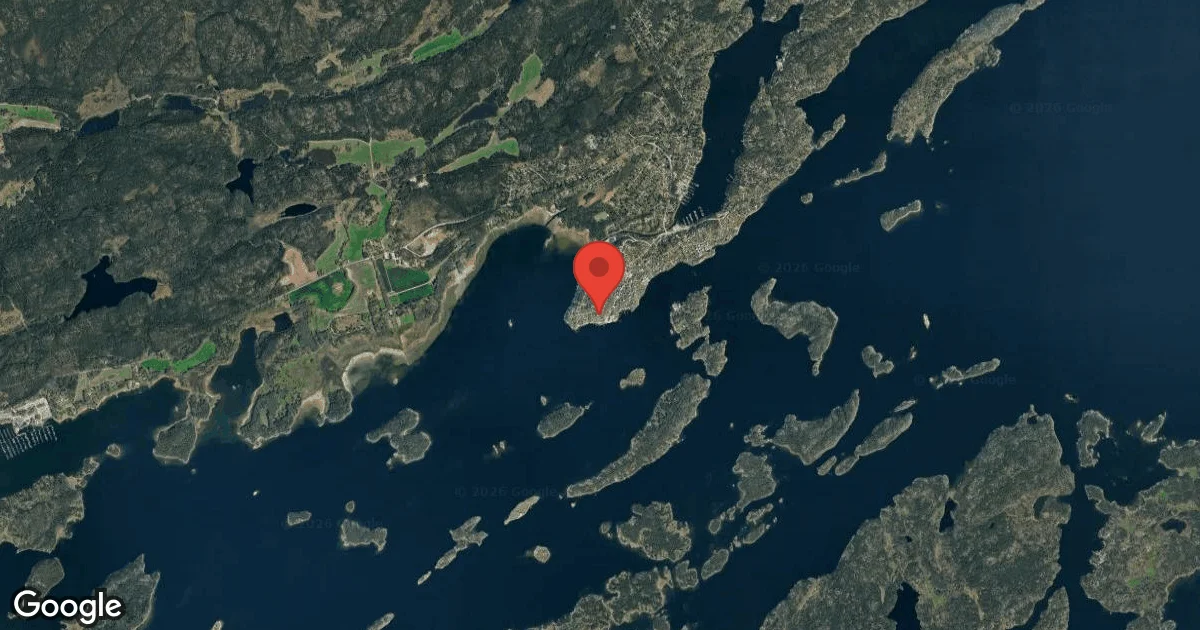
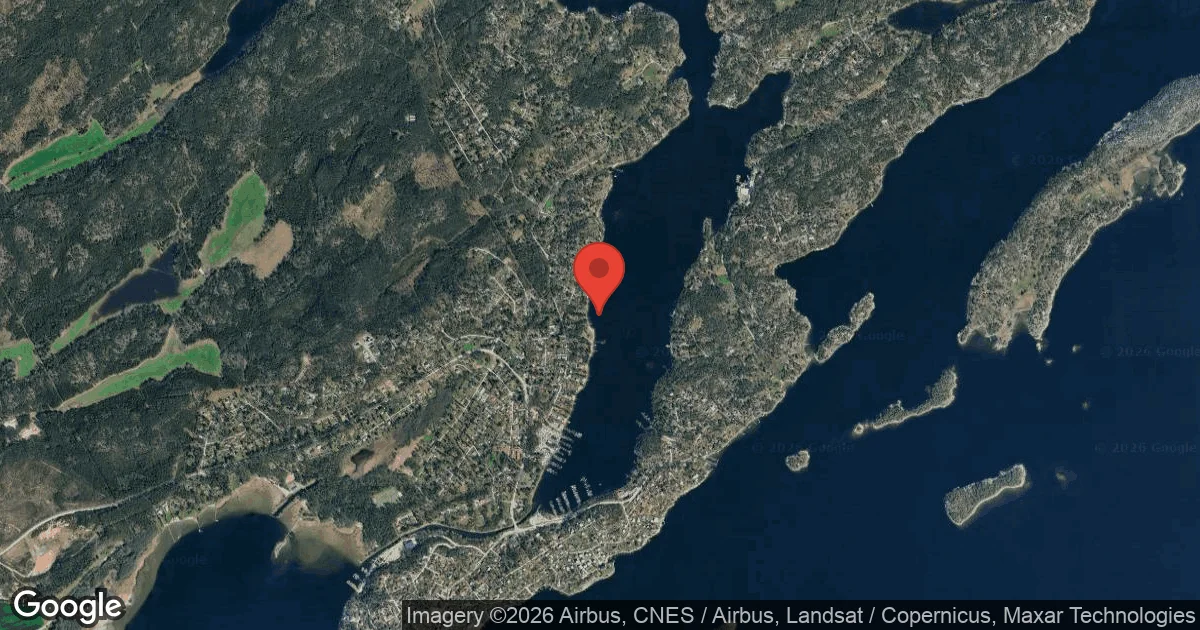
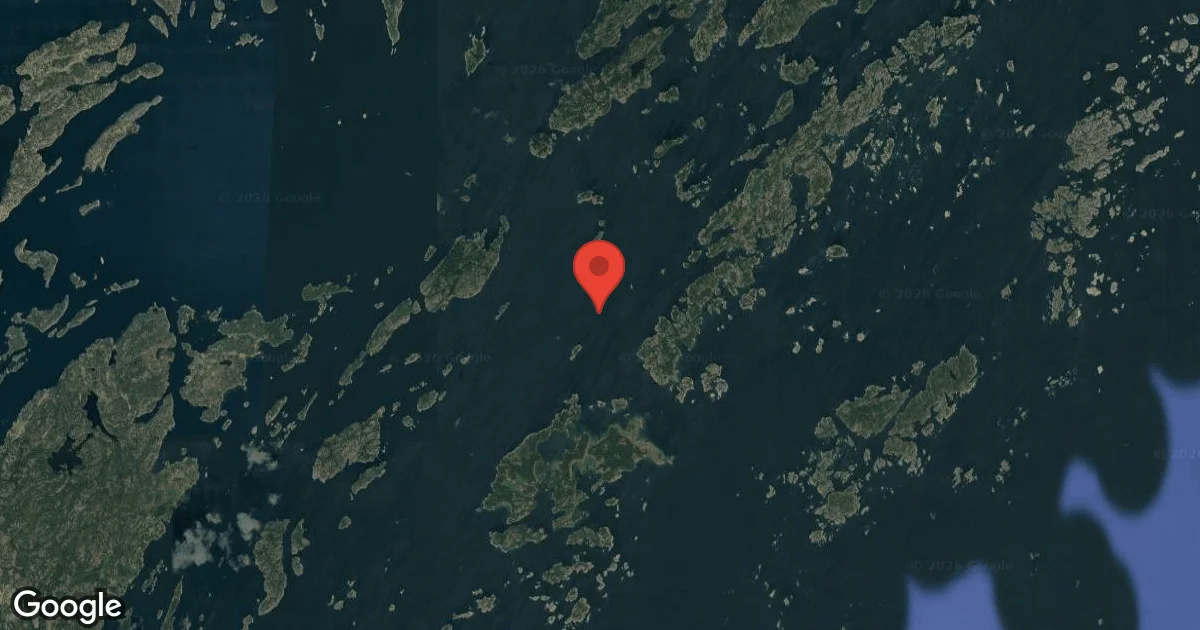
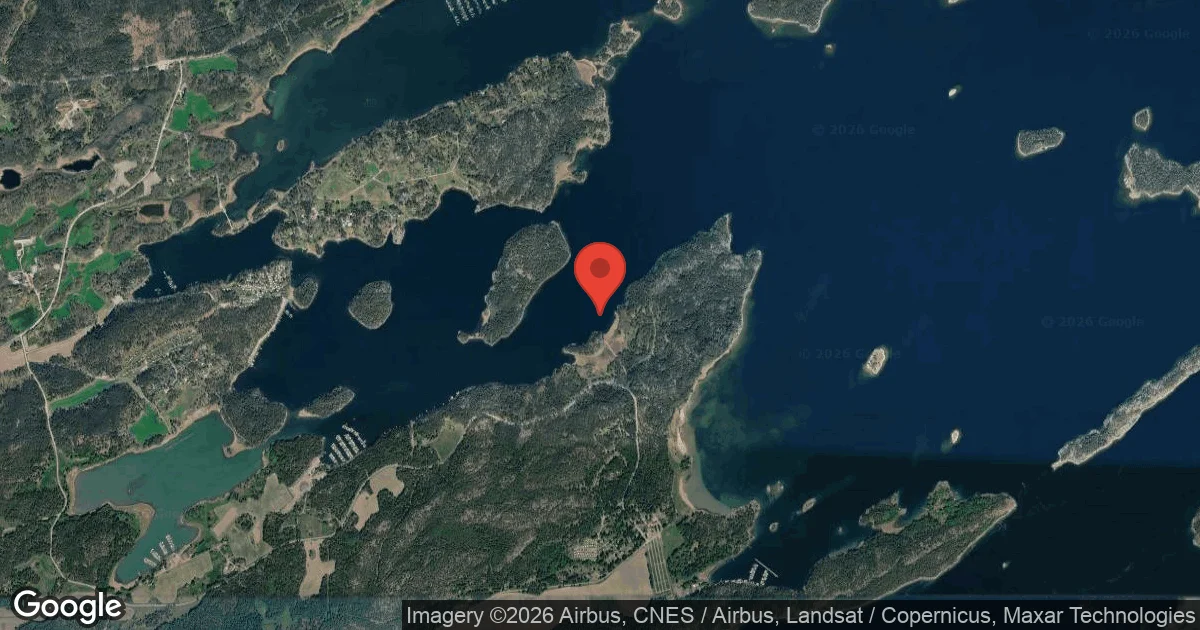
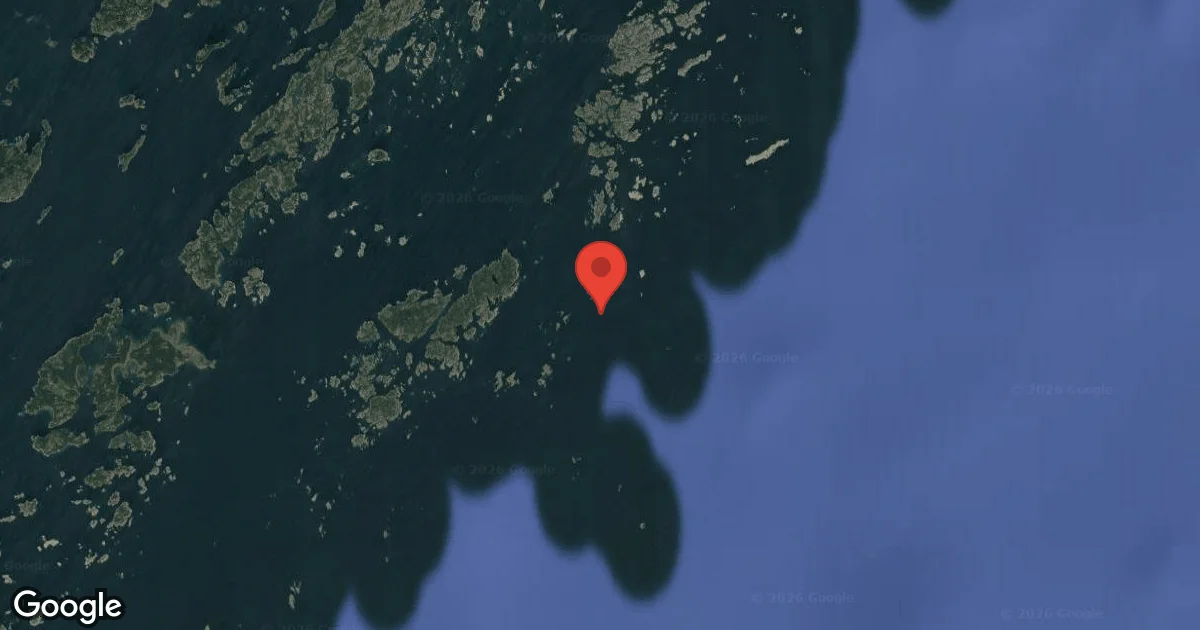
View all dive sites in SwedenDiscover more underwater gems in this area.
Dive Centers Near Tyr
Today: Closed
Nearest Airports
Nearest airports to help plan travel to this dive area.
Search Flights
Check available flights and routes on Expedia, using the nearby airports listed in this section.
Search Flights on ExpediaFrequently Asked Questions
What kind of wreck is Tyr?
Tyr is the wreck of a former tugboat that sank in 2001 after breaking free during a winter storm. It rests keel-upright on the seabed, providing an intact structure for divers to explore.
What is the depth range for diving Tyr?
Tyr's wheelhouse is at approximately 31 meters (101 ft), with the bottom extending to 34 meters (111 ft). Site maximum depth is around 35 meters (114 ft).
What are the typical water conditions at the site?
Water at Tyr is brackish and cold year-round, requiring appropriate thermal protection. Visibility is generally reported as good, allowing clear views of the wreck.
What certifications are recommended for Tyr?
PADI Advanced Open Water Diver, Deep Diver, and Wreck Diver certifications are specifically recommended for this site. Such courses provide the necessary skills for safely navigating its depth and environment.
How do I access the Tyr dive site?
Tyr is exclusively a boat dive. Divers need to arrange trips with local dive operators in the Stockholm archipelago area to access the site.
When is the best time of year to dive Tyr?
Optimal diving for Tyr is typically from late spring through summer, particularly May through August. Such periods offer calmer surface conditions, lower rainfall, and comparatively milder air temperatures, despite the consistently cold water.
Is Tyr suitable for beginner divers?
No, Tyr is not suitable for beginner divers due to its depth and the cold, brackish water conditions. It requires advanced certifications and experience with deep and wreck diving.
What kind of visibility can I expect?
Visibility at the Tyr wreck site is generally reported as good. Clear perspective of the tugboat's intact structure is possible as divers approach and explore the wreck.
Planning to dive Tyr?
Send one inquiry and receive offers directly from the best verified local dive operators.
Conditions are Moderate
Optimal conditions expected
Current conditions near Tyr show 14° air, 15° sea temperature, 1.6 m waves, and 39 km/h wind. Forecast data is refreshed regularly to ensure accuracy.