
Diving at Steinibach Delta (Switzerland)
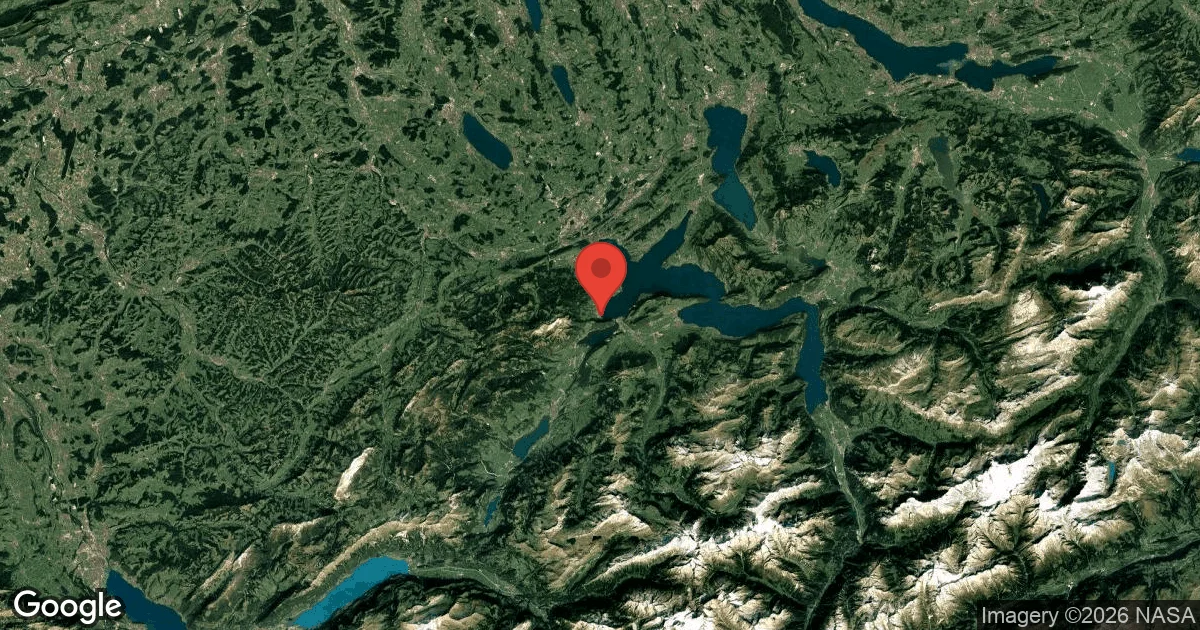
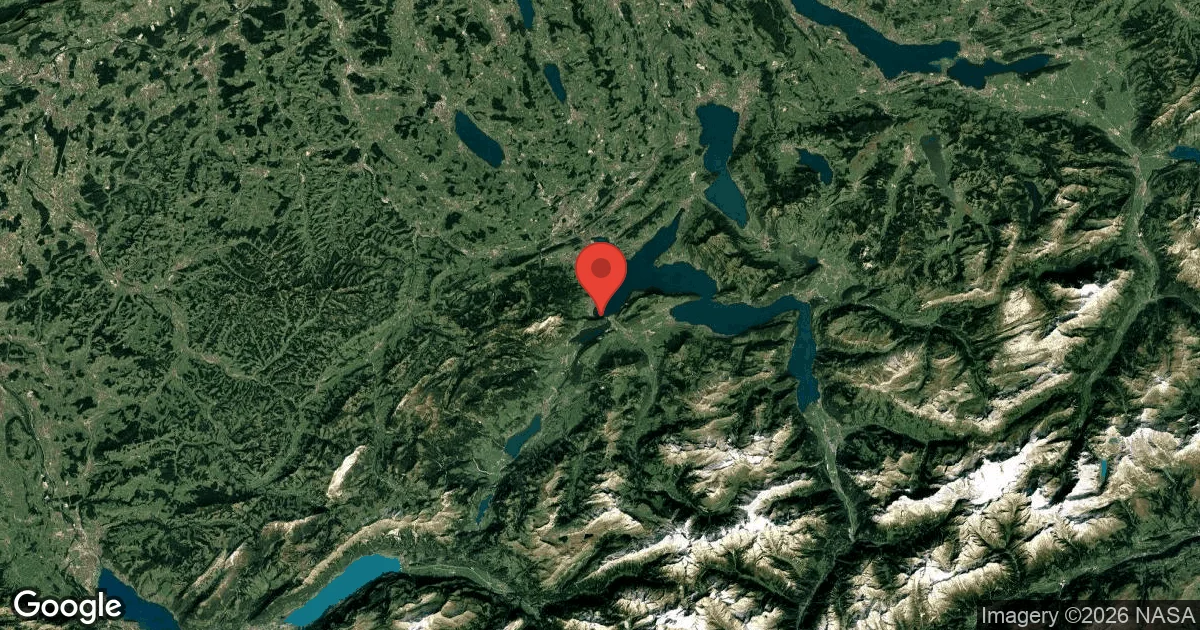
Approaching the Steinibach Delta requires divers to anticipate fresh water dynamics and potentially challenging conditions. This inland site, where the Steinibach stream flows into Lake Lucerne, presents a distinct freshwater diving experience. Its significant depth, reaching 70 m (229 ft), demands careful planning and appropriate training. Divers prepared for varying visibility and cooler temperatures will find a rewarding exploration.
At Steinibach Delta, the ambient air temperature is currently recorded at 13.5°C. This dive site in Switzerland is operating under normal seasonal weather patterns. Familiarize yourself with the local topography prior to navigating.
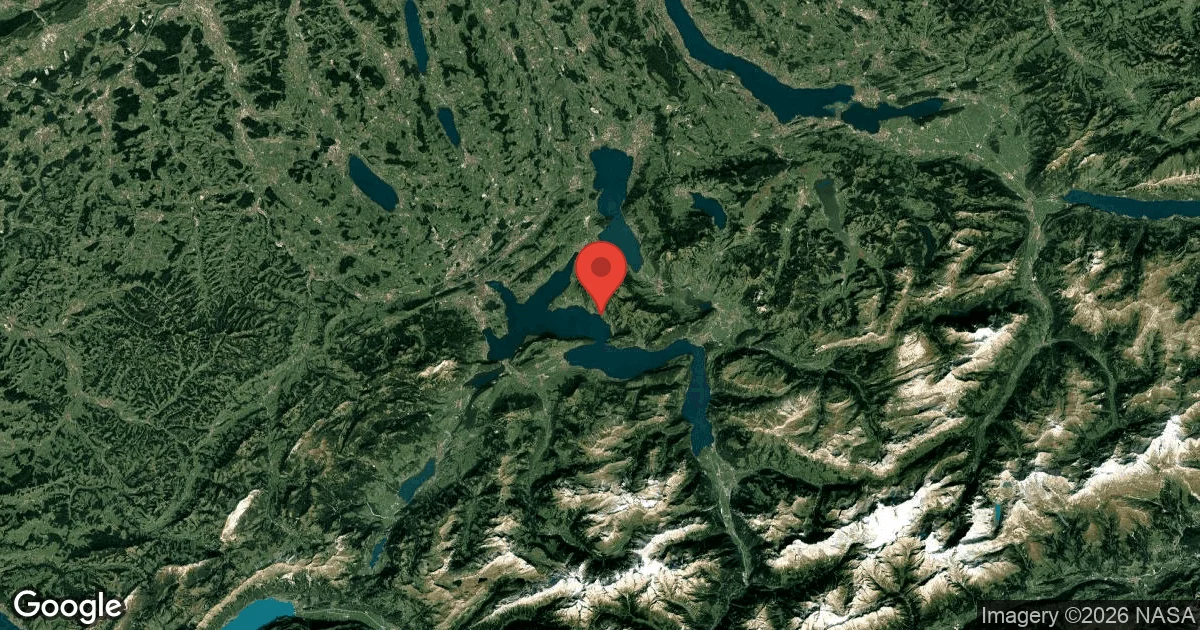
Dive Site Location & Key Facts
Dive Site Overview
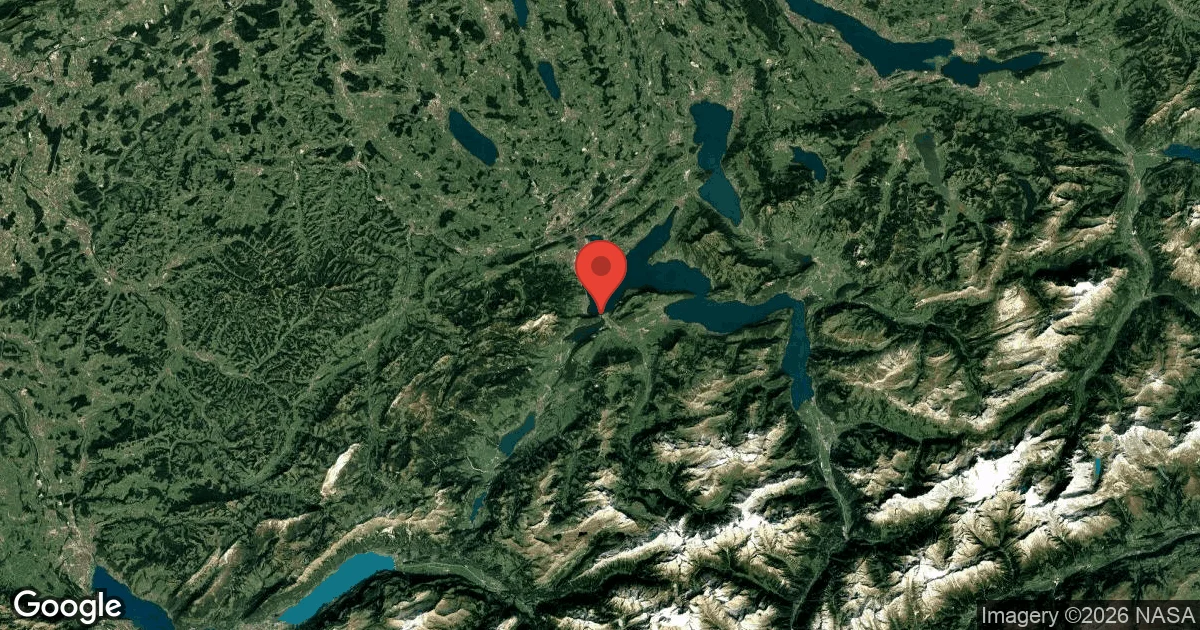
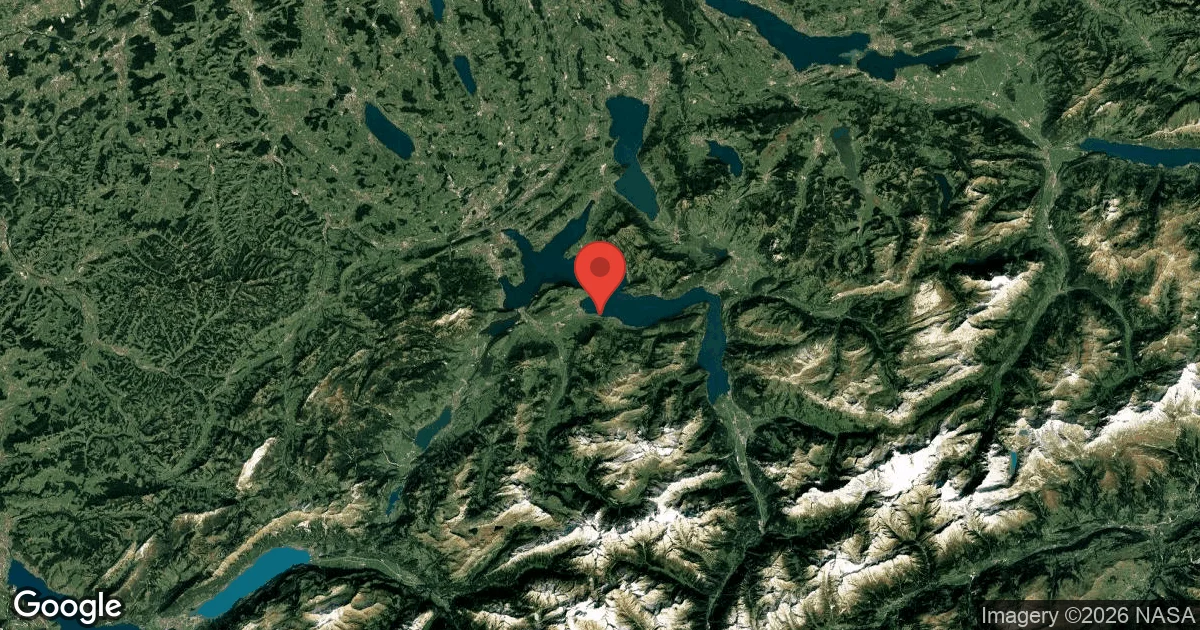
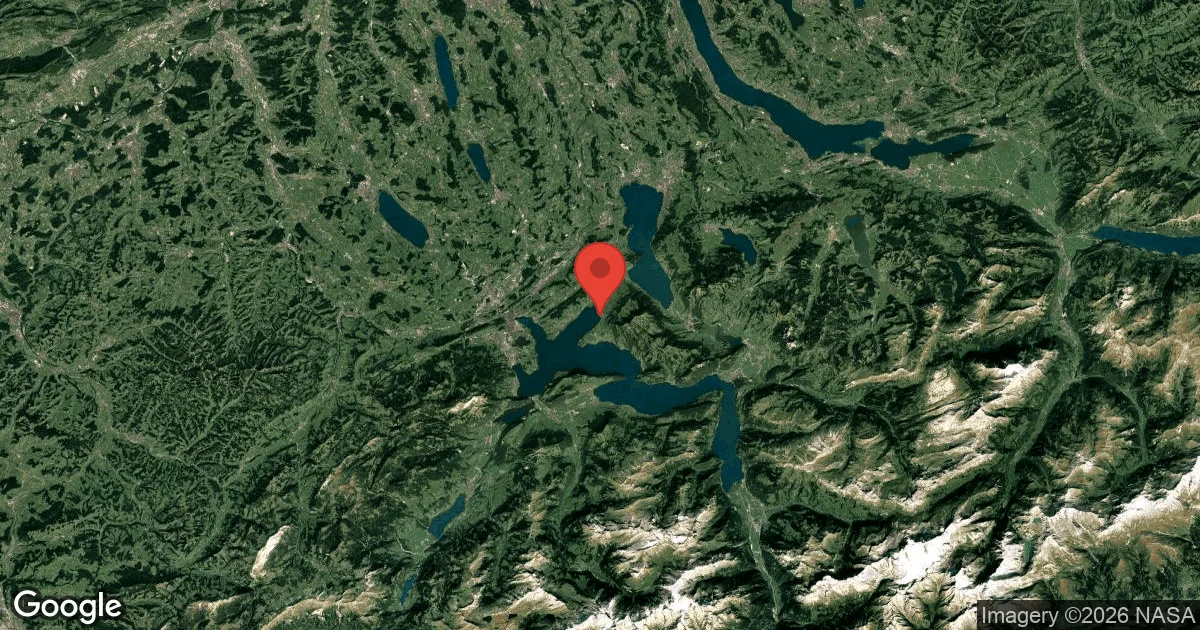
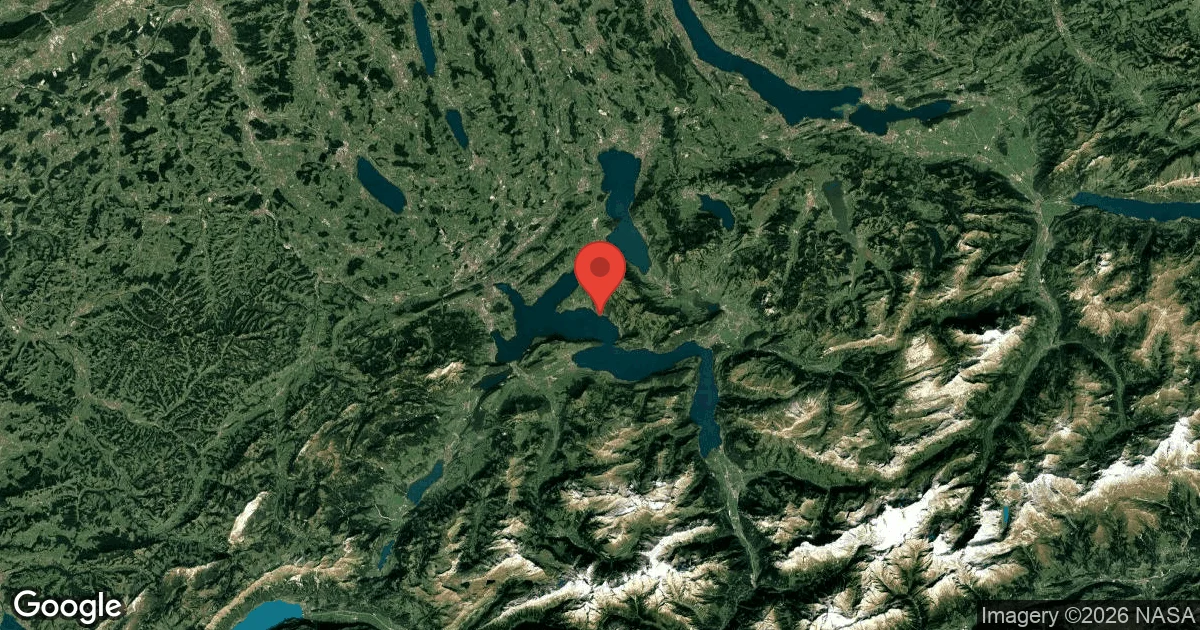
Steinibach Delta presents a distinct dive profile where its namesake stream flows into expansive Lake Lucerne. Entry from shore allows divers to gradually descend into a freshwater environment, initially characterized by a sandy bottom and a gentle slope.
Down to a maximum depth of 70 m (229 ft), the site caters to a range of certification levels, though venturing into deeper sections necessitates advanced training and drysuit experience. As one explores, the transition from the shallower delta area to the deeper lake basin becomes apparent, often revealing interesting features formed by sediment deposition, such as subtle ledges or debris accumulation.
Visibility can vary, directly influenced by recent rainfall and stream flow; however, conditions generally improve in the colder lake layers below the thermocline. A thermocline can introduce significant temperature drops.
This delta environment acts as a natural aggregation point for various aquatic life, which can be particularly active during certain seasons. Planning for temperature variations throughout the water column is essential for comfort and safety at this inland dive site, requiring robust thermal protection. Freshwater buoyancy dynamics also demand careful weighting and trim.
Conditions are Excellent
07:00 - 14:00
Optimal conditions expected
Current conditions near Steinibach Delta show 13° air, --° sea temperature, N/A waves, and 8 km/h wind. Forecast data is refreshed regularly to ensure accuracy.
Best Time to Dive
Optimal visibility at the Steinibach Delta often aligns with periods of settled weather and less heavy rainfall. The dive scores indicate excellent conditions in January, February, March, October, and December, with good conditions from April to November. Air temperatures during these 'excellent' months range from approximately 3°C (Jan) to 13°C (Oct), while 'good' months see air temperatures climb up to 21°C (Aug). Rainfall is generally lower in winter, averaging around 3.5-4.5 mm per month, increasing to 5.3-8.5 mm in summer months. While specific water temperatures aren't consistently reported in our data, divers should anticipate cooler freshwater conditions, especially at depth, necessitating appropriate thermal protection year-round. Less stream runoff typically leads to better clarity, making periods after dry spells potentially favorable for improved underwater viewing.
PEAK SEASON SCORE
Scores combine air & water temps, waves, wind & rainfall for overall conditions.
BEST MONTHS TO DIVE
Monthly records compiled from satellite and marine observation nodes over the last 3 years. Data provided by Open-Meteo and MET Norway.
Dive Experience & Conditions
Entry to Steinibach Delta is typically from shore, providing direct access into Lake Lucerne. This gradual approach allows divers to acclimatize to the freshwater environment and manage gear before descending. Conditions underwater are defined by the lake's freshwater dynamics. Expect distinct thermal layers, or thermoclines, where temperature can drop significantly with increased depth. While specific water temperatures are not consistently reported, anticipate cooler conditions, especially when exploring beyond shallower zones. Visibility fluctuates, often clearer deeper down but potentially impacted by sediment from the delta after heavy rains. Bottom topography is predominantly sandy, transitioning from the delta's gentle slope into the deeper lake basin. Adapting to these variable conditions is key for a comfortable and enjoyable experience.
Dive Difficulty & Safety Guidelines
Diving at the Steinibach Delta requires a clear understanding of freshwater lake diving principles. Its considerable depth, reaching 70 m (229 ft), makes advanced training, such as PADI Advanced Open Water Diver and PADI Dry Suit Diver certifications, highly recommended for those planning deeper excursions.
Managing buoyancy in freshwater, which provides less lift than saltwater, is crucial. Cold water exposure is a consistent factor; divers should always plan for multiple thermal layers and be aware of potential thermoclines.
It's advisable to carry a dive flag for surface visibility, especially in areas with potential boat traffic. Always dive within your training limits, use a reliable dive computer, and conduct thorough pre-dive checks.
Local knowledge from dive professionals familiar with Lake Lucerne's specific conditions can further enhance safety planning.
Recommended Equipment
Technical depth range. Advanced planning, gas management, and appropriate certification required.
- Dive Computer
- DSMB
- Primary & Backup Lights
- Hard-soled Dive Boots
This gear list is based on verified equipment signals for Steinibach Delta, Switzerland. Always confirm final gear choices with your dive operator, guide, or liveaboard.
Recommended Dive Suit
Comfort levels can also depend on how active a diver is during the dive.
Because recent water temperature readings are not available for Steinibach Delta, the guidance below is based mainly on current air conditions and seasonal expectations. Current surface air temperatures are roughly 13°C (56°F). Based on regional estimates and current weather, the likely required exposure protection is a thicker wetsuit or drysuit. Note that local currents and upwellings can alter this. A thermal robe or jacket is recommended between dives.
Conditions may fluctuate slightly depending on wind and weather patterns. A warming trend is expected over the next few days.
Emergency & Medical Support
Essential information to help you plan your dive trip to Steinibach Delta.

Hyperbaric chambers are a critical part of dive safety infrastructure. Availability varies significantly by region, and not all dive areas have immediate access.
Before diving, it's recommended to:
- confirm nearest medical facilities
- check emergency procedures with local dive operators
- ensure dive insurance covers evacuation if required
Divers Alert Network
Diving emergency assistance available through DAN Europe.
+39 0642115685- 24/7 emergency hotline
- Diving medical assistance
- Evacuation coordination
Emergency contacts are provided for reference. Always verify local emergency services before diving.
Closest Listed Hyperbaric Chambers
Showing listed hyperbaric chamber facilities within 200 km of this dive site.
Distances are approximate straight-line distances and may not reflect emergency travel time.
Centre Hyperbare de Bâle
Basel, Switzerland•Approx. 86 km straight-line
Centre Hyperbare de Bâle
Information is provided for reference and planning purposes only. Dive Navigator does not verify operational status, staffing, availability, or quality of care at listed facilities. In an emergency, contact local emergency services, DAN, your dive operator, or the chamber directly. Do not travel to a facility without calling ahead.
Hospitasuisse SA
24/7 ListedBioggio - Lugano, Switzerland•Approx. 117 km straight-line
Hospitasuisse SA
24/7 ListedInformation is provided for reference and planning purposes only. Dive Navigator does not verify operational status, staffing, availability, or quality of care at listed facilities. In an emergency, contact local emergency services, DAN, your dive operator, or the chamber directly. Do not travel to a facility without calling ahead.
Unité de Medecine Subaquatique et Hyperbare des HUG
24/7 ListedICU CapableGeneva 14, Switzerland•Approx. 188 km straight-line
Unité de Medecine Subaquatique et Hyperbare des HUG
24/7 ListedICU CapableInformation is provided for reference and planning purposes only. Dive Navigator does not verify operational status, staffing, availability, or quality of care at listed facilities. In an emergency, contact local emergency services, DAN, your dive operator, or the chamber directly. Do not travel to a facility without calling ahead.
Marine Life at Steinibach Delta
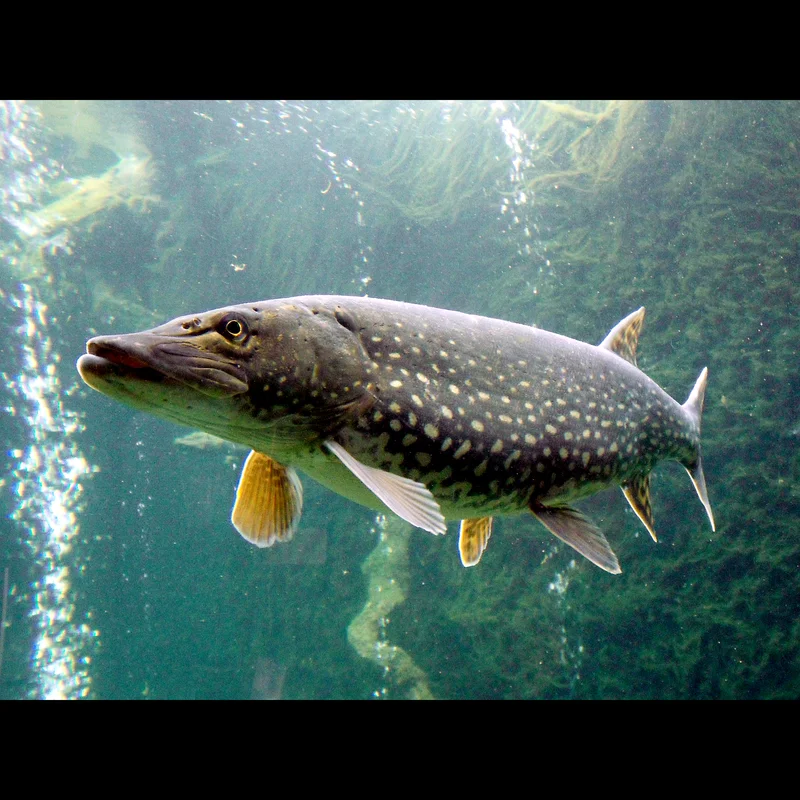
An underwater landscape at Steinibach Delta, with its sandy bottom and proximity to stream runoff, creates a supportive habitat for various freshwater species. Divers exploring this environment commonly encounter Hecht, also known as pike, often observed lurking near the bottom or in transitional zones.
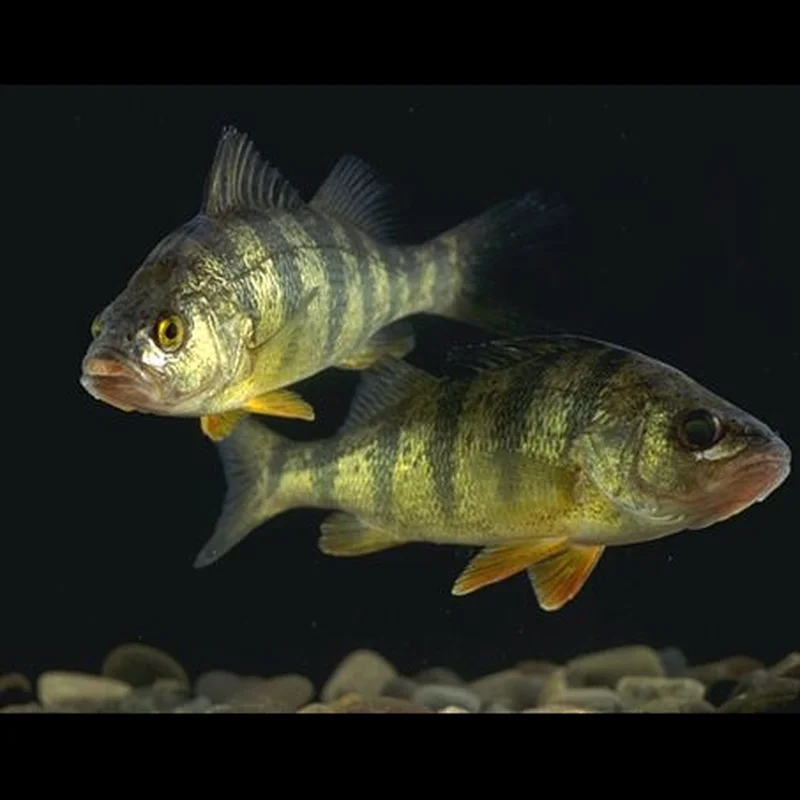
Schleie, or tench, may be seen foraging in softer sediments, while schools of Egli, or perch, navigate the water column. Delta sediments provide shelter and food, contributing to a diverse freshwater ecosystem. This habitat diversity means observations can vary, but these fish are regular features.

Dive Sites Near Steinibach Delta
View all dive sites in SwitzerlandDiscover more underwater gems in this area.
Dive Centers Near Steinibach Delta
Today: 09:00 - 16:00
Nearest Airports
Nearest airports to help plan travel to this dive area.
Search Flights
Check available flights and routes on Expedia, using the nearby airports listed in this section.
Search Flights on ExpediaFrequently Asked Questions
What is the maximum depth at Steinibach Delta?
The maximum reported depth at Steinibach Delta is 70 m (229 ft). This depth range caters to various experience levels, though deeper sections require advanced training and specialized equipment.
Is a drysuit necessary for diving here?
Due to the cold freshwater conditions and potential thermoclines, a drysuit, along with a hood and gloves, is highly recommended for comfort and safety year-round. A thick wetsuit might be suitable only for very shallow, brief dives in peak summer.
What kind of marine life can I expect to see?
Divers can commonly observe freshwater species such as Hecht (pike), Schleie (tench), and Egli (perch). The delta environment provides a habitat for these fish, offering opportunities for observation.
How do I access the dive site?
Access to the Steinibach Delta is via a shore entry. There's also a barbecue area mentioned nearby, suggesting general accessibility for divers and their gear.
What are the typical visibility conditions?
Visibility at the delta can vary significantly. It's often clearer at deeper levels but can be reduced by sediment runoff from the stream, especially after heavy rains or periods of high flow.
Is this site suitable for beginner divers?
While Open Water Divers can access shallower parts of the delta, the site's significant depth and cold freshwater conditions make it more suitable for divers with at least an Advanced Open Water certification and drysuit experience for deeper exploration. Proper training is advised.
What is the water temperature like?
Specific water temperatures for Steinibach Delta are not consistently reported in available data. However, as a freshwater lake dive, expect cold water, particularly below surface layers and at greater depths. Thermal protection is critical.
Planning to dive Steinibach Delta?
Send one inquiry and receive offers directly from the best verified local dive operators.
Conditions are Excellent
07:00 - 14:00
Optimal conditions expected
Current conditions near Steinibach Delta show 13° air, --° sea temperature, N/A waves, and 8 km/h wind. Forecast data is refreshed regularly to ensure accuracy.