
Diving at Coast Guard Ship Wreck (Turkey)
Located in Turkey, a Coast Guard Ship Wreck features a structure starting at approximately 18 m (60 ft) and descending to a maximum depth of 33 m (108 ft). An intentionally scuttled former coast guard vessel, this artificial reef offers multi-level exploration. Its purposeful sinking aimed to enhance local marine biodiversity and promote dive tourism.
As evening covers Coast Guard Ship Wreck, the local air temperature is measured at 23°C. The current wave height at the surface is recorded at 0.5 m. These late-day readings characterize the surface conditions for the night.
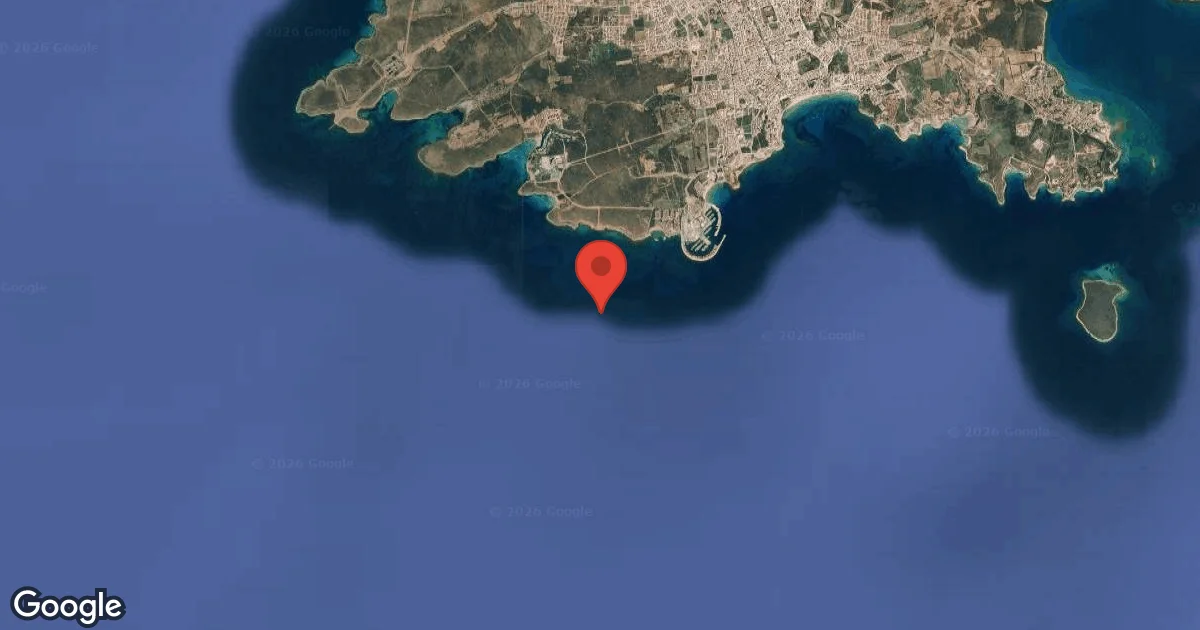
Dive Site Location & Key Facts
Dive Site Overview
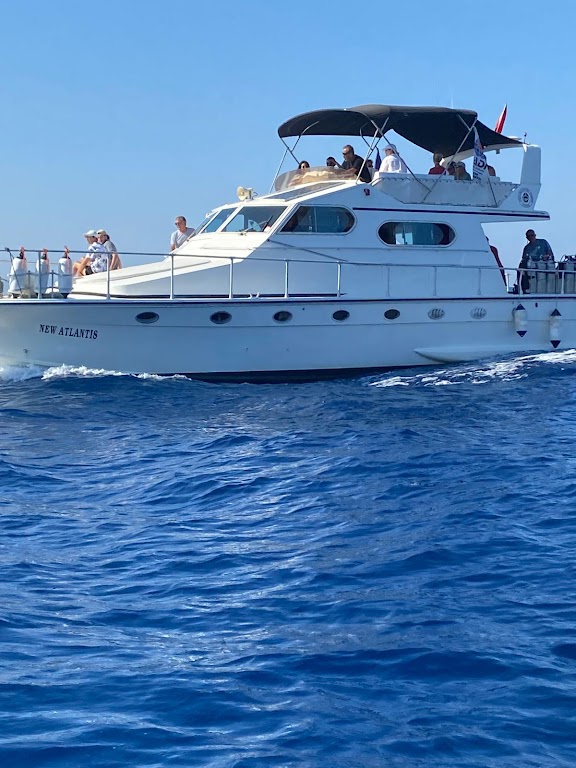
A journey to the Coast Guard Ship Wreck often begins with a boat ride, typically lasting 25-40 minutes from various dive centers. Approaching the site, divers will notice the wreck nestled among intriguing rock formations and seagrass beds.
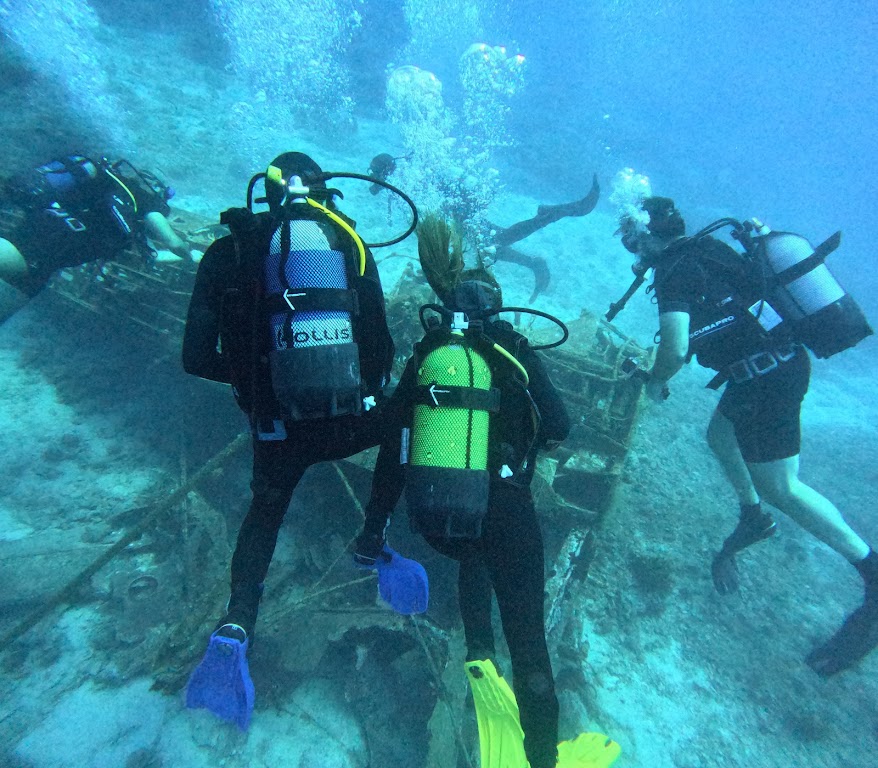
Originally a retired coast guard ship, it was intentionally sunk to create an artificial reef, fostering new marine habitats. Remaining largely intact, the vessel forms a substantial structure for exploration. Its length ranges from approximately 29 to 41 meters, offering ample space for navigation.
After circling the exterior, which can begin around 18 meters, divers often find the stern at 18 meters and the bow extending deeper, to around 26 meters, depending on the particular vessel. A larger wheelhouse commonly attracts divers seeking internal penetration, adding another dimension to the experience.
Natural topography surrounding the wreck provides an interesting transition back to the boat, often yielding more marine life discoveries.
Conditions are Good
07:00 - 14:00
Optimal conditions expected
Current conditions near Coast Guard Ship Wreck show 23° air, 25° sea temperature, 0.6 m waves, and 28 km/h wind. Forecast data is refreshed regularly to ensure accuracy.
Best Time to Dive
Considering both air temperature and precipitation, optimal diving at the Coast Guard Ship Wreck typically spans from spring through autumn. Months like October generally show an 'Excellent' dive score, with air temperatures averaging around 21°C (70°F) and minimal rainfall. Summer months, from June to September, bring warmest air temperatures, ranging from 25-30°C (77-86°F), making surface intervals comfortable with very low rain. While winter months see air temperatures dip to 12-14°C (54-57°F) and increased rainfall, decent dive scores are still reported. Water temperatures are not consistently reported in available climate data, but conditions generally follow seasonal air temperature trends, remaining inviting for most of the year.
PEAK SEASON SCORE
Scores combine air & water temps, waves, wind & rainfall for overall conditions.
BEST MONTHS TO DIVE
Monthly records compiled from satellite and marine observation nodes over the last 3 years. Data provided by Open-Meteo and MET Norway.
Dive Experience & Conditions
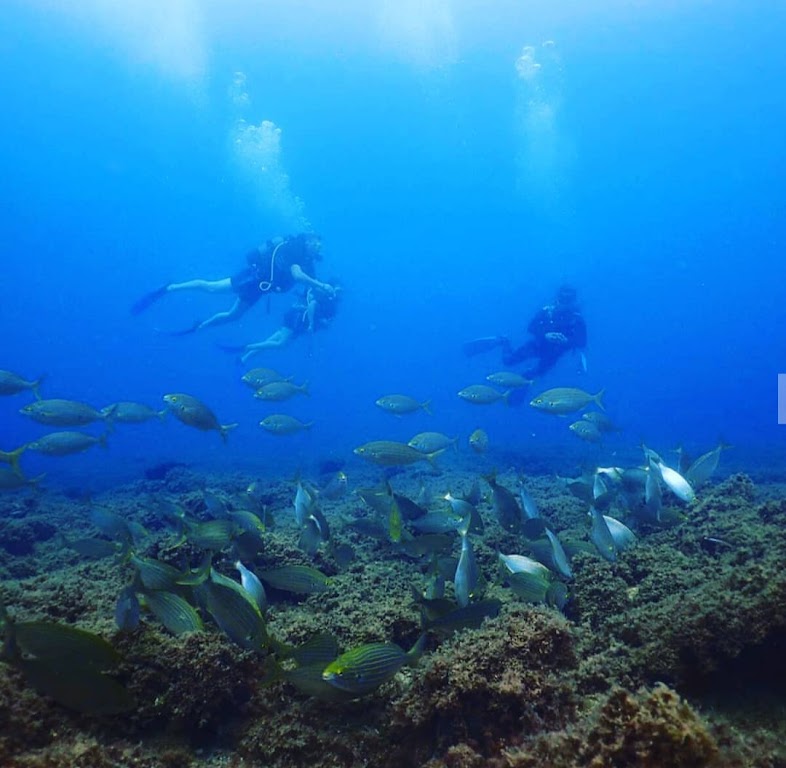
Exploring this site often involves a descent onto the wreck, which rests with its stern commonly at 18 meters and its bow around 26 meters. Maximum depth reached is typically 32-33 m (104-108 ft), making it suitable for advanced and deep-certified divers. While entry-level divers can explore shallower sections of the wreck's exterior, advanced wreck divers may consider penetrating a spacious wheelhouse. Interior access provides a different perspective of the vessel's structure. Visibility varies depending on conditions but is generally good, common for the Aegean Sea. Currents are not consistently reported as a major factor but can fluctuate. A typical dive profile allows for ample bottom time to inspect the hull and surrounding rock formations before ascending.
Dive Difficulty & Safety Guidelines
Wreck diving at a Coast Guard Ship Wreck requires adherence to established safety protocols, especially for those considering penetration. While some sections, like the wheelhouse, are accessible, only experienced and appropriately certified wreck divers should attempt internal exploration.
Maintaining awareness of your depth and no-decompression limits is crucial, given a maximum site depth of 33 m (108 ft). Divers should also remain vigilant for potential entanglement hazards common with artificial reef structures.
Having proper training in specialties like Wreck Diver and Deep Diver is highly recommended to safely navigate this environment. Always dive with a buddy and respect your training and experience levels.
Recommended Equipment
Overhead / entanglement risk. Wreck penetration requires proper training.
- Dive Computer
- Primary & Backup Lights
- Wreck Reel
- Cutting Tool
This gear list is based on verified equipment signals for Coast Guard Ship Wreck, Turkey. Always confirm final gear choices with your dive operator, guide, or liveaboard.
Recommended Dive Suit
Divers planning deeper dives may feel cooler than those staying in shallower areas.
Many divers find that 3mm wetsuit offers a comfortable balance between warmth and mobility. A hood or vest is suggested for sensitive divers due to surface winds. Environmental models indicate a modest warming trend ahead. A warming trend is expected over the next few days.
Divers heading to Coast Guard Ship Wreck today should expect water temperatures around 25°C (78°F). Surface air temperatures are resting at 23°C (74°F).
Emergency & Medical Support
Essential information to help you plan your dive trip to Coast Guard Ship Wreck.

Hyperbaric chambers are a critical part of dive safety infrastructure. Availability varies significantly by region, and not all dive areas have immediate access.
Before diving, it's recommended to:
- confirm nearest medical facilities
- check emergency procedures with local dive operators
- ensure dive insurance covers evacuation if required
Divers Alert Network
Diving emergency assistance available through DAN Europe.
+39 0642115685- 24/7 emergency hotline
- Diving medical assistance
- Evacuation coordination
Emergency contacts are provided for reference. Always verify local emergency services before diving.
Closest Listed Hyperbaric Chambers
Showing listed hyperbaric chamber facilities within 200 km of this dive site.
Distances are approximate straight-line distances and may not reflect emergency travel time.
DzKK Aksaz Deniz Üssü, Military base chamber
24/7 ListedMugla, Turkey•Approx. 109 km straight-line
DzKK Aksaz Deniz Üssü, Military base chamber
24/7 ListedInformation is provided for reference and planning purposes only. Dive Navigator does not verify operational status, staffing, availability, or quality of care at listed facilities. In an emergency, contact local emergency services, DAN, your dive operator, or the chamber directly. Do not travel to a facility without calling ahead.
Bozyaka Eğitim Araştırma Hastanesi, Sualtı Hekimliği ve Hiperbarik Tıp Kliniği
24/7 ListedICU CapableIzmir, Turkey•Approx. 120 km straight-line
Bozyaka Eğitim Araştırma Hastanesi, Sualtı Hekimliği ve Hiperbarik Tıp Kliniği
24/7 ListedICU CapableInformation is provided for reference and planning purposes only. Dive Navigator does not verify operational status, staffing, availability, or quality of care at listed facilities. In an emergency, contact local emergency services, DAN, your dive operator, or the chamber directly. Do not travel to a facility without calling ahead.
Denizli Özel Sağlık Hastanesi
24/7 ListedICU CapableDenizli, Turkey•Approx. 159 km straight-line
Denizli Özel Sağlık Hastanesi
24/7 ListedICU CapableInformation is provided for reference and planning purposes only. Dive Navigator does not verify operational status, staffing, availability, or quality of care at listed facilities. In an emergency, contact local emergency services, DAN, your dive operator, or the chamber directly. Do not travel to a facility without calling ahead.
Marine Life at Coast Guard Ship Wreck
A Coast Guard Ship Wreck has become a thriving artificial reef, attracting a variety of marine inhabitants. Divers frequently spot squid eggs adorning masts and flagpoles.
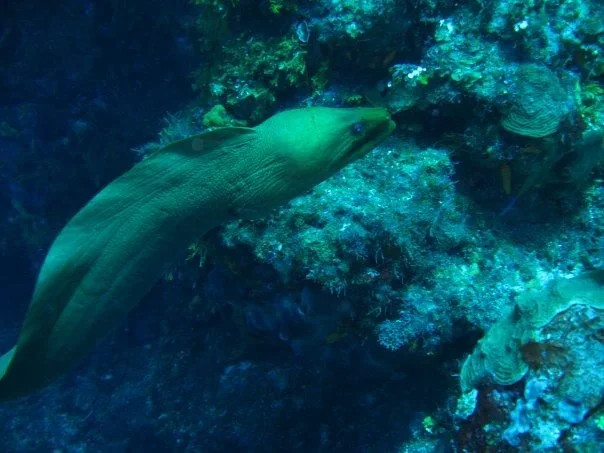
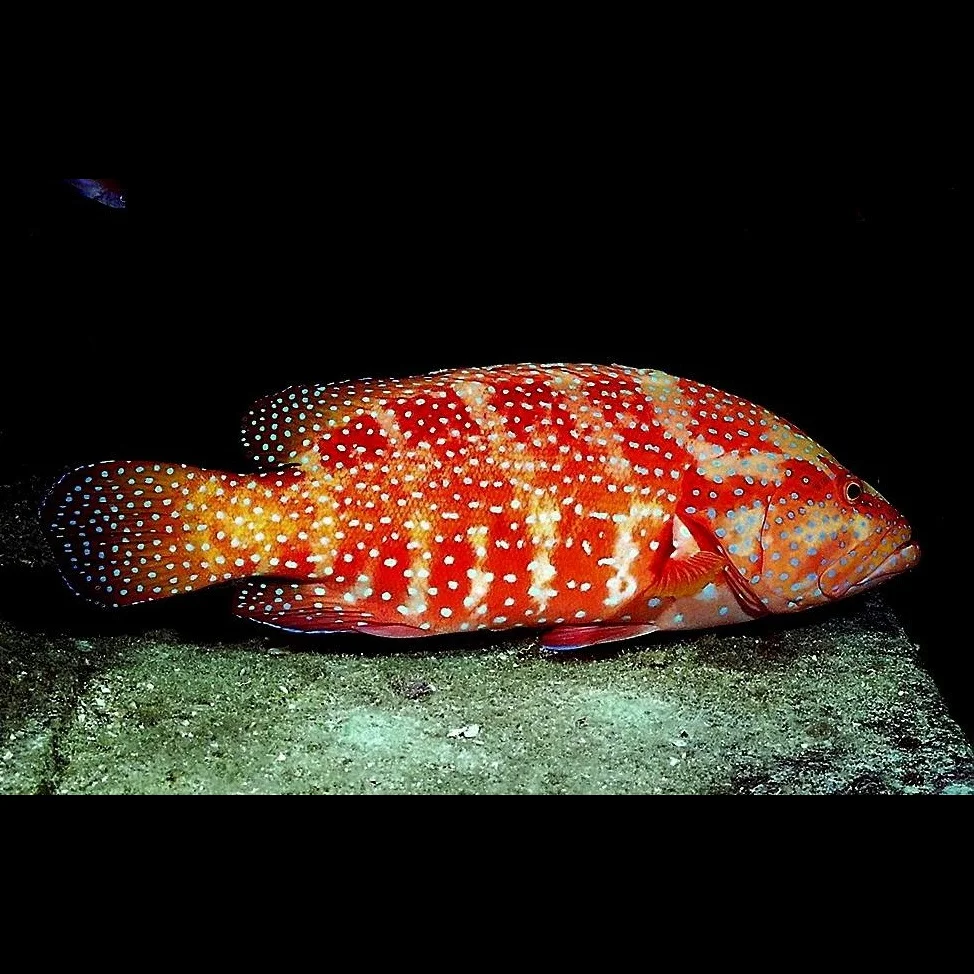
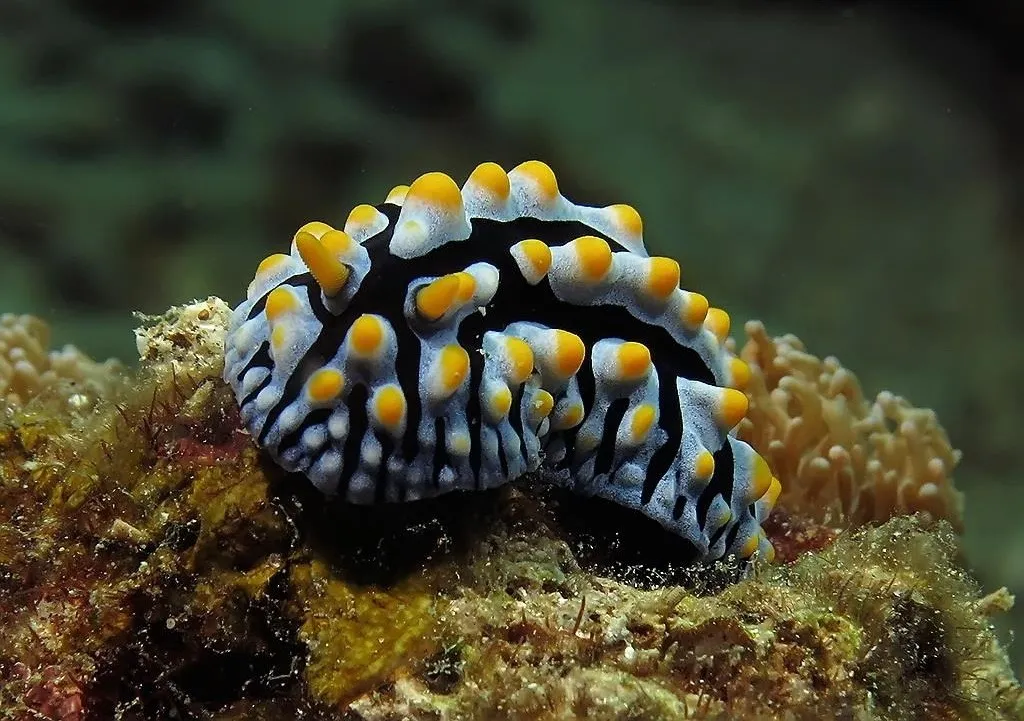
Inside the wheelhouse, if penetrated, or clinging to the ship's hull, nudibranchs and tube worms are often found. Around the wreck's exterior and among nearby rock formations, observant divers might encounter groupers, moray eels, and octopus.
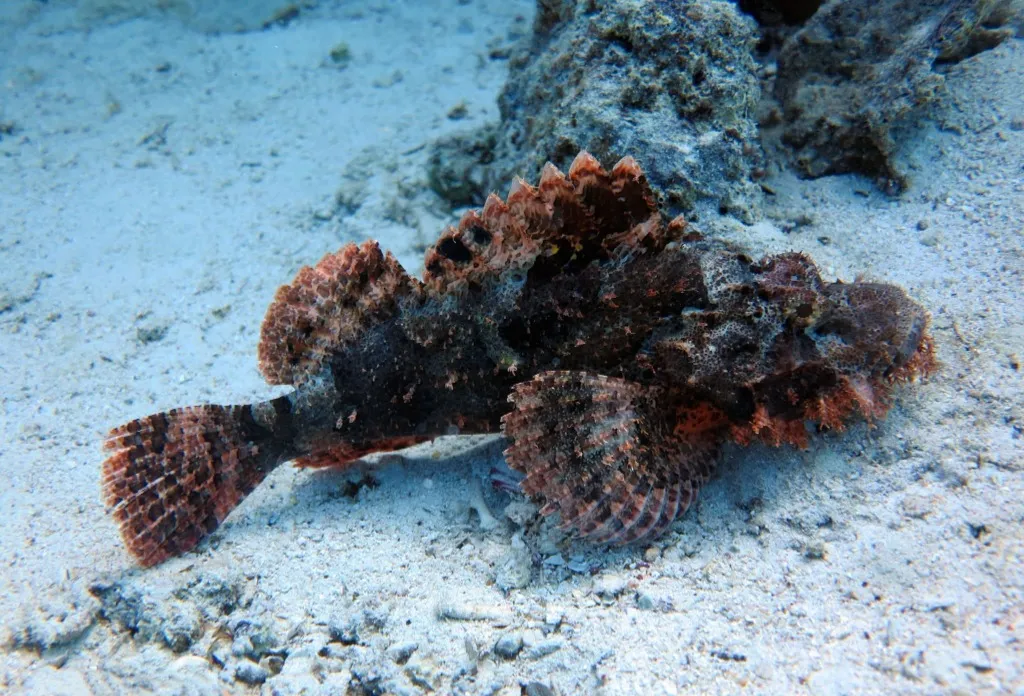
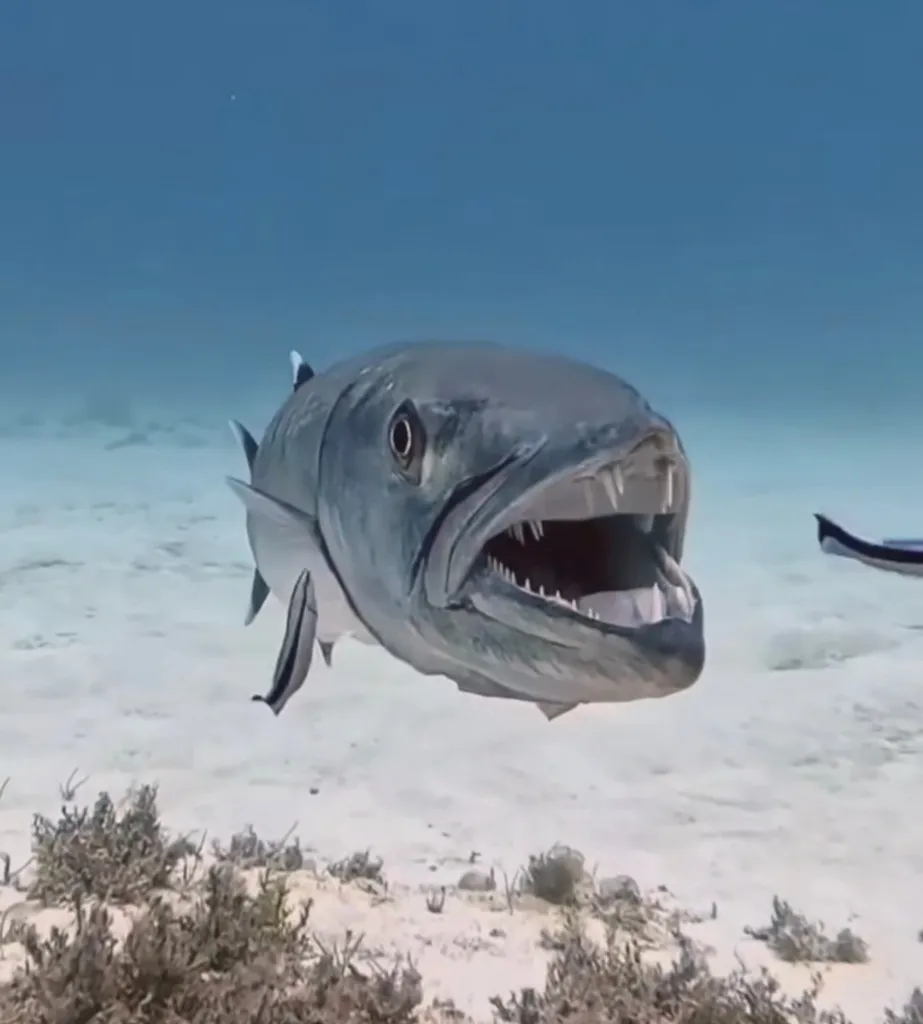
Scorpion fish are sometimes seen camouflaged on the structure. Depending on the season, dentex and barracuda can also patrol the area, adding to the site's biodiversity.
Dive Sites Near Coast Guard Ship Wreck
View all dive sites in TurkeyDiscover more underwater gems in this area.
Dive Centers Near Coast Guard Ship Wreck
Today: 09:00 - 18:30
Nearest Airports
Nearest airports to help plan travel to this dive area.
Search Flights
Check available flights and routes on Expedia, using the nearby airports listed in this section.
Search Flights on ExpediaFrequently Asked Questions
What is the typical depth range for this wreck dive?
The wreck generally starts at around 18 meters and descends to a maximum depth of 33 meters. Different sections of the ship, like the stern and bow, may be found at varying depths within this range.
Is wreck penetration allowed at this site?
Yes, penetration into the wheelhouse is possible. However, it's recommended only for experienced divers with proper wreck diving certification due to the inherent risks involved.
What type of marine life can be seen at the Coast Guard Ship Wreck?
The wreck is home to various species including nudibranchs, tube worms, squid eggs, groupers, moray eels, and octopus. Scorpion fish, dentex, and barracuda are also sometimes observed.
What is the best time of year to dive this wreck?
The period from spring through autumn, particularly October, offers excellent dive conditions with comfortable air temperatures and minimal rainfall. Summer months also provide warm conditions.
Is this dive site suitable for beginners?
Entry-level certified divers can explore the shallower external sections of the wreck. However, for full exploration, especially interior penetration, advanced or wreck diving certifications are advisable.
How long does it take to reach the wreck?
Travel time to the wreck by boat typically ranges from 25 to 40 minutes, depending on the departure point and the specific Coast Guard wreck being visited.
Planning to dive Coast Guard Ship Wreck?
Send one inquiry and receive offers directly from the best verified local dive operators.
Conditions are Good
07:00 - 14:00
Optimal conditions expected
Current conditions near Coast Guard Ship Wreck show 23° air, 25° sea temperature, 0.6 m waves, and 28 km/h wind. Forecast data is refreshed regularly to ensure accuracy.