
Diving at Plimiri (Turkey)
Plimiri provides an engaging wreck diving experience centered on the Giannoula K cargo vessel. Certified divers can explore this mostly intact 110 m / 361 ft ship, sunk in 1981. Advanced divers find an opportunity to delve into maritime history, examining the structure from upper decks to the engine room, creating an immersive adventure near Cape Vigla.
As evening covers Plimiri, the local air temperature is measured at 26°C. The current wave height at the surface is recorded at 1 m. These late-day readings characterize the surface conditions for the night.
Dive Site Location & Key Facts
Dive Site Overview
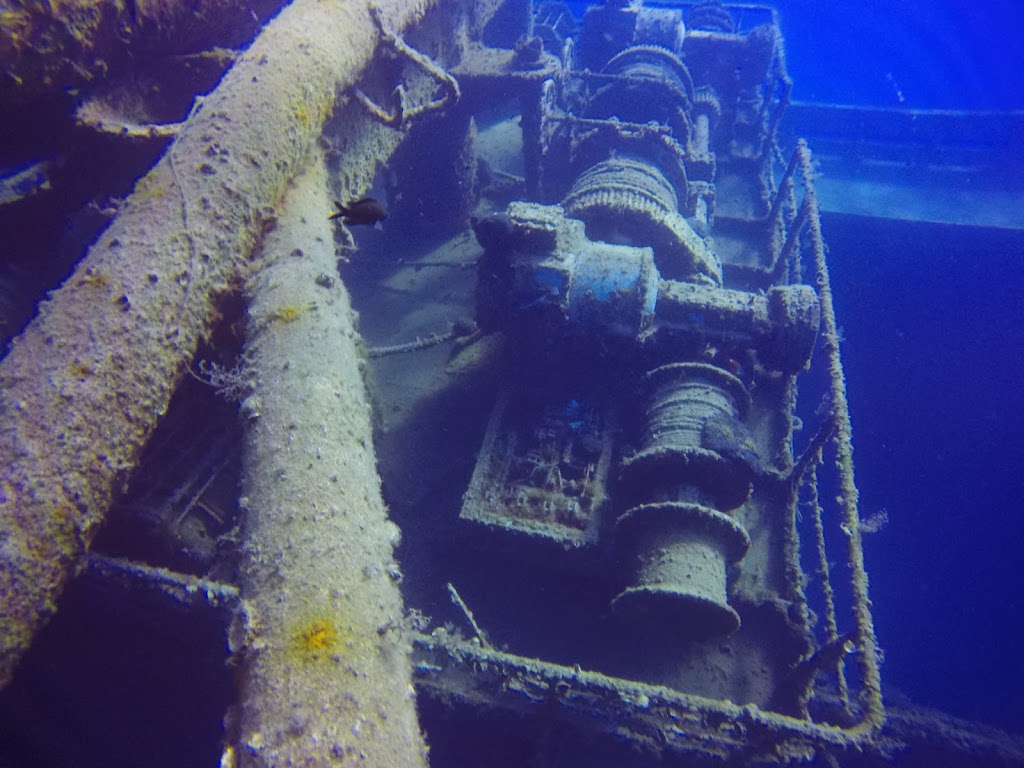
Giannoula K, a substantial 110 m / 361 ft cargo ship, forms Plimiri's main topographical feature, resting between 15-22 m / 49-72 ft. Built in the Netherlands in 1953, the vessel sank in 1981 and remains remarkably intact, offering a compelling structure for exploration.
The ship's robust construction has preserved much of its original form over decades underwater, presenting a fascinating look into its past. Divers navigate its exterior, observing mast and upper decks towards the surface. With appropriate training, interior access is possible, revealing internal conditions and the engine room.
This recognized wreck dive significantly attracts maritime history enthusiasts. Surrounding the bay is a tranquil sandy area with a small fisherman's harbor, suggesting calm surface conditions at the boat departure point.
Advanced divers benefit from the wreck's depth range, allowing thorough exploration of sections from ambient light on upper parts to intricate internal areas. Distinct dive profiles, such as "Around Giannoula K" and "Inside Out Giannoula K," highlight its diverse exploration potential for certified divers.
Conditions are Good
Optimal conditions expected
Current conditions near Plimiri show 26° air, 28° sea temperature, 0.9 m waves, and 34 km/h wind. Forecast data is refreshed regularly to ensure accuracy.
Best Time to Dive
Optimal diving at Plimiri runs from May to October, with peak conditions from June to September. During these months, air temperatures are comfortably warm, averaging 25-28°C / 77-82°F in summer, often reaching 27.5-28°C / 82°F in July and August. Water temperatures are favorable, ranging from 19-30°C / 66-86°F, with August typically around 25°C / 77°F. Rainfall is minimal, averaging below 0.15 mm from June to September, ensuring clear skies and stable conditions. Outside this window, from November to April, conditions become less optimal. Winter air temperatures drop significantly, barely reaching 15°C / 59°F, and rainfall increases, with December and January averaging over 3 mm. Although a moderate to good dive score (6-8) is maintained year-round, warmer, drier months provide a superior wreck exploration experience.
PEAK SEASON SCORE
Scores combine air & water temps, waves, wind & rainfall for overall conditions.
BEST MONTHS TO DIVE
Monthly records compiled from satellite and marine observation nodes over the last 3 years. Data provided by Open-Meteo and MET Norway.
Dive Experience & Conditions
Varied challenges can arise at Plimiri, especially concerning currents. Currents aren't uniformly reported; they range from absent to strong, demanding diver adaptability. Visibility is generally good, often over 15 m / 49 ft, sometimes reaching 25 m / 82 ft, greatly assisting wreck exploration. Water temperatures typically fall between 19-30°C / 66-86°F, making for a comfortable dive. While calm surface conditions prevail in the Mediterranean bay, anticipating stronger currents around the wreck is vital. Giannoula K's depth, 15-22 m / 49-72 ft, allows adequate ambient light penetration, though dive lights are needed for interior sections. Divers should prepare for conditions ranging from gentle drifts to more demanding scenarios, depending on daily currents.
Dive Difficulty & Safety Guidelines
Exploring Giannoula K requires an Advanced Open Water Diver (AOWD) certification or higher, given wreck exploration complexities. Currents at the site can range from negligible to strong; careful dive planning and mitigation techniques are crucial. Wreck penetration, especially into the engine room, demands specific training and adherence to overhead environment protocols.
Awareness of depth, 15-22 m / 49-72 ft, is key for managing gas consumption and no-decompression limits. Proper buoyancy control is essential to avoid disturbing the wreck or stirring sediment, which can quickly reduce visibility. Always dive with a reputable local guide familiar with specific site conditions.
Recommended Equipment
Overhead / entanglement risk. Wreck penetration requires proper training.
- Dive Computer
- DSMB
- Primary & Backup Lights
- Wreck Reel
- Cutting Tool
This gear list is based on verified equipment signals for Plimiri, Turkey. Always confirm final gear choices with your dive operator, guide, or liveaboard.
Recommended Dive Suit
Individual comfort in the water can vary significantly from diver to diver, even under the same conditions.
For most recreational dives, 2-3mm shorty or light wetsuit should provide comfortable protection. Consider warmer surface protection (like a boat coat) due to brisk winds. Forecast trends indicate little change in overall diving conditions during the next few days.
Divers heading to Plimiri today should expect water temperatures around 28°C (83°F). Surface air temperatures are resting at 26°C (79°F).
Emergency & Medical Support
Essential information to help you plan your dive trip to Plimiri.

Hyperbaric chambers are a critical part of dive safety infrastructure. Availability varies significantly by region, and not all dive areas have immediate access.
Before diving, it's recommended to:
- confirm nearest medical facilities
- check emergency procedures with local dive operators
- ensure dive insurance covers evacuation if required
Divers Alert Network
Diving emergency assistance available through DAN Europe.
+39 0642115685- 24/7 emergency hotline
- Diving medical assistance
- Evacuation coordination
Emergency contacts are provided for reference. Always verify local emergency services before diving.
Closest Listed Hyperbaric Chambers
Showing listed hyperbaric chamber facilities within 200 km of this dive site.
Distances are approximate straight-line distances and may not reflect emergency travel time.
DzKK Aksaz Deniz Üssü, Military base chamber
24/7 ListedMugla, Turkey•Approx. 112 km straight-line
DzKK Aksaz Deniz Üssü, Military base chamber
24/7 ListedInformation is provided for reference and planning purposes only. Dive Navigator does not verify operational status, staffing, availability, or quality of care at listed facilities. In an emergency, contact local emergency services, DAN, your dive operator, or the chamber directly. Do not travel to a facility without calling ahead.
Marine Life at Plimiri
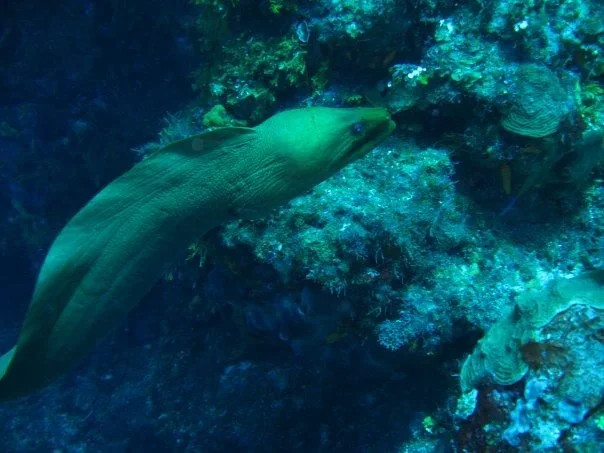
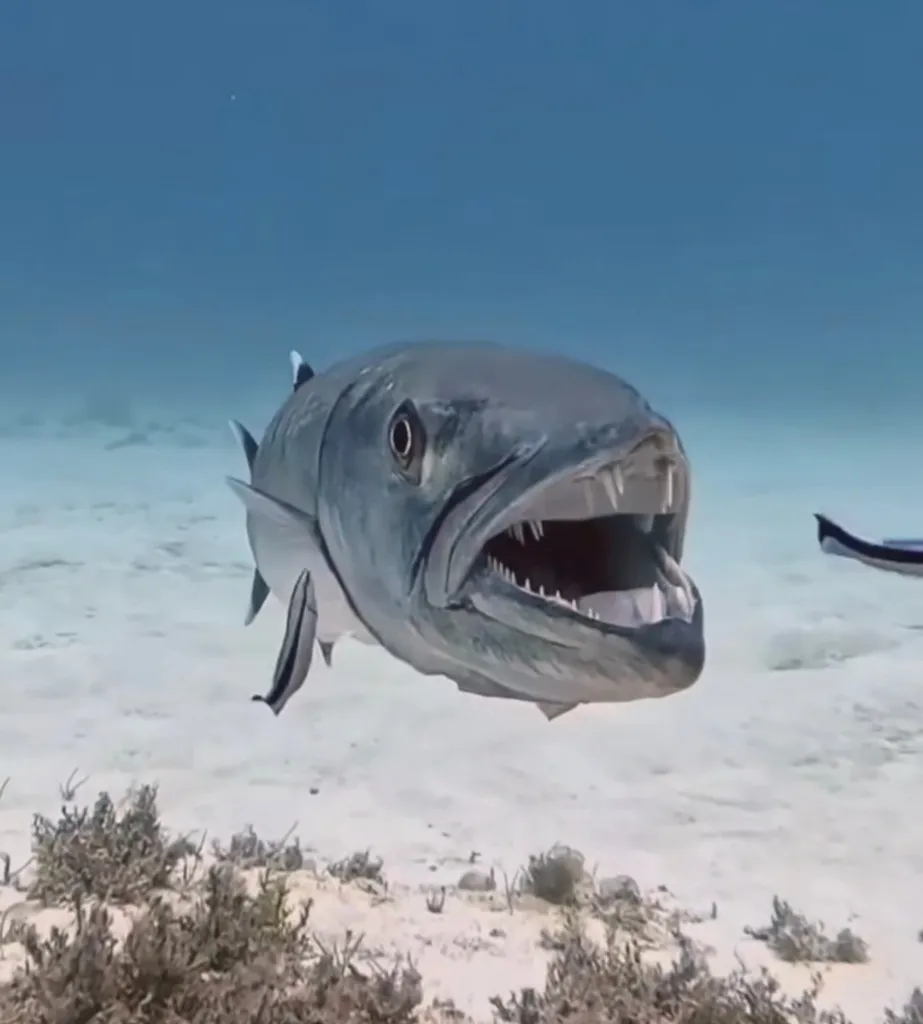
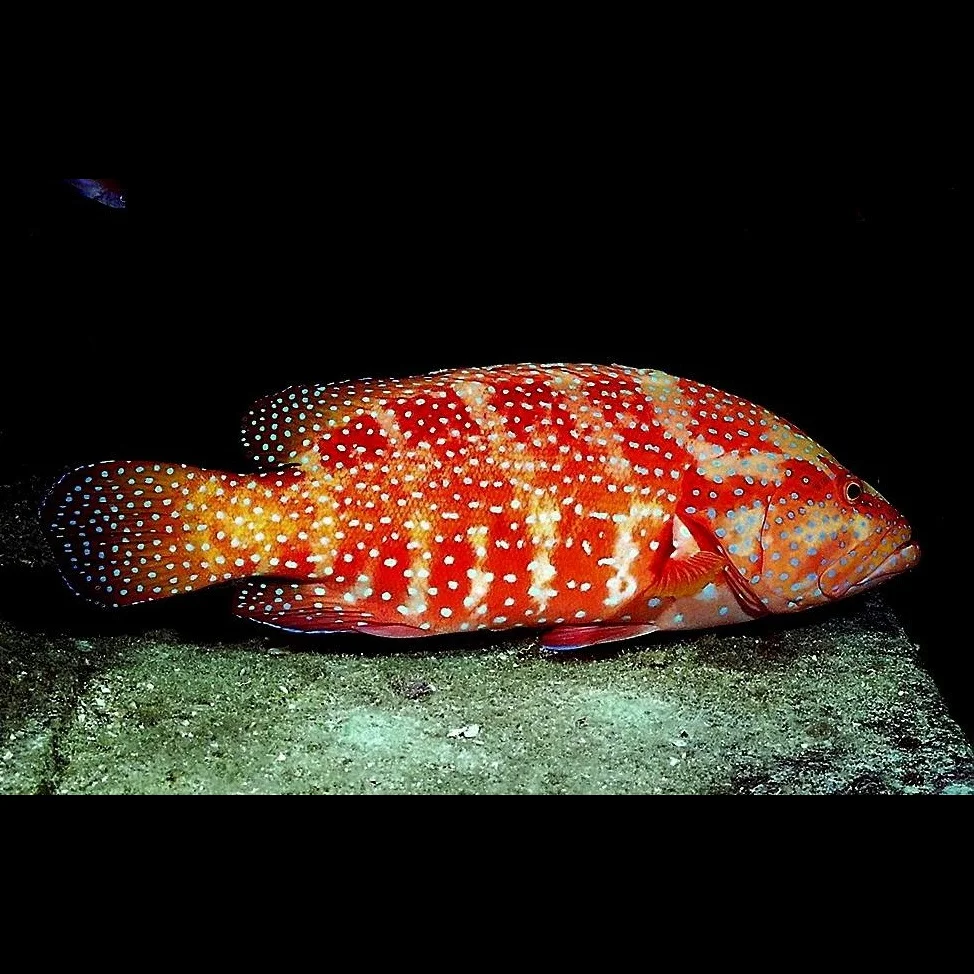
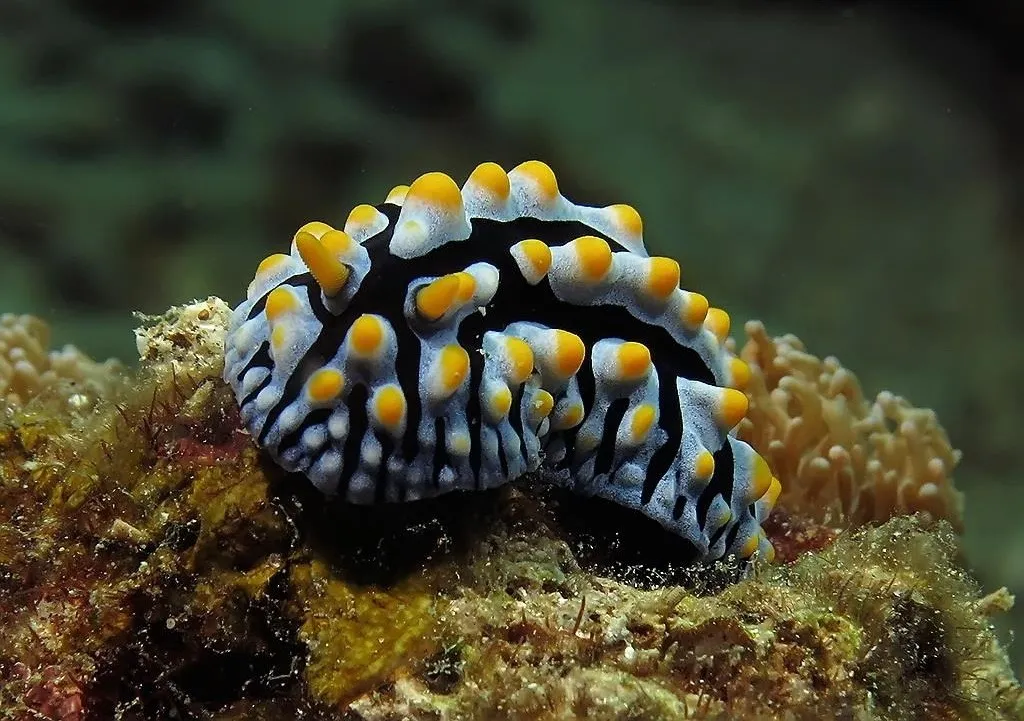
Plimiri's wreck reveals an array of Mediterranean marine life, many species having made Giannoula K their home. Schools of bream and various nudibranchs frequently adhere to the wreck's structure.
Moray eels are spotted within crevices. Jacks and octopus often patrol the ship's periphery. Mediterranean triggerfish are also common, adding bursts of color.
Less frequent, but possible, are sightings of larger pelagic species like tuna, groupers, barracuda, or even turtles, creating diverse encounters around the sunken vessel.

Dive Centers Near Plimiri
Today: 08:30 - 20:30
Nearest Airports
Nearest airports to help plan travel to this dive area.
Search Flights
Check available flights and routes on Expedia, using the nearby airports listed in this section.
Search Flights on ExpediaFrequently Asked Questions
What is the main dive attraction at Plimiri?
The primary attraction is the Giannoula K wreck, a 110 m / 361 ft cargo ship sunk in 1981. It lies at a maximum depth of 22 m / 72 ft and remains mostly intact, offering extensive exploration opportunities for certified divers.
What is the required diver qualification for Plimiri?
Diving the Giannoula K typically requires an Advanced Open Water Diver (AOWD) certification or higher. This ensures divers have the necessary skills for wreck exploration and managing variable currents.
What are the typical water temperatures?
Water temperatures at Plimiri generally range from 19-30°C / 66-86°F. During the peak summer months, it averages around 25°C / 77°F, offering comfortable diving conditions.
How is the visibility at the wreck site?
Visibility is usually quite good, often exceeding 15 m / 49 ft. Under optimal conditions, it can extend up to 25 m / 82 ft, providing clear views of the wreck and marine life.
Are there strong currents at Plimiri?
Current conditions at the site can vary from none to strong. Divers should be prepared for potential currents and discuss daily conditions with their dive operator.
What kind of marine life can I expect to see?
Expect to see Mediterranean triggerfish, bream, nudibranchs, moray eels, jacks, and octopus around the wreck. There's also a chance to spot tuna, groupers, barracuda, and occasionally turtles.
What is the best time of year to dive Plimiri?
The most advisable period for diving is from May to October, with optimal conditions typically from June to September. These months offer warmer air and water temperatures and minimal rainfall.
Can I penetrate the wreck?
Yes, with the appropriate wreck diving training and experience, internal exploration of the Giannoula K, including its engine room, is possible. Always follow safe wreck penetration guidelines.
Planning to dive Plimiri?
Send one inquiry and receive offers directly from the best verified local dive operators.
Conditions are Good
Optimal conditions expected
Current conditions near Plimiri show 26° air, 28° sea temperature, 0.9 m waves, and 34 km/h wind. Forecast data is refreshed regularly to ensure accuracy.