
Diving at Prince Islands (Turkey)
For experienced divers heading to the Prince Islands, approaching the southern side of Büyükada requires careful observation of surface conditions. At Mezarlisi, for instance, is a site exclusively accessible by boat in calm weather. This wall dive presents a dramatic descent, plunging steeply from 7 m / 23 ft down to 30 m / 100 ft, offering a specific type of underwater topography for those prepared for its depths.
As evening covers Prince Islands, the local air temperature is measured at 22.5°C. The current wave height at the surface is recorded at 0.1 m. These late-day readings characterize the surface conditions for the night.
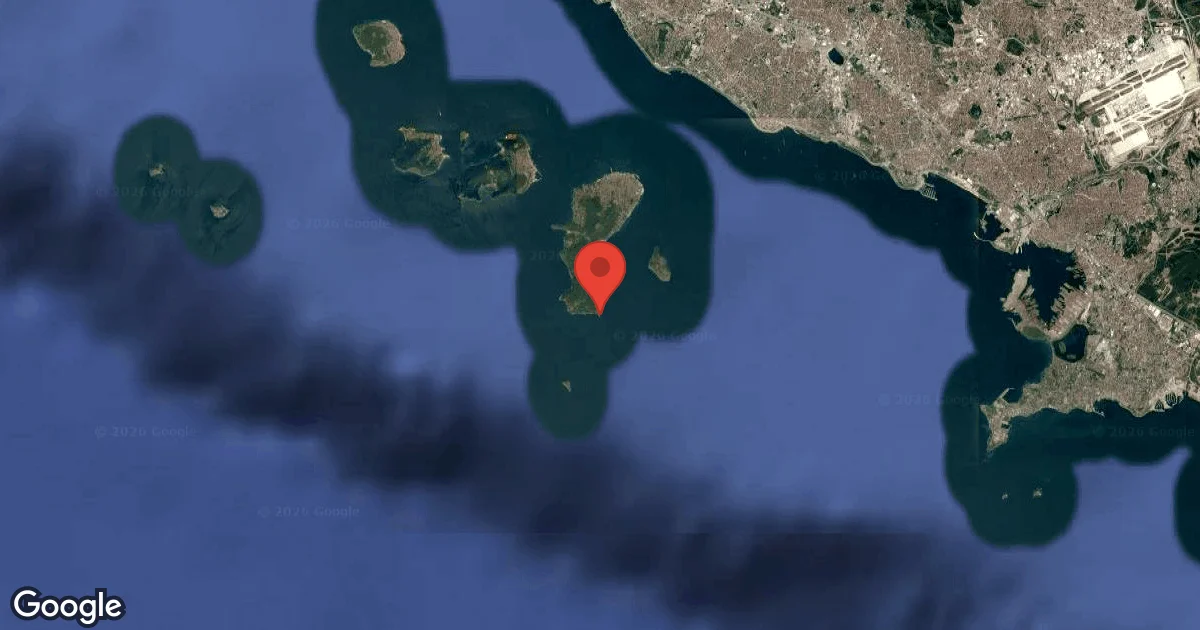
Dive Site Location & Key Facts
Dive Site Overview
Exploring the waters around the Prince Islands provides a distinct Marmara Sea experience, particularly at sites like At Mezarlisi. Here, divers encounter a pronounced thermocline, where warmer surface layers meet colder water around 10 meters (33 feet).
Descending past this often reveals a notable increase in visibility from approximately 20 meters (66 feet) downwards, enhancing the view of the underwater topography. The main feature is a very steep and extensive wall, dropping from about 7 meters to a maximum depth of 30 meters. This wall structure transitions into a sandy bottom at its base.
The site offers a compelling profile, beginning with the dramatic descent along the wall. As one progresses deeper, the cooler, clearer water opens up the view, revealing the contours of the extended wall before it flatters out into the sandy substrate.
This dual environment of a significant wall and a contrasting sandy bottom offers varied exploration opportunities, including an interesting deep hole with an entrance found at about 5 meters (16 feet).
Conditions are Excellent
07:00 - 14:00
Optimal conditions expected
Current conditions near Prince Islands show 22° air, 23° sea temperature, 0.2 m waves, and 24 km/h wind. Forecast data is refreshed regularly to ensure accuracy.
Best Time to Dive
Optimal conditions for diving around the Prince Islands, especially for sites like At Mezarlisi, are crucial due to boat access limitations in windier weather. The period from February through October generally sees 'Excellent' dive scores, marked by lower wave heights and more favorable wind speeds. Specifically, rain levels are lowest from May through October, often below 2 mm, which contributes to overall better surface conditions. During these months, average air temperatures range from 16°C / 61°F in May, peaking around 25°C / 77°F in July and August, then gradually cooling to 18.5°C / 65°F in October. While specific water temperature data isn't consistently reported, the warmer air temperatures during these months typically coincide with more comfortable surface conditions for diving, potentially influencing visibility positively. Planning dives during calmer periods maximizes access to these wall and sandy bottom sites.
PEAK SEASON SCORE
Scores combine air & water temps, waves, wind & rainfall for overall conditions.
BEST MONTHS TO DIVE
Monthly records compiled from satellite and marine observation nodes over the last 3 years. Data provided by Open-Meteo and MET Norway.
Dive Experience & Conditions
Beginning a dive here often involves an immediate descent onto the substantial wall structure. Divers typically start their downward journey from around 7 meters (23 feet), navigating the rapid drop. Around the 10-meter (33-foot) mark, you'll likely encounter a distinct thermocline where the water temperature shifts noticeably, sometimes quite abruptly. As you continue beyond 20 meters (66 feet), visibility generally improves, revealing clearer views of the deep rock face and its intricate details. The wall continues down to 30 meters, where it merges into a sandy bottom, offering a different ecological zone to explore. Close to the surface, at about 5 meters (16 feet), a deep hole provides an additional point of interest, suitable for exploration during the initial or final stages of the dive.
Dive Difficulty & Safety Guidelines
Accessing sites like At Mezarlisi hinges significantly on calm weather; dive boats operate only when surface conditions are settled, so always check forecasts. The steep, abrupt wall descent from around 7 meters (23 feet) to about 30 meters (100 feet) necessitates good buoyancy control and an awareness of depth limits. Divers should be prepared for a thermocline around 10 meters (33 feet), which can bring a sudden drop in water temperature.
For those planning deeper segments of the wall or exploring the 30-meter mark, advanced training such as PADI Advanced Open Water Diver or PADI Deep Diver is highly recommended to manage potential narcosis and air consumption effectively in the cooler, deeper water. Safe diving practices, including monitoring dive computers and buddy checks, are essential.
Recommended Equipment
- Dive Computer
- DSMB
This gear list is based on verified equipment signals for Prince Islands, Turkey. Always confirm final gear choices with your dive operator, guide, or liveaboard.
Recommended Dive Suit
Forecast models show minimal temperature variation in the coming days.
Thermal protection such as 3-5mm wetsuit is commonly used in similar temperatures. A hood or vest is suggested for sensitive divers due to surface winds. Surface intervals may feel cooler.
Recent environmental data from Prince Islands indicates water temperatures near 23°C (74°F). Surface air temperatures are resting at 22°C (72°F).
Emergency & Medical Support
Essential information to help you plan your dive trip to prince islands.

Hyperbaric chambers are a critical part of dive safety infrastructure. Availability varies significantly by region, and not all dive areas have immediate access.
Before diving, it's recommended to:
- confirm nearest medical facilities
- check emergency procedures with local dive operators
- ensure dive insurance covers evacuation if required
Divers Alert Network
Diving emergency assistance available through DAN Europe.
+39 0642115685- 24/7 emergency hotline
- Diving medical assistance
- Evacuation coordination
Emergency contacts are provided for reference. Always verify local emergency services before diving.
Closest Listed Hyperbaric Chambers
Showing listed hyperbaric chamber facilities within 200 km of this dive site.
Distances are approximate straight-line distances and may not reflect emergency travel time.
Özel Anadolu Hiperbarik Oksijen Tedavi Merkezi
Istanbul, Turkey•Approx. 9 km straight-line
Özel Anadolu Hiperbarik Oksijen Tedavi Merkezi
Information is provided for reference and planning purposes only. Dive Navigator does not verify operational status, staffing, availability, or quality of care at listed facilities. In an emergency, contact local emergency services, DAN, your dive operator, or the chamber directly. Do not travel to a facility without calling ahead.
Kartal Dr. Lütfi Kırdar Eğitim ve Araştırma Hastanesi, Sualtı Hekimliği ve Hiperbarik Tıp Kliniği
24/7 ListedICU CapableIstanbul, Turkey•Approx. 10 km straight-line
Kartal Dr. Lütfi Kırdar Eğitim ve Araştırma Hastanesi, Sualtı Hekimliği ve Hiperbarik Tıp Kliniği
24/7 ListedICU CapableInformation is provided for reference and planning purposes only. Dive Navigator does not verify operational status, staffing, availability, or quality of care at listed facilities. In an emergency, contact local emergency services, DAN, your dive operator, or the chamber directly. Do not travel to a facility without calling ahead.
Özel Oksipol Hiperbarik Oksijen Tedavi Merkezi
ıstanbul, Turkey•Approx. 16 km straight-line
Özel Oksipol Hiperbarik Oksijen Tedavi Merkezi
Information is provided for reference and planning purposes only. Dive Navigator does not verify operational status, staffing, availability, or quality of care at listed facilities. In an emergency, contact local emergency services, DAN, your dive operator, or the chamber directly. Do not travel to a facility without calling ahead.
Marine Life at Prince Islands
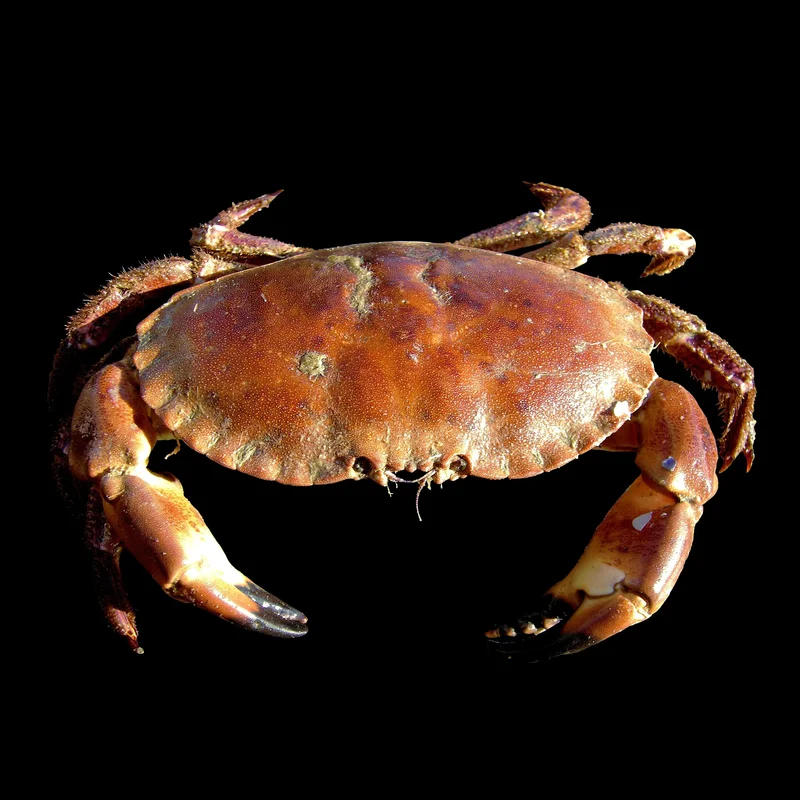
Upon reaching the wall and sandy bottom environments, divers often first notice the various interesting creatures inhabiting these areas. Crabs are a common sight, frequently observed along the rock crevices and sandy patches.
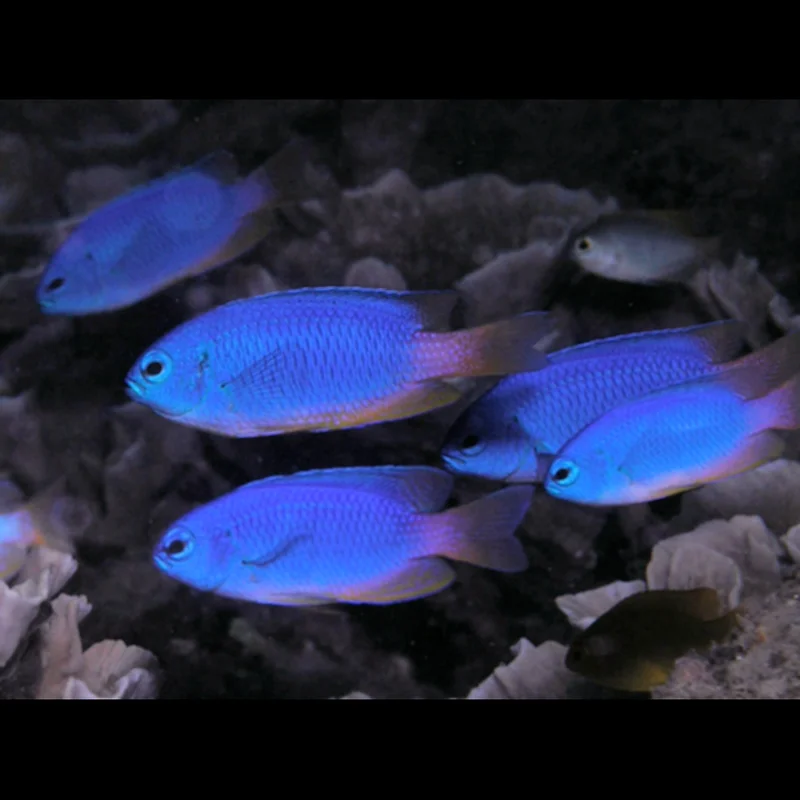
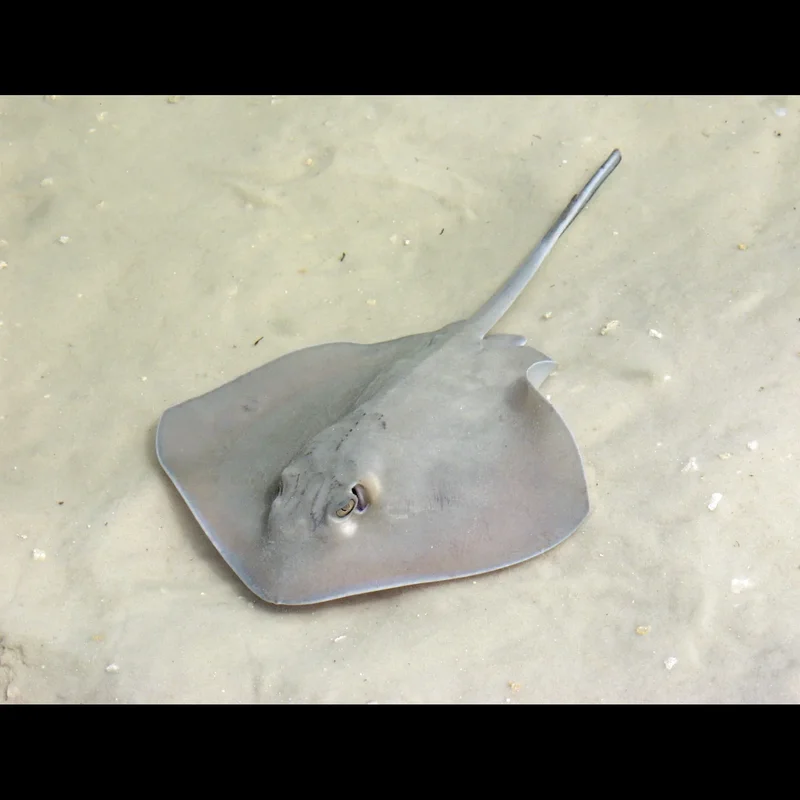
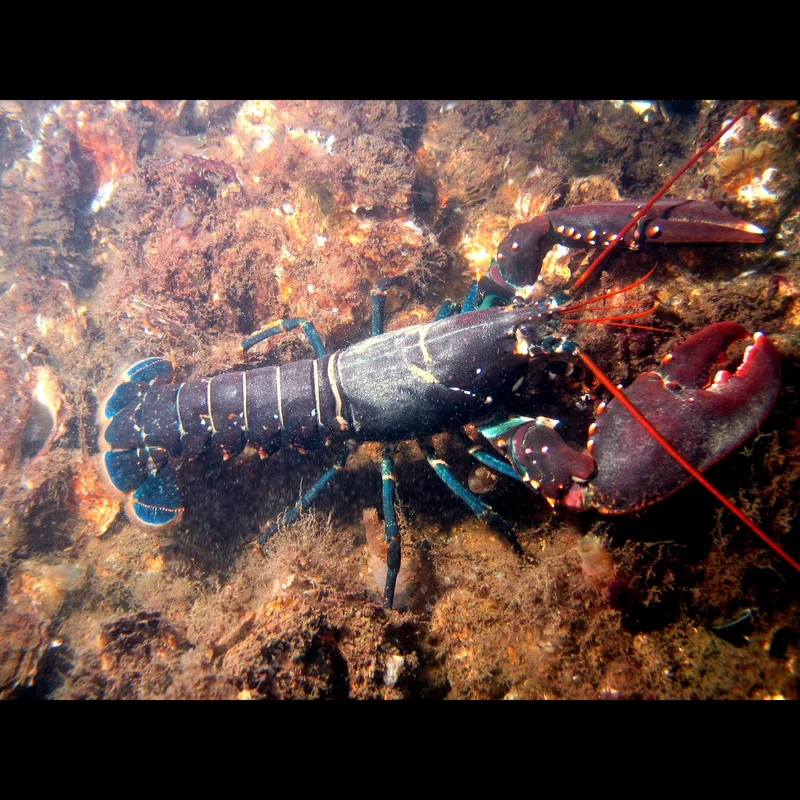
Lobsters might be spotted tucked away within the wall's structure, while stingrays are occasionally seen gliding over the sandy substrate. Damselfish can be present closer to the shallower parts of the wall.
Exploring with a dive torch can reveal squid and other species, showcasing the true colors and activity of the Marmara Sea's inhabitants.

Dive Sites Near Prince Islands
View all dive sites in TurkeyDiscover more underwater gems in this area.
Dive Centers Near Prince Islands
No Dive Centers Local To Prince Islands
Are you a dive center visiting this location? Get listed to reach divers.
Nearest Airports
Nearest airports to help plan travel to this dive area.
Search Flights
Check available flights and routes on Expedia, using the nearby airports listed in this section.
Search Flights on ExpediaFrequently Asked Questions
What are the main geological features of the Prince Islands dive sites?
Dive sites like At Mezarlisi primarily feature steep, extensive wall structures that descend sharply from shallow depths. These walls often transition into sandy bottoms at their deepest points, and some sites also include intriguing deep holes or rock formations.
What is the typical maximum depth for diving around the Prince Islands?
Many of the prominent dive sites in the Prince Islands, such as At Mezarlisi, offer depths reaching up to 30 meters (100 feet). These deeper sections are usually found along the steep wall profiles.
How does water temperature behave during a dive here?
While specific water temperature averages are not consistently reported, divers should anticipate a distinct thermocline around 10 meters (33 feet), where water temperatures can drop noticeably. Deeper sections will generally be cooler than the surface layers.
What kind of visibility can divers expect in the Prince Islands?
Visibility can vary, but it's often reported to clear up significantly past the thermocline, typically from around 20 meters (66 feet) downwards. Surface conditions and recent weather can also influence overall visibility.
Are there any specific access considerations for dive sites like At Mezarlisi?
Yes, access to certain sites like At Mezarlisi is exclusively by boat and strictly dependent on calm weather conditions. Strong winds or high waves will prevent boats from reaching these locations safely.
What marine life might divers encounter?
Divers exploring the Prince Islands can expect to see various species including crabs, lobsters, and occasionally stingrays on the sandy bottom. Damselfish are common closer to the walls, and squid might also be spotted.
Is specific dive training recommended for these sites?
For sites with steep walls and depths up to 30 meters (100 feet), training such as the PADI Advanced Open Water Diver or Deep Diver certifications is highly recommended. This ensures divers are adequately prepared for managing buoyancy, navigation, and potential physiological effects at depth.
Planning to dive Prince Islands?
Send one inquiry and receive offers directly from the best verified local dive operators.
Conditions are Excellent
07:00 - 14:00
Optimal conditions expected
Current conditions near Prince Islands show 22° air, 23° sea temperature, 0.2 m waves, and 24 km/h wind. Forecast data is refreshed regularly to ensure accuracy.