
Diving at Portnahapple (United Kingdom)
Portnahapple presents a naturally formed old swimming cove, characterized by a sheltered inlet ideal for diving. Vertical rock walls define both sides of the bay, featuring intriguing overhangs and swim-throughs. Beyond these structures, a vibrant kelp forest extends, creating a rich underwater environment. This site primarily offers a shore-entry experience.
Evening condition tracking at Portnahapple features an air temperature of 13.5°C. We have recorded wave heights measuring 1 m during this period. These figures outline the environmental parameters currently present.
Dive Site Location & Key Facts
Dive Site Overview
An excellent site for both snorkeling and scuba diving, this Northern Irish location capitalizes on a naturally sheltered bay. Water access involves navigating steep steps from the shore, leading to a gentle underwater descent.
Dive depths typically reach between 8 to 10 meters / 26 to 32 feet, creating an ideal setting for divers of varying experience levels to explore comfortably. Beneath the surface, the seabed presents a varied composition of sand and scattered boulders, transitioning into structured kelp forests. Swaying fronds and prominent rock formations create numerous hiding spots and micro-habitats for marine life.
Visibility here is not consistently reported but commonly ranges from 5 to 15 meters / 16 to 49 feet, averaging 7 meters / 23 feet, generally allowing good exploration. Calm conditions frequently found at Portnahapple make it favorable for conducting night dives, where different facets of the marine ecosystem reveal themselves under torchlight. Its gentle contours and protective nature ensure a generally relaxed diving experience.
Conditions are Poor
Optimal conditions expected
Current conditions near Portnahapple show 14° air, 16° sea temperature, 1.7 m waves, and 40 km/h wind. Forecast data is refreshed regularly to ensure accuracy.
Best Time to Dive
For a comfortable dive experience at Portnahapple, targeting the period from May through July generally presents the most favorable conditions. During these months, average air temperatures are noticeably warmer, peaking around 12-15°C / 54-59°F, which is a significant improvement over the cooler winter and early spring months. Wave heights are typically lower, averaging around 0.9-1.0 meters, contributing to calmer surface conditions. While rainfall is always a consideration in this region, May often sees some of the lowest monthly rainfall totals at approximately 2.5 mm, minimizing surface runoff and potential visibility impacts. Dive scores during this window often rank as 'Good,' indicating better overall conditions for exploration.
PEAK SEASON SCORE
Scores combine air & water temps, waves, wind & rainfall for overall conditions.
BEST MONTHS TO DIVE
Monthly records compiled from satellite and marine observation nodes over the last 3 years. Data provided by Open-Meteo and MET Norway.
Dive Experience & Conditions
Limited currents at Portnahapple contribute to a relaxed diving environment, suitable for various skill levels. Visibility can fluctuate, typically ranging between 5 to 15 meters / 16 to 49 feet, with an average of 7 meters / 23 feet on most dives. Bottom composition consists of a mix of sand and boulders, transitioning into extensive kelp forests. Water temperatures are not consistently reported but vary depending on seasonal influences. Maximum depth at the site typically sits around 8 to 10 meters / 26 to 32 feet, making it an accessible location for open water practice and snorkeling. Divers of all levels find this site suitable.
Dive Difficulty & Safety Guidelines
Diving at Portnahapple requires attention during entry, as the shore access involves steep steps and a descent over slippery boulders covered in weeds. Once in the water, divers should be mindful of potential hazards such as fishing lines left by sea anglers. The presence of cliff jumpers in the area also necessitates surface awareness before and after dives.
Given that this site is suitable for all levels, including scuba diving practice, proper buoyancy control helps protect the fragile marine environment and prevent accidental contact with the bottom or kelp. It's advisable for divers to hold at least a PADI Open Water Diver certification and consider local familiarization.
Recommended Equipment
- Dive Computer
- Hard-soled Dive Boots
This gear list is based on verified equipment signals for Portnahapple, United Kingdom. Always confirm final gear choices with your dive operator, guide, or liveaboard.
Recommended Dive Suit
With water temperatures around 16°C (60°F), many divers find a 5-7mm wetsuit provides comfortable protection.
Divers performing multiple dives may appreciate slightly warmer protection later in the day.
Surface conditions are expected to warm up slightly in the coming days. A warming trend is expected over the next few days.
Due to technical issues with our weather providers, data hasn't been fetched for over 48 hours. The data above reflects the conditions at the time of the last successful fetch.
Emergency & Medical Support
Essential information to help you plan your dive trip to Portnahapple.

Hyperbaric chambers are a critical part of dive safety infrastructure. Availability varies significantly by region, and not all dive areas have immediate access.
Before diving, it's recommended to:
- confirm nearest medical facilities
- check emergency procedures with local dive operators
- ensure dive insurance covers evacuation if required
Divers Alert Network
Diving emergency assistance available through DAN Europe.
+39 0642115685- 24/7 emergency hotline
- Diving medical assistance
- Evacuation coordination
Emergency contacts are provided for reference. Always verify local emergency services before diving.
Closest Listed Hyperbaric Chambers
Showing listed hyperbaric chamber facilities within 200 km of this dive site.
Distances are approximate straight-line distances and may not reflect emergency travel time.
West Scotland Centre for Diving and Hyperbaric Medicine
Oban, Argyll, United Kingdom•Approx. 163 km straight-line
West Scotland Centre for Diving and Hyperbaric Medicine
Information is provided for reference and planning purposes only. Dive Navigator does not verify operational status, staffing, availability, or quality of care at listed facilities. In an emergency, contact local emergency services, DAN, your dive operator, or the chamber directly. Do not travel to a facility without calling ahead.
Marine Life at Portnahapple
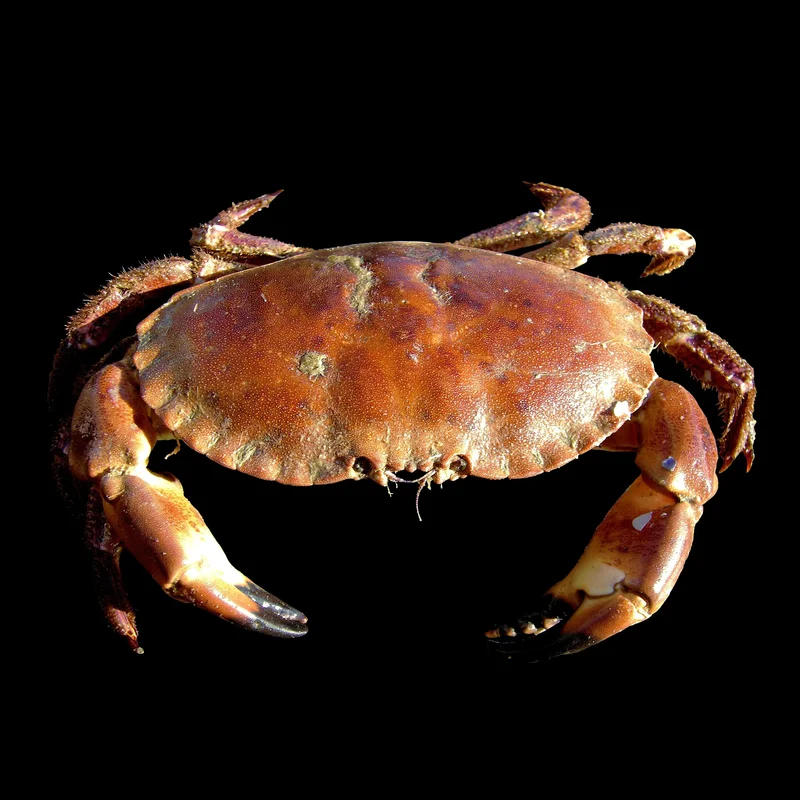
The underwater landscape at Portnahapple, particularly within its kelp forests and rock crevices, supports a variety of marine life. Divers frequently encounter crabs and wrasse navigating the swaying fronds.
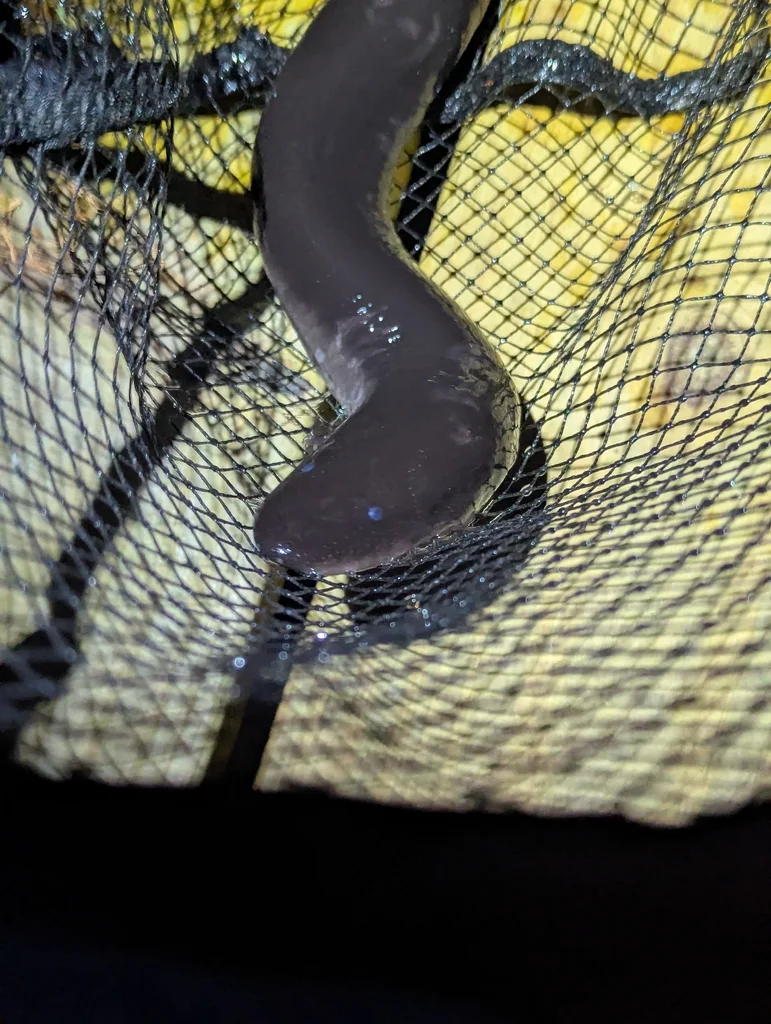
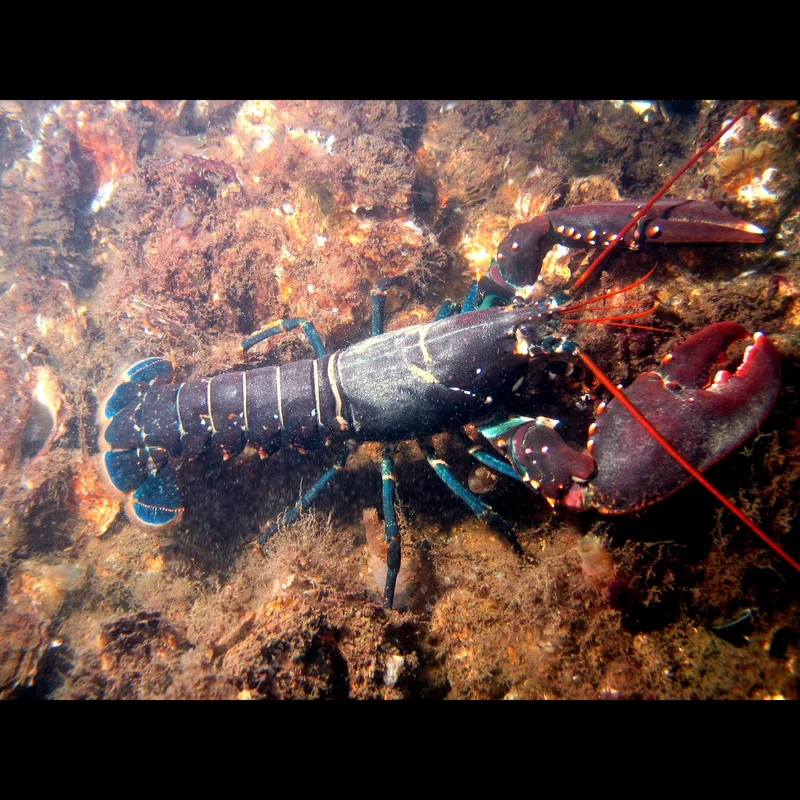
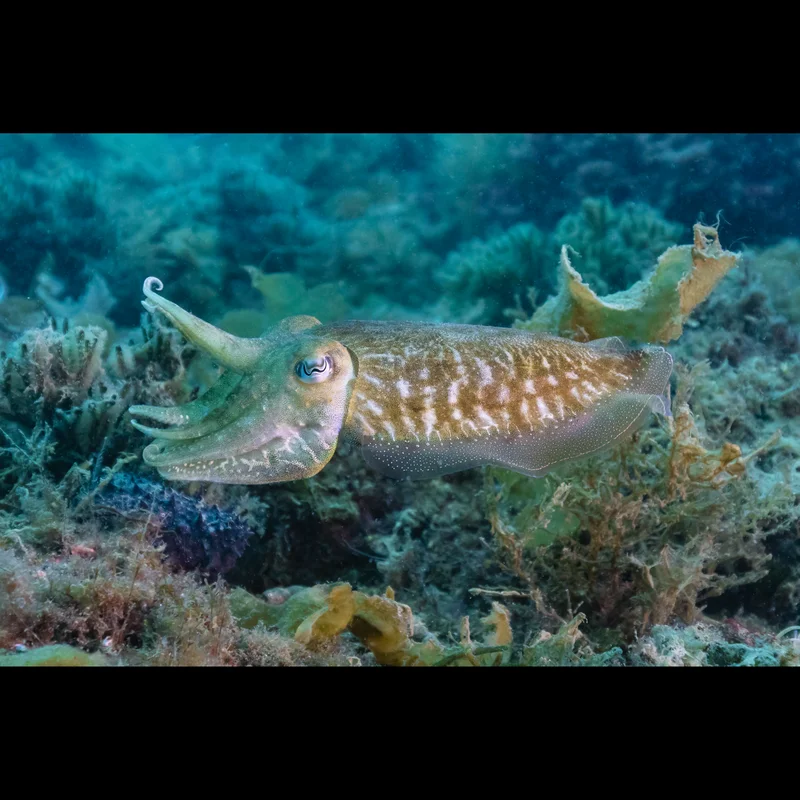
Additionally, lobsters, flatfish, and pollack are common sightings near the sandy and rocky bottom. Keep an eye out for larger conger eels, which have been observed in rock crevices on the south side of the site, and the occasional small-spotted catshark or tame dogfish. Recent night dives have even reported cuttlefish and octopus exploring the varied topography.

Dive Centers Near Portnahapple
Nearest Airports
Nearest airports to help plan travel to this dive area.
Search Flights
Check available flights and routes on Expedia, using the nearby airports listed in this section.
Search Flights on ExpediaFrequently Asked Questions
What is the typical depth at Portnahapple?
Portnahapple is a shallow dive site, with depths generally ranging up to 8 to 10 meters / 26 to 32 feet. This makes it ideal for beginner divers and those seeking longer bottom times.
What kind of marine life can be seen?
Divers commonly encounter crabs, wrasse, lobsters, flatfish, and pollack. Look for conger eels in rock crevices and small-spotted catsharks or dogfish. Cuttlefish and octopus have also been spotted, particularly during night dives.
Is Portnahapple suitable for beginners?
Yes, Portnahapple is considered suitable for divers of all levels. Its shallow, sheltered nature and limited currents make it a good location for scuba diving practice and snorkeling, and a recommended site for PADI Open Water Divers.
How is the entry to the dive site?
Entry is from the shore, via steep steps leading to the water. Divers should exercise caution, as the entry point can involve slippery boulders covered in weeds, requiring careful footing.
Are there any specific hazards for divers?
Primary hazards include slippery boulders at the entry and exit points, and the potential presence of fishing lines from sea anglers. Divers should also be aware of cliff jumpers in the vicinity and maintain surface awareness.
What are the general visibility conditions?
Visibility at Portnahapple varies, but generally ranges from 5 to 15 meters / 16 to 49 feet, with an average of 7 meters / 23 feet. Local conditions, such as recent rainfall or wave action, can influence this.
What makes Portnahapple good for night diving?
Its sheltered inlet and limited currents provide a calm environment, making it a safe choice for night dives. The overhangs and crevices become active with nocturnal marine life, offering a different perspective of the site.
Planning to dive Portnahapple?
Send one inquiry and receive offers directly from the best verified local dive operators.
Conditions are Poor
Optimal conditions expected
Current conditions near Portnahapple show 14° air, 16° sea temperature, 1.7 m waves, and 40 km/h wind. Forecast data is refreshed regularly to ensure accuracy.