
Diving at St. Dunstan (United Kingdom)
Visibility around the St. Dunstan wreck site varies, depending heavily on local tidal currents and recent weather patterns in Lyme Bay. Reaching a maximum depth of 28 m (92 ft), the site often presents cooler water temperatures typical of the United Kingdom's coastal waters. Surface conditions can range from calm to choppy, with wind and wave heights influencing boat access and comfort. Planning dives accounts for these dynamic elements, aiming for periods of clearer water.
As evening covers St. Dunstan, the local air temperature is measured at 17°C. The current wave height at the surface is recorded at 1.5 m. These late-day readings characterize the surface conditions for the night.
Dive Site Location & Key Facts
Dive Site Overview
The St. Dunstan wreck holds a significant place in maritime history, originally serving as a bucket dredger before its temporary conversion into a minesweeper during WWI. On September 23rd, 1917, this vessel met its fate when it was torpedoed, now resting on the seabed in Lyme Bay.
Divers exploring this site will find a captivating structure, with the bow section notably inverted and the stern and remainder of the hull twisted back over to starboard. Its historical purpose is evident from the bucket line and associated gear, which lie scattered on the surrounding sand and gravel seabed. Accessing the interior is most practical from the starboard side where hull plates have fallen away.
Right inside the wreck, near the bow, a substantial pile of anchor chain dominates, with an anchor winch partially buried beneath it. A surprising sight for many is the pair of enormous boilers situated at the front of the wreck, a testament to its original engineering.
This site, with its maximum depth around 28 m (92 ft), offers a tangible link to the past, presenting a substantial structure for exploration and photography.
Conditions are Moderate
Optimal conditions expected
Current conditions near St. Dunstan show 17° air, 17° sea temperature, 1.6 m waves, and 40 km/h wind. Forecast data is refreshed regularly to ensure accuracy.
Best Time to Dive
For the most comfortable and rewarding dive experience at St. Dunstan, planning visits between April and August is generally recommended. During these months, the average air temperatures are more favorable, rising from approximately 10°C (50°F) in April to a peak of around 17°C (63°F) in August. Rainfall also tends to be lower, creating more stable surface conditions. May, June, and July consistently show 'Good' dive scores, indicating a higher probability of calmer seas and better visibility. Wave heights typically decrease significantly during late spring and summer, averaging under 1 meter (3 feet), which simplifies boat access to the site. Wind speeds are also generally lower, contributing to more pleasant conditions both on the surface and underwater. While underwater visibility can always be variable due to local currents, these warmer, calmer periods often align with clearer water, enhancing the exploration of the wreck. Targeting these months improves the overall dive comfort and site accessibility.
PEAK SEASON SCORE
Scores combine air & water temps, waves, wind & rainfall for overall conditions.
BEST MONTHS TO DIVE
Monthly records compiled from satellite and marine observation nodes over the last 3 years. Data provided by Open-Meteo and MET Norway.
Dive Experience & Conditions
Navigating the St. Dunstan presents a dynamic underwater experience, often influenced by the tidal currents characteristic of Lyme Bay. While conditions can vary, divers should anticipate potential surge and current, which contribute to the challenge skippers sometimes face in accurately shooting the wreck. The wreck itself sits on a sand and gravel seabed at a maximum depth of 28 m (92 ft), with its keel rising a good 5 m (16 ft) from the bottom, providing a significant profile. Visibility, while not consistently reported, is subject to local marine conditions and can range from moderate to good on favorable days. Exploring the site reveals the substantial and complex structure of the former dredger; its inverted bow and twisted hull require careful finning. Inside, the massive boilers and anchor chain offer interesting exploration points. This is a dive that rewards careful planning and good buoyancy control, allowing divers to fully appreciate the historical remnants and the marine life that has made it home.
Dive Difficulty & Safety Guidelines
Diving the St. Dunstan wreck demands a certification level appropriate for deep wreck diving, typically Advanced Open Water or equivalent, due to its maximum depth. Given the potentially challenging currents and the wreck's structure, good buoyancy control and experience in limited visibility are crucial. Always dive with a reliable buddy and ensure adequate surface support, especially considering the site's offshore location in Lyme Bay.
It's advisable to carry a dive reel and SMB for safe ascent and to mark your position, particularly if currents are present. Planning should include checking local tide tables, as slack water often provides the most comfortable conditions for exploration.
Maintaining awareness of gas management and decompression limits is paramount for a safe and enjoyable dive on this deep wreck.
Recommended Equipment
- Dive Computer
This gear list is based on verified equipment signals for St. Dunstan, United Kingdom. Always confirm final gear choices with your dive operator, guide, or liveaboard.
Recommended Dive Suit
5-7mm wetsuit is frequently recommended by dive operators for conditions like these. Consider warmer surface protection (like a boat coat) due to brisk winds. A thermal robe or jacket is recommended between dives. Those diving at St. Dunstan today will likely encounter water temperatures in the region of 17°C (63°F). Surface air temperatures are resting at 17°C (62°F).
Forecast trends indicate little change in overall diving conditions during the next few days.
Even small thermoclines can occasionally cause noticeable changes in water temperature.
Emergency & Medical Support
Essential information to help you plan your dive trip to St. Dunstan.

Hyperbaric chambers are a critical part of dive safety infrastructure. Availability varies significantly by region, and not all dive areas have immediate access.
Before diving, it's recommended to:
- confirm nearest medical facilities
- check emergency procedures with local dive operators
- ensure dive insurance covers evacuation if required
Divers Alert Network
Diving emergency assistance available through DAN Europe.
+39 0642115685- 24/7 emergency hotline
- Diving medical assistance
- Evacuation coordination
Emergency contacts are provided for reference. Always verify local emergency services before diving.
Closest Listed Hyperbaric Chambers
Showing listed hyperbaric chamber facilities within 200 km of this dive site.
Distances are approximate straight-line distances and may not reflect emergency travel time.
DDRC Healthcare
24/7 ListedICU CapablePlymouth, United Kingdom•Approx. 103 km straight-line
DDRC Healthcare
24/7 ListedICU CapableInformation is provided for reference and planning purposes only. Dive Navigator does not verify operational status, staffing, availability, or quality of care at listed facilities. In an emergency, contact local emergency services, DAN, your dive operator, or the chamber directly. Do not travel to a facility without calling ahead.
Hyperbaric Medicine Unit, St Richard’s Hospital
24/7 ListedChichester, United Kingdom•Approx. 138 km straight-line
Hyperbaric Medicine Unit, St Richard’s Hospital
24/7 ListedInformation is provided for reference and planning purposes only. Dive Navigator does not verify operational status, staffing, availability, or quality of care at listed facilities. In an emergency, contact local emergency services, DAN, your dive operator, or the chamber directly. Do not travel to a facility without calling ahead.
Marine Life at St. Dunstan
With its fragmented yet substantial structure, the St. Dunstan wreck acts as a vital artificial reef on the otherwise open sand and gravel seabed. Divers often encounter thriving marine ecosystems here.
Inside the wreck, you'll frequently find writhing shoals of huge pouting, seeking shelter within the twisted hull. Above the wreck, large pollack are commonly observed, patrolling the higher sections.
The exposed metalwork provides an ideal substrate for various invertebrate growth, attracting smaller fish species and crustaceans that contribute to a vibrant underwater landscape. Plenty of fish consistently inhabit this site, creating a lively underwater encounter.
Dive Sites Near St. Dunstan
View all dive sites in United KingdomDiscover more underwater gems in this area.
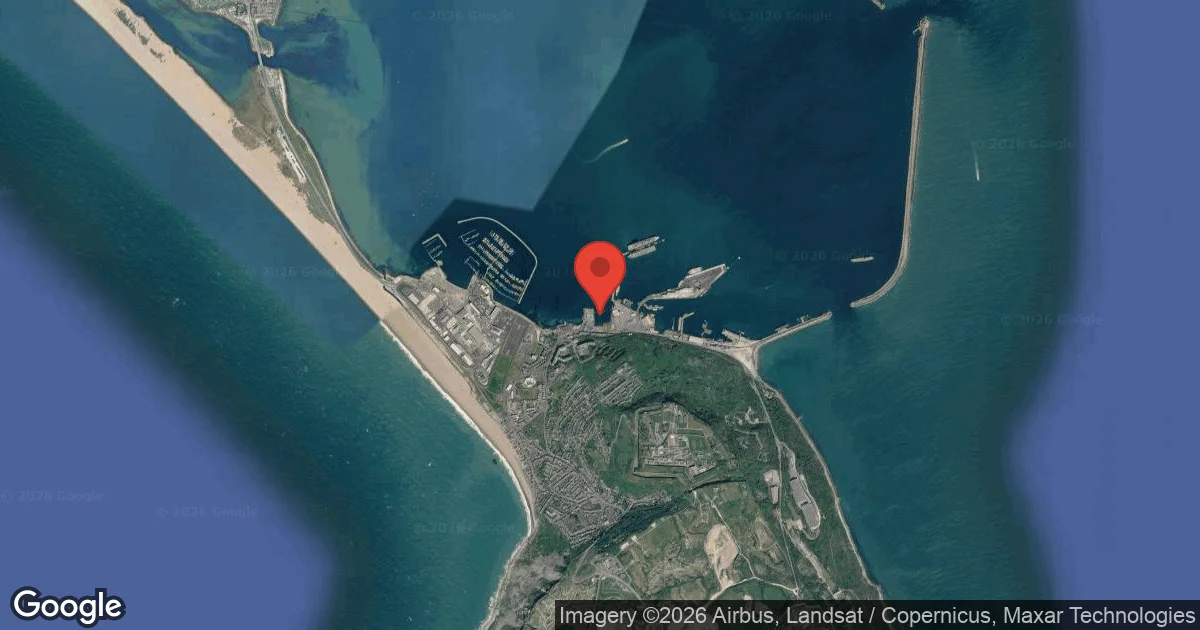
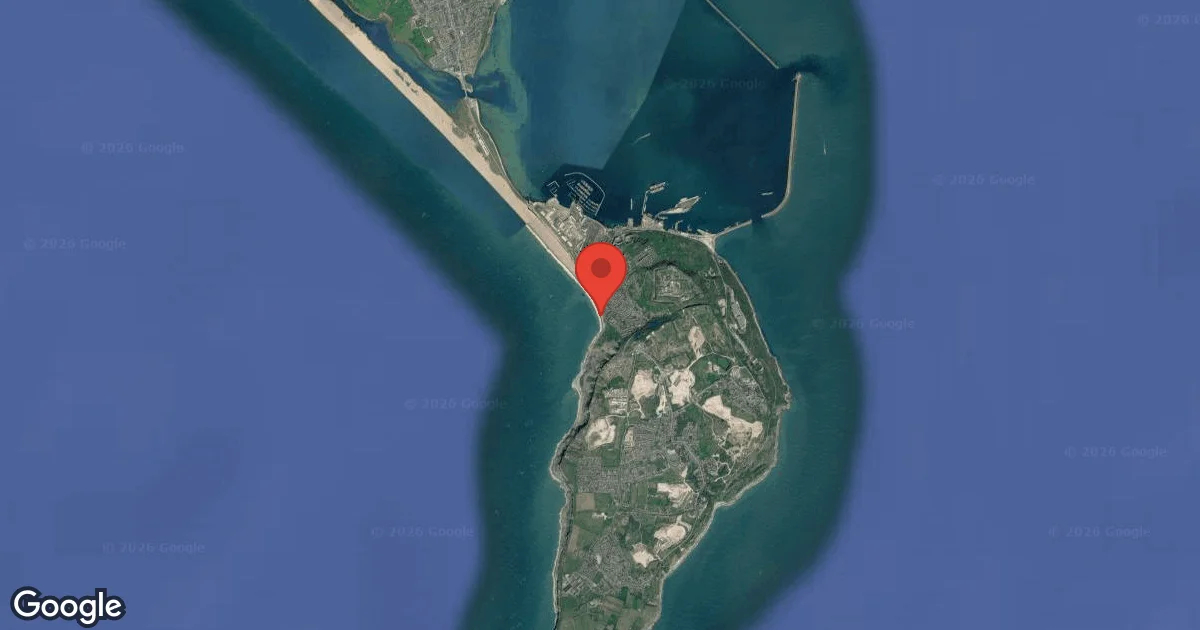
Dive Centers Near St. Dunstan
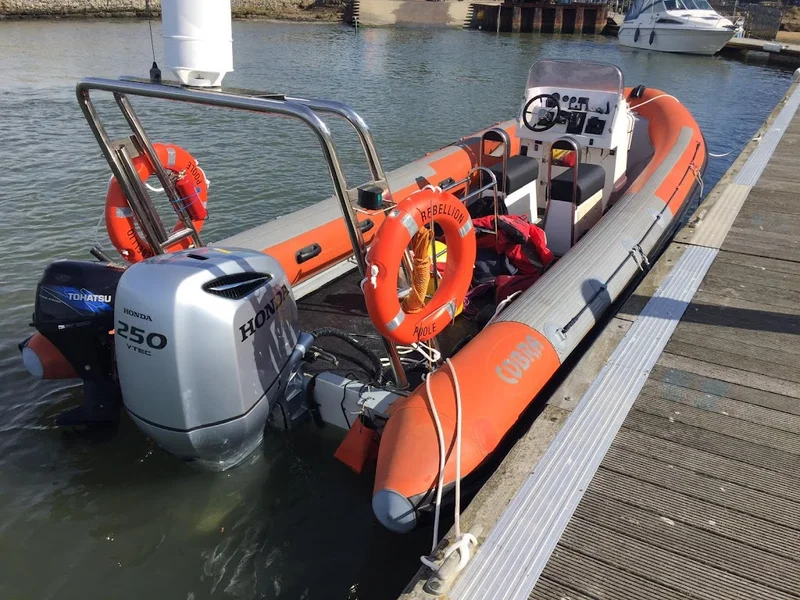
Today: 09:00 - 17:00
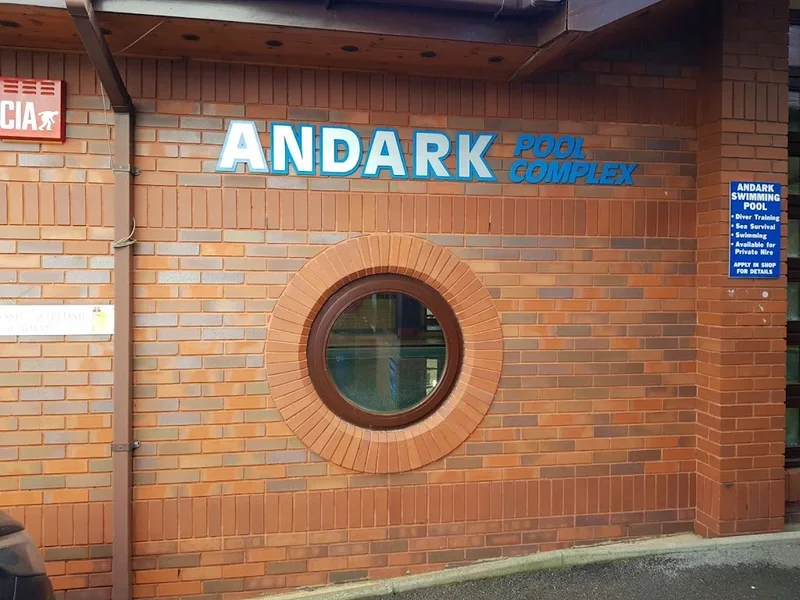


Nearest Airports
Nearest airports to help plan travel to this dive area.
Search Flights
Check available flights and routes on Expedia, using the nearby airports listed in this section.
Search Flights on ExpediaFrequently Asked Questions
What is the maximum depth of the St. Dunstan wreck?
The St. Dunstan wreck rests on the seabed within typical recreational diving limits, though some reports indicate deeper sections. Divers will find it generally within the upper range of advanced open water depths.
What skill level is required to dive the St. Dunstan?
Due to its depth and potential currents, the St. Dunstan is best suited for advanced divers with experience in deep wreck diving. Good buoyancy control and navigation skills are important for this site.
What are the typical visibility conditions like?
Underwater visibility at St. Dunstan is variable, influenced by local tidal currents and recent weather. It can range from moderate to good on favorable days, but divers should be prepared for changing conditions.
What are the key features of the St. Dunstan wreck?
The wreck, a former bucket dredger, features an inverted bow, a twisted stern, and the original bucket line scattered on the seabed. Notable internal features include two enormous boilers and a large pile of anchor chain.
When is the best time of year to dive St. Dunstan?
Late spring and summer, particularly from April to August, offer the most favorable conditions for diving. Air temperatures are warmer, rainfall is lower, and wave heights are generally reduced during these months.
Are there strong currents at the St. Dunstan wreck site?
Yes, the site can experience strong tidal currents, which can make it challenging. Planning dives around slack water periods is highly recommended for a more relaxed exploration.
What marine life can be seen on the wreck?
The St. Dunstan is known for its abundant fish life. Divers frequently encounter large shoals of pouting inside the wreck and sizable pollack swimming above the structure.
Planning to dive St. Dunstan?
Send one inquiry and receive offers directly from the best verified local dive operators.
Conditions are Moderate
Optimal conditions expected
Current conditions near St. Dunstan show 17° air, 17° sea temperature, 1.6 m waves, and 40 km/h wind. Forecast data is refreshed regularly to ensure accuracy.