
Diving at The Rosalie (Wreck), Weybourne (United Kingdom)
Just off the shingle beach of Weybourne, the SS Rosalie wreck sits in approximately 8 m (26 ft) of water. This large wreck, stretching 120m (394 ft) along the seabed, provides an accessible shore dive experience. At low tide, small sections of the wreckage are visible, offering a clear reference point for entry.
Evening condition tracking at The Rosalie (Wreck), Weybourne features an air temperature of 16°C. We have recorded wave heights measuring 0.8 m during this period. These figures outline the environmental parameters currently present.
Dive Site Location & Key Facts
Dive Site Overview
The SS Rosalie, a 120m (394 ft) long vessel, met its fate on August 10, 1915, after being torpedoed by German U-Boat UB 10 during an otherwise uneventful voyage. Hit on the port side, the crew managed to beach the ship at Weybourne in a desperate attempt to repair damage.
Though eventually sold for salvage, there's still plenty of substantial wreckage for divers to explore, scattered across the shallow seabed. Divers typically descend onto the engine block, which stands roughly 8m (26 ft) proud of the seabed and serves as an ideal starting point for exploration. From here, one can stay in shallower sections, heading towards the bow of the ship, which sits at a depth of 5m (16 ft).
Alternatively, following the contour of the open hull and prop shaft leads towards the stern, reaching a maximum depth of 10m (33 ft) at high tide. The distance from the engine block to the stern spans approximately 60m (197 ft), making a full single-dive exploration challenging.
Conditions are Moderate
High Wind Advisory (40km/h). Unsafe surface.
Current conditions near The Rosalie (Wreck), Weybourne show 16° air, 18° sea temperature, 0.8 m waves, and 40 km/h wind. Forecast data is refreshed regularly to ensure accuracy.
Best Time to Dive
Optimal conditions for diving the Rosalie typically emerge from June to September, when visibility can extend up to 8m (26 ft). During these months, average air temperatures are comfortable, ranging from 16°C (61°F) in June to 17.5°C (64°F) in August, generally paired with lower wave heights averaging 0.7 m. In contrast, colder months like January and February see air temperatures drop to 4.5-7°C (40-45°F), and higher wave activity, averaging 1.0-1.3 m, often impacts diving feasibility. Regardless of the season, timing your dive for slack tide is paramount, as currents can be strong at other times. The centre of slack usually occurs approximately two hours after low or high tide at Cromer.
PEAK SEASON SCORE
Scores combine air & water temps, waves, wind & rainfall for overall conditions.
BEST MONTHS TO DIVE
Monthly records compiled from satellite and marine observation nodes over the last 3 years. Data provided by Open-Meteo and MET Norway.
Dive Experience & Conditions
Accessing the Rosalie requires a beach entry, involving a significant walk along the shingle. From the recommended parking area near the steps on the NW corner of Weybourne beach car park, divers face a walk of 450-500m (1,476-1,640 ft) to the water's edge. From there, a surface swim of around 180m (590 ft) is necessary to reach the protruding wreckage and begin your descent. Given the shallow recreational depth range, a 10-litre tank is often sufficient and easier to manage during the lengthy beach trek. Once underwater, divers will likely descend onto the prominent engine block, which acts as a central landmark for navigating the wreck.
Dive Difficulty & Safety Guidelines
Diving the Rosalie demands careful attention to tidal patterns; strong currents make diving only safe at slack tide. The centre of slack is approximately two hours after low or high tide at Cromer, and dives are generally limited to a maximum of one hour before the tide begins to run again. Buoying the wreck is highly recommended, especially when diving at high tide when the structure is completely submerged and locating it can be difficult.
Due to the extended walk along the shingle beach to the entry point, it's advisable to transport your dive kit in stages rather than attempting to carry it all kitted up.
Recommended Equipment
Overhead / entanglement risk. Wreck penetration requires proper training.
- Dive Computer
- Primary & Backup Lights
- Wreck Reel
- Cutting Tool
This gear list is based on verified equipment signals for The Rosalie (Wreck), Weybourne, United Kingdom. Always confirm final gear choices with your dive operator, guide, or liveaboard.
Recommended Dive Suit
Recent conditions suggest the water at The Rosalie (Wreck), Weybourne remains near 18°C (64°F), offering typical conditions for the area. Surface air temperatures are resting at 16°C (61°F).
The next few days appear likely to bring similar environmental conditions.
Most divers exploring waters at this temperature rely on 5-7mm wetsuit for effective insulation. Consider warmer surface protection (like a boat coat) due to brisk winds. A thermal robe or jacket is recommended between dives. Water temperature is only one factor influencing overall comfort during a dive. Stronger winds may also make surface intervals feel cooler than usual. Surface intervals may feel noticeably cooler once you exit the water.
Emergency & Medical Support
Essential information to help you plan your dive trip to The Rosalie (wreck), Weybourne.

Hyperbaric chambers are a critical part of dive safety infrastructure. Availability varies significantly by region, and not all dive areas have immediate access.
Before diving, it's recommended to:
- confirm nearest medical facilities
- check emergency procedures with local dive operators
- ensure dive insurance covers evacuation if required
Divers Alert Network
Diving emergency assistance available through DAN Europe.
+39 0642115685- 24/7 emergency hotline
- Diving medical assistance
- Evacuation coordination
Emergency contacts are provided for reference. Always verify local emergency services before diving.
Closest Listed Hyperbaric Chambers
Showing listed hyperbaric chamber facilities within 200 km of this dive site.
Distances are approximate straight-line distances and may not reflect emergency travel time.
East of England Hyperbaric Unit
Great Yarmouth, Norfolk, United Kingdom•Approx. 59 km straight-line
East of England Hyperbaric Unit
Information is provided for reference and planning purposes only. Dive Navigator does not verify operational status, staffing, availability, or quality of care at listed facilities. In an emergency, contact local emergency services, DAN, your dive operator, or the chamber directly. Do not travel to a facility without calling ahead.
North of England Medical Hyperbaric Unit
Anlaby, Hull, United Kingdom•Approx. 136 km straight-line
North of England Medical Hyperbaric Unit
Information is provided for reference and planning purposes only. Dive Navigator does not verify operational status, staffing, availability, or quality of care at listed facilities. In an emergency, contact local emergency services, DAN, your dive operator, or the chamber directly. Do not travel to a facility without calling ahead.
London Hyperbaric Medicine
Leytonstone, London, United Kingdom•Approx. 171 km straight-line
London Hyperbaric Medicine
Information is provided for reference and planning purposes only. Dive Navigator does not verify operational status, staffing, availability, or quality of care at listed facilities. In an emergency, contact local emergency services, DAN, your dive operator, or the chamber directly. Do not travel to a facility without calling ahead.
Marine Life at The Rosalie (Wreck), Weybourne
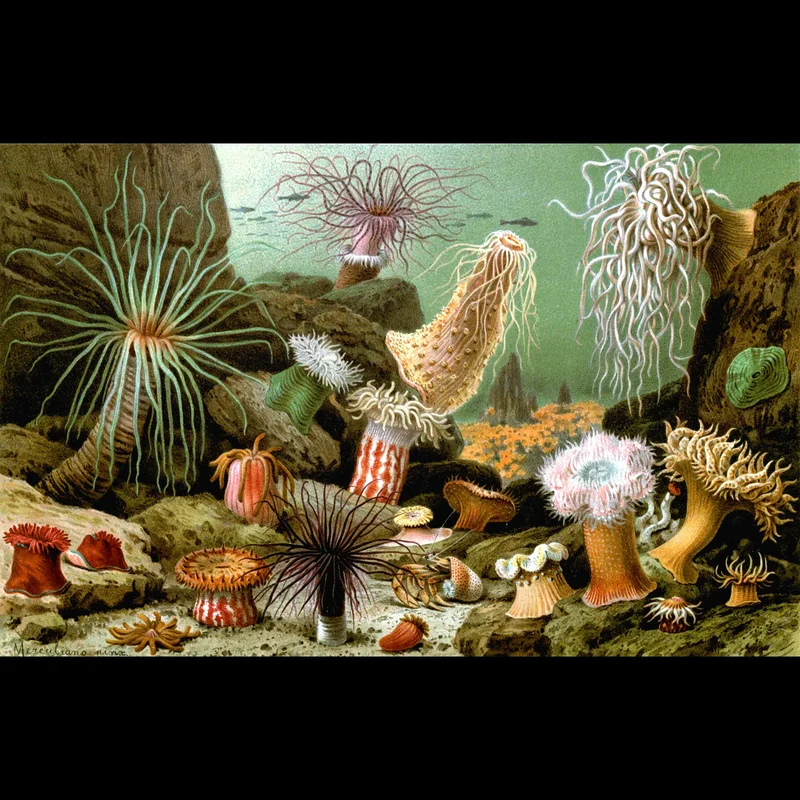
Upon descending onto the Rosalie's structure, divers are often immediately struck by the sheer number of plumose anemones blanketing the wreck. These vibrant filter feeders create a soft, undulating carpet over the metal.
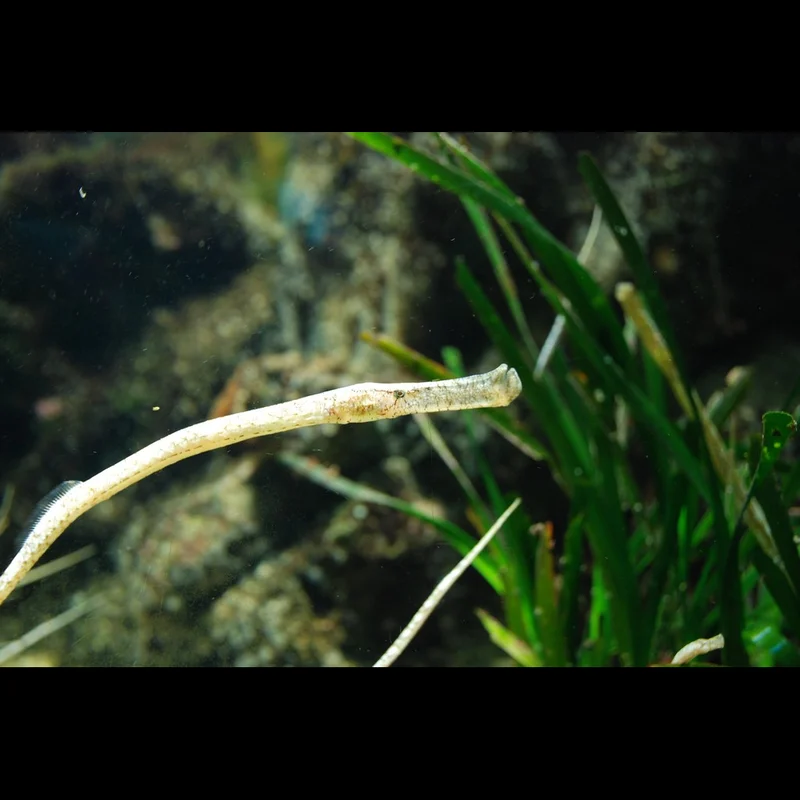
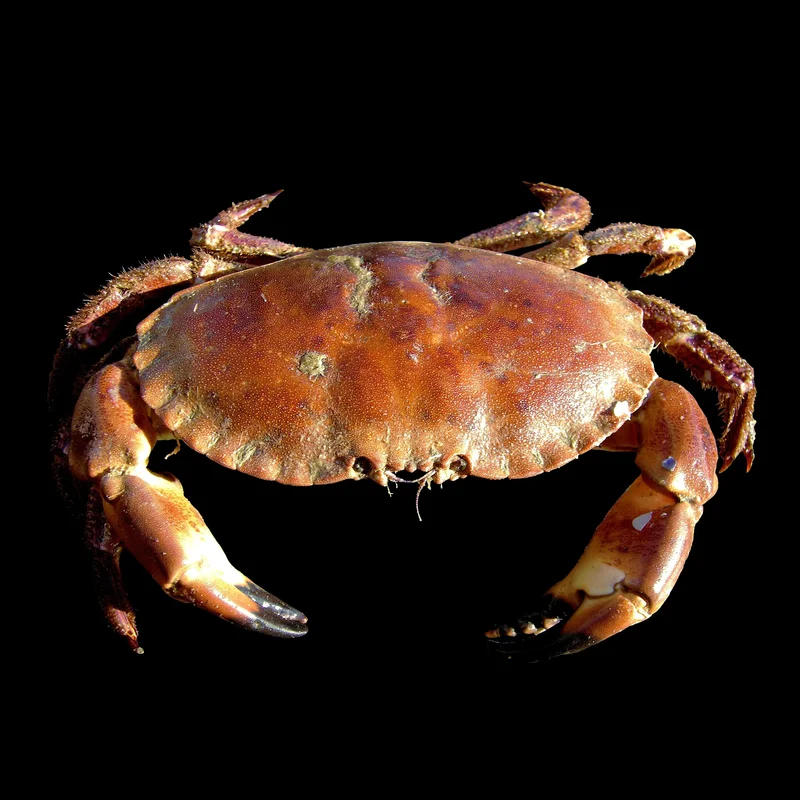
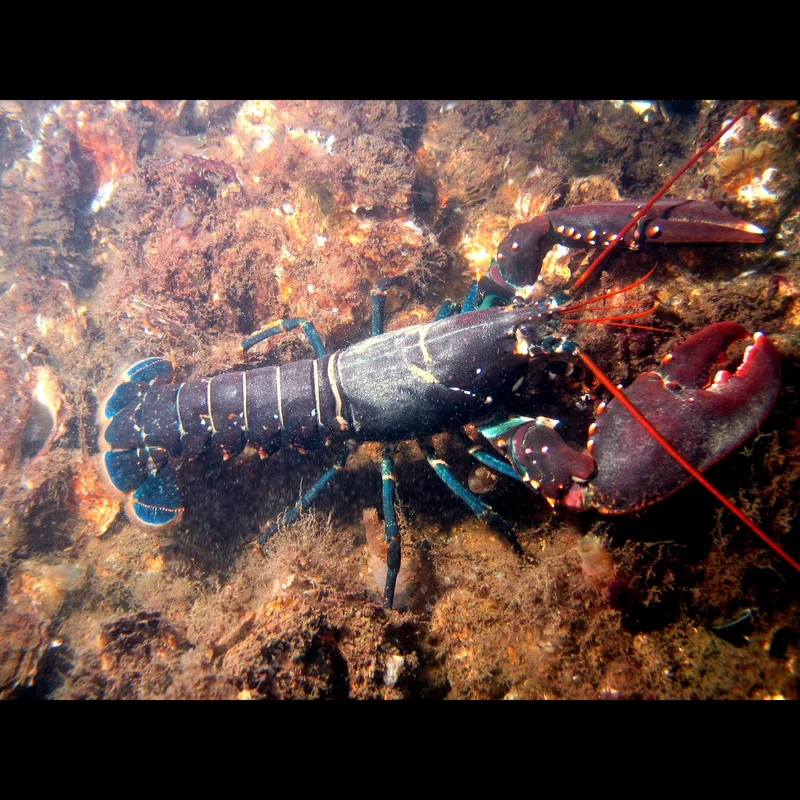
Examining the many nooks and crannies reveals a host of smaller creatures, including various shrimps, velvet swimming crabs, and pipefish. In larger crevices, hidden amongst the mangled metal, it's possible to encounter more substantial crustaceans such as lobsters or edible crabs.
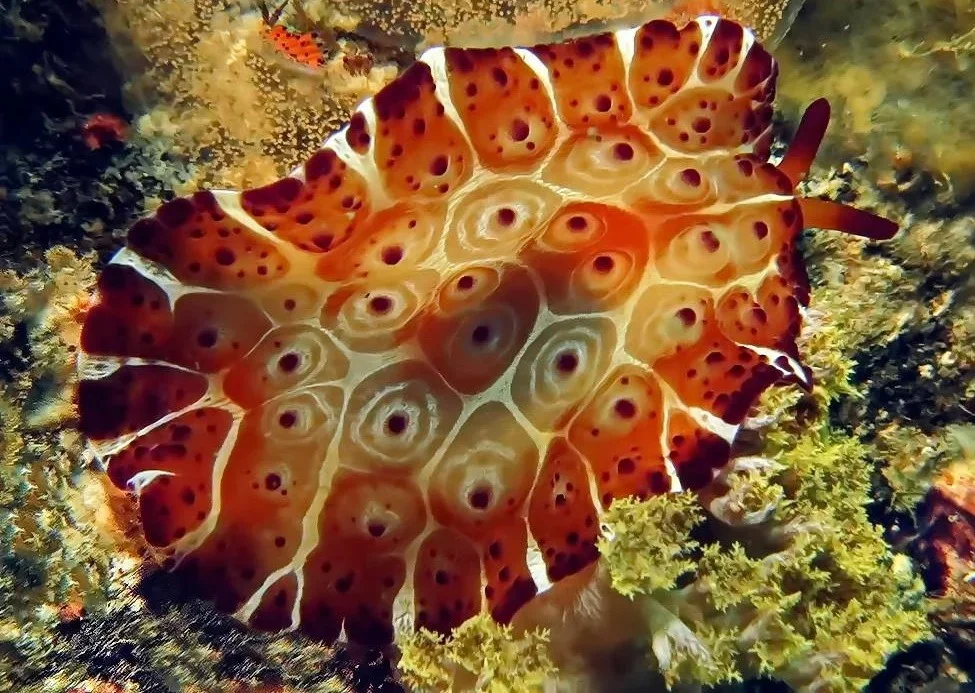
Towards the stern, an abundance of nudibranchs can be found, with crystal sea slugs and violet slugs being particularly flamboyant and popular with macro photographers. Look closely in barren sandy areas for small flatfish.
Dive Centers Near The Rosalie (Wreck), Weybourne
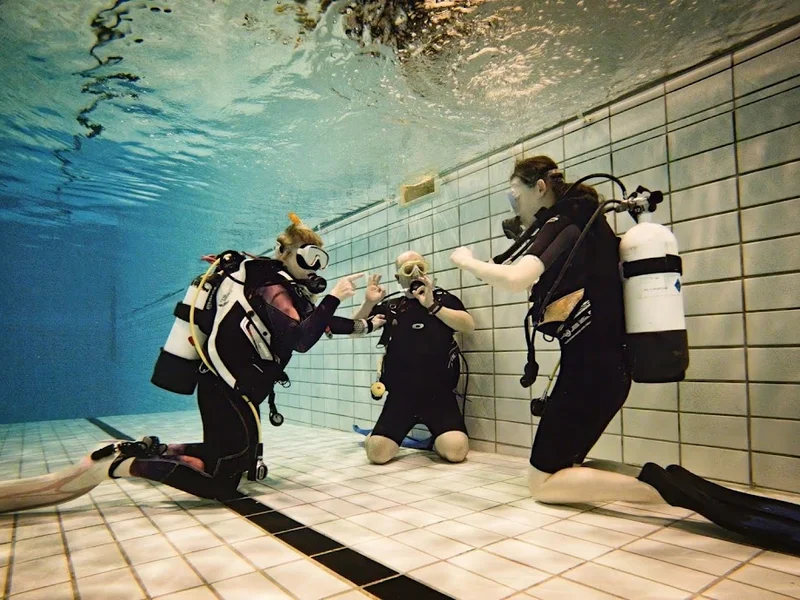
Nearest Airports
Nearest airports to help plan travel to this dive area.
Search Flights
Check available flights and routes on Expedia, using the nearby airports listed in this section.
Search Flights on ExpediaFrequently Asked Questions
What is the maximum depth of the Rosalie wreck?
The Rosalie wreck lies in a maximum depth of 10m (33 ft) at high tide. Shallower sections, particularly near the bow, can be found around 5m (16 ft).
What is the recommended experience level for diving the Rosalie?
The Rosalie is generally suitable for novice divers due to its shallow depth. However, managing the long beach entry and understanding tidal patterns are important considerations.
How do you access the Rosalie from the shore?
Access involves a walk of 450-500m (1,476-1,640 ft) along Weybourne beach, followed by a surface swim of approximately 180m (590 ft) to the wreck. It's best to carry your kit in stages.
What are the typical visibility conditions?
Visibility varies with conditions, but it can reach up to 8m (26 ft) during the summer months, specifically from June to September. Visibility is often better at slack high tide.
Why is it crucial to dive at slack tide?
Diving at slack tide is essential because strong currents prevail at other times, making the site unsafe. Slack tide typically occurs about two hours after low or high tide at Cromer.
Can the Rosalie and Vera wrecks be dived on the same day?
Yes, it is possible to dive both the Rosalie and the Vera on the same day. You will need to plan for a surface interval of approximately six hours between dives.
Planning to dive The Rosalie (Wreck), Weybourne?
Send one inquiry and receive offers directly from the best verified local dive operators.
Conditions are Moderate
High Wind Advisory (40km/h). Unsafe surface.
Current conditions near The Rosalie (Wreck), Weybourne show 16° air, 18° sea temperature, 0.8 m waves, and 40 km/h wind. Forecast data is refreshed regularly to ensure accuracy.