
Diving at 1 Mile Reef, Site 3-8 (United States)
Expert Tip: Divers exploring coastal Florida waters, such as those near 1 Mile Reef, should always prioritize detailed dive planning. Understanding the local current patterns and potential for tidal influences is critical for a safe and enjoyable experience. This region, often characterized by its diverse underwater terrain, benefits from careful site assessment before entry. Always consult local operators for up-to-the-minute conditions; surface conditions don't always reflect what's happening below.
Evening condition tracking at 1 Mile Reef, Site 3-8 features an air temperature of 25.5°C. We have recorded wave heights measuring 0.2 m during this period. These figures outline the environmental parameters currently present.
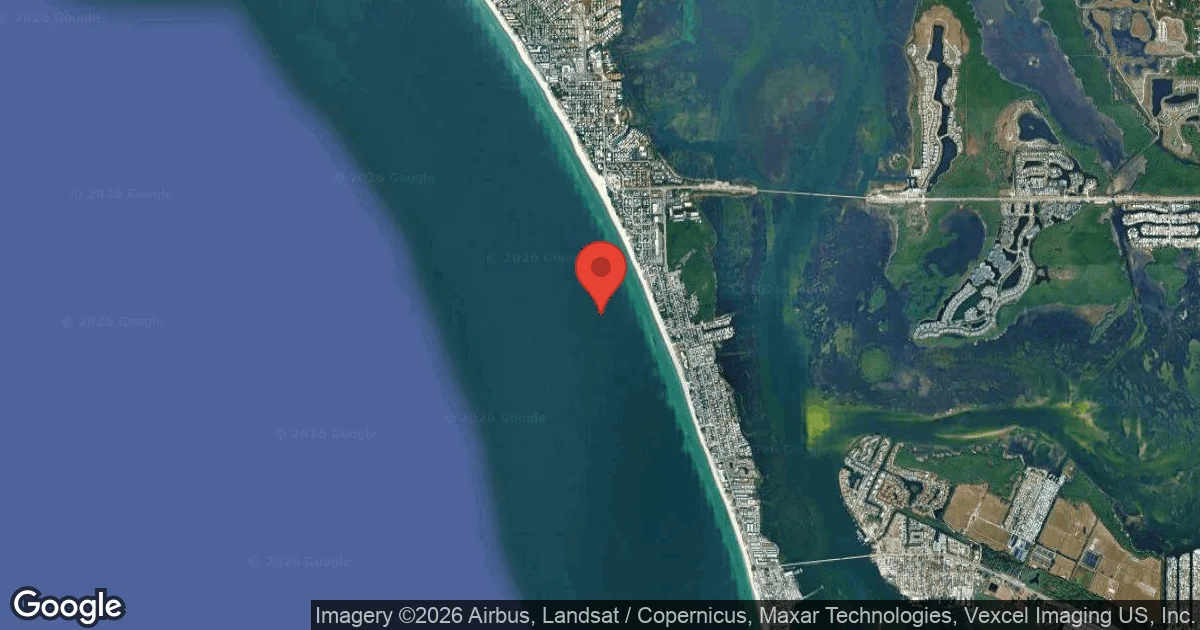
Dive Site Location & Key Facts
Dive Site Overview
Embarking on a dive near 1 Mile Reef means immersing yourself in a diverse underwater landscape, typical of Florida's nearshore ocean environment. Explorers navigate across vibrant reef sections interspersed with stretches of sandy bottom, uncovering the intricate ecosystems thriving within this dynamic area.
Dive profiles generally remain within recreational limits, reaching depths that can extend to approximately 30 m (100 ft), depending on the specific location within the broader site. This offers ample time for observation. The varying terrain supports a range of habitats, from small rocky outcroppings providing shelter to open sand flats where various bottom dwellers forage.
Conditions here often present a clear saltwater environment, inviting divers to appreciate the subtle shifts in marine topography. From the vibrant colors of tropical fish darting among coral patches to the more muted tones of the seafloor, each dive reveals new layers of discovery.
Conditions are Good
Optimal conditions expected
Current conditions near 1 Mile Reef, Site 3-8 show 26° air, 31° sea temperature, 0.3 m waves, and 23 km/h wind. Forecast data is refreshed regularly to ensure accuracy.
Best Time to Dive
Planning a visit to 1 Mile Reef should primarily consider maximizing visibility, which tends to be more consistent during calmer periods. Historically, the months from May through September generally provide "Excellent" or "Good" dive scores, indicating more favorable overall conditions. During this warmer season, average air temperatures range from 25.5°C (78°F) in May to 29°C (84°F) in August, contributing to a more comfortable surface interval. Rainfall tends to be higher in late summer, particularly in August, which could temporarily impact local visibility closer to shore due to runoff. Conversely, the drier months, such as November and April, with less than 2 mm of rain on average, might offer better clarity further offshore, even if air temperatures are cooler. Though water temperature data is not consistently reported for this specific area, the generally warmer air during peak dive season often correlates with more temperate water.
PEAK SEASON SCORE
Scores combine air & water temps, waves, wind & rainfall for overall conditions.
BEST MONTHS TO DIVE
Monthly records compiled from satellite and marine observation nodes over the last 3 years. Data provided by Open-Meteo and MET Norway.
Dive Experience & Conditions
Descending into the waters around 1 Mile Reef, divers are met with a palpable sense of the dynamic ocean environment. The experience typically involves navigating saltwater, where conditions can vary; expect the possibility of currents and tidal influences, as is common in many coastal Florida dive sites. While specific water temperature data for this site isn't uniformly available, the air temperatures throughout much of the year suggest a generally comfortable environment. On some days, the water might feel placid, allowing for relaxed exploration of the reef structures and sandy patches. Other times, a gentle push from the current adds an element of drift, carrying you past schools of fish and bottom dwellers. Visibility can shift with weather patterns, often clearer on calm days.
Dive Difficulty & Safety Guidelines
Successfully navigating 1 Mile Reef involves anticipating and appropriately responding to potential challenges. Given the possibility of strong currents and tidal movements common in coastal areas, thorough dive planning and excellent buoyancy control are paramount. Divers should always carry a Delayed Surface Marker Buoy (DSMB) to signal their position to surface support, especially if drift diving is anticipated.
It's crucial to respect the marine environment by avoiding contact with marine life and refraining from collecting any underwater artifacts, as these provide essential habitat. Practicing responsible diving also means being a marine debris crusader; carry away any trash encountered to protect marine organisms from entanglement or ingestion. Always dive within your certification limits.
Recommended Equipment
- Dive Computer
This gear list is based on verified equipment signals for 1 Mile Reef, Site 3-8, United States. Always confirm final gear choices with your dive operator, guide, or liveaboard.
Recommended Dive Suit
Exposure protection is partly a personal preference.
Dive skin or rash guard typically provides a reliable level of thermal protection for dives here. A hood or vest is suggested for sensitive divers due to surface winds. Environmental conditions are expected to remain consistent in the short-term outlook.
Water temperatures across the dive area at 1 Mile Reef, Site 3-8 are presently estimated to be around 31°C (87°F). Surface air temperatures are resting at 26°C (78°F).
Emergency & Medical Support
Essential information to help you plan your dive trip to 1 Mile Reef, Site 3-8.

Hyperbaric chambers are a critical part of dive safety infrastructure. Availability varies significantly by region, and not all dive areas have immediate access.
Before diving, it's recommended to:
- confirm nearest medical facilities
- check emergency procedures with local dive operators
- ensure dive insurance covers evacuation if required
Divers Alert Network
Diving emergency assistance available through DAN World.
+1-919-684-9111- 24/7 emergency hotline
- Diving medical assistance
- Evacuation coordination
Emergency contacts are provided for reference. Always verify local emergency services before diving.
Marine Life at 1 Mile Reef, Site 3-8
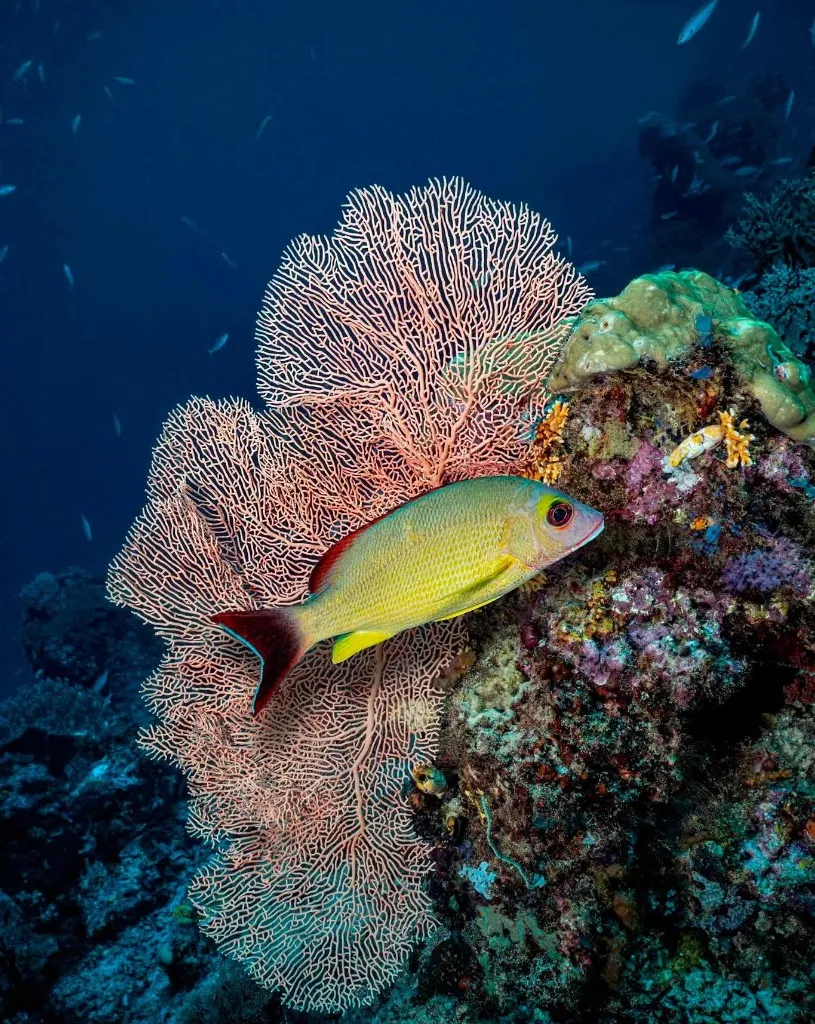
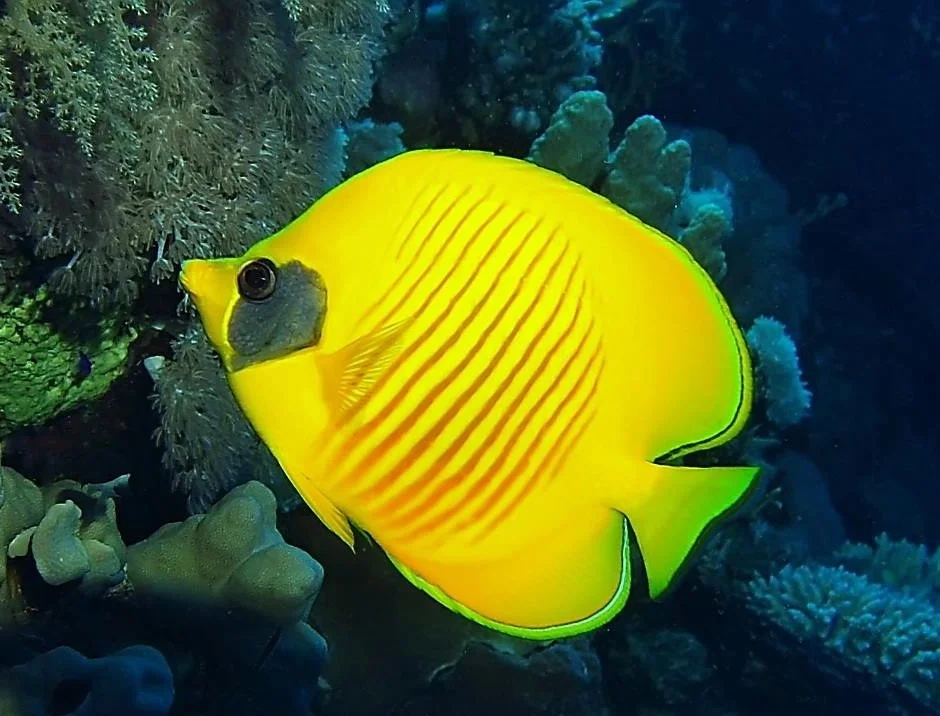
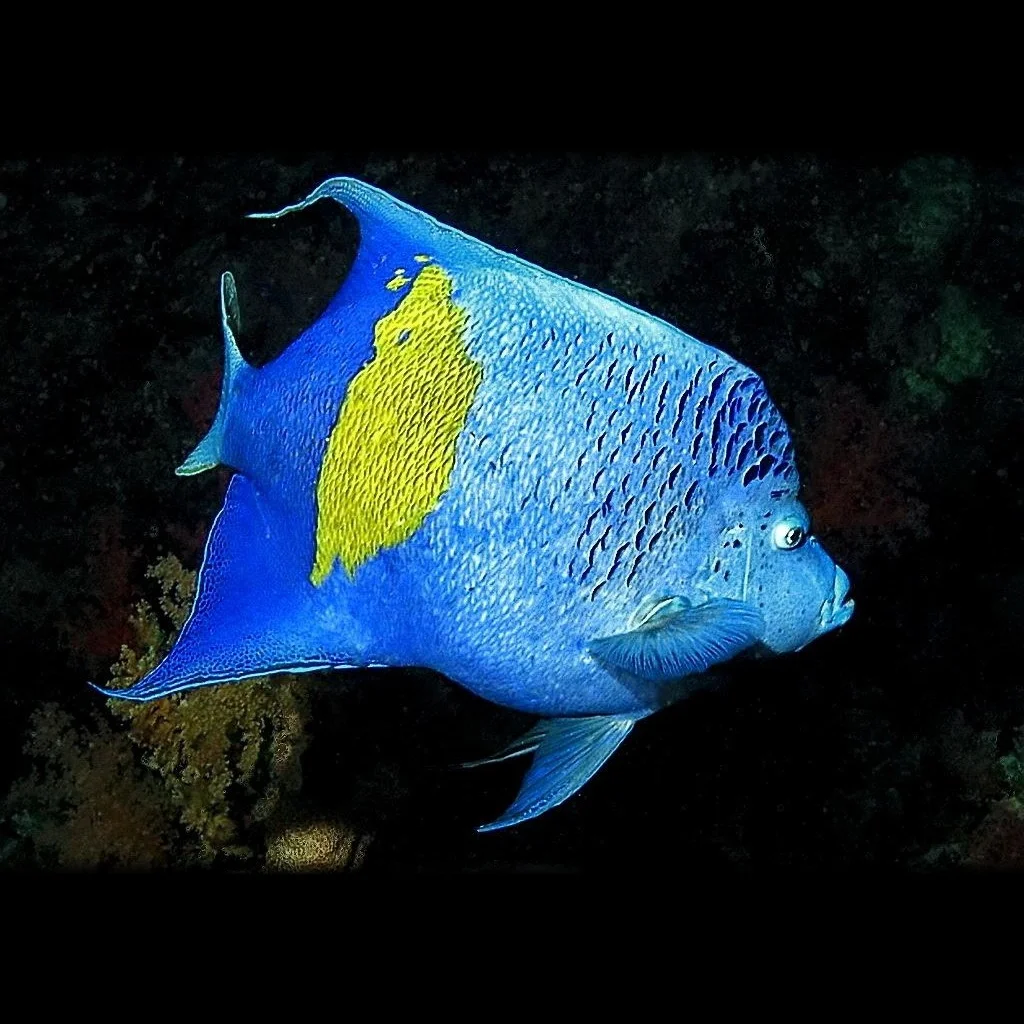
Beneath the surface at 1 Mile Reef, an active ecosystem presents a lively display of marine creatures. Common sightings include various angelfish and butterflyfish, adding splashes of color to the reef.
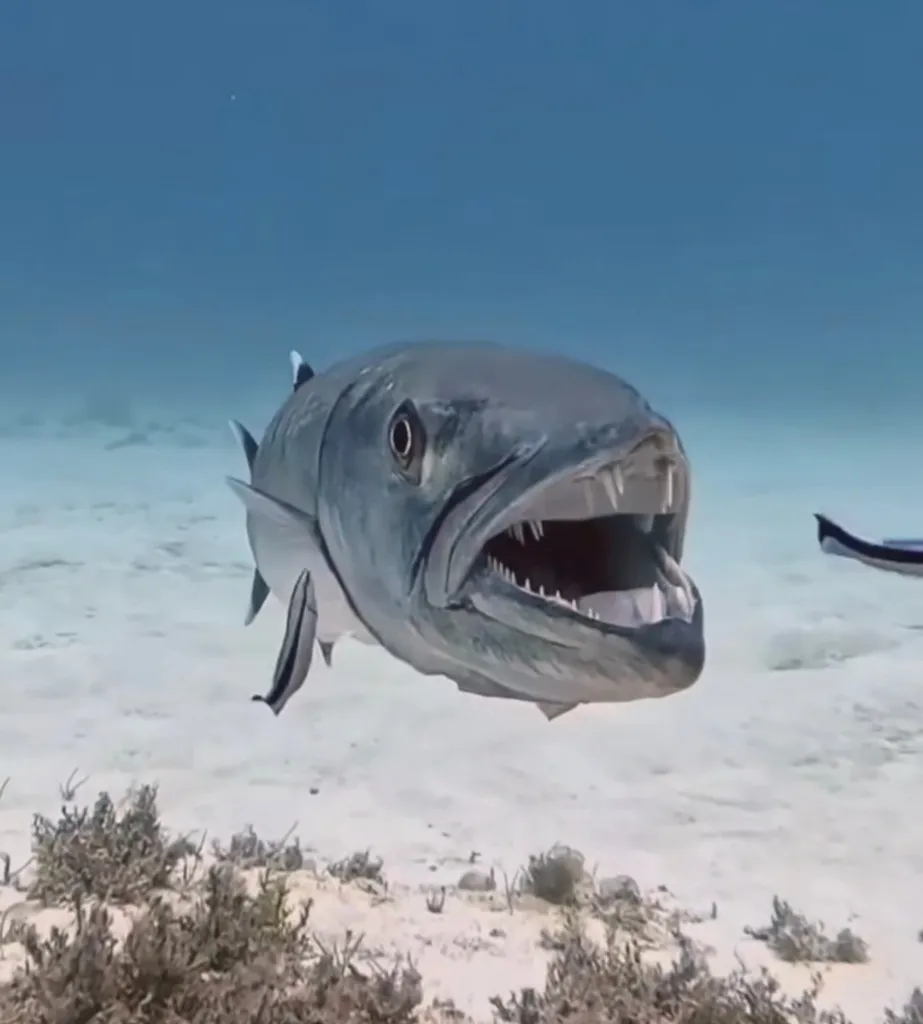
Schools of snapper and porkfish are frequently encountered, often swimming in unison. Divers might spot barracuda patrolling the water column or observe grouper, including the impressive goliath grouper, resting near the reef structure.
Keep an eye on the sandy bottom for sheepshead and wrasse, diligently foraging. The site also provides opportunities to see snook fish and hogfish, adding to the diversity of fish species.

Dive Sites Near 1 Mile Reef, Site 3-8
View all dive sites in United StatesDiscover more underwater gems in this area.
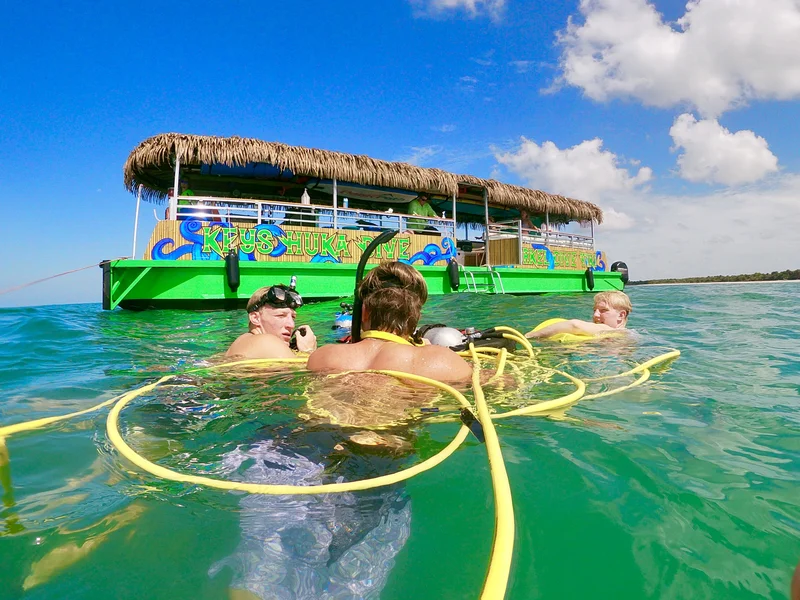
Dive Centers Near 1 Mile Reef, Site 3-8
Today: 09:00 - 18:00
Nearest Airports
Nearest airports to help plan travel to this dive area.
Search Flights
Check available flights and routes on Expedia, using the nearby airports listed in this section.
Search Flights on Expedia
Plan Your Stay
Looking for a place to stay for your dive trip? Explore hotels, stays, and vacation rentals for dive groups near Holmes Beach.
Dive Navigator may earn a commission from these links at no extra cost to you.
Frequently Asked Questions
Is technical diving allowed at 1 Mile Reef?
Yes, technical diving is generally allowed in National Marine Sanctuaries and similar areas, as authorities encourage sustainable diving practices. Each location may have specific guidelines, but the overall intent is to welcome divers.
What kind of marine terrain can I expect to see?
A combination of reef structures and sandy bottom areas characterizes the site, typical of an ocean dive. Such varied topography creates diverse habitats for different marine species.
Are strong currents a concern at this dive site?
Conditions can include strong currents and tides, similar to other coastal US dive sites. It's advisable to check local conditions on the day of your dive and plan accordingly, potentially with a guide.
What are some common fish species observed here?
Divers frequently observe barracuda, various types of grouper, angelfish, butterflyfish, snapper, porkfish, sheepshead, wrasse, goliath grouper, snook fish, and hogfish. The diversity of fish is a key attraction.
Should I bring my own dive gear or rent it?
It's recommended to bring your own specialized gear, though air tanks can often be rented locally. Essential items like a dive computer and surface marker buoy are important for safety and navigation.
What is the typical dive depth range?
Dive profiles at 1 Mile Reef generally fall within recreational limits. Depths can extend to around 30 m (100 ft), offering ample exploration time for certified divers.
Planning to dive 1 Mile Reef, Site 3-8?
Send one inquiry and receive offers directly from the best verified local dive operators.
Conditions are Good
Optimal conditions expected
Current conditions near 1 Mile Reef, Site 3-8 show 26° air, 31° sea temperature, 0.3 m waves, and 23 km/h wind. Forecast data is refreshed regularly to ensure accuracy.