
Diving at Buddy Merrit (United States)
Navigating the areas where dive services operate can present specific hazards for divers. Awareness of active boat traffic and potential entanglement from lines or debris is crucial for any underwater task. These working environments, unlike typical recreational dive sites, demand heightened vigilance and adherence to specialized safety protocols.
Evening condition tracking at Buddy Merrit features an air temperature of 27°C. We have recorded wave heights measuring 0.6 m during this period. These figures outline the environmental parameters currently present.
Dive Site Location & Key Facts
Dive Site Overview
Undertaking underwater service work with Brennen Merritt involves specialized interventions, moving beyond typical recreational dives. Focusing entirely on practical marine infrastructure tasks, such as meticulous hull inspections, precise zinc replacements, and critical propeller disentanglements, divers performing these roles directly engage with submerged components of vessels, ensuring their optimal function and longevity.
Work of this nature demands a different kind of dive planning, often operating within recreational depth limits to maintain access to boat hulls and moorings. Operational environments can vary dramatically, from the generally clearer, warmer waters found in regions like Florida, where visibility might be more forgiving, to the often more dynamic and rugged coastal conditions prevalent along Washington's shores, where Merritt holds extensive experience.
Adapting to these regional differences, which can include diverse water temperatures and currents, is a cornerstone of effective underwater service delivery. Rather than passive observation, it's about active problem-solving beneath the surface, ensuring vital vessel maintenance is completed efficiently and safely.
Conditions are Good
Optimal conditions expected
Current conditions near Buddy Merrit show 27° air, 31° sea temperature, 0.7 m waves, and 21 km/h wind. Forecast data is refreshed regularly to ensure accuracy.
Best Time to Dive
Optimizing conditions for underwater service work often means targeting periods of reduced wave action and calmer winds. Climate data for general US coastal regions indicates consistently good dive scores from May through August, largely due to lower wave heights, which can be as minimal as 0.5 m (1.6 ft) in July, and moderate winds around 14.6-18.4 km/h (9-11 mph). During these months, air temperatures typically range from 26.5-28°C (80-82°F), making surface intervals more comfortable. Rain levels generally peak in September with around 9.5 mm, while the driest months are February and January, with around 1.7-1.9 mm. March and April see moderate dive scores, with wave heights around 1.1-1.2 m (3.6-3.9 ft) and higher wind speeds, which might make precision work more challenging. Water temperature is not consistently reported for all operational areas but often correlates with air temperature trends, remaining pleasantly warm in southern regions.
PEAK SEASON SCORE
Scores combine air & water temps, waves, wind & rainfall for overall conditions.
BEST MONTHS TO DIVE
Monthly records compiled from satellite and marine observation nodes over the last 3 years. Data provided by Open-Meteo and MET Norway.
Dive Experience & Conditions
Conditions for undertaking underwater maintenance tasks can fluctuate significantly based on the specific location and local dynamics. In sheltered marina environments, visibility may be reduced by stirred sediment or boat activity, even in otherwise clear waters. Conversely, locations in more open coastal areas, such as the Straits of San Juan de Fuca, can involve strong tidal currents and cooler temperatures, demanding advanced current diving techniques. While specific water temperatures are not consistently reported for all operational zones, general conditions in warmer regions can see waters in the 22-27°C (72-81°F) range, while colder regions require drysuit protection. These varying conditions necessitate flexible dive planning and equipment selection, prioritizing safety and operational efficiency during critical work tasks. The nature of the work often keeps divers within recreational depth limits, focusing on accessibility to boat hulls and moorings.
Dive Difficulty & Safety Guidelines
Executing underwater services requires strict adherence to safety protocols, particularly in environments shared with active vessels. Divers must always remain vigilant for boat traffic and propeller activity, establishing clear communication protocols with surface support. Entanglement hazards from discarded lines, fishing gear, or propellerfouling can be significant, necessitating a sharp knife or cutting tool.
Given the often-reduced visibility around docks and working boats, reliable dive lights are essential. Maintaining a positive buoyancy control and being mindful of vessel stability during operations are key for diver safety and task efficiency.
Always ensure you have appropriate training and certifications for commercial or specialized underwater work if performing these tasks professionally.
Recommended Equipment
- Dive Computer
This gear list is based on verified equipment signals for Buddy Merrit, United States. Always confirm final gear choices with your dive operator, guide, or liveaboard.
Recommended Dive Suit
Individual comfort in the water can vary significantly from diver to diver, even under the same conditions.
For most recreational dives, dive skin or rash guard should provide comfortable protection. A hood or vest is suggested for sensitive divers due to surface winds. Forecast conditions over the next few days suggest temperatures will remain relatively stable.
Water temperatures across the dive area at Buddy Merrit are presently estimated to be around 31°C (88°F). Surface air temperatures are resting at 27°C (80°F).
Due to technical issues with our weather providers, data hasn't been fetched for over 48 hours. The data above reflects the conditions at the time of the last successful fetch.
Emergency & Medical Support
Essential information to help you plan your dive trip to Buddy Merrit.

Hyperbaric chambers are a critical part of dive safety infrastructure. Availability varies significantly by region, and not all dive areas have immediate access.
Before diving, it's recommended to:
- confirm nearest medical facilities
- check emergency procedures with local dive operators
- ensure dive insurance covers evacuation if required
Divers Alert Network
Diving emergency assistance available through DAN World.
+1-919-684-9111- 24/7 emergency hotline
- Diving medical assistance
- Evacuation coordination
Emergency contacts are provided for reference. Always verify local emergency services before diving.
Marine Life at Buddy Merrit
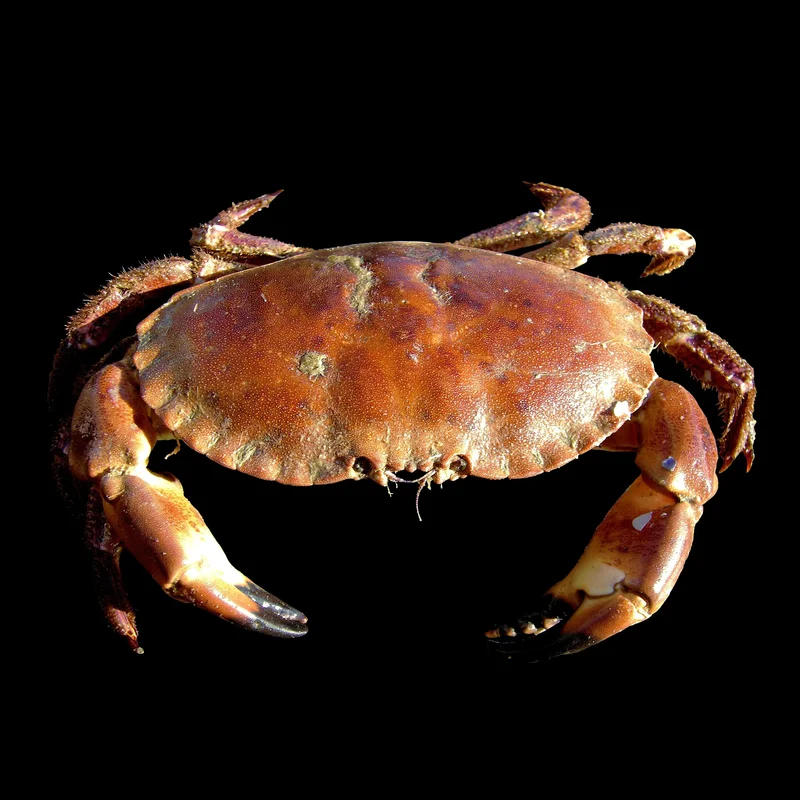
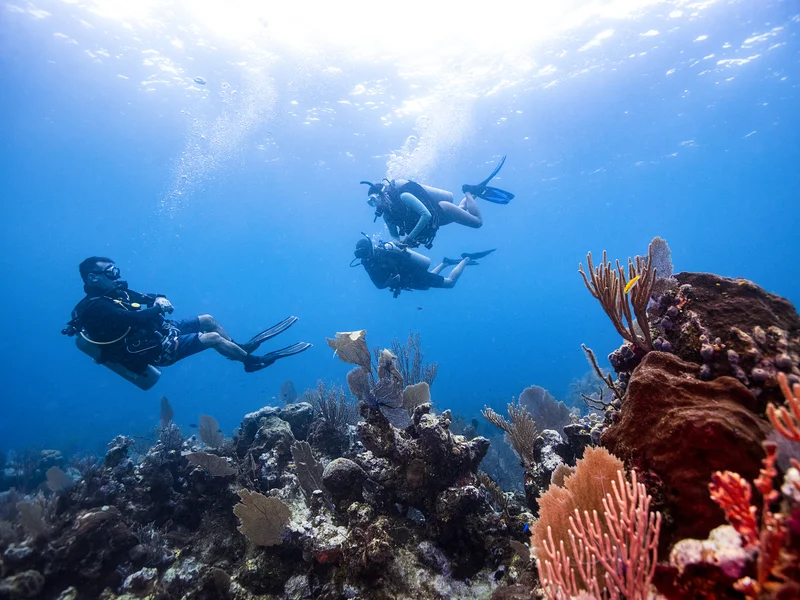
While the primary focus of these dives is often structural integrity and maintenance, the underwater landscapes around vessels and marinas still host a variety of marine life. Divers frequently observe fouling organisms like barnacles and mussels attached to boat hulls, which can attract smaller opportunistic fish species.
In cleaner, warmer waters, schools of baitfish might dart around pilings, and various crabs and juvenile fish often seek refuge among the structures. Observing this ecosystem, even when focused on a technical task, offers a subtle connection to the surrounding aquatic environment.
Deeper sections or areas further from heavy vessel traffic can occasionally reveal larger invertebrates or passing migratory species, depending on the specific operational zone.

Dive Sites Near Buddy Merrit
View all dive sites in United StatesDiscover more underwater gems in this area.
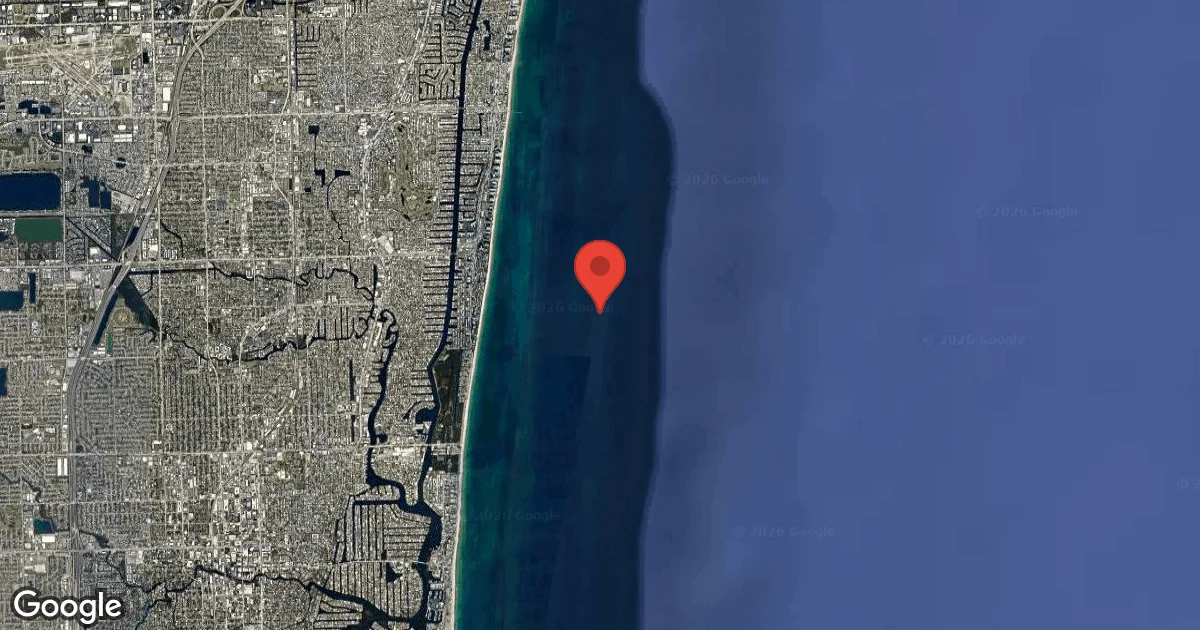
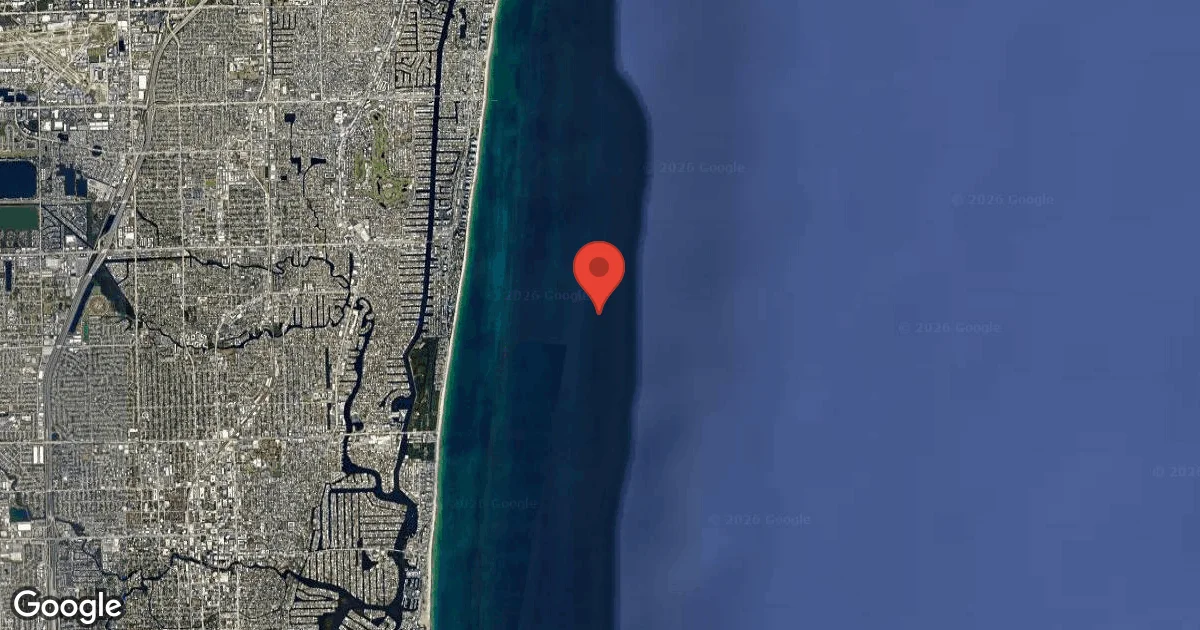
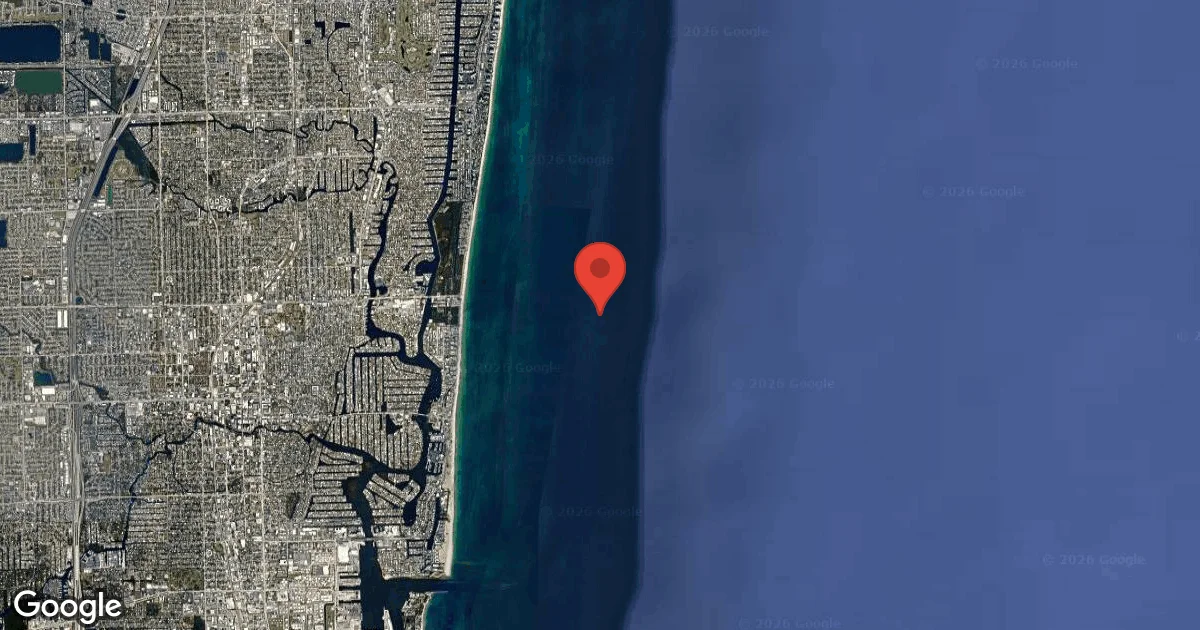
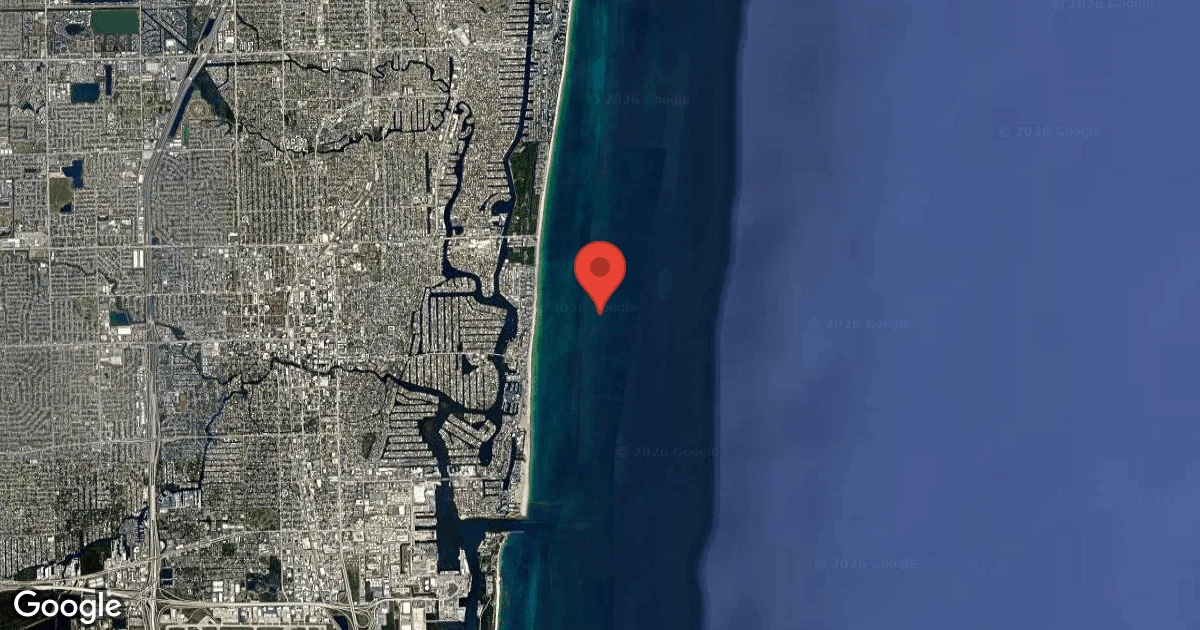
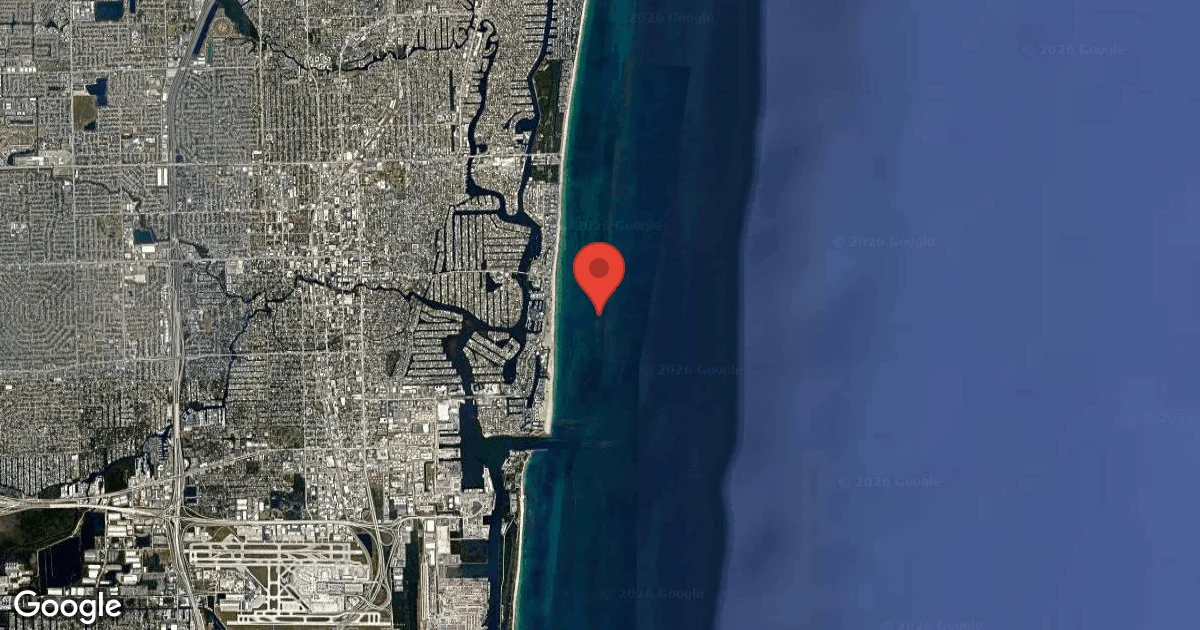
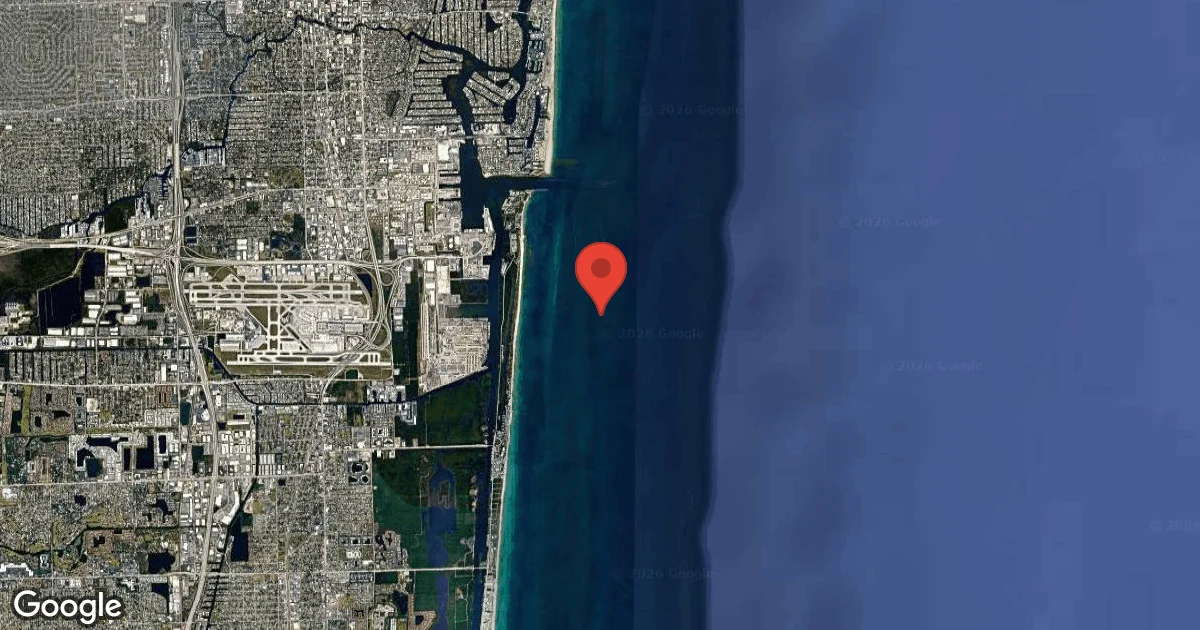
Dive Centers Near Buddy Merrit
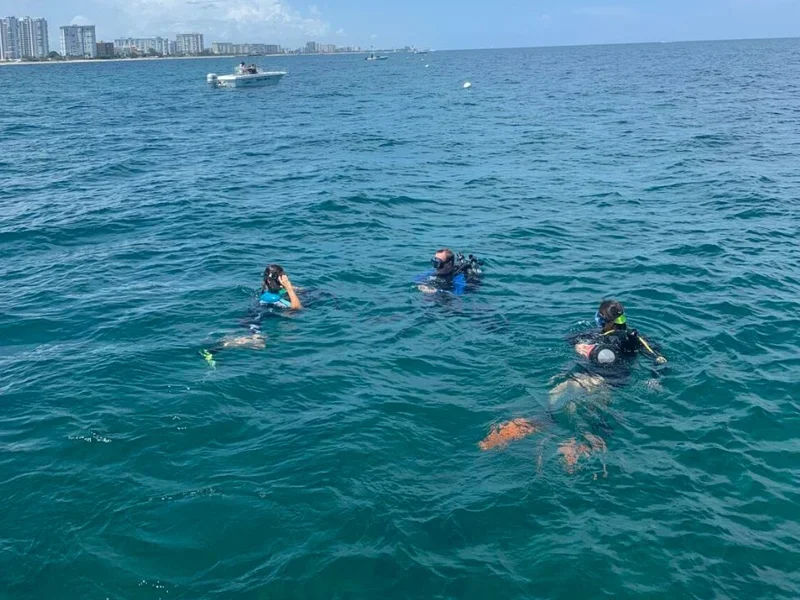
Today: 07:30 - 17:00
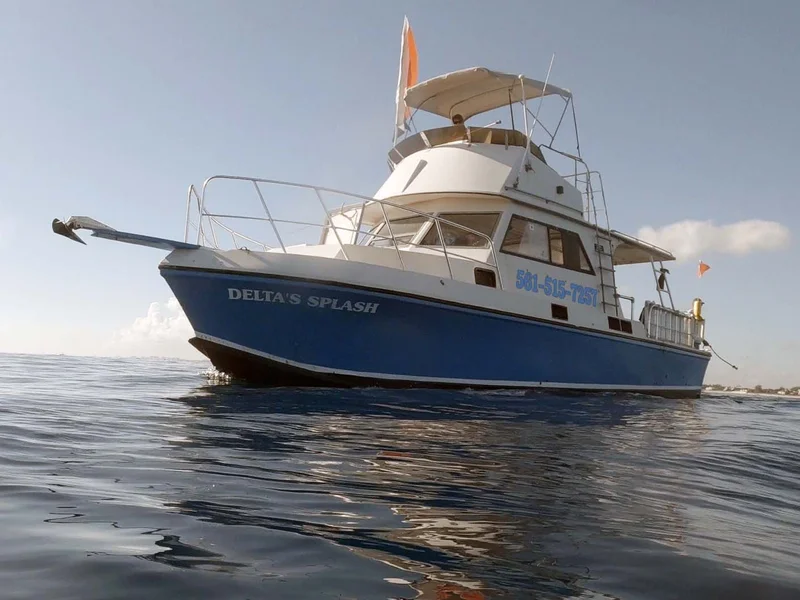
Nearest Airports
Nearest airports to help plan travel to this dive area.
Search Flights
Check available flights and routes on Expedia, using the nearby airports listed in this section.
Search Flights on Expedia
Plan Your Stay
Looking for a place to stay for your dive trip? Explore hotels, stays, and vacation rentals for dive groups near Terra Mar.
Dive Navigator may earn a commission from these links at no extra cost to you.
Frequently Asked Questions
What types of underwater services does Brennen Merritt provide?
Brennen Merritt and his services focus on essential vessel maintenance. This includes hull inspections, zinc replacements to prevent corrosion, and the critical task of cutting ropes or debris from propellers. He performs various underwater maintenance operations for boat owners.
Where does Brennen Merritt typically operate his diving services?
His experience spans diverse US coastal environments, from the tropical waters of Florida to the rugged shorelines and straits of Washington. This varied background allows him to adapt to different regional conditions and operational demands.
What are the common challenges when performing underwater boat maintenance?
Divers often face challenges such as variable visibility due to sediment, potential entanglement hazards from lines, and active boat traffic in marina settings. Strong currents can also be a factor in certain areas, particularly in waterways like the San Juan de Fuca Straits.
Is specialized training required for this type of diving?
Beyond standard recreational dive certification, specialized training in commercial diving or underwater marine repair can be highly beneficial. Understanding task-specific techniques and safety protocols for working around vessels is crucial for these operations.
What are the best conditions for hull inspections and zinc replacement?
Calmer weather with minimal waves and moderate winds generally provides the best conditions for efficient underwater work. Reduced water movement enhances visibility and allows for more precise task execution, making the dive safer and more productive.
How important is communication during underwater service dives?
Effective communication between the diver and surface support is paramount for safety and efficiency. Clear protocols ensure that any issues, progress updates, or changes in conditions are relayed promptly, minimizing risks in a working environment.
Planning to dive Buddy Merrit?
Send one inquiry and receive offers directly from the best verified local dive operators.
Conditions are Good
Optimal conditions expected
Current conditions near Buddy Merrit show 27° air, 31° sea temperature, 0.7 m waves, and 21 km/h wind. Forecast data is refreshed regularly to ensure accuracy.