
Diving at Bug Light Reef - Phase 2 (D) (United States)
Bug Light Reef - Phase 2 (D) represents a component of ongoing artificial reef development initiatives in the United States. These projects strategically deploy various materials to create new marine habitats and recreational dive sites. Historically, artificial reefs like this one contribute to ecological restoration and provide significant benefits for local marine ecosystems. Such efforts enhance biodiversity and offer structured environments for divers to explore, extending the underwater landscape.
Evening condition tracking at Bug Light Reef - Phase 2 (D) features an air temperature of 25.5°C. We have recorded wave heights measuring 0.5 m during this period. These figures outline the environmental parameters currently present.
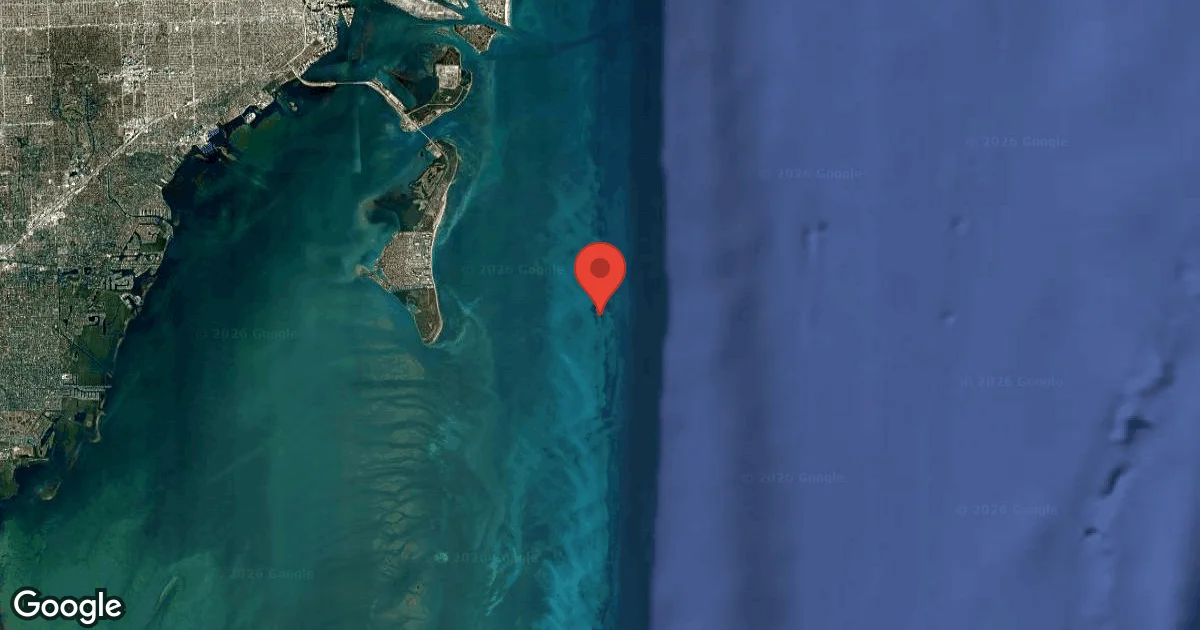
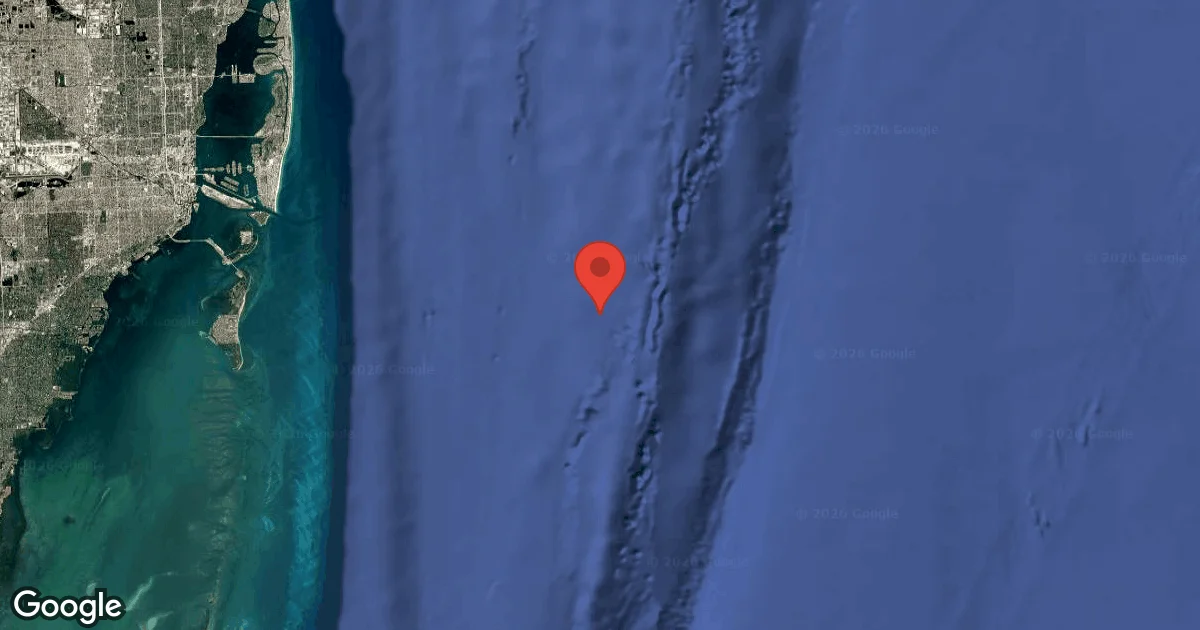
Dive Site Location & Key Facts
Dive Site Overview
An artificial reef site, Bug Light Reef - Phase 2 (D) typically consists of purpose-sunk materials designed to foster marine life. While specific details for this phase aren't consistently reported, similar artificial reef deployments in the region often feature structures like reef balls, concrete elements, and limestone boulders.
These installations rise from the seafloor, providing relief for invertebrate attachment and fish aggregation. Recreational depths are generally encountered here, often ranging between approximately 7 to 22 meters (24 to 72 ft), offering accessible diving for various certification levels. Such structures create a varied underwater terrain, contrasting with naturally flat bottom environments.
The goal of these deployments is to establish complex habitats where marine organisms can thrive, transforming barren stretches into vibrant ecosystems. Divers navigating these sites encounter a series of nooks and crannies within the artificial topography, making for interesting exploration.
Conditions are Good
Optimal conditions expected
Current conditions near Bug Light Reef - Phase 2 (D) show 26° air, 31° sea temperature, 0.3 m waves, and 19 km/h wind. Forecast data is refreshed regularly to ensure accuracy.
Best Time to Dive
Optimizing a dive trip to Bug Light Reef - Phase 2 (D) involves considering seasonal patterns, particularly for better visibility. The period from May through September generally offers more favorable surface conditions, which can contribute to clearer underwater views. During July, the region experiences some of its calmest seas, with average wave heights around 0.4 meters (1.3 ft) and lighter winds averaging 15.6 km/h (9.7 mph). Air temperatures during these summer months are pleasantly warm, ranging from 27°C to 28.5°C (81-83°F). Rain is less of a factor in July, averaging 4.02 mm (0.16 in), compared to a June average of 9.4 mm (0.37 in). Conversely, winter months, particularly December, present rougher conditions with wave heights peaking around 0.9 meters (3.0 ft) and winds over 20 km/h (12.4 mph), potentially reducing visibility and dive comfort. While year-round diving is possible due to good overall dive scores (7-9), focusing on the summer-fall transition typically provides the most enjoyable experience.
PEAK SEASON SCORE
Scores combine air & water temps, waves, wind & rainfall for overall conditions.
BEST MONTHS TO DIVE
Monthly records compiled from satellite and marine observation nodes over the last 3 years. Data provided by Open-Meteo and MET Norway.
Dive Experience & Conditions
Diving Bug Light Reef - Phase 2 (D) offers a profile characteristic of many regional artificial reefs. Depths at similar sites typically span from around 7 meters (24 ft) in shallower sections to maximum depths approaching 22 meters (72 ft). This depth range makes the site suitable for Open Water certified divers. Conditions can vary, but generally, the currents are manageable, presenting a mild drift potential depending on tidal flows. Water temperatures are not consistently reported but are expected to align with regional subtropical norms, offering comfortable diving for much of the year. Surface conditions, influenced by regional climate, often feature calmer seas and lighter winds during late spring and summer. As an artificial structure, expect to navigate around concrete and boulder features, which provide shelter for smaller marine life and contribute to the site's habitat complexity.
Dive Difficulty & Safety Guidelines
Approaching any artificial reef requires awareness of its structural components, as shifting bottom sediments or marine growth could present entanglement points. Always maintain proper buoyancy control to avoid damaging the reef structure or stirring up silt, which quickly diminishes visibility. Currents, while typically mild in this region, can vary, necessitating attention to dive planning and entry/exit strategies.
Carrying a surface marker buoy (SMB) is advisable, especially if surface conditions are choppy or boat traffic is present. There are no consistently reported specific hazards for this site, but general diving safety protocols apply.
Divers should ensure their equipment is well-maintained and always dive within their certification limits. Buddy system adherence is crucial for a safe and enjoyable experience on artificial reefs.
Recommended Equipment
- Dive Computer
This gear list is based on verified equipment signals for Bug Light Reef - Phase 2 (D), United States. Always confirm final gear choices with your dive operator, guide, or liveaboard.
Recommended Dive Suit
For dives of average duration, dive skin or rash guard usually provides sufficient protection from heat loss. A hood or vest is suggested for sensitive divers due to surface winds.
Divers planning a dive at Bug Light Reef - Phase 2 (D) today will likely encounter water temperatures close to 31°C (88°F). Surface air temperatures are resting at 26°C (78°F).
Conditions are expected to stay fairly consistent in the days ahead.
Due to technical issues with our weather providers, data hasn't been fetched for over 48 hours. The data above reflects the conditions at the time of the last successful fetch.
Emergency & Medical Support
Essential information to help you plan your dive trip to Bug Light Reef - Phase 2 (D).

Hyperbaric chambers are a critical part of dive safety infrastructure. Availability varies significantly by region, and not all dive areas have immediate access.
Before diving, it's recommended to:
- confirm nearest medical facilities
- check emergency procedures with local dive operators
- ensure dive insurance covers evacuation if required
Divers Alert Network
Diving emergency assistance available through DAN World.
+1-919-684-9111- 24/7 emergency hotline
- Diving medical assistance
- Evacuation coordination
Emergency contacts are provided for reference. Always verify local emergency services before diving.
Marine Life at Bug Light Reef - Phase 2 (D)
Upon descending to Bug Light Reef - Phase 2 (D), divers will first notice the marine life colonizing the artificial structures. Expect to observe various hard and soft corals attaching to the reef balls and concrete elements, creating new mini-ecosystems.
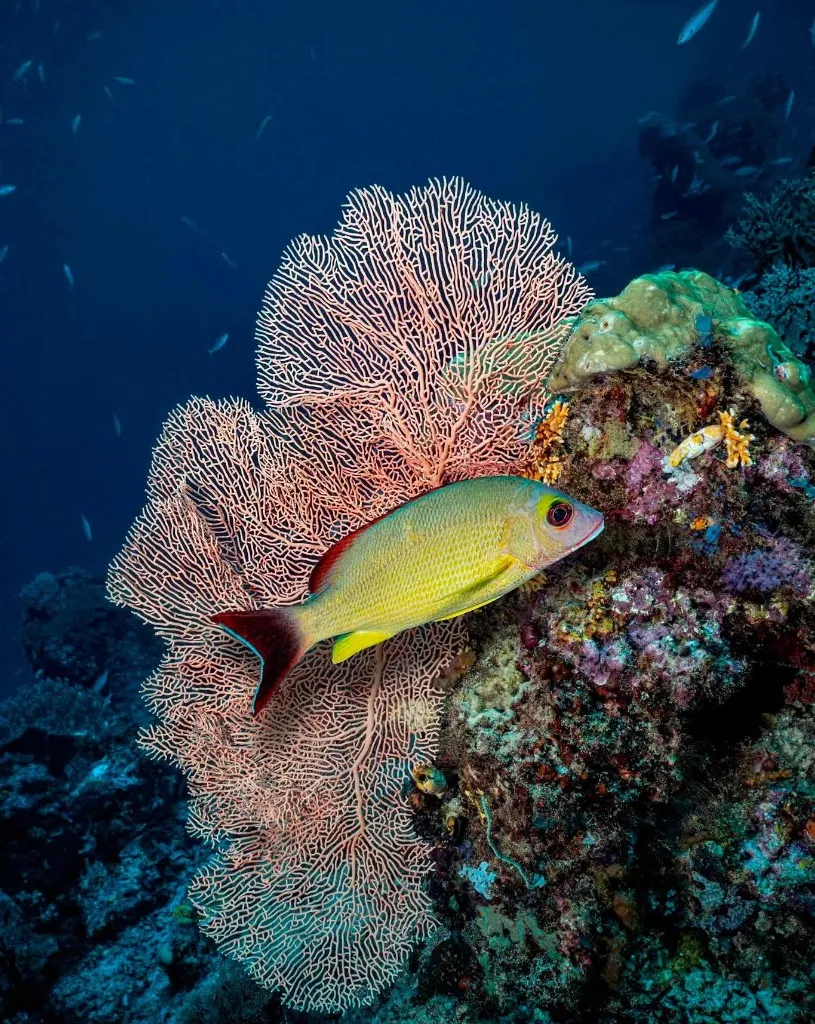
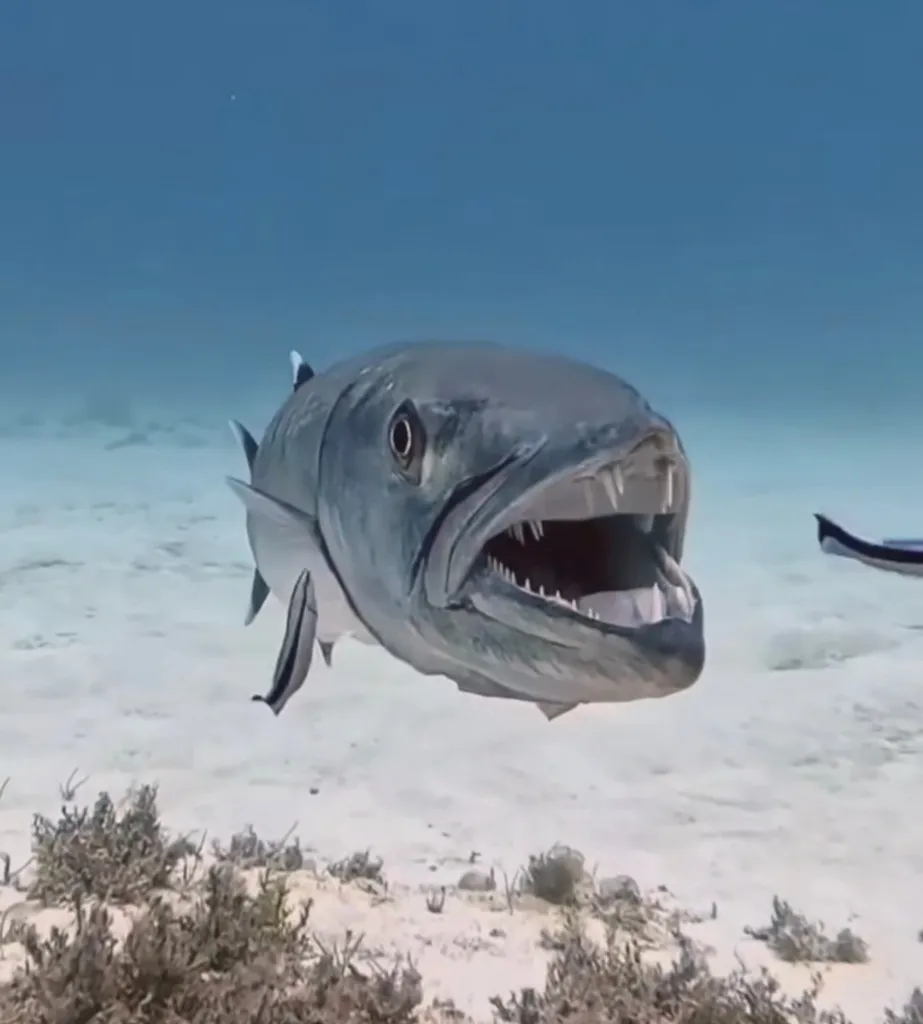
Schools of small to medium-sized reef fish often congregate around the structures, seeking shelter and feeding opportunities. Look for parrotfish grazing on algae, snapper hiding in crevices, and possibly juvenile barracuda patrolling the perimeter.
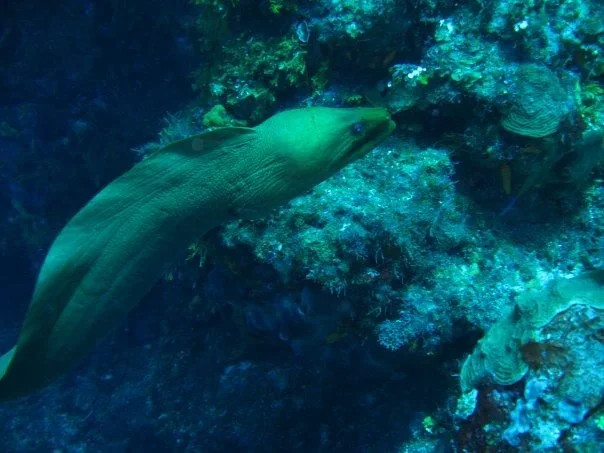
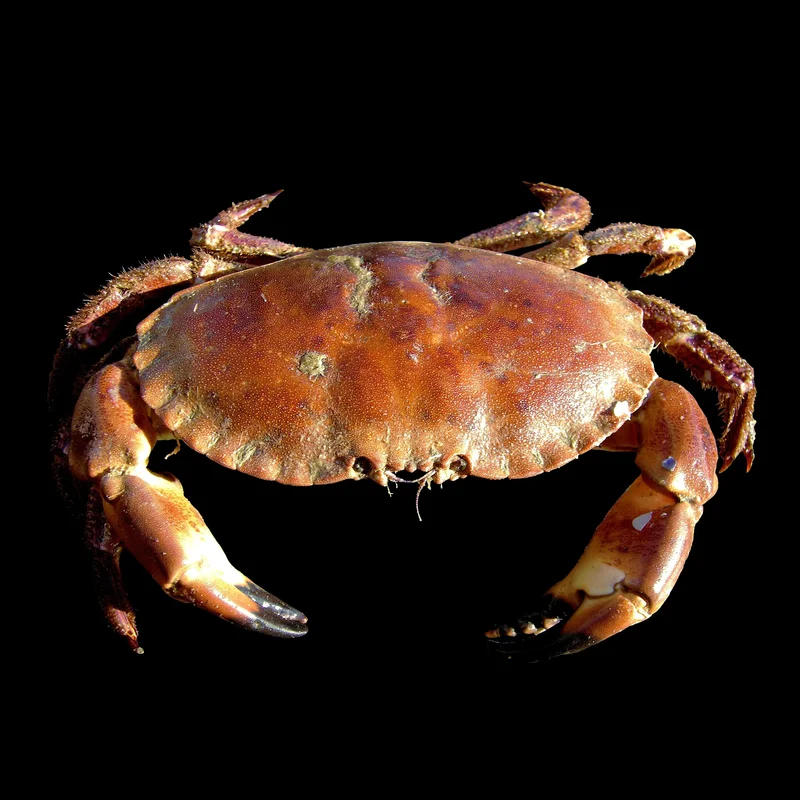
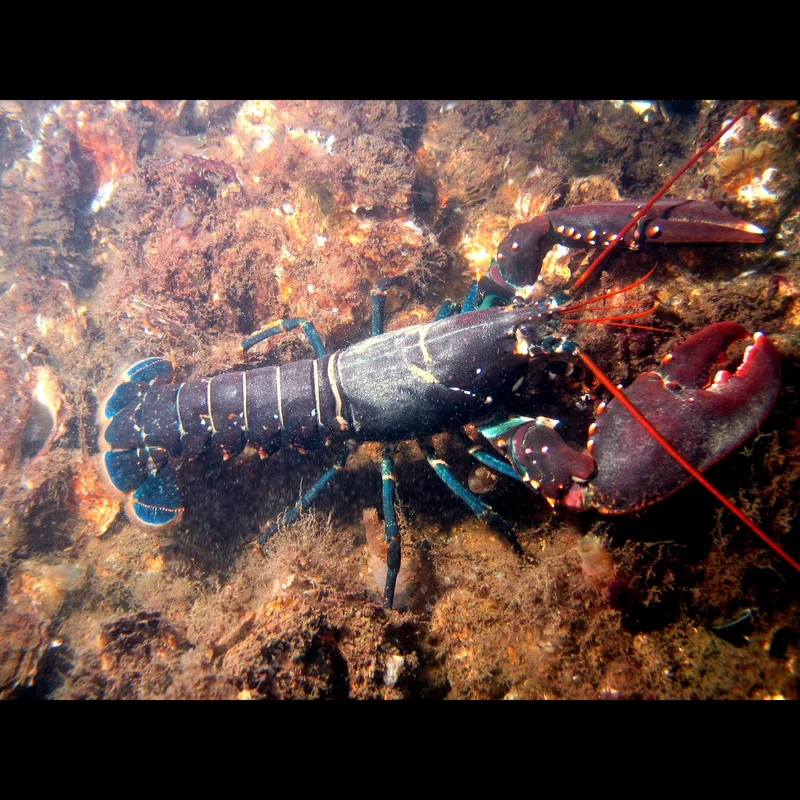
The nooks and crannies of the artificial reef also serve as homes for crabs, lobsters, and moray eels. Its design aims to attract a diverse array of species, making each dive an opportunity to discover new inhabitants adapting to this created habitat.
Dive Sites Near Bug Light Reef - Phase 2 (D)
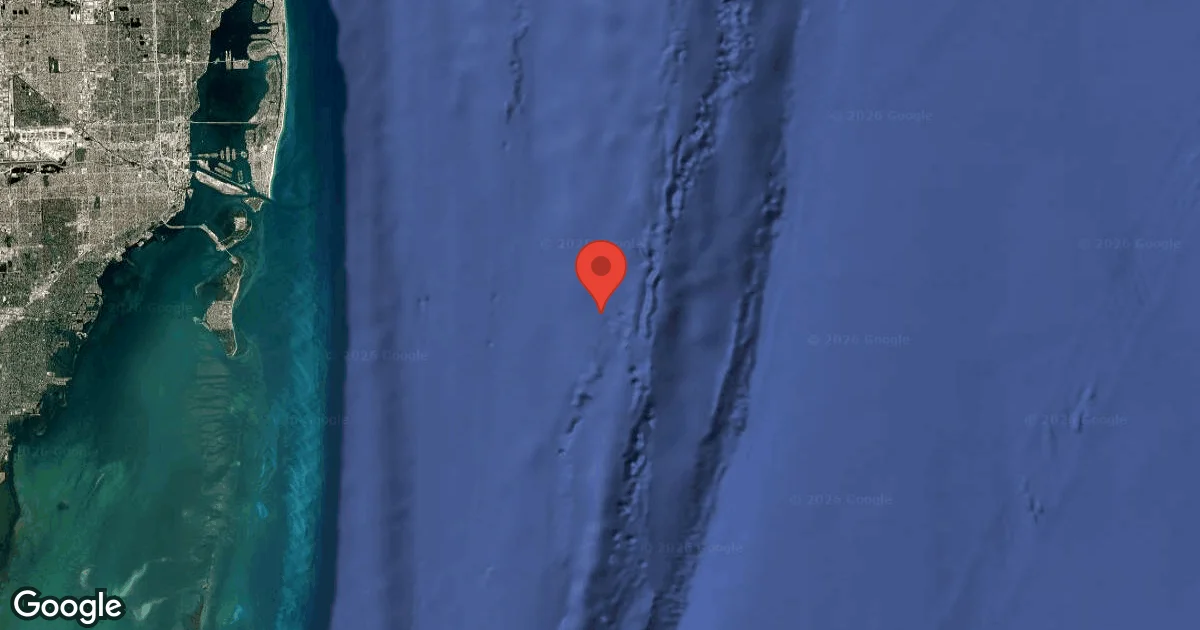
View all dive sites in United StatesDiscover more underwater gems in this area.
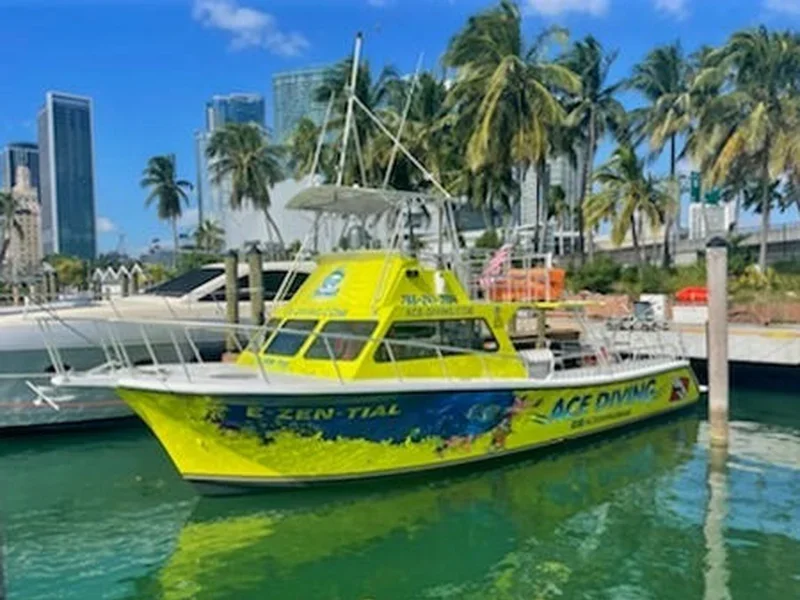
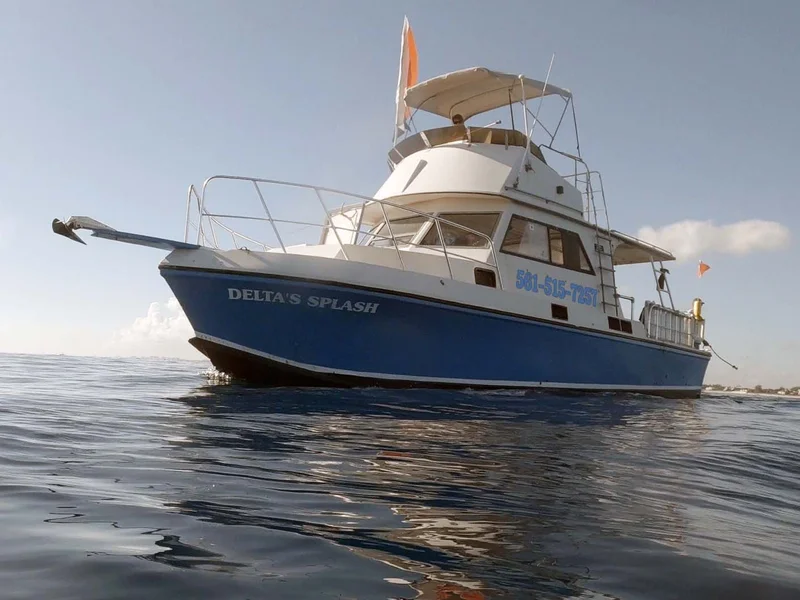
Dive Centers Near Bug Light Reef - Phase 2 (D)
Today: 08:00 - 17:00
Nearest Airports
Nearest airports to help plan travel to this dive area.
Search Flights
Check available flights and routes on Expedia, using the nearby airports listed in this section.
Search Flights on Expedia
Plan Your Stay
Looking for a place to stay for your dive trip? Explore hotels, stays, and vacation rentals for dive groups near Key Biscayne.
Dive Navigator may earn a commission from these links at no extra cost to you.
Frequently Asked Questions
What type of dive site is Bug Light Reef - Phase 2 (D)?
Bug Light Reef - Phase 2 (D) is an artificial reef site. It's part of a broader initiative to create marine habitats using deployed structures.
What is the typical depth range for diving Bug Light Reef - Phase 2 (D)?
While specific depths for Phase 2 (D) aren't detailed, similar artificial reefs in the region typically offer diving from around 7 meters (24 ft) to 22 meters (72 ft). This makes it suitable for recreational divers.
Are there strong currents at Bug Light Reef - Phase 2 (D)?
Currents at the site are generally considered manageable. However, conditions can vary with tides and regional weather patterns, so divers should always assess local conditions.
What kind of structures can I expect to see at Bug Light Reef - Phase 2 (D)?
As an artificial reef, it likely features elements such as reef balls, concrete structures, or limestone boulders. These are designed to provide complex habitats for marine organisms.
Is Bug Light Reef - Phase 2 (D) suitable for beginner divers?
With its typical recreational depth range, the site is generally suitable for Open Water certified divers. Maintaining good buoyancy control is key when exploring artificial structures.
What marine life might I encounter on this artificial reef?
Divers can expect to see various reef fish, hard and soft corals, crabs, and possibly lobsters or moray eels. The structures attract diverse species seeking shelter and food.
What are the best months for diving this site?
The period from May through September generally offers the most favorable diving conditions. July often has the calmest seas and highest dive scores.
Are water temperatures provided for Bug Light Reef - Phase 2 (D)?
Specific water temperature data for this exact site is not consistently reported. However, regional conditions suggest comfortable diving temperatures throughout much of the year, particularly during warmer air temperature months.
Planning to dive Bug Light Reef - Phase 2 (D)?
Send one inquiry and receive offers directly from the best verified local dive operators.
Conditions are Good
Optimal conditions expected
Current conditions near Bug Light Reef - Phase 2 (D) show 26° air, 31° sea temperature, 0.3 m waves, and 19 km/h wind. Forecast data is refreshed regularly to ensure accuracy.