
Diving at Butterfly House (United States)
Butterfly House in Monterey, California, reveals a captivating underwater landscape dominated by immense boulders and towering kelp forests. Dives here typically range from shallower sections down to 27 m (90 ft), showcasing a dramatic seascape where light filters through dense kelp canopies. It's a site celebrated for its substantial structural formations and the vibrant ecosystems they support.
Evening condition tracking at Butterfly House features an air temperature of 20°C. We have recorded wave heights measuring 1.2 m during this period. These figures outline the environmental parameters currently present.
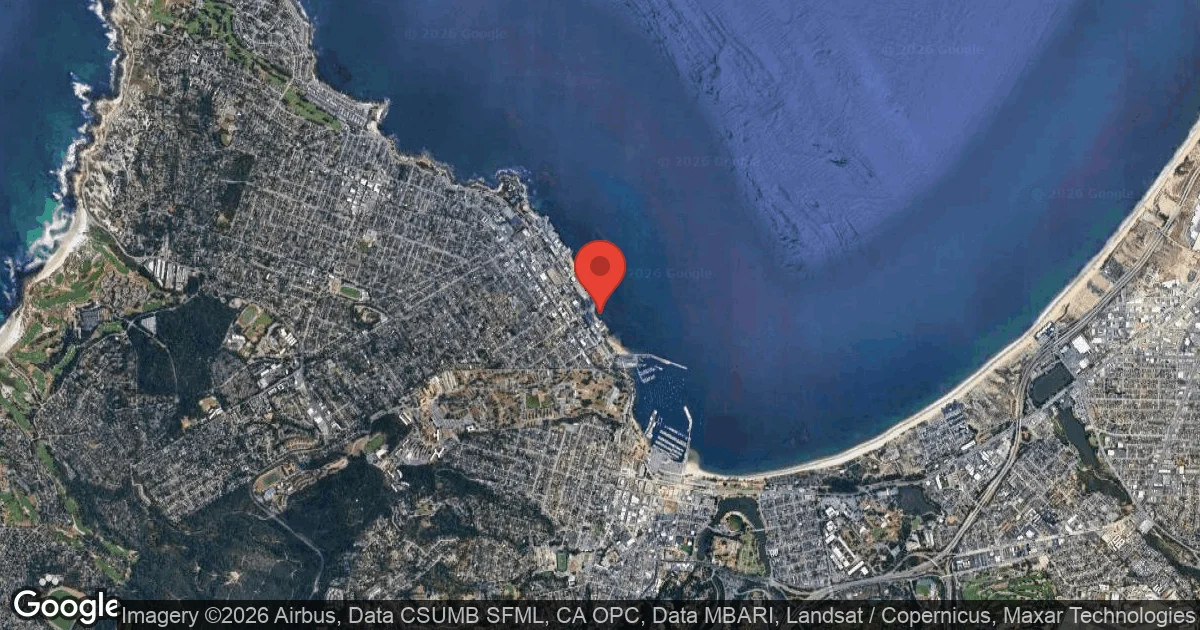
Dive Site Location & Key Facts
Dive Site Overview
The underwater journey at Butterfly House presents a progressive exploration, beginning with a specific shore entry from a sandy beach interspersed with rocks and eelgrass. Divers must first navigate a steep and narrow path to the beach, which can be challenging, especially when carrying full gear due to slippery roots.
Careful timing for entry and exit is often necessary, as shallow rocks offshore can generate a surf break, even when the cove itself offers protection from larger swells. While initial visibility within the immediate cove might be limited, pushing out to headings between 210 and 240 degrees generally leads to clearer conditions and the site's deeper terrain. Experienced divers typically target the distant kelp beds, approximately 200 yards from shore.
Here, the true character of Butterfly House unfolds, with depths consistently over 18 meters, sometimes reaching 27 m (90 ft), offering improved visibility and impressive kelp structures that shelter a rich array of marine life. This area is a primary draw for its dramatic boulder formations and the complex habitats within the kelp forest.
Conditions are Good
Optimal conditions expected
Current conditions near Butterfly House show 20° air, 16° sea temperature, 1.7 m waves, and 29 km/h wind. Forecast data is refreshed regularly to ensure accuracy.
Best Time to Dive
Deciding the optimal time for Butterfly House involves balancing ocean conditions and seasonal kelp growth. Dive scores suggest summer months like August and September often provide 'Good' to 'Moderate' conditions, with air temperatures ranging from 14-16°C (57-61°F) and minimal rain. However, some experienced local divers advocate for winter diving, noting better visibility due to naturally reduced kelp growth during the cooler months. Air temperatures during winter, from December to March, average around 11-12°C (52-54°F), often accompanied by higher wave heights and increased rainfall. Despite the colder conditions and potential for thick kelp on the beach, the underwater environment can offer exceptional clarity. While water temperature isn't consistently reported for this specific site, divers should anticipate colder conditions aligning with the lower air temperatures during winter, typically requiring appropriate thermal protection.
PEAK SEASON SCORE
Scores combine air & water temps, waves, wind & rainfall for overall conditions.
BEST MONTHS TO DIVE
Monthly records compiled from satellite and marine observation nodes over the last 3 years. Data provided by Open-Meteo and MET Norway.
Dive Experience & Conditions
The physical approach to Butterfly House sets the stage for a dive characterized by varied conditions. Accessing the site requires an arduous journey down a steep, narrow path to the beach, where slippery tree roots present a challenge. Carrying dive gear down in stages, perhaps tanks first, is a common strategy to manage this descent safely. After storms, the beach itself can be covered in thick layers of kelp, making walking difficult before water entry. Entering the water is often easiest at high tide, which simplifies navigating past the eelgrass and rocks. Within the cove, currents are generally mild, yet shallow rocks offshore can create surf, particularly during swells. Underwater, depths range from shallower areas near the shore to a maximum of 27 m (90 ft) in the outer kelp beds. Visibility can vary significantly, starting with perhaps 1.5 meters, or five feet, in the immediate cove and improving to 7.5 meters (25 ft) or more in deeper sections, especially during periods of reduced kelp. The site's boulder fields become more prominent as divers venture away from the entry point.
Dive Difficulty & Safety Guidelines
Diving Butterfly House requires careful attention to a few site-specific considerations. The steep access path to the beach demands caution; divers might find it safer to transport gear in stages rather than attempting a single descent with full equipment. On the beach, be mindful of gulls; don't leave unattended items they might pilfer or drag off.
Once in the water, particularly during the entry and exit, timing with high tide simplifies the process. Navigating to and from the dive site relies heavily on reciprocal headings, typically between 210 and 240 degrees, to ensure a direct return to the exit point.
Parking is also notably limited on Stewart Way, requiring early arrival or alternative arrangements.
Recommended Equipment
- Dive Computer
This gear list is based on verified equipment signals for Butterfly House, United States. Always confirm final gear choices with your dive operator, guide, or liveaboard.
Recommended Dive Suit
For dives of average duration, 5-7mm wetsuit usually provides sufficient protection from heat loss. Consider warmer surface protection (like a boat coat) due to brisk winds. Surface intervals may feel cooler.
Divers planning a dive at Butterfly House today will likely encounter water temperatures close to 16°C (61°F). Surface air temperatures are resting at 20°C (68°F).
Weather models indicate a small drop in surface temperatures later this week. Cooler days are ahead; you might want a warmer option for later in the week. Having a second exposure option available is often a good precaution.
Emergency & Medical Support
Essential information to help you plan your dive trip to Butterfly House.

Hyperbaric chambers are a critical part of dive safety infrastructure. Availability varies significantly by region, and not all dive areas have immediate access.
Before diving, it's recommended to:
- confirm nearest medical facilities
- check emergency procedures with local dive operators
- ensure dive insurance covers evacuation if required
Divers Alert Network
Diving emergency assistance available through DAN World.
+1-919-684-9111- 24/7 emergency hotline
- Diving medical assistance
- Evacuation coordination
Emergency contacts are provided for reference. Always verify local emergency services before diving.
Marine Life at Butterfly House
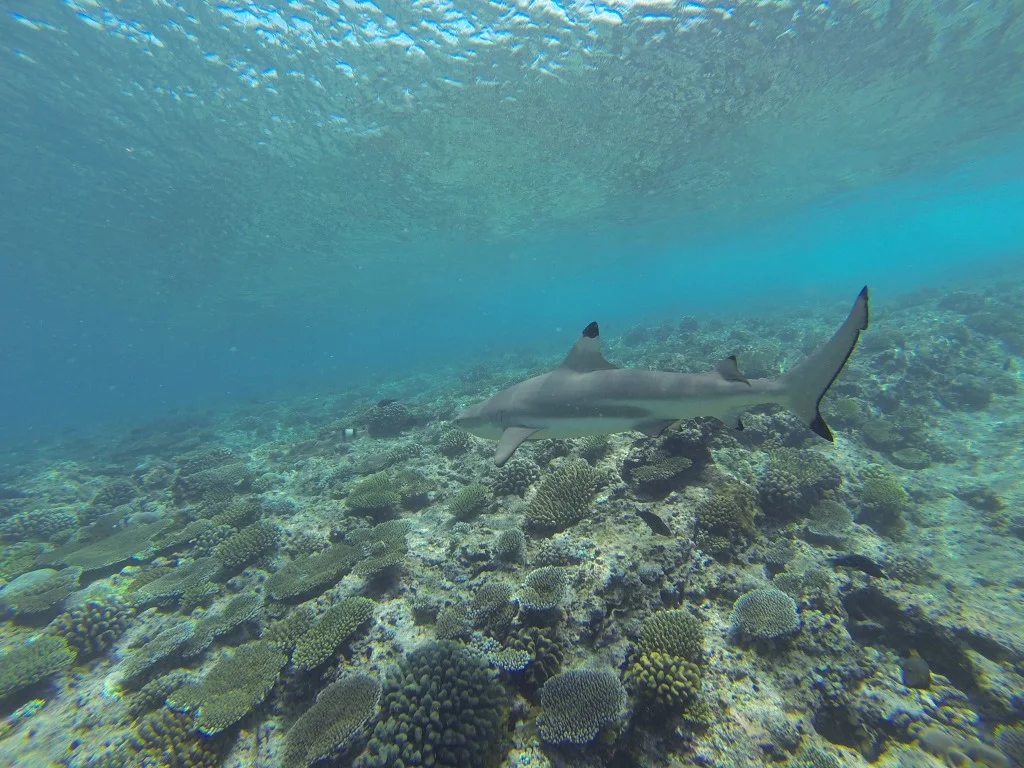
Diving into the kelp forests of Butterfly House reveals a thriving marine community. Common sightings reported for the area include larger pelagic species such as sharks, whales, dolphins, and turtles.
Among the massive boulders and dense kelp, divers can also discover a variety of amazing fish and diverse invertebrate life. Exploring the deeper sections provides opportunities to observe the intricate interactions within this rich cold-water ecosystem.
Dive Sites Near Butterfly House
View all dive sites in United StatesDiscover more underwater gems in this area.
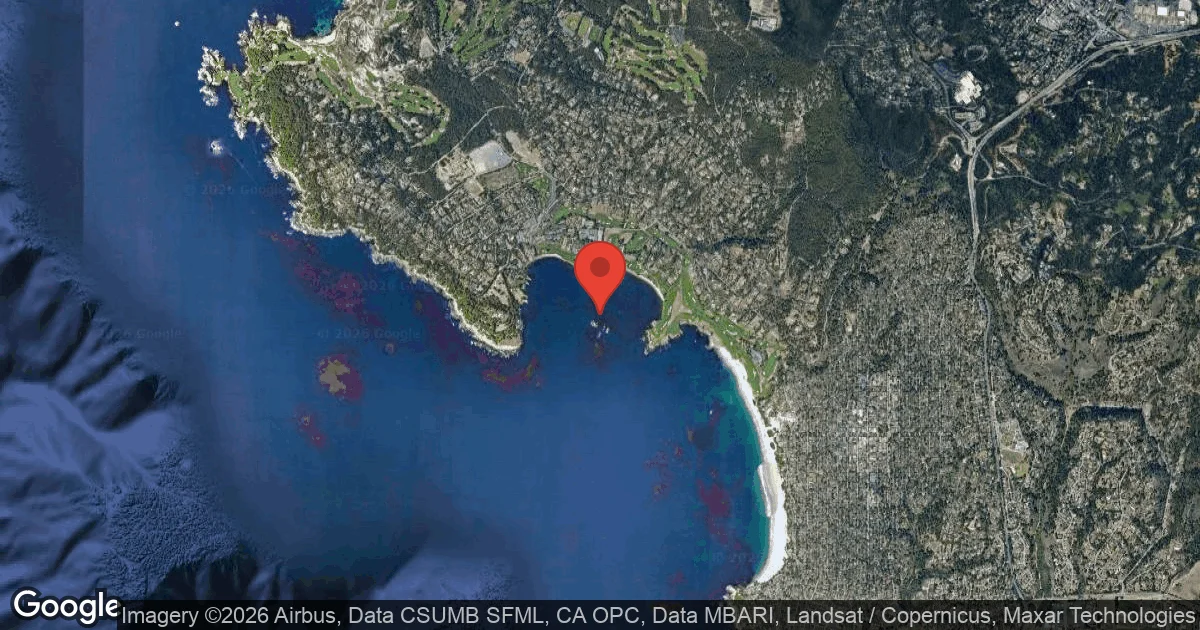
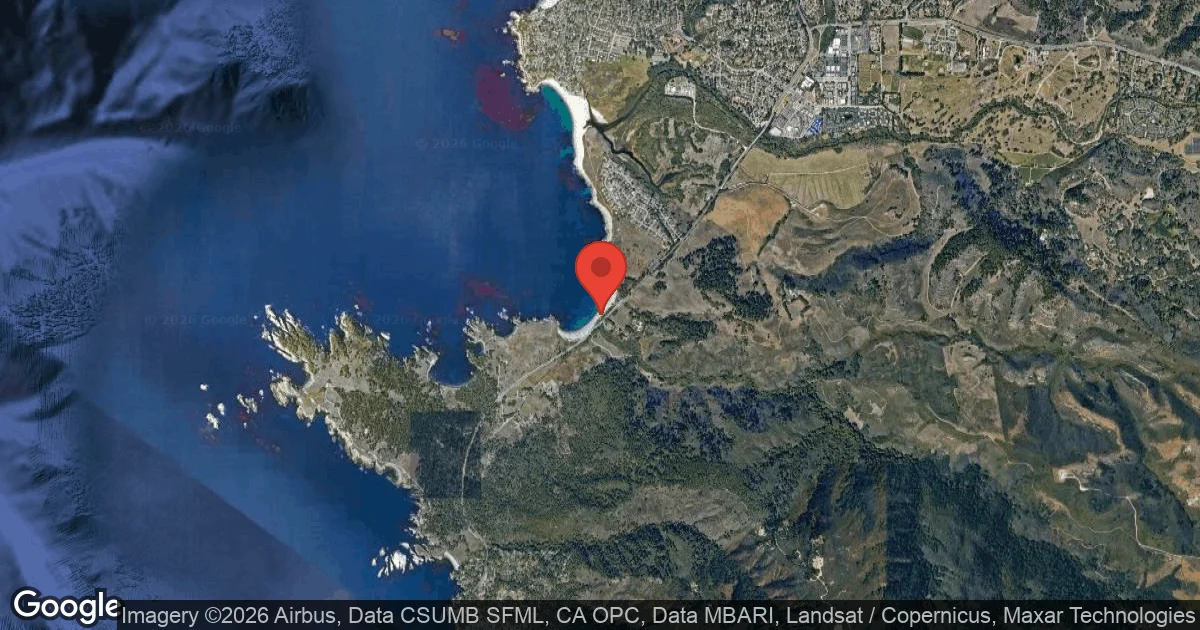
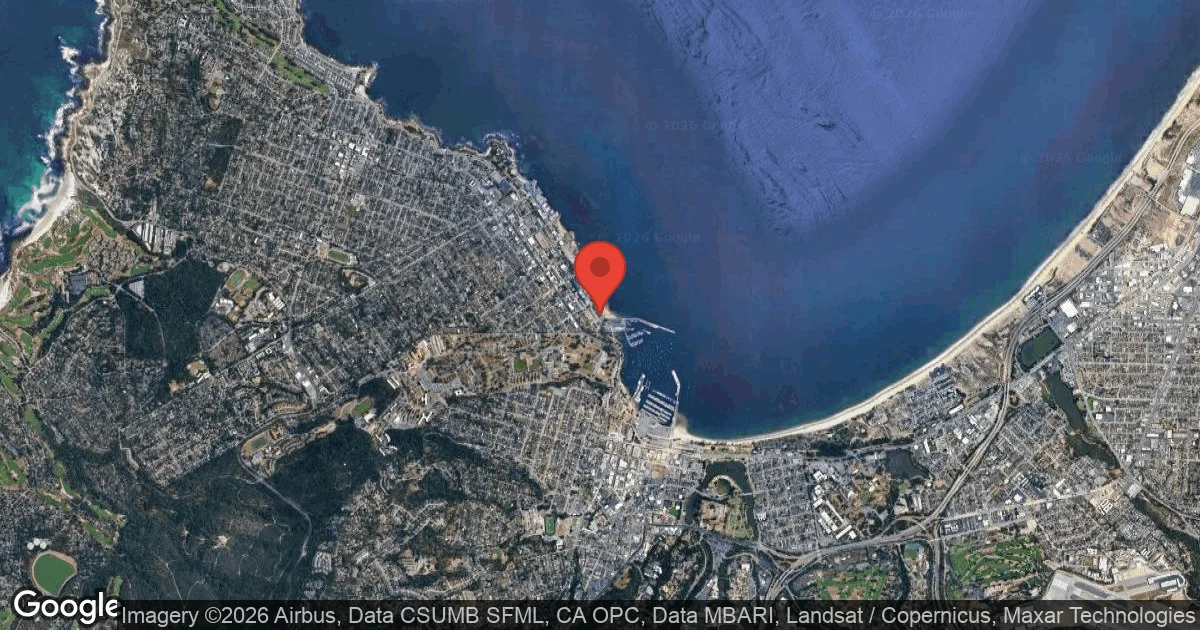
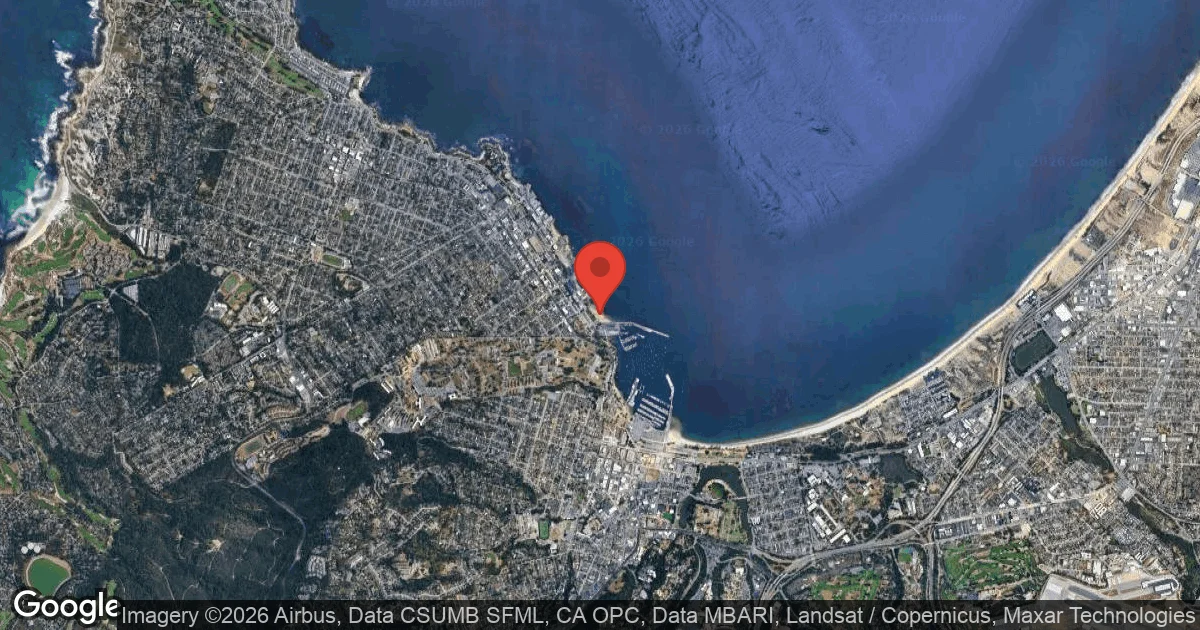
Dive Centers Near Butterfly House
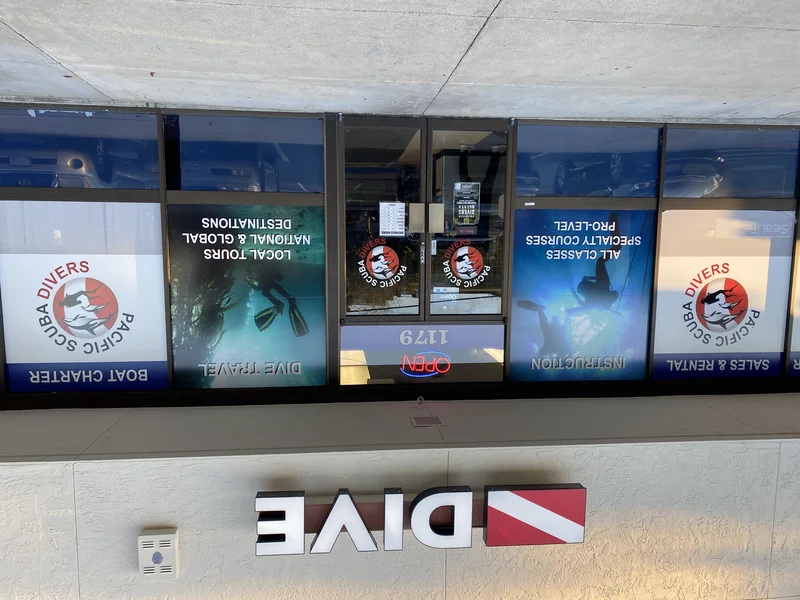
Today: 11:00 - 19:00
Nearest Airports
Nearest airports to help plan travel to this dive area.
Search Flights
Check available flights and routes on Expedia, using the nearby airports listed in this section.
Search Flights on Expedia
Plan Your Stay
Looking for a place to stay for your dive trip? Explore hotels, stays, and vacation rentals for dive groups near Carmel-by-the-Sea.
Dive Navigator may earn a commission from these links at no extra cost to you.
Frequently Asked Questions
What is the typical depth range at Butterfly House?
Depths at Butterfly House vary from shallower areas near the beach, around 4.5 meters, to a maximum of 27 meters in the more distant kelp beds. Most recreational diving occurs within these ranges.
Is Butterfly House a suitable dive site for beginners?
Given the challenging shore entry, which involves a steep path and potential for thick kelp on the beach, it's generally recommended for certified divers with some experience in shore entries and navigating variable conditions. It's not typically considered a beginner-friendly site.
What are the parking arrangements like at Butterfly House?
Parking is quite limited, primarily available on Stewart Way for about three cars. Early arrival is advisable, especially on weekends, or divers should consider carpooling or alternative transport to avoid issues.
How does kelp affect diving at Butterfly House?
Kelp density significantly influences the dive experience. Dense kelp forests are a major feature, but heavy kelp can make walking the beach difficult and reduce visibility in shallower areas. Less kelp, often observed in winter, can lead to better underwater visibility in deeper sections.
Are there any specific navigation tips for this site?
Many divers recommend using a reciprocal navigation path, typically following a heading between 210 and 240 degrees from the entry point. This helps ensure a straightforward return to the exit location after exploring the distant kelp beds and boulder formations.
What unique marine life might I see here?
Beyond a variety of fish and invertebrates, divers might encounter larger species such as sharks, whales, dolphins, and turtles, especially in the more open water areas. The site is known for its diverse cold-water marine life within the kelp forest environment.
Planning to dive Butterfly House?
Send one inquiry and receive offers directly from the best verified local dive operators.
Conditions are Good
Optimal conditions expected
Current conditions near Butterfly House show 20° air, 16° sea temperature, 1.7 m waves, and 29 km/h wind. Forecast data is refreshed regularly to ensure accuracy.