
Diving at Stillwater Cove (United States)
Stillwater Cove has served as a pivotal research hub for decades, particularly for institutions like MLML's Phycology lab. Early efforts here involved graduate students studying giant kelp and snail grazers, often constructing copper frames for inclusion settings. This site also holds a cherished place among abalone divers, dive clubs, and recreational classes, signifying its long-standing importance to the local diving community in Sonoma County.
Evening condition tracking at Stillwater Cove features an air temperature of 15.5°C. We have recorded wave heights measuring 1.3 m during this period. These figures outline the environmental parameters currently present.
Dive Site Location & Key Facts
Dive Site Overview
Stillwater Cove presents a distinctive topography for divers, benefiting from its southwest-facing orientation which provides a degree of shelter from typical northwesterly swells. A descent usually begins in depths around 9 m (30 ft), with divers often venturing further offshore where underwater clarity tends to improve.
The cove's maximum recreational depth is approximately 12 m (40 ft), making it suitable for a range of certified divers. From the immediate entry point, the substrate quickly transitions from a sandy bottom into areas characterized by coarse gravel and larger rock formations. These rocks serve as anchors for robust kelp forests, primarily composed of pterygophora and giant kelp, creating a vibrant, dynamic environment that reaches toward the surface.
Exploring the deeper sections, divers can navigate along what feels like a gentle underwater canyon as the bottom continues its gradual slope. For those seeking even deeper waters, more experienced individuals often use kayaks to access sites beyond the main cove, such as Pescadero Rocks, hoping for varied marine encounters.
Conditions are Moderate
Optimal conditions expected
Current conditions near Stillwater Cove show 16° air, 17° sea temperature, 1.7 m waves, and 32 km/h wind. Forecast data is refreshed regularly to ensure accuracy.
Best Time to Dive
Dive conditions at Stillwater Cove can vary significantly, presenting a distinct contrast between calm and challenging days. While the area can offer glassy, perfectly flat waters on good mornings, other times necessitate calling off dives due to adverse conditions. Climate data suggests a moderate dive score during most months, with improved conditions typically observed from July through October. August often presents good scores, characterized by average air temperatures of 15.5°C (60°F), minimal rain (0.04 mm), and lower wave heights (1.4 m). September through mid-November often brings some of the year's best visibility as winds tend to subside. Conversely, winter months like February and March show lower dive scores, with higher average wave heights reaching up to 2.9 m and increased rainfall, sometimes exceeding 4.6 mm, making entry and visibility more challenging.
PEAK SEASON SCORE
Scores combine air & water temps, waves, wind & rainfall for overall conditions.
BEST MONTHS TO DIVE
Monthly records compiled from satellite and marine observation nodes over the last 3 years. Data provided by Open-Meteo and MET Norway.
Dive Experience & Conditions
Accessing the water at Stillwater Cove is straightforward, thanks to a paved path that leads directly to the shoreline from a two-car loading zone. While convenient, the entry point's sandy substrate drops off quickly, potentially creating a minor challenge even with moderate waves. On rare, exceptionally calm days, entries and exits are quite smooth; however, divers might still encounter stranded kelp and jellyfish washed ashore. Underwater, visibility typically measures around 4.5 m (15 ft) at shallower depths, considered favorable for this stretch of the north coast. Occasionally, under optimal conditions, divers have reported visibility extending to 12-18 m (40-60 ft). Although water temperatures aren't consistently reported, they are known to be cold, making drysuits or thick wetsuits critical. Inside the cove, currents are generally minimal, contributing to a more relaxed dive experience.
Dive Difficulty & Safety Guidelines
Given Stillwater Cove's somewhat remote setting, divers must emphasize self-sufficiency and safety planning. A primary hazard involves moderate waves, which can significantly complicate entries and exits due to the shoreline's quick drop-off. Divers are strongly advised to meticulously monitor local conditions and be prepared to cancel dives if they're not optimal.
Without a local dive shop in nearby Bodega Bay, arriving fully equipped with all necessary gear, air, and backups is essential. State park employees, lifeguards, and Fish & Game officers regularly patrol this coastline, but personal responsibility remains paramount.
Be especially vigilant around the thick kelp beds, as entanglement can be a concern, particularly during periods of dense growth. While white sharks inhabit the broader region, their presence is reported to be less frequent within Stillwater Cove itself.
Recommended Equipment
Overhead / entanglement risk. Wreck penetration requires proper training.
- Dive Computer
- Primary & Backup Lights
- Wreck Reel
- Cutting Tool
This gear list is based on verified equipment signals for Stillwater Cove, United States. Always confirm final gear choices with your dive operator, guide, or liveaboard.
Recommended Dive Suit
Recent conditions suggest the water at Stillwater Cove remains near 17°C (62°F), offering typical conditions for the area. Surface air temperatures are resting at 16°C (60°F).
The next few days appear likely to bring similar environmental conditions.
Most divers exploring waters at this temperature rely on 5-7mm wetsuit for effective insulation. Consider warmer surface protection (like a boat coat) due to brisk winds. A thermal robe or jacket is recommended between dives. Water temperature is only one factor influencing overall comfort during a dive. Stronger winds may also make surface intervals feel cooler than usual. Surface intervals may feel noticeably cooler once you exit the water.
Emergency & Medical Support
Essential information to help you plan your dive trip to Stillwater Cove.

Hyperbaric chambers are a critical part of dive safety infrastructure. Availability varies significantly by region, and not all dive areas have immediate access.
Before diving, it's recommended to:
- confirm nearest medical facilities
- check emergency procedures with local dive operators
- ensure dive insurance covers evacuation if required
Divers Alert Network
Diving emergency assistance available through DAN World.
+1-919-684-9111- 24/7 emergency hotline
- Diving medical assistance
- Evacuation coordination
Emergency contacts are provided for reference. Always verify local emergency services before diving.
Marine Life at Stillwater Cove
The vibrant kelp forests at Stillwater Cove host a variety of marine life, thriving within a predominantly sandy bottom dotted with rocky outcrops. One can frequently observe starfish clinging to these rocky areas.
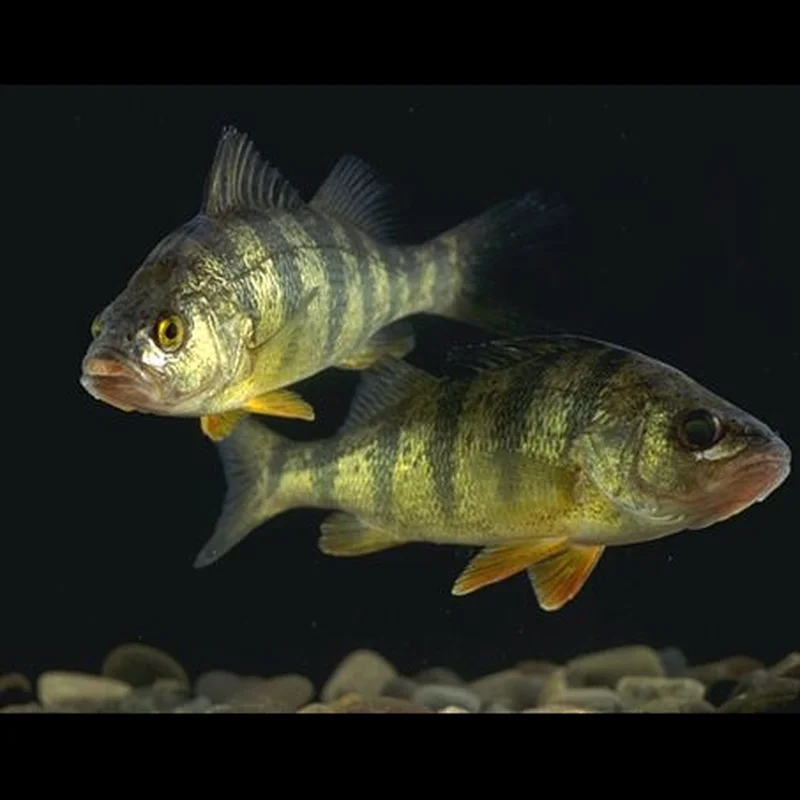
Exploring the healthy clumps of giant kelp and pterygophora, divers might spot different snail grazers and various less sought-after species, such as surf perches. A small, resident colony of harbor seals also calls the cove home, often seen resting or curiously observing divers.
While abalone populations have historically been a draw, current regulations and local conditions focus attention on other inhabitants of this productive coastal ecosystem.

Dive Sites Near Stillwater Cove
View all dive sites in United StatesDiscover more underwater gems in this area.
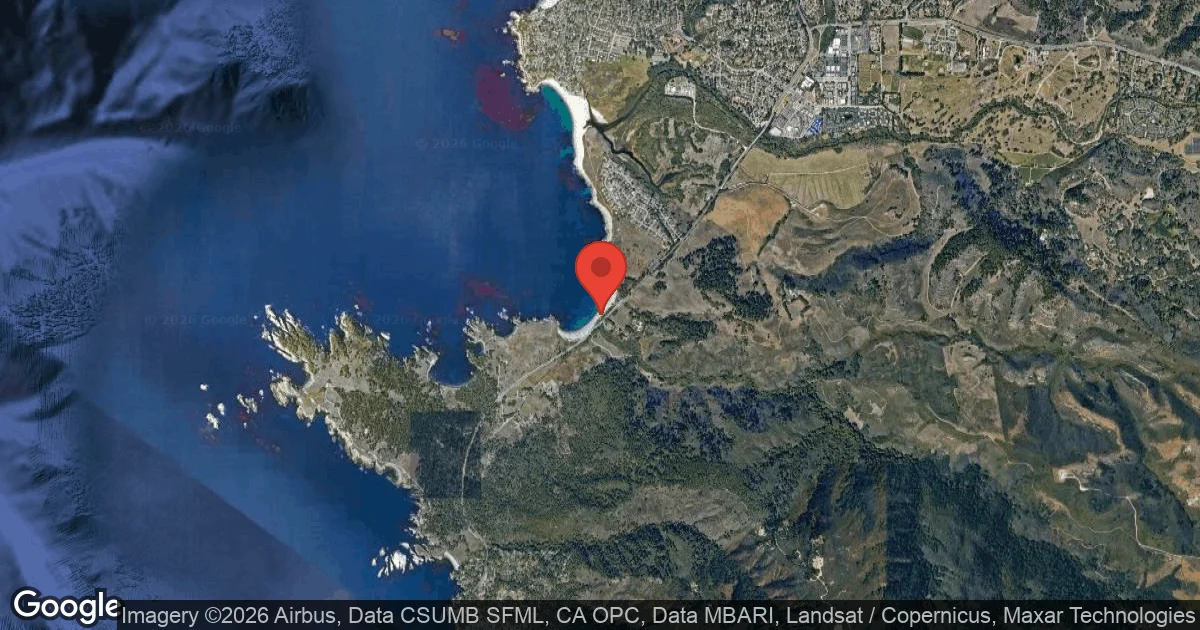
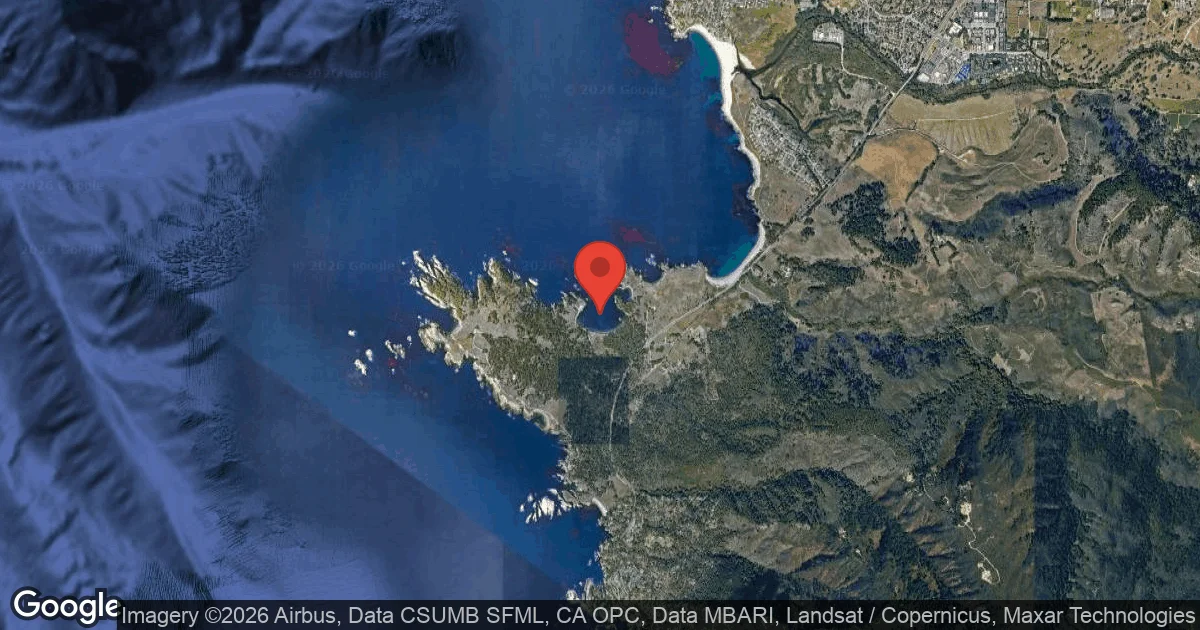
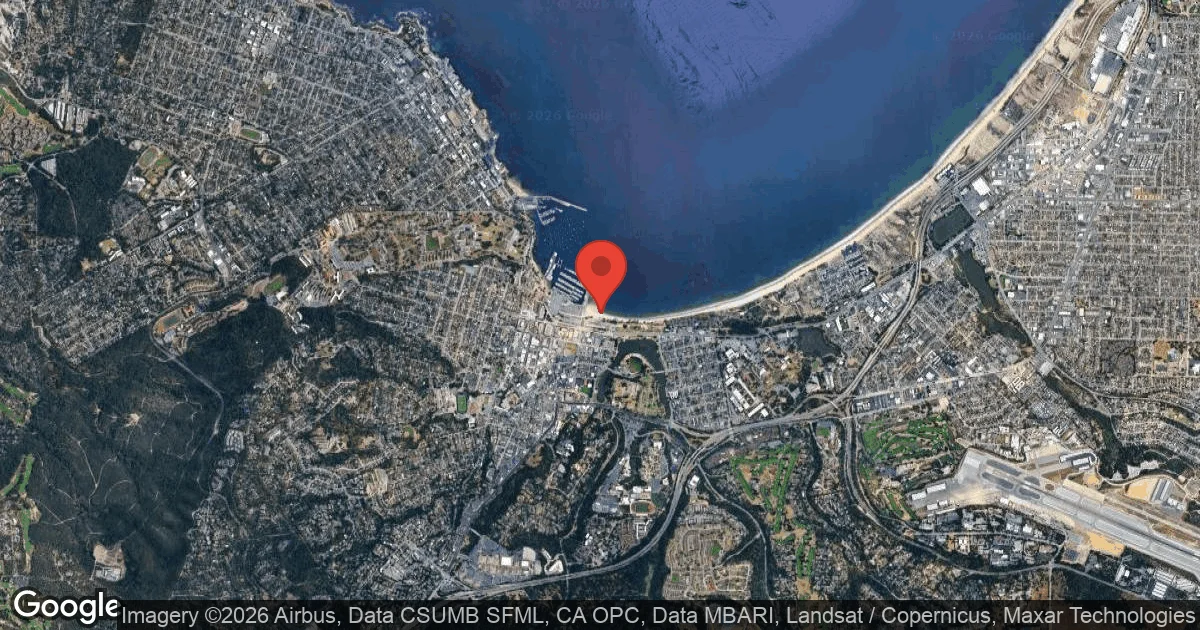
Dive Centers Near Stillwater Cove
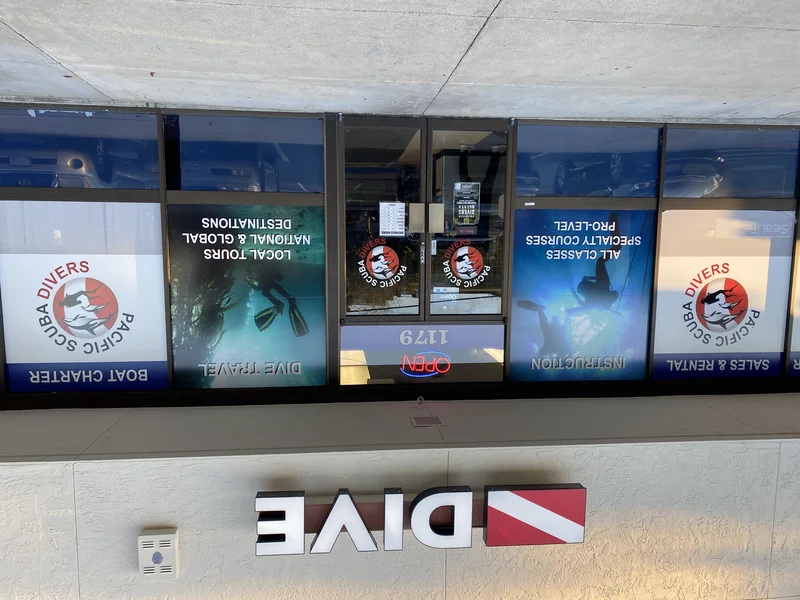
Today: 11:00 - 19:00
Nearest Airports
Nearest airports to help plan travel to this dive area.
Search Flights
Check available flights and routes on Expedia, using the nearby airports listed in this section.
Search Flights on Expedia
Plan Your Stay
Looking for a place to stay for your dive trip? Explore hotels, stays, and vacation rentals for dive groups near Carmel-by-the-Sea.
Dive Navigator may earn a commission from these links at no extra cost to you.
Frequently Asked Questions
What is the typical dive depth at Stillwater Cove?
Divers usually descend into depths around 30 feet (9 m) within the cove. For a more extensive exploration, deeper areas are accessible, with the maximum depth reaching approximately 40 feet (12 m).
How is the visibility at Stillwater Cove?
Visibility generally averages around 15 feet (4.5 m) in the main dive areas, which is considered good for the North Coast. On exceptional days, divers have reported visibility extending to 40-60 feet (12-18 m).
What are the best months to dive Stillwater Cove?
The most favorable conditions typically occur from September through mid-November, when winds often die down and visibility improves. August also offers good dive scores, with mild air temperatures and calmer seas.
Are there any specific entry or exit hazards?
The entry area features a quick drop-off that can become challenging with even moderate waves. Divers should also be aware of potential kelp wash-ashore, which can accumulate near the entry point.
What kind of marine life can I expect to see?
Divers often encounter starfish on rocky substrates, various surf perches, and different snail species. A small colony of harbor seals also inhabits the cove, and the kelp forests themselves are teeming with smaller invertebrates.
Do I need special equipment for diving here?
Yes, due to the cold water temperatures, a drysuit or a thick wetsuit is highly recommended. Given the lack of nearby dive shops, bringing all your own gear, air, and backups is essential.
Planning to dive Stillwater Cove?
Send one inquiry and receive offers directly from the best verified local dive operators.
Conditions are Moderate
Optimal conditions expected
Current conditions near Stillwater Cove show 16° air, 17° sea temperature, 1.7 m waves, and 32 km/h wind. Forecast data is refreshed regularly to ensure accuracy.