
Diving at Monestary Beach, Carmel CA (United States)
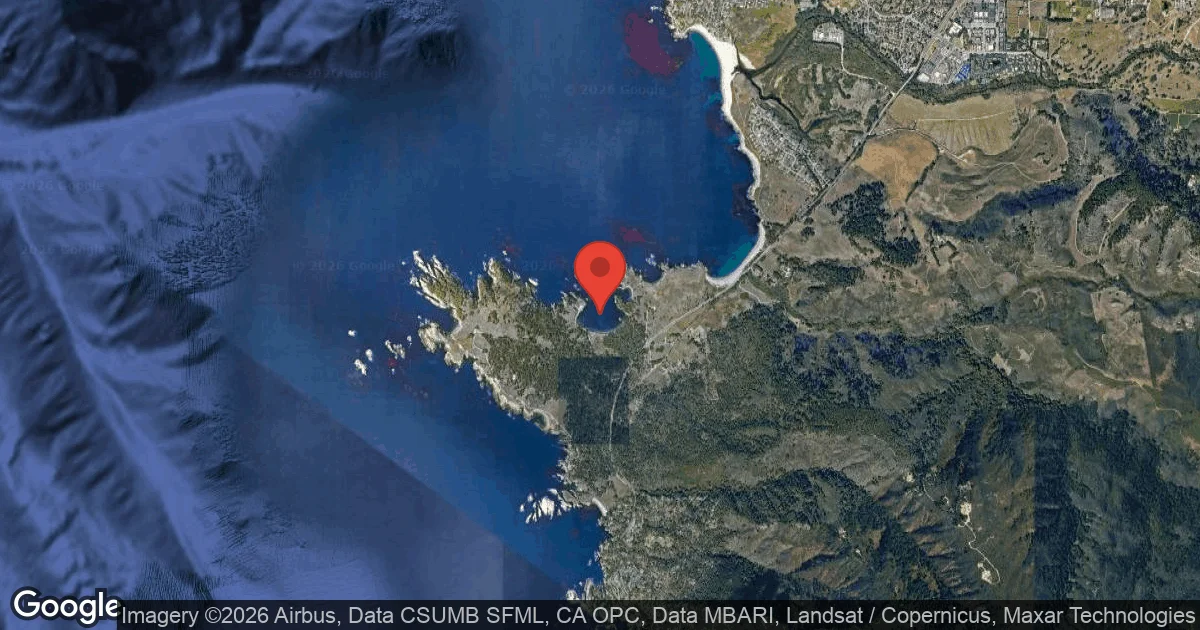
Approaching Monestary Beach for a dive demands immediate respect for its powerful coastal dynamics. Entry challenges, from the steep, coarse sand to unpredictable surf, are part of the initial experience. In Carmel, California, the site quickly transitions from a rugged beach to a dramatic underwater landscape, sitting directly beside a subaquatic canyon that plunges thousands of feet. Such conditions call for seasoned preparation and a keen awareness of local factors before entering the water.
Tonight's objective overview for Monestary Beach, Carmel CA shows an air temperature of 16.5°C. The measured surface conditions include wave heights around 1.3 m. This environmental data is logged for the close of the day.
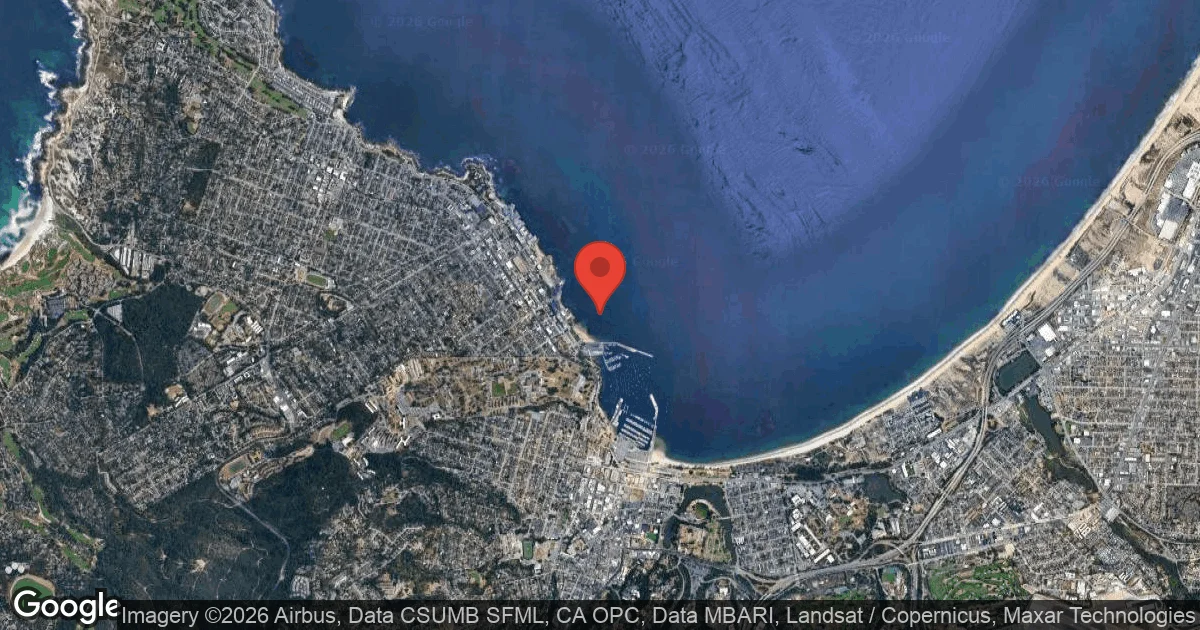
Dive Site Location & Key Facts
Dive Site Overview
Monestary Beach has developed a notable reputation as one of the Central Coast's most challenging yet rewarding dive sites. Its allure stems from the unique geological feature of a submarine canyon finger, a short surface swim from shore, allowing access to deeper waters uncommon for shore dives.
Close to the trench, this also correlates with opportunities for encountering pelagic species. Accounts of gray whales passing within 18 meters / 20 yards of the beach highlight this potential. Despite its natural beauty and exceptional underwater visibility, often reaching up to 24 meters (around 80 feet) on optimal days, the site's rugged nature carries significant risks.
Local reports indicate a history of incidents, with nearly 20 fatalities since 2004, largely due to powerful undertow and rogue waves. Such realities have led to the development of specific safety protocols, including a mandatory "Monastery Crawl" exit strategy taught to divers throughout the region.
A steady stream of divers prepared for its demands are captivated by the impressive topography and the variety of marine life thriving in its cold, nutrient-rich waters.
Conditions are Good
Optimal conditions expected
Current conditions near Monestary Beach, Carmel CA show 17° air, 16° sea temperature, 1.7 m waves, and 30 km/h wind. Forecast data is refreshed regularly to ensure accuracy.
Best Time to Dive
Optimal diving conditions at Monestary Beach typically emerge in late summer, particularly August, when the site records its highest dive scores. During this period, wave heights generally trend lower, averaging around 1.4 m / 4.6 ft, and wind speeds are among the calmest, averaging about 16.2 km/h / 10 mph. Rainfall is minimal, often less than 1 mm / 0.04 inches. Air temperatures are also at their warmest, averaging about 16°C / 61°F. Conversely, months like February and March typically present the poorest dive conditions, marked by higher waves often exceeding 2.7 m / 9 ft, stronger winds up to 22.5 km/h / 14 mph, and increased rainfall. While water temperatures are not consistently reported, divers should anticipate cold conditions year-round, necessitating robust exposure protection regardless of the season. Always check local forecasts for "ankle biter" sized waves before planning any dive.
PEAK SEASON SCORE
Scores combine air & water temps, waves, wind & rainfall for overall conditions.
BEST MONTHS TO DIVE
Monthly records compiled from satellite and marine observation nodes over the last 3 years. Data provided by Open-Meteo and MET Norway.
Dive Experience & Conditions
Once past the challenging entry, divers can plan their descent for either shallower exploration or deeper canyon access. Entering near the thick kelp bed on the far northern end helps mitigate some wave action, offering a slightly easier entry. Surface swimming along the kelp's edge is advisable before submerging. For a shallower dive, waters quickly reach about 6 meters (20 feet); exploring the reef's edge here reveals openings and diverse life. Take care not to venture too far into shallow reef areas, as surge can become problematic. For those seeking deeper experiences, a surface swim to the washrock, roughly 55 meters (60 yards) offshore, is common. Descending alongside kelp helps control drift in the water column. Bottom depths typically start around 12 meters (40 feet), but increase dramatically with every few fin kicks, dropping rapidly into the adjacent subaquatic canyon. Cold water conditions mean proper thermal protection is non-negotiable.
Dive Difficulty & Safety Guidelines
Experienced local divers emphasize the importance of thorough preparation and situational awareness when considering Monestary Beach. Given its reputation for strong undertows and powerful, unpredictable waves, this site demands respect. Divers should always consult the forecast to select days with minimal surf.
Entering or exiting in the middle of the beach is strictly advised against due to more turbulent wave breaks and stronger undertows. The steep slope of the beach contributes to a "washing machine churn" rather than gentle waves, and rogue waves can pull gravel from beneath your feet, making footing unstable.
It is critical to dive only with partners who are intimately familiar with Monestary Beach. Consider going with an instructor if you are new to the site.
Pay close attention to the number of divers already present and be prepared to "call" the dive if conditions appear marginal. Many signs posted along the beach warn of the inherent dangers, serving as a constant reminder of the vigilance required.
Recommended Equipment
- Dive Computer
This gear list is based on verified equipment signals for Monestary Beach, Carmel CA, United States. Always confirm final gear choices with your dive operator, guide, or liveaboard.
Recommended Dive Suit
According to recent observations, water temperatures near Monestary Beach, Carmel CA are approximately 16°C (62°F). Surface air temperatures are resting at 17°C (62°F).
The next few days appear likely to bring similar environmental conditions.
Most divers exploring waters at this temperature rely on 5-7mm wetsuit for effective insulation. A hood or vest is suggested for sensitive divers due to surface winds. A thermal robe or jacket is recommended between dives. Water temperature is only one factor influencing overall comfort during a dive. Surface intervals may feel noticeably cooler once you exit the water.
Emergency & Medical Support
Essential information to help you plan your dive trip to Monestary Beach, Carmel CA.

Hyperbaric chambers are a critical part of dive safety infrastructure. Availability varies significantly by region, and not all dive areas have immediate access.
Before diving, it's recommended to:
- confirm nearest medical facilities
- check emergency procedures with local dive operators
- ensure dive insurance covers evacuation if required
Divers Alert Network
Diving emergency assistance available through DAN World.
+1-919-684-9111- 24/7 emergency hotline
- Diving medical assistance
- Evacuation coordination
Emergency contacts are provided for reference. Always verify local emergency services before diving.
Marine Life at Monestary Beach, Carmel CA
The dynamic environment of Monestary Beach supports an array of marine life, thriving within its kelp forests and along the canyon's edge. Divers frequently encounter vibrant lingcod and cabezon camouflaged among the swaying green kelp.
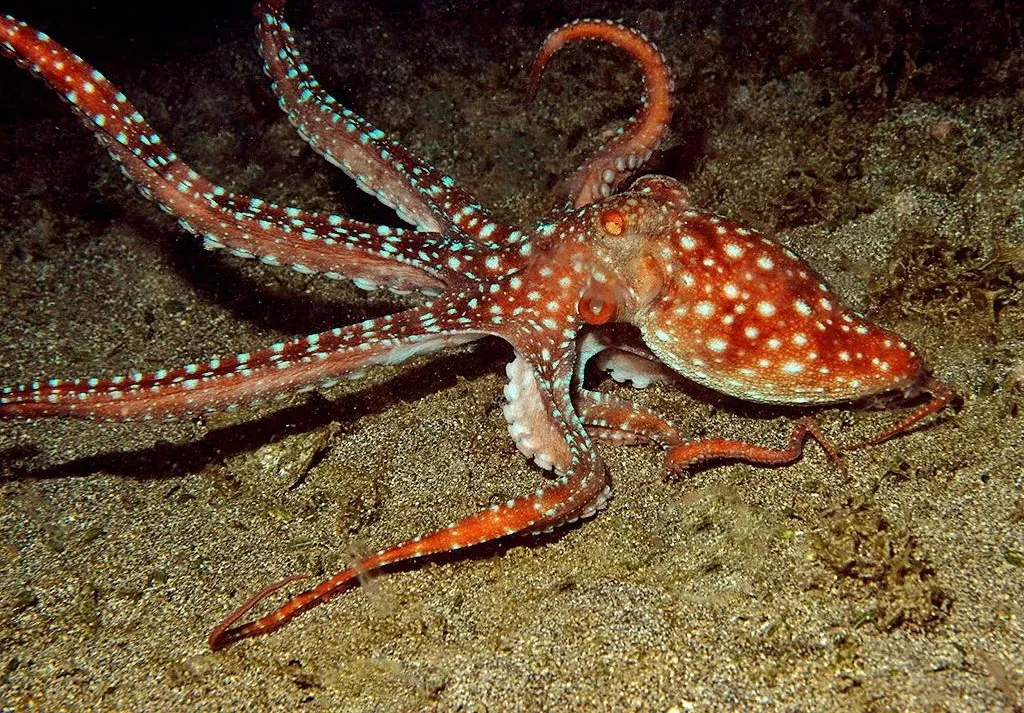
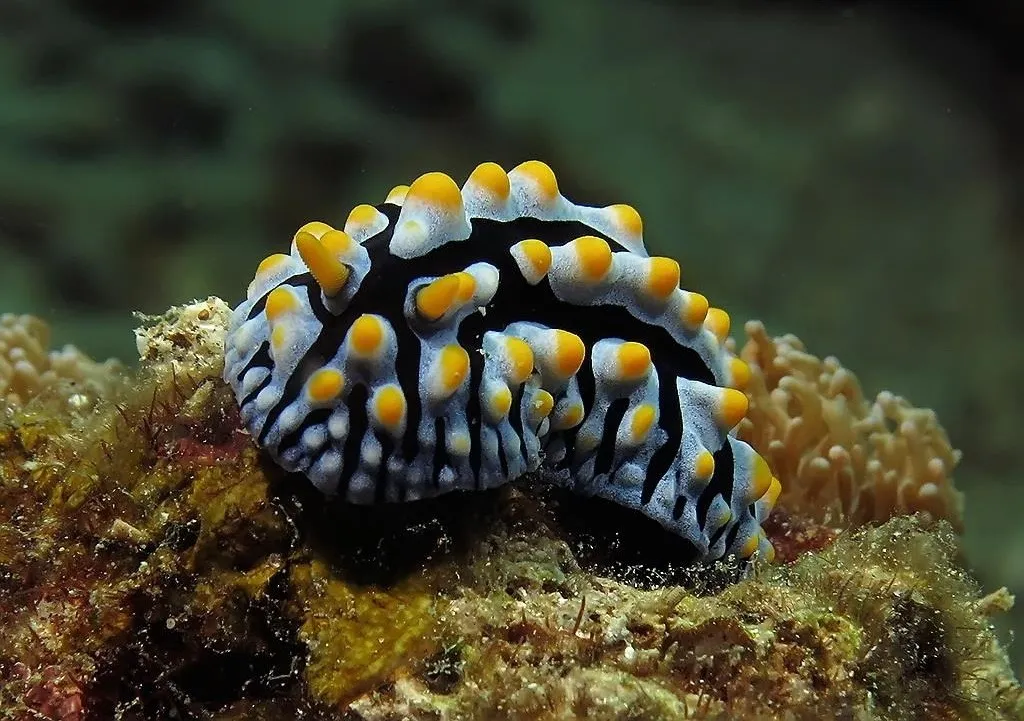
Wolf eels and octopuses are known to dart in and out of reef openings. During certain times, the cold water inflows introduce swarms of brightly colored egg-yolk jellyfish and various nudibranchs, adding brilliant hues to the underwater scene.
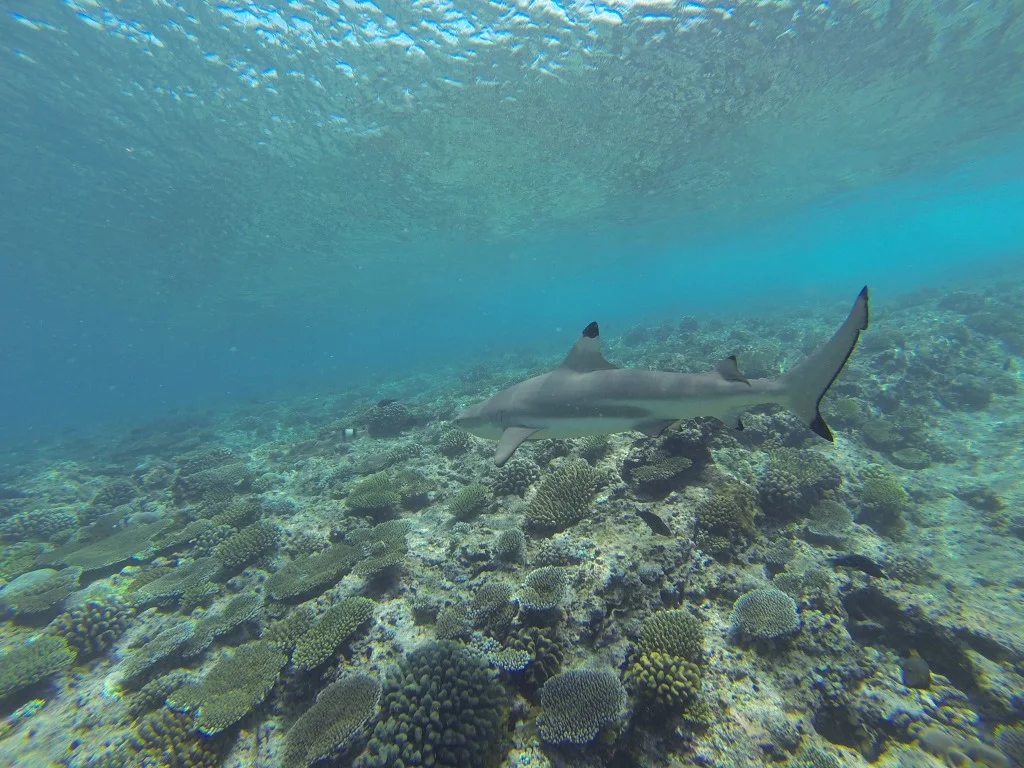
Larger pelagic encounters are also possible due to the site's proximity to the deep canyon; sightings have included humpback whales, blue sharks, and sea lions.

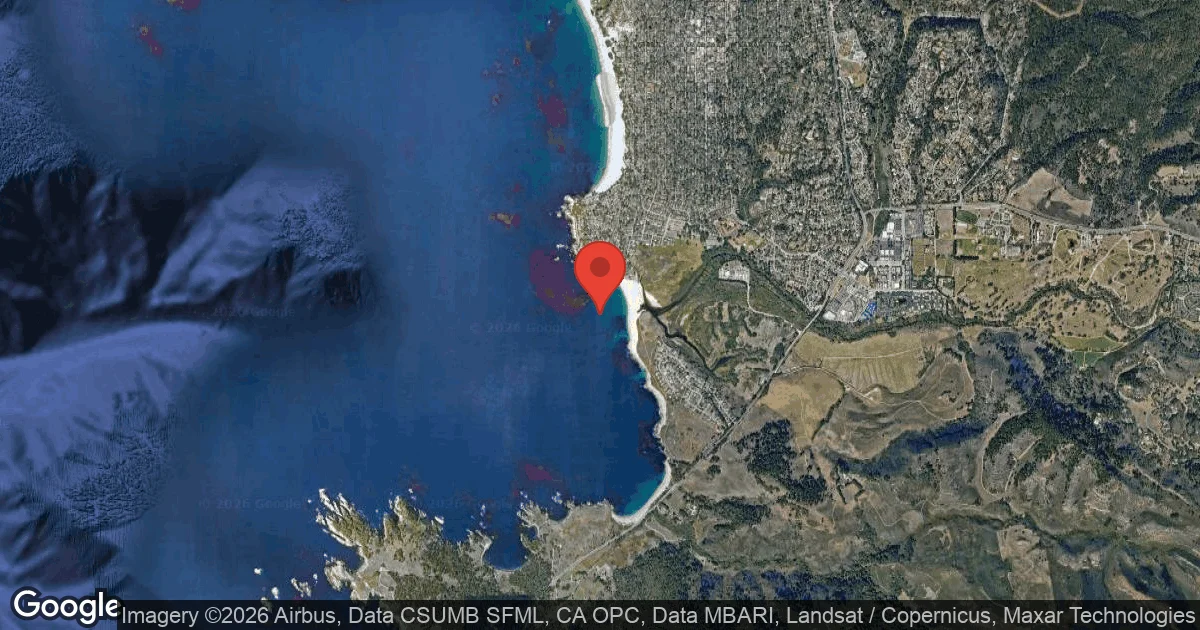
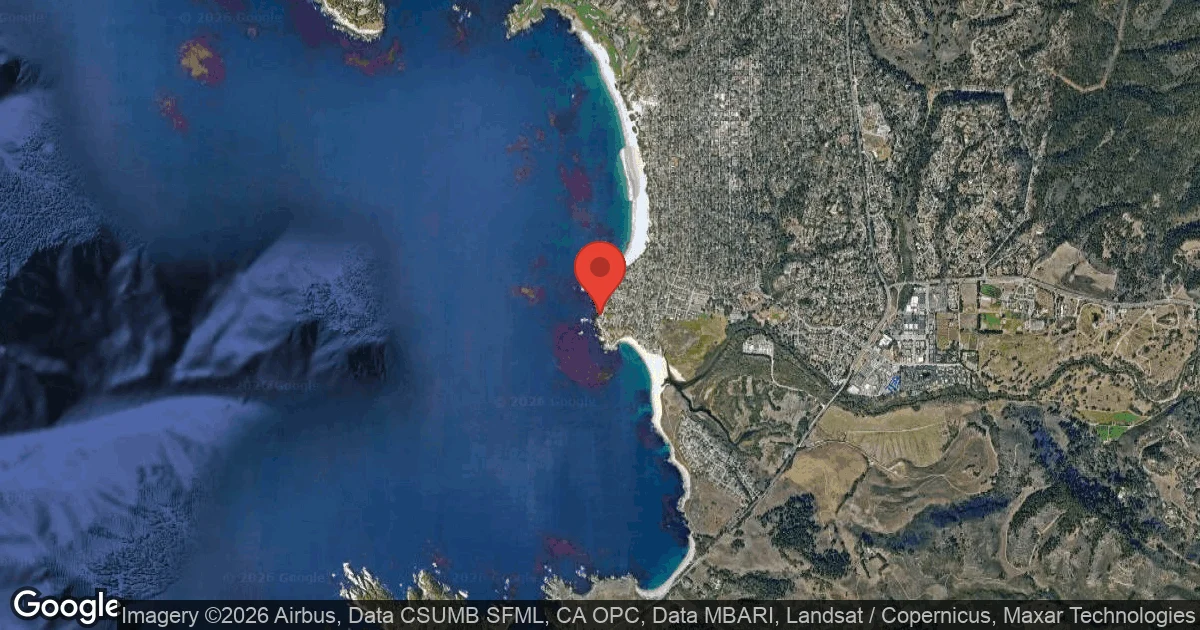
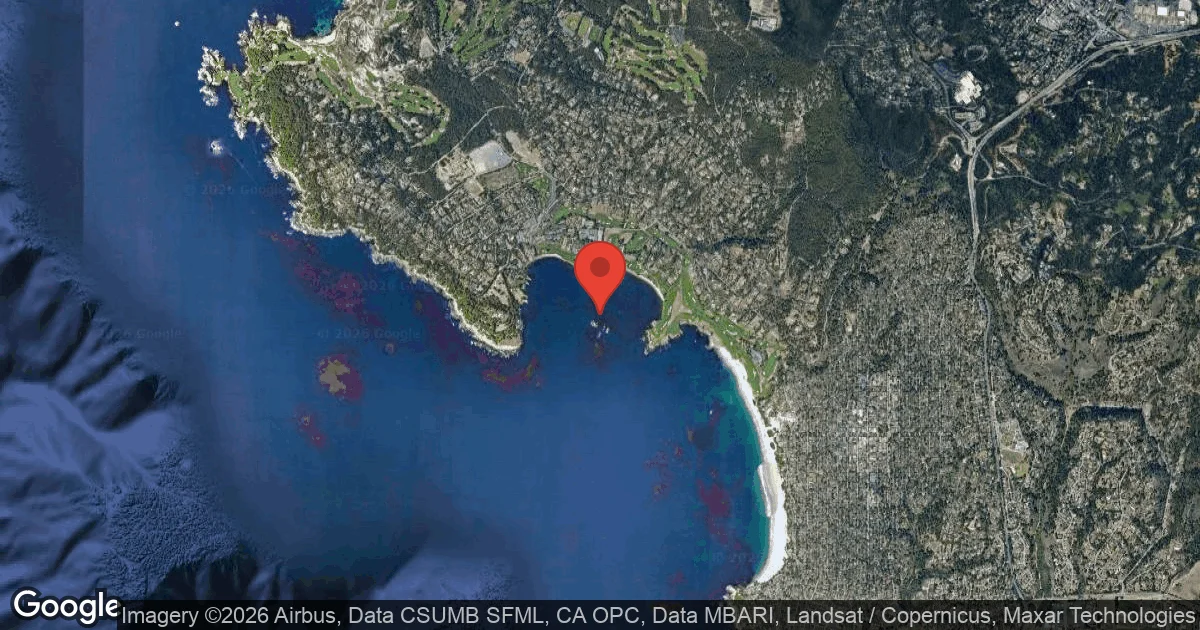
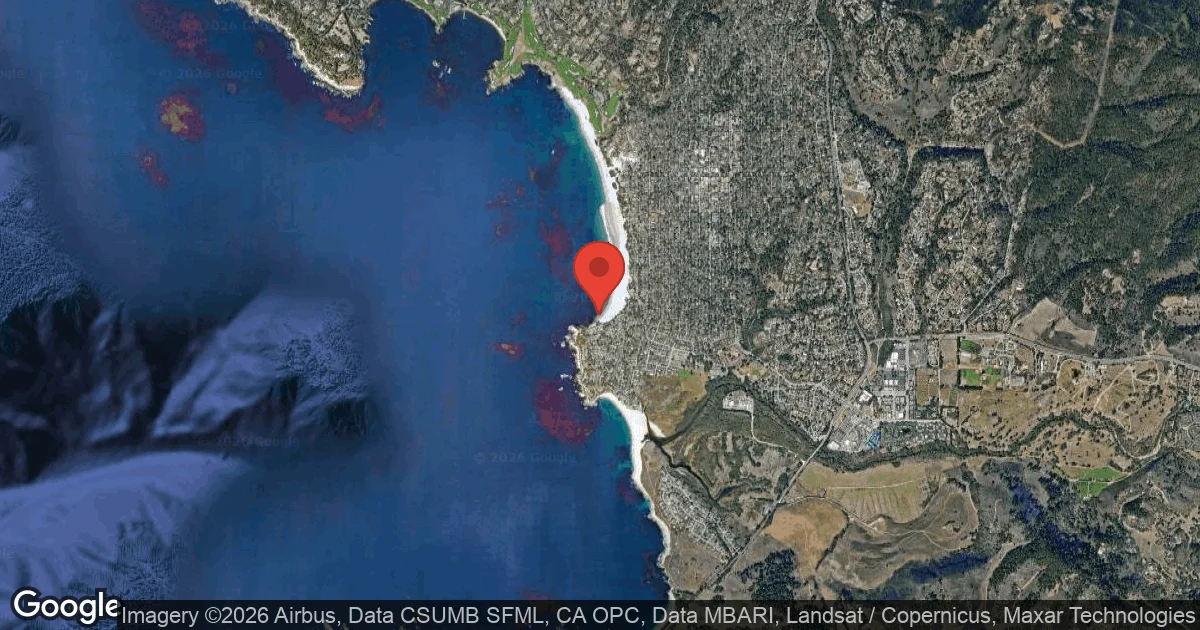
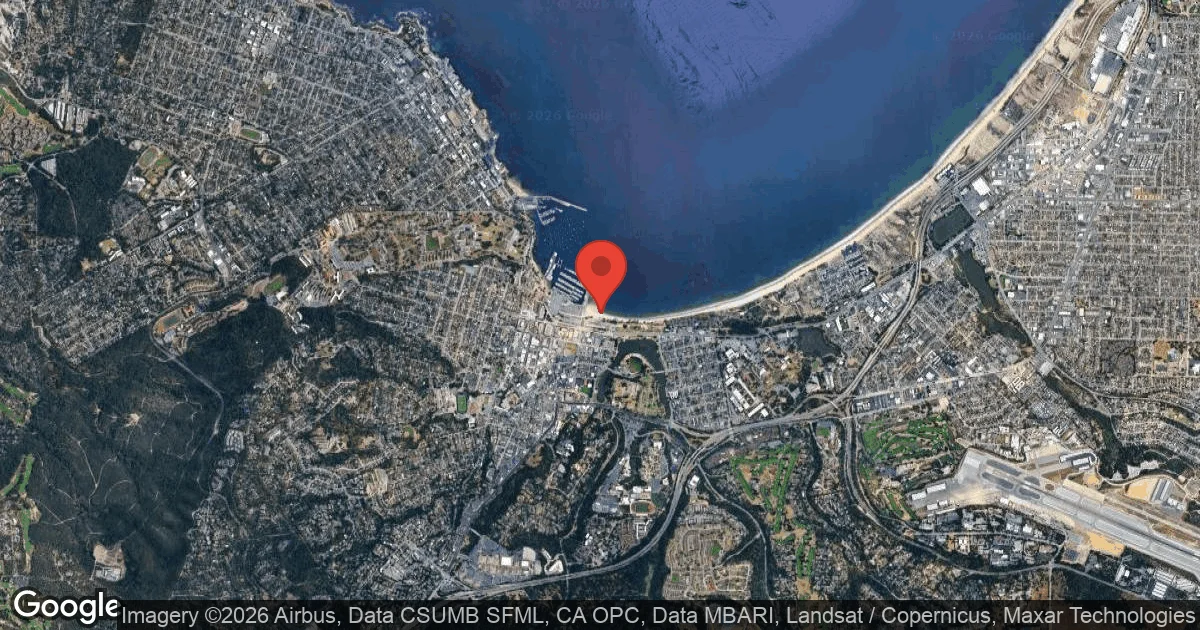
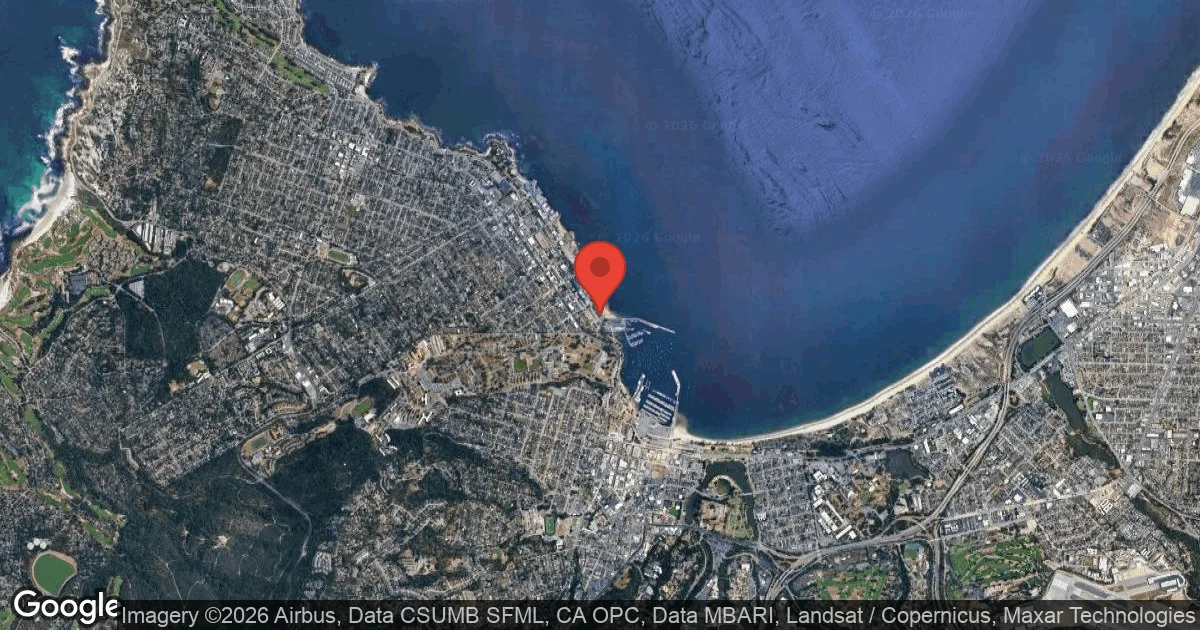
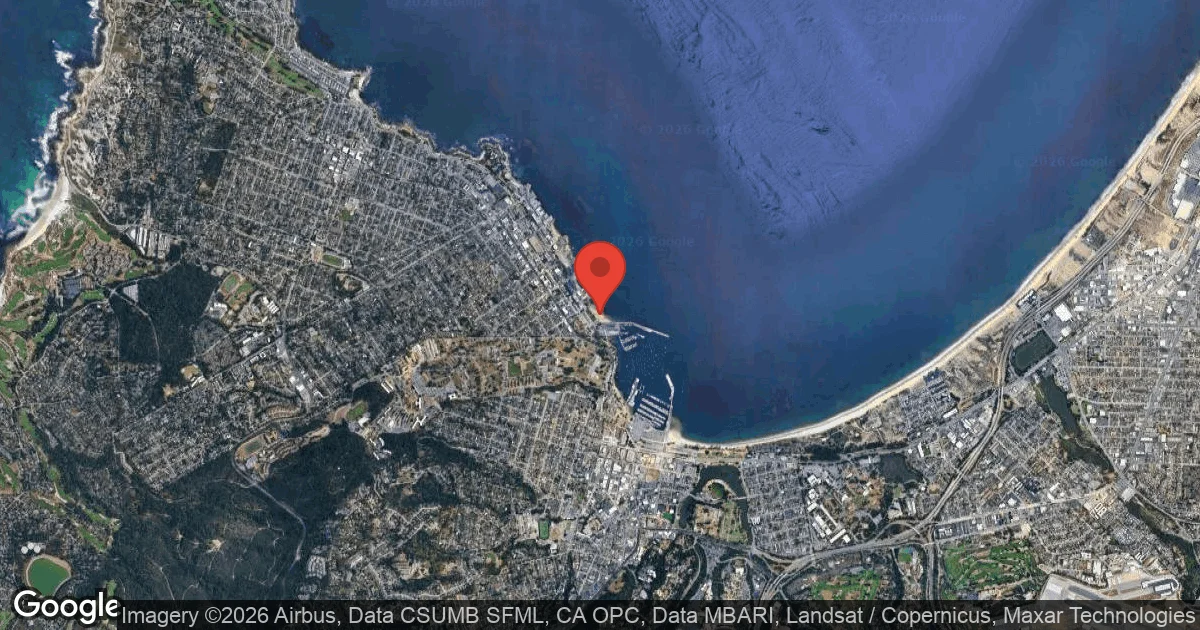
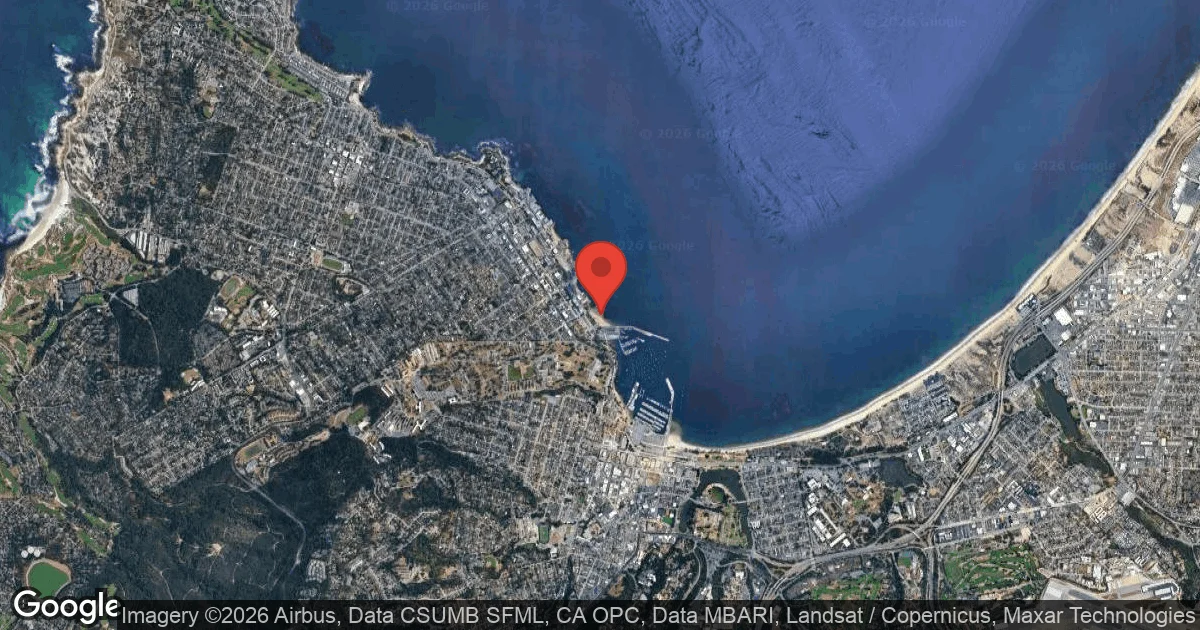
Dive Sites Near Monestary Beach, Carmel CA
View all dive sites in United StatesDiscover more underwater gems in this area.
Dive Centers Near Monestary Beach, Carmel CA
Today: 11:00 - 19:00
Nearest Airports
Nearest airports to help plan travel to this dive area.
Search Flights
Check available flights and routes on Expedia, using the nearby airports listed in this section.
Search Flights on Expedia
Plan Your Stay
Looking for a place to stay for your dive trip? Explore hotels, stays, and vacation rentals for dive groups near Carmel-by-the-Sea.
Dive Navigator may earn a commission from these links at no extra cost to you.
Frequently Asked Questions
What makes Monestary Beach a challenging dive site?
The site is known for its steep beach, coarse sand, and frequent rogue waves that can create a powerful undertow and "washing machine churn" surf, making entries and exits difficult. Its deep canyon proximity also introduces rapid depth changes.
Is Monestary Beach suitable for beginner divers?
Monestary Beach is generally considered an advanced dive site. It is advisable for beginners to dive only with an instructor or experienced divers who are intimately familiar with the site's unique conditions and hazards.
What kind of visibility can be expected?
Visibility at Monestary Beach is often better than at other local sites, largely due to the fast-sinking coarse sand. On good days, divers might experience visibility up to 24 m / 80 ft.
Are there specific entry/exit points to consider?
Yes, it is recommended to enter near the kelp bed on the far northern end of the beach where waves tend to be smaller. Avoid entering or exiting in the middle of the beach due to worse wave breaks and stronger undertows.
What marine life might I see at Monestary Beach?
The site hosts a variety of life including lingcod, cabezon, wolf eels, and octopuses within the reef. Larger encounters with egg-yolk jellyfish, nudibranchs, and occasionally humpback whales or sea lions are also possible due to the adjacent canyon.
What is the "Monastery Crawl"?
The "Monastery Crawl" is an exit strategy taught to divers for this site, involving crawling on hands and knees out of the surf. This maneuver helps divers navigate the powerful undertow and steep beach slope safely.
What are the recommended water temperatures?
Water temperatures are consistently cold year-round and not consistently reported with exact values. Divers should always plan for robust thermal protection, such as a drysuit or thick wetsuit.
Planning to dive Monestary Beach, Carmel CA?
Send one inquiry and receive offers directly from the best verified local dive operators.
Conditions are Good
Optimal conditions expected
Current conditions near Monestary Beach, Carmel CA show 17° air, 16° sea temperature, 1.7 m waves, and 30 km/h wind. Forecast data is refreshed regularly to ensure accuracy.