
Diving at Point Lobos (United States)
Point Lobos presents a varied underwater landscape, inviting exploration within recreational dive limits. Depths in areas like Whaler's Cove typically range from 4.5 m (15 ft) down to 24.4 m (80 ft), accommodating a broad spectrum of certified divers. This reserve emphasizes careful navigation through its kelp forest ecosystems and around its boulder-strewn terrain. Divers here experience a rich environment that remains accessible while adhering to strict conservation protocols. Planning dives to account for these depths ensures a rewarding experience without pushing advanced limits.
Tonight's objective overview for Point Lobos shows an air temperature of 19°C. The measured surface conditions include wave heights around 1.2 m. This environmental data is logged for the close of the day.
Dive Site Location & Key Facts
Dive Site Overview
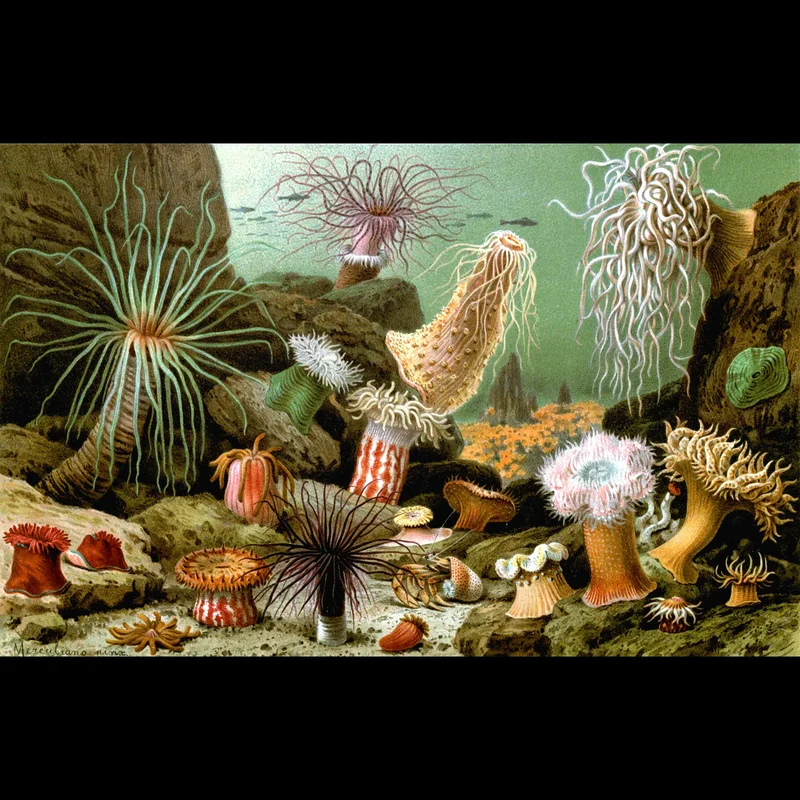
The underwater topography at Point Lobos immerses divers in a striking environment of boulders and deep valleys. Exploring these formations reveals rock faces adorned with multicolored anemones and various bottom-dwelling creatures, found within every crevice.
Divers primarily access the water via a concrete boat ramp in Whaler's Cove, with permitted areas extending to Bluefish Cove and nearby waters. Below the surface, 21 m (70 ft) high kelp forests create an ethereal, subdued light, transforming the underwater experience.
Navigating these areas, particularly along the southern side of the center reef, often leads divers into deeper sections before ascending back into the cove. The reserve maintains strict regulations, limiting daily access to 10-15 buddy teams and prohibiting any form of fishing or collecting, which contributes to the vibrant marine life observed.
A 3D model installed at Whaler’s Cove assists divers in familiarizing themselves with underwater landmarks and general site layout before entering the water. Understanding these entry and navigation points is key to a smooth dive.
While most divers stick to Whaler's Cove, Bluefish Cove offers further exploration, though it typically requires boat or kayak access due to a longer surface swim.
Conditions are Good
Optimal conditions expected
Current conditions near Point Lobos show 19° air, 16° sea temperature, 1.7 m waves, and 29 km/h wind. Forecast data is refreshed regularly to ensure accuracy.
Best Time to Dive
Planning a dive at Point Lobos often hinges on maximizing underwater visibility, which generally improves during calmer periods. Late summer and early fall months, particularly August, tend to offer the most favorable conditions. During August, average air temperatures reach around 16°C (61°F), paired with minimal rainfall, typically just 0.03 mm. Warmer air and dry weather often correlate with reduced surface runoff and calmer seas, leading to clearer water. July and September also present moderate dive scores, with slightly lower average air temperatures but still very low rainfall, around 0.02 mm and 0.28 mm respectively. Winter and early spring months, conversely, generally present poorer dive scores. During this time, higher average wave heights and increased rainfall occur, with February seeing about 4.6 mm of rain and March 3.4 mm. Focusing on the drier, warmer months typically provides a better chance for an unobstructed view of the rich marine habitat.
PEAK SEASON SCORE
Scores combine air & water temps, waves, wind & rainfall for overall conditions.
BEST MONTHS TO DIVE
Monthly records compiled from satellite and marine observation nodes over the last 3 years. Data provided by Open-Meteo and MET Norway.
Dive Experience & Conditions
Point Lobos offers a dive experience characterized by its diverse depth profile and dynamic marine interactions. Depths within Whaler's Cove range from shallow areas to typical recreational limits. Descending into the kelp forests, divers encounter varying light levels as they navigate through the towering fronds. These conditions create an exploratory environment where buoyancy control is essential to avoid entanglement and to protect the delicate ecosystem. The underwater terrain includes numerous boulders and valleys, requiring divers to actively scan their surroundings for marine life. While water temperatures are not consistently reported, cold water exposure is a consistent factor for California diving, necessitating appropriate thermal protection. Currents can vary, but generally, conditions within the coves are manageable for certified divers. Encounters with curious harbor seals or sea otters are common, adding a dynamic element to the dive, though maintaining respectful distances is paramount.
Dive Difficulty & Safety Guidelines
Diving at Point Lobos requires adherence to stringent safety protocols to protect both divers and the delicate marine environment. A primary consideration is the controlled access; only 10-15 buddy teams are permitted daily, and reservations are absolutely necessary, especially on weekends. Solo diving is strictly prohibited; all divers must have a partner and present valid certification cards, along with photo ID if the card lacks a picture.
Divers must enter and exit the water exclusively at the dive access ramp in Whaler's Cove. Every SCUBA diver must carry a device capable of maintaining positive buoyancy.
Additionally, strict guidelines for viewing marine mammals are enforced: maintain at least 91 m (300 ft) from whales and a minimum of 45 meters (about 150 feet) from dolphins, seals, sea lions, and turtles. These rules help mitigate potential hazards and preserve the natural behavior of the animals.
Recommended Equipment
- Dive Computer
This gear list is based on verified equipment signals for Point Lobos, United States. Always confirm final gear choices with your dive operator, guide, or liveaboard.
Recommended Dive Suit
Subtle variations in currents or depth can sometimes influence perceived water temperature.
5-7mm wetsuit tends to perform well in water temperatures like those currently observed here. Consider warmer surface protection (like a boat coat) due to brisk winds. Surface intervals may feel cooler. The coming days appear slightly cooler according to the latest forecast. Cooler days are ahead; you might want a warmer option for later in the week. Carrying a secondary suit is common practice among experienced divers.
Current temperature readings suggest that the water at Point Lobos is around 16°C (61°F). Surface air temperatures are resting at 19°C (66°F).
Emergency & Medical Support
Essential information to help you plan your dive trip to Point Lobos.

Hyperbaric chambers are a critical part of dive safety infrastructure. Availability varies significantly by region, and not all dive areas have immediate access.
Before diving, it's recommended to:
- confirm nearest medical facilities
- check emergency procedures with local dive operators
- ensure dive insurance covers evacuation if required
Divers Alert Network
Diving emergency assistance available through DAN World.
+1-919-684-9111- 24/7 emergency hotline
- Diving medical assistance
- Evacuation coordination
Emergency contacts are provided for reference. Always verify local emergency services before diving.
Marine Life at Point Lobos
Upon entering the water, divers often first notice the schooling fish navigating through the kelp forest canopy. Throughout the dive, encounters with curious harbor seals or sea otters are a frequent highlight, often observed playing among the kelp.
Exploring the boulder and valley formations reveals vibrant marine life, including multicolored anemones adorning rock faces and various other bottom-dwelling creatures found sheltering in crevices. Lingcod and rockfish are commonly sighted among the reef structures, contributing to the rich biodiversity.
Sea stars are also prevalent, adding to the colorful tapestry of the underwater landscape. Observing these interactions and the sheer abundance of life makes each dive unique within this protected reserve.

Dive Sites Near Point Lobos
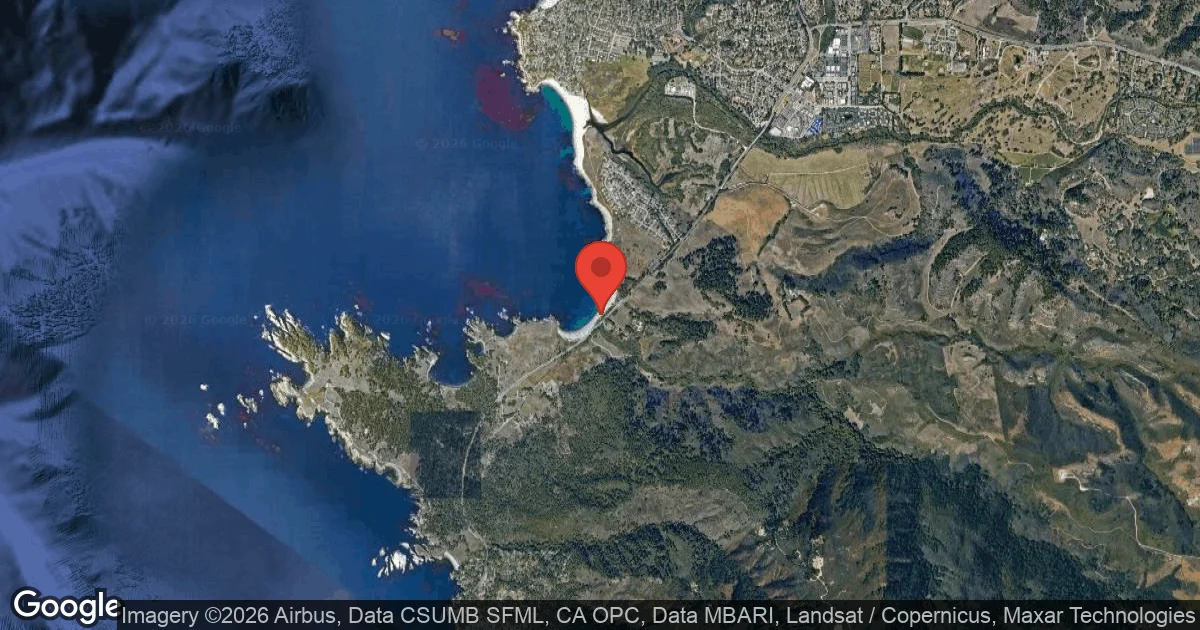
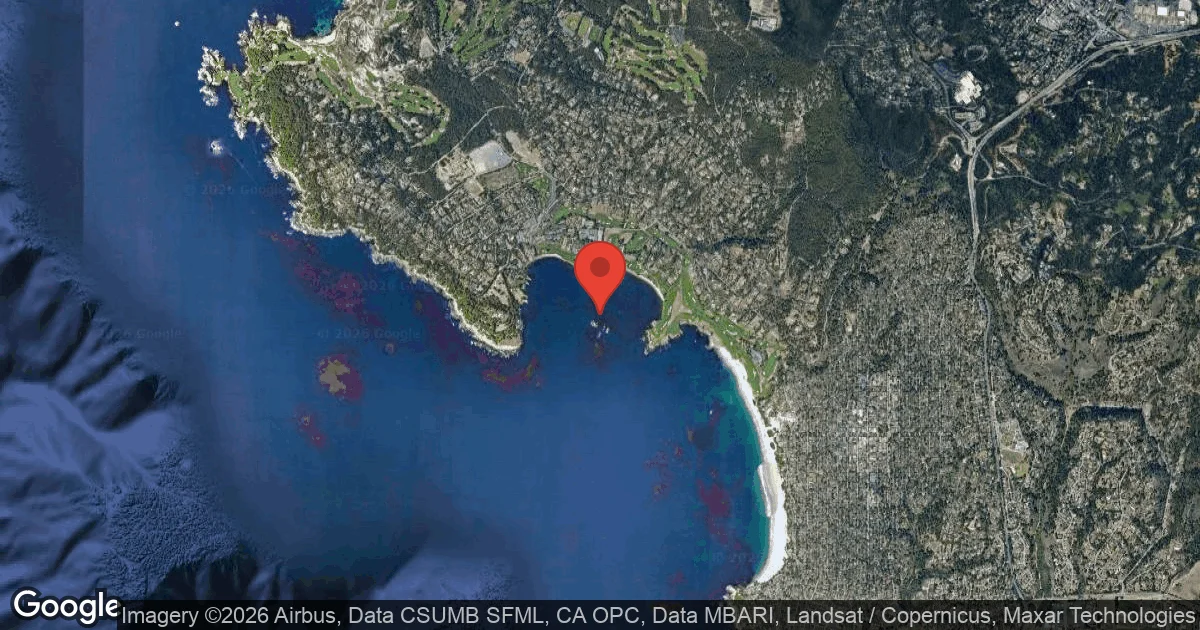
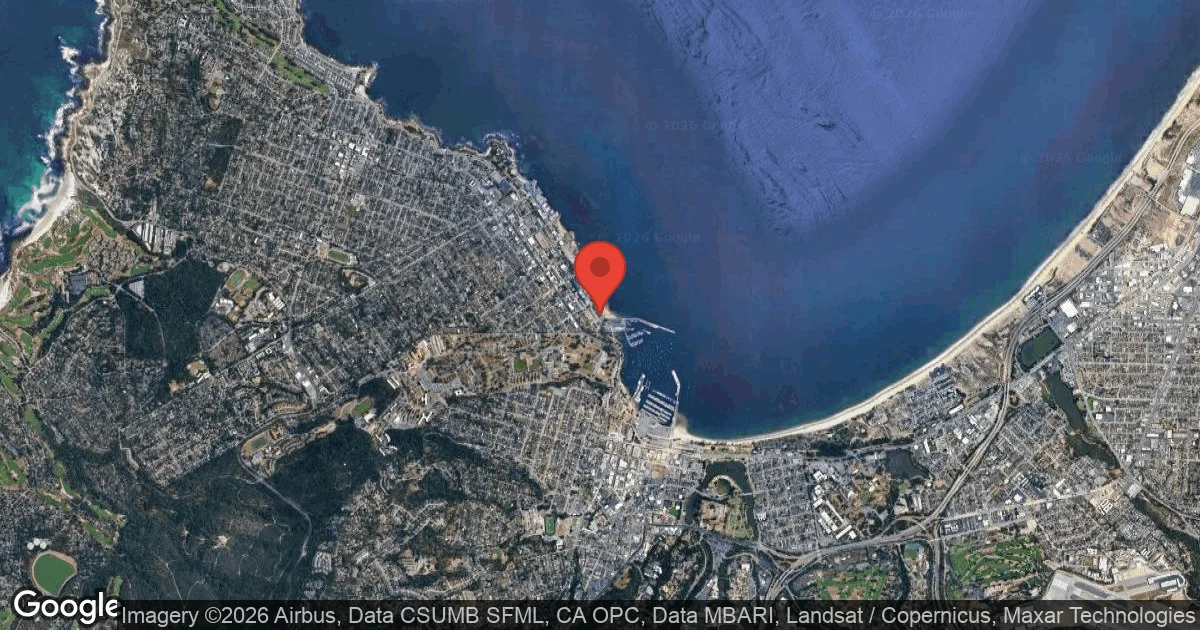
View all dive sites in United StatesDiscover more underwater gems in this area.
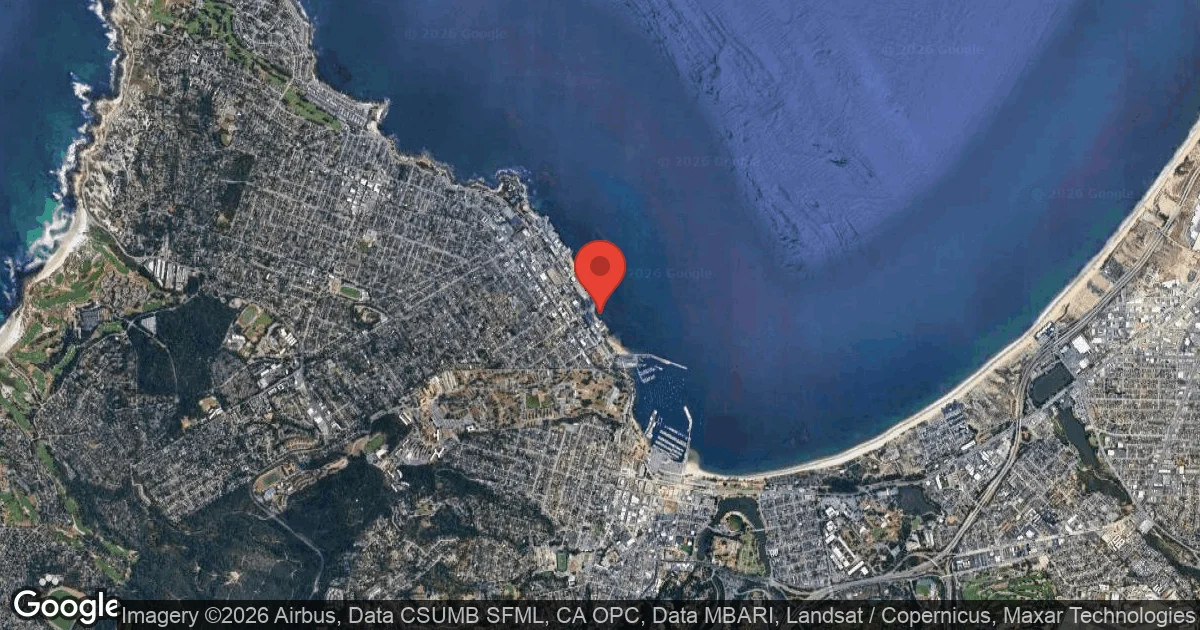
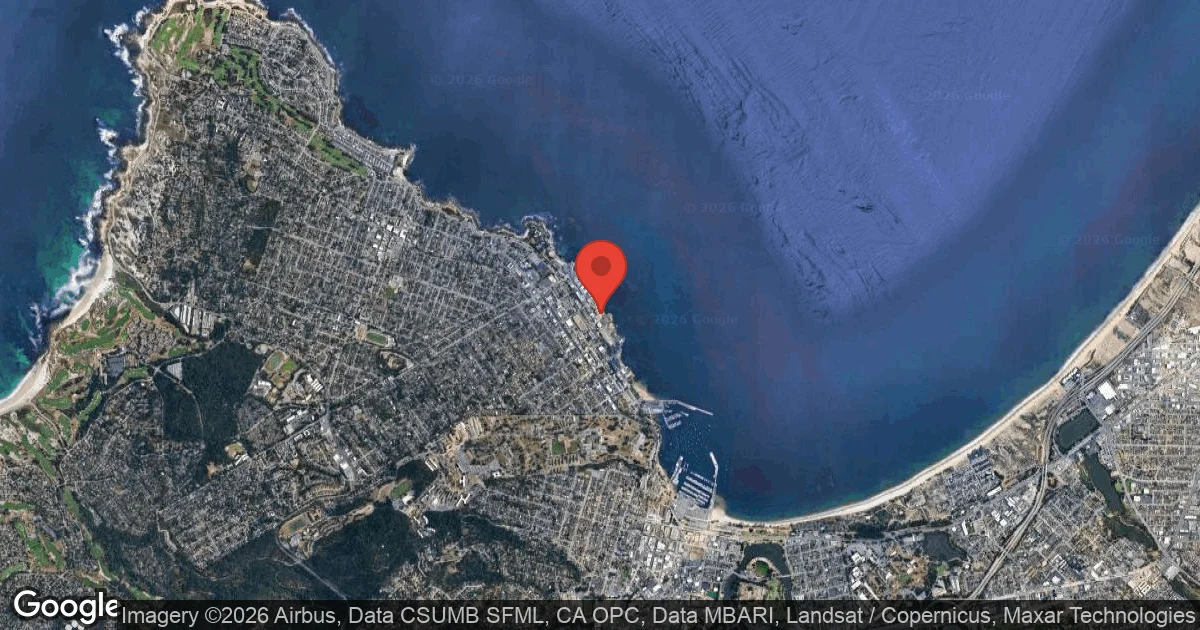
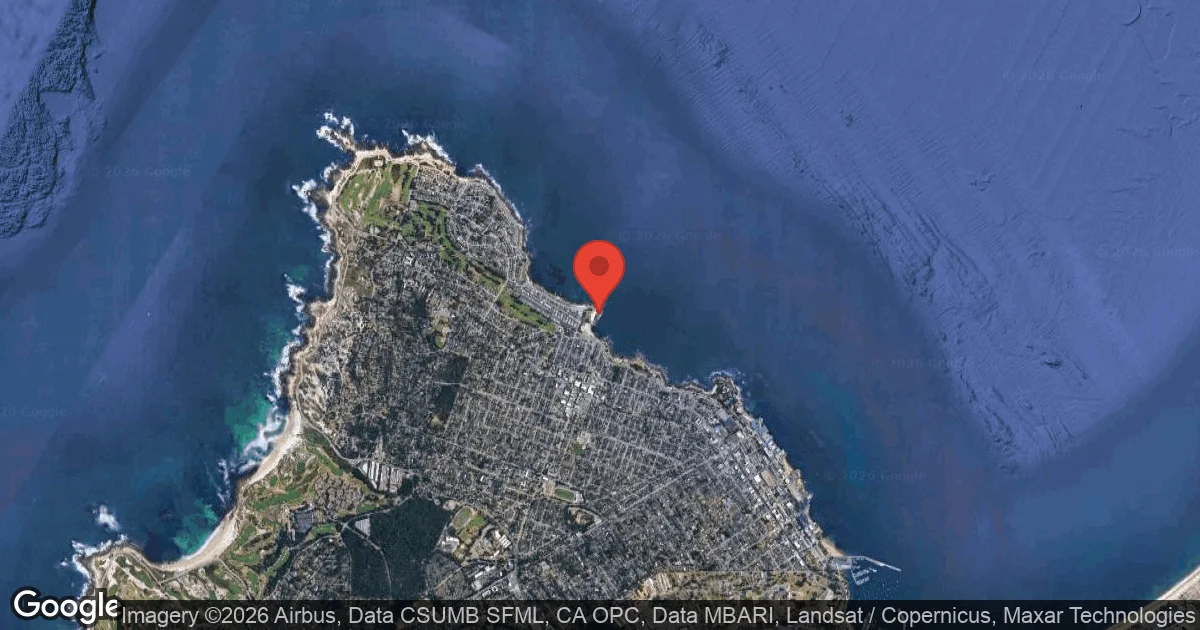
Dive Centers Near Point Lobos
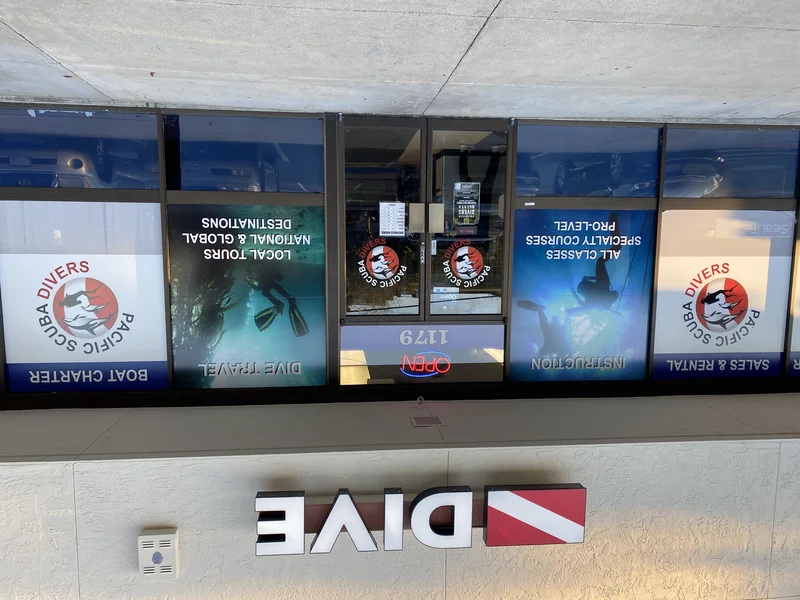
Today: 11:00 - 19:00
Nearest Airports
Nearest airports to help plan travel to this dive area.
Search Flights
Check available flights and routes on Expedia, using the nearby airports listed in this section.
Search Flights on Expedia
Plan Your Stay
Looking for a place to stay for your dive trip? Explore hotels, stays, and vacation rentals for dive groups near Carmel-by-the-Sea.
Dive Navigator may earn a commission from these links at no extra cost to you.
Frequently Asked Questions
How do I make a dive reservation for Point Lobos?
Reservations are required and can be made through the California Department of Parks and Recreation website. It's advisable to book well in advance for weekends and holidays, often a month prior.
What are the entry requirements for divers?
Each diver must present a valid certification card and photo identification. All divers must have a buddy, as solo diving is not permitted.
Are there fees to dive at Point Lobos?
Yes, there's a vehicle entry fee of $10. If you plan to launch a boat, there's an additional $25 fee, and kayaks/SUPs are $10 to launch.
What's the maximum depth for diving in Whaler's Cove?
Maximum depths in Whaler's Cove typically align with recreational limits, often reaching around 24 meters. Shallower sections are also available.
Where can divers enter and exit the water?
Divers are strictly limited to entering and exiting the water only at the concrete boat launch ramp in Whaler's Cove. This rule is in place for safety and resource protection.
What marine life can I expect to see?
Divers frequently encounter harbor seals, sea otters, schooling fish, lingcod, rockfish, sea stars, and colorful anemones. The reserve's protected status encourages an abundance of aquatic life.
Are there restrictions on collecting or fishing?
Yes, all forms of fishing and collecting, including shells and rocks, are strictly prohibited within the Point Lobos State Natural Reserve. This regulation helps maintain the pristine condition of the marine ecosystem.
What are the rules for interacting with marine mammals?
Divers must maintain a respectful distance from marine mammals. Guidelines recommend staying at least 91 meters from whales and 45 meters from dolphins, seals, sea lions, and turtles.
Planning to dive Point Lobos?
Send one inquiry and receive offers directly from the best verified local dive operators.
Conditions are Good
Optimal conditions expected
Current conditions near Point Lobos show 19° air, 16° sea temperature, 1.7 m waves, and 29 km/h wind. Forecast data is refreshed regularly to ensure accuracy.