
Diving at Conch Reef SW#1 (United States)
To truly experience the dynamic structure of Conch Reef, focus on the area known as Conch Wall. This site presents one of the few true wall diving opportunities in the Florida Keys, making it an excellent location for a drift dive. Dropping from approximately 14-17 m (45-55 ft) at its top, the wall extends down to depths exceeding 30 m (100 ft), offering a significant vertical profile for exploration.
Tonight's objective overview for Conch Reef SW#1 shows an air temperature of 27°C. The measured surface conditions include wave heights around 1 m. This environmental data is logged for the close of the day.
Dive Site Location & Key Facts
Dive Site Overview
Conch Reef presents a multifaceted dive environment, featuring everything from expansive walls to calmer, shallower ledges. Conch Wall is recognized as a prime drift dive, with its top beginning in the 14-17 m (45-55 ft) range and descending past 30 m (100 ft).
Along deeper sections here, divers often encounter pelagic life in motion, occasionally observing larger species passing by. Just nearby, Conch Horseshoe provides a stark contrast, presenting a well-defined coral ledge that meanders in depths of 6-9 m (20-30 ft). This shallower area, a continuation of Conch Pillars, forms a characteristic U-turn, creating protected spots where currents are rarely an issue, making it suitable for less experienced divers.
Within this extensive system, divers can also explore Conch Pillars, with its impressive coral formations, and PT's Ledge, another site known for its varied topography. Accessing these varied sites from Tavernier Creek Marina allows for exploration across a broad reef line, covering many nautical square miles from Key Largo to Islamorada.
The area's proximity to the Aquarius Sea Base adds an interesting historical element, tying dive exploration to maritime research legacy and conservation efforts.
Conditions are Good
07:00 - 14:00
Optimal conditions expected
Current conditions near Conch Reef SW#1 show 27° air, 30° sea temperature, 0.4 m waves, and 23 km/h wind. Forecast data is refreshed regularly to ensure accuracy.
Best Time to Dive
Planning a dive at Conch Reef involves considering the seasonal shifts in weather, which influence overall conditions. The period from April through September generally offers good diving, with air temperatures progressively warming from around 21°C (70°F) in April to a peak near 29°C (84°F) in August. During these months, wave heights are typically lower, often below 0.9 meters. Conversely, the months from October to March are rated as moderate diving periods. Air temperatures cool significantly, dropping to an average of 13.5°C (56°F) in January, and wind speeds tend to be higher. Wave heights during this time can increase, with December and January averaging around 1.1 m (3.6 ft) and 1.3 m (4.3 ft) respectively. Rain activity varies, with September experiencing higher averages, reaching up to 7.22 mm (0.28 in). For calmer waters and warmer conditions, the summer and late spring months are generally more favorable.
PEAK SEASON SCORE
Scores combine air & water temps, waves, wind & rainfall for overall conditions.
BEST MONTHS TO DIVE
Monthly records compiled from satellite and marine observation nodes over the last 3 years. Data provided by Open-Meteo and MET Norway.
Dive Experience & Conditions
Entering the water at Conch Reef provides a range of experiences, from the vertical drop of Conch Wall to the gentle slopes of Conch Horseshoe. On Conch Wall, divers can anticipate a potential drift dive, following the current along its unique vertical structure. Maximum depths can exceed 30 m (100 ft), positioning this as a site for those comfortable with deeper profiles and potentially faster movements. Conversely, Conch Horseshoe presents a calmer environment. A shallower section, typically between 6-9 m (20-30 ft), usually experiences minimal current, making it suitable for all levels of divers and snorkelers. Its diverse topography, including ledges and sandy patches, supports various marine encounters, ensuring each descent offers something new to observe.
Dive Difficulty & Safety Guidelines
Approaching a site like Conch Reef, especially its deeper wall sections, requires adherence to established safety protocols. Divers must hold at least an Open Water certification and demonstrate a recent dive within the last year to participate in trips. For those exploring the deeper parts of Conch Wall, which extends past 30 m (100 ft), Advanced Open Water training is highly recommended, particularly the Deep Dive specialty.
This training provides essential knowledge about pressure effects and necessary precautions at extended depths. Navigation skills, developed through an Advanced Open Water course, are also beneficial, especially for understanding the reef's structure and potential drift scenarios.
Always dive within your certification limits and consider a refresher course if your last dive was some time ago.
Recommended Equipment
- Dive Computer
This gear list is based on verified equipment signals for Conch Reef SW#1, United States. Always confirm final gear choices with your dive operator, guide, or liveaboard.
Recommended Dive Suit
With water temperatures around 30°C (86°F), many divers find a dive skin or rash guard provides comfortable protection.
Being prepared with flexible exposure options is a common approach among experienced divers.
The next few days appear likely to bring similar environmental conditions.
Due to technical issues with our weather providers, live updates are temporarily delayed. The data above reflects the conditions at the time of the last successful fetch.
Emergency & Medical Support
Essential information to help you plan your dive trip to Conch Reef SW#1.

Hyperbaric chambers are a critical part of dive safety infrastructure. Availability varies significantly by region, and not all dive areas have immediate access.
Before diving, it's recommended to:
- confirm nearest medical facilities
- check emergency procedures with local dive operators
- ensure dive insurance covers evacuation if required
Divers Alert Network
Diving emergency assistance available through DAN World.
+1-919-684-9111- 24/7 emergency hotline
- Diving medical assistance
- Evacuation coordination
Emergency contacts are provided for reference. Always verify local emergency services before diving.
Marine Life at Conch Reef SW#1
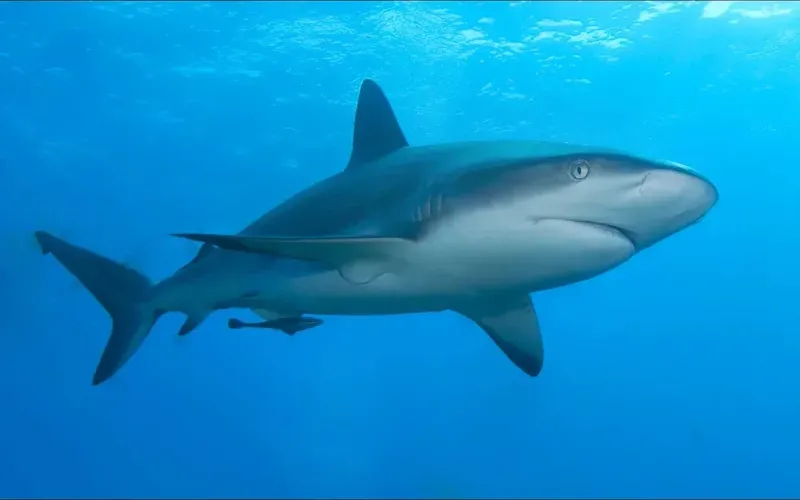
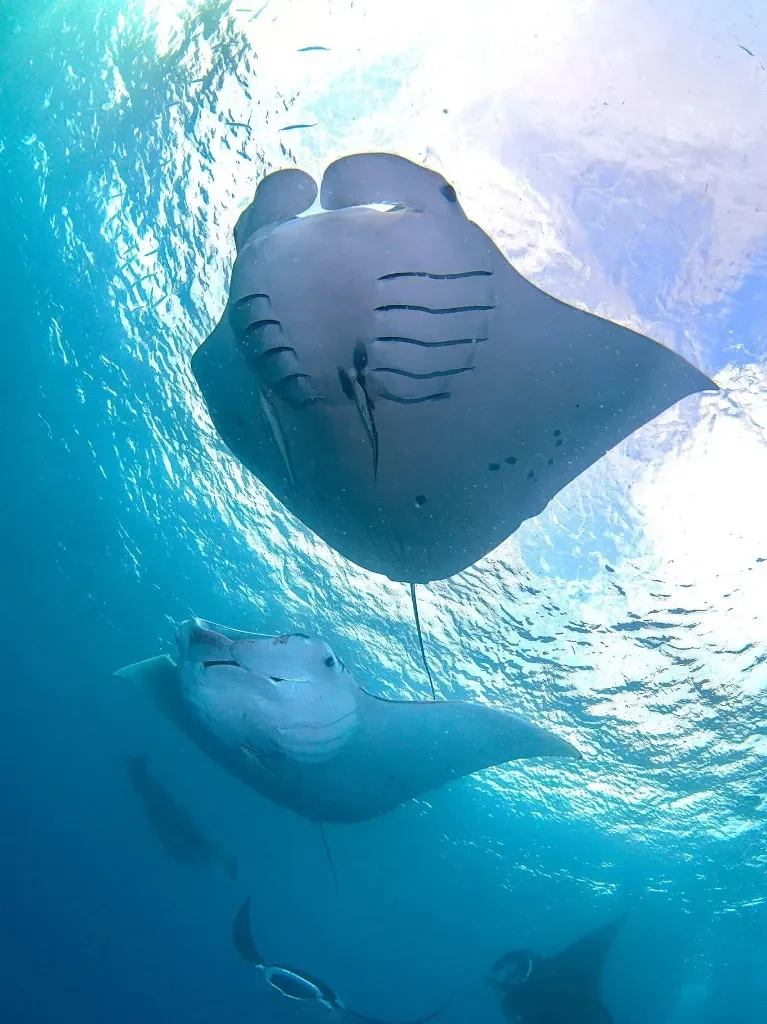
What you'll notice first on the deeper sections of Conch Wall are sometimes larger pelagic species. Schools of manta rays and Caribbean reef sharks have been observed here.
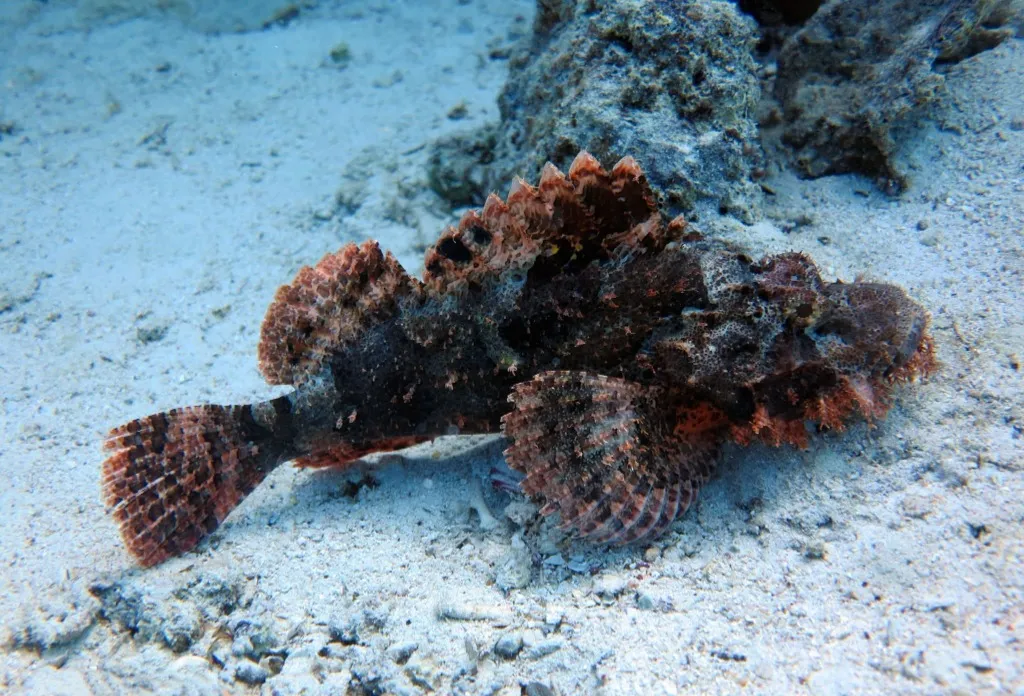
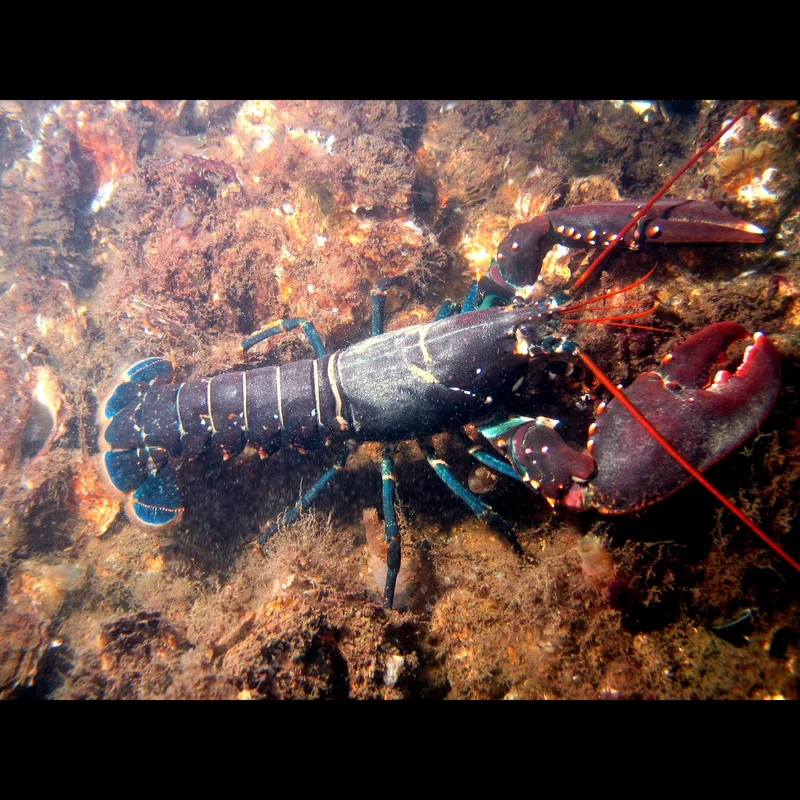
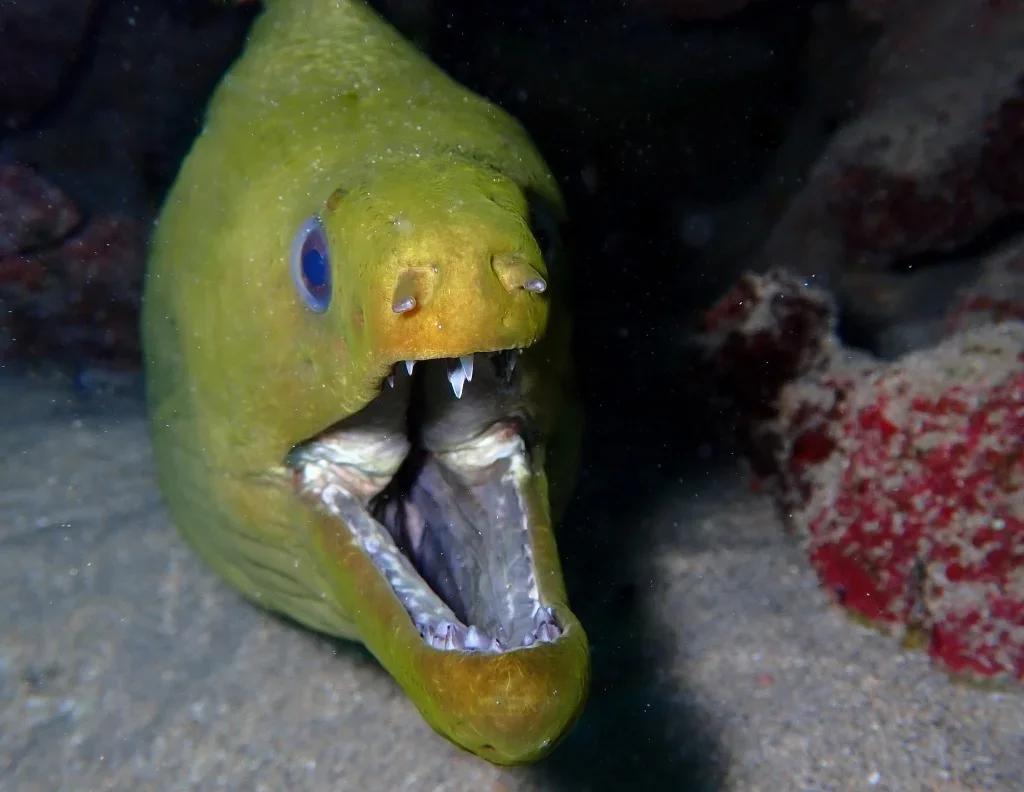
Moving into the shallower, more structured areas like Conch Horseshoe, the sandy bottoms often host conch, while the coral ledges conceal lobsters, green moray eels, and scorpionfish. The variety across the reef system provides different encounters depending on the specific site and conditions.
Dive Sites Near Conch Reef SW#1
View all dive sites in United StatesDiscover more underwater gems in this area.
Dive Centers Near Conch Reef SW#1
Today: 09:00 - 16:00
Nearest Airports
Nearest airports to help plan travel to this dive area.
Search Flights
Check available flights and routes on Expedia, using the nearby airports listed in this section.
Search Flights on ExpediaFrequently Asked Questions
What is the typical depth range for diving at Conch Reef?
The Conch Reef system offers varied depths. Conch Wall's top is around 14-17 m (45-55 ft) and slopes down beyond 30 m (100 ft). Shallower sections like Conch Horseshoe are typically 6-9 m (20-30 ft).
What certification level is required for diving at Conch Reef?
Divers must hold at least an Open Water certification. It's also required that participants have gone diving in the last year. For deeper sections, an Advanced Open Water certification is recommended.
When is the best time of year to dive Conch Reef?
The period from April through September generally offers good diving conditions, with warmer air temperatures and lower wave heights. While diving is possible year-round, conditions are more moderate from October to March due to cooler temperatures and potentially higher winds and waves.
Are there strong currents at Conch Reef?
Conch Wall is known for being a drift dive, indicating currents can be present. However, shallower sites like Conch Horseshoe rarely experience strong currents, making them ideal for all diver levels.
What marine life can divers expect to see?
Divers may encounter schools of manta rays and Caribbean reef sharks, particularly along Conch Wall. Shallower areas often reveal conch on sandy bottoms, as well as lobsters, green moray eels, and scorpionfish hidden in the ledges.
Is equipment rental available for diving at Conch Reef?
Yes, rental equipment is available. Tanks and weights are typically included with dive trips, while other items like BCDs, regulators, masks, fins, snorkels, and wetsuits can be rented separately.
Can I get advanced dive training at Conch Reef?
Yes, advanced training is available. You can complete your Advanced Open Water certification, which includes core dives like Navigation and Deep Dive, along with elective dives to expand your skills and confidence.
Planning to dive Conch Reef SW#1?
Send one inquiry and receive offers directly from the best verified local dive operators.
Conditions are Good
07:00 - 14:00
Optimal conditions expected
Current conditions near Conch Reef SW#1 show 27° air, 30° sea temperature, 0.4 m waves, and 23 km/h wind. Forecast data is refreshed regularly to ensure accuracy.