
Diving at Conch Reef SW#2 (United States)
Conch Reef stands as a distinctive historical feature within the Florida Keys' dive landscape. For generations, divers have explored its contours; the nearby Aquarius Sea Base marked a unique underwater operational environment. As part of the extensive Conch Reef System, it has evolved as a focal point for understanding the region's dynamic reef structures and ongoing preservation efforts.
Tonight's objective overview for Conch Reef SW#2 shows an air temperature of 29.5°C. The measured surface conditions include wave heights around 0.5 m. This environmental data is logged for the close of the day.
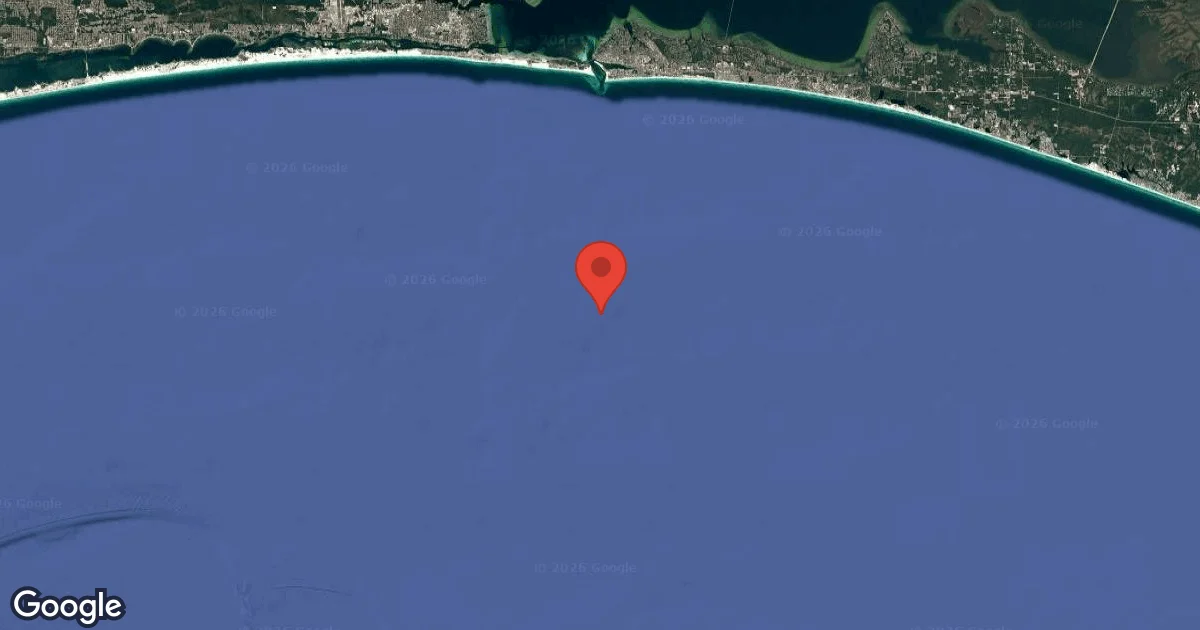
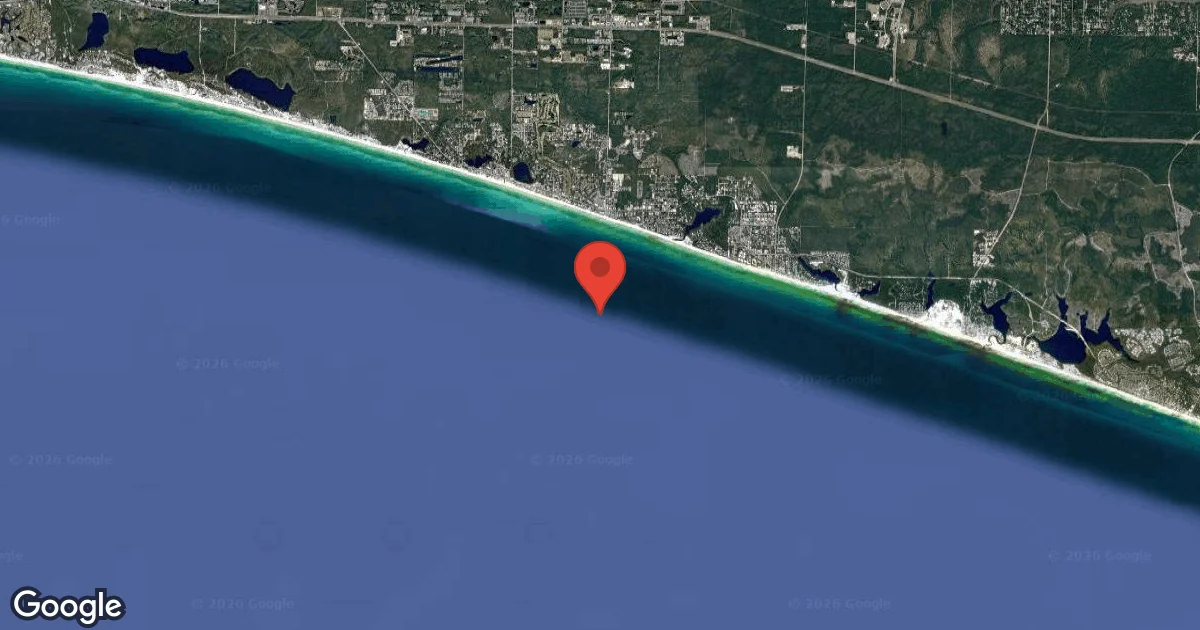
Dive Site Location & Key Facts
Dive Site Overview
A rich tapestry of underwater topography defines this signature reef within the Florida Keys. Divers exploring the site encounter dramatic wall sections, intricate swim-through contours, and robust hard coral structures across its expanse.
General depths across the system span 6 to 29 meters (20 to 95 ft), accommodating a range of experiences from intermediate reef exploration to more advanced deeper profiles. Its most prominent feature, Conch Wall, forms what many consider the Keys' true vertical drop-off, descending sharply from approximately 15 meters (50 ft) down to 30 meters (100 ft).
Drift dives are often ideal along this impressive section; divers effortlessly glide along its face, carried by prevailing currents, observing diverse resident marine life. Extensive reef fingers and sand channels characterize the broader environment, creating diverse microhabitats.
These varied formations support a spectrum of dive experiences, from leisurely tours among shallower sections to more challenging explorations of its deeper, more exposed edges. Careful planning for currents and depth ensures a rewarding dive across its varied landscape.
Conditions are Excellent
07:00 - 14:00
Optimal conditions expected
Current conditions near Conch Reef SW#2 show 29° air, 30° sea temperature, 0.4 m waves, and 21 km/h wind. Forecast data is refreshed regularly to ensure accuracy.
Best Time to Dive
Diving at Conch Reef experiences a noticeable shift across the seasons, offering different conditions and atmospheres throughout the year. From April through September, conditions are generally most favorable, earning "Good" dive scores. These months see considerably warmer average air temperatures, ranging from about 21°C (70°F) in April to a peak of 29°C (84°F) in August. Calm seas typically accompany these conditions, with wave heights consistently below 1 meter (3.3 ft) and lower average wind speeds. Conversely, cooler months from January to March and October to December typically result in "Moderate" dive scores; December often registers a slightly lower score. Air temperatures during these periods average between 13.5°C (56°F) and 20°C (68°F), accompanied by increased average wave heights and stronger winds, which can affect surface conditions and visibility. Rainfall tends to be higher in September, averaging 7.22 mm, potentially impacting surface comfort, though underwater visibility is more often influenced by currents and surge.
PEAK SEASON SCORE
Scores combine air & water temps, waves, wind & rainfall for overall conditions.
BEST MONTHS TO DIVE
Monthly records compiled from satellite and marine observation nodes over the last 3 years. Data provided by Open-Meteo and MET Norway.
Dive Experience & Conditions
As divers descend onto Conch Reef, they encounter a dynamic underwater environment, transitioning from its shallower reef sections to more profound wall features. Recreational depths at the site extend from its shallower edges to its deeper limits, with specialized areas like Conch Wall reaching its maximum recreational depth. Entering the water, divers typically find generally clear conditions that allow for excellent visibility of the diverse coral formations. Moving through the reef, contours offer opportunities for exploring ledges and robust hard coral structures. For those venturing into deeper zones, especially towards the wall, a drift dive can provide an exhilarating experience along its face. Varied topography, including spur-and-groove formations and deeper ledges, means different sections of the reef will present varying current patterns, though generally clear water allows for good observation. Strong buoyancy control becomes increasingly important when navigating these more exposed, deeper areas, ensuring a safe and controlled dive.
Dive Difficulty & Safety Guidelines
While Conch Reef doesn't have specific reported hazards, responsible diving practices are paramount for an enjoyable experience. All divers must possess at least an Open Water certification and demonstrate recent diving activity within the last year; a refresher course is required if it's been longer. Given the site's deeper sections, particularly Conch Wall which can reach depths around 30 meters, divers planning to explore beyond 18 meters (60 ft) should consider obtaining Advanced Open Water certification.
Such training ensures proficiency in deep diving protocols and enhanced buoyancy control, which is essential when navigating ledges or wall environments where currents can be present. Maintaining situational awareness and diving within personal limits are critical here. Always dive with a buddy, plan your dive, and observe local guidelines for marine conservation.
Recommended Equipment
- Dive Computer
This gear list is based on verified equipment signals for Conch Reef SW#2, United States. Always confirm final gear choices with your dive operator, guide, or liveaboard.
Recommended Dive Suit
The coming days appear slightly cooler according to the latest forecast. Cooler days are ahead; you might want a warmer option for later in the week. Divers planning multiple dives may appreciate having a warmer option available.
Two divers in the same water temperature may experience very different comfort levels.
Many divers find that dive skin or rash guard offers the right level of insulation for conditions like these. Divers preparing to enter the water at Conch Reef SW#2 will likely find temperatures around 30°C (86°F) today. Surface air temperatures are resting at 29°C (85°F).
Emergency & Medical Support
Essential information to help you plan your dive trip to Conch Reef SW#2.

Hyperbaric chambers are a critical part of dive safety infrastructure. Availability varies significantly by region, and not all dive areas have immediate access.
Before diving, it's recommended to:
- confirm nearest medical facilities
- check emergency procedures with local dive operators
- ensure dive insurance covers evacuation if required
Divers Alert Network
Diving emergency assistance available through DAN World.
+1-919-684-9111- 24/7 emergency hotline
- Diving medical assistance
- Evacuation coordination
Emergency contacts are provided for reference. Always verify local emergency services before diving.
Marine Life at Conch Reef SW#2
An underwater landscape pulsing with life defines Conch Reef, creating a vibrant habitat for diverse marine species. Exploring the robust hard coral structures, divers frequently spot Black Grouper lurking near ledges and resident cleaning stations.
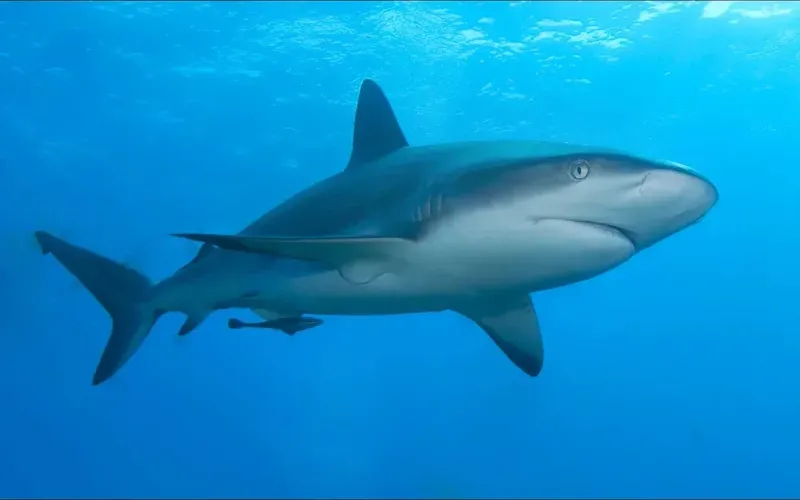
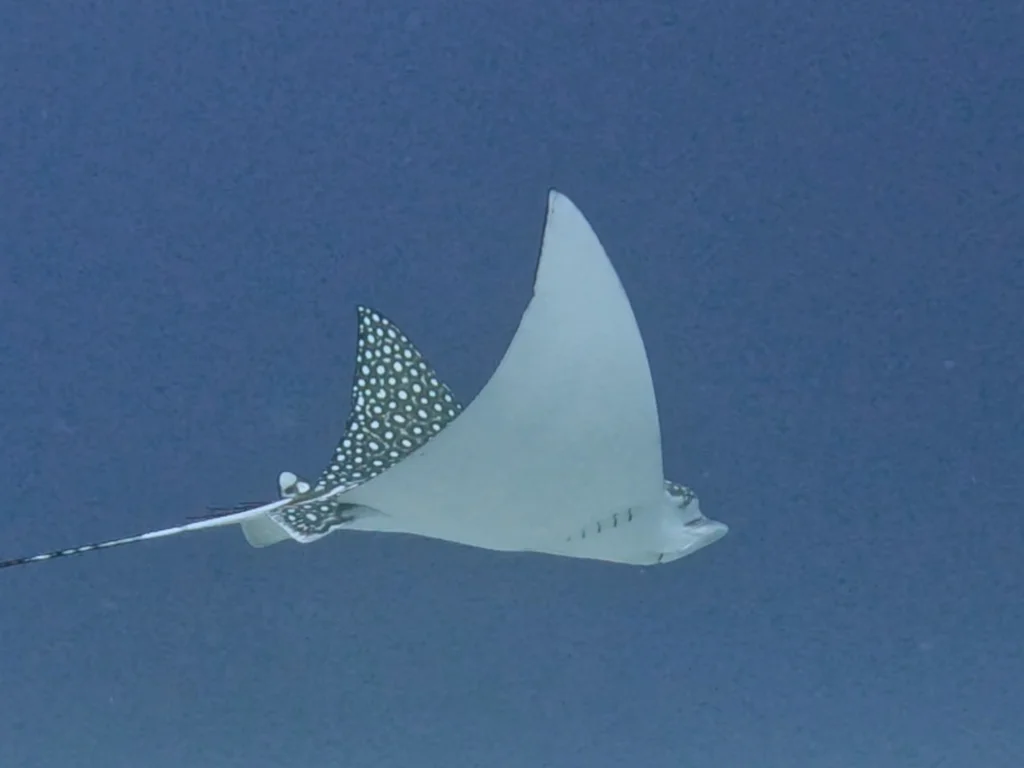
Reef Sharks are common inhabitants, patrolling both the deeper sections and along the dramatic wall face. Adjacent open water frequently provides opportunities to observe Spotted Eagle Rays gracefully gliding past.
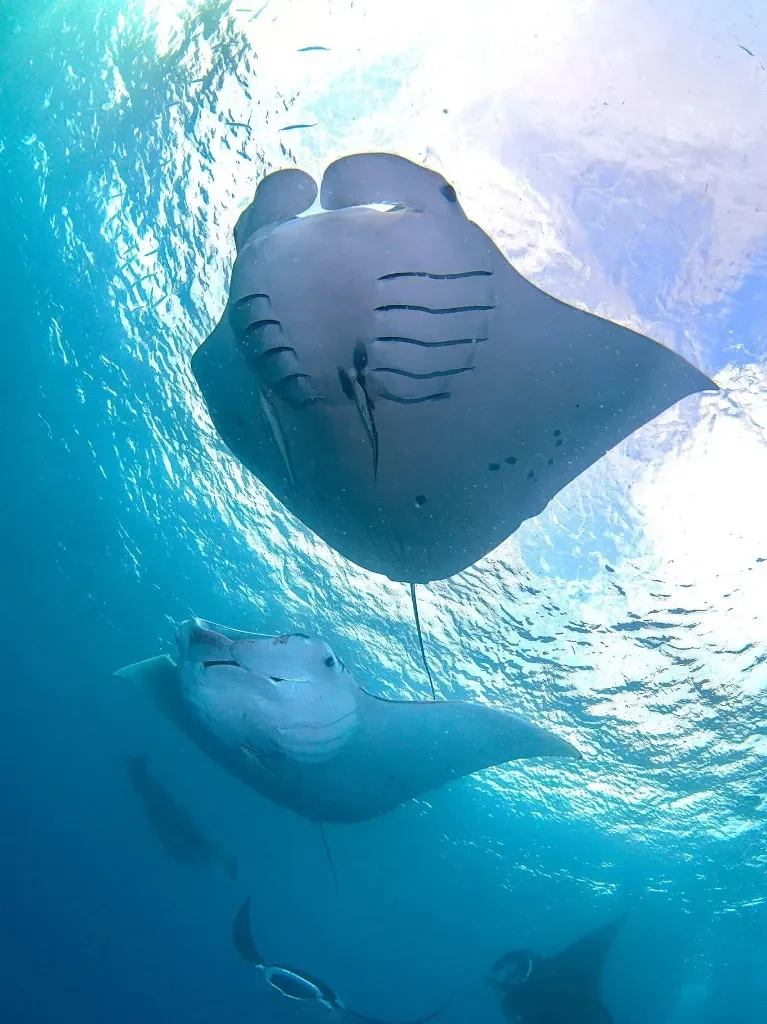
On occasion, large schools of Manta Rays have been reported along Conch Wall, adding to the site's spectacle. A diverse community thrives amidst the reef's complex topography, ensuring rich observational experiences.

Dive Sites Near Conch Reef SW#2
View all dive sites in United StatesDiscover more underwater gems in this area.
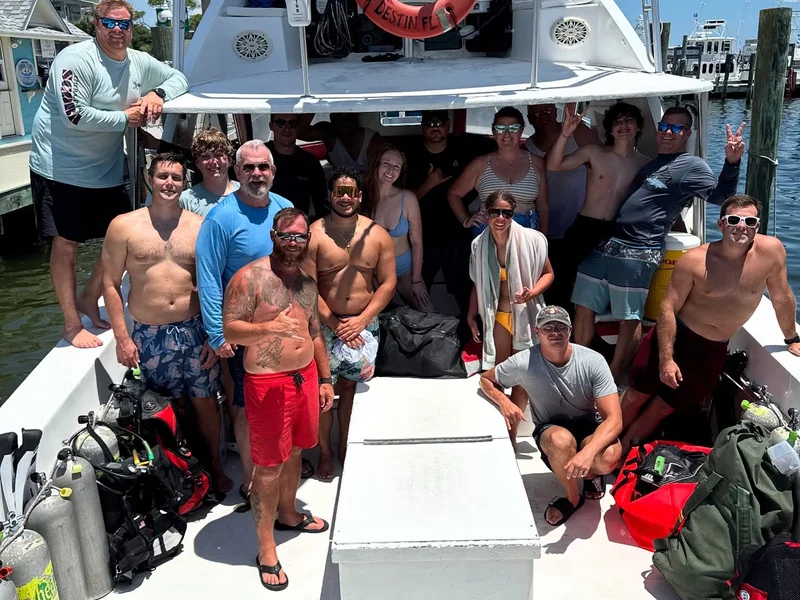
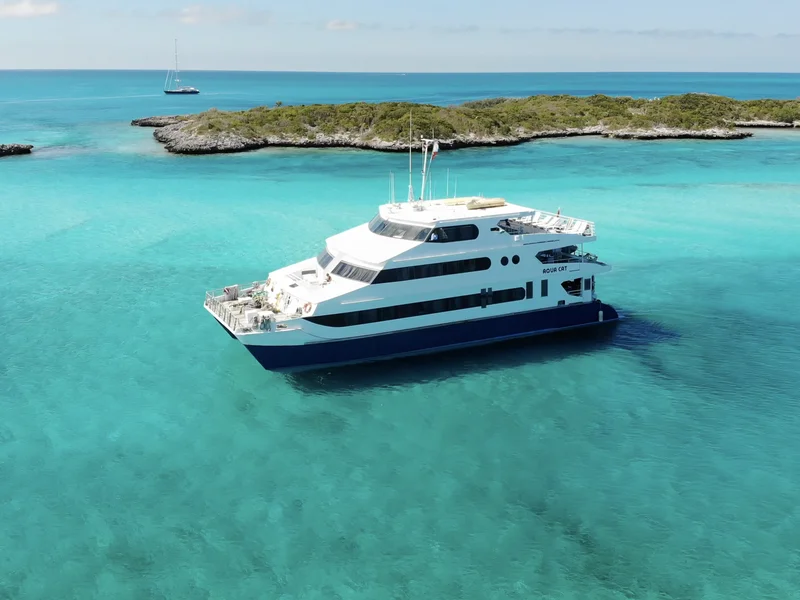
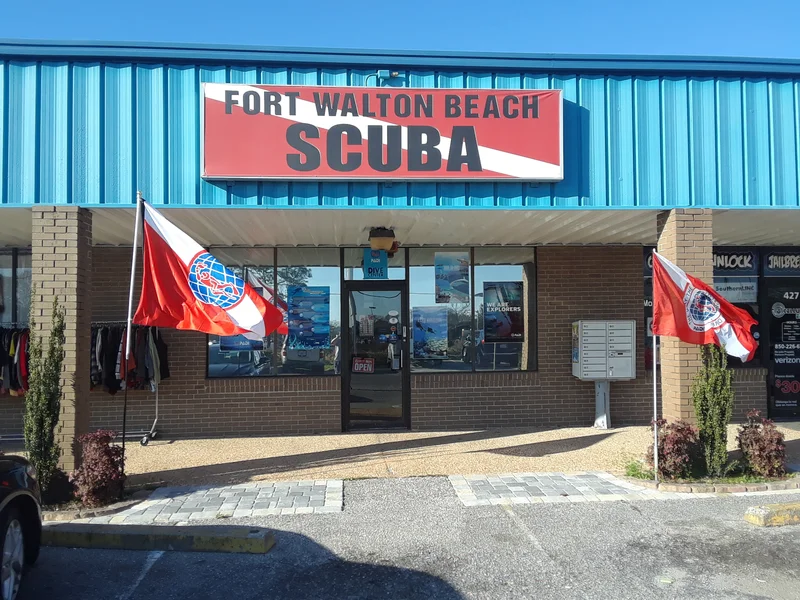
Dive Centers Near Conch Reef SW#2
Today: 09:00 - 16:00
Nearest Airports
Nearest airports to help plan travel to this dive area.
Search Flights
Check available flights and routes on Expedia, using the nearby airports listed in this section.
Search Flights on ExpediaFrequently Asked Questions
What is the required certification level for diving Conch Reef?
Divers must be at least PADI Open Water certified. Additionally, you should have dived within the last year, or complete a refresher course beforehand if it's been longer than twelve months.
What are the typical depths at Conch Reef?
The general recreational depth range for Conch Reef is from around 6 to 29 meters. Its deeper sections, including Conch Wall, can extend to about 30 meters.
What kind of underwater topography can I expect to see?
Conch Reef features dramatic wall sections, intricate swim-through contours, and robust hard coral structures. You'll also encounter extensive reef fingers and sand channels.
What marine life might I encounter at Conch Reef?
Divers frequently spot Black Grouper, Reef Sharks, and Spotted Eagle Rays. There are also reports of schools of Manta Rays and Caribbean Reef Sharks, particularly around Conch Wall.
Is it possible to dive beyond recreational depths at Conch Reef?
Yes, deeper sections like Conch Wall reach up to 30 meters. For dives beyond 60 ft, an Advanced Open Water certification is recommended.
When is the best time of year to dive Conch Reef?
The period from April through September generally offers the best conditions with warmer air temperatures, calmer seas, and lower winds, resulting in "Good" dive scores.
Are dive equipment rentals available?
Yes, essential dive gear such as BCDs, regulators, masks, fins, snorkels, and wetsuits are all available for rental at local dive centers. Tanks and weights are typically included with dive trips.
Is Nitrox recommended for diving here?
Nitrox is a recommended upgrade for certified divers. It can extend bottom times and reduce surface intervals, especially beneficial for multiple dives or exploring deeper sections of the reef.
Planning to dive Conch Reef SW#2?
Send one inquiry and receive offers directly from the best verified local dive operators.
Conditions are Excellent
07:00 - 14:00
Optimal conditions expected
Current conditions near Conch Reef SW#2 show 29° air, 30° sea temperature, 0.4 m waves, and 21 km/h wind. Forecast data is refreshed regularly to ensure accuracy.