
Diving at CSX Rubble Site (United States)
The waters off Florida’s coast have seen extensive artificial reef programs initiated since the 1960s, a testament to efforts aimed at enriching the marine environment. These initiatives were conceived to foster coral growth, support fish populations, and enhance recreational opportunities for divers. Much like the St. Pete Beach Reef, which was established by strategically sinking concrete blocks and bridge remnants in 1976, the CSX Rubble Site likely emerged from similar efforts to construct underwater habitats from diverse materials.
Tonight's objective overview for CSX Rubble Site shows an air temperature of 29.5°C. The measured surface conditions include wave heights around 0.5 m. This environmental data is logged for the close of the day.
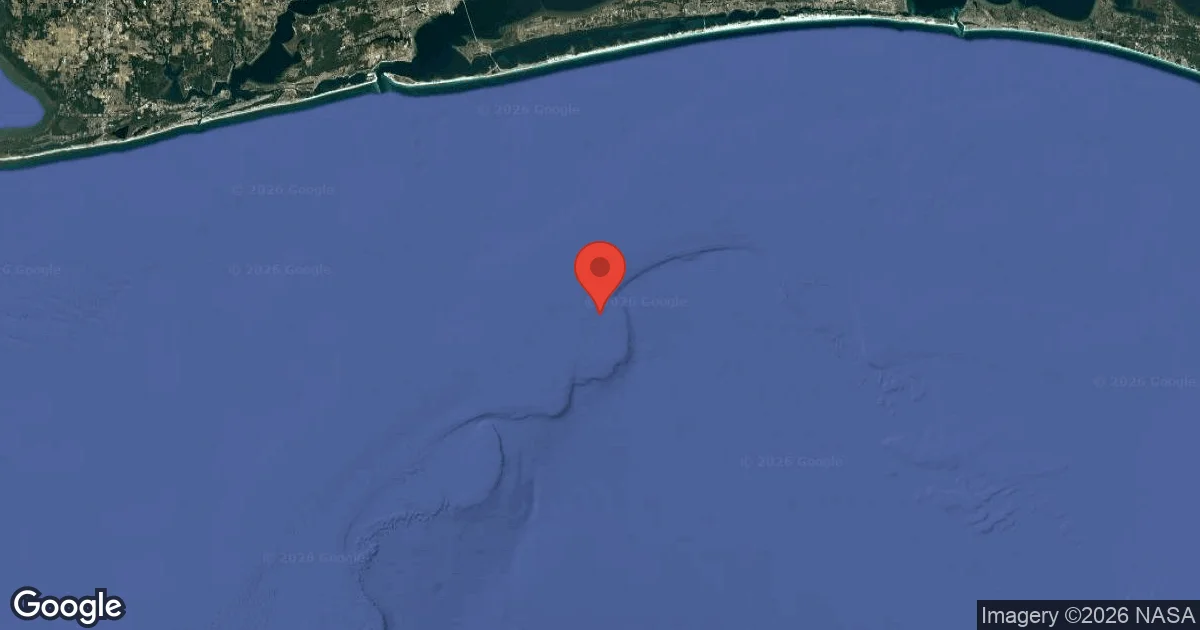
Dive Site Location & Key Facts
Dive Site Overview
Exploring the CSX Rubble Site reveals a varied underwater topography, a hallmark of artificial reefs constructed from human-made materials. This expansive dive location consists of a deliberate scattering of concrete blocks, robust culvert sections, and other resilient discarded construction materials, collectively creating a complex and intriguing subaquatic landscape.
These elements haven't just been dropped; instead, they were strategically placed to form a significant artificial reef, engineered to promote marine biodiversity and provide shelter. Divers descending here will find the bottom structure uneven, characterized by undulating piles of debris that rise and fall, offering numerous swim-through opportunities and hidden pockets. Throughout the recreational depth range, typically from 10 m (33 ft) down to 30 m (100 ft), the site provides extensive terrain for navigation.
The arrangement forms a network of dark crevices and bright open spaces, perfect for both macro life observation and wide-angle scenic shots. It's a prime example of how repurposed infrastructure can swiftly evolve into a bustling underwater ecosystem, continuously drawing in a diverse array of ocean inhabitants and providing extensive areas for both focused exploration and compelling photography.
Conditions are Excellent
07:00 - 14:00
Optimal conditions expected
Current conditions near CSX Rubble Site show 29° air, 30° sea temperature, 0.5 m waves, and 20 km/h wind. Forecast data is refreshed regularly to ensure accuracy.
Best Time to Dive
Diving conditions at the CSX Rubble Site experience a notable seasonal shift, with the most favorable periods occurring from May through October. During these months, the regional climate data indicates significantly warmer air temperatures, averaging from 24.5°C (76°F) in May to highs of 29°C (84°F) in August, creating comfortable surface conditions. Water temperatures also peak in this period, typically ranging between 24-29°C (75-84°F). Conversely, the winter months, from November to April, see cooler conditions with air temperatures dropping to around 13.5°C (56°F) in January and water temperatures cooling to 10-15°C (50-59°F). While winter diving is possible, lower temperatures and generally higher wave heights, averaging over 1 meter (3.3 ft), often lead to a 'Moderate' dive score compared to the 'Good' rating in warmer seasons, suggesting a more challenging experience.
PEAK SEASON SCORE
Scores combine air & water temps, waves, wind & rainfall for overall conditions.
BEST MONTHS TO DIVE
Monthly records compiled from satellite and marine observation nodes over the last 3 years. Data provided by Open-Meteo and MET Norway.
Dive Experience & Conditions
Descending onto the CSX Rubble Site, divers encounter an artificial reef environment offering varying conditions. Visibility can be quite good, often ranging from 10 to 20 m (33 to 66 ft), providing clear views of the structures and marine inhabitants. While currents are generally reported as mild across similar artificial reefs in the region, divers should be aware that localized conditions can change, with the potential for moderate surge, particularly near exposed sections or during stronger tides. Water temperatures fluctuate significantly with the seasons, feeling warm and inviting in the summer months and considerably cooler during winter. Navigating the diverse arrangement of concrete and other debris requires careful buoyancy control to avoid contact and to appreciate the developing ecosystem.
Dive Difficulty & Safety Guidelines
Diving complex artificial reef structures, like the CSX Rubble Site, necessitates adherence to prudent safety practices. While many sections are open and accessible for recreational depths, the inherent complexity of a rubble field means divers should maintain excellent buoyancy control to prevent stirring up sediment or entanglement. Always plan your dive thoroughly, particularly when exploring structures, and monitor current conditions which, although generally mild, can intensify.
For any potential wreck penetration, such as those found on other artificial reefs in the area, an advanced certification level and specialized training are strongly advised, as strong currents could unexpectedly shift or seal off entrances. Diving with a reliable buddy and carrying appropriate signaling devices are standard recommendations for any offshore site.
Recommended Equipment
- Dive Computer
This gear list is based on verified equipment signals for CSX Rubble Site, United States. Always confirm final gear choices with your dive operator, guide, or liveaboard.
Recommended Dive Suit
With water temperatures around 30°C (86°F), many divers find a dive skin or rash guard provides comfortable protection.
Being prepared with flexible exposure options is a common approach among experienced divers.
Current forecasts indicate relatively stable conditions for the coming days.
Emergency & Medical Support
Essential information to help you plan your dive trip to CSX Rubble Site.

Hyperbaric chambers are a critical part of dive safety infrastructure. Availability varies significantly by region, and not all dive areas have immediate access.
Before diving, it's recommended to:
- confirm nearest medical facilities
- check emergency procedures with local dive operators
- ensure dive insurance covers evacuation if required
Divers Alert Network
Diving emergency assistance available through DAN World.
+1-919-684-9111- 24/7 emergency hotline
- Diving medical assistance
- Evacuation coordination
Emergency contacts are provided for reference. Always verify local emergency services before diving.
Marine Life at CSX Rubble Site
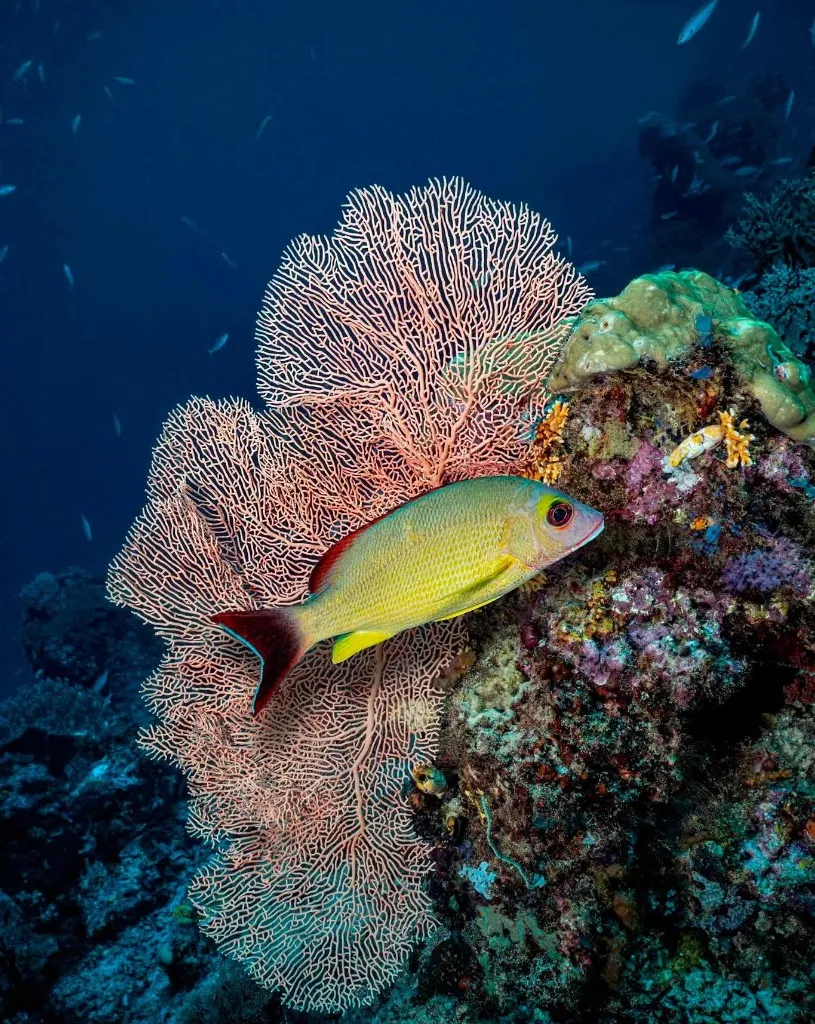
Amidst the artificial landscape of the CSX Rubble Site, a thriving ecosystem has taken root. Divers will find numerous smaller fish seeking refuge and foraging within the multitude of hiding places formed by the concrete blocks and bridge pilings.
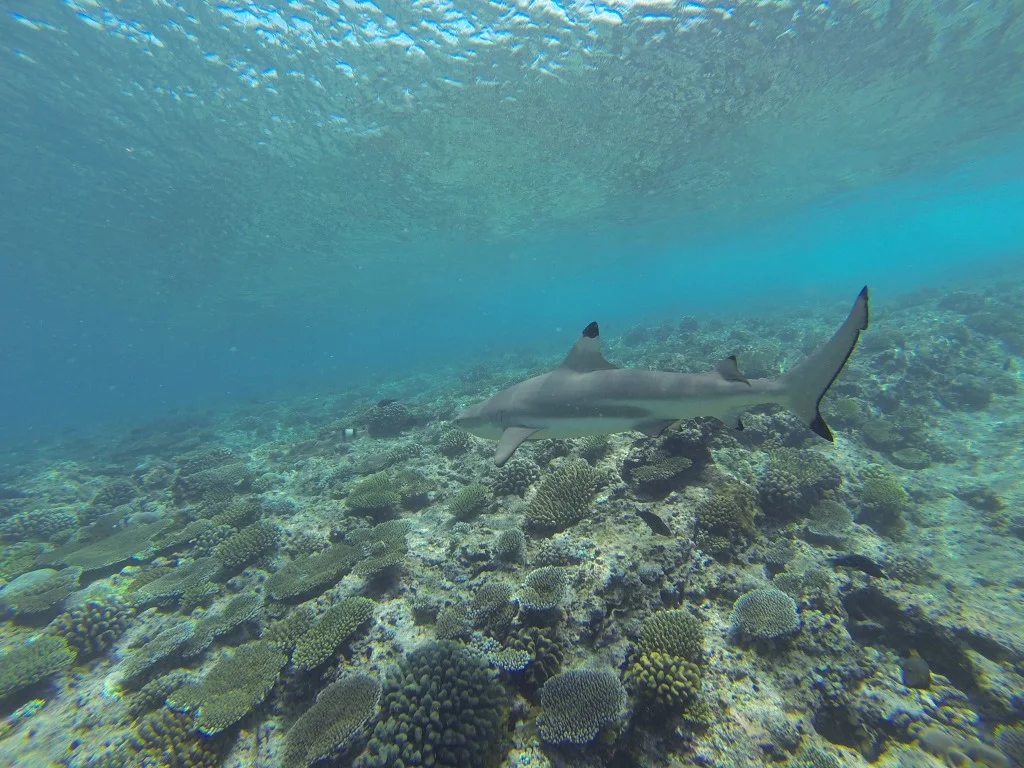
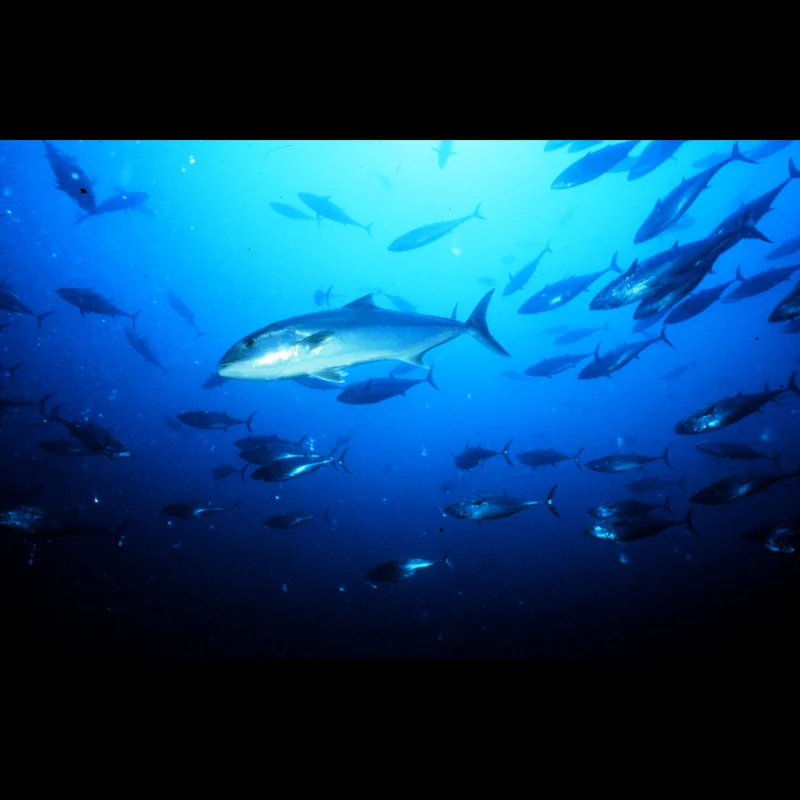
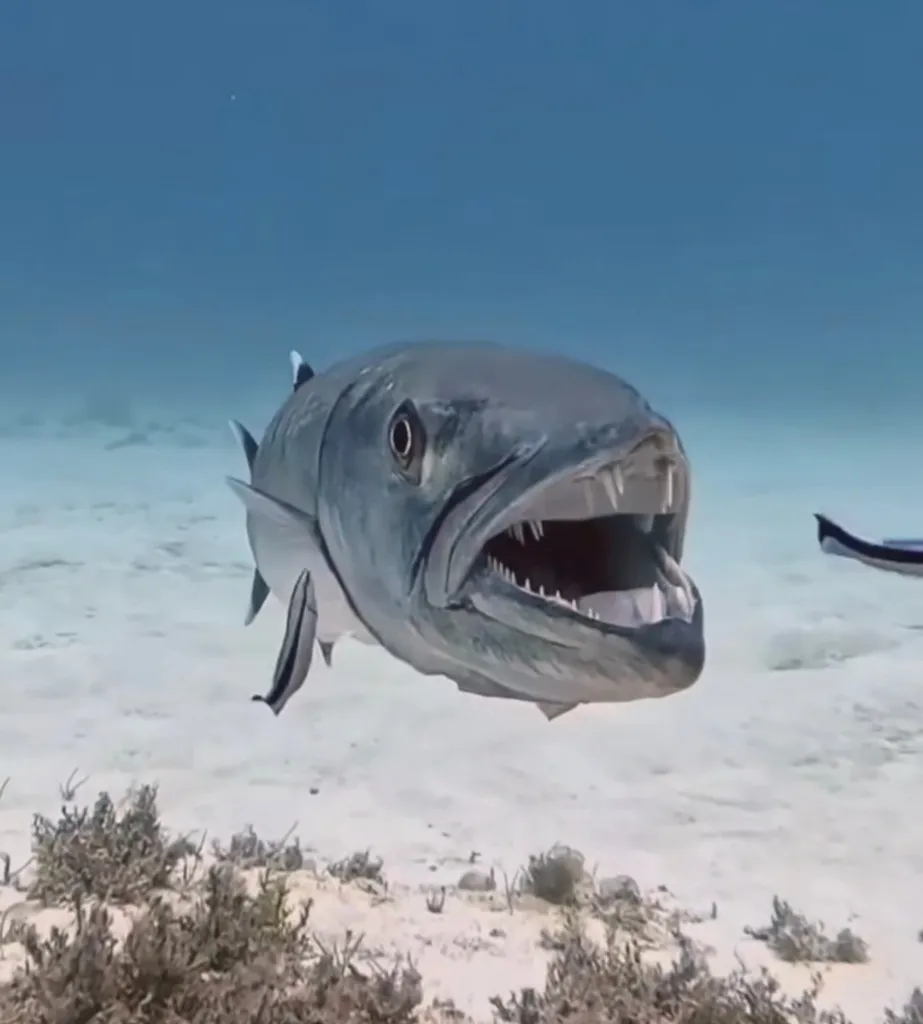
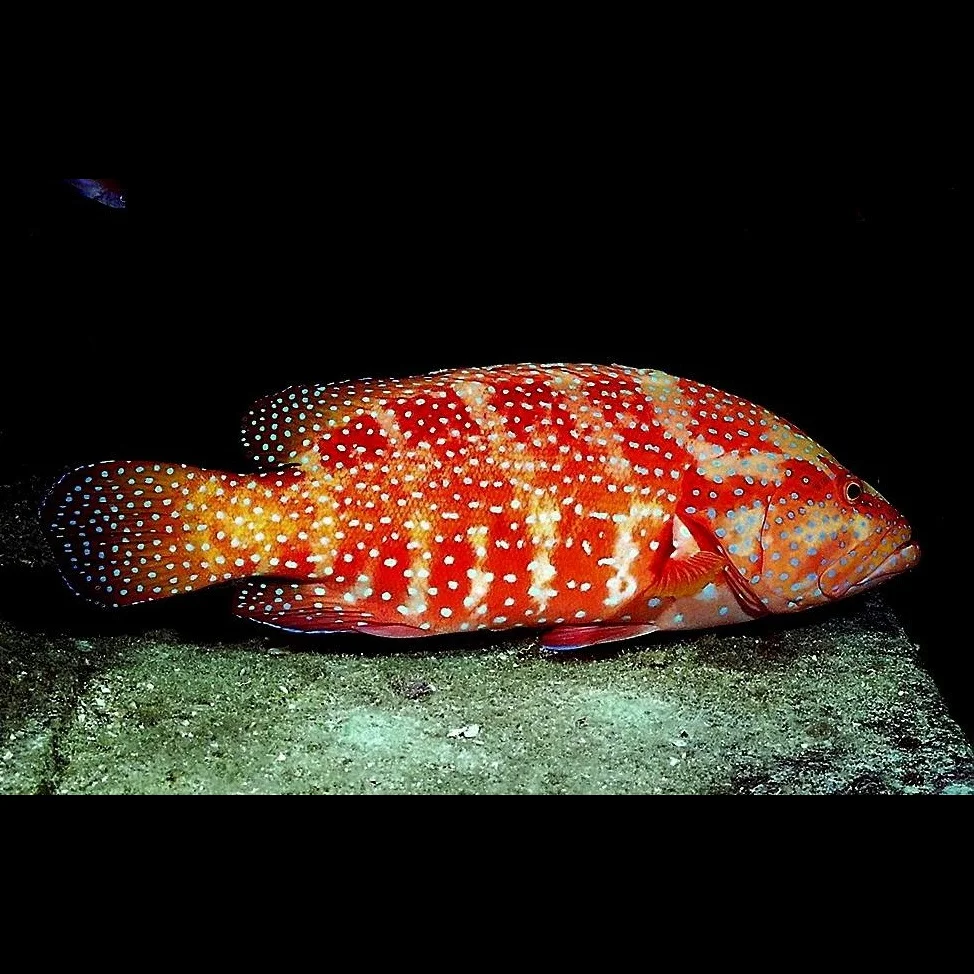
Larger pelagic species are frequently observed cruising the perimeter of the reef; these can include active sharks, barracuda, and various jacks such as crevalle and amberjacks. It's common to encounter schools of mackerel, grouper, and snappers congregating around the more prominent structures.
The diverse habitat supports a vibrant mix of both resident and transient marine creatures, making each dive a unique observational experience.
Dive Sites Near CSX Rubble Site
View all dive sites in United StatesDiscover more underwater gems in this area.
Dive Centers Near CSX Rubble Site
Today: 10:00 - 18:00
Nearest Airports
Nearest airports to help plan travel to this dive area.
Search Flights
Check available flights and routes on Expedia, using the nearby airports listed in this section.
Search Flights on ExpediaFrequently Asked Questions
What is the typical depth range for diving the CSX Rubble Site?
Divers exploring the CSX Rubble Site can expect depths to vary, generally within the recreational range of 10 to 30 m (33 to 100 ft). This range accommodates diverse diving interests, from shallower sections to deeper areas where larger structures may be found.
What kind of structures make up the artificial reef?
The CSX Rubble Site is an artificial reef primarily composed of concrete blocks, sections of culverts, and other construction debris. These materials were strategically placed to create a complex underwater environment, offering numerous nooks and crannies for marine life.
What are the visibility conditions like at the site?
Visibility at the CSX Rubble Site is typically good, often ranging from 10 to 20 m (33 to 66 ft). However, conditions can vary depending on weather patterns and seasonal plankton blooms, so checking local reports is always advisable.
Are strong currents a concern at this dive site?
While currents at similar artificial reefs are generally reported as mild, divers should be prepared for potential moderate surge, especially near exposed areas or during tidal changes. Always assess the current before and during your dive.
What marine life can divers expect to see?
The site attracts a variety of marine life, including large schools of smaller reef fish that shelter in the rubble. Divers frequently encounter larger species such as barracuda, various jacks, groupers, snappers, and occasionally different types of sharks.
When is the best time of year to dive the CSX Rubble Site?
The optimal time for diving is generally from May through October, when air and water temperatures are warmer. During these months, water temperatures average 24-29°C (75-84°F), providing more comfortable conditions and often better visibility.
Is the CSX Rubble Site suitable for Open Water divers?
Yes, much of the CSX Rubble Site is accessible for certified Open Water divers due to its recreational depth range. However, for deeper sections or any potential penetration of structures, an Advanced Open Water certification or specialized training would be beneficial.
Planning to dive CSX Rubble Site?
Send one inquiry and receive offers directly from the best verified local dive operators.
Conditions are Excellent
07:00 - 14:00
Optimal conditions expected
Current conditions near CSX Rubble Site show 29° air, 30° sea temperature, 0.5 m waves, and 20 km/h wind. Forecast data is refreshed regularly to ensure accuracy.