
Diving at ESERS566 (United States)
Successfully navigating dive sites designated as Florida artificial reef deployment locations requires divers to adapt to varied underwater structures and often dynamic environmental factors. Understanding the site's artificial nature helps in predicting the potential for marine life aggregation and the challenges posed by currents or visibility. Prepare for an experience that combines exploration with the inherent variability of a constructed ecosystem.
Evening condition tracking at ESERS566 features an air temperature of 29°C. We have recorded wave heights measuring 0.5 m during this period. These figures outline the environmental parameters currently present.
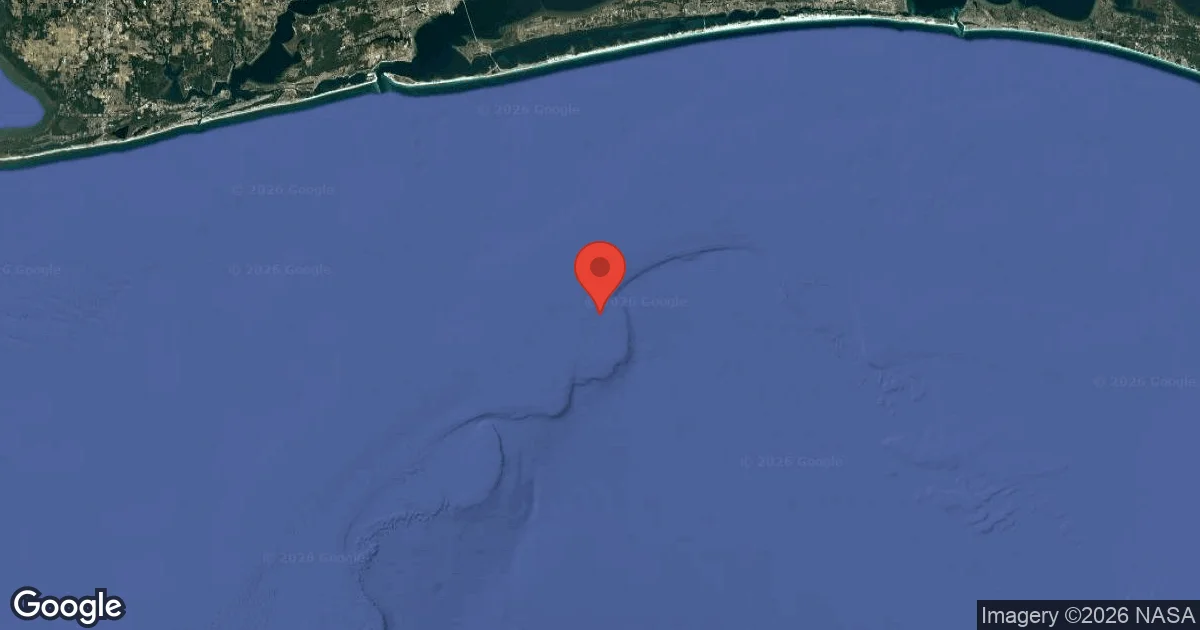
Dive Site Location & Key Facts
Dive Site Overview
Florida's artificial reef sites represent a dynamic underwater landscape, actively shaped by ongoing deployment efforts and natural marine colonization. These constructed habitats are designed to mitigate habitat loss and enhance biodiversity, drawing a variety of marine life to new ecosystems.
Depths across these locations typically fall within recreational diving limits, with many structures reaching a maximum depth of around 30 m (100 ft).
However, individual deployments can vary significantly, ranging from shallower, accessible platforms to deeper, more complex installations. This variability necessitates thorough dive planning and site-specific information, as the exact configuration of materials directly influences potential dive profiles and navigation challenges.
Conditions at these sites are rarely static; divers should anticipate shifts in underwater visibility, which can fluctuate based on local weather patterns, recent rainfall, and biological activity. Similarly, currents may range from mild to strong, particularly around the more exposed sections of the artificial structures, requiring adaptive finning techniques.
Each visit offers a chance to observe the evolving interaction between human-made installations and the natural environment.
Conditions are Excellent
07:00 - 14:00
Optimal conditions expected
Current conditions near ESERS566 show 29° air, 30° sea temperature, 0.5 m waves, and 21 km/h wind. Forecast data is refreshed regularly to ensure accuracy.
Best Time to Dive
Planning a dive to these Florida artificial reefs is best during months with higher dive scores, primarily from May through October. During this period, conditions generally improve, with air temperatures ranging comfortably between 24.5°C (76°F) in May and peaking at 29°C (84°F) in August. Wave heights are also typically lower, averaging around 0.6 to 0.8 meters, which often translates to more favorable surface conditions and potentially better underwater visibility. Rain levels are moderate across these months. Conversely, the winter months, particularly January through March, see air temperatures drop to 13°C (55°F) and higher average wave heights, making conditions more moderate for diving.
PEAK SEASON SCORE
Scores combine air & water temps, waves, wind & rainfall for overall conditions.
BEST MONTHS TO DIVE
Monthly records compiled from satellite and marine observation nodes over the last 3 years. Data provided by Open-Meteo and MET Norway.
Dive Experience & Conditions
Encountering these artificial reefs means diving into environments often characterized by variable visibility and currents. Visibility is not consistently reported but can fluctuate based on recent weather events and plankton blooms, sometimes ranging from good to moderate. Currents, particularly around the structures, can vary in strength. These sites are typically within recreational depth ranges, allowing for extended bottom times depending on the specific structure and certification level. Water temperature, while not consistently recorded in available data, generally sits in the 22-27°C (72-81°F) range in Florida's coastal waters during warmer months. During cooler periods, a wetsuit appropriate for 18-21°C (64-70°F) might be advisable.
Dive Difficulty & Safety Guidelines
Diving any artificial reef requires adherence to standard safety practices, including careful ascent rates and monitoring air consumption due to varying depths. These structures, while designed to foster marine life, can present irregular surfaces and potential entanglement points. Divers should maintain situational awareness, especially with regard to current conditions which can change throughout a dive.
Always dive within your certification limits and consider the experience level of your buddy. Boating traffic can also be a factor near popular dive sites, so deploying a surface marker buoy is a crucial safety measure for all divers upon surfacing.
Recommended Equipment
- Dive Computer
This gear list is based on verified equipment signals for ESERS566, United States. Always confirm final gear choices with your dive operator, guide, or liveaboard.
Recommended Dive Suit
For dives of average duration, dive skin or rash guard usually provides sufficient protection from heat loss.
Divers planning a dive at ESERS566 today will likely encounter water temperatures close to 30°C (86°F). Surface air temperatures are resting at 29°C (85°F).
Weather projections show fairly stable environmental conditions ahead.
Emergency & Medical Support
Essential information to help you plan your dive trip to ESERS566.

Hyperbaric chambers are a critical part of dive safety infrastructure. Availability varies significantly by region, and not all dive areas have immediate access.
Before diving, it's recommended to:
- confirm nearest medical facilities
- check emergency procedures with local dive operators
- ensure dive insurance covers evacuation if required
Divers Alert Network
Diving emergency assistance available through DAN World.
+1-919-684-9111- 24/7 emergency hotline
- Diving medical assistance
- Evacuation coordination
Emergency contacts are provided for reference. Always verify local emergency services before diving.
Marine Life at ESERS566
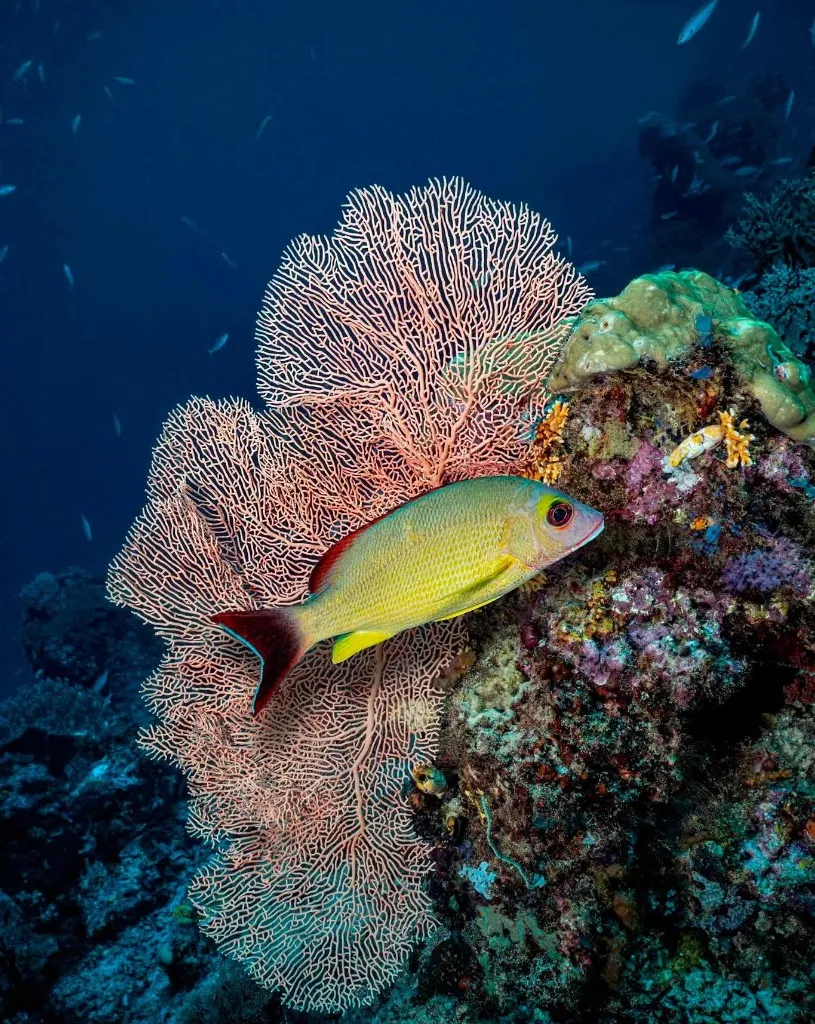
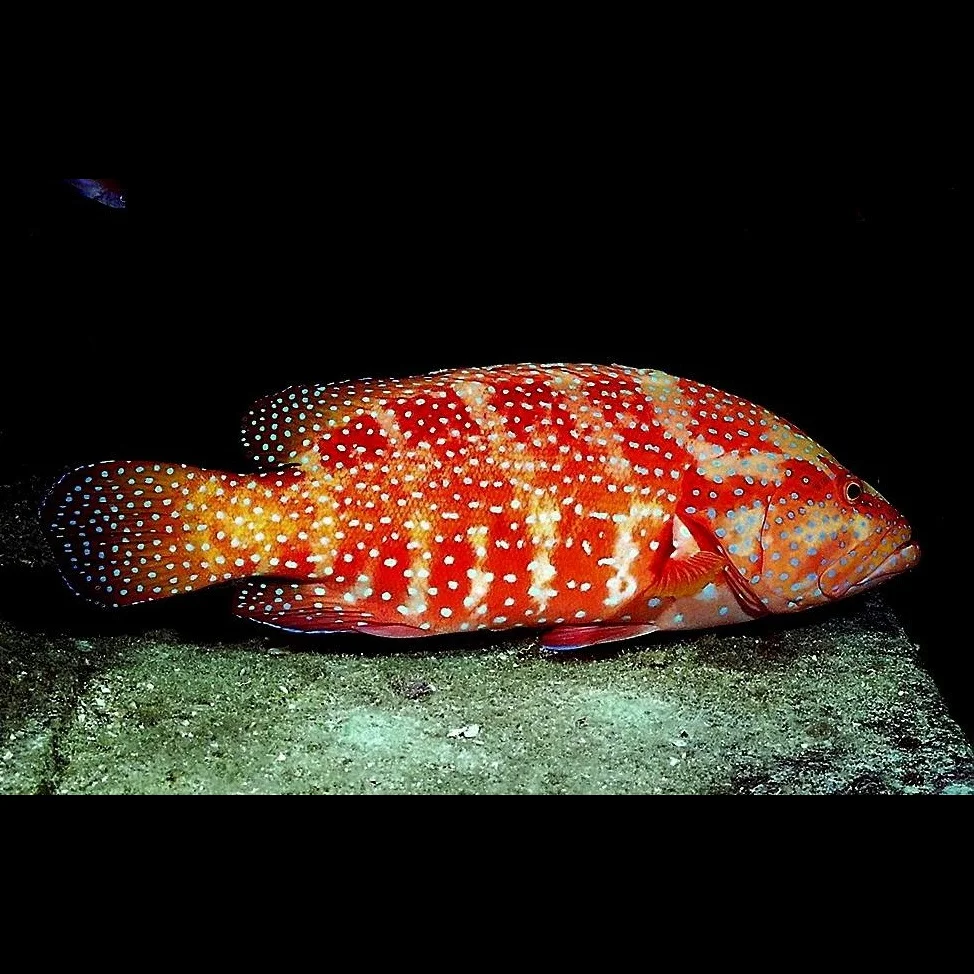
The underwater structures of these artificial reefs create foundational habitats, attracting a diverse array of marine organisms. While specific species are not consistently reported, artificial reefs in Florida typically host various reef fish, including snappers and groupers, seeking shelter and feeding grounds.
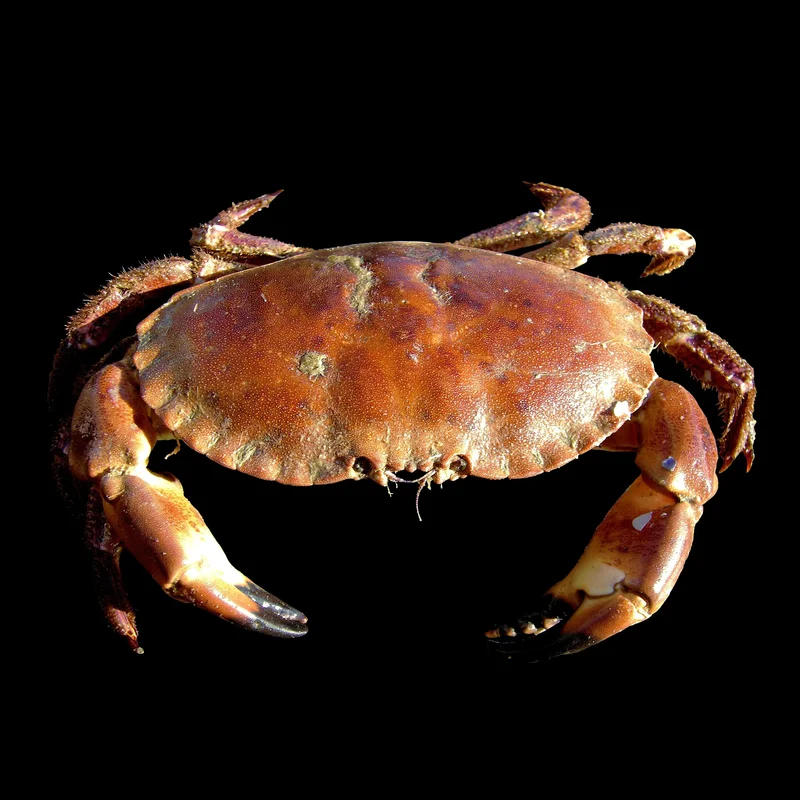
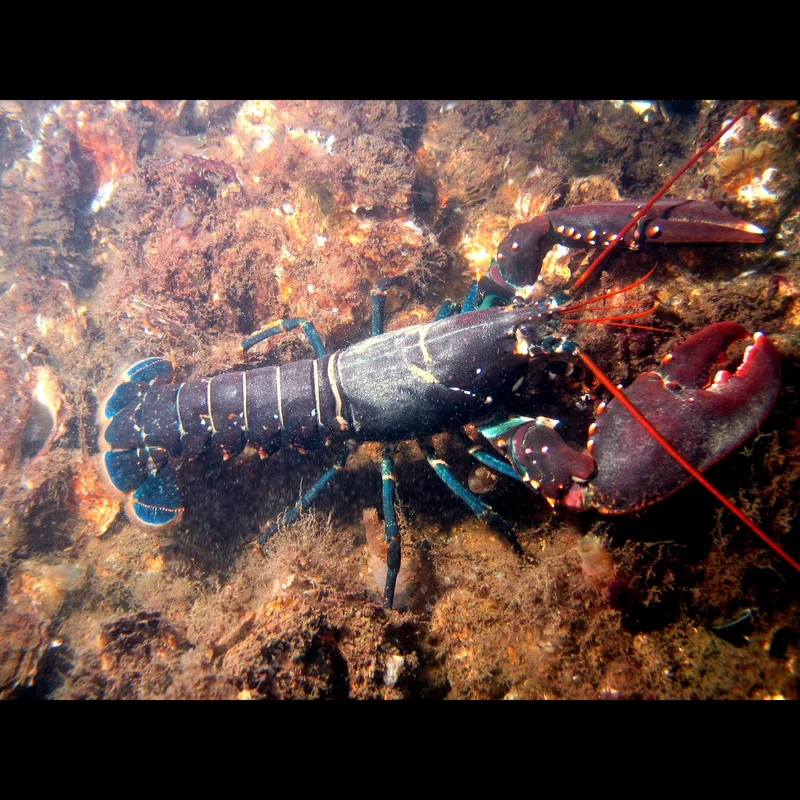
Invertebrates such as crabs and lobsters often inhabit crevices, and various soft corals and sponges colonize the surfaces, adding color and texture to the underwater landscape. Observing these structures over time can reveal the progressive development of a thriving ecosystem.
Dive Sites Near ESERS566
View all dive sites in United StatesDiscover more underwater gems in this area.
Dive Centers Near ESERS566
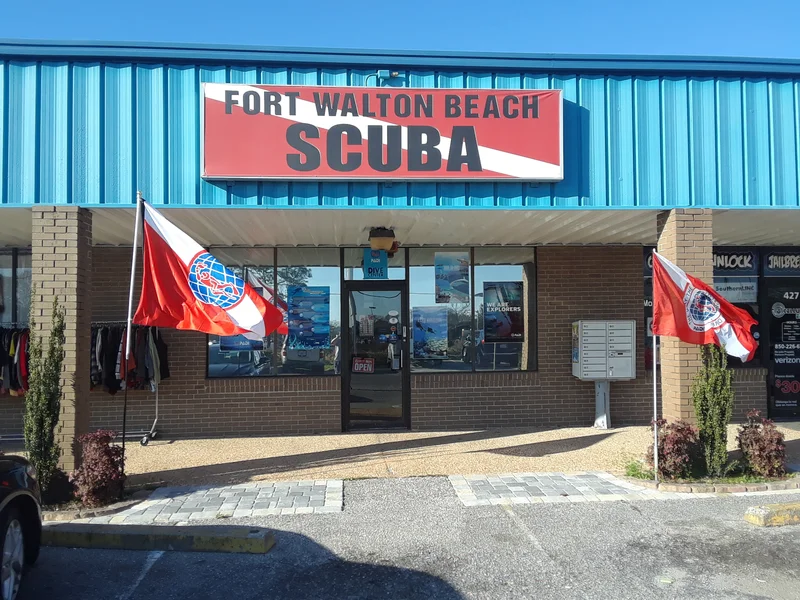
Today: 10:00 - 16:00
Nearest Airports
Nearest airports to help plan travel to this dive area.
Search Flights
Check available flights and routes on Expedia, using the nearby airports listed in this section.
Search Flights on Expedia
Plan Your Stay
Looking for a place to stay for your dive trip? Explore hotels, stays, and vacation rentals for dive groups near Gulf Breeze.
Dive Navigator may earn a commission from these links at no extra cost to you.
Frequently Asked Questions
What is an artificial reef?
An artificial reef is a human-made underwater structure, typically built to promote marine life, control erosion, block ship passage, or improve diving and fishing opportunities. In Florida, they are often deployed to enhance marine habitats.
What kind of structures can I expect to see?
Artificial reefs can consist of various materials. Common structures in Florida include repurposed concrete culverts, bridge rubble, ships intentionally sunk as wrecks, or specially designed reef balls. The exact configuration will depend on the specific deployment site.
Are these sites suitable for all dive levels?
Many artificial reef sites in Florida are designed to be accessible for recreational divers, typically within 18-30 meters (60-100 ft) of depth. However, specific sites may be shallower or deeper, so always check the site details beforehand to match your certification and experience level.
What is the typical visibility at these sites?
Visibility at Florida artificial reefs can be variable. It is influenced by weather, currents, and plankton activity. Divers should expect conditions to range from good to moderate; planning for moderate visibility is a safe approach.
Is special training needed to dive artificial reefs?
While no specific certification is required for most recreational artificial reef dives, advanced open water training or a wreck diver specialty course (if wreck materials are involved) can enhance safety and enjoyment. It's always beneficial to be comfortable with navigation and buoyancy control.
What marine life can be observed?
Artificial reefs in Florida attract numerous marine species. Expect to see various reef fish like snappers and groupers. You might also spot crabs, lobsters, barracuda, and occasionally larger pelagic species passing by. The structures themselves will be colonized by sponges and soft corals.
Are there strong currents?
Currents can vary significantly depending on the site's exposure and local tidal patterns. Some artificial reefs may experience strong currents, especially during tidal changes or after rough weather. It's advisable to check local current predictions before your dive.
Planning to dive ESERS566?
Send one inquiry and receive offers directly from the best verified local dive operators.
Conditions are Excellent
07:00 - 14:00
Optimal conditions expected
Current conditions near ESERS566 show 29° air, 30° sea temperature, 0.5 m waves, and 21 km/h wind. Forecast data is refreshed regularly to ensure accuracy.