
Diving at Eternal Reef #32 (United States)
Eternal Reef #32 represents a purpose-built marine habitat, part of a larger network of artificial reef sites established along the Atlantic and Gulf coasts. These sites serve as permanent living memorials, utilizing environmentally-safe cast concrete 'reef balls' designed to mimic natural reef systems. Each structure contributes to restoring and enhancing the marine environment, offering a foundation for new ecosystems. Divers can explore these submerged monuments, witnessing their role in ocean conservation and ecological recovery. It's an intentional intervention designed for marine life.
Tonight's objective overview for Eternal Reef #32 shows an air temperature of 26.5°C. The measured surface conditions include wave heights around 0.5 m. This environmental data is logged for the close of the day.
Dive Site Location & Key Facts
Dive Site Overview
Addressing significant reef deterioration, particularly noted off the Florida Keys in the late 1980s, the Eternal Reefs initiative actively creates designed reef systems. This approach combines marine habitat restoration with a unique form of memorialization, supporting ocean conservation.
Eternal Reef #32 is one of over 3,000 such memorials enhancing nearly half an acre of ocean floor across various Atlantic and Gulf coast locations. These structures, known as 'reef balls,' are hollow, pH-neutral marine-grade concrete units, some weighing up to 1,814 kg (4,000 pounds).
Strategically, they are placed in groups, typically around ten at specific coordinates, within designated recreational reef sites. Reef coordinators carefully ensure placements allow local marine life, including fish and sea turtles, access to open sand for feeding while creating new habitats.
Rapid colonization of these structures by algae, coral, and fish has been consistently observed; marine life often migrates to a new reef ball shortly after its deployment. Development of this site underlines a dual commitment: to ecological restoration and a meaningful tribute.
Conditions are Excellent
07:00 - 14:00
Optimal conditions expected
Current conditions near Eternal Reef #32 show 26° air, 31° sea temperature, 0.8 m waves, and 13 km/h wind. Forecast data is refreshed regularly to ensure accuracy.
Best Time to Dive
For optimal diving at Eternal Reef #32, conditions generally favor the summer months, particularly July, when the dive score is rated "Excellent." During this period, average air temperatures reach around 28°C (82°F), contributing to comfortable surface conditions. Wind speeds tend to be lower, averaging 14.5 km/h (9.0 mph), which often results in calmer seas and reduced wave heights, typically around 0.4 meters (1.3 feet). Rainfall also shows moderate patterns in July, at about 5.5 mm (0.2 inches), making dive planning less susceptible to weather disruptions. Water temperatures are not consistently reported in available data but are generally warmer during these months, aligning with the regional climate. Conversely, months like September and October show slightly lower dive scores, rated "Good," with increased average wave heights of 0.7-1.1 meters (2.3-3.6 feet) and higher rainfall, which could impact visibility or boat travel. January through May, and November, also present good diving opportunities with favorable conditions and air temperatures ranging from 19.5°C to 26.5°C (80°F)to 79.7°F).
PEAK SEASON SCORE
Scores combine air & water temps, waves, wind & rainfall for overall conditions.
BEST MONTHS TO DIVE
Monthly records compiled from satellite and marine observation nodes over the last 3 years. Data provided by Open-Meteo and MET Norway.
Dive Experience & Conditions
Descending upon Eternal Reef #32, divers will encounter a series of purpose-built structures arranged in 'reef patches' across the ocean floor. These 'reef balls' are typically placed in groups of around ten, creating an articulated habitat. Depths at this site are generally within recreational limits, ranging from approximately 9 to 18 meters (30 to 60 feet). Each reef ball is a hollow structure crafted from pH-neutral marine-grade concrete, featuring circular cutouts designed to mimic the complexity of a natural reef system. This design encourages the rapid colonization by marine organisms, which can be observed almost immediately after deployment. Exploring these structures, divers will notice the integration of the reef balls with the surrounding sandy bottom, allowing animals to feed on open sand. Water visibility here varies, influenced by regional currents and recent weather events, but typically supports enjoyable exploration of the nascent reef ecosystem.
Dive Difficulty & Safety Guidelines
For an expert tip on approaching Eternal Reef #32, divers should prioritize awareness of its artificial reef nature. These sites are meticulously planned, requiring extensive permitting from various local, state, and federal agencies to ensure environmental integrity and safety.
While specific hazards are not consistently reported for this site, general safe diving practices apply. Maintain proper buoyancy control to avoid contact with the developing reef structures, which can be delicate.
Exercise caution around any boat traffic in the area, particularly during deployment events, which are carefully coordinated. Always dive within your certification limits and with a buddy.
Given that the structures are placed in groups, divers should maintain situational awareness of their dive group and surrounding underwater topography. Current conditions can fluctuate, so stay attentive to any changes in water movement throughout the dive.
Recommended Equipment
- Dive Computer
This gear list is based on verified equipment signals for Eternal Reef #32, United States. Always confirm final gear choices with your dive operator, guide, or liveaboard.
Recommended Dive Suit
Dive skin or rash guard usually provides adequate warmth in water around this temperature. A hood or vest is suggested for sensitive divers due to surface winds. Water conditions at Eternal Reef #32 are currently measured at approximately 31°C (88°F). Surface air temperatures are resting at 26°C (79°F).
The coming days appear slightly cooler according to the latest forecast. Cooler days are ahead; you might want a warmer option for later in the week. Some divers bring an extra layer for surface intervals between dives.
Conditions can vary slightly across different parts of the same dive site.
Due to technical issues with our weather providers, data hasn't been fetched for over 48 hours. The data above reflects the conditions at the time of the last successful fetch.
Emergency & Medical Support
Essential information to help you plan your dive trip to Eternal Reef #32.

Hyperbaric chambers are a critical part of dive safety infrastructure. Availability varies significantly by region, and not all dive areas have immediate access.
Before diving, it's recommended to:
- confirm nearest medical facilities
- check emergency procedures with local dive operators
- ensure dive insurance covers evacuation if required
Divers Alert Network
Diving emergency assistance available through DAN World.
+1-919-684-9111- 24/7 emergency hotline
- Diving medical assistance
- Evacuation coordination
Emergency contacts are provided for reference. Always verify local emergency services before diving.
Marine Life at Eternal Reef #32
Focusing on the evolving marine ecosystem, Eternal Reef #32 quickly becomes a vibrant habitat for various species. Fish are often observed migrating to these structures almost immediately after deployment, establishing new territories.
Over time, the pH-neutral concrete 'reef balls' become colonized by coral and algae, forming the base of a diverse food web. Divers can anticipate encountering a range of fish species seeking shelter and feeding opportunities among the circular cutouts of the structures.
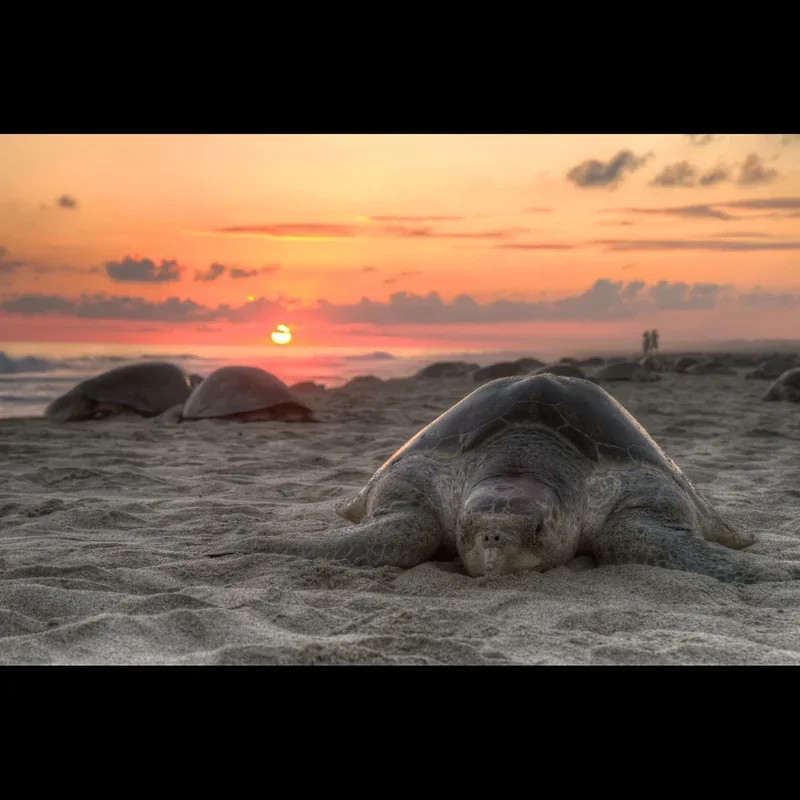
Sea turtles are also known to frequent these burgeoning reef patches, which contribute to the broader marine environment. Each site, though part of a larger network, develops its own distinct patchwork of ecosystems.
Dive Sites Near Eternal Reef #32
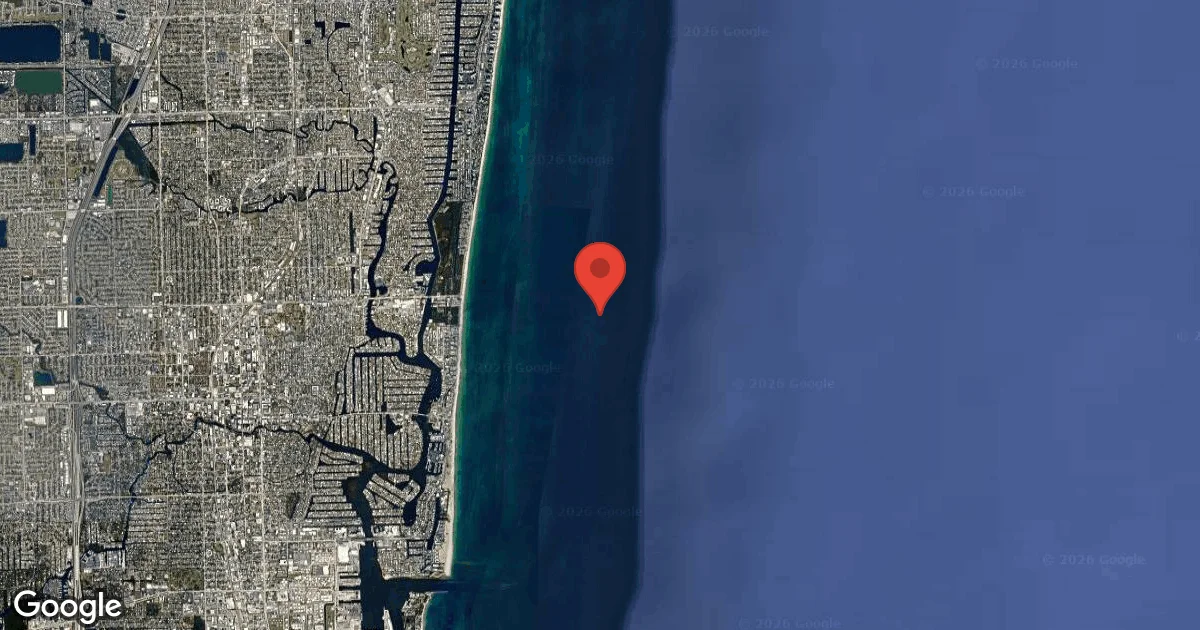
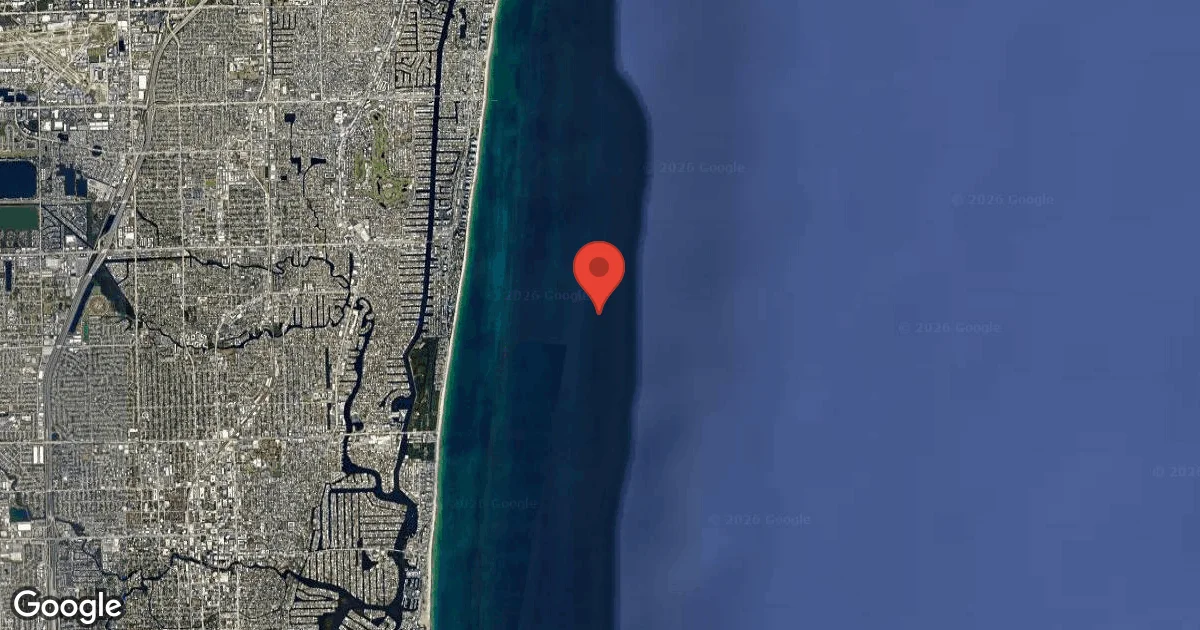
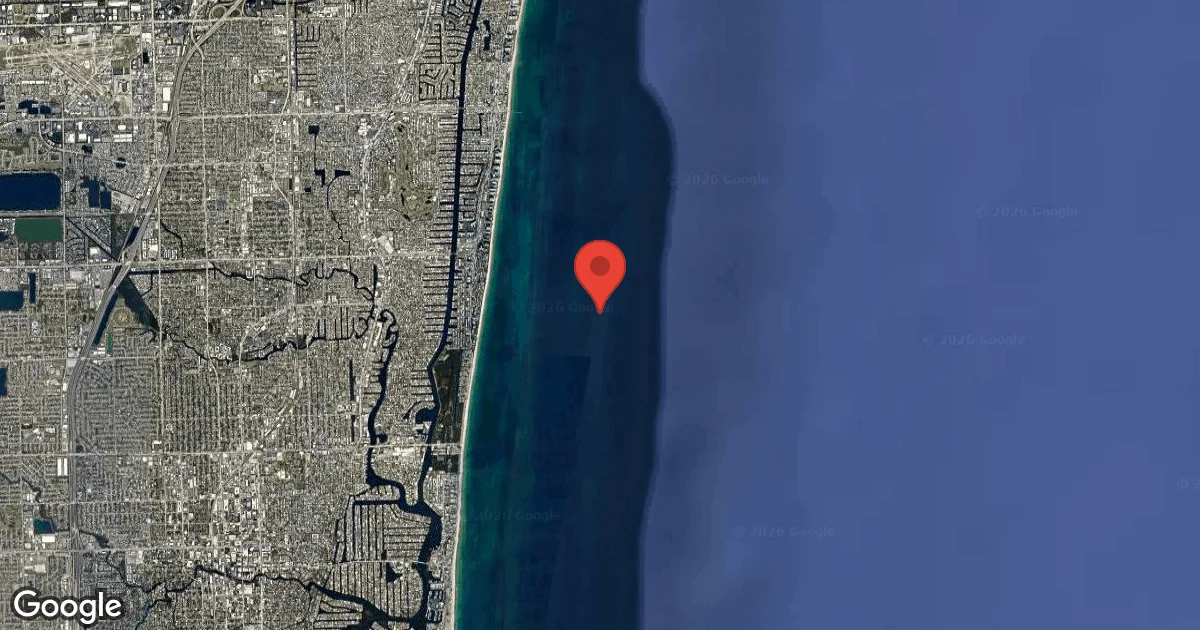
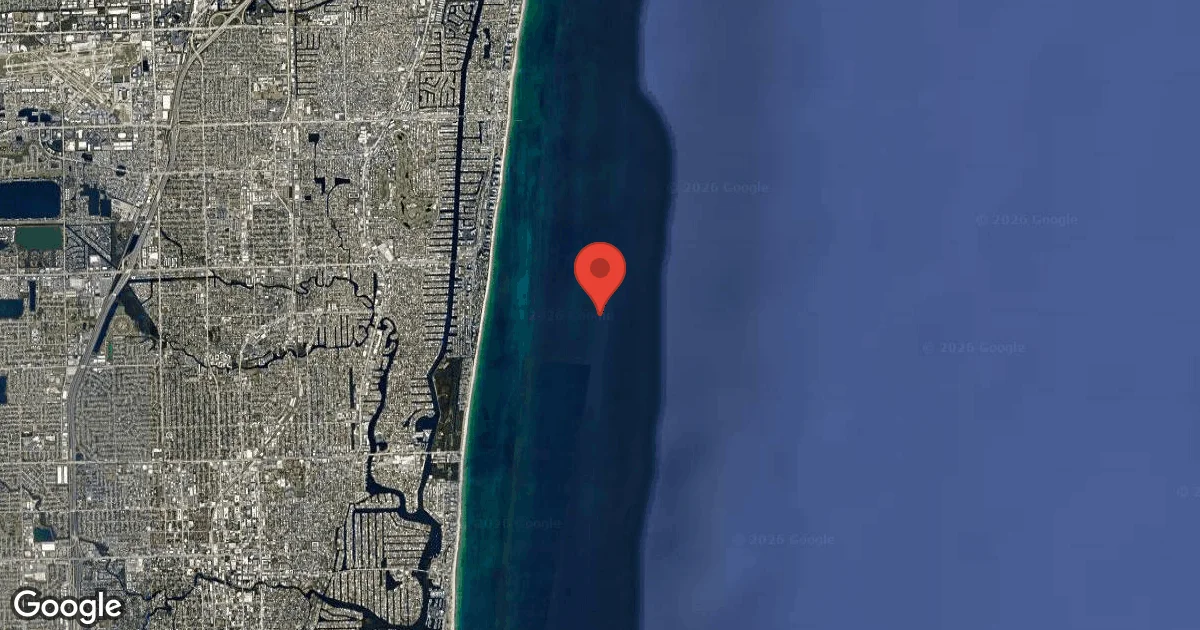
View all dive sites in United StatesDiscover more underwater gems in this area.
Dive Centers Near Eternal Reef #32
Today: 09:00 - 17:00
Nearest Airports
Nearest airports to help plan travel to this dive area.
Search Flights
Check available flights and routes on Expedia, using the nearby airports listed in this section.
Search Flights on Expedia
Plan Your Stay
Looking for a place to stay for your dive trip? Explore hotels, stays, and vacation rentals for dive groups near Golden Beach.
Dive Navigator may earn a commission from these links at no extra cost to you.
Frequently Asked Questions
What is an Eternal Reef?
An Eternal Reef is a cremation memorial option where a loved one's cremated remains are integrated into an environmentally-safe concrete 'reef ball.' These structures are then placed on the ocean floor to create a permanent living legacy that helps protect and enhance the marine environment.
What kind of marine life populates these reefs?
These reef balls rapidly become homes for a wide range of marine life. Divers can expect to see various fish species, algae, and eventually coral growth, as well as occasional sea turtles utilizing the habitat. Each site develops its unique patchwork of ecosystems.
What is the typical depth for diving at Eternal Reef #32?
Eternal Reef #32 is located within recreational diving limits, with depths generally ranging from approximately 9 to 18 meters (30 to 60 feet). This makes the site accessible for a broad range of certified divers.
How are the 'reef balls' designed?
'Reef balls' are hollow structures made of pH-neutral marine-grade concrete, weighing up to 4,000 pounds. They feature circular cutouts and are specifically designed to mimic the complexity and habitat-forming characteristics of a natural reef system.
How do Eternal Reefs contribute to marine conservation?
Eternal Reefs protect, preserve, and enhance the marine environment by establishing new habitats for marine life, particularly in areas where natural reefs have degraded. They help restore coral reef beds and support the wider marine ecosystem, which is crucial for overall ocean health.
Are there specific permits required for Eternal Reefs?
Yes, the placement of Eternal Reefs requires extensive permitting. Depending on the specific reef site, up to 26 local, state, and federal agencies may need to approve the project to ensure environmental compliance and safety.
Can families revisit the Eternal Reef site?
Families are provided with the exact coordinates of their loved one's reef, allowing them to revisit the site. This aspect is part of the memorialization process, enabling an ongoing connection to the tribute.
Planning to dive Eternal Reef #32?
Send one inquiry and receive offers directly from the best verified local dive operators.
Conditions are Excellent
07:00 - 14:00
Optimal conditions expected
Current conditions near Eternal Reef #32 show 26° air, 31° sea temperature, 0.8 m waves, and 13 km/h wind. Forecast data is refreshed regularly to ensure accuracy.