
Diving at FH14-09A (United States)
To truly appreciate the varied dive sites near FH14-09A, divers should approach planning with a focus on wreck exploration and reef interaction. This region offers a diverse array of underwater structures, from historic WWII freighters to purpose-sunk tugboats and even subway cars, all acting as artificial reefs. Prioritizing site-specific details and understanding the depth requirements for each wreck will enhance your experience, ensuring preparedness for encounters with schooling fish and larger marine life.
As evening covers FH14-09A, the local air temperature is measured at 24.5°C. The current wave height at the surface is recorded at 0.4 m. These late-day readings characterize the surface conditions for the night.
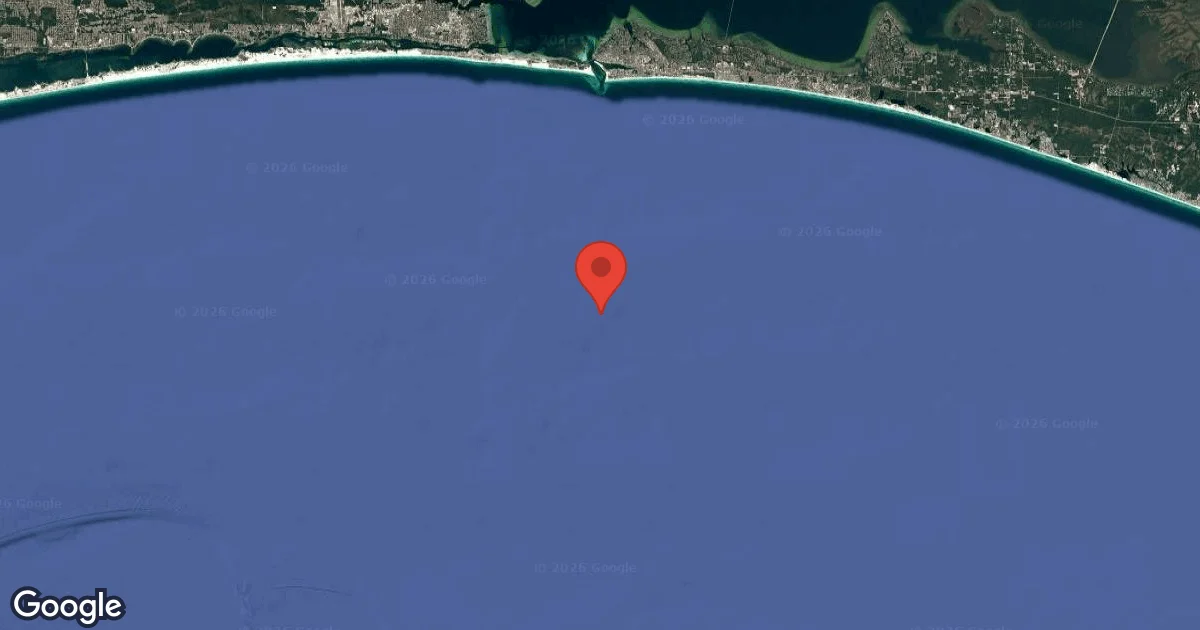
Dive Site Location & Key Facts
Dive Site Overview
Beneath the surface off the FH14-09A coast, an expansive underwater museum awaits, featuring an impressive collection of sunken vessels and artificial reef structures. Explorers can descend upon the massive USS Vermilion, a 470 ft (143 m) WWII troop transport that demands multiple dives to fully appreciate its scale, reaching depths between 90-140 ft (27-43 m).
Conversely, novice divers have accessible options like the Tugboat/Airplane site, positioned at 30-45 ft (9-14 m) and known for barracuda and spadefish. The area's dive profiles vary significantly, from the relatively shallow Pawley's Island Reef, home to a 48 ft (14.6 m) tugboat at 20-35 ft (6-11 m), to deeper advanced wrecks like The Hebe, a Dutch freighter resting between 75-110 ft (23-33.5 m) where sand tiger sharks are occasionally spotted.
A notable feature is the St. Cathan, a British sub chaser just a quarter-mile from The Hebe, forming part of the 'Twin Cities Wreck' system, also extending to 80-110 ft (24-33.5 m). The Greenville Reef complex further diversifies the experience with a 105 ft (32 m) tugboat, a 175 ft (53 m) Navy yard oiler, and other barges.
These structures attract significant marine populations, transforming the sea floor into vibrant ecosystems. Whether navigating the corridors of a passenger ship like the City of Richmond, which sank during a storm and is broken into sections at 35-65 ft (11-20 m), or exploring the BP-25 tanker alongside NYC subway cars at 70-90 ft (21-27 m), the region presents a rich tapestry of underwater history and habitat for diverse marine species.
Conditions are Excellent
07:00 - 14:00
Optimal conditions expected
Current conditions near FH14-09A show 24° air, 30° sea temperature, 0.4 m waves, and 18 km/h wind. Forecast data is refreshed regularly to ensure accuracy.
Best Time to Dive
Dive conditions near FH14-09A typically remain favorable throughout the year, although preferences may shift depending on seasonal water temperatures and surface conditions. The summer months, from June to August, generally present the calmest seas and warmest conditions, with air temperatures averaging between 27-29°C (81-84°F). Water temperatures during this period are generally at their highest, though specific readings are not consistently reported. This period also sees minimal wave heights, often around 0.5-0.6 m (1.6-2.0 ft), and lower wind speeds, contributing to generally good visibility. However, the cooler months, specifically January to March, bring air temperatures ranging from 12-17.5°C (54-64°F) and typically rougher surface conditions, with average wave heights increasing to 0.9 m (3.0 ft) and stronger winds peaking at around 30 km/h (18.6 mph). During these cooler periods, water temperatures will naturally be lower. While rainfall is consistently low across all seasons, with September experiencing slightly more at 6.13 mm (0.24 in), the overall 'Good' dive score remains consistent monthly. Therefore, while diving is possible year-round, those seeking warmer water and smoother rides will favor late spring through early autumn. Divers prepared for cooler conditions and potential chop might find the less crowded sites during the winter appealing, as visibility can still be excellent, often ranging from 50-90 ft (15-27 m) on deeper wrecks.
PEAK SEASON SCORE
Scores combine air & water temps, waves, wind & rainfall for overall conditions.
BEST MONTHS TO DIVE
Monthly records compiled from satellite and marine observation nodes over the last 3 years. Data provided by Open-Meteo and MET Norway.
Dive Experience & Conditions
Divers exploring the FH14-09A area will find a range of experiences tailored from novice to advanced certification levels. Shallow sites such as the Tugboat/Airplane or Pawley's Island Reef, with depths from 20-45 ft (6-14 m), offer straightforward dives suitable for Open Water certified individuals. Visibility at these shallower locations typically ranges from 10-40 ft (3-12 m), though it can vary significantly depending on local currents and recent weather. Advanced dives, including iconic wrecks like The Hebe and St. Cathan, require an Advanced Open Water certification due to their maximum depth of 110 ft (33.5 m). Here, visibility often improves, frequently reaching 50-90+ ft (15-27+ m), allowing for clear views of expansive wreck structures and marine inhabitants. Many charters specifically list "Advanced" requirements, emphasizing the need for appropriate training for deeper explorations. Surface conditions, including wave height and wind speed, will influence comfort on boat rides and entries; these vary depending on conditions, with calmer periods generally experienced in summer. Stronger currents are not consistently reported but can be present, especially around larger structures or during tidal changes.
Dive Difficulty & Safety Guidelines
Navigating the diverse dive sites off FH14-09A necessitates adherence to specific safety protocols, especially given the range of depths and conditions. All advanced dives, and some novice sites, explicitly require divers to carry a safety sausage (DSMB) and a whistle. This equipment is critical for surface signaling in case of separation or unexpected surfacing, supporting diver accountability.
Many of the deeper wreck dives extend beyond 60 ft (18 m), some reaching 140 ft (43 m), mandating appropriate certification levels, such as Advanced Open Water. Diving deeper than one's certification is a PADI standards violation.
Boat captains maintain ultimate authority to alter dive plans based on real-time sea conditions or weather, prioritizing passenger and crew safety. Divers should respect these decisions, as local conditions can change rapidly.
Always confirm tank and weight belt provisions with the charter, as tanks are often not included in charter pricing. Be prepared for varying visibility and potential currents, especially around larger wreck structures.
Recommended Equipment
- Dive Computer
This gear list is based on verified equipment signals for FH14-09A, United States. Always confirm final gear choices with your dive operator, guide, or liveaboard.
Recommended Dive Suit
Forecast conditions over the next few days suggest temperatures will remain relatively stable.
Divers who prefer a balanced level of warmth often select dive skin or rash guard in water temperatures like this.
Recent environmental data from FH14-09A indicates water temperatures near 30°C (87°F). Surface air temperatures are resting at 24°C (76°F).
Emergency & Medical Support
Essential information to help you plan your dive trip to FH14-09A.

Hyperbaric chambers are a critical part of dive safety infrastructure. Availability varies significantly by region, and not all dive areas have immediate access.
Before diving, it's recommended to:
- confirm nearest medical facilities
- check emergency procedures with local dive operators
- ensure dive insurance covers evacuation if required
Divers Alert Network
Diving emergency assistance available through DAN World.
+1-919-684-9111- 24/7 emergency hotline
- Diving medical assistance
- Evacuation coordination
Emergency contacts are provided for reference. Always verify local emergency services before diving.
Marine Life at FH14-09A
Beneath the various wreck and reef structures near FH14-09A, marine life thrives, using these artificial habitats for shelter and foraging. Exploring sites like The Hebe often reveals sand tiger sharks, a striking presence against the sunken freighter.
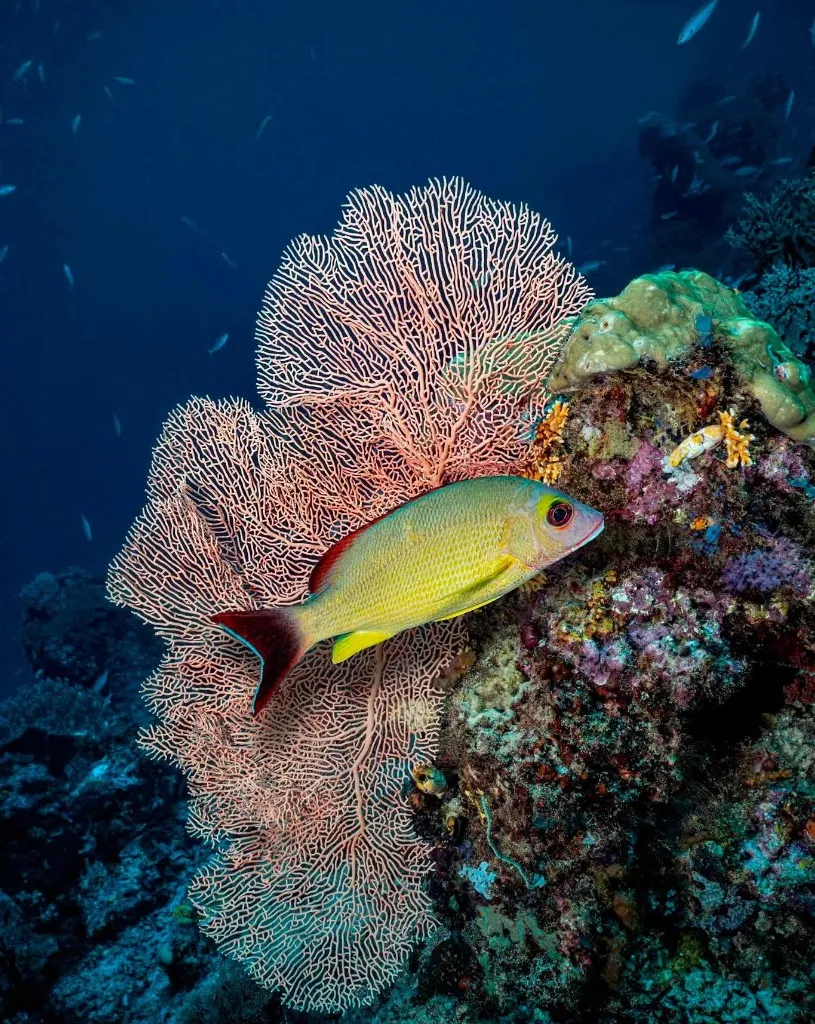
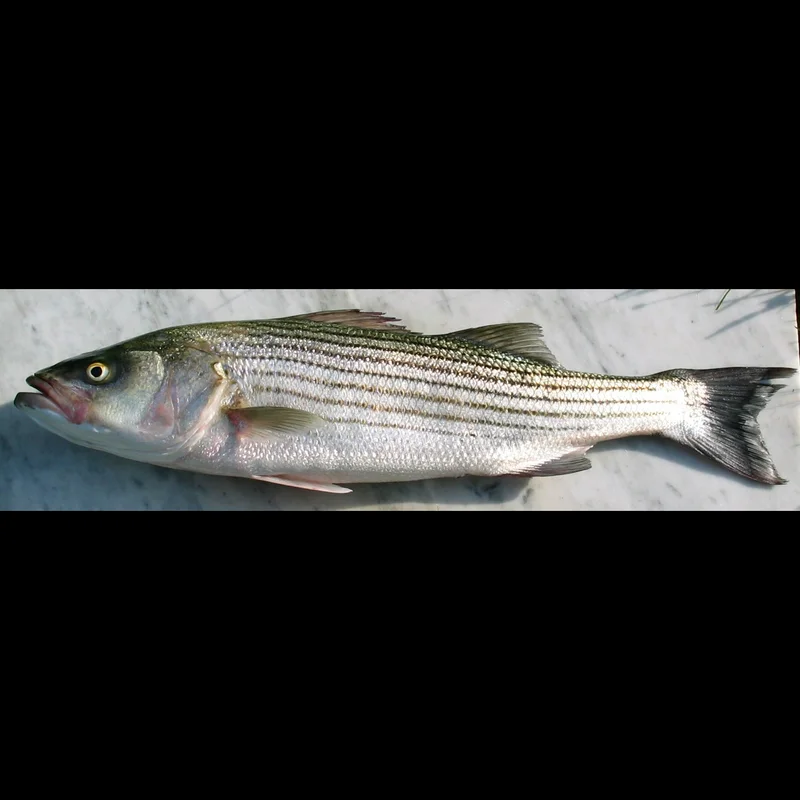
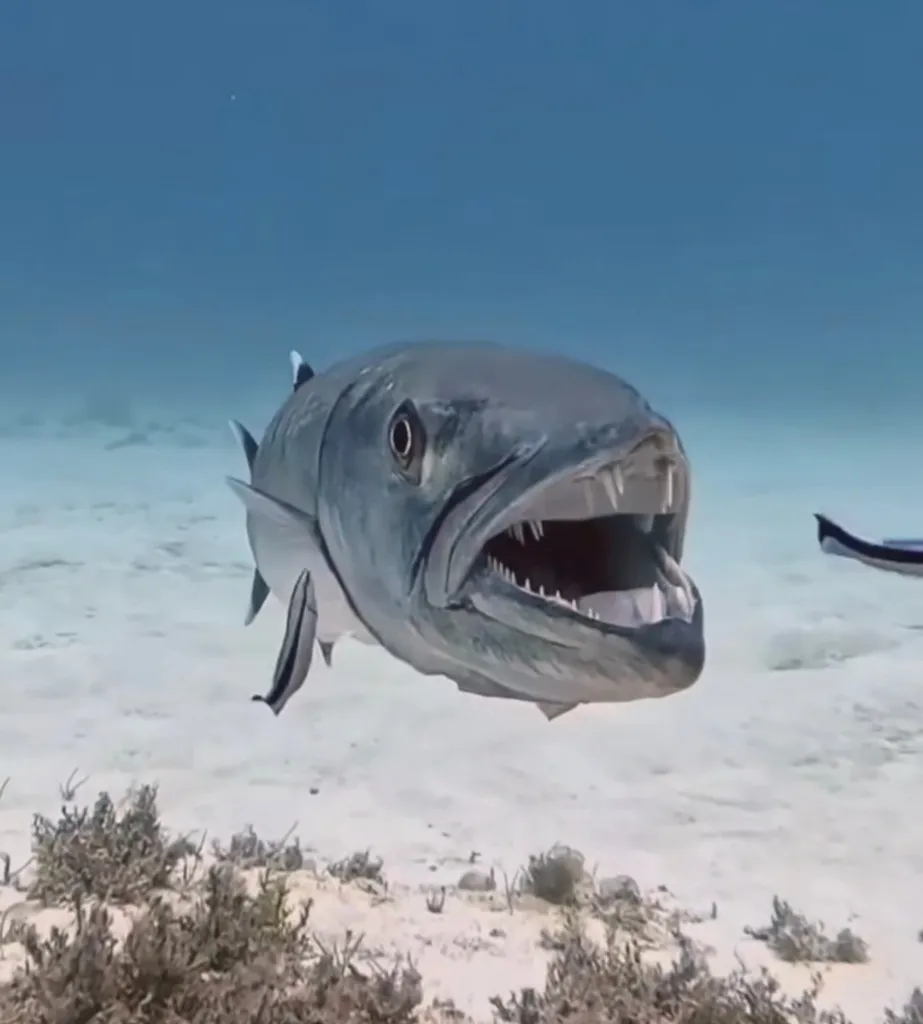
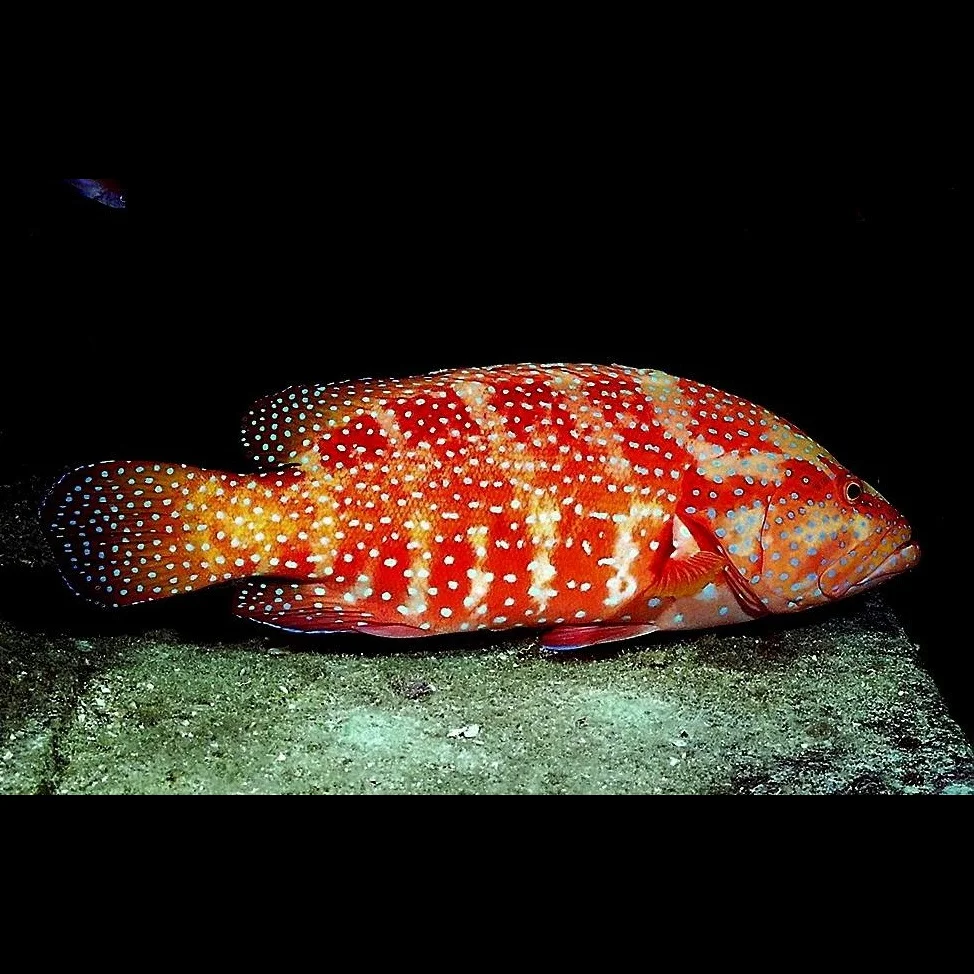
On shallower reefs, schools of barracuda and spadefish are common, darting through the structures of the Tugboat/Airplane site. Around the Goldfinch Reef, divers routinely encounter grouper, pinfish, grunts, snapper, and sea bass, utilizing the Navy yard oiler and fuel barge as their home.
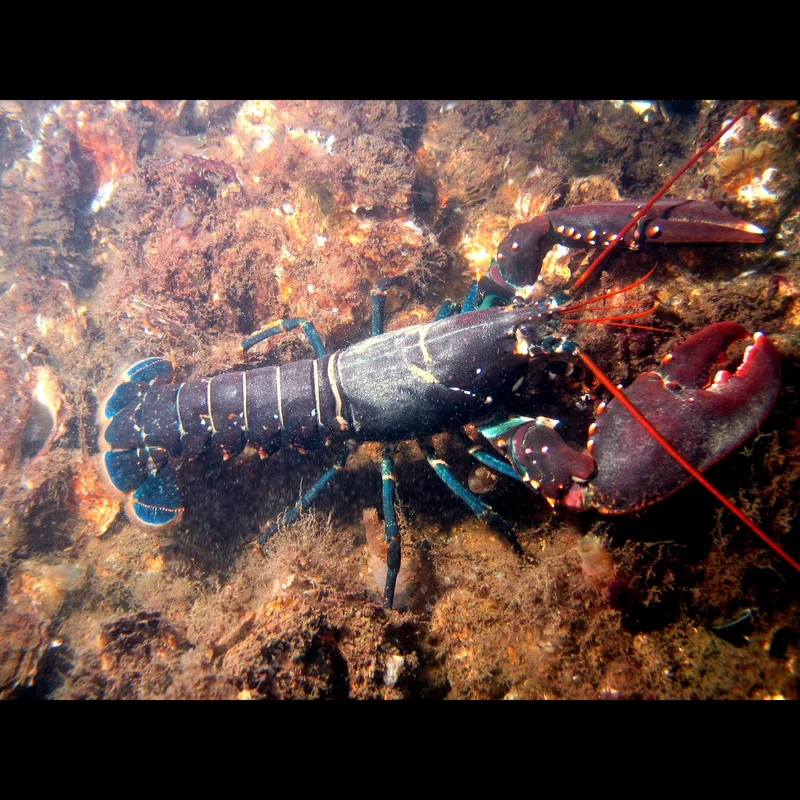
The deeper USS Vermilion wreck can present surprising encounters, with lobsters sometimes observed crawling on its decks. Loggerhead sea turtles are also seen, particularly around the NYC Subway cars that form part of the BP-25 site. Occasional dolphin sightings add to the excitement, especially near shallower, active reef systems.
Dive Sites Near FH14-09A
View all dive sites in United StatesDiscover more underwater gems in this area.
Dive Centers Near FH14-09A
Today: 08:00 - 17:00
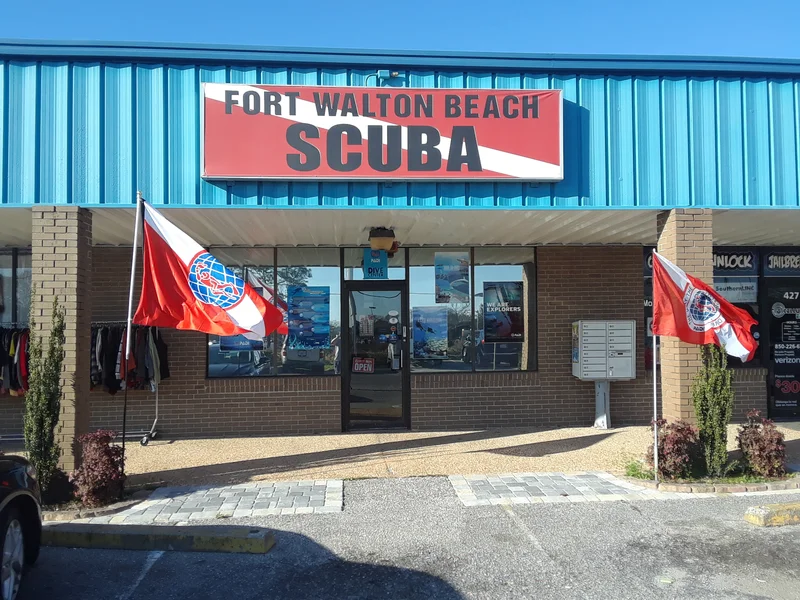
Nearest Airports
Nearest airports to help plan travel to this dive area.
Search Flights
Check available flights and routes on Expedia, using the nearby airports listed in this section.
Search Flights on Expedia
Plan Your Stay
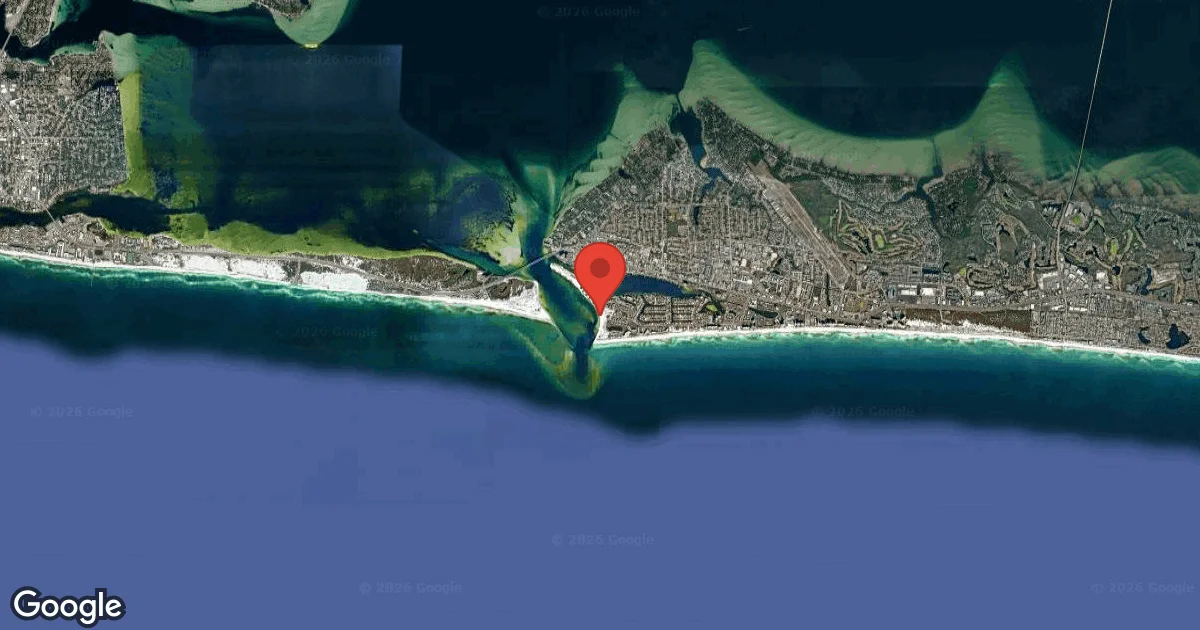
Looking for a place to stay for your dive trip? Explore hotels, stays, and vacation rentals for dive groups near Fort Walton Beach.
Dive Navigator may earn a commission from these links at no extra cost to you.
Frequently Asked Questions
What types of dive sites are available in the FH14-09A area?
The area features a wide variety of dive sites, primarily focusing on historical shipwrecks and artificial reefs. You'll find everything from WWII troop transports and Dutch freighters to purpose-sunk tugboats, barges, and even NYC subway cars. Many sites are part of larger reef complexes, offering diverse exploration opportunities.
What is the typical visibility I can expect while diving here?
Visibility varies significantly depending on the site depth and recent sea conditions. Shallower novice sites might offer 10-40 ft (3-12 m) of visibility. Deeper advanced wrecks often present better conditions, with visibility frequently ranging from 50-90 ft (15-27 m), and sometimes even exceeding that.
Are there specific certification requirements for diving in this region?
Yes, certification requirements are site-dependent. Novice sites like the Tugboat/Airplane or Pawley's Island Reef are suitable for Open Water divers. However, many deeper wrecks, such as The Hebe or USS Vermilion, are designated as "Advanced" and require a PADI Advanced Open Water Diver certification or equivalent.
Do dive charters typically last a full day or a half day?
Both full-day and half-day charters are available, depending on the chosen dive site and its distance from shore. Novice sites generally offer half-day or three-quarter day options. Many advanced wreck dives, especially those at greater depths or further offshore, are typically booked as full-day excursions.
What kind of marine life might I encounter on these dives?
Divers frequently encounter various species, including large grouper, snapper, and triggerfish around reef structures and wrecks. Sand tiger sharks are occasionally spotted on deeper wrecks like The Hebe, and barracuda and spadefish are common on shallower sites. You might also see lobsters on larger wrecks or loggerhead sea turtles near artificial reef installations.
Are there any specific safety items divers are required to carry?
Yes, for most advanced dives and some novice sites, a safety sausage (DSMB) and a whistle are explicitly required. These items are crucial for signaling your position to the boat on the surface and should be part of every diver's standard gear.
Is it possible to dive year-round in the FH14-09A area?
Diving is possible throughout the year, as indicated by consistent "Good" dive scores. Summer months offer the warmest water and calmer surface conditions. While winter can bring cooler air temperatures and choppier seas, excellent underwater visibility can still be found on many sites.
Planning to dive FH14-09A?
Send one inquiry and receive offers directly from the best verified local dive operators.
Conditions are Excellent
07:00 - 14:00
Optimal conditions expected
Current conditions near FH14-09A show 24° air, 30° sea temperature, 0.4 m waves, and 18 km/h wind. Forecast data is refreshed regularly to ensure accuracy.