
Diving at Flagler NE Inside 2015 (United States)
Initially serving a crucial role in the development of the Florida Keys, Flagler's Barge holds significant historical weight as a transport vessel for materials destined for the Old Seven Mile Bridge. A 100-foot-long barge met its fate during the devastating Great Labor Day Hurricane of 1935, breaking free from its moorings before sinking near Sombrero Reef. Today, its submerged remains offer a glimpse into early 20th-century American engineering and maritime events.
As evening covers Flagler NE Inside 2015, the local air temperature is measured at 28.5°C. The current wave height at the surface is recorded at 1.6 m. These late-day readings characterize the surface conditions for the night.
Dive Site Location & Key Facts
Dive Site Overview
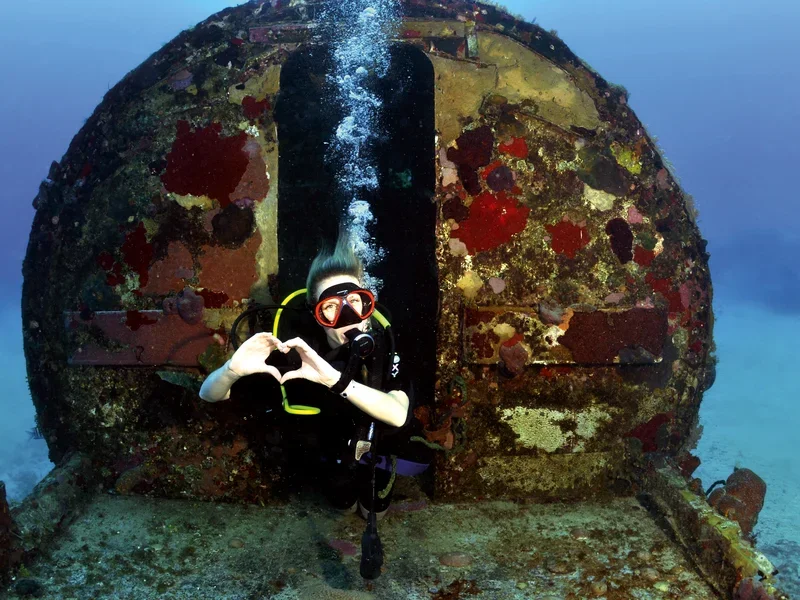
A compelling structure awaits at Flagler's Barge, resting in approximately 7.6 m (25 ft) of water atop a bright, sandy bottom. Though the wreck's exterior has deteriorated over time, its identifiable beams and bulkheads remain, providing a clear outline of the vessel it once was.
Traversing the site is straightforward; there are no complex overhead environments or consistently strong currents to navigate, making it approachable for various skill levels. Its relative isolation as a significant structure on the sea floor transforms the barge into a vibrant magnet for diverse marine life. Hard corals, such as brain and star corals, along with various sponge species, have extensively carpeted the wreck from bow to stern, creating a colorful and dynamic habitat.
Divers often find excellent visibility, typically ranging from 15-24 m (50-80 ft), which allows for an unobstructed view of both the historical artifact and its abundant inhabitants. Exploring the distinct sections of the barge, from the intact frame to scattered debris fields, offers opportunities for discovery on each dive.
This shallow-water wreck is a favorite among Middle Keys divers, offering both historical interest and a rich, accessible marine ecosystem, suitable for multiple explorations.
Conditions are Good
Optimal conditions expected
Current conditions near Flagler NE Inside 2015 show 29° air, 29° sea temperature, 0.9 m waves, and 26 km/h wind. Forecast data is refreshed regularly to ensure accuracy.
Best Time to Dive
Diving conditions at Flagler's Barge show distinct seasonal patterns, presenting divers with varied experiences throughout the year. Calmer summer months, particularly July and August, often bring the most favorable surface conditions, with average wave heights ranging from 0.7 to 0.9 m (2.3 to 3.0 ft) and lighter winds averaging 15-16 km/h (9-10 mph). Air temperatures during this period are warm, around 27.5°C (82°F), though rainfall can be higher, averaging 4-5 mm (0.16-0.2 inches). Conversely, the cooler winter and spring months, from January to March, present slightly choppier conditions, with wave heights often around 1.2 m (3.9 ft) and winds reaching 19-20 km/h (12-12.4 mph). Air temperatures during these months are cooler, ranging from 14.5-19.5°C (58-67°F), but with significantly less rain, typically 1.5-2.1 mm (0.06-0.08 inches). Water temperatures are not consistently reported but generally align with air temperature trends; divers should consult local reports for current conditions to determine appropriate thermal protection, such as a 3mm or 5mm wetsuit.
PEAK SEASON SCORE
Scores combine air & water temps, waves, wind & rainfall for overall conditions.
BEST MONTHS TO DIVE
Monthly records compiled from satellite and marine observation nodes over the last 3 years. Data provided by Open-Meteo and MET Norway.
Dive Experience & Conditions
Descending upon Flagler's Barge, divers often describe the experience as stepping into a living kaleidoscope, where sunlight filters from the surface to illuminate a vibrant palette of corals and sponges. Ample natural light ensures diverse colors of the marine growth pop, thanks to the shallow depth. The absence of strong currents generally provides for a relaxed drift or minimal finning, making observation easy. Due to the minimal depth, recreational dives here can easily extend for an hour, allowing plenty of time to explore the wreck's every detail without rush. It's a particularly accessible wreck for beginner divers looking for their first wreck experience, yet its sheer abundance of marine life continues to surprise and delight experienced divers. Exploring the rusting ribs and structural elements reveals numerous nooks and crannies, perfect for spotting smaller, fascinating critters. Water temperatures, generally warm, vary from 22-27°C (72-81°F) depending on the season, contributing to comfortable extended dives. Observing the interaction between the historical structure and its new vibrant ecosystem is a central appeal here.
Dive Difficulty & Safety Guidelines
Ensuring a safe and enjoyable dive at Flagler's Barge primarily involves good buoyancy control, given the shallow maximum depth of around 7.6 m (25 ft). Extended bottom times are possible, but precise depth management is still necessary to avoid disturbing the wreck or fragile marine life. Maintaining a respectful distance from the structure prevents accidental damage to the corals and sponges that colonize it.
Near Sombrero Reef, awareness of local boat traffic is always advisable, particularly during surface intervals; displaying a dive flag is mandatory. Standard recreational dive certification is typically sufficient for this site.
Divers should always follow safe diving practices, including diving within their training limits, planning their air consumption, and maintaining a buddy system throughout the dive. Being aware of your surroundings and ascent rates will enhance both safety and enjoyment.
Recommended Equipment
- Dive Computer
This gear list is based on verified equipment signals for Flagler NE Inside 2015, United States. Always confirm final gear choices with your dive operator, guide, or liveaboard.
Recommended Dive Suit
Current diving conditions indicate water temperatures around 29°C (83°F) at Flagler NE Inside 2015. Surface air temperatures are resting at 29°C (83°F).
Environmental conditions may feel slightly cooler as the week progresses. Cooler days are ahead; you might want a warmer option for later in the week. A neoprene vest or hood can add flexibility if temperatures feel cooler underwater.
Divers who prefer moderate insulation typically choose 2-3mm shorty or light wetsuit in similar environments. Consider warmer surface protection (like a boat coat) due to brisk winds. Many experienced divers adjust their exposure protection depending on the type of dive planned. Stronger winds may also make surface intervals feel cooler than usual. Divers planning trips later in the week may want to consider bringing a slightly warmer suit.
Due to technical issues with our weather providers, data hasn't been fetched for over 48 hours. The data above reflects the conditions at the time of the last successful fetch.
Emergency & Medical Support
Essential information to help you plan your dive trip to Flagler NE Inside 2015.

Hyperbaric chambers are a critical part of dive safety infrastructure. Availability varies significantly by region, and not all dive areas have immediate access.
Before diving, it's recommended to:
- confirm nearest medical facilities
- check emergency procedures with local dive operators
- ensure dive insurance covers evacuation if required
Divers Alert Network
Diving emergency assistance available through DAN World.
+1-919-684-9111- 24/7 emergency hotline
- Diving medical assistance
- Evacuation coordination
Emergency contacts are provided for reference. Always verify local emergency services before diving.
Marine Life at Flagler NE Inside 2015
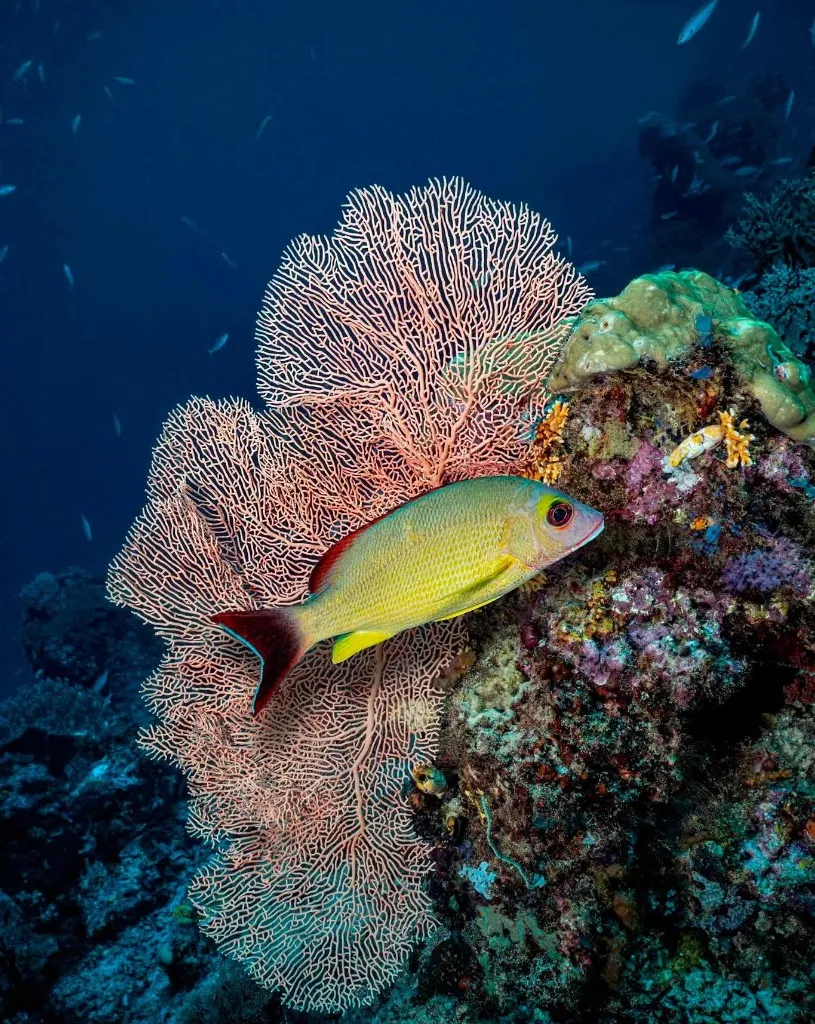
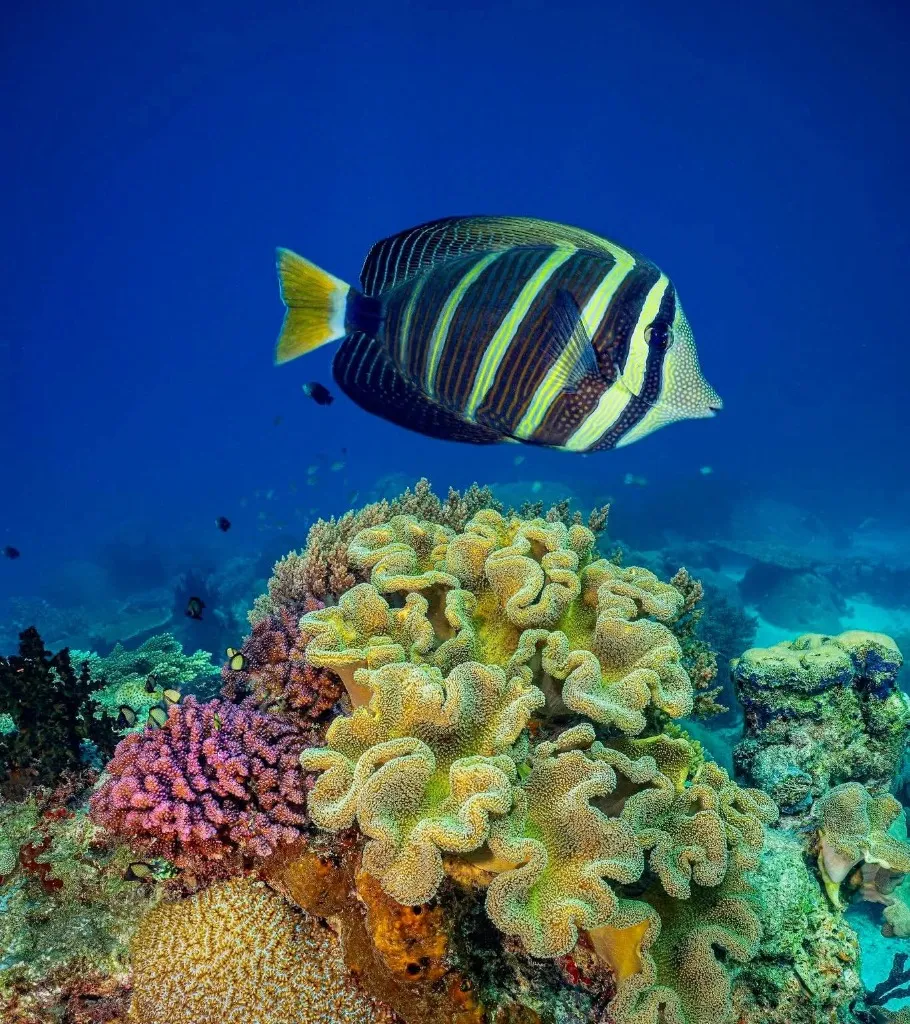
Vibrant marine life is immediately apparent upon reaching the barge, as large schools of grunts, blue tangs, and yellowtail snapper frequently cruise through the structure in colorful formations. Divers often find themselves enveloped by these schooling fish, creating a truly immersive experience.
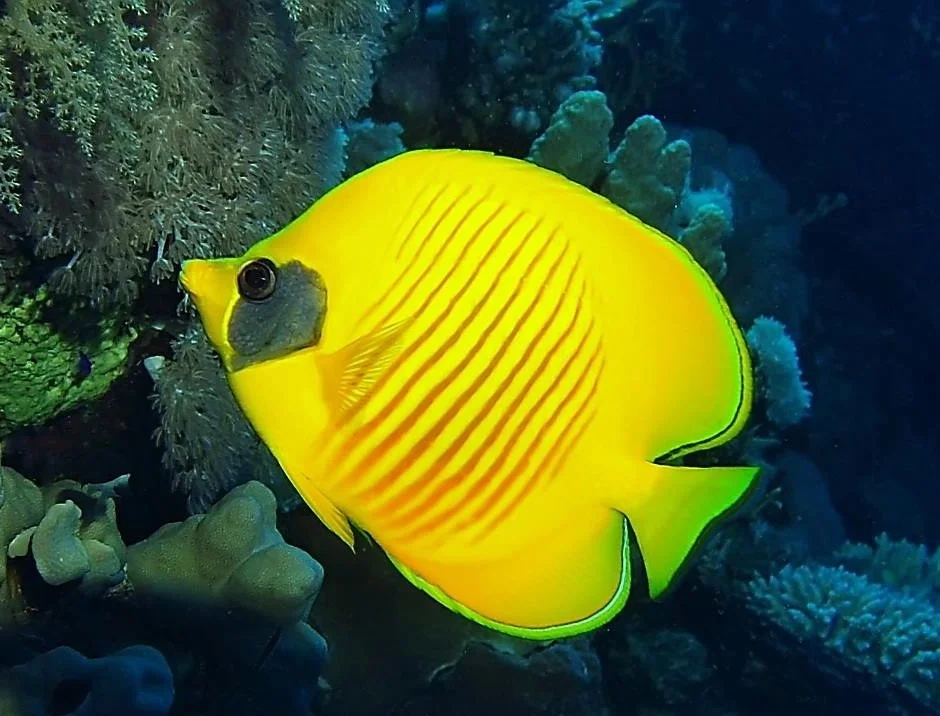
Various angelfish species, including gray, French, and queen, are commonly observed. Butterflyfish, wrasse, and parrotfish also contribute to the site's rich biodiversity.
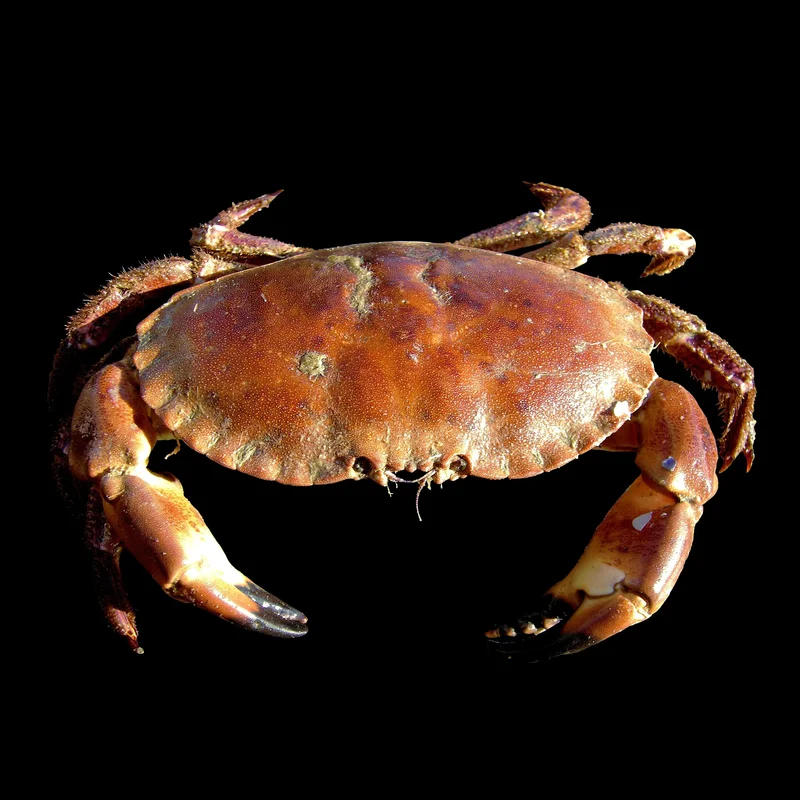
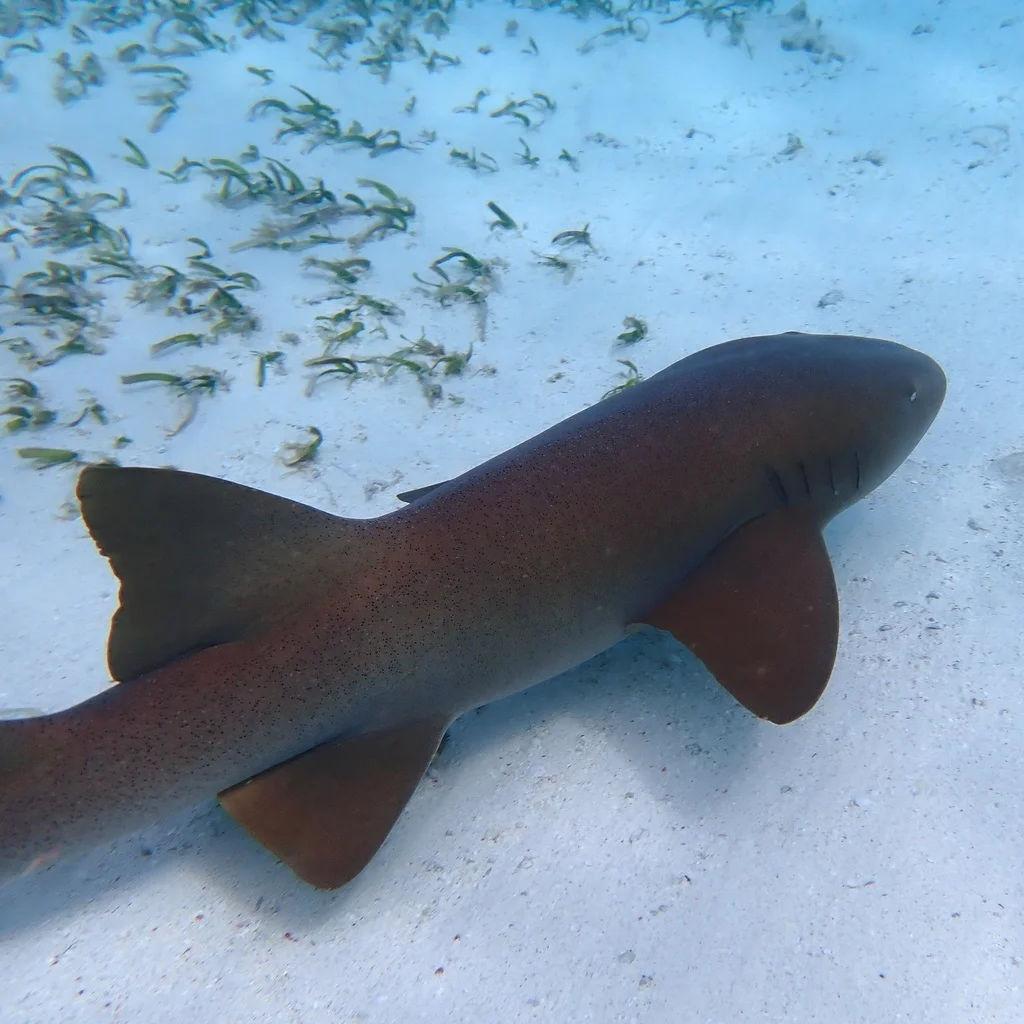
Keen observers might spot a slipper lobster tucked into a crevice, a busy arrow crab, or an eel peering from its hiding spot. Don't miss the area beneath the bow, where nurse sharks are frequently seen resting on the sandy bottom.
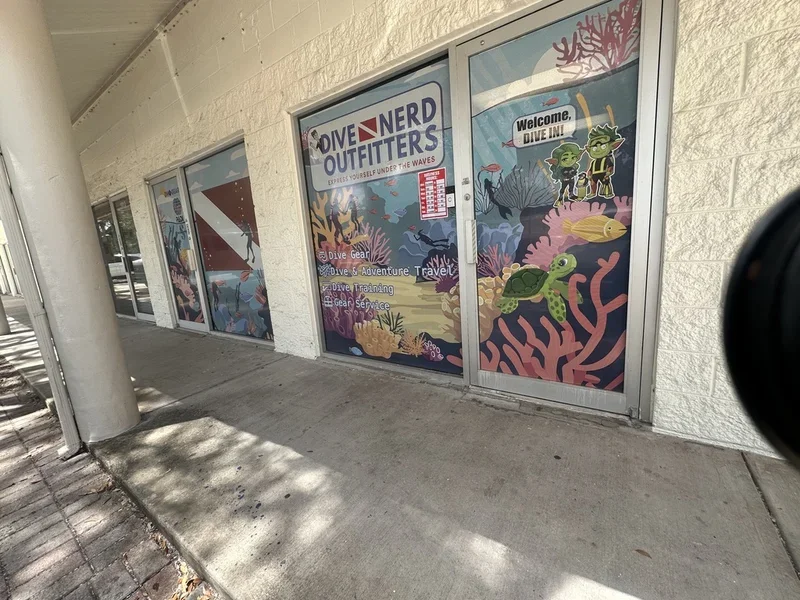
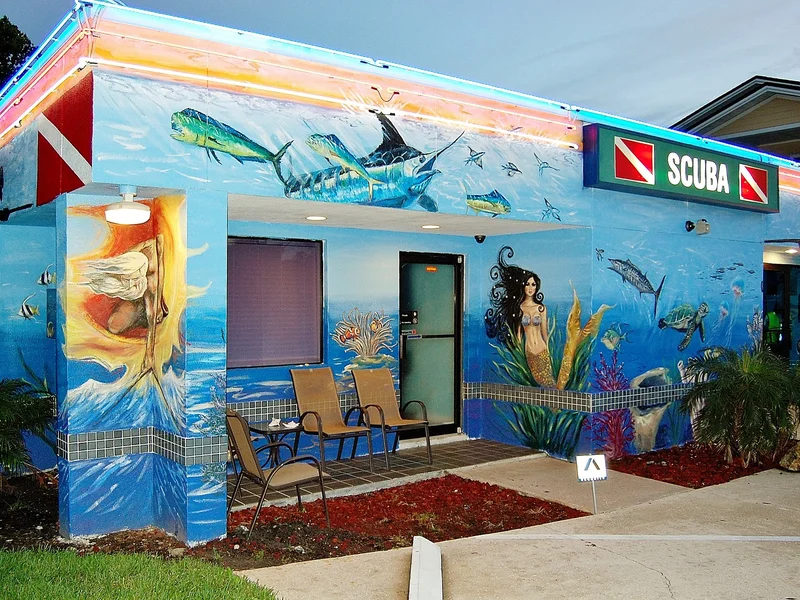
Dive Centers Near Flagler NE Inside 2015
Today: 10:00 - 19:00
Nearest Airports
Nearest airports to help plan travel to this dive area.
Search Flights
Check available flights and routes on Expedia, using the nearby airports listed in this section.
Search Flights on Expedia
Plan Your Stay
Looking for a place to stay for your dive trip? Explore hotels, stays, and vacation rentals for dive groups near New Smyrna Beach.
Dive Navigator may earn a commission from these links at no extra cost to you.
Frequently Asked Questions
What kind of dive site is Flagler's Barge?
Flagler's Barge is a historical shallow-water wreck dive site. It's known for its abundant marine life and extensive coral and sponge growth, making it a vibrant artificial reef.
How deep is Flagler's Barge?
It rests in approximately 7.6 m (25 ft) of water. This shallow depth allows for extended bottom times and makes it accessible for divers of varying experience levels.
Is Flagler's Barge suitable for beginner divers?
Yes, it is often recommended as an excellent site for beginner divers. Its shallow depth, lack of overhead environments, and rich marine life provide an engaging and approachable wreck diving experience.
What kind of marine life can I expect to see?
You can expect to encounter large schools of grunts, blue tangs, and yellowtail snapper. Many species of angelfish, butterflyfish, wrasse, parrotfish, and occasional nurse sharks are also common sights.
What is the historical background of Flagler's Barge?
Historically, the barge transported construction materials for Henry Flagler's Old Seven Mile Bridge in the Florida Keys. It sank during the Great Labor Day Hurricane in 1935, adding a layer of maritime history to its appeal.
What are the typical water conditions at Flagler's Barge?
Water conditions can vary seasonally, with calmer seas and warmer air temperatures during summer months. During winter, conditions might be choppier with cooler air. Divers should check current local reports as specific water temperatures are not consistently available.
How long can a dive typically last at this site?
Ample bottom time allows divers to thoroughly explore the wreck's details and marine inhabitants. Given the minimal depth, recreational dives here commonly extend for an hour or more, providing a relaxed pace for observation and photography.
Planning to dive Flagler NE Inside 2015?
Send one inquiry and receive offers directly from the best verified local dive operators.
Conditions are Good
Optimal conditions expected
Current conditions near Flagler NE Inside 2015 show 29° air, 29° sea temperature, 0.9 m waves, and 26 km/h wind. Forecast data is refreshed regularly to ensure accuracy.