
Diving at FWC-1 (United States)
Diving conditions in the region associated with FWC-1 typically reflect Florida's broad marine environment. Waters here are not consistently reported for specific temperatures but tend to fluctuate seasonally. Air temperatures range significantly, from around 15°C (59°F) in January to nearly 29°C (84°F) in August. Wave heights are generally moderate, often below 1 meter (3 feet), creating manageable surface conditions on many days. Wind speeds also vary, with calmer periods often found during summer months.
As evening covers FWC-1, the local air temperature is measured at 25.5°C. The current wave height at the surface is recorded at 0.5 m. These late-day readings characterize the surface conditions for the night.
Dive Site Location & Key Facts
Dive Site Overview
Diving within the FWC-1 framework emphasizes responsible interaction with Florida's diverse aquatic environments. This isn't a single, defined dive site, but represents the broader context of recreational diving under the Florida Fish and Wildlife Conservation Commission's guidelines.
Divers engage with a variety of underwater settings, from natural reefs to artificial structures, each governed by a strong conservation ethic. Experiences here are shaped by what divers choose to explore across the state's extensive coastlines and inland waters. You'll find a significant focus on preserving marine ecosystems, including strict rules against touching or collecting living coral and ensuring no litter is left behind.
Moreover, FWC promotes active participation in conservation efforts, such as the Lionfish Challenge, encouraging divers to help manage invasive species. This area invites divers to be proactive stewards, contributing to the health of the underwater world with every dive.
Absence of specific site data means the diving experience is highly variable, depending on the chosen location within Florida's extensive waters, from the calmer Gulf to the more dynamic Atlantic. Conditions encountered will depend entirely on your specific Florida location, making careful pre-dive planning essential for any outing.
Conditions are Good
Optimal conditions expected
Current conditions near FWC-1 show 26° air, 30° sea temperature, 0.5 m waves, and 27 km/h wind. Forecast data is refreshed regularly to ensure accuracy.
Best Time to Dive
Optimizing your dive experience in the FWC-1 region aligns with Florida's seasonal climate patterns. For generally favorable conditions, July stands out with an "Excellent" dive score, minimal wave heights averaging around 0.4 m (1.3 ft), and some of the lowest average wind speeds, approximately 22 km/h (14 mph). Air temperatures during this peak period are comfortably warm, averaging close to 28.5°C (83°F). Conversely, while January offers cooler air temperatures of about 15°C (59°F) and higher average wave heights near 1 m (3.3 ft), it still registers a "Good" dive score, appealing to those who prefer cooler weather or are equipped for it. Rain is generally consistent year-round, with a notable peak in August, averaging nearly 9 mm (0.35 inches), which could affect surface visibility or access. Months like May, February, March, and November also present "Good" to "Excellent" conditions, offering a balance of moderate temperatures and generally calm seas, making a substantial portion of the year suitable for diving, depending on personal preference and preparation.
PEAK SEASON SCORE
Scores combine air & water temps, waves, wind & rainfall for overall conditions.
BEST MONTHS TO DIVE
Monthly records compiled from satellite and marine observation nodes over the last 3 years. Data provided by Open-Meteo and MET Norway.
Dive Experience & Conditions
Descending into Florida's waters near FWC-1 often reveals environments shaped by local geography, rather than a singular site. Since water temperatures are not consistently reported, divers should prepare for seasonal variations, which can range from cooler winter lows to warmer summer highs. Visibility varies greatly, influenced by weather patterns, local currents, and proximity to inlets or freshwater runoff. Wave heights average below 1 meter (3.3 feet) for much of the year, usually providing calm surface conditions, though stronger winds, especially in October or January, can increase chop. During summer, particularly July, calmer seas and lower wind speeds are more prevalent, leading to potentially smoother boat rides and easier entries. Divers exploring this broad region will navigate diverse habitats, from shallow seagrass beds to deeper artificial reefs. Always consult local tide and navigation charts for current conditions at your chosen specific Florida dive spot, ensuring safe passage and avoiding sensitive shallow areas that could be stirred by boat motors.
Dive Difficulty & Safety Guidelines
Regardless of your certification level, adherence to responsible diving practices is paramount in the FWC-1 sphere, reflecting Florida's statewide conservation ethos. Divers must always remember the "Take only photos, leave only bubbles" mantra. This means never littering in or around the water, as plastics harm marine life through entanglement and ingestion.
Crucially, avoid anchoring on or over living coral; contact from fins or gloves can kill delicate polyps. It's strictly prohibited to collect or touch coral.
Maintain a respectful distance from all marine life; never approach or feed manatees, dolphins, whales, sea turtles, or other air-breathing animals. Feeding fish disrupts their natural behaviors and could expose you to larger predators.
Consulting local tide and navigation charts is essential to ensure adequate clearance and to avoid damaging shallow habitats, such as rooted aquatic vegetation, by powering through them.
Recommended Equipment
- Dive Computer
This gear list is based on verified equipment signals for FWC-1, United States. Always confirm final gear choices with your dive operator, guide, or liveaboard.
Recommended Dive Suit
In conditions like these, many divers prefer diving with dive skin or rash guard. A hood or vest is suggested for sensitive divers due to surface winds.
Divers entering the water at FWC-1 today can expect temperatures near 30°C (87°F) beneath the surface. Surface air temperatures are resting at 26°C (78°F).
Environmental conditions appear stable for the near future.
Emergency & Medical Support
Essential information to help you plan your dive trip to FWC-1.

Hyperbaric chambers are a critical part of dive safety infrastructure. Availability varies significantly by region, and not all dive areas have immediate access.
Before diving, it's recommended to:
- confirm nearest medical facilities
- check emergency procedures with local dive operators
- ensure dive insurance covers evacuation if required
Divers Alert Network
Diving emergency assistance available through DAN World.
+1-919-684-9111- 24/7 emergency hotline
- Diving medical assistance
- Evacuation coordination
Emergency contacts are provided for reference. Always verify local emergency services before diving.
Marine Life at FWC-1
Encounters with marine life in Florida's FWC-1 governed waters are diverse, reflecting the region's rich biodiversity. Divers often spot a variety of fish species, though feeding them is discouraged to maintain natural behaviors.
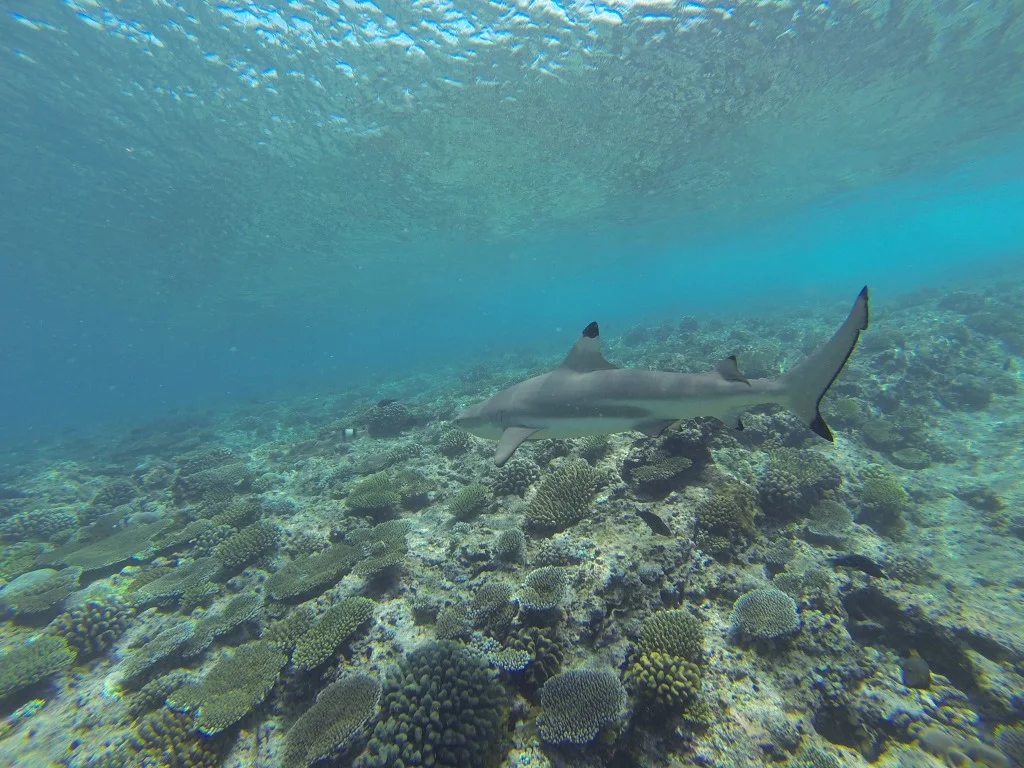
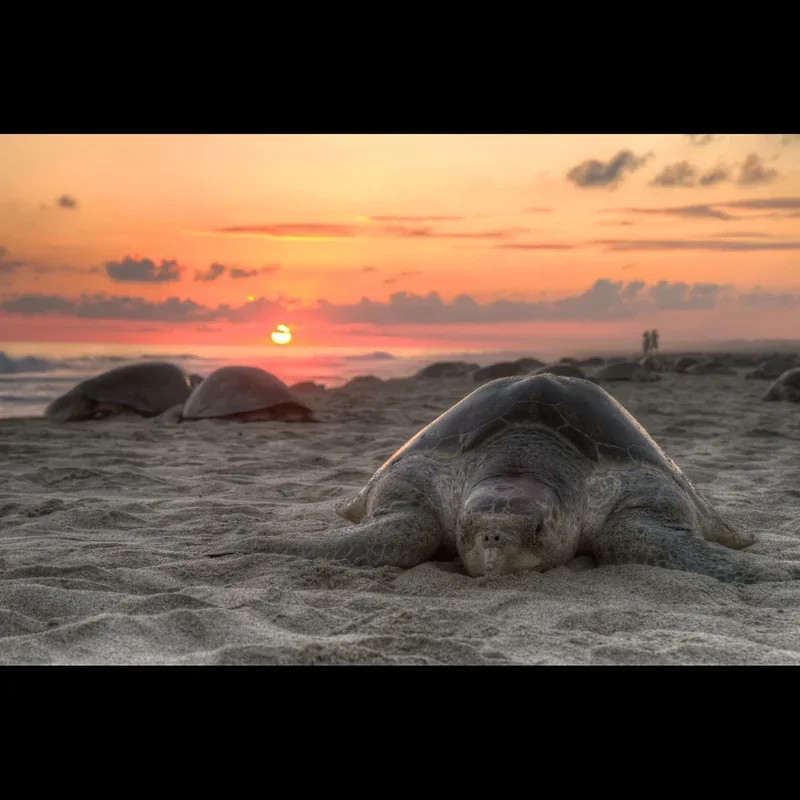
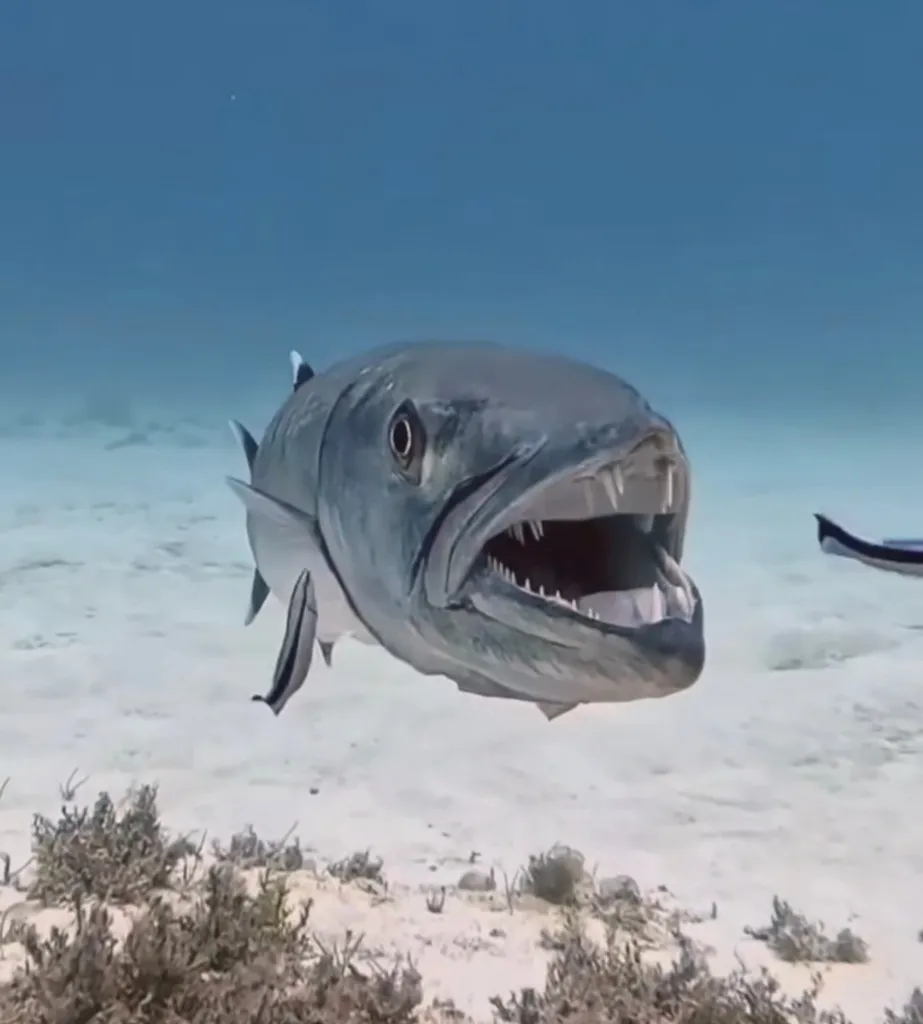
Depending on your specific location, larger animals like manatees, dolphins, whales, and sea turtles may be observed; always maintain a respectful, non-interfering distance, as these are wild animals. You might also encounter sharks and barracuda, particularly if fish feeding disrupts their natural predatory patterns.
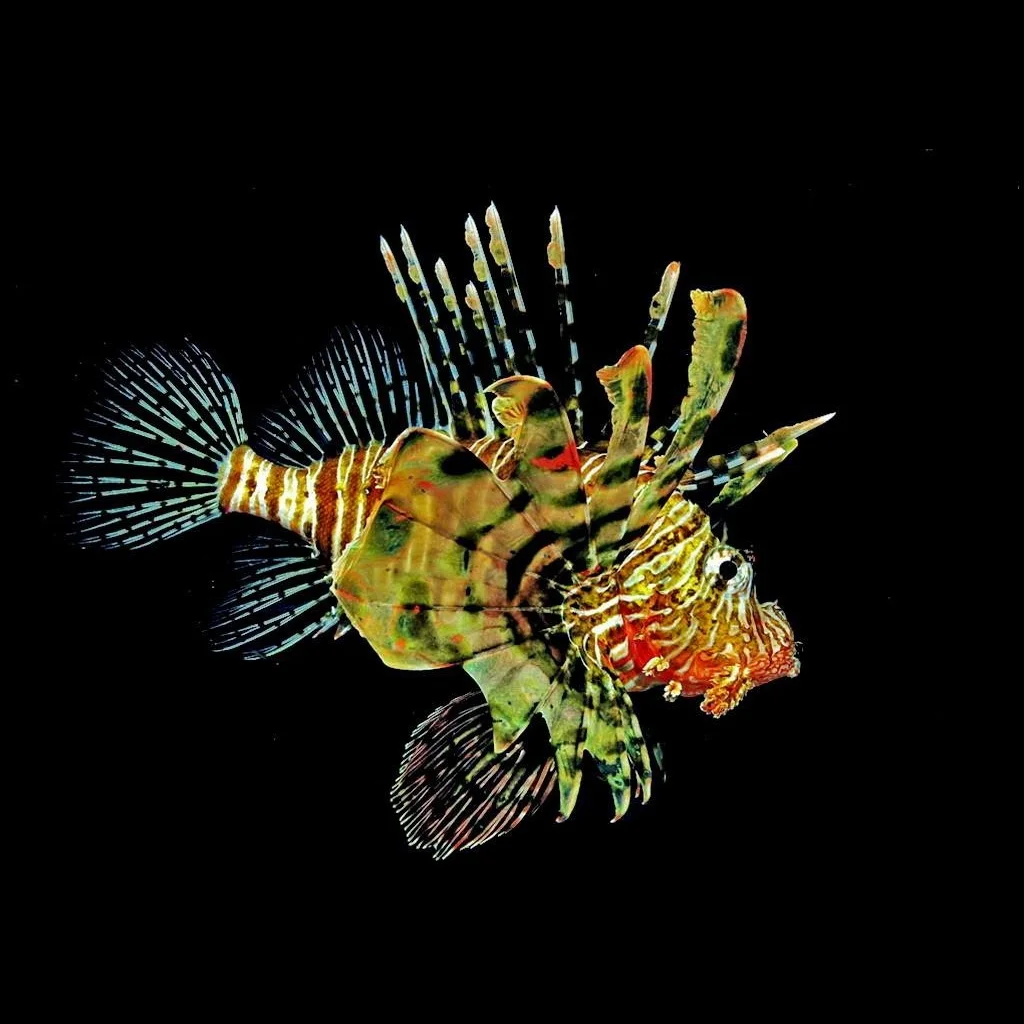
A notable species in Florida's waters is the invasive lionfish, which divers are actively encouraged to remove through initiatives like the Lionfish Challenge, contributing directly to ecosystem health. Observing these species responsibly, without touching or harassment, ensures a positive interaction for both diver and animal.

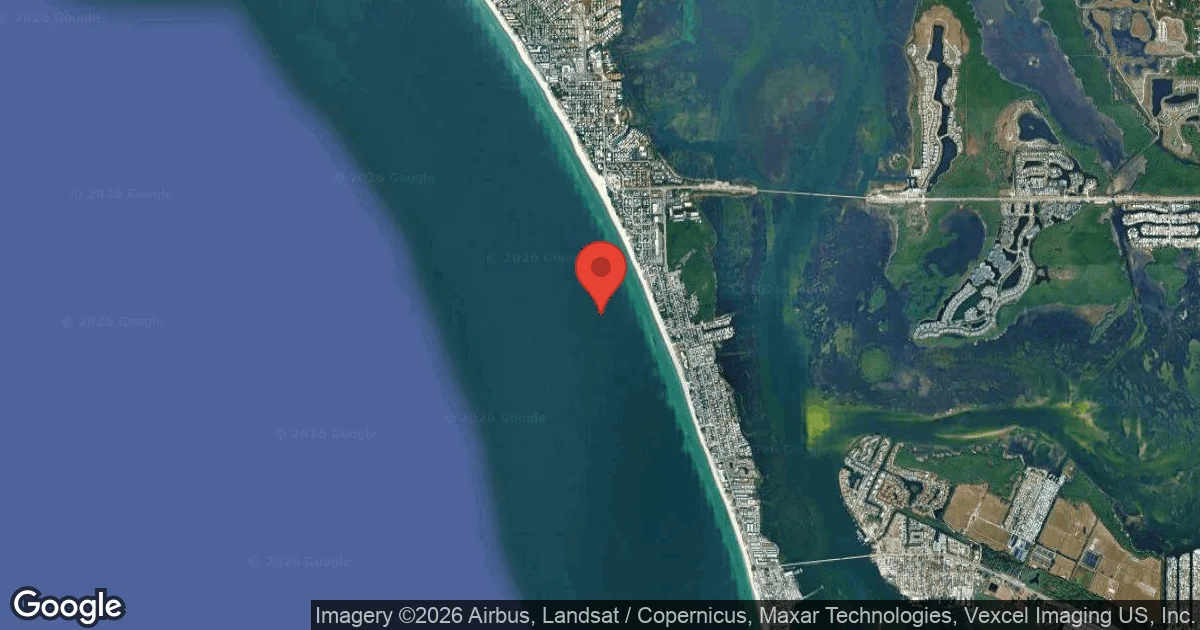
Dive Sites Near FWC-1
View all dive sites in United StatesDiscover more underwater gems in this area.
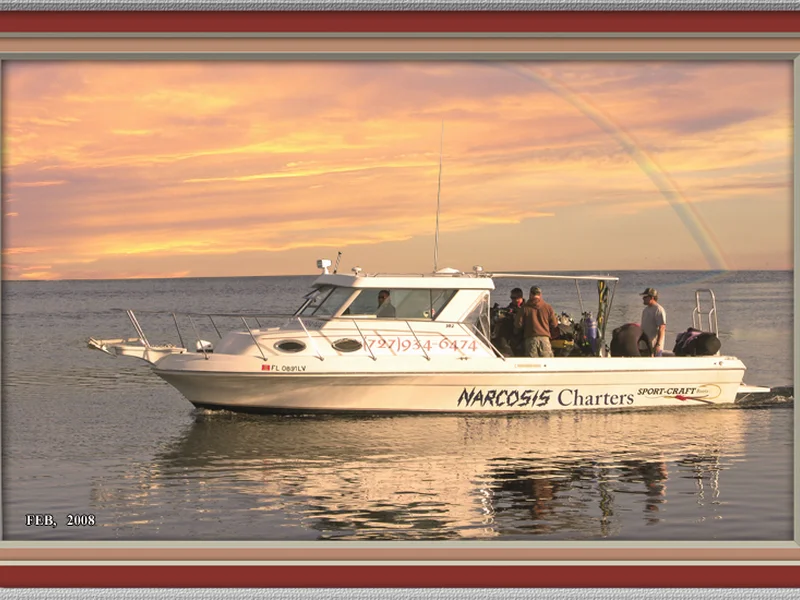
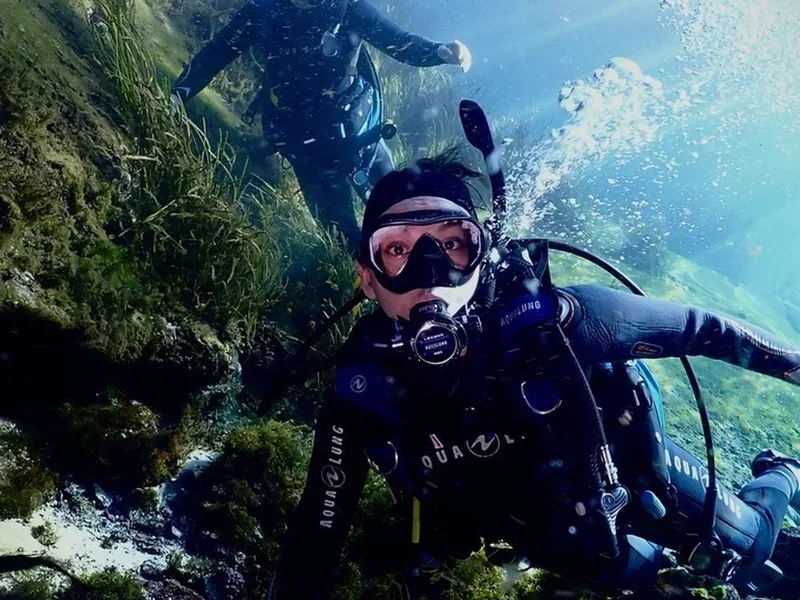
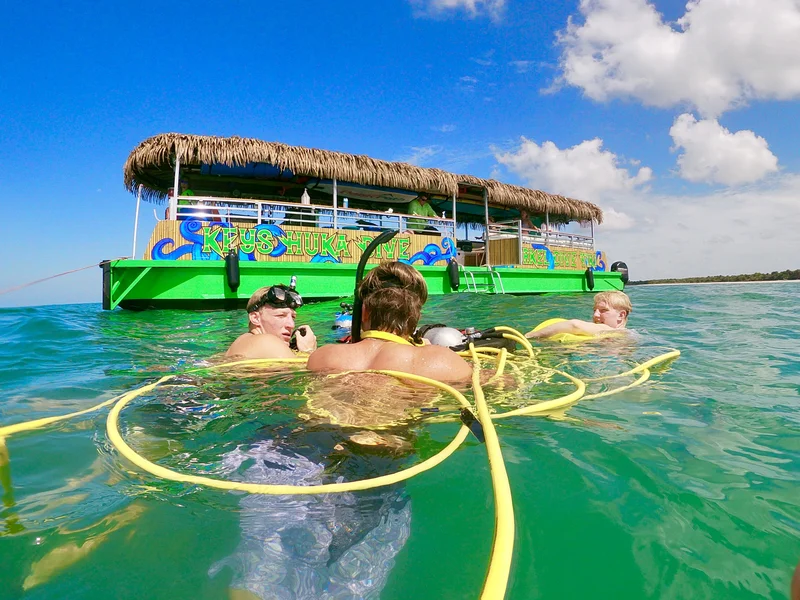
Dive Centers Near FWC-1
Today: 11:00 - 19:00
Nearest Airports
Nearest airports to help plan travel to this dive area.
Search Flights
Check available flights and routes on Expedia, using the nearby airports listed in this section.
Search Flights on Expedia
Plan Your Stay
Looking for a place to stay for your dive trip? Explore hotels, stays, and vacation rentals for dive groups near Tierra Verde.
Dive Navigator may earn a commission from these links at no extra cost to you.
Frequently Asked Questions
What does FWC-1 refer to in the context of diving?
FWC-1 does not refer to a specific physical dive site. Instead, it represents the general regulatory and conservation framework for diving within Florida's waters, as managed by the Florida Fish and Wildlife Conservation Commission. The term is often associated with commercial licensing and endorsements, such as for spiny lobster, but implies a broader adherence to state diving guidelines.
Are there specific rules for diving in Florida?
Yes, divers in Florida are expected to follow specific conservation guidelines. These include not touching or collecting living coral, refraining from feeding marine animals, and practicing responsible waste management to "Take only photos, leave only bubbles." FWC regulations emphasize protecting marine ecosystems and wildlife.
What are the general water conditions for diving in Florida?
Water temperatures in Florida vary seasonally, though specific figures are not consistently reported for all areas. Conditions are influenced by location (Gulf vs. Atlantic), with generally calmer seas during summer months and moderate wave heights year-round. Divers should expect variable visibility based on local weather and currents.
Can I participate in marine conservation efforts as a diver?
Absolutely. The FWC encourages divers to actively participate in conservation. Initiatives like the Lionfish Challenge invite divers to help remove invasive lionfish. Joining local lake, river, or coastal cleanups and contributing to reef checkup data collection are other valuable ways to get involved.
Is a special license required for recreational diving in Florida?
For general recreational SCUBA diving or snorkeling, a special state license is typically not required. However, specific commercial activities, such as harvesting spiny lobster with a dive endorsement, do necessitate particular FWC licenses and endorsements. Always verify requirements for your intended activity.
What should I do if I encounter protected marine life?
If you encounter protected marine life such as manatees, dolphins, whales, or sea turtles, it's crucial to maintain a respectful distance. Do not approach, touch, or feed these wild animals, as interfering with their natural routines can be disruptive and harmful. Observing them passively is the best practice.
How does the FWC regulate commercial diving?
The FWC regulates commercial diving primarily through a system of licenses and endorsements, such as the Saltwater Products License (SPL) and Restricted Species (RS) endorsements, which may include a Commercial Dive authorization. These ensure sustainable harvesting practices, particularly for species like spiny lobster. Transfers of these endorsements are also regulated, with specific eligibility and documentation requirements.
Planning to dive FWC-1?
Send one inquiry and receive offers directly from the best verified local dive operators.
Conditions are Good
Optimal conditions expected
Current conditions near FWC-1 show 26° air, 30° sea temperature, 0.5 m waves, and 27 km/h wind. Forecast data is refreshed regularly to ensure accuracy.