
Diving at Gordon Pass 5 Mile Reef (United States)
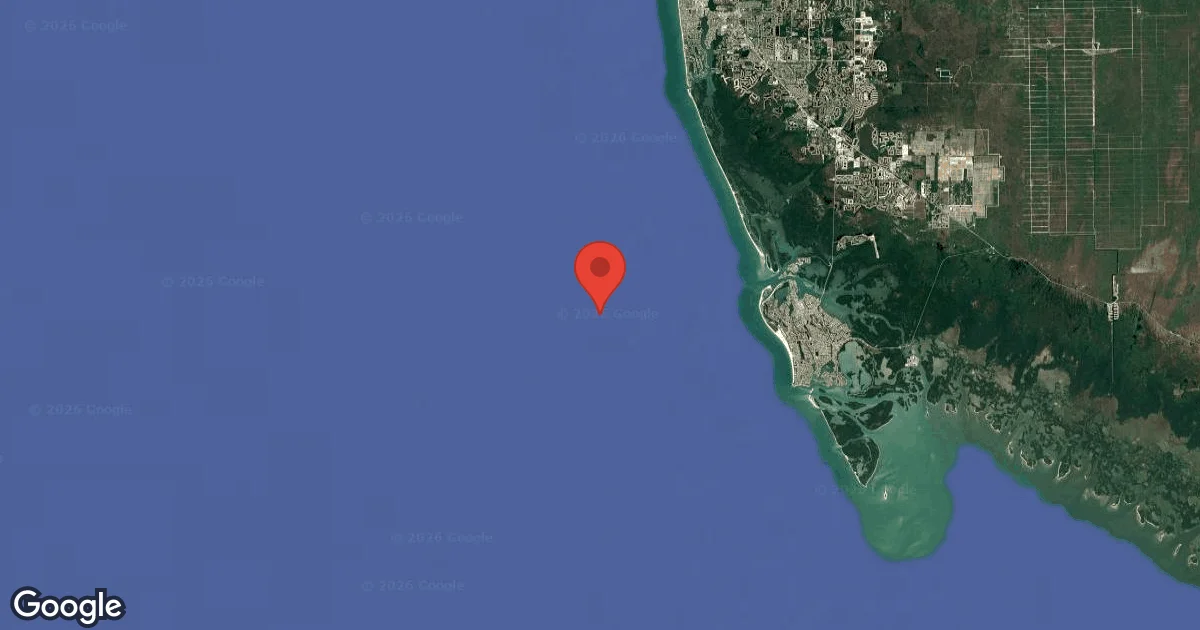
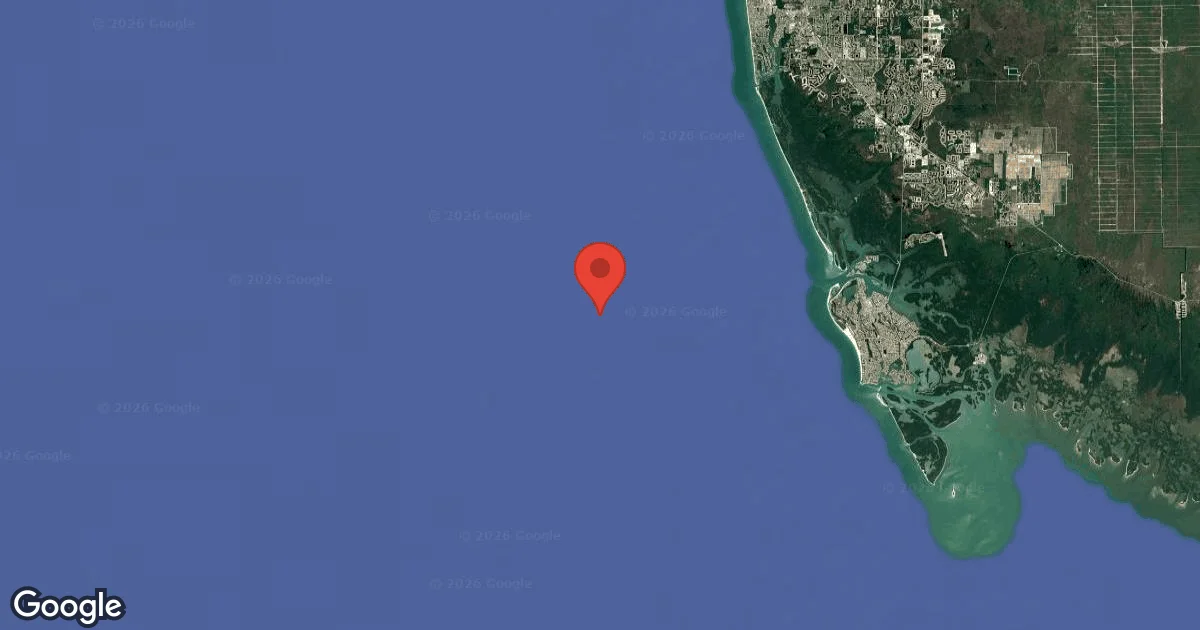
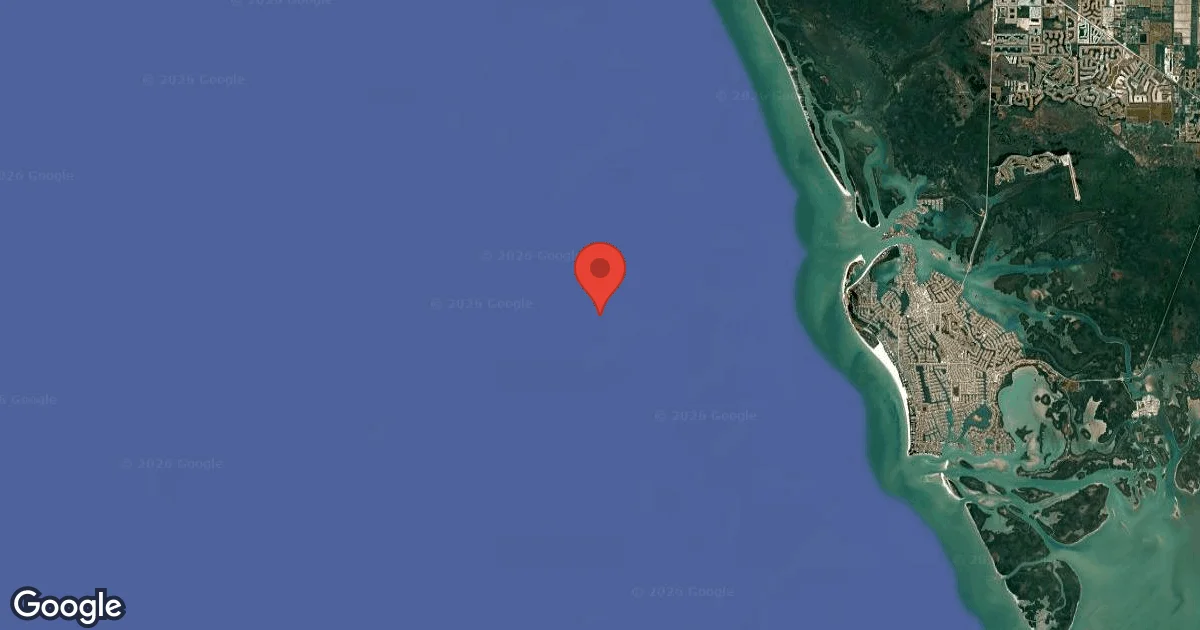
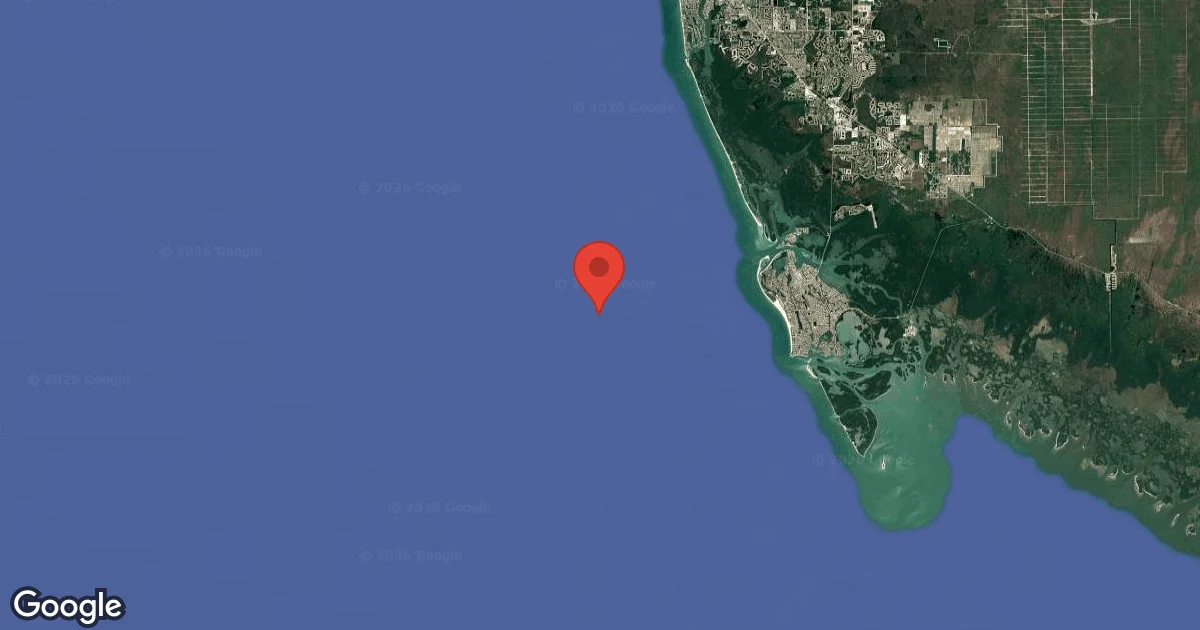
Gordon Pass 5 Mile Reef offers divers a structured underwater route through a network of artificial habitats. Positioned 12 to 17 miles out from Gordon Pass, it primarily features concrete barges and pilings laid out to attract marine life. Newer additions include artistically designed structures, such as a sea turtle-shaped reef placed centrally. Interconnected elements provide a navigable pathway, allowing divers to explore various sections that are about a football field apart. It creates a dynamic environment for discovery.
Starting the day at Gordon Pass 5 Mile Reef, the ambient air temperature is recorded at 24.5°C. Ongoing monitoring shows wave heights measuring 0.2 m. This data represents the current surface conditions for early activities.
Dive Site Location & Key Facts
Dive Site Overview
Underwater off Gordon Pass, a series of artificial reefs constitutes a project initiated with the Collier 5 Mile Reef's deployment in 1980. This initiative has steadily expanded, with new structures being added over decades to enhance marine habitats.
Reefs are predominantly composed of sturdy concrete pilings, barges, cylinders, and specialized habitats, now totaling over 18,000 tons of material across 36 sites. In 2015, four new artificial reefs were created, followed by an additional 34 concrete blocks and structures shaped like a sea turtle, placed 17 miles from Gordon Pass.
These structures are strategically spaced, often about a football field apart, allowing divers to transit between them seamlessly. Originally, the Gulf floor here was largely flat, with marine life concentrated in natural limestone craters.
Introducing artificial structures has provided essential shelter and hunting grounds, rapidly attracting a diverse ecosystem. A recreational depth range is provided, typically averaging 9 m (30 ft) with a maximum depth of 10 m (32 ft), making it accessible for many certified divers.
Ongoing funding from private donations and grants continues to transform the barren seabed into thriving hotspots for both divers and fishermen.
Conditions are Good
Optimal conditions expected
Current conditions near Gordon Pass 5 Mile Reef show 25° air, 31° sea temperature, 0.2 m waves, and 22 km/h wind. Forecast data is refreshed regularly to ensure accuracy.
Best Time to Dive
Optimizing your dive experience at Gordon Pass 5 Mile Reef often depends on seasonal conditions. May stands out with an "Excellent" dive score, characterized by lower average wave heights around 0.4 m (1.3 ft) and moderate wind speeds. Several other months, including January, February, April, June, July, August, September, November, and December, also present "Good" diving opportunities. During the summer months, such as July and August, air temperatures reach their peak, averaging around 28.5°C (83°F), while wave heights can be as low as 0.3-0.5 m (1.0-1.6 ft). Wind speeds are also typically lighter in July, averaging 20.7 km/h (12.9 mph). Although specific water temperature data is not consistently reported, warmer air temperatures generally correlate with more comfortable diving conditions. Rain showers are more frequent in late summer, particularly in June, August, and September, which might temporarily affect visibility. Conversely, the cooler, drier months like January and February offer stable conditions with air temperatures around 18°C (64°F), despite slightly higher wave action.
PEAK SEASON SCORE
Scores combine air & water temps, waves, wind & rainfall for overall conditions.
BEST MONTHS TO DIVE
Monthly records compiled from satellite and marine observation nodes over the last 3 years. Data provided by Open-Meteo and MET Norway.
Dive Experience & Conditions
Dropping down onto Gordon Pass 5 Mile Reef, divers immediately encounter a bustling artificial landscape crafted from concrete. You'll navigate between substantial structures: concrete pilings, various barges, and purpose-built habitats that quickly became vibrant homes for marine life. Water clarity here can vary significantly, depending on recent weather and currents, but on a good day, the interconnected reefs are clearly visible, drawing you from one section to the next. Recreational divers will find the site's maximum depth of 10 m (32 ft) welcoming, making for extended bottom times. Averaging about 9 m (30 ft) deep, it's an accessible environment for divers of most skill levels. Exploring the nooks and crannies of these structures feels like delving into an underwater sculpture garden that constantly evolves with new growth and resident fish.
Dive Difficulty & Safety Guidelines
Diving at Gordon Pass 5 Mile Reef requires attention to standard recreational diving safety protocols, particularly given its artificial structures. Gordon Pass 5 Mile Reef is generally suitable for certified open water divers, offering depths well within recreational limits. Maintaining excellent buoyancy control is crucial to avoid contact with the reef structures and their delicate marine growth, especially when navigating through the denser arrangements of concrete blocks and barges.
Although the primary concern for invasive lionfish is often in deeper waters (around the 30-mile range), divers should remain observant. While lionfish are not consistently reported in large numbers at these shallower depths, their eventual presence on artificial reefs is anticipated.
Always dive within your training and comfort limits, ensuring you understand the dive plan and current conditions. Local dive operators often provide detailed briefings, which are important for understanding the specific dynamics of the site on any given day.
Recommended Equipment
- Dive Computer
This gear list is based on verified equipment signals for Gordon Pass 5 Mile Reef, United States. Always confirm final gear choices with your dive operator, guide, or liveaboard.
Recommended Dive Suit
For many recreational divers, dive skin or rash guard provides a practical level of insulation in these conditions. A hood or vest is suggested for sensitive divers due to surface winds. Divers who tend to get cold easily may prefer slightly thicker exposure protection.
Conditions at Gordon Pass 5 Mile Reef currently place the water temperature near 31°C (87°F). Surface air temperatures are resting at 25°C (76°F).
Current forecasts indicate relatively stable conditions for the coming days.
Emergency & Medical Support
Essential information to help you plan your dive trip to Gordon Pass 5 Mile Reef.

Hyperbaric chambers are a critical part of dive safety infrastructure. Availability varies significantly by region, and not all dive areas have immediate access.
Before diving, it's recommended to:
- confirm nearest medical facilities
- check emergency procedures with local dive operators
- ensure dive insurance covers evacuation if required
Divers Alert Network
Diving emergency assistance available through DAN World.
+1-919-684-9111- 24/7 emergency hotline
- Diving medical assistance
- Evacuation coordination
Emergency contacts are provided for reference. Always verify local emergency services before diving.
Marine Life at Gordon Pass 5 Mile Reef
Gordon Pass 5 Mile Reef quickly transforms from inert concrete into a dynamic marine ecosystem, attracting a diverse range of species. Divers frequently encounter impressive goliath grouper; reports indicate as many as 20 individuals, some weighing up to 600 pounds, have been observed inhabiting the artificial structures.
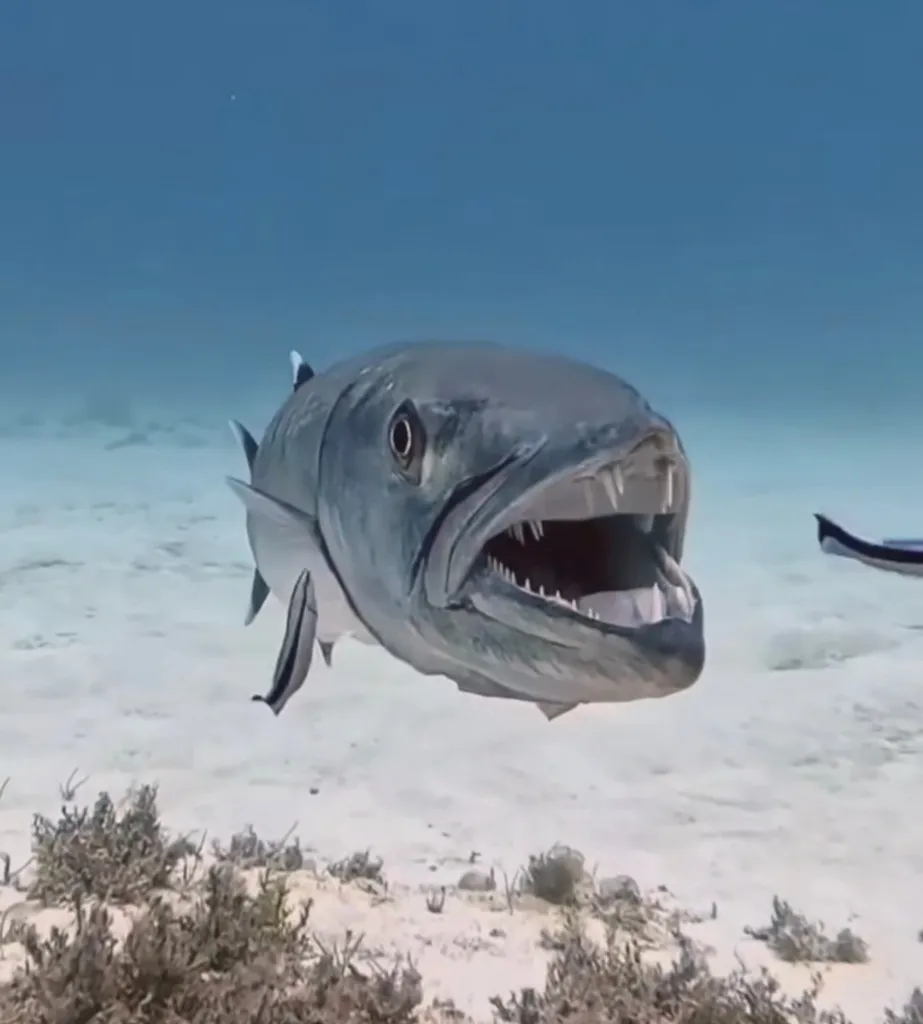
Beyond these giants, cobias and barracudas are commonly spotted patrolling the reef. Concrete elements provide immediate shelter, drawing in various types of smaller fish, while sponges and corals rapidly colonize the surfaces.
It's truly remarkable how swiftly every type of marine life adopts these modules, creating a vibrant, observable community from the moment they are deployed.

Dive Sites Near Gordon Pass 5 Mile Reef
View all dive sites in United StatesDiscover more underwater gems in this area.
Dive Centers Near Gordon Pass 5 Mile Reef
Today: 10:00 - 16:00
Nearest Airports
Nearest airports to help plan travel to this dive area.
Search Flights
Check available flights and routes on Expedia, using the nearby airports listed in this section.
Search Flights on Expedia
Plan Your Stay
Looking for a place to stay for your dive trip? Explore hotels, stays, and vacation rentals for dive groups near Naples.
Dive Navigator may earn a commission from these links at no extra cost to you.
Frequently Asked Questions
What type of dive site is Gordon Pass 5 Mile Reef?
This is an artificial reef system created from concrete pilings, barges, and other structured habitats. It's part of an ongoing project to enhance marine life in the Gulf of Mexico, transforming a naturally flat seabed.
How deep is the Gordon Pass 5 Mile Reef?
The reef averages about 9 meters (30 feet) in depth, with a maximum depth of 10 meters (32 feet). This makes it a suitable dive for recreational divers and allows for considerable bottom time.
What marine life can divers expect to see?
Divers can anticipate seeing large goliath grouper, some weighing up to 600 pounds, along with cobias and barracudas. Many types of smaller fish, coral, and sponge have also rapidly colonized the artificial structures.
How far offshore is the reef?
The Collier 5 Mile Reef section lies 12 miles south of Gordon Pass. Newer additions to the artificial reef system extend approximately 17 miles out.
When were the artificial reefs first deployed?
The initial Collier 5 Mile Reef was deployed in 1980. Since then, the project has expanded significantly, with additional concrete structures and habitats added over the years, including newer deployments around 2015.
What are the best months for diving here?
May generally offers excellent diving conditions due to lower waves and moderate winds. Many other months, including most of the year from January to December, are rated as good for diving.
Is specialized equipment needed for this reef?
Standard recreational dive gear is sufficient for this site, though good buoyancy control is always beneficial for navigating artificial structures. Appropriate exposure protection for varying water temperatures is also advisable.
Planning to dive Gordon Pass 5 Mile Reef?
Send one inquiry and receive offers directly from the best verified local dive operators.
Conditions are Good
Optimal conditions expected
Current conditions near Gordon Pass 5 Mile Reef show 25° air, 31° sea temperature, 0.2 m waves, and 22 km/h wind. Forecast data is refreshed regularly to ensure accuracy.