
Diving at Grand Teton Reef (United States)
Grand Teton Reef isn't a coral reef; it's an evocative name for dive sites within Grand Teton National Park, Wyoming. Its primary feature is an unusual underwater forest, a formation discovered in the 1980s. Divers navigate the lake's western side, accessible via a transfer boat, finding entry from a small beach near the dock. A dramatic backdrop of the Teton mountains makes for a memorable high-altitude diving experience.
Early observations for Grand Teton Reef report a surface air temperature of 26.5°C. The water surface is currently presenting wave heights of 1 m. Consider these environmental metrics before beginning your descent.
Dive Site Location & Key Facts
Dive Site Overview
Jenny Lake's unique underwater forest has captivated divers since its 1980s discovery, sparking various theories regarding its formation. This isn't a typical recreational dive location; it's a cold, high-altitude freshwater environment presenting distinct challenges and rewards.
Diving here is a self-reliant endeavor, as Grand Teton National Park doesn't permit commercial dive operations. Divers must bring all their own equipment and manage logistics, from air fills to transportation. Preparation should include advanced planning due to Jenny Lake's elevation at 6,783 ft (2,067 m), which necessitates special altitude diving protocols and adjustments to dive tables or computers.
Reaching the main dive area on the west side of Jenny Lake involves taking a transfer boat, then a short walk to a designated beach for gear setup. Underwater, the forest rests in the same bay as the westside boat dock, with depths reaching 30 m (100 ft).
Communicating with boat captains nearby is essential for surface safety. Exploring this submerged arboreal landscape, an unusual geological feature created by landslides, offers a rare opportunity. It demands careful preparation, not a guided experience.
Conditions are Good
07:00 - 14:00
Optimal conditions expected
Current conditions near Grand Teton Reef show 26° air, 30° sea temperature, 0.8 m waves, and 19 km/h wind. Forecast data is refreshed regularly to ensure accuracy.
Best Time to Dive
Planning a dive at Grand Teton Reef primarily hinges on managing its cold water conditions and seasonal accessibility. While year-round climate data shows generally good air temperatures ranging from 18.5°C (65°F) in January to 28°C (82°F) in August, the water remains consistently cold, requiring a drysuit for typical 4.5°C (40°F) temperatures. Summer months, particularly May through August, tend to offer the best overall dive scores, benefiting from lower average wave heights—dropping to around 0.5-0.8 m (1.6-2.6 ft)—and reduced wind speeds. Rain averages are also moderate during this period, though September typically sees the highest rainfall at 7.98 mm. April and October present moderate dive scores, possibly due to higher average wave heights reaching up to 1.6 m (5.2 ft) in October, alongside increased wind speeds. Optimal conditions and access to the transfer boat service are generally found from late spring through early autumn, specifically May through September.
PEAK SEASON SCORE
Scores combine air & water temps, waves, wind & rainfall for overall conditions.
BEST MONTHS TO DIVE
Monthly records compiled from satellite and marine observation nodes over the last 3 years. Data provided by Open-Meteo and MET Norway.
Dive Experience & Conditions
Exploring the depths of Jenny Lake reveals a distinct depth profile, characterized by the submerged "underwater forest" primarily found in the same bay as the westside boat dock. This site can be explored down to its maximum depth of 30 m (100 ft), where the ancient trees rest. Water temperatures remain cold throughout the year, consistently around 4.5°C (40°F), making drysuit diving a fundamental requirement for thermal protection. Visibility can vary, but the presence of the underwater forest suggests reasonable clarity is often encountered for exploration. Surface conditions are generally calmer during the summer, with average wave heights typically below 1 meter (3.3 ft), though wind can still contribute to chop. High altitude, specifically 6,783 ft (2,067 m), significantly impacts bottom times and decompression limits, demanding precise altitude dive planning. Divers should anticipate a cold, dark, and potentially challenging environment, suitable for experienced cold-water and altitude-certified individuals.
Dive Difficulty & Safety Guidelines
Approaching a dive in the Grand Teton National Park requires specific preparedness and self-reliance. Commercial dive operators are not permitted to run trips, meaning divers are responsible for their own safety, logistics, and equipment.
A dive flag is mandatory and must be displayed at all times during the dive. Given Jenny Lake's high altitude, specific training or a thorough understanding of altitude diving procedures is crucial to prevent decompression sickness.
Water temperatures consistently around 4.5°C (40°F) mandate a drysuit and appropriate thermal undergarments to prevent hypothermia. While diving the underwater forest, maintaining clear communication with boat captains near the westside boat dock is important to mitigate surface traffic risks.
No reported specific geological hazards exist beyond the cold and altitude, but environmental awareness is always advised. All equipment must be brought to the site, as local rentals are not readily available.
Recommended Equipment
- Dive Computer
This gear list is based on verified equipment signals for Grand Teton Reef, United States. Always confirm final gear choices with your dive operator, guide, or liveaboard.
Recommended Dive Suit
Forecast trends indicate similar diving conditions over the next few days.
Many experienced divers would consider dive skin or rash guard an appropriate choice here. A hood or vest is suggested for sensitive divers due to surface winds.
At Grand Teton Reef, the water is currently sitting around 30°C (85°F). Surface air temperatures are resting at 26°C (79°F).
Due to technical issues with our weather providers, live updates are temporarily delayed. The data above reflects the conditions at the time of the last successful fetch.
Emergency & Medical Support
Essential information to help you plan your dive trip to Grand Teton Reef.

Hyperbaric chambers are a critical part of dive safety infrastructure. Availability varies significantly by region, and not all dive areas have immediate access.
Before diving, it's recommended to:
- confirm nearest medical facilities
- check emergency procedures with local dive operators
- ensure dive insurance covers evacuation if required
Divers Alert Network
Diving emergency assistance available through DAN World.
+1-919-684-9111- 24/7 emergency hotline
- Diving medical assistance
- Evacuation coordination
Emergency contacts are provided for reference. Always verify local emergency services before diving.
Marine Life at Grand Teton Reef
The primary draw of diving here isn't typical reef fauna, but rather the stark beauty of the "underwater forest" itself. Divers will immediately notice the submerged arboreal landscape, which consists of ancient trees that fell into the lake due to past landslides.
This unique geological phenomenon creates a hauntingly beautiful environment to explore. Limited available data exists regarding specific marine life sightings beyond the general ecosystem of a cold-water, high-altitude lake.
Its allure lies in the historical and geological significance of the submerged forest structure. It’s an unusual experience focused on submerged topography.
Dive Sites Near Grand Teton Reef
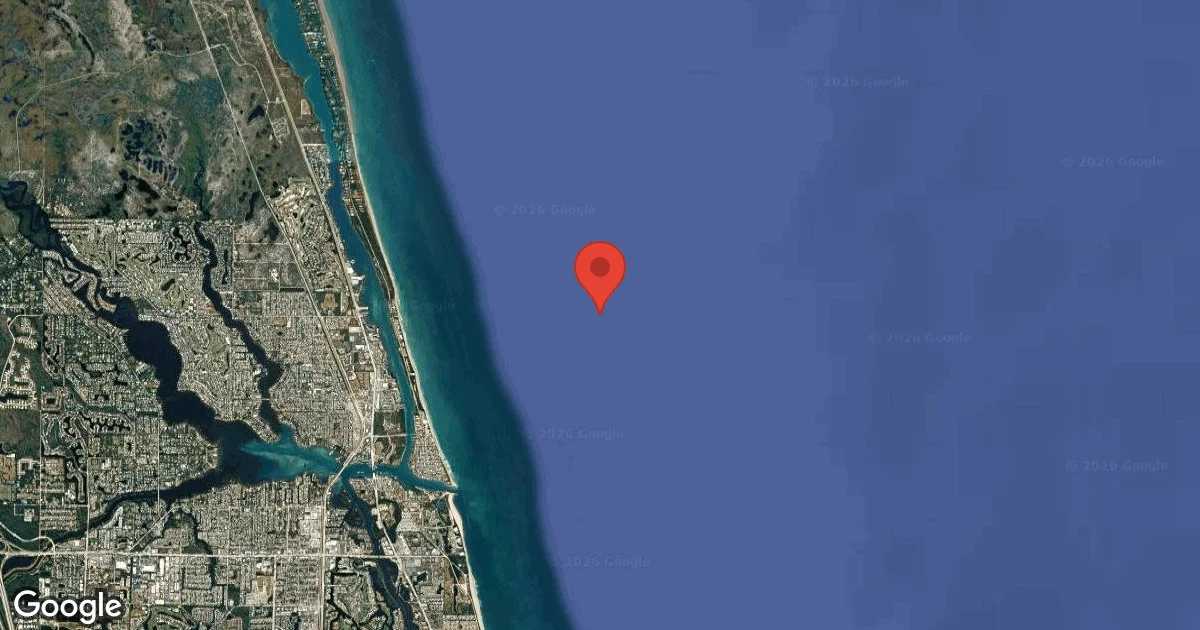
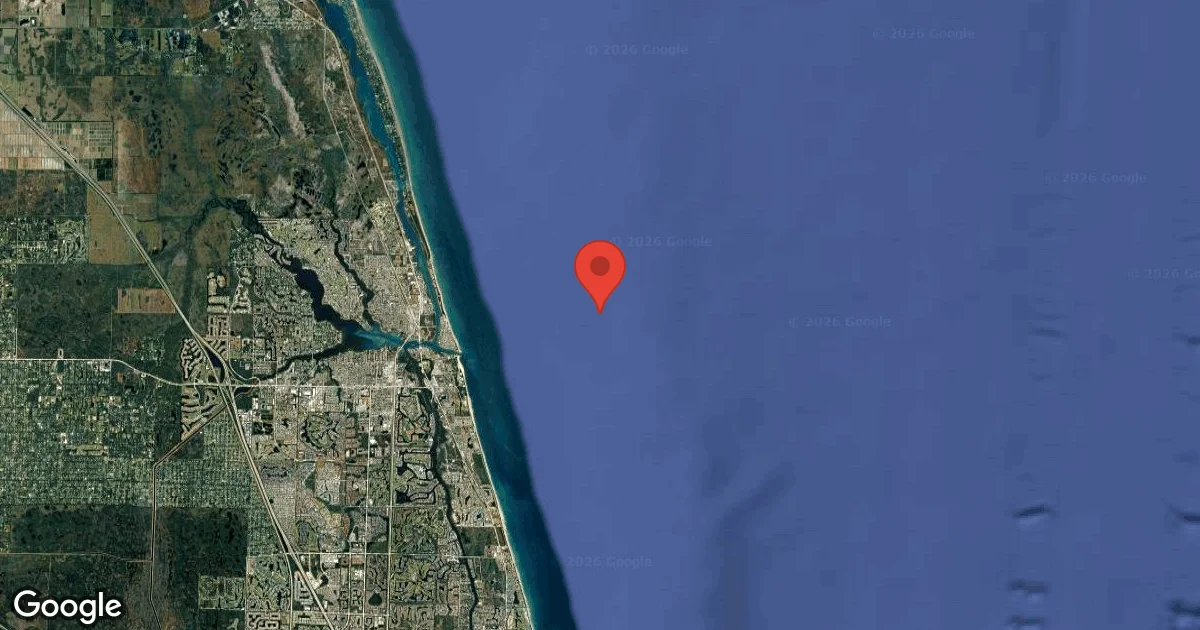
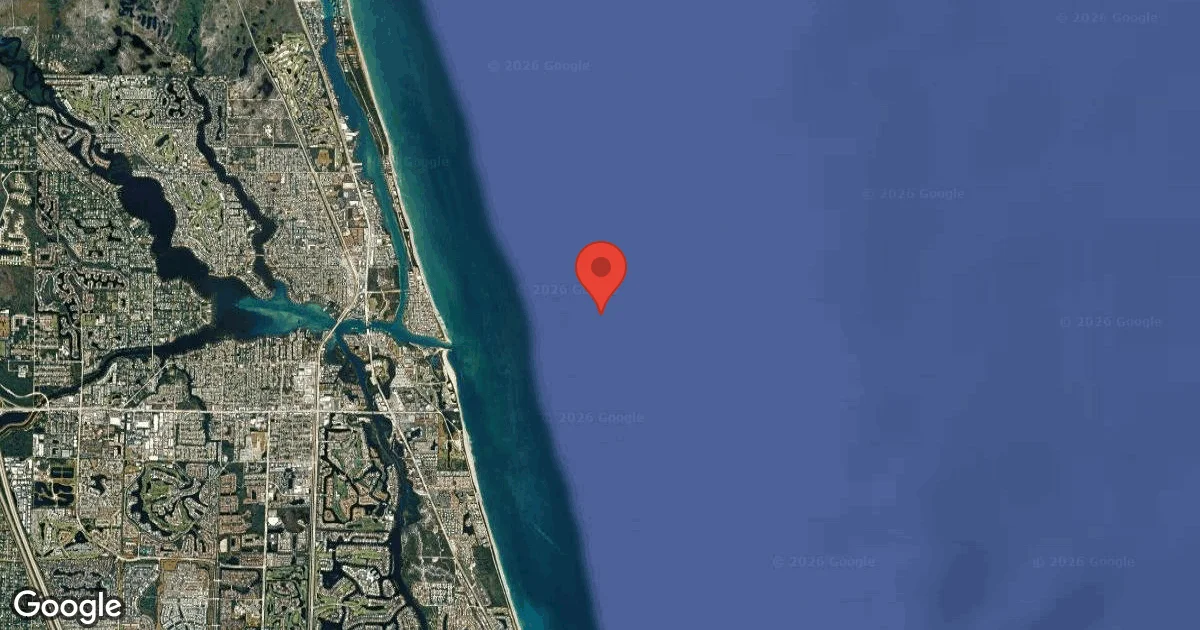
View all dive sites in United StatesDiscover more underwater gems in this area.
Dive Centers Near Grand Teton Reef
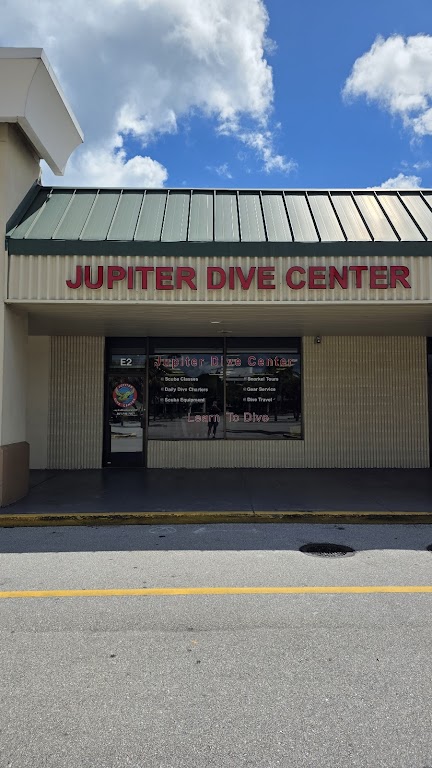
Today: 10:00 - 18:00
Nearest Airports
Nearest airports to help plan travel to this dive area.
Search Flights
Check available flights and routes on Expedia, using the nearby airports listed in this section.
Search Flights on Expedia
Plan Your Stay
Looking for a place to stay for your dive trip? Explore hotels, stays, and vacation rentals for dive groups near Hobe Sound.
Dive Navigator may earn a commission from these links at no extra cost to you.
Frequently Asked Questions
Can I dive with a commercial operator at Grand Teton Reef?
No, commercial dive operations are not permitted within Grand Teton National Park. Diving is a self-guided activity, requiring divers to arrange all their own logistics and equipment.
What special precautions are needed for diving in Jenny Lake?
Due to Jenny Lake's high elevation at 6,783 ft (2,067 m), special altitude diving safety protocols are essential. Additionally, the water is consistently cold, mandating a drysuit, and a dive flag must be with you at all times.
Where is the underwater forest located in Jenny Lake?
The underwater forest is situated on the west side of Jenny Lake, specifically in the same bay as the westside boat dock. Access to this area typically requires taking a transfer boat from the east side.
What are the typical water temperatures for diving here?
Water temperatures in Jenny Lake are consistently cold, generally around 4.5°C (40°F). Divers must be prepared for these conditions with appropriate thermal protection.
Is a drysuit required for diving Grand Teton Reef?
Yes, a drysuit is required for diving in Jenny Lake. The water temperatures are consistently cold, around 4.5°C (40°F), making a drysuit essential for maintaining thermal comfort and safety.
Are there local dive shops for equipment rental in Grand Teton National Park?
No, there are no dive shops operating within the National Park that offer rentals or guided trips. Divers must bring all their own equipment; the nearest options for supplies might be in Jackson, WY, or further afield.
What unique features can I expect to see while diving?
The primary feature is the fascinating underwater forest, composed of ancient trees submerged by past landslides. This unique geological formation creates a distinctive and historical submerged landscape for exploration.
Planning to dive Grand Teton Reef?
Send one inquiry and receive offers directly from the best verified local dive operators.
Conditions are Good
07:00 - 14:00
Optimal conditions expected
Current conditions near Grand Teton Reef show 26° air, 30° sea temperature, 0.8 m waves, and 19 km/h wind. Forecast data is refreshed regularly to ensure accuracy.