
Diving at Large Concrete Bridge Span (United States)
Dynamic tidal currents define the experience at the Large Concrete Bridge Span, shaping how divers approach this accessible shore entry site. As water transitions out of the Intracoastal Waterway, these flows can become quite strong. It's a structure where planning around high tide is paramount for an enjoyable and safe dive, revealing a surprisingly rich underwater world beneath its concrete expanse. This bridge provides shelter and structure for a diverse range of marine inhabitants.
Evening condition tracking at Large Concrete Bridge Span features an air temperature of 29°C. We have recorded wave heights measuring 0.9 m during this period. These figures outline the environmental parameters currently present.
Dive Site Location & Key Facts
Dive Site Overview
Conceived as an initiative to enhance marine habitats and public awareness, the Large Concrete Bridge Span site now features an artificial reef spanning two acres. Constructed from limestone boulders and prefabricated concrete modules, this reef lies in 1.8 to 4.6 m (6 to 15 ft) of water, attracting diverse marine life with its ledges and cubbies.
Divers can explore the smaller bridge on the southeast side, navigating among its columns and discovering small submerged wrecks that host considerable growth. Another option involves heading southwest to the larger bridge section, which tapers down to approximately 6 m (20 ft) and similarly supports many species around its enormous cement columns. The site encourages buoyancy practice and offers ample bottom time due to its shallow nature, making it a valuable location for photographers and marine life enthusiasts alike.
Beyond the bridge, an artificial snorkel trail runs parallel to the shore, contributing to the overall biodiversity.
Conditions are Excellent
07:00 - 14:00
Optimal conditions expected
Current conditions near Large Concrete Bridge Span show 29° air, 30° sea temperature, 0.5 m waves, and 20 km/h wind. Forecast data is refreshed regularly to ensure accuracy.
Best Time to Dive
Diving conditions at the Large Concrete Bridge Span are primarily dictated by tidal movements; the optimal window is typically half an hour before to half an hour after high tide. Strong currents develop outside this period, quickly reducing visibility. While the site is generally suitable for diving year-round, external factors like wind, rain, and lake drawdown levels can influence the dive quality. Air temperatures range from a cooler 13°C (56°F) in January to a warmer 29°C (84°F) in August, impacting comfort levels. Rain averages between 2.6 and 4.9 mm monthly, with wave heights generally below 1.3 m (4.3 ft), suggesting mostly manageable surface conditions. Water temperatures are notably warmer in summer, reaching up to 29°C (84°F) from May to October, and dipping to around 21°C (70°F) from January to April.
PEAK SEASON SCORE
Scores combine air & water temps, waves, wind & rainfall for overall conditions.
BEST MONTHS TO DIVE
Monthly records compiled from satellite and marine observation nodes over the last 3 years. Data provided by Open-Meteo and MET Norway.
Dive Experience & Conditions
Divers find varied depths when exploring the Large Concrete Bridge Span, with the artificial reef trail and scattered boulders located in shallower sections of 1.8 to 3 m (6 to 10 ft) of water. The southwest side, extending beneath the main bridge section, reaches a maximum depth of around 6 m (20 ft). Visibility frequently changes with the tide, rapidly deteriorating as currents pick up outside of the slack high tide window. Navigating in and out of the bridge columns reveals different habitats, and the small submerged wrecks add points of interest. This shallow environment allows for extended bottom times, making it excellent for refining buoyancy control or practicing underwater photography. Different structures provide ample opportunities for observation in a relatively confined recreational depth range.
Dive Difficulty & Safety Guidelines
Planning your dive around the tides is the most critical safety advice for the Large Concrete Bridge Span. It's strongly advised to enter the water approximately one hour before high tide, allowing a slow progression towards the bridge sections as conditions stabilize. Phil Foster Park operates from sunrise to sunset, meaning diving outside these hours requires a special county permit; however, local dive shops occasionally organize permitted night dives.
Divers should remain mindful of the main boating lane, especially near the southwest bridge section where a wood blockade marks the boundary, ensuring a clear indication of when one is getting too close.
Additionally, as a courtesy to beachgoers, divers are asked to stay towards the outside while entering and exiting the water.
Recommended Equipment
- Dive Computer
This gear list is based on verified equipment signals for Large Concrete Bridge Span, United States. Always confirm final gear choices with your dive operator, guide, or liveaboard.
Recommended Dive Suit
Recent conditions suggest the water at Large Concrete Bridge Span remains near 30°C (86°F), offering typical conditions for the area. Surface air temperatures are resting at 29°C (84°F).
Conditions are expected to stay fairly consistent in the days ahead.
Most divers would typically feel comfortable using dive skin or rash guard in these conditions. A hood or vest is suggested for sensitive divers due to surface winds. Dive depth and duration can significantly affect perceived warmth.
Emergency & Medical Support
Essential information to help you plan your dive trip to Large Concrete Bridge Span.

Hyperbaric chambers are a critical part of dive safety infrastructure. Availability varies significantly by region, and not all dive areas have immediate access.
Before diving, it's recommended to:
- confirm nearest medical facilities
- check emergency procedures with local dive operators
- ensure dive insurance covers evacuation if required
Divers Alert Network
Diving emergency assistance available through DAN World.
+1-919-684-9111- 24/7 emergency hotline
- Diving medical assistance
- Evacuation coordination
Emergency contacts are provided for reference. Always verify local emergency services before diving.
Marine Life at Large Concrete Bridge Span
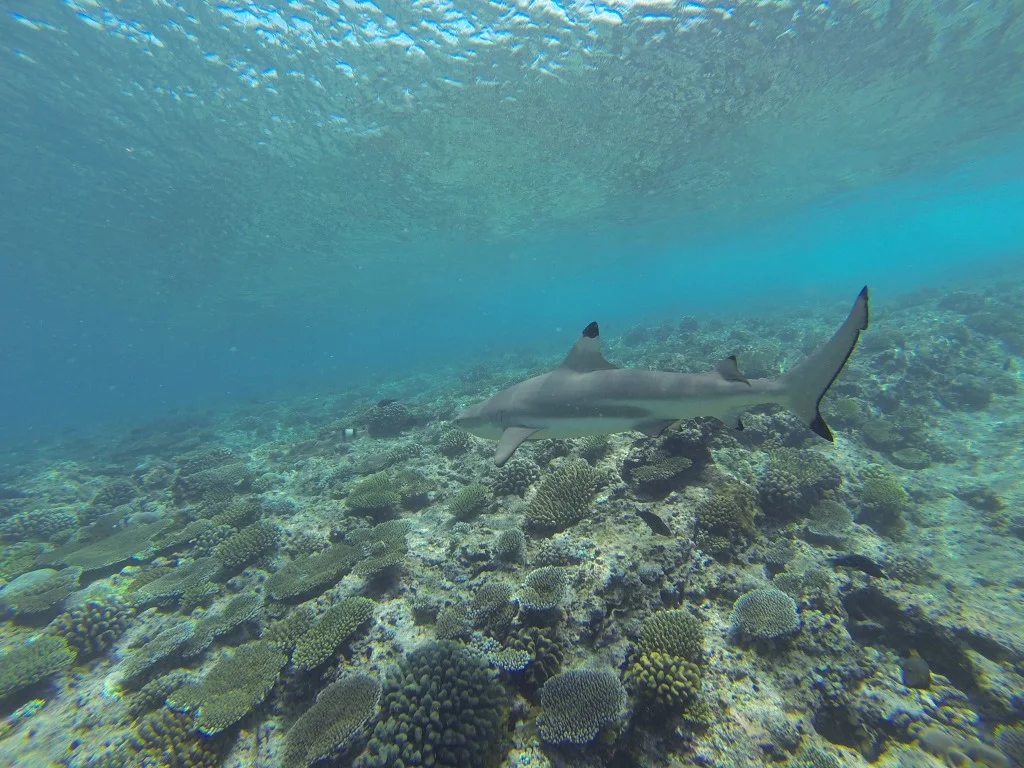
The structures beneath the Large Concrete Bridge Span foster a vibrant ecosystem, with divers frequently encountering diverse fish around its immense concrete columns. Schools of spadefish, grunts, and filefish are commonly observed navigating these underwater pillars.
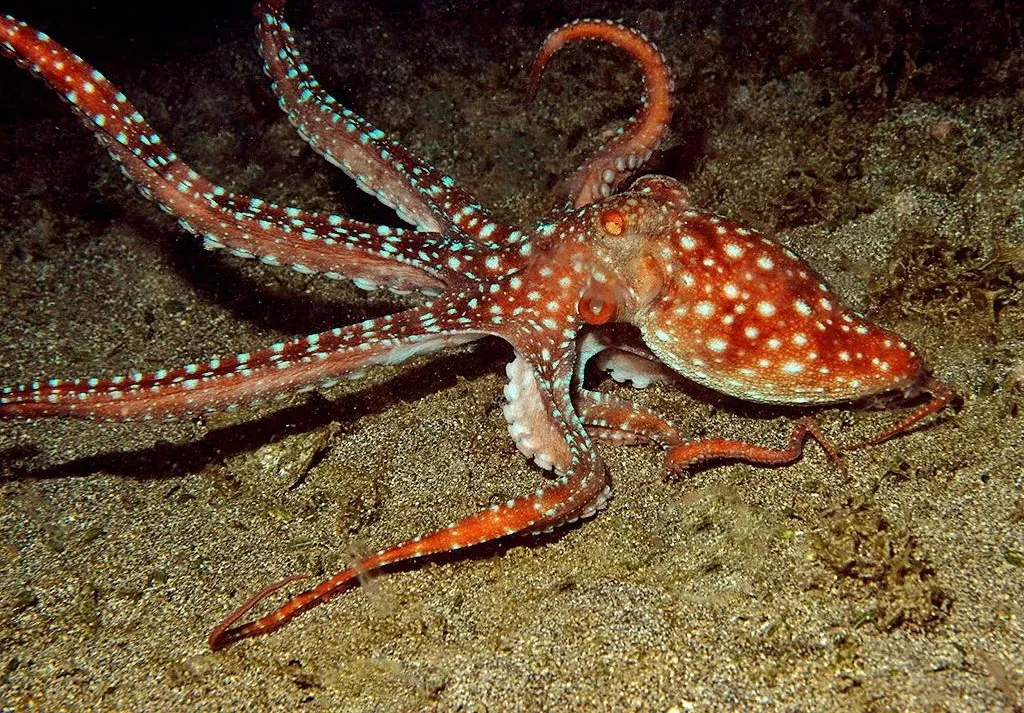
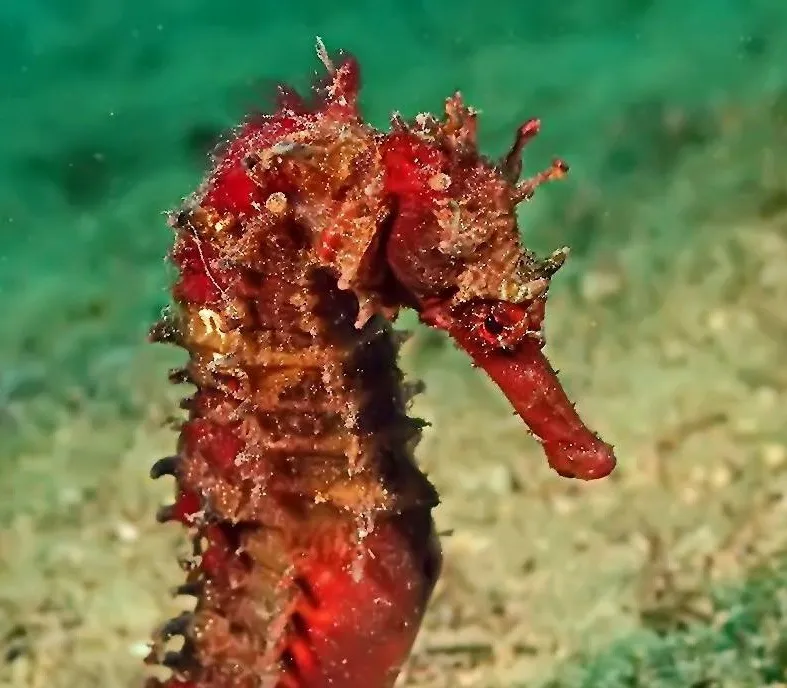
The artificial reef modules and scattered boulders provide sheltered habitats, attracting juvenile tropical fish, seahorses, and octopuses that utilize the many ledges and cubbies. Even intriguing shark statues are present, adding an unexpected element to the dive.
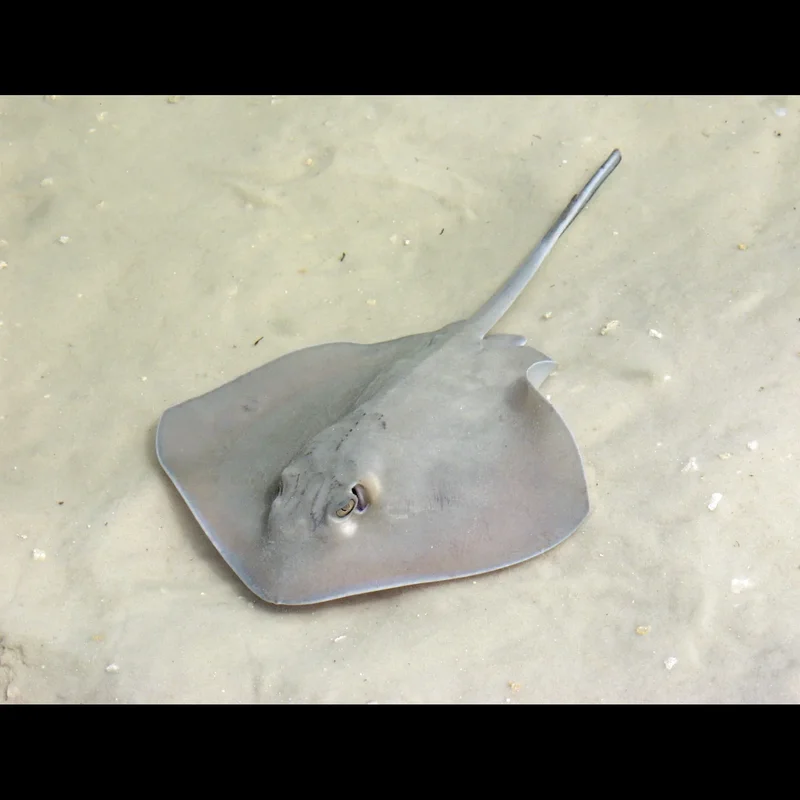
Occasionally, larger species like Atlantic stingrays can be seen passing through the area, benefiting from the new reef's protective barriers.

Dive Sites Near Large Concrete Bridge Span
View all dive sites in United StatesDiscover more underwater gems in this area.
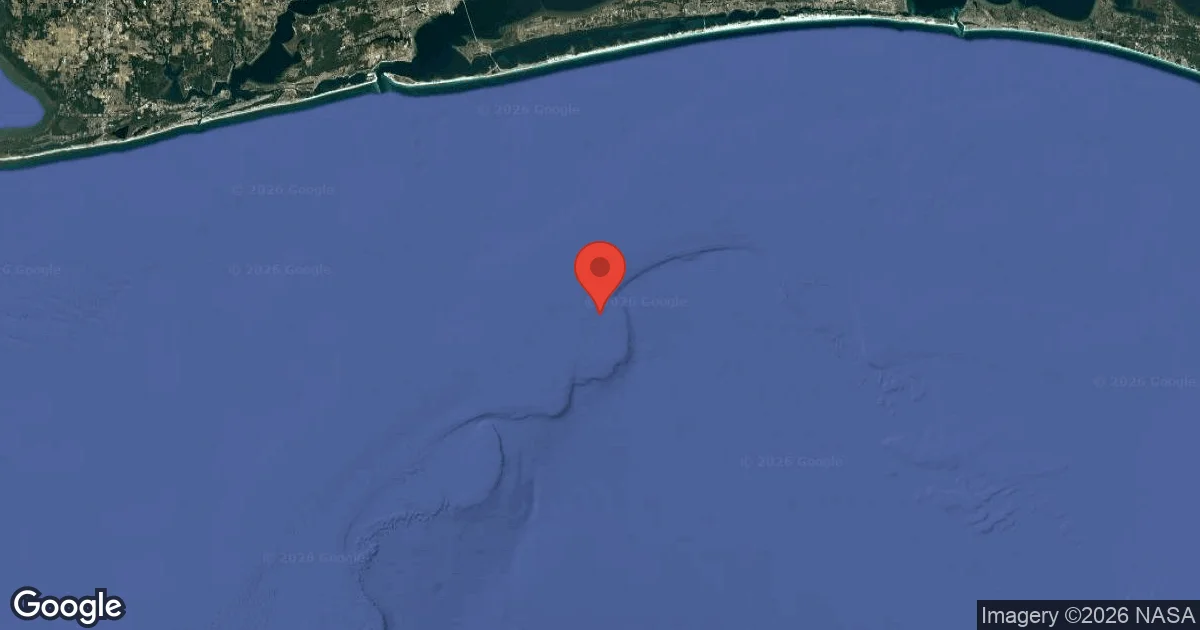
Dive Centers Near Large Concrete Bridge Span
Today: 10:00 - 18:00
Nearest Airports
Nearest airports to help plan travel to this dive area.
Search Flights
Check available flights and routes on Expedia, using the nearby airports listed in this section.
Search Flights on ExpediaFrequently Asked Questions
What is the best time to dive at the Large Concrete Bridge Span?
The most favorable time to dive is typically half an hour before to half an hour after high tide. Within this period, strong currents are minimized, which helps maintain better visibility. Always consult local tide tables for precise planning.
How deep is the dive site?
The artificial reef and snorkel trail are generally shallow, ranging from 1.8 to 4.6 m (6 to 15 ft). A deeper section on the southwest side of the bridge tapers down to about 6 m (20 ft).
Are strong currents a concern at the Large Concrete Bridge Span?
Yes, strong currents are a defining feature, particularly outside the high tide window. Planning your dive around slack high tide is crucial to avoid powerful flows and ensure a safer, more enjoyable experience.
What marine life can be observed?
Divers frequently encounter diverse fish such as spadefish, grunts, and filefish around the concrete columns. The artificial reef modules also attract juvenile tropical fish, seahorses, and octopuses utilizing the numerous ledges and cubbies. Atlantic stingrays occasionally pass through.
Are there any special park rules or permits for diving?
Phil Foster Park operates from sunrise to sunset; diving outside these hours requires a special county permit. Local dive shops sometimes organize permitted night dives. Divers should also stay towards the outside while entering and exiting the water, as a courtesy to beachgoers.
What are the water temperatures at the dive site?
Water temperatures are notably warmer in summer, reaching up to 29°C (84°F) from May to October. They dip to around 21°C (70°F) from January to April. This range influences wetsuit choice.
Planning to dive Large Concrete Bridge Span?
Send one inquiry and receive offers directly from the best verified local dive operators.
Conditions are Excellent
07:00 - 14:00
Optimal conditions expected
Current conditions near Large Concrete Bridge Span show 29° air, 30° sea temperature, 0.5 m waves, and 20 km/h wind. Forecast data is refreshed regularly to ensure accuracy.