
Diving at North 9 Mile Reef Site (United States)
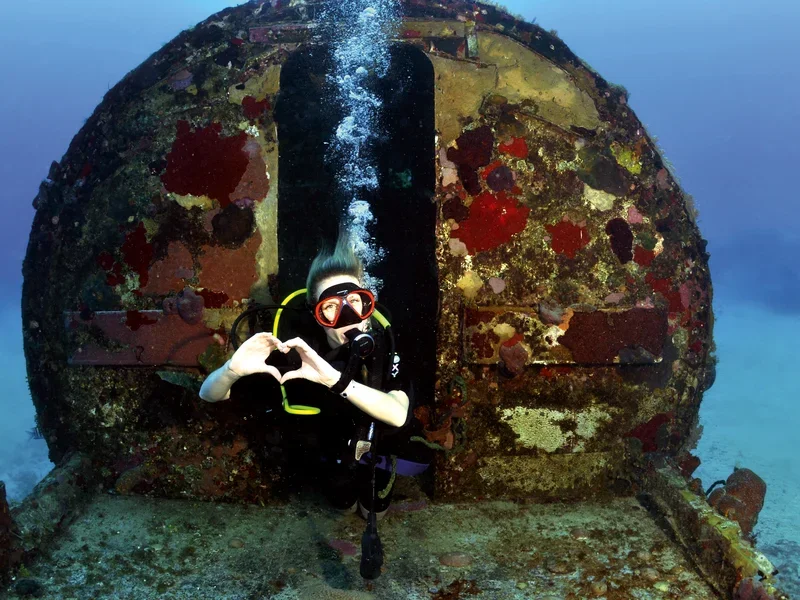
North 9 Mile Reef draws divers to its submerged collection of vessels, providing an intricate artificial habitat intertwined with natural reef structures. These wrecks, including the Open-Sided Barge, Vic's Barge, Asphalt Barge, and a 16-meter (52-foot) steamer tug, contribute significantly to the site's character. Resting at depths generally around 23 m (75 ft), they offer compelling exploration for certified divers.
Tonight's objective overview for North 9 Mile Reef Site shows an air temperature of 29°C. The measured surface conditions include wave heights around 1 m. This environmental data is logged for the close of the day.
Dive Site Location & Key Facts
Dive Site Overview
Exploring the waters offshore from Jacksonville, Florida, divers encounter North 9 Mile Reef, a dynamic landscape combining natural formations with intentionally placed artificial structures. Divers won't find just a single reef here; instead, a series of formations rise from the seabed, punctuated by a significant collection of artificial reef materials.
Local artificial reef programs have actively enhanced this region over decades, strategically sinking large structures like barges and a steamer tug to foster a robust underwater habitat. These additions create a complex environment where marine life thrives, offering diverse exploration opportunities. Situated approximately 10.4 nautical miles from the Mayport jetties, the reef serves as a crucial ecosystem within the broader Florida Reef Tract.
Depths average around 21 m (70 ft), reaching a maximum of 23 m (75 ft). Typical visibility around 9 m (30 ft) allows for good observation of the intricate structures and inhabitants.
This location is popular for recreational diving, spearfishing, and lobstering, making it a vibrant destination for various underwater activities throughout the year.
Conditions are Good
07:00 - 14:00
Optimal conditions expected
Current conditions near North 9 Mile Reef Site show 29° air, 29° sea temperature, 0.6 m waves, and 23 km/h wind. Forecast data is refreshed regularly to ensure accuracy.
Best Time to Dive
Planning a dive at North 9 Mile Reef is best informed by the prevailing conditions. Peak diving scores are often recorded from May through November, with July consistently rated as excellent. Air temperatures average a comfortable 27.5°C (82°F) in July, accompanied by minimal rain (around 1.8 mm) and notably calm wave heights, typically below 0.5 m (1.6 ft). May and November also show good scores, offering stable conditions. Conversely, September and October can present moderate conditions, with slightly higher rain averages (up to 6.4 mm in September) and increased wave heights, sometimes exceeding 1 m (3.3 ft). Winter months, from December to April, remain good options but feature cooler air temperatures ranging from 14-21°C (57-70°F) and potentially choppier seas due to higher wind speeds. For optimal enjoyment, targeting the summer and late fall months generally provides the most favorable experience.
PEAK SEASON SCORE
Scores combine air & water temps, waves, wind & rainfall for overall conditions.
BEST MONTHS TO DIVE
Monthly records compiled from satellite and marine observation nodes over the last 3 years. Data provided by Open-Meteo and MET Norway.
Dive Experience & Conditions
Conditions at North 9 Mile Reef immerse divers in a structured environment of multiple wrecks, including barges and a steamer tug, which punctuate the natural seafloor. Exploring these artificial structures reveals the extent to which they've integrated into the marine ecosystem, providing shelter and attachment points for various species. Visibility here typically hovers around 9 m (30 ft), allowing for good observation of the intricate habitats. While currents are not consistently reported as strong, prevailing conditions can vary. Divers should be prepared for moderate water movement, especially around the deeper sections where the wrecks reside. With a maximum depth of 23 m (75 ft), diving here remains firmly within recreational limits, suitable for Open Water certified divers with some experience in deeper reef environments and wreck navigation.
Dive Difficulty & Safety Guidelines
Navigating North 9 Mile Reef requires awareness of its wreck components and the surrounding natural formations. Divers should plan their dives within no-decompression limits, especially given the maximum depth of 23 meters (75 feet) and potential for limited visibility. It's prudent to carry a dive computer and surface signaling devices.
Respect for marine life and the reef structure is paramount. Avoid touching corals or disturbing wreck sites.
Given the popularity for spearfishing and lobstering, divers must also be mindful of local regulations and other water users. Always dive with a buddy and conduct thorough pre-dive checks, ensuring all equipment is functioning correctly before entering the water.
Recommended Equipment
- Dive Computer
This gear list is based on verified equipment signals for North 9 Mile Reef Site, United States. Always confirm final gear choices with your dive operator, guide, or liveaboard.
Recommended Dive Suit
Thermal protection such as 2-3mm shorty or light wetsuit is commonly used for water temperatures in this range. Consider warmer surface protection (like a boat coat) due to brisk winds.
Current readings at North 9 Mile Reef Site show water temperatures near 29°C (83°F). Surface air temperatures are resting at 29°C (85°F).
A modest cooling trend is expected in the upcoming forecast. Cooler days are ahead; you might want a warmer option for later in the week. Having a second exposure option available is often a good precaution.
Emergency & Medical Support
Essential information to help you plan your dive trip to North 9 Mile Reef Site.

Hyperbaric chambers are a critical part of dive safety infrastructure. Availability varies significantly by region, and not all dive areas have immediate access.
Before diving, it's recommended to:
- confirm nearest medical facilities
- check emergency procedures with local dive operators
- ensure dive insurance covers evacuation if required
Divers Alert Network
Diving emergency assistance available through DAN World.
+1-919-684-9111- 24/7 emergency hotline
- Diving medical assistance
- Evacuation coordination
Emergency contacts are provided for reference. Always verify local emergency services before diving.
Marine Life at North 9 Mile Reef Site
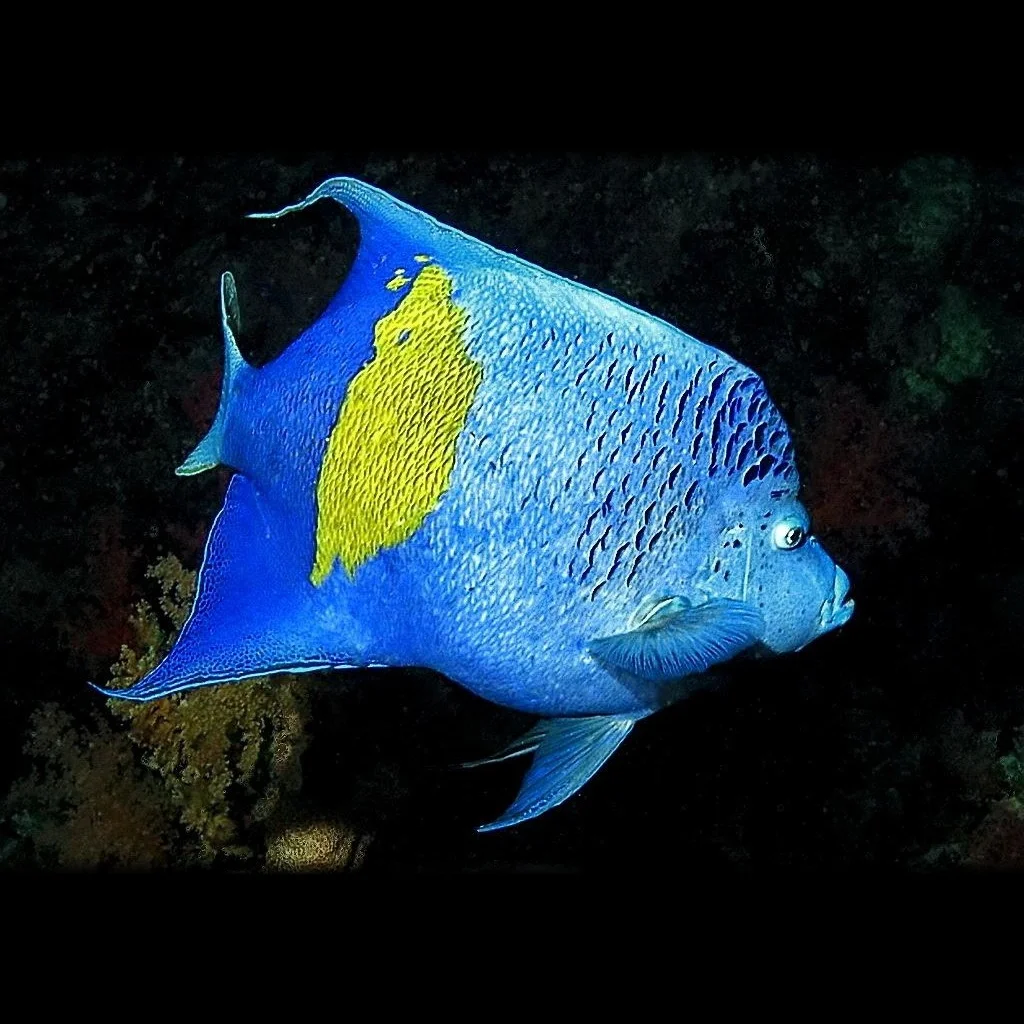
Upon first observation, the wrecks and reef sections reveal an active ecosystem. You might notice schools of colorful parrotfish and angelfish weaving through the structures.
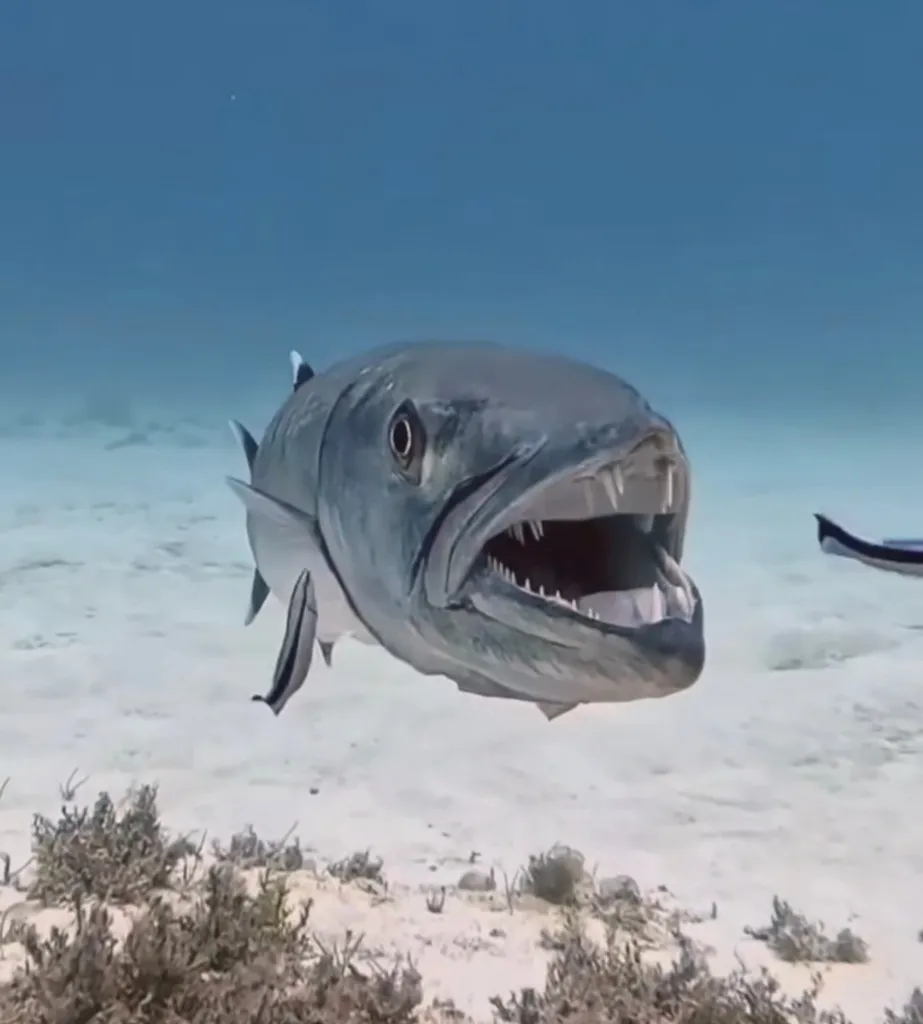
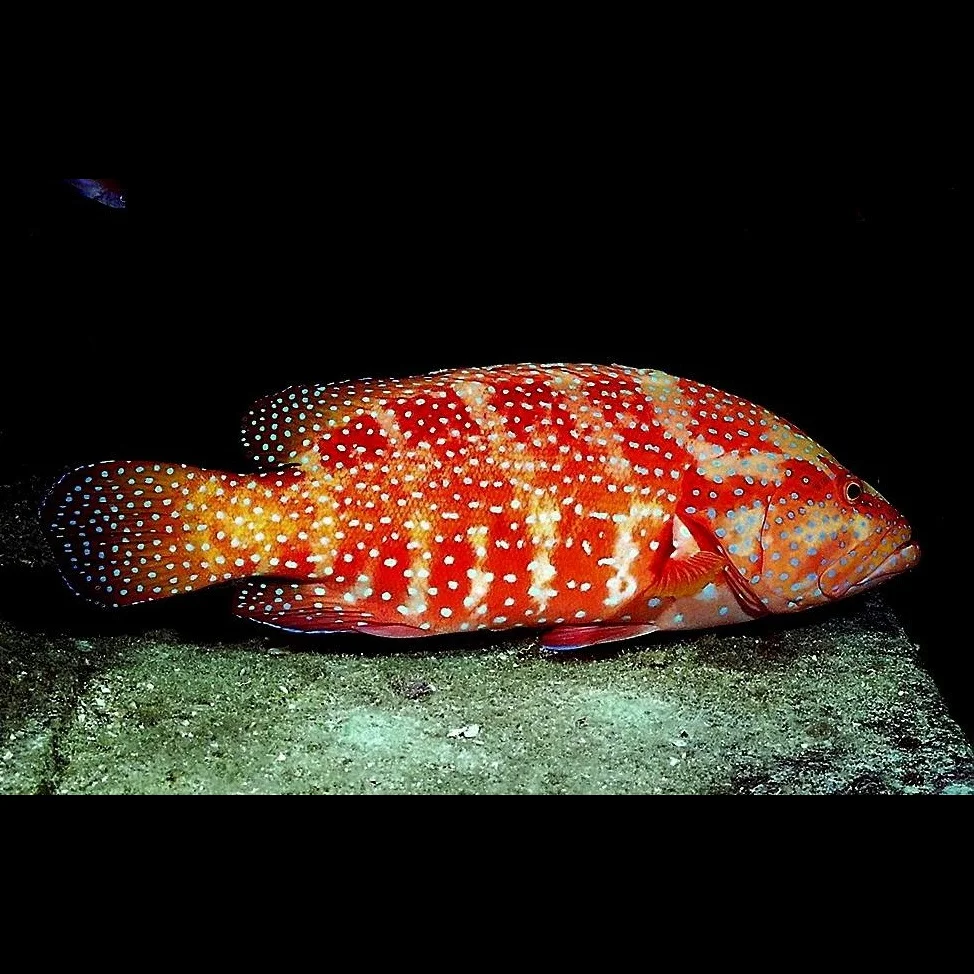
Larger pelagics like barracuda are often present, patrolling reef edges. Divers frequently encounter impressive grouper, averaging around 7 kg (15 pounds), alongside large flounder and sheepshead residing within the various vessels.
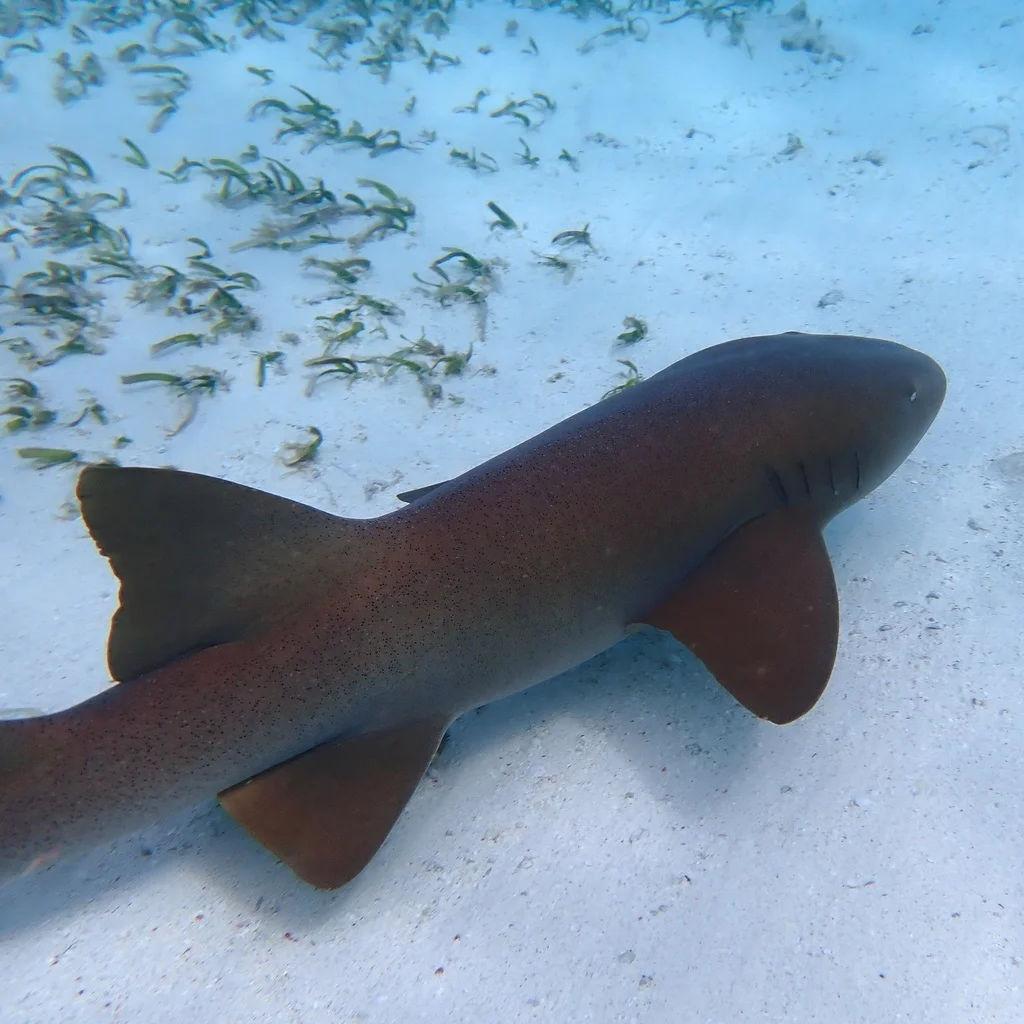
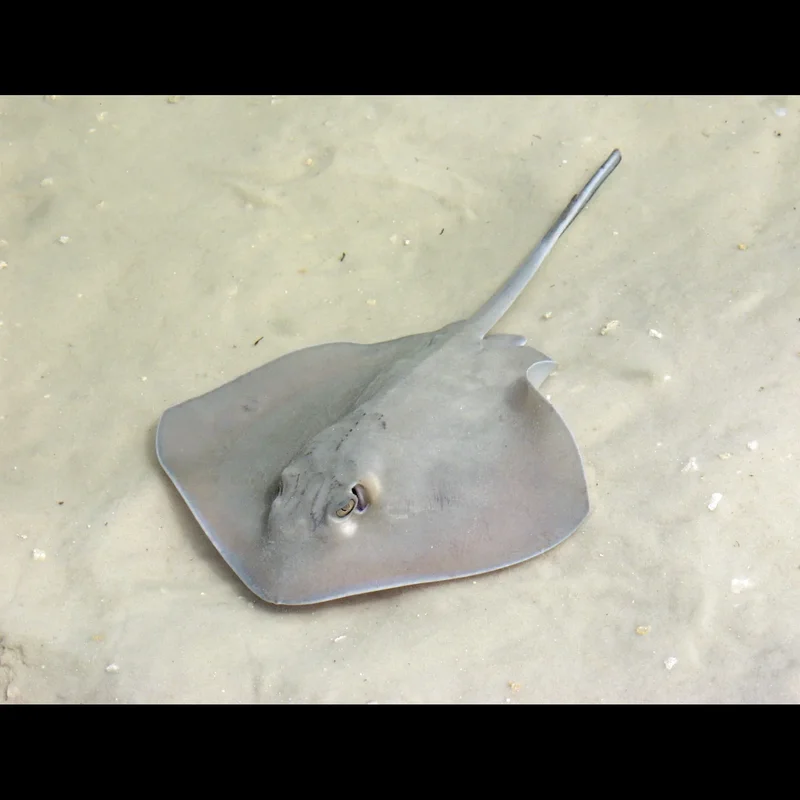
Encounters with nurse sharks, stingrays, and various species of turtles are also possible, adding to the diversity. Delicate corals, along with the artificial structures, provide shelter and foraging grounds for many of the ocean's inhabitants.
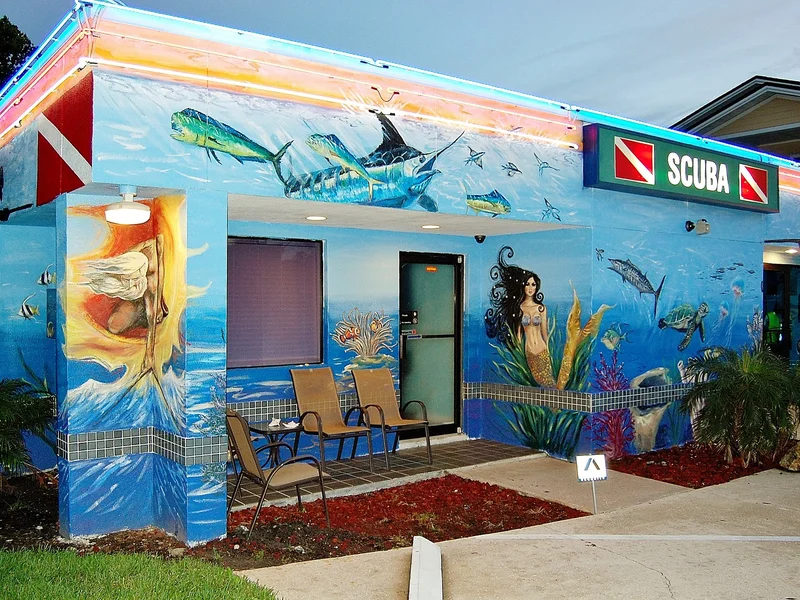
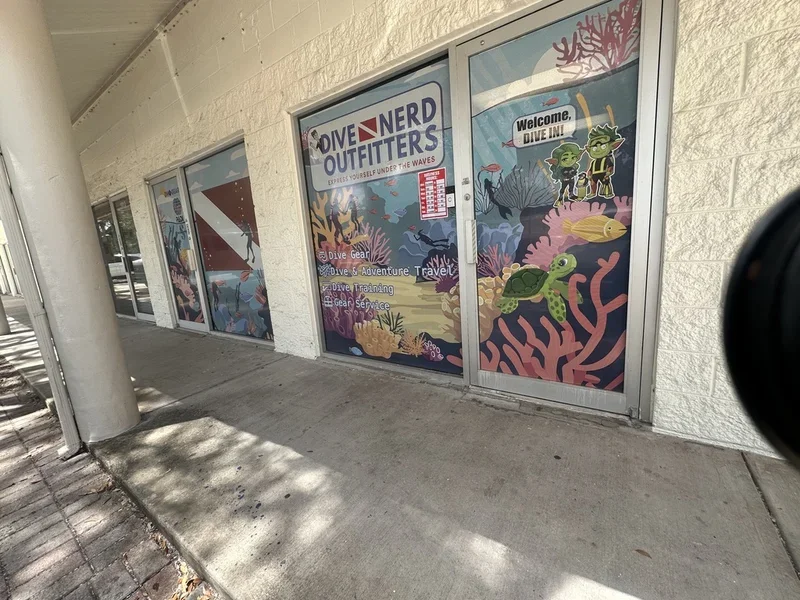
Dive Centers Near North 9 Mile Reef Site
Today: 10:00 - 18:30
Nearest Airports
Nearest airports to help plan travel to this dive area.
Search Flights
Check available flights and routes on Expedia, using the nearby airports listed in this section.
Search Flights on Expedia
Plan Your Stay
Looking for a place to stay for your dive trip? Explore hotels, stays, and vacation rentals for dive groups near Saint Augustine Beach.
Dive Navigator may earn a commission from these links at no extra cost to you.
Frequently Asked Questions
What type of reef is North 9 Mile Reef?
North 9 Mile Reef combines natural reef formations and artificial structures. Artificial reef programs have enhanced it over several decades, incorporating numerous wrecks into its ecosystem.
What are the typical depths at North 9 Mile Reef?
Average depth at North 9 Mile Reef is around 21 m (70 ft), with a maximum reaching 23 m (75 ft). Diving within this range suits certified recreational divers.
What marine life can be observed here?
Divers can expect to see parrotfish, angelfish, barracuda, and notably large grouper, flounder, and sheepshead. Nurse sharks, stingrays, and various turtles are also common sightings, along with delicate corals.
Are there any wrecks at North 9 Mile Reef?
Yes, North 9 Mile Reef contains several popular wrecks. These include the Open-Sided Barge, Vic’s Barge, Asphalt Barge, and a 16-meter (52-foot) steamer tug, which serve as artificial habitats.
When is the best time to dive North 9 Mile Reef?
Most favorable diving conditions generally occur from May through November, with July often providing excellent visibility and calm seas. Conditions during September and October can be moderate due to potential rain and higher waves.
What is the typical visibility at the site?
Visibility at North 9 Mile Reef is generally around 9 m (30 ft). Expect good observation of the wrecks and marine life inhabiting the reef.
Planning to dive North 9 Mile Reef Site?
Send one inquiry and receive offers directly from the best verified local dive operators.
Conditions are Good
07:00 - 14:00
Optimal conditions expected
Current conditions near North 9 Mile Reef Site show 29° air, 29° sea temperature, 0.6 m waves, and 23 km/h wind. Forecast data is refreshed regularly to ensure accuracy.