
Diving at R083003 (United States)
USS Monitor shipwreck, a significant cultural treasure, lies 16 miles off North Carolina's Outer Banks within Monitor National Marine Sanctuary. Designated a National Historic Landmark and war grave, it demands a challenging technical dive experience. Exploring this Civil War ironclad requires a special permit, underscoring its protected status and the necessary skill level. Resting depth for the wreck is approximately 73 m (240 ft).
Tonight's objective overview for R083003 shows an air temperature of 27°C. The measured surface conditions include wave heights around 0.9 m. This environmental data is logged for the close of the day.
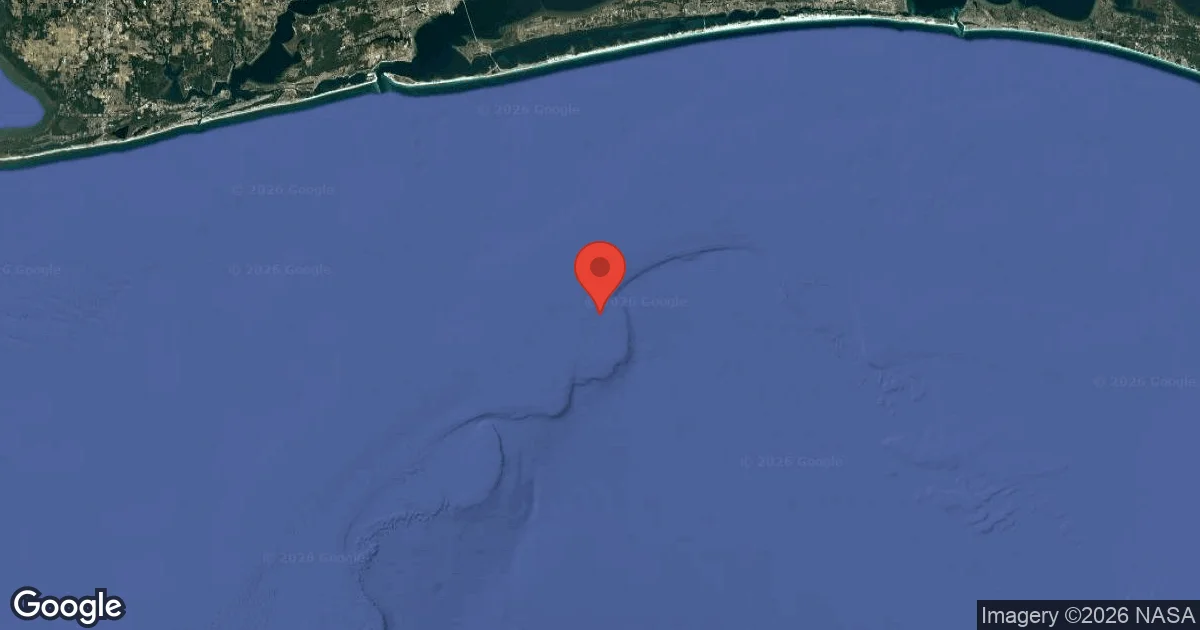
Dive Site Location & Key Facts
Dive Site Overview
Exploring the USS Monitor shipwreck offers a distinctive opportunity to engage with American Civil War history. Off Cape Hatteras, this protected site functions as a vibrant marine oasis amidst the Outer Banks' shifting sands.
While parts of its iconic rotating gun turret and other artifacts have been recovered for conservation, divers can still investigate substantial areas of the vessel. A robust armor belt, designed to deflect cannonballs, remains largely intact, along with sections where officers and crew lived.
Moving across the wreck allows divers to envision daily life aboard the vessel during the U.S. Civil War, observing where meals were prepared and crew slept. Abundant species are drawn to its complex surfaces, creating a living habitat in an otherwise sandy environment.
Its presence at the convergence of the warmer Gulf Stream and cooler Labrador Current fosters a diverse ecosystem, attracting a wide array of fish and invertebrates. Conditions here are frequently dynamic, requiring experienced diver attention to detail and precise planning for a safe and rewarding exploration.
Navigating the wreck demands advanced buoyancy control and acute awareness of currents, which can shift without warning. Deeper sections of the wreck present unique challenges, but also reveal well-preserved architectural elements from a pivotal era in naval design. Planning each aspect of the dive, from gas management to emergency procedures, is paramount for success and safety.
Conditions are Excellent
07:00 - 14:00
Optimal conditions expected
Current conditions near R083003 show 27° air, 30° sea temperature, 0.5 m waves, and 20 km/h wind. Forecast data is refreshed regularly to ensure accuracy.
Best Time to Dive
Planning your dive to Monitor National Marine Sanctuary often aligns with North Carolina's summer months, typically offering the most favorable conditions for technical expeditions. Average air temperatures during peak summer, like July and August, can reach 29°C (84°F), making surface intervals comfortable on dive vessels. While rain averages around 4-5 mm (0.16-0.2 inches) during these months, weather at sea can still be unpredictable and change rapidly. Divers should always review real-time conditions from sources like NOAA’s data buoy, Station 41025, which provides essential data on sea surface temperature, wave height, and wind direction. This critical pre-dive check helps mitigate risks from unexpected shifts in ocean behavior. Dive scores are consistently rated 'Good' from May through September, suggesting these months are prime for scheduling an expedition to the wreck site.
PEAK SEASON SCORE
Scores combine air & water temps, waves, wind & rainfall for overall conditions.
BEST MONTHS TO DIVE
Monthly records compiled from satellite and marine observation nodes over the last 3 years. Data provided by Open-Meteo and MET Norway.
Dive Experience & Conditions
Expect varied and dynamic conditions when diving the USS Monitor, due to its location at the confluence of the Gulf Stream and Labrador Current. Powerful oceanic currents can cause water temperatures to shift rapidly, often within minutes, and significantly affect water clarity. Visibility may range from very clear to murky, depending on recent weather and current activity, demanding adaptability from divers. Finding the wreck itself can be challenging; some experienced divers employ a technique of "following the fish" as the structure attracts abundant marine life. Descending to its maximum depth of around 73 m (240 ft) requires a technical dive, necessitating specific training and specialized equipment. The Monitor is not suitable for intermediate or novice divers; only those with advanced technical certifications and considerable deep diving experience should attempt it.
Dive Difficulty & Safety Guidelines
Navigating Monitor National Marine Sanctuary demands respect for its protected status as a war grave and National Historic Landmark. A special permit is required for all dives to the USS Monitor, ensuring only qualified, experienced technical divers attempt this site. Given the challenging sea conditions arising from merging ocean currents, diligent pre-dive planning, including monitoring real-time weather and sea state, is critical.
Outer Banks waters can pose unique challenges to divers, necessitating advanced skills, robust contingency planning, and heightened situational awareness.
Furthermore, divers are encouraged to follow NOAA's Wildlife Viewing Guidelines. Participating in programs like ANCHOR, which partners with dive operators to mitigate human impact on maritime heritage resources, is also recommended.
Recommended Equipment
- Dive Computer
This gear list is based on verified equipment signals for R083003, United States. Always confirm final gear choices with your dive operator, guide, or liveaboard.
Recommended Dive Suit
With water temperatures around 30°C (86°F), many divers find a dive skin or rash guard provides comfortable protection.
Divers performing multiple dives may appreciate slightly warmer protection later in the day.
Environmental conditions appear stable for the near future.
Emergency & Medical Support
Essential information to help you plan your dive trip to R083003.

Hyperbaric chambers are a critical part of dive safety infrastructure. Availability varies significantly by region, and not all dive areas have immediate access.
Before diving, it's recommended to:
- confirm nearest medical facilities
- check emergency procedures with local dive operators
- ensure dive insurance covers evacuation if required
Divers Alert Network
Diving emergency assistance available through DAN World.
+1-919-684-9111- 24/7 emergency hotline
- Diving medical assistance
- Evacuation coordination
Emergency contacts are provided for reference. Always verify local emergency services before diving.
Marine Life at R083003
Monitor wreck supports a diverse and abundant ecosystem, acting as an essential oasis for marine species in the region. Its underwater landscape is shaped by the convergence of the Labrador Current and the Gulf Stream, fostering a dynamic habitat.
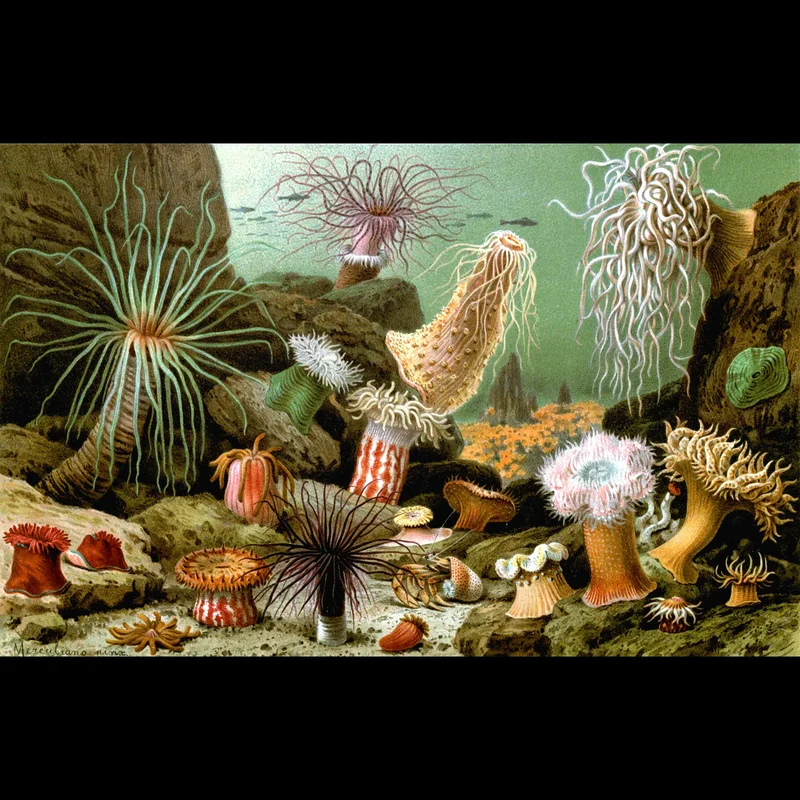
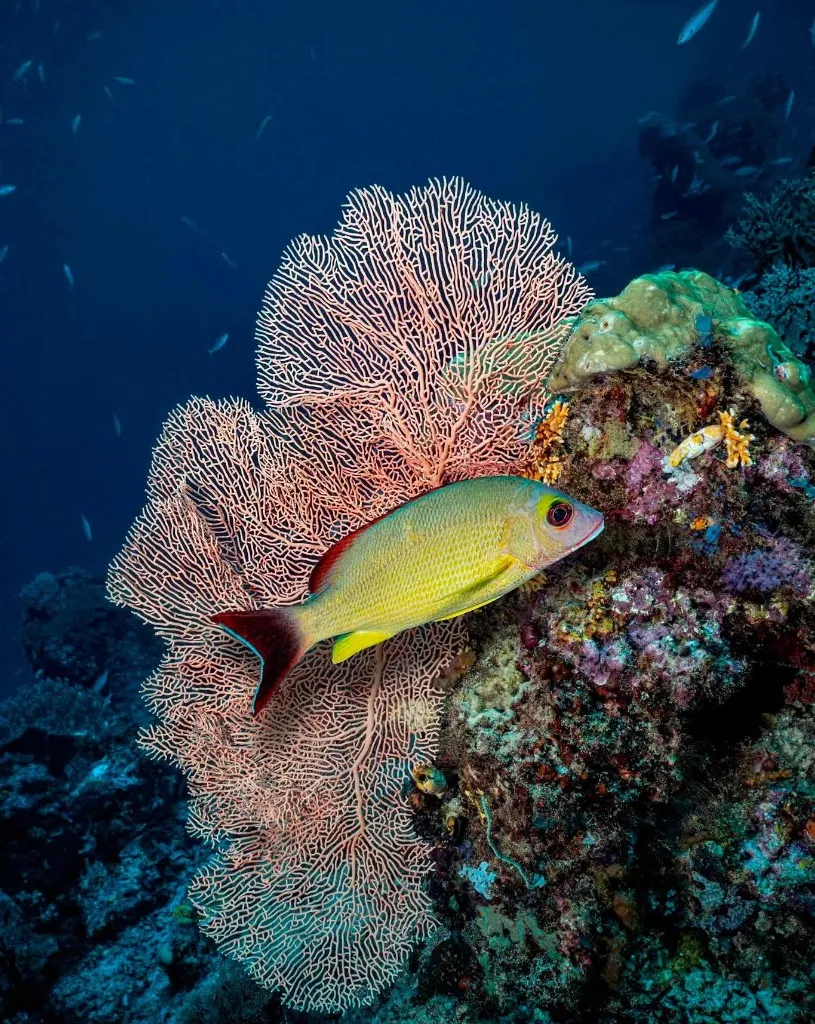
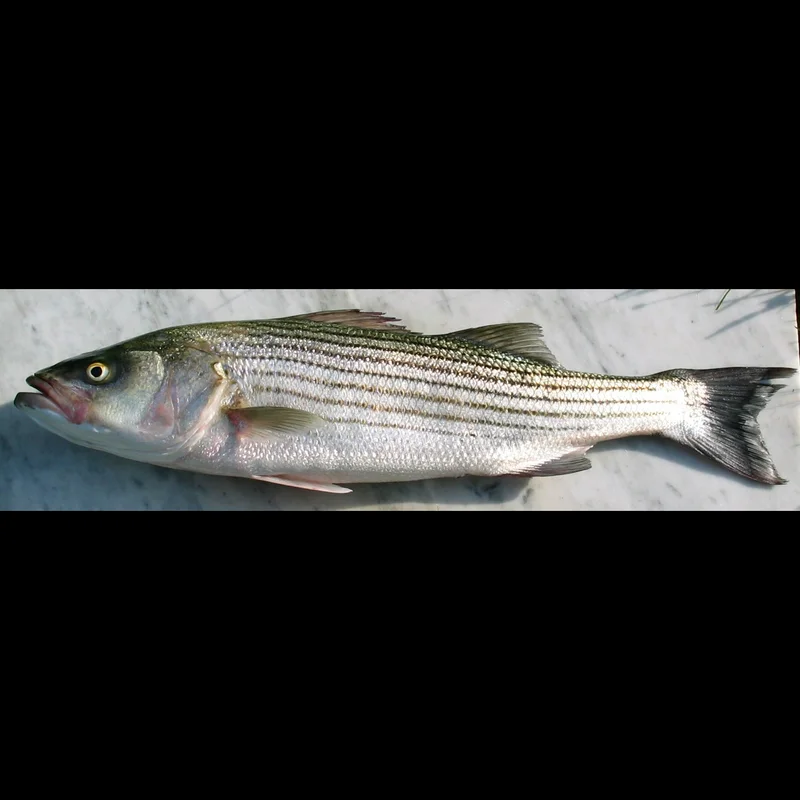
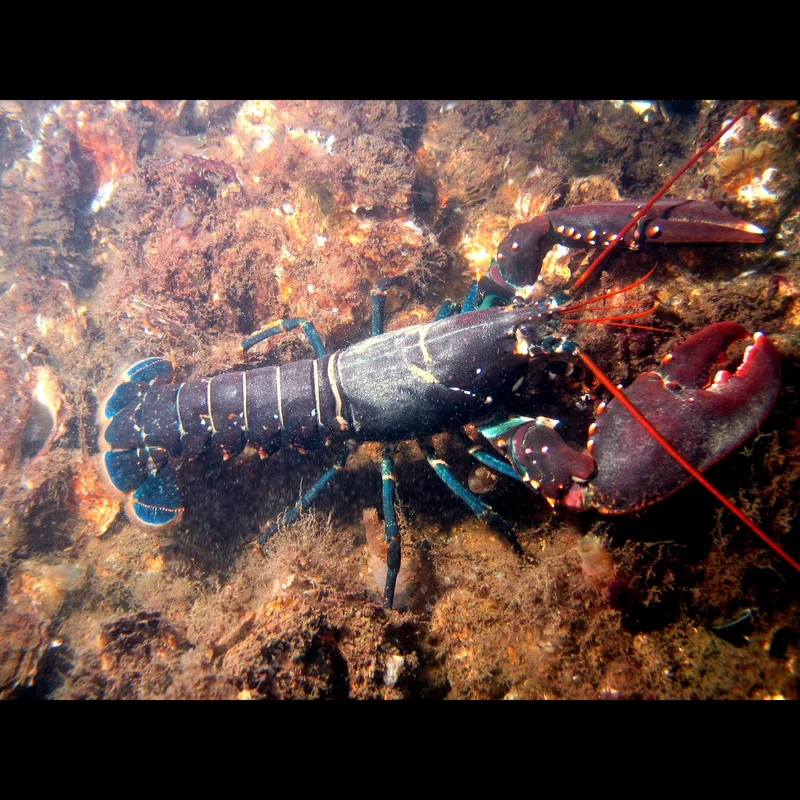
Within the sanctuary, divers frequently encounter species such as Almaco jack, black sea bass, gray triggerfish, and various types of snapper. Closer inspection reveals slipper lobsters, polychaete worms, sea anemones, and blennies crawling across the sponge-covered surfaces.
Sand tiger sharks are a notable inhabitant, frequently drawn to the structure, showcasing the wreck's role as a vital focal point for local biodiversity.

Dive Sites Near R083003
View all dive sites in United StatesDiscover more underwater gems in this area.
Dive Centers Near R083003
Today: 10:00 - 18:00
Nearest Airports
Nearest airports to help plan travel to this dive area.
Search Flights
Check available flights and routes on Expedia, using the nearby airports listed in this section.
Search Flights on ExpediaFrequently Asked Questions
What is the primary significance of the USS Monitor shipwreck?
USS Monitor holds historical significance as a Civil War ironclad, having played a pivotal role in naval warfare. Protected as a National Historic Landmark and a war grave within the Monitor National Marine Sanctuary, its legacy is preserved for future generations.
What kind of diving experience is required for the USS Monitor?
Diving the USS Monitor requires technical experience, as it rests at approximately 73 m (240 ft). Divers must possess specific training and specialized equipment for safe exploration, making it unsuitable for recreational divers.
Is a permit required to dive the USS Monitor?
A special permit is mandatory for all divers visiting the USS Monitor. This requirement ensures qualified individuals understand the site's historical and environmental sensitivity before access is granted.
What marine life can be observed on the wreck?
As an artificial reef, the wreck attracts a variety of marine species. Divers can expect to see sand tiger sharks, Almaco jack, black sea bass, and snapper, alongside smaller invertebrates such as slipper lobsters, polychaete worms, and sea anemones.
How do currents affect diving conditions at the site?
Dynamic conditions arise from the convergence of the Gulf Stream and Labrador Current. Currents can change quickly, leading to rapid shifts in water temperature and varying visibility. Such unpredictability adds to the technical challenge.
When is the best time of year to dive the USS Monitor?
North Carolina's summer months, typically May through September, often provide the most favorable diving conditions. Despite this, sea weather remains unpredictable; checking real-time data from NOAA buoys before any dive is crucial.
Planning to dive R083003?
Send one inquiry and receive offers directly from the best verified local dive operators.
Conditions are Excellent
07:00 - 14:00
Optimal conditions expected
Current conditions near R083003 show 27° air, 30° sea temperature, 0.5 m waves, and 20 km/h wind. Forecast data is refreshed regularly to ensure accuracy.