
Diving at Red Rock Reef (United States)
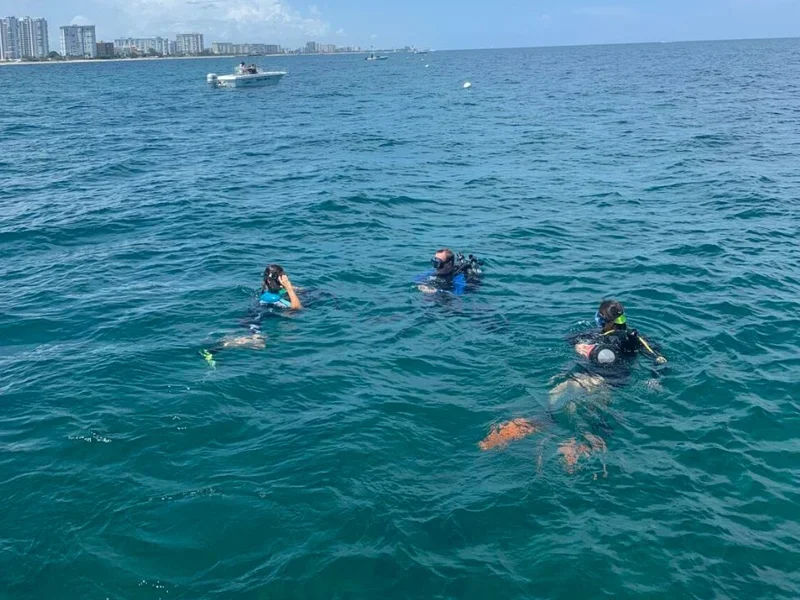
Encountering Red Rock Reef provides a relaxed shallow dive experience, ideal for divers seeking abundant reef fish and a gentle exploration. Its manageable depths and vibrant marine displays make it suitable for various skill levels, offering a chance to practice buoyancy and observe tropical species. Prepare for a boat entry, setting the stage for an engaging underwater journey.
Tonight's objective overview for Red Rock Reef shows an air temperature of 25.5°C. The measured surface conditions include wave heights around 1.3 m. This environmental data is logged for the close of the day.
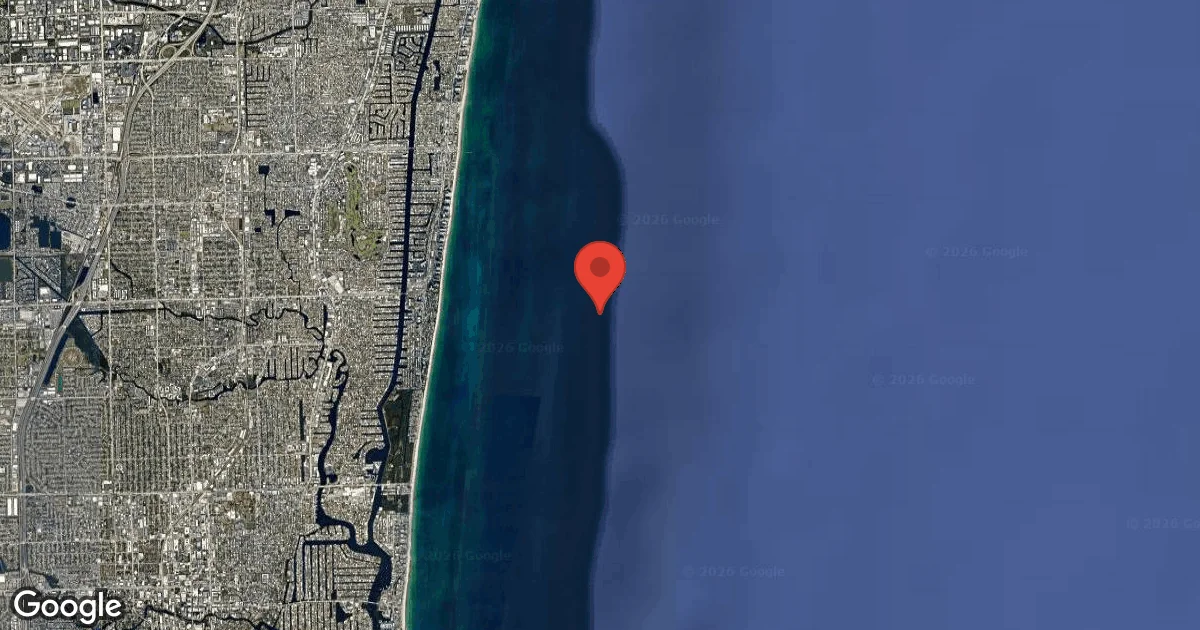
Dive Site Location & Key Facts
Dive Site Overview
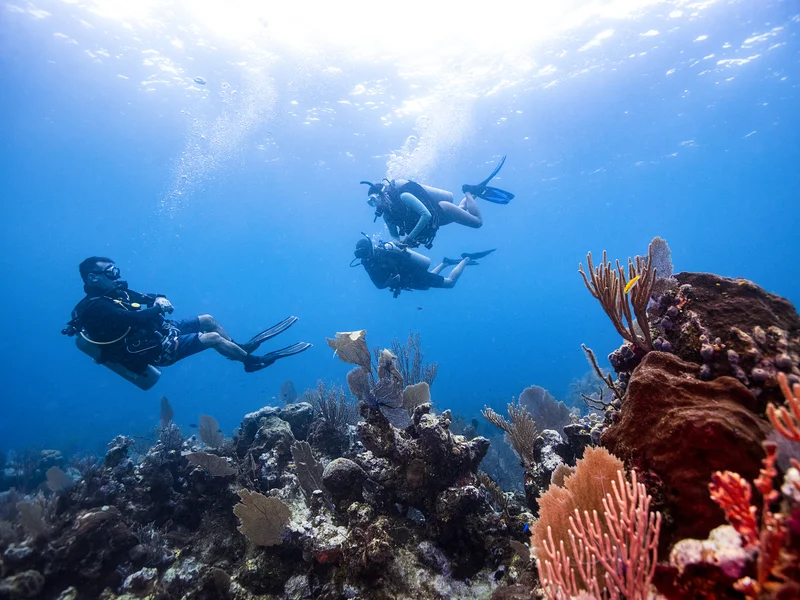
Red Rock Reef features a shallow reef and wall structure, presenting a diverse underwater landscape for exploration. The site typically extends to a maximum depth of 6 meters (19 feet), with distinct reef formations and sections exhibiting a wall-like topography.
Divers navigate a terrain characterized by coral varieties, offering numerous hiding spots for smaller marine life. Entry to the site is exclusively by boat, typically arriving directly above or near the main reef structure. Its shallow nature makes it highly accessible for new divers or those looking for extended bottom times.
While the primary reef reaches recreational depths, the broader area, near formations like Dive Flag Rock, can feature deeper walls extending beyond 20 meters (65 feet); however, the namesake Red Rock Reef itself is consistently described in the shallower range. This site emphasizes visual exploration rather than penetration into deep features.
Conditions are Excellent
07:00 - 14:00
Optimal conditions expected
Current conditions near Red Rock Reef show 26° air, 31° sea temperature, 0.7 m waves, and 13 km/h wind. Forecast data is refreshed regularly to ensure accuracy.
Best Time to Dive
Planning a dive at Red Rock Reef with optimal visibility involves considering the calmer summer months. The period from May through August often presents the most favorable conditions, characterized by average wave heights dropping to between 0.5 and 0.8 meters (1.6 to 2.6 feet). Air temperatures during this season are consistently warm, averaging from 26-28°C (79-82°F), making surface intervals comfortable. While rainfall sees a slight increase in June through September, with averages around 5.8 to 9.3 mm, it generally doesn't significantly impact underwater clarity. Good dive scores are typically reported during these months, reflecting favorable overall conditions for observation. Avoid the months of March, April, and October, where dive scores are often moderate due to varying sea states and potentially reduced visibility.
PEAK SEASON SCORE
Scores combine air & water temps, waves, wind & rainfall for overall conditions.
BEST MONTHS TO DIVE
Monthly records compiled from satellite and marine observation nodes over the last 3 years. Data provided by Open-Meteo and MET Norway.
Dive Experience & Conditions
Sliding into the warm, salty embrace of Red Rock Reef, divers often experience calm conditions and a comfortable water temperature that varies depending on the time of year, generally ranging from 22-27°C (72-81°F) in tropical regions. The currents here can sometimes be quite pronounced, particularly during outgoing or incoming tides and around full moon phases, necessitating mindful navigation. Despite potential currents, visibility is frequently good, allowing clear views of the reef's structure and its inhabitants. Boat traffic can be present in the area, requiring divers to ensure their surface marker buoy is always visible to maintain safety. The site feels like a natural extension of the vibrant coastal ecosystem, providing an immersive experience without venturing into extreme depths.
Dive Difficulty & Safety Guidelines
Ensuring a safe dive at Red Rock Reef involves careful attention to prevailing conditions, particularly strong currents that may develop during tide changes or full moon periods. Divers should always deploy a surface marker buoy to alert boat traffic, which can be considerable in the area. Remaining vigilant for other vessels is crucial during ascent and while on the surface.
Given the shallow profile, adhering to safe ascent rates and conducting thorough safety stops remains paramount, even at recreational depths. Always dive within your certification limits and consider additional training in buoyancy control or underwater navigation, especially if planning to explore areas with variable currents or for precise reef mapping.
Recommended Equipment
- Dive Computer
This gear list is based on verified equipment signals for Red Rock Reef, United States. Always confirm final gear choices with your dive operator, guide, or liveaboard.
Recommended Dive Suit
Weather models currently point toward consistent diving conditions over the next several days.
For typical recreational dives, dive skin or rash guard generally provides comfortable insulation. A hood or vest is suggested for sensitive divers due to surface winds.
Current dive conditions indicate that water temperatures around Red Rock Reef are sitting at roughly 31°C (87°F). Surface air temperatures are resting at 26°C (78°F).
Due to technical issues with our weather providers, live updates are temporarily delayed. The data above reflects the conditions at the time of the last successful fetch.
Emergency & Medical Support
Essential information to help you plan your dive trip to Red Rock Reef.

Hyperbaric chambers are a critical part of dive safety infrastructure. Availability varies significantly by region, and not all dive areas have immediate access.
Before diving, it's recommended to:
- confirm nearest medical facilities
- check emergency procedures with local dive operators
- ensure dive insurance covers evacuation if required
Divers Alert Network
Diving emergency assistance available through DAN World.
+1-919-684-9111- 24/7 emergency hotline
- Diving medical assistance
- Evacuation coordination
Emergency contacts are provided for reference. Always verify local emergency services before diving.
Marine Life at Red Rock Reef
The underwater landscape at Red Rock Reef teems with a variety of tropical fish, creating a dynamic visual experience. Among the common sightings, divers can expect to encounter an array of reef fish such as surgeonfish, angelfish, bannerfish, and triggerfish navigating the corals.
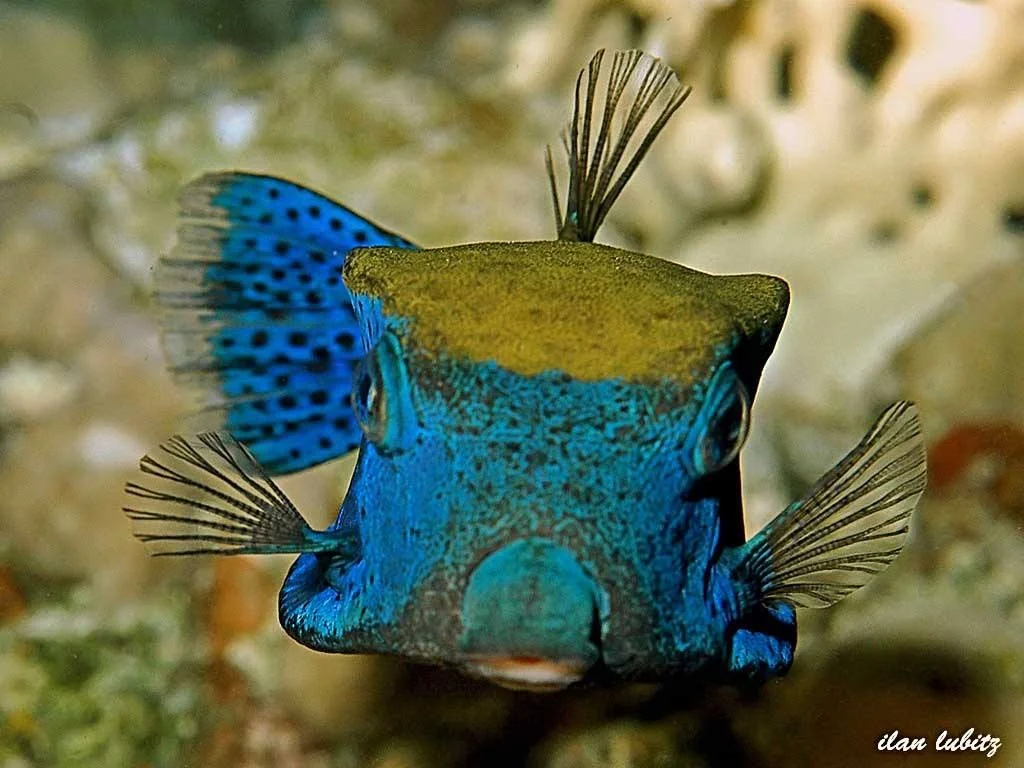
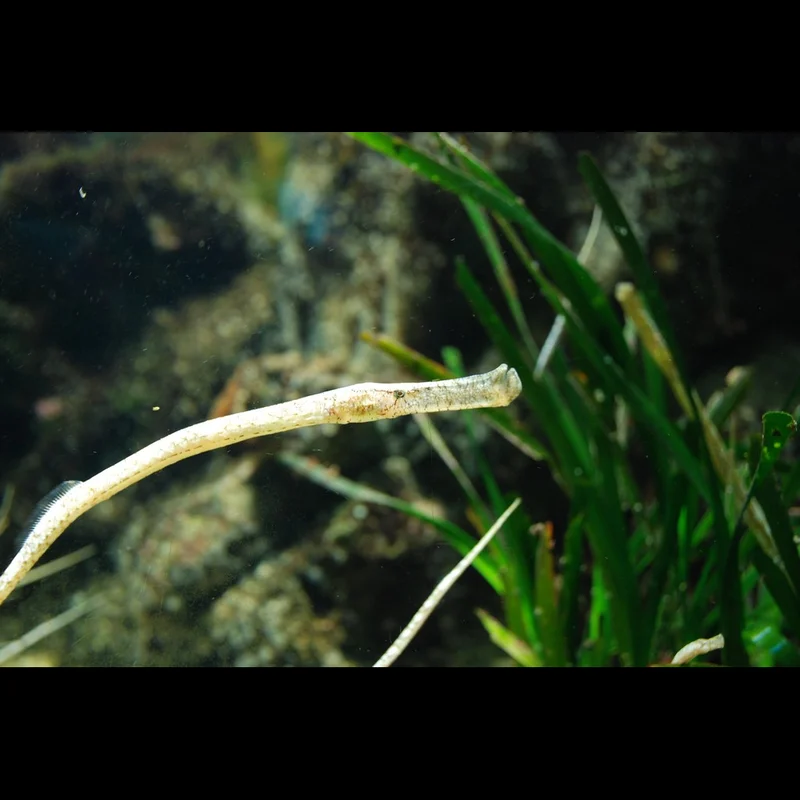
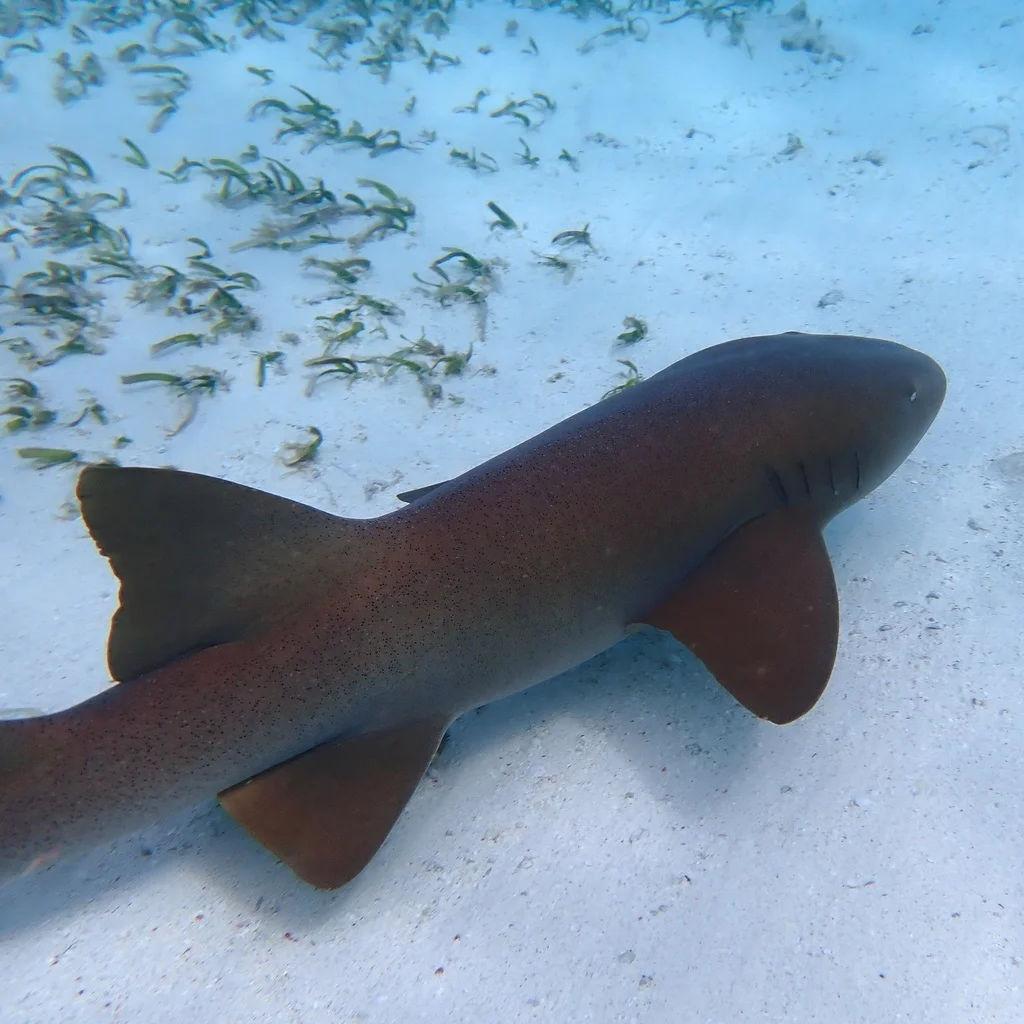
Look closely for boxfish and pufferfish, often seen moving leisurely, alongside the distinctive trumpetfish and pipefish. Larger inhabitants like nurse sharks, blacktip reef sharks, rays, and sea turtles are frequently observed traversing the reef.
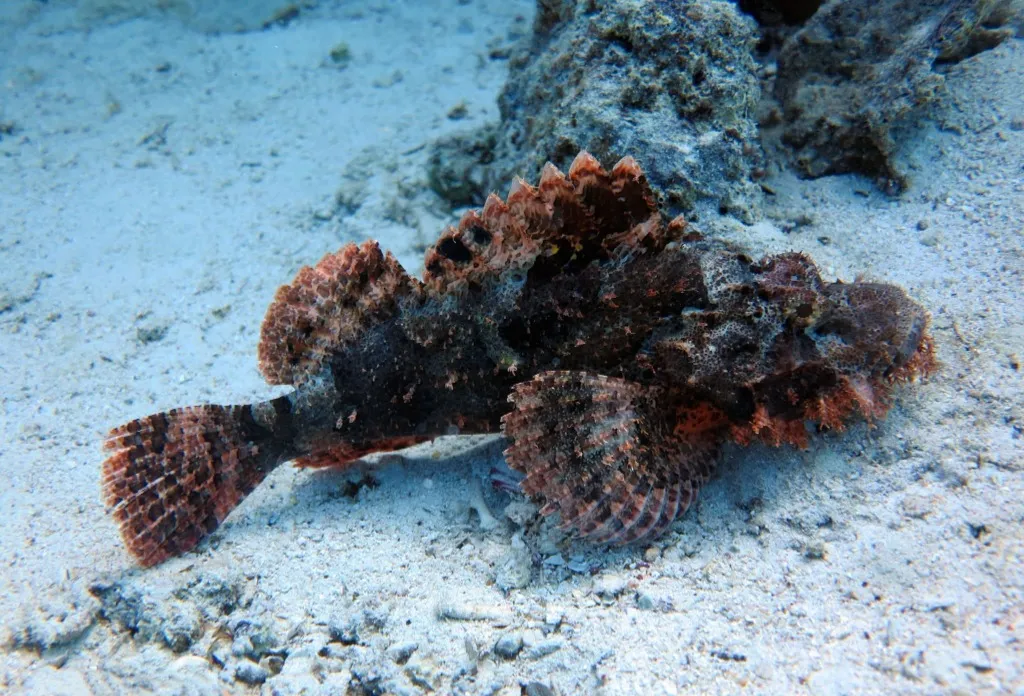
Scorpionfish and grouper are also present, often camouflaged against the reef structure, adding to the diversity of this vibrant ecosystem.
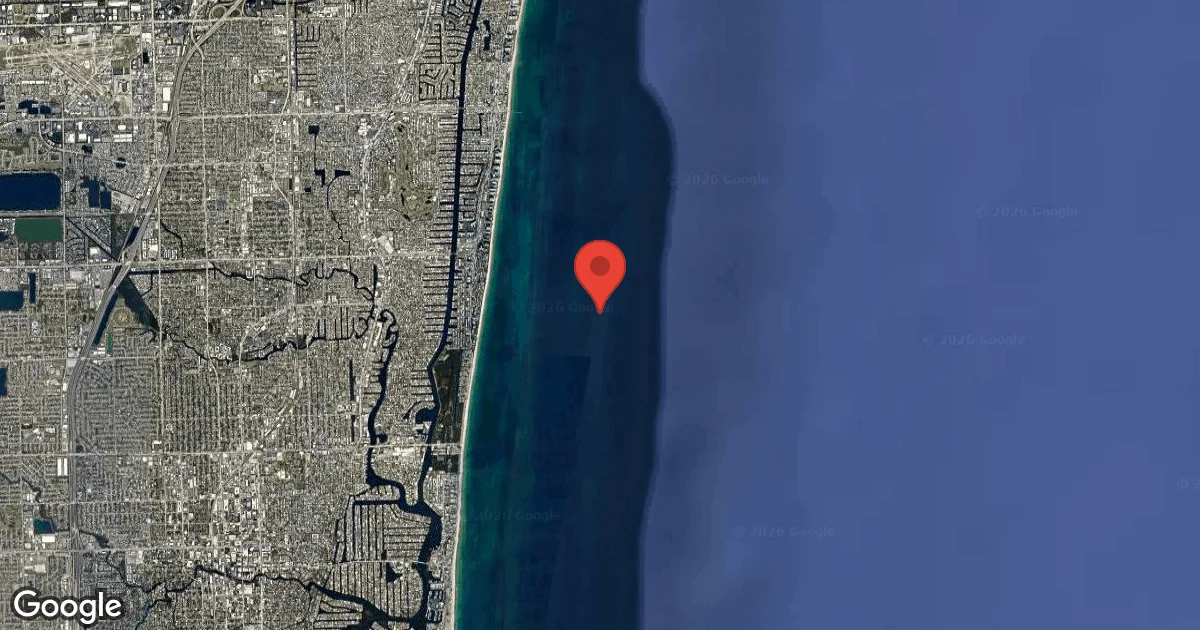
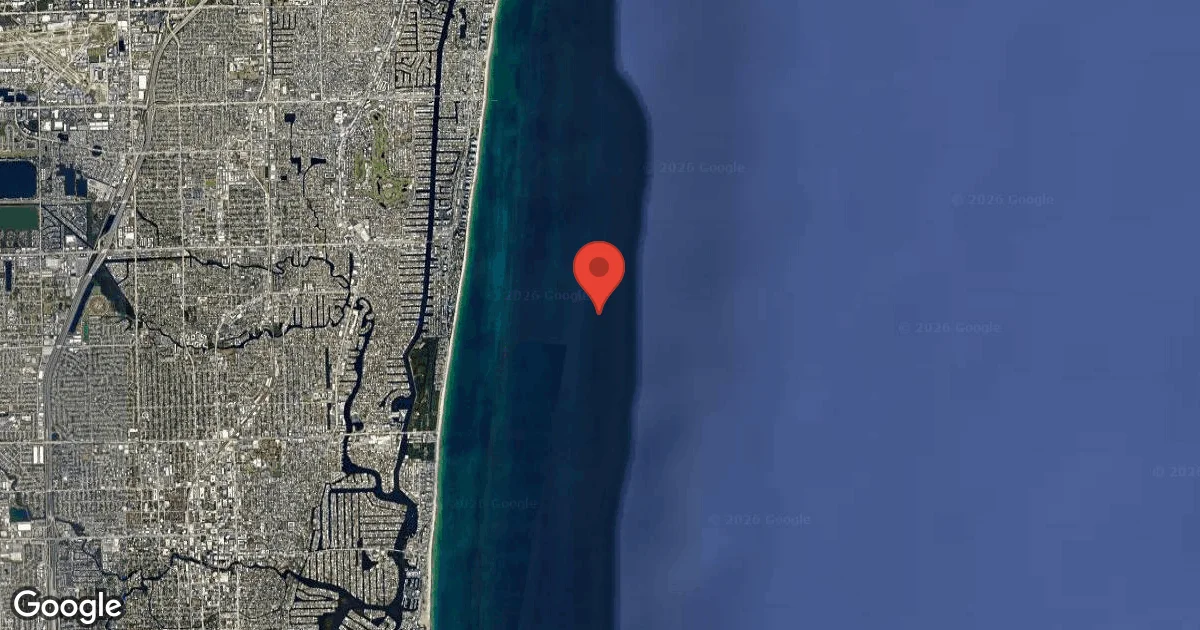
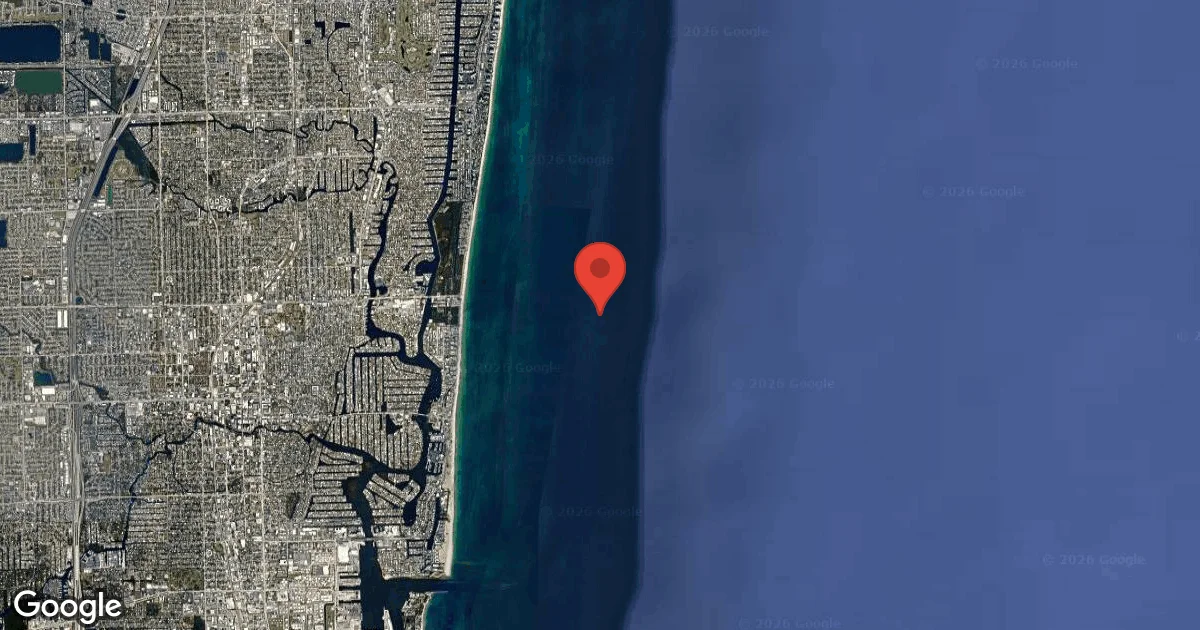
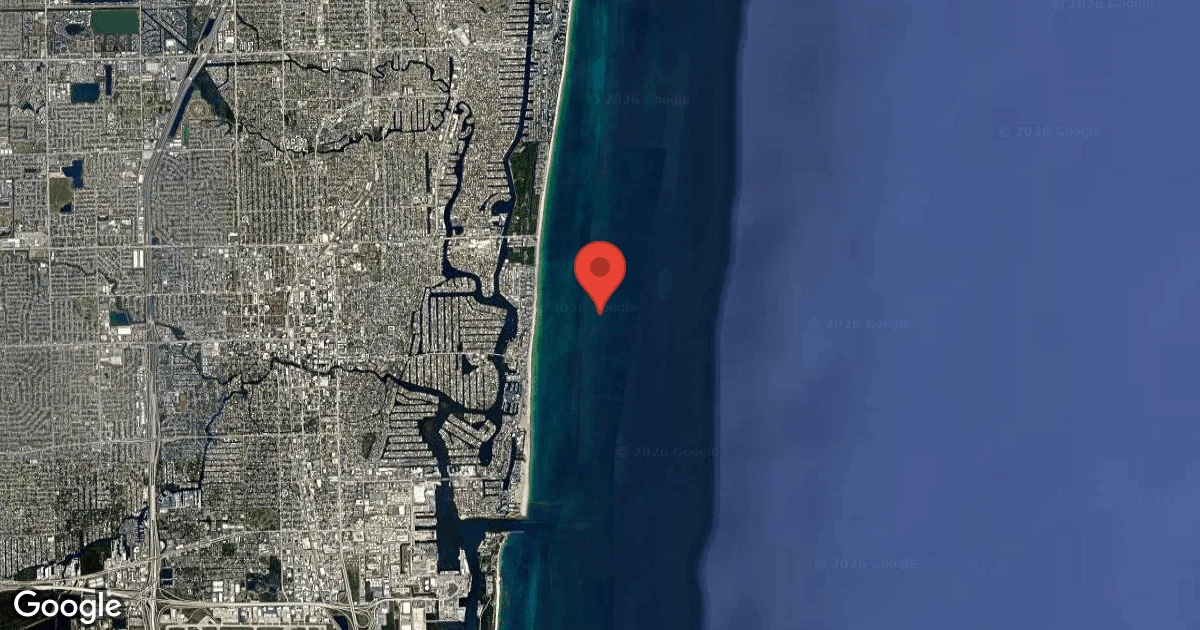
Dive Sites Near Red Rock Reef
View all dive sites in United StatesDiscover more underwater gems in this area.
Dive Centers Near Red Rock Reef
Today: 07:30 - 17:00
Nearest Airports
Nearest airports to help plan travel to this dive area.
Search Flights
Check available flights and routes on Expedia, using the nearby airports listed in this section.
Search Flights on Expedia
Plan Your Stay
Looking for a place to stay for your dive trip? Explore hotels, stays, and vacation rentals for dive groups near Boca Raton.
Dive Navigator may earn a commission from these links at no extra cost to you.
Frequently Asked Questions
What is the typical maximum depth at Red Rock Reef?
Red Rock Reef typically reaches a maximum depth of 6 meters (19 feet). This makes it an ideal site for less experienced divers or those looking for extended bottom times within recreational limits.
Is Red Rock Reef suitable for beginner divers?
Yes, its shallow maximum depth and generally good visibility make Red Rock Reef suitable for beginner divers and for PADI Open Water Diver training. It also serves as an excellent site for buoyancy practice.
What kind of marine life can I expect to see?
Divers can expect to see a wide variety of reef fish including angelfish, parrotfish, and pufferfish. Larger marine animals such as nurse sharks, rays, and sea turtles are also frequently observed here.
Are there strong currents at Red Rock Reef?
Currents can vary significantly at Red Rock Reef, sometimes becoming strong, especially during outgoing or incoming tides and around full moon periods. Divers should be prepared for varying conditions and utilize proper current diving techniques.
What is the best way to access Red Rock Reef?
Access to Red Rock Reef is primarily by boat. Divers typically embark from local dive operators who transport them directly to the site.
When is the best time of year to dive Red Rock Reef for visibility?
The months from May through August generally offer the best visibility at Red Rock Reef. During this period, wave heights are typically lower, contributing to clearer underwater conditions.
Planning to dive Red Rock Reef?
Send one inquiry and receive offers directly from the best verified local dive operators.
Conditions are Excellent
07:00 - 14:00
Optimal conditions expected
Current conditions near Red Rock Reef show 26° air, 31° sea temperature, 0.7 m waves, and 13 km/h wind. Forecast data is refreshed regularly to ensure accuracy.