
Diving at Rio Yuna Wreck Concrete Pile (United States)
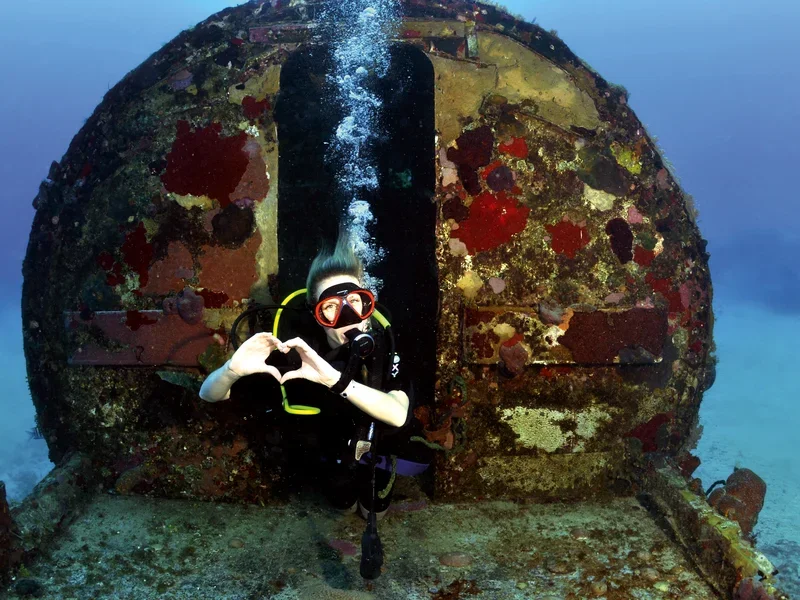
Dive sites featuring concrete piles, often serving as artificial reef structures, generally present a unique technical profile for certified divers. These submerged formations, potentially originating from older infrastructure or deliberate reefing efforts, are typically explored within recreational diving limits. They offer a stable substrate for marine growth, attracting various species. The structural nature of these sites often involves complex layouts that appeal to divers interested in exploring man-made environments and observing the progression of ecosystem colonization.
Tonight's objective overview for Rio Yuna Wreck Concrete Pile shows an air temperature of 27.5°C. The measured surface conditions include wave heights around 1.2 m. This environmental data is logged for the close of the day.
Dive Site Location & Key Facts
Dive Site Overview
Artificial reefs, including those created from concrete piles, possess a rich historical context in coastal areas of the United States. Many such structures were deployed to enhance marine habitats and create new diving opportunities where natural reefs were sparse or damaged.
These concrete components might be remnants of former piers, bridges, or intentionally sunken materials, sometimes resulting from storm damage or decommissioning projects. Over time, these structures become integrated into the marine environment, offering stable surfaces for coral recruitment and ample shelter and foraging grounds for diverse marine life. While specific historical details regarding the Rio Yuna wreck concrete pile are not consistently reported in available data, sites of this nature typically evolve into vibrant underwater ecosystems within a few years of deployment.
Exploring these submerged formations provides insight into both human engineering and natural biological processes. Divers can observe how these robust structures, initially serving functional purposes, are repurposed by the ocean.
Such dives often unveil layers of encrusting organisms, from sponges and tunicates to various soft corals, alongside schooling fish like snapper and grunt. This illustrates the successional changes on artificial substrates, turning once-industrial remains into dynamic underwater landscapes.
These sites are a testament to ongoing efforts in marine conservation and habitat creation along US coastlines.
Conditions are Good
Optimal conditions expected
Current conditions near Rio Yuna Wreck Concrete Pile show 28° air, 28° sea temperature, 0.8 m waves, and 24 km/h wind. Forecast data is refreshed regularly to ensure accuracy.
Best Time to Dive
For divers seeking optimal conditions at concrete pile sites in the US, planning around seasonal climate patterns is essential. From May through August, the region generally experiences 'Good' dive scores, indicating more favorable weather. During these months, air temperatures are notably warmer, peaking around 28°C (82°F) in August. This period also tends to have lower average wave heights, with July reporting approximately 0.7 m (2.3 ft), reducing surface chop and potentially enhancing overall comfort. Conversely, October registers a 'Poor' dive score, accompanied by higher wave heights, averaging 1.6 m (5.2 ft), and increased rainfall at 5.62 mm (0.22 in). Although specific water temperature data for concrete pile structures are not consistently reported, the warmer air during summer months often correlates with more comfortable water conditions for diving. February and March maintain 'Moderate' dive scores with average air temperatures ranging from 16.5°C (62°F) to 19.5°C (67°F), suggesting cooler but still viable diving. Winds are generally lower in summer, dropping to 25.16 km/h (15.6 mph) in July, which also contributes to calmer sea states. Targeting the late spring and summer months should prioritize diver comfort and maximize the chances of a pleasant experience.
PEAK SEASON SCORE
Scores combine air & water temps, waves, wind & rainfall for overall conditions.
BEST MONTHS TO DIVE
Monthly records compiled from satellite and marine observation nodes over the last 3 years. Data provided by Open-Meteo and MET Norway.
Dive Experience & Conditions
Diving concrete pile structures typically involves navigating robust, often angular formations that create intricate swim-throughs and sheltered nooks. While specific current dynamics and visibility for the Rio Yuna wreck concrete pile are not consistently documented in available data, similar sites in the region can experience varying conditions. Currents might range from mild to moderate depending on tidal influences and offshore weather, requiring divers to be mindful of drift. Visibility also fluctuates, often influenced by recent rainfall, suspended particulate matter, or plankton blooms; it's advisable to check local reports closer to your dive date. Water temperature data is not consistently reported for this area, but general regional patterns suggest warmer conditions from late spring to early autumn. These concrete structures, over time, develop a diverse growth of sessile invertebrates, creating textured surfaces and numerous micro-habitats. Divers often find themselves exploring a network of interconnected spaces, making careful buoyancy control and awareness of surroundings crucial for a rewarding experience. This structural complexity helps reduce the impact of currents within the site itself, even if surface conditions are more dynamic.
Dive Difficulty & Safety Guidelines
For divers approaching concrete pile structures, maintaining situational awareness is paramount. As precise details for this specific site are not available in the provided data, a general expert tip emphasizes diligent pre-dive planning and local guidance. Always consult with local dive operators or experienced guides familiar with the area to understand prevailing currents, potential entanglements, and entry/exit procedures.
Concrete structures can present sharp edges or unstable sections, requiring careful finning and avoiding contact with the reef. Practicing excellent buoyancy control protects both the diver and the delicate marine growth.
Due to potentially reduced visibility at certain times, a dive light is often recommended to illuminate shadowed areas and spot marine life. Always dive within your certification limits and consider the depths and structural complexity.
Never attempt penetration into confined spaces unless specifically trained and equipped for overhead environments. Adhering to these guidelines ensures a safer and more respectful interaction with this unique underwater environment.
Recommended Equipment
- Dive Computer
This gear list is based on verified equipment signals for Rio Yuna Wreck Concrete Pile, United States. Always confirm final gear choices with your dive operator, guide, or liveaboard.
Recommended Dive Suit
Water temperatures at Rio Yuna Wreck Concrete Pile are currently estimated to be around 28°C (83°F), shaping the overall diving conditions for today. Surface air temperatures are resting at 28°C (82°F).
2-3mm shorty or light wetsuit is generally considered suitable for water temperatures like this. Consider warmer surface protection (like a boat coat) due to brisk winds.
Forecast trends indicate similar diving conditions over the next few days.
Emergency & Medical Support
Essential information to help you plan your dive trip to Rio Yuna wreck concrete pile.

Hyperbaric chambers are a critical part of dive safety infrastructure. Availability varies significantly by region, and not all dive areas have immediate access.
Before diving, it's recommended to:
- confirm nearest medical facilities
- check emergency procedures with local dive operators
- ensure dive insurance covers evacuation if required
Divers Alert Network
Diving emergency assistance available through DAN World.
+1-919-684-9111- 24/7 emergency hotline
- Diving medical assistance
- Evacuation coordination
Emergency contacts are provided for reference. Always verify local emergency services before diving.
Marine Life at Rio Yuna Wreck Concrete Pile
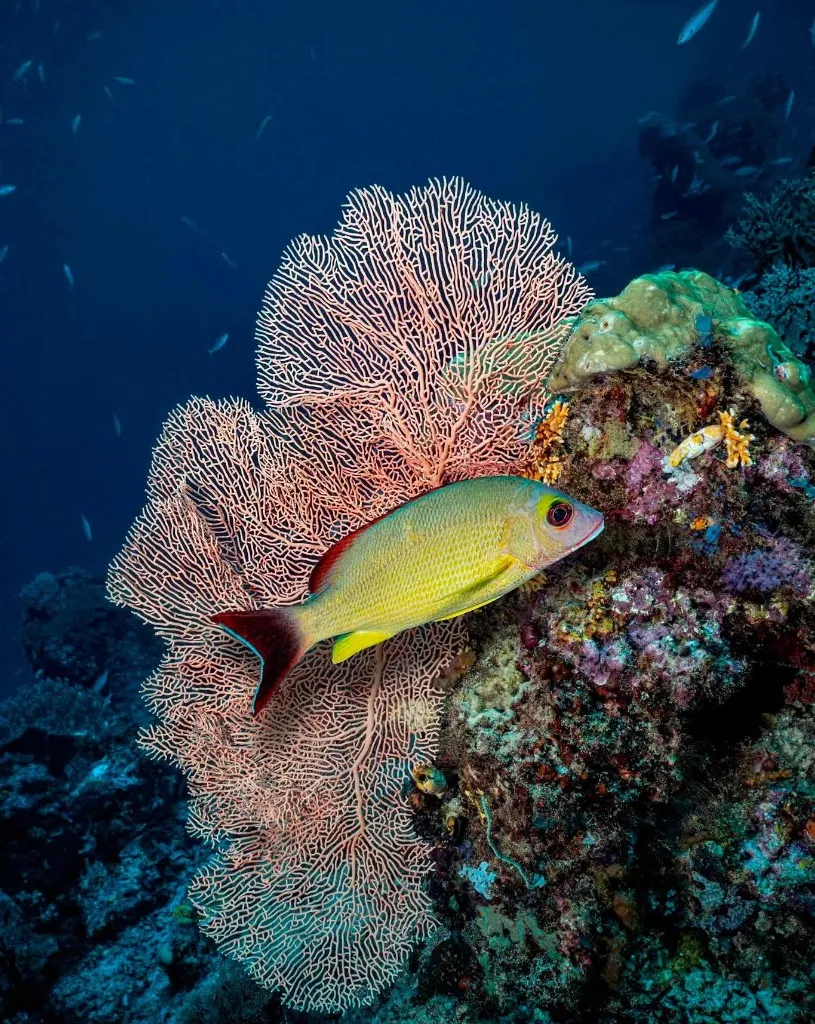
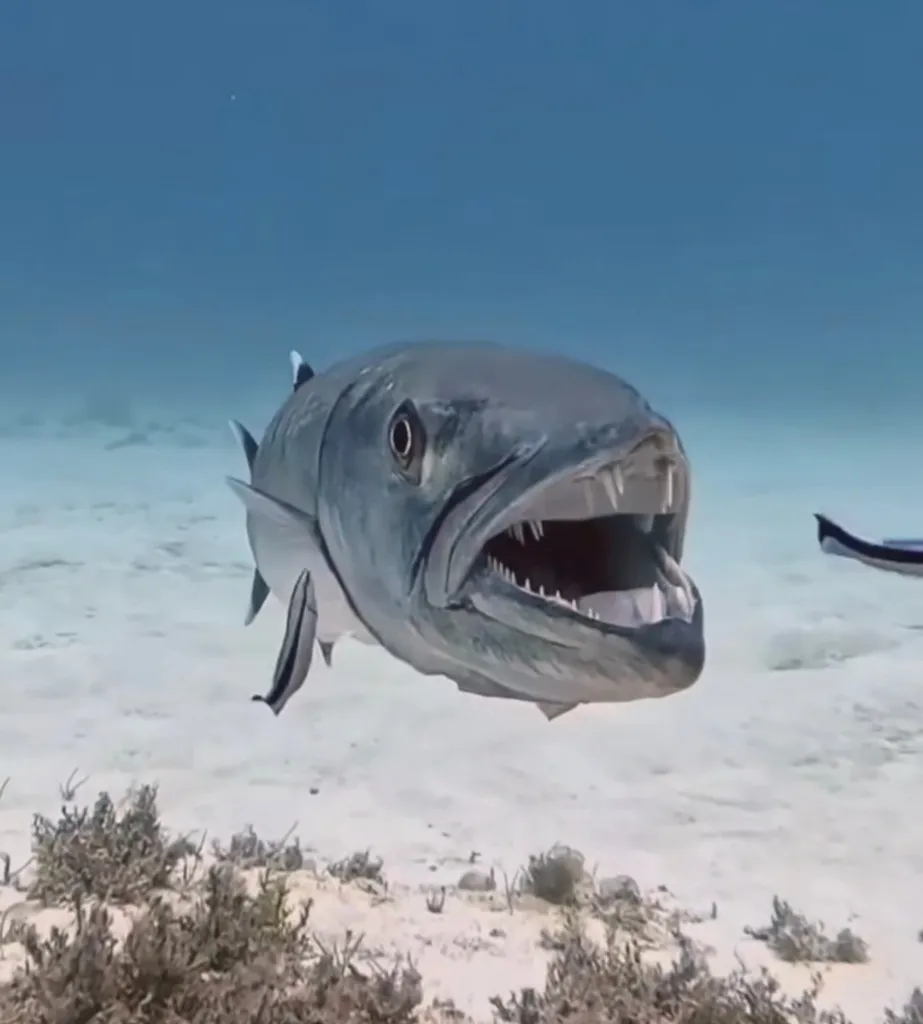
Concrete pile structures serve as crucial artificial habitats, attracting a variety of marine life not typically found on barren seafloors. While specific marine life sightings for the Rio Yuna wreck concrete pile are not documented in the provided data, similar artificial reefs in US waters often become havens for schooling fish such as grunts, snapper, and sometimes barracuda.
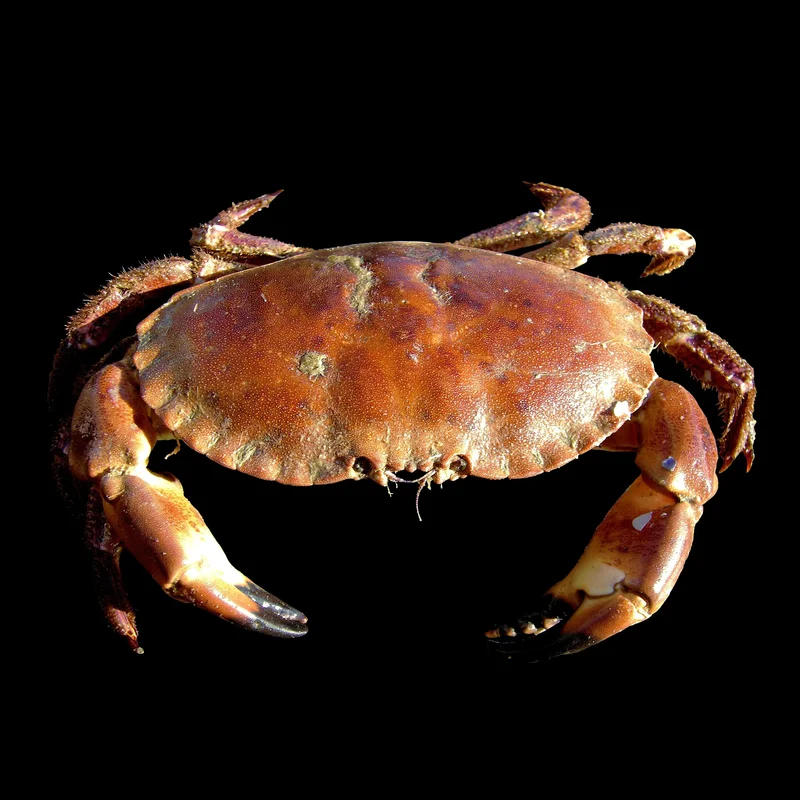
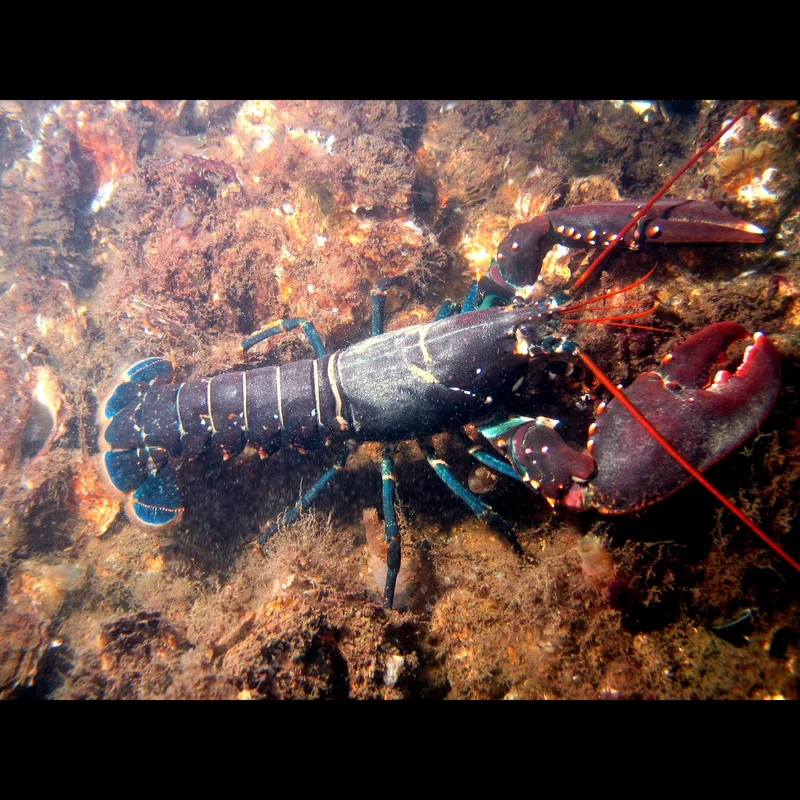
The crevices and sheltered areas among the piles provide refuge for smaller invertebrates like crabs and lobsters. Encrusting sponges, tunicates, and various forms of soft corals commonly colonize these robust surfaces, adding vibrant color and intricate textures to the underwater landscape.
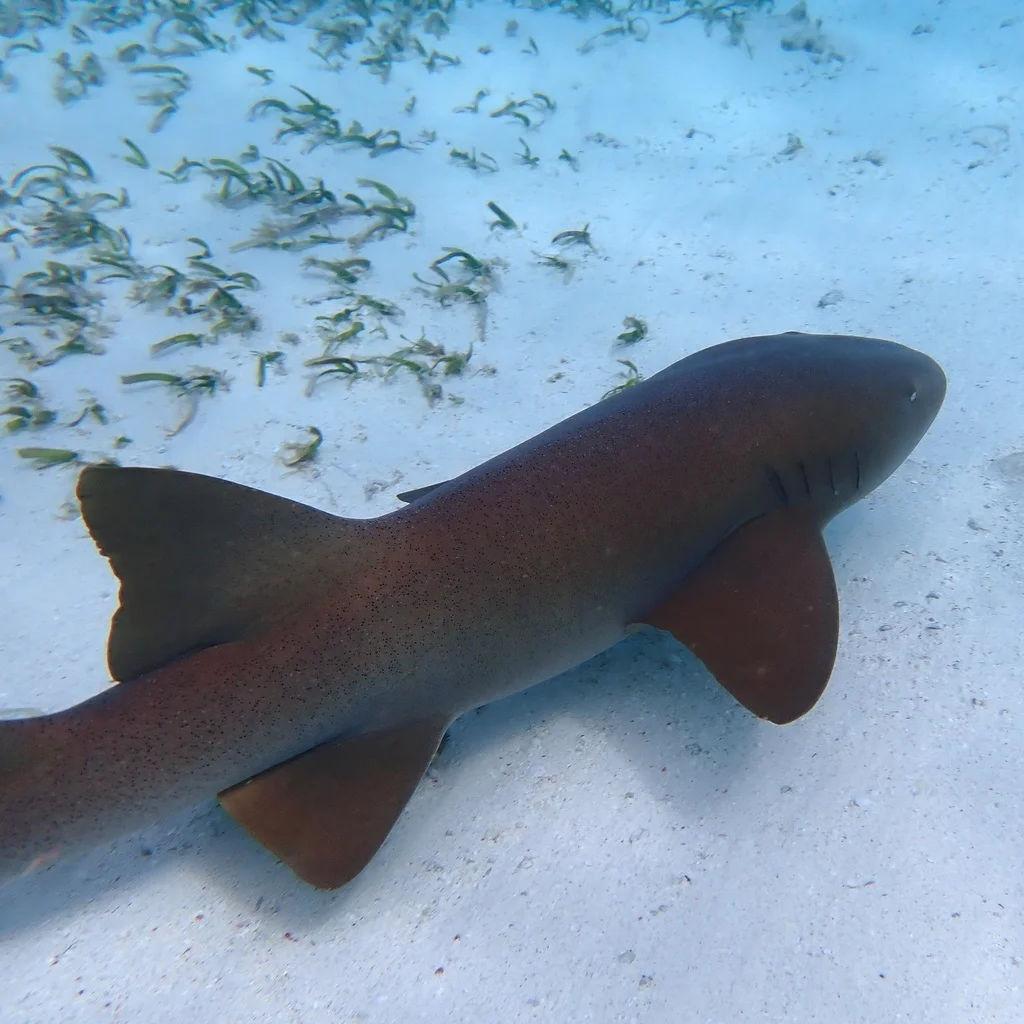
These structures also create hunting grounds for larger predatory fish. Divers exploring these formations frequently encounter nurse sharks resting in shadows or turtles foraging among the growth.
Dive Centers Near Rio Yuna Wreck Concrete Pile
Today: 10:00 - 19:00
Nearest Airports
Nearest airports to help plan travel to this dive area.
Search Flights
Check available flights and routes on Expedia, using the nearby airports listed in this section.
Search Flights on ExpediaFrequently Asked Questions
Is the Rio Yuna wreck concrete pile suitable for all certified divers?
Specific site details are limited, but as an artificial structure, it likely caters to certified divers comfortable with navigating man-made formations. Consulting local dive operators for current conditions and site complexity is always recommended.
What are the typical depths for diving concrete pile structures in this region?
Specific depth information for this site is not consistently reported in available data. However, artificial reefs made from concrete piles often fall within typical recreational diving depths, ranging from shallower sections to potentially deeper areas.
What kind of visibility can be expected at this type of dive site?
Visibility at concrete pile sites in the region can vary greatly. Factors such as weather, currents, and seasonal plankton blooms can influence clarity, making local reports crucial for accurate expectations.
Are there strong currents to consider when diving these concrete pile structures?
Currents can be present and may range from mild to moderate around concrete pile structures, influenced by tides and offshore conditions. Divers should plan their dives with this in mind and consult local experts for current predictions.
Is special equipment required for diving a concrete pile site?
No specialized equipment is strictly required beyond standard dive gear, though a dive light is often recommended to explore shadowed areas. Awareness of potential abrasive surfaces on the concrete is also wise.
What kind of marine life might I encounter at a concrete pile reef?
Concrete pile artificial reefs attract various marine species, including schooling fish like grunts and snapper, as well as crustaceans such as crabs and lobsters. The structures themselves are often covered in sponges and soft corals, providing diverse micro-habitats.
Is there a best time of year to dive these structures for optimal conditions?
According to regional climate patterns, late spring and summer months (May through August) generally offer more favorable conditions, with warmer air temperatures and lower wave heights. October tends to have poorer conditions due to higher waves and increased rainfall.
Planning to dive Rio Yuna Wreck Concrete Pile?
Send one inquiry and receive offers directly from the best verified local dive operators.
Conditions are Good
Optimal conditions expected
Current conditions near Rio Yuna Wreck Concrete Pile show 28° air, 28° sea temperature, 0.8 m waves, and 24 km/h wind. Forecast data is refreshed regularly to ensure accuracy.