
Diving at Rube Allyn-Sand Key Bridge (United States)
Rube Allyn-Sand Key Bridge, a dive area near the Florida coastline, presents dive opportunities influenced by seasonal shifts. Air temperatures generally range from 14-29°C (58-84°F) annually. Periods of calmer seas and lighter winds correlate with improved dive conditions. This extensive artificial reef system offers a complex underwater environment.
As evening covers Rube Allyn-Sand Key Bridge, the local air temperature is measured at 27°C. The current wave height at the surface is recorded at 0.4 m. These late-day readings characterize the surface conditions for the night.
Dive Site Location & Key Facts
Dive Site Overview
An expansive artificial reef, Rube Allyn-Sand Key Bridge formed from the deliberate deployment of significant quantities of bridge materials. Comprising 70,000 tons of Sand Key Bridge rubble, along with hundreds of concrete culverts, concrete pilings, power poles, and numerous fiberglass boat molds, the site offers a vast submerged landscape for exploration.
Divers encounter diverse structures, ranging from compact clusters of culverts to larger elements like 50-foot (15 m) fiberglass boat molds and a 30'x15'x13' (9x4.5x4 m) barge. Various compacted tire units are also integrated, though some are highly scattered due to past rough seas. These varied components create an intricate habitat throughout the recreational depth range, offering numerous points of interest for navigation and marine life observation.
Certain sections feature cement sinkers with profiles up to 3 feet (1 meter) above the bottom, contributing to the varied topography.
Conditions are Good
Optimal conditions expected
Current conditions near Rube Allyn-Sand Key Bridge show 27° air, 30° sea temperature, 0.4 m waves, and 28 km/h wind. Forecast data is refreshed regularly to ensure accuracy.
Best Time to Dive
To maximize dive comfort and visibility, targeting the months with 'Good' dive scores, which span from February through December, is recommended. Air temperatures during these periods are quite favorable, typically ranging from an average of 16°C (61°F) in February to highs of 29°C (84°F) in August. While specific water temperatures are not consistently reported in available data, they generally reflect the surface air temperatures, offering warm conditions during summer months and milder conditions throughout winter. Rain levels are typically lower outside of the summer peaks, which can contribute to better overall dive conditions. Wind speeds and wave heights also tend to be more moderate during these recommended months, enhancing the overall dive experience.
PEAK SEASON SCORE
Scores combine air & water temps, waves, wind & rainfall for overall conditions.
BEST MONTHS TO DIVE
Monthly records compiled from satellite and marine observation nodes over the last 3 years. Data provided by Open-Meteo and MET Norway.
Dive Experience & Conditions
Navigating the Rube Allyn-Sand Key Bridge site involves exploring a complex underwater topography. Currents vary based on tidal movements and offshore weather systems, meaning slack tide often provides the calmest conditions. Visibility at artificial reef sites can be dynamic, influenced by recent weather, sediment, and tidal flow; it's not consistently reported but can range from moderate to good on favorable days. Divers encounter a substantial amount of concrete bridge material, including large pieces, various culverts, and concrete pilings. Fiberglass boat molds, some reaching 50 feet (15 m) long, are also present, alongside scattered compacted tire units, creating a diverse dive environment. The scattered nature of some materials means the underwater landscape is quite varied, requiring attentive navigation.
Dive Difficulty & Safety Guidelines
Diving this artificial reef requires careful planning and situational awareness. Given the extensive amount of bridge rubble, concrete culverts, and varied structures, potential entanglement hazards exist; divers should maintain appropriate buoyancy and be mindful of their gear.
While penetration of structures like boat molds or larger culverts is generally not recommended without proper training and equipment, explorers should exercise caution around openings. Strong currents are not consistently reported as a primary hazard, but conditions can change, especially around bridge structures where water flow might intensify.
It's prudent for divers to assess conditions before entry and to carry a dive knife. Always dive within your certification limits and consider carrying an SMB for surface signaling, especially in areas with potential boat traffic.
Recommended Equipment
- Dive Computer
This gear list is based on verified equipment signals for Rube Allyn-Sand Key Bridge, United States. Always confirm final gear choices with your dive operator, guide, or liveaboard.
Recommended Dive Suit
Thermal protection such as dive skin or rash guard is commonly used for water temperatures in this range. A hood or vest is suggested for sensitive divers due to surface winds.
Divers entering the water at Rube Allyn-Sand Key Bridge today can expect temperatures near 30°C (87°F) beneath the surface. Surface air temperatures are resting at 27°C (81°F).
The next few days appear likely to bring similar environmental conditions.
Emergency & Medical Support
Essential information to help you plan your dive trip to Rube Allyn-Sand Key Bridge.

Hyperbaric chambers are a critical part of dive safety infrastructure. Availability varies significantly by region, and not all dive areas have immediate access.
Before diving, it's recommended to:
- confirm nearest medical facilities
- check emergency procedures with local dive operators
- ensure dive insurance covers evacuation if required
Divers Alert Network
Diving emergency assistance available through DAN World.
+1-919-684-9111- 24/7 emergency hotline
- Diving medical assistance
- Evacuation coordination
Emergency contacts are provided for reference. Always verify local emergency services before diving.
Marine Life at Rube Allyn-Sand Key Bridge
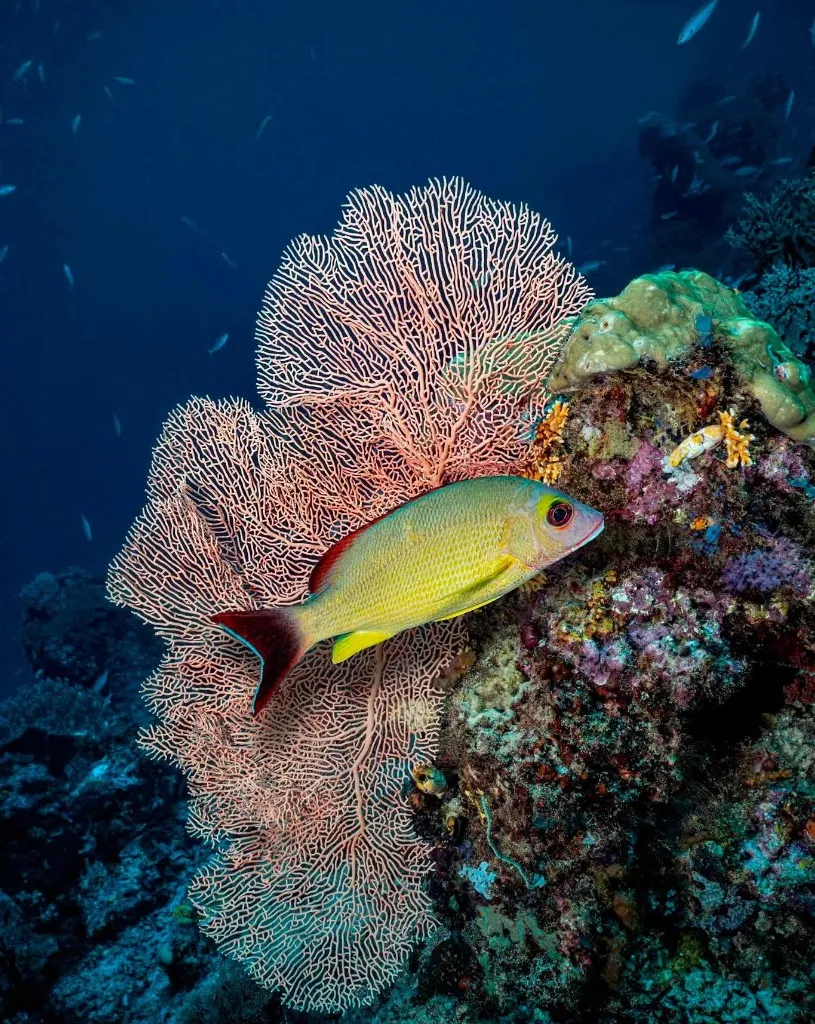
Diving the Rube Allyn-Sand Key Bridge artificial reef system reveals extensive marine life colonization across its structures. Concrete culverts and bridge rubble provide ideal shelter and substrate for various fish species, including schooling baitfish, grunts, and snapper.
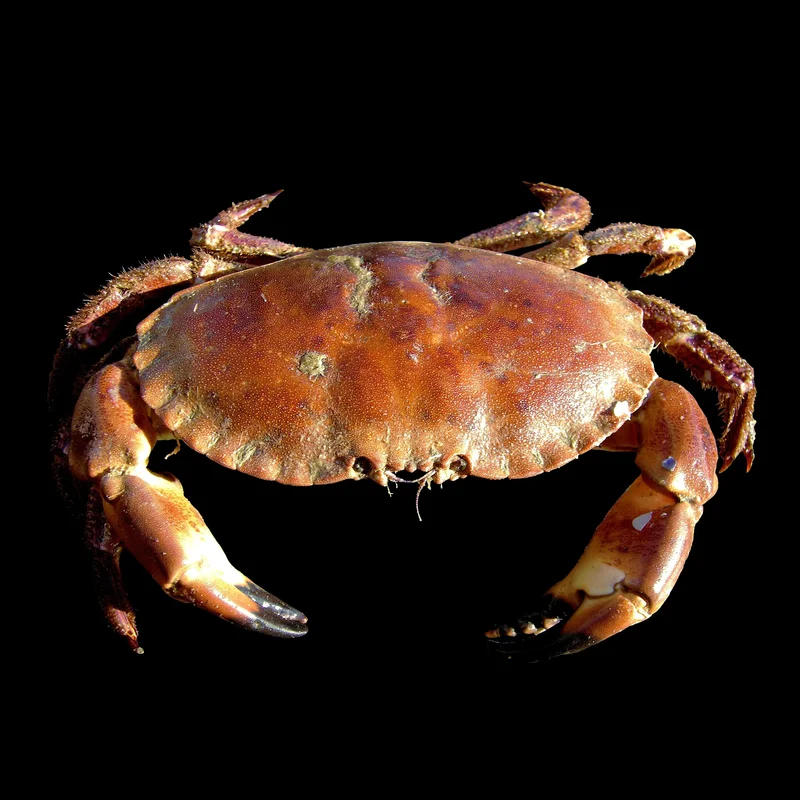
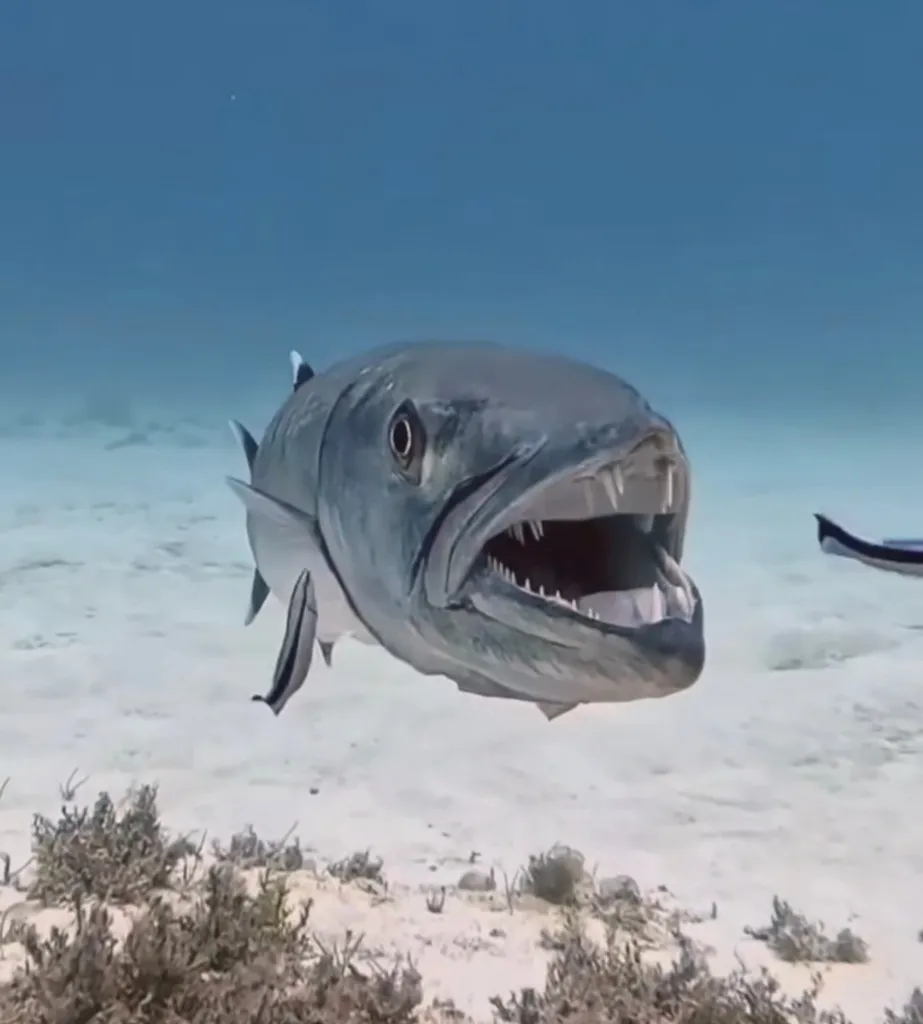
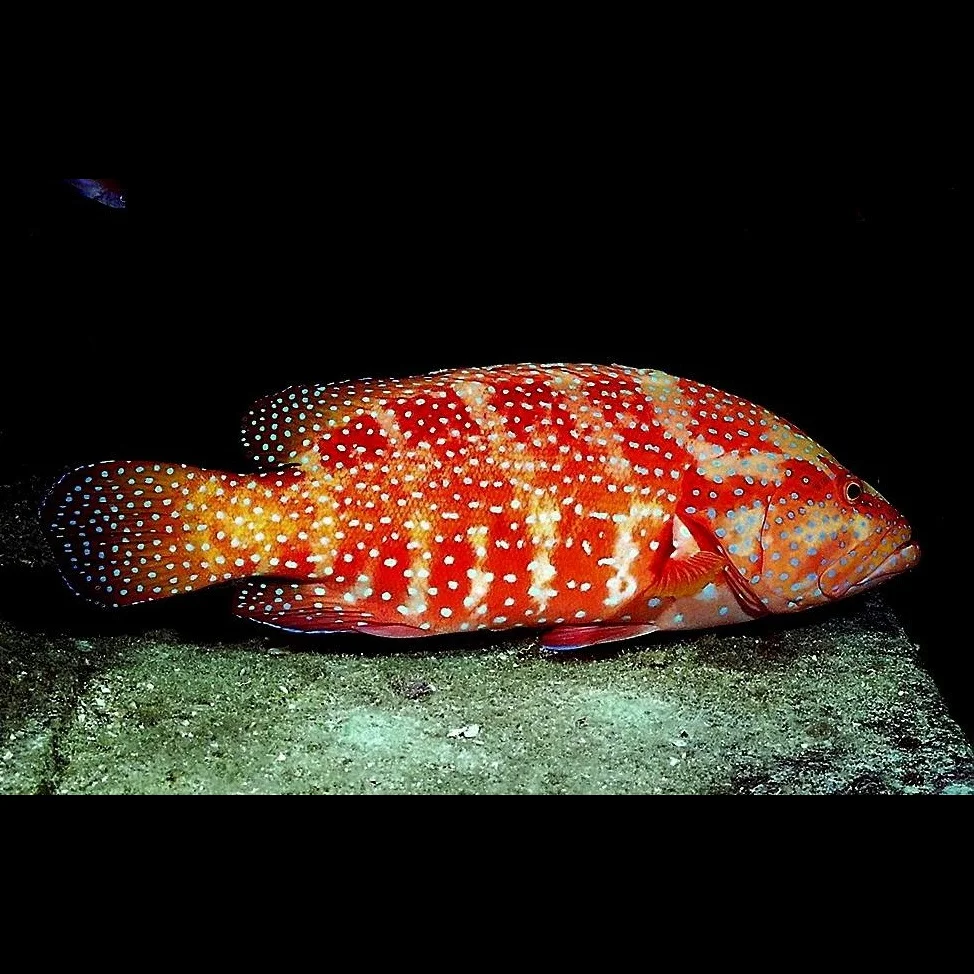
Look for smaller invertebrates, like crabs and shrimps, finding refuge within the crevices of concrete and tire units. Occasional larger fish, possibly barracuda or grouper, might patrol the edges of the larger boat molds and bridge segments, drawn to the abundance of smaller prey.
This man-made habitat transforms into a thriving ecosystem, constantly attracting a diverse range of local marine fauna.

Dive Centers Near Rube Allyn-Sand Key Bridge
Today: 10:00 - 17:00
Nearest Airports
Nearest airports to help plan travel to this dive area.
Search Flights
Check available flights and routes on Expedia, using the nearby airports listed in this section.
Search Flights on Expedia
Plan Your Stay
Looking for a place to stay for your dive trip? Explore hotels, stays, and vacation rentals for dive groups near Indian Rocks Beach.
Dive Navigator may earn a commission from these links at no extra cost to you.
Frequently Asked Questions
What type of dive site is Rube Allyn-Sand Key Bridge?
An artificial reef, the site is primarily constructed from remnants of the Sand Key Bridge. It features extensive concrete rubble, culverts, pilings, and various other structures like fiberglass boat molds, creating a complex habitat.
What is the typical depth range for diving here?
Operating within recreational diving limits, the Rube Allyn-Sand Key Bridge site allows exploration throughout its maximum depth. Divers can expect to find structures across the typical recreational depth range.
How is visibility at the site?
Visibility can be dynamic and isn't consistently reported; it's influenced by recent weather, sediment, and tidal flow. On favorable days, divers can expect moderate to good conditions.
Are there currents to be aware of?
Currents vary depending on tidal movements and offshore weather systems. Diving during slack tide is often recommended for the calmest conditions.
What marine life can be observed?
Artificial structures attract a variety of marine life, including schooling baitfish, grunts, and snapper. Divers might also spot crabs, shrimps, and occasionally larger fish like barracuda or grouper drawn to the abundant prey.
What equipment is recommended for this dive?
Considering the intricate structures and potential for entanglement, divers should prioritize good buoyancy control. A dive light is also highly advisable for exploring crevices and inner sections of larger elements like boat molds.
When is the best time to dive Rube Allyn-Sand Key Bridge?
From February through December, conditions often provide the best dive scores, correlating with more favorable air temperatures and calmer sea states. These periods generally enhance the overall dive experience, with less rain and moderate winds.
Planning to dive Rube Allyn-Sand Key Bridge?
Send one inquiry and receive offers directly from the best verified local dive operators.
Conditions are Good
Optimal conditions expected
Current conditions near Rube Allyn-Sand Key Bridge show 27° air, 30° sea temperature, 0.4 m waves, and 28 km/h wind. Forecast data is refreshed regularly to ensure accuracy.